

Umm Ar-Rasas – The Biblical Settlement of Mephaat
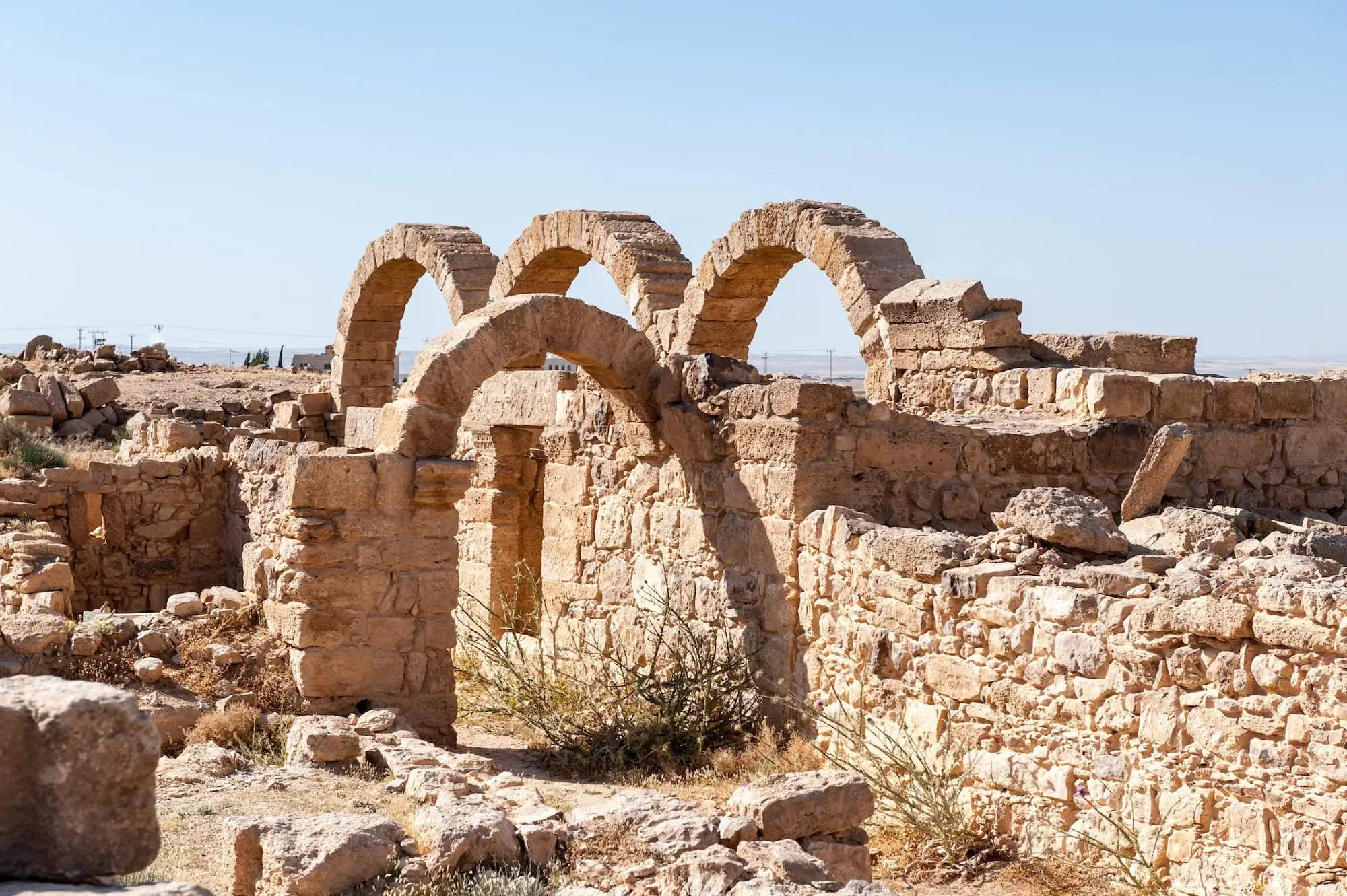
Byzantine mosaics shimmer beneath the desert sun at Umm ar-Rasas, one of Jordan’s most remarkable archaeological sites. Located around 30 kilometers southeast of Madaba along the ancient King’s Highway, this UNESCO World Heritage Site preserves an exceptional collection of Roman, Byzantine, and early Islamic ruins, reflecting nearly a thousand years of continuous habitation.
The site is renowned for its intricate mosaic artistry, including the largest intact mosaic floor in Jordan, found in the Church of Saint Stephen. Umm ar-Rasas is also believed to be the remains of a settlement mentioned in the Bible in the Book of Jeremiah, adding significant historical and religious depth to its appeal.
Due to its proximity to Madaba, Umm ar-Rasas can easily be included in most itineraries. Many of our Best Egypt and Jordan tours already feature Madaba, making it simple to extend the experience with a visit to this extraordinary site upon request.
Table of Contents
Discovering the Archaeological Marvel of Kastron Mefa’a
The ancient settlement known as Kastron Mefa’a flourished for over 800 years. Archaeological evidence reveals continuous occupation from the 3rd century CE through the 9th century, making it a unique window into the region’s complex cultural evolution.
Roman Military Foundation
Roman forces established the original military camp during the 3rd century as part of their frontier defense system. The rectangular fortress followed typical Roman urban planning principles, with organized streets and defensive walls.
Soldiers and their families created the initial community that would eventually transform into a thriving civilian town. Archaeological excavations have uncovered military equipment, coins, and pottery that illuminate daily life in this remote outpost.
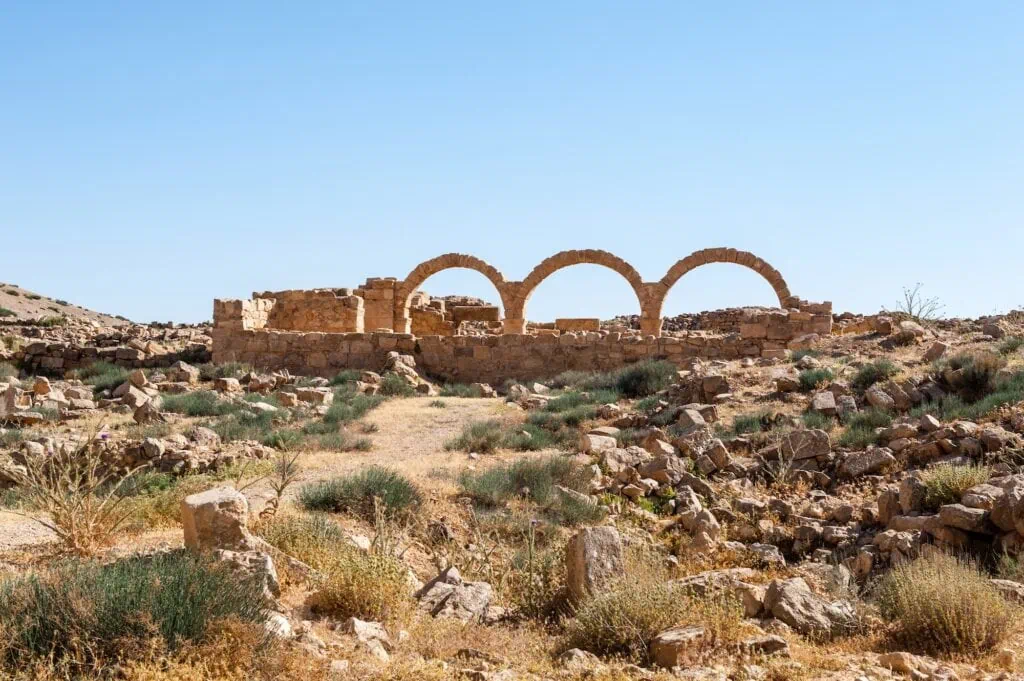
Byzantine Christian Community
Christianity arrived during the 4th century, fundamentally reshaping the settlement’s character. The community constructed at least 16 churches with elaborate mosaic floors between the 5th and 8th centuries. These religious buildings demonstrate the prosperity and artistic sophistication of the Byzantine period.
Local artisans developed distinctive mosaic styles that combined traditional geometric patterns with figurative representations of people, animals, and landscapes.
Early Islamic Transition
The 7th-century Islamic conquest marked another cultural transition. Rather than abandoning the site, new inhabitants adapted existing structures and continued the mosaic tradition.
This peaceful transition preserved much of the earlier artwork and architecture. The community maintained its multicultural character well into the 9th century, with archaeological evidence showing continued use of Christian churches alongside new Islamic structures.
Stylite Monastic Traditions
The distinctive stylite towers represent one of Umm ar-Rasas’s most intriguing features. These tall stone pillars served as platforms for hermit monks who dedicated their lives to prayer and meditation.
The practice, which originated in Syria, found expression here through several well-preserved towers. The tallest surviving example reaches approximately 15 meters in height and offers commanding views across the surrounding landscape.
The Magnificent Church of Saint Stephen
This remarkable religious complex houses Jordan’s largest intact mosaic floor. Created in 756 CE, the mosaic covers an area of approximately 150 square meters with intricate scenes depicting hunting, fishing, and agricultural activities.
The central hall features a stunning geographic mosaic map showing cities throughout the region. Fifteen Palestinian and Jordanian cities appear with their ancient names preserved in Greek inscriptions.
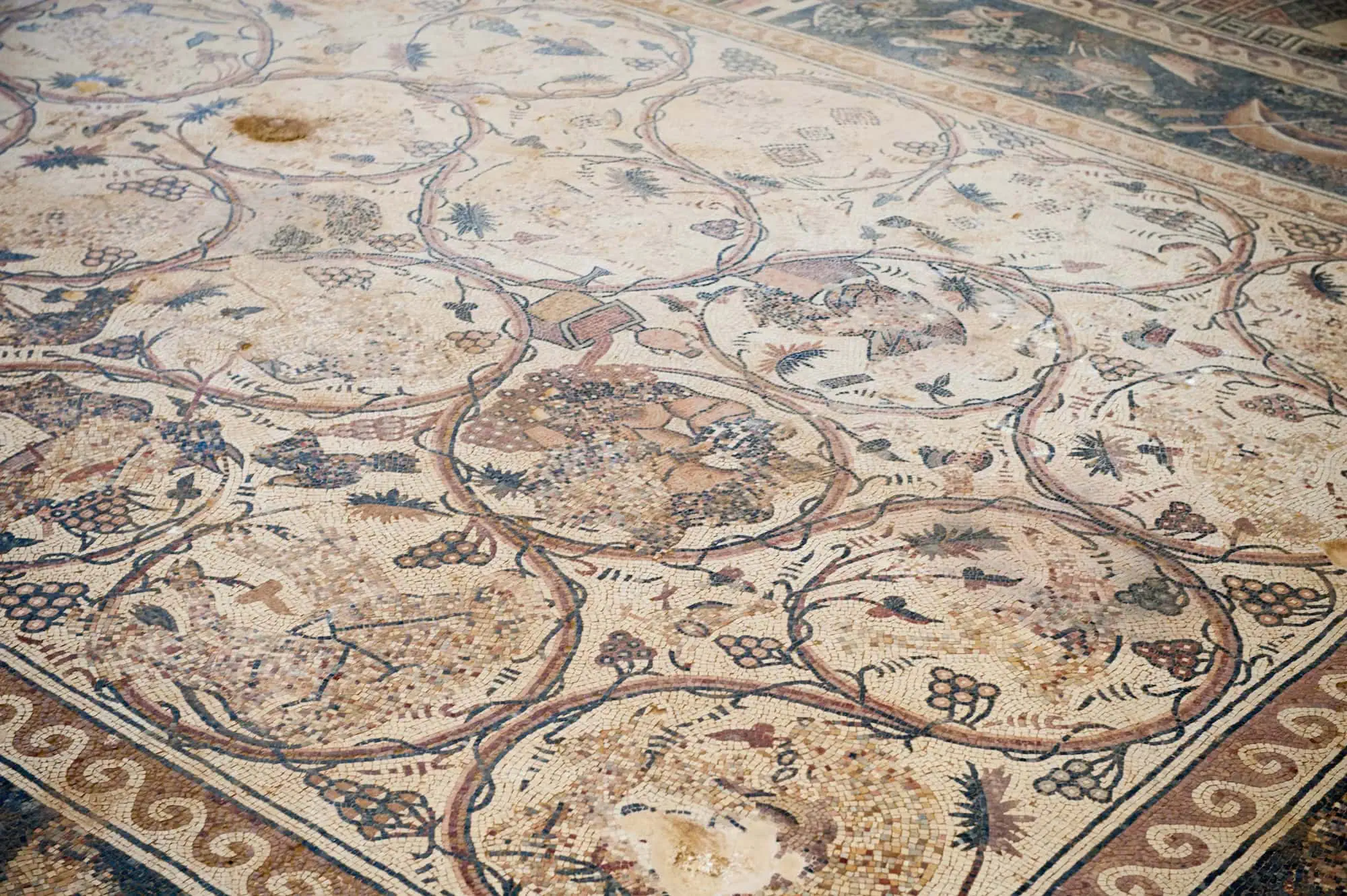
Jerusalem occupies the central position, surrounded by other important settlements including Gaza, Askalon, and Nablus. Each city illustration includes distinctive architectural features and local landmarks.
Artistic techniques employed by the mosaicists demonstrate exceptional skill. The artisans used thousands of tiny stone tesserae in dozens of colors to create realistic depictions of people, animals, and landscapes.
Exploring the Greater Archaeological Complex
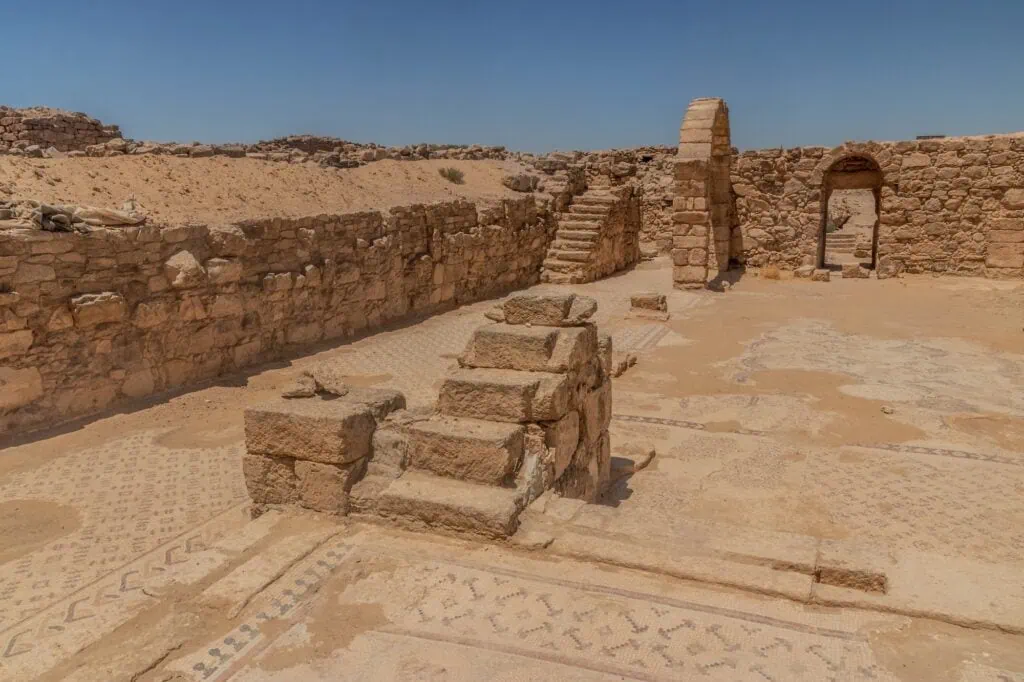
Umm ar-Rasas encompasses far more than individual churches and towers. The entire site reveals a carefully planned urban environment that accommodated multiple communities simultaneously.
Residential quarters spread across the northern section of the settlement. Stone foundations outline family compounds with private courtyards and storage areas.
Commercial areas occupied the central zones near major thoroughfares. Excavated shops contain grinding stones, storage jars, and scales that indicate active trade in agricultural products and crafted goods.
Religious architecture dominates the southern portions of the complex. Beyond the famous Church of Saint Stephen, archaeologists have identified the remains of numerous other religious buildings.
Planning Your Visit to Umm ar-Rasas
Most travelers reach Umm ar-Rasas by car from Madaba, following the clearly marked King’s Highway. The 30-kilometer journey takes approximately 30 minutes through scenic desert landscapes dotted with Bedouin settlements.
Best Times for Exploration
Spring months from March through May offer ideal weather conditions. Temperatures range from 20°C to 25°C with minimal rainfall and comfortable humidity levels.
Autumn months of September through November provide similarly pleasant conditions for outdoor exploration. Summer visits require early morning arrival before 9:00 am to avoid intense midday heat that can exceed 35°C.
What to Expect During Your Tour
The site requires approximately 2-3 hours for thorough exploration. A protective building houses the Church of Saint Stephen mosaics, providing climate-controlled viewing conditions.
Outdoor exploration leads you through the broader archaeological complex. Marked pathways guide visitors between major features while protecting fragile ruins from damage.
Photography and Documentation
Natural lighting creates optimal photography conditions during the golden hour periods just after sunrise and before sunset. The protective building over the Saint Stephen Church uses special lighting designed to minimize damage to the mosaics while allowing clear photography.
Professional guide services can be arranged through the site administration or your hotel concierge. Local guides possess extensive knowledge about the archaeological discoveries and ongoing research projects.
Understanding Cultural Heritage Significance
This remarkable site represents just one component of Jordan’s extraordinary archaeological landscape. Its significance extends beyond individual artistic achievements to encompass broader themes of cultural continuity and religious tolerance.
The relationship with nearby Madaba enhances both destinations for cultural heritage tourism. Madaba’s famous Map of Palestine mosaic in Saint George’s Church complements the geographic representations found at Umm ar-Rasas.
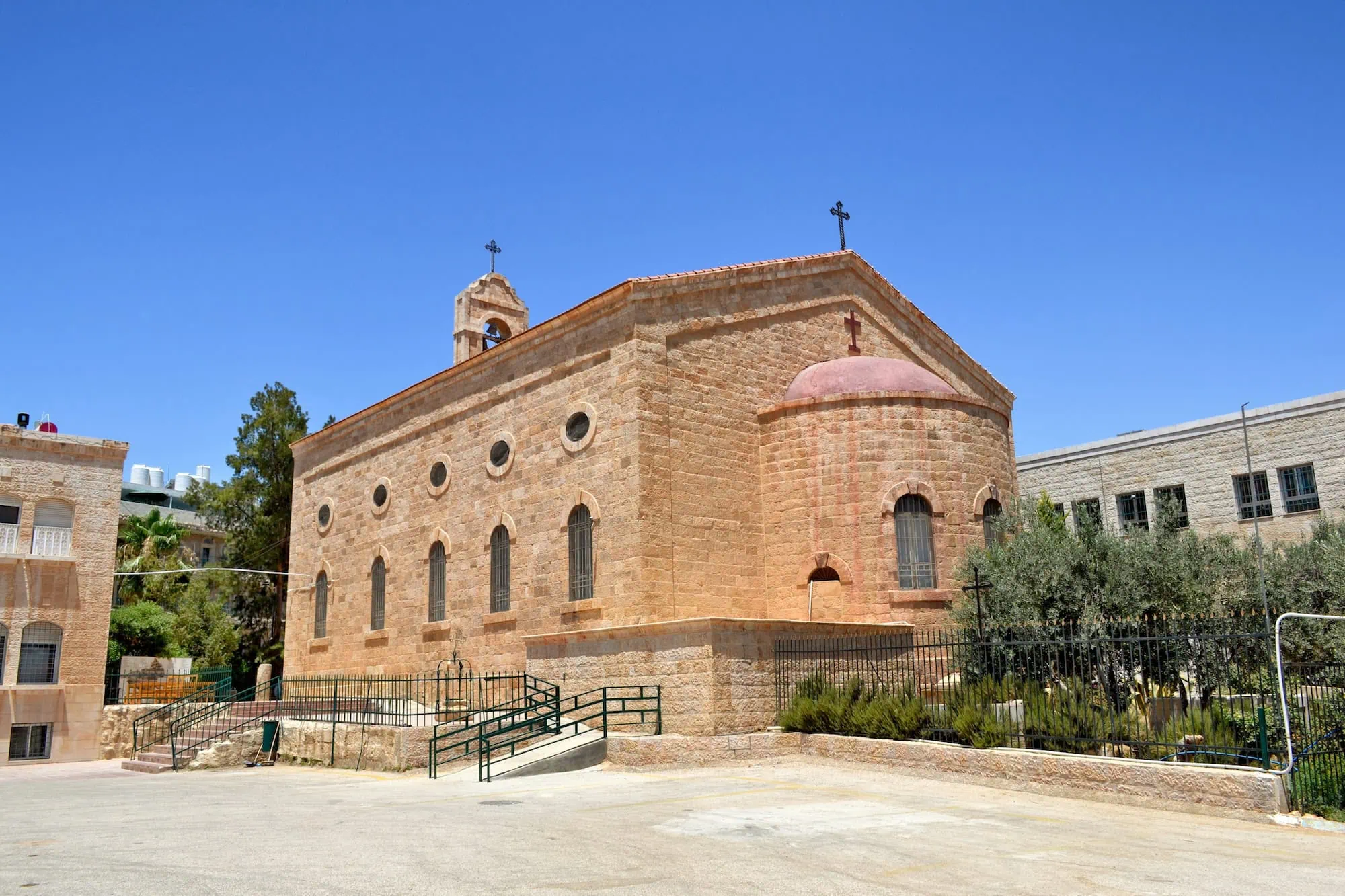
Comparison with other Jordanian UNESCO sites reveals unique characteristics of Umm ar-Rasas. While Petra showcases Nabatean rock-cut architecture and Quseir Amra displays Umayyad palace frescoes, Umm ar-Rasas preserves the most extensive collection of ecclesiastical mosaics in Jordan.
Conservation challenges facing Umm ar-Rasas reflect broader issues affecting archaeological sites throughout the Middle East. Climate change brings increased temperatures and altered precipitation patterns that accelerate deterioration of exposed ruins.
Frequently Asked Questions
Most visitors spend 2-3 hours exploring the site thoroughly including protected areas.
The site is included in Jordan Pass or costs 3 dinars individually.
Independent visits are welcome though guides provide valuable historical context and insights.
Comfortable walking shoes, sun protection, water, and camera are essential for exploration.
Yes, Saint Stephen Church mosaics are in protected building open during regular hours.
Umm ar-Rasas contains Jordan’s largest intact mosaic floor and finest Byzantine ecclesiastical art.
Early morning and late afternoon provide optimal natural lighting for photographing mosaics.
Yes, most visitors combine with Madaba’s mosaics and Mount Nebo cultural heritage tours.
Basic facilities including restrooms available but bring food and beverages from Madaba.
No advance booking necessary for individuals though large groups should coordinate beforehand.
Design Your Custom Tour
Explore Egypt and Jordan your way by selecting only the attractions you want to visit