

As-Salt, Jordan – An Ancient City Founded By Alexander The Great
As-Salt stands as Jordan’s hidden treasure, recognized globally for its unique cultural heritage.
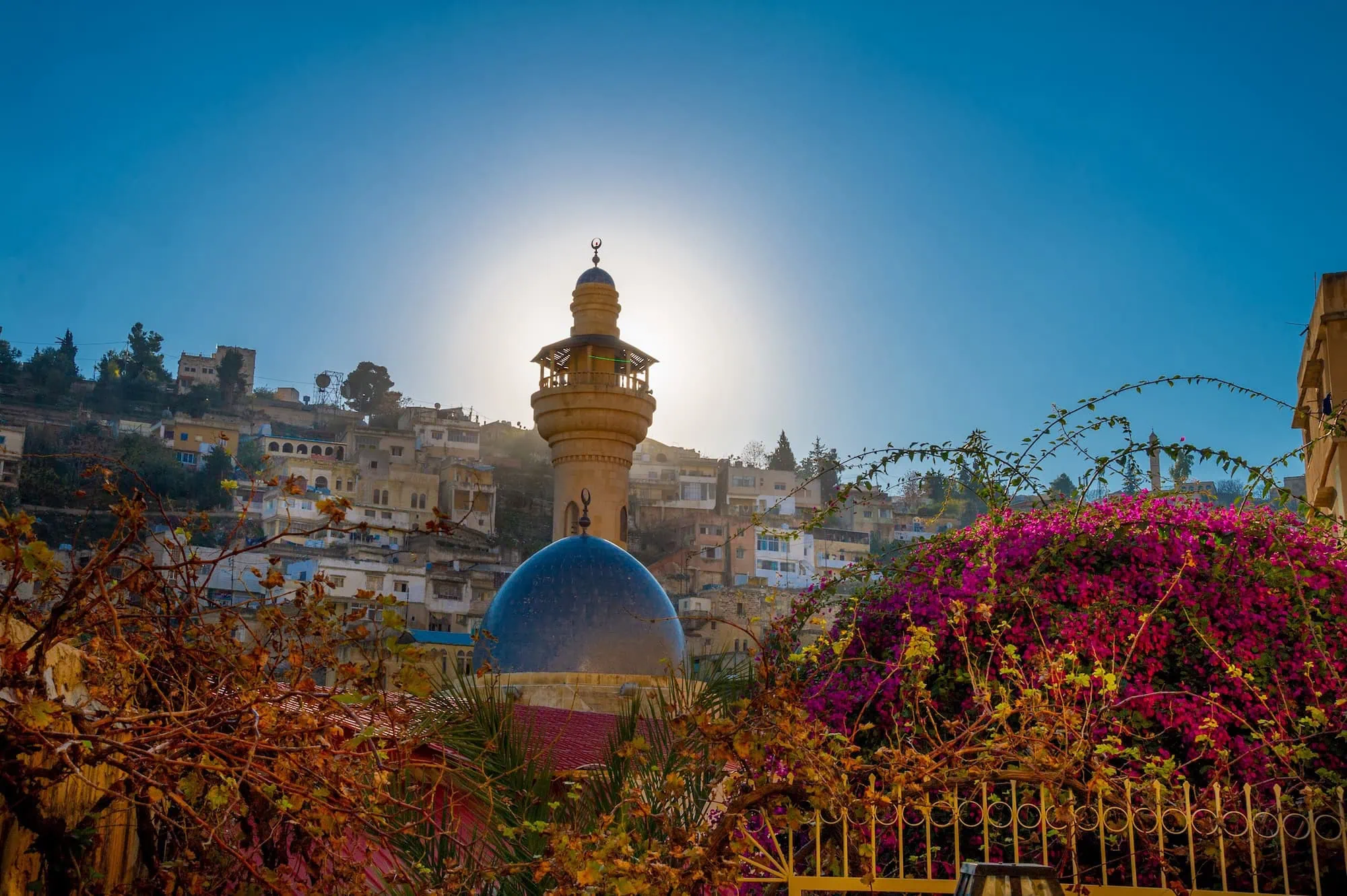
This ancient city, built across three hills just northwest of Amman, represents something truly extraordinary in the Middle East—a living example of religious harmony and architectural innovation that has endured for centuries. The distinctive honey-colored limestone buildings, Ottoman-era mansions, and winding stone staircases create an urban landscape found nowhere else in the world.
UNESCO recognized As-Salt in 2021 as a World Heritage Site, celebrating its role as “The Place of Tolerance and Urban Hospitality.” Visiting As-Salt offers travelers an authentic glimpse into Jordan’s pre-modern capital and the intercultural exchanges that shaped the region during the late Ottoman period.
As-Salt is often featured in our Egypt and Jordan itinerary tours, where cultural discoveries near Amman are combined with iconic experiences such as Petra, Wadi Rum, and Egypt’s ancient landmarks.
Table of Contents
Historical Foundations and Cultural Development
As-Salt’s story begins with Alexander the Great’s Macedonian forces, who first established a settlement in this strategic location. The city’s position along ancient trade routes made it a natural crossroads for merchants, administrators, and cultural exchange throughout the centuries.
From Ancient Trading Post
Archaeological evidence from the As-Salt Archaeological Museum reveals continuous habitation from the Chalcolithic period through the Islamic era. The museum houses artifacts spanning over 4,000 years, including Byzantine pottery, Islamic-era coins, and Ottoman administrative documents that tell the story of this remarkable urban center.
During the late 19th and early 20th centuries, merchants from Nablus migrated to As-Salt, bringing architectural knowledge and commercial networks that transformed the city into a thriving regional hub. These families established the trade networks that made As-Salt prosperous enough to briefly serve as the capital of Transjordan before King Abdullah moved the capital to Amman.
The Tanzimat Reform Period
The Ottoman Empire’s Tanzimat reforms (1839-1876) created unprecedented opportunities for intercultural exchange in As-Salt. Christian and Muslim communities worked together to build the city’s distinctive architecture, establishing social welfare systems that continue today.
The Takaful Ijtimai social welfare network and traditional Madafas guest houses exemplify the collaborative spirit that earned As-Salt its UNESCO designation. Religious shrines dedicated to Prophet Yusha (Joshua) and other biblical figures became pilgrimage destinations for both Christian and Muslim visitors, reinforcing the city’s reputation for religious tolerance.
Architectural Marvel: The Honey-Colored Stone Legacy
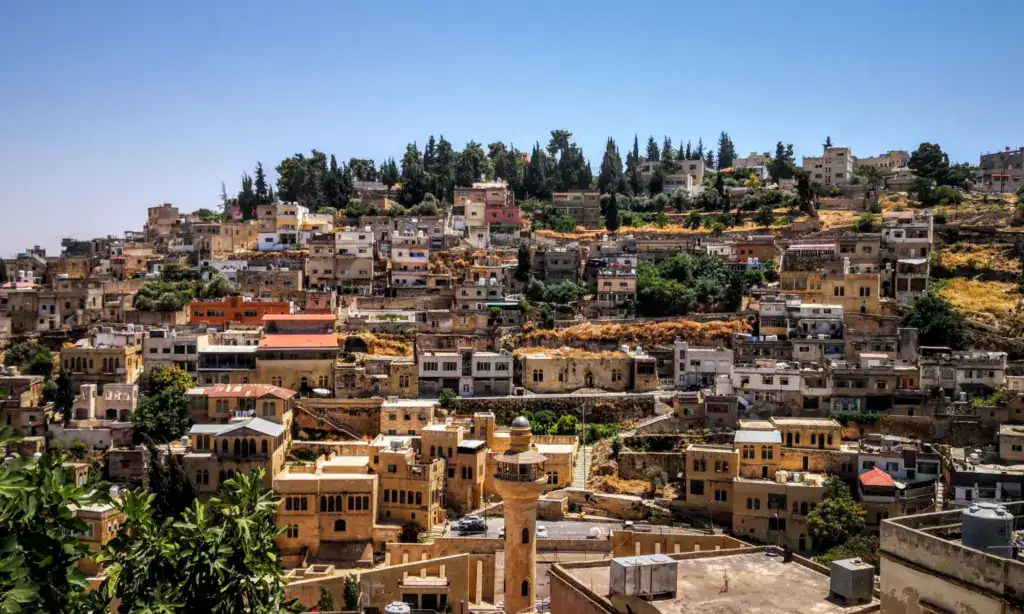
Walking through As-Salt feels like stepping into a carefully preserved historical manuscript written in stone. The city’s three-hill topography creates a natural amphitheater where traditional Ottoman architecture rises in terraced layers, each building positioned to catch the morning light on its distinctive yellow limestone facade.
Master Craftsmen and Building
The architectural fusion in As-Salt emerged from collaboration between local craftsmen and Nablusi builders who arrived during the city’s commercial boom. These artisans developed unique construction techniques adapted to the hillside terrain, creating the network of interlinked stairways, narrow alleyways, and public squares that define the historic urban core today.
Abu Jaber House stands as the crown jewel of this architectural heritage. Built in the 1890s, this mansion demonstrates the sophisticated building techniques that made As-Salt famous throughout the region. The house features innovative cross-ventilation systems, decorative stone carvings, and interior courtyards that remain comfortable even during Jordan’s hottest summers.
Traditional heritage houses typically feature thick limestone walls, arched windows with wooden shutters, and red-tile roofing that creates the distinctive skyline visitors see today. Many buildings incorporate both residential and commercial spaces, reflecting the merchant families’ integrated approach to business and daily life.
UNESCO World Heritage Recognition
UNESCO’s 2021 inscription of As-Salt recognized the city’s exceptional contribution to human cultural development. The Outstanding Universal Value statement specifically highlights As-Salt’s role in demonstrating “tolerance, urban hospitality, and intercultural exchange” during a critical period of Middle Eastern history.
Three UNESCO criteria apply to As-Salt: its exceptional architectural and urban planning innovations, its outstanding testimony to cultural traditions of tolerance and hospitality, and its integrity as a largely intact Ottoman-period urban center. The World Heritage designation covers 32 hectares of the historic core, protecting over 650 traditional buildings that represent various periods of the city’s development.
UNESCO experts noted As-Salt’s unique urban morphology, which seamlessly integrates buildings with the natural topography through stone staircases, terraced gardens, and communal gathering spaces. This organic urban development contrasts sharply with the planned grid systems common in other regional cities, making As-Salt’s preservation crucial for understanding pre-modern urban planning in the Levant.
The heritage site includes not only residential buildings but also the traditional social institutions that made As-Salt’s inclusive culture possible. These include the Dawaween (traditional meeting places), community ovens, and religious buildings representing both Christian and Muslim communities.
Religious Harmony Trail and Cultural
Interfaith Community Life
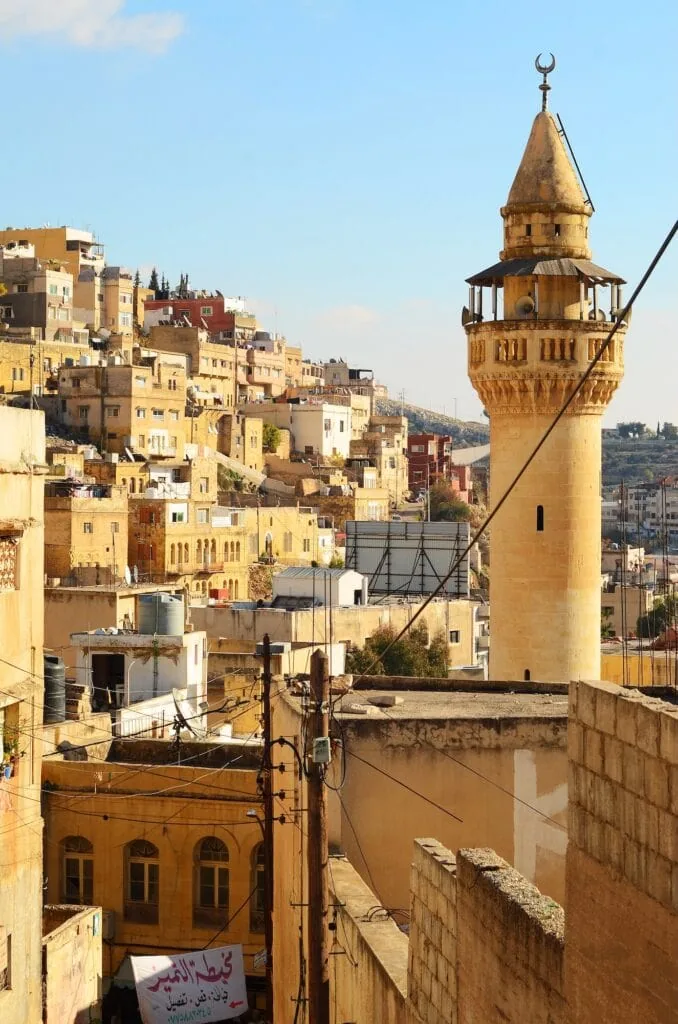
As-Salt’s Christian and Muslim communities developed shared traditions that continue today, making the city a living example of successful religious coexistence. Churches and mosques often sit within walking distance of each other, and families from both communities participate in each other’s celebrations and religious observances.
Traditional Social Welfare Systems
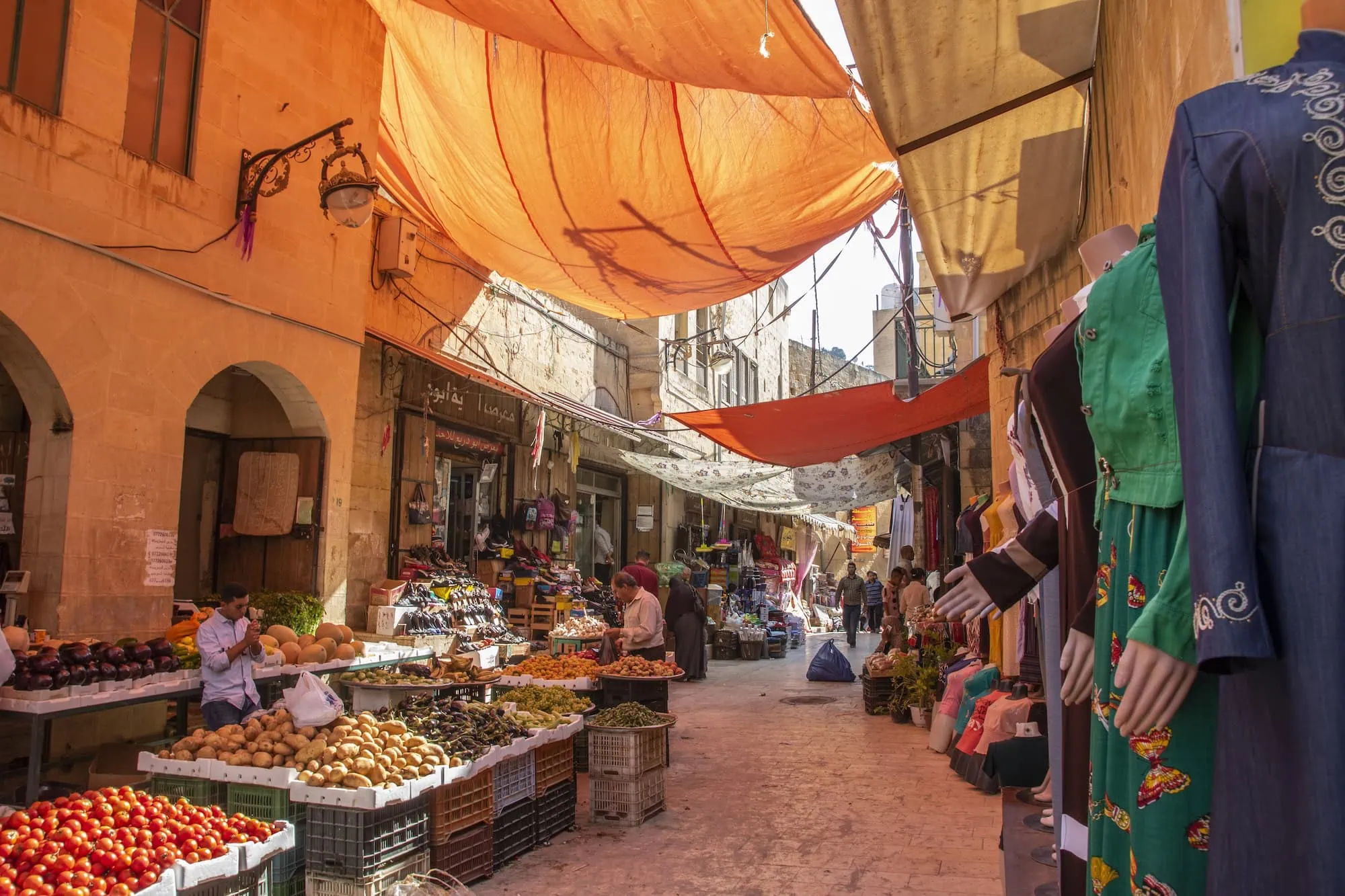
The Takaful Ijtimai system represents one of As-Salt’s most remarkable social innovations. This community-based welfare network ensures that no family faces economic hardship alone, with both Christian and Muslim families contributing according to their means and receiving support when needed.
Madafas (traditional guest houses) operate throughout the old city, offering hospitality to travelers regardless of religious background. These institutions maintain centuries-old traditions of urban hospitality that impressed early 20th-century visitors and continue to welcome modern tourists exploring Jordan’s heritage.
The Religious Harmony Trail, established by local authorities, guides visitors through significant sites representing both faiths. The trail includes ancient mosques, historic churches, and shared community spaces that demonstrate how As-Salt’s residents built a society based on mutual respect and cooperation.
Museums and Cultural Attractions
As-Salt Archaeological Museum
Located in the Abu Jaber House, the Archaeological Museum provides context for understanding As-Salt’s role in regional history. Exhibits trace the city’s development from its Macedonian origins through the Ottoman period, with particular attention to the commercial networks that brought prosperity and cultural diversity.
The museum’s Byzantine collection includes religious artifacts that demonstrate early Christian presence in the region, while Islamic-era exhibits showcase the administrative and commercial documents that reveal As-Salt’s importance as a regional center during various Islamic dynasties.
Folklore Museum
As-Salt’s Folklore Museum preserves traditional crafts, clothing, and household items that illustrate daily life in the Ottoman-era city. Traditional weaving techniques, copper working, and stone carving tools show how local artisans created the distinctive cultural environment that visitors experience today.
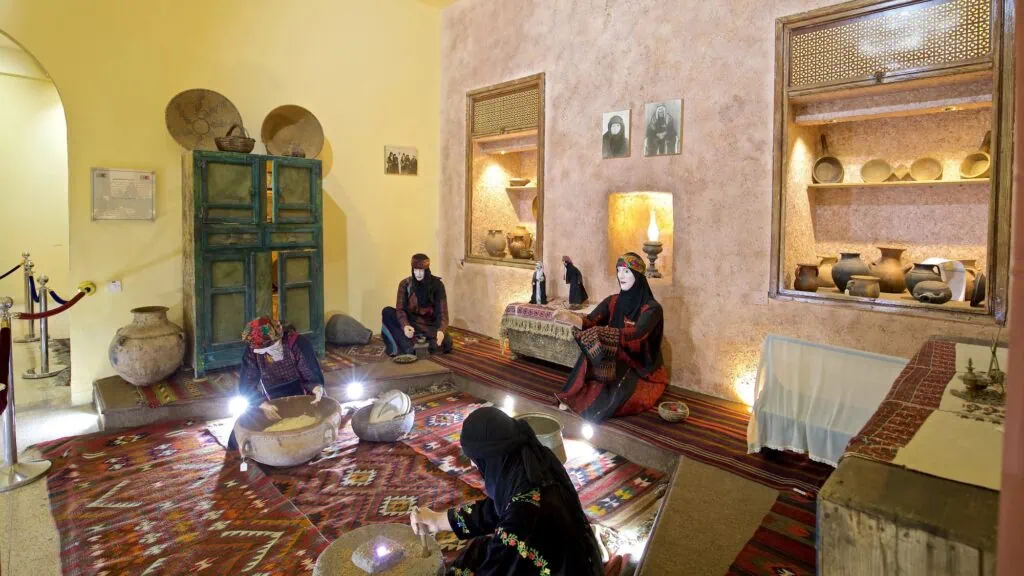
The museum also documents traditional wedding customs, seasonal celebrations, and community festivals that brought Christian and Muslim families together throughout the calendar year.
Planning Your Visit to As-Salt
Getting There and Information
As-Salt lies approximately 30 kilometers (18.6 miles) northwest of Amman, making it easily accessible as a day trip from Jordan’s capital. The drive typically takes 45 minutes to one hour, depending on traffic conditions and route selection.
Public transportation connects As-Salt to Amman through regular bus services, though private transportation provides more flexibility for exploring the historic city center and surrounding areas. We recommend allowing a full day to properly explore As-Salt’s heritage buildings, museums, and traditional neighborhoods.
Best Times to Visit
Spring (March through May) and autumn (September through November) offer ideal weather conditions for walking As-Salt’s hilly streets and stone stairways. Temperatures during these seasons typically range from 15°C to 25°C (59°F to 77°F), perfect for outdoor exploration and photography.
Summer visits remain possible, though temperatures can reach 35°C (95°F) during peak afternoon hours. Morning visits from 8:00 am to 11:00 am provide comfortable touring conditions even during warmer months.
Guided Tours and Experiences
Professional guides significantly enhance the As-Salt experience by adding historical depth and opening doors to places not always accessible to independent visitors. Local experts can arrange visits to heritage houses, traditional workshops, and community gathering spaces that bring As-Salt’s living cultural traditions to life.
As part of a broader exploration of Jordan tourist attractions, guided experiences in As-Salt offer a more immersive and meaningful understanding of the country’s heritage. They allow you to connect not just with the architecture, but with the stories and communities behind it.
At Egypt Tours Plus, our Jordan specialists design comprehensive itineraries that combine As-Salt with other key heritage sites in the Balqa Governorate. These multi-day experiences showcase the depth and diversity of Jordan’s cultural landscape.
Our private guides speak multiple languages and provide a level of personalization and insight that larger group tours simply cannot match.
Frequently Asked Questions
A full day allows thorough exploration of heritage buildings and museums.
Stone stairways and steep streets may challenge visitors with mobility issues.
As-Salt uniquely combines Ottoman architecture, religious tolerance traditions, and UNESCO status.
Professional guides provide cultural context and access to heritage buildings.
Comfortable walking shoes essential for stone streets and modest clothing recommended.
Yes, though spring and autumn offer the most comfortable weather conditions.
As-Salt preserves traditional Middle Eastern urban life in authentic ways.
Honey-colored limestone, Ottoman-Nablusi fusion style, and hillside topography integration.
Limited heritage accommodations exist; most visitors stay in Amman.
UNESCO recognized As-Salt’s exceptional demonstration of tolerance and intercultural exchange.
Design Your Custom Tour
Explore Egypt and Jordan your way by selecting only the attractions you want to visit