

Kaymakli Underground City: Hidden Wonders Revealed
Deep beneath Turkey’s Cappadocia region lies an engineering marvel that has sheltered civilizations for over 1,300 years.
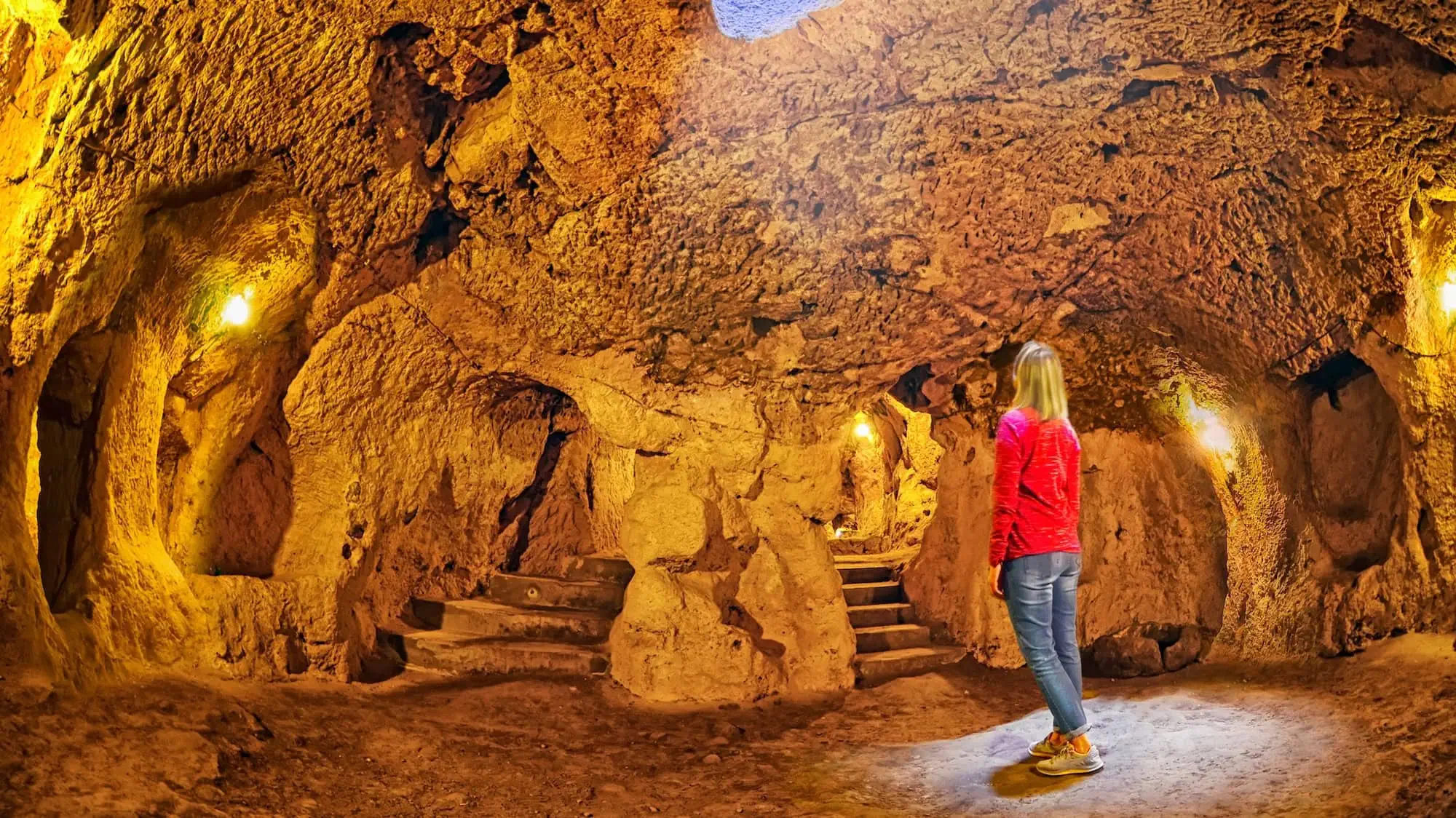
Kaymakli Underground City stands as the widest subterranean complex ever discovered, stretching across eight levels carved directly into volcanic rock. Originally established in the 7th century BC and expanded during the Byzantine era, this UNESCO World Heritage Site once accommodated up to 3,500 people living entirely underground.
Kaymakli Underground City can be included in our Egypt and Turkey tours, where Cappadocia’s extraordinary landscapes and historical sites are combined with Istanbul’s iconic landmarks and Egypt’s ancient wonders.
The city functioned as a refuge for early Christian communities, featuring churches, storage areas, living quarters, and advanced ventilation systems that remain effective even today. Visitors can explore four of the eight levels, discovering a network of tunnels, communal spaces, and defensive structures designed for survival.
Connected to the nearby Derinkuyu Underground City through hidden passageways, Kaymakli offers a fascinating insight into how ancient civilizations adapted to conflict and preserved their way of life beneath the surface.
Table of Contents
Historical Origins and Early Development
Archaeological evidence suggests that Kaymakli’s earliest foundations trace back to Phrygian times, around the 7th century BC. These ancient inhabitants carved the initial chambers into Cappadocia’s soft volcanic tuff, creating storage areas and basic shelter spaces.
The Byzantine Expansion Era
The most significant development occurred during the 6th to 10th centuries AD, when Byzantine Christians dramatically expanded the existing structure. Facing increasing pressure from Muslim Arab raids, these communities transformed Kaymakli into a self-sustaining underground refuge. They added churches, chapels, and living quarters that could accommodate thousands of residents for extended periods.
Underground Churches and Religious Life
Religious devotion remained central to daily life underground. Residents carved elaborate churches featuring barrel-vaulted ceilings and religious frescoes, some of which survive today. These sacred spaces allowed Christian communities to maintain their faith practices while remaining hidden from persecutors above ground.
Engineering and Construction Methods
Byzantine engineers demonstrated remarkable skill in expanding the city without compromising structural integrity. They created narrow tunnels that could be quickly sealed with massive stone wheels, effectively creating impenetrable barriers against invaders. The construction required precise understanding of geology, as workers had to avoid unstable rock layers while maintaining adequate support systems.
Architectural Features and Layout
Kaymakli’s design reveals sophisticated planning that addressed every aspect of underground survival. The city extends 85 meters (279 feet) deep, with each level serving specific community functions.
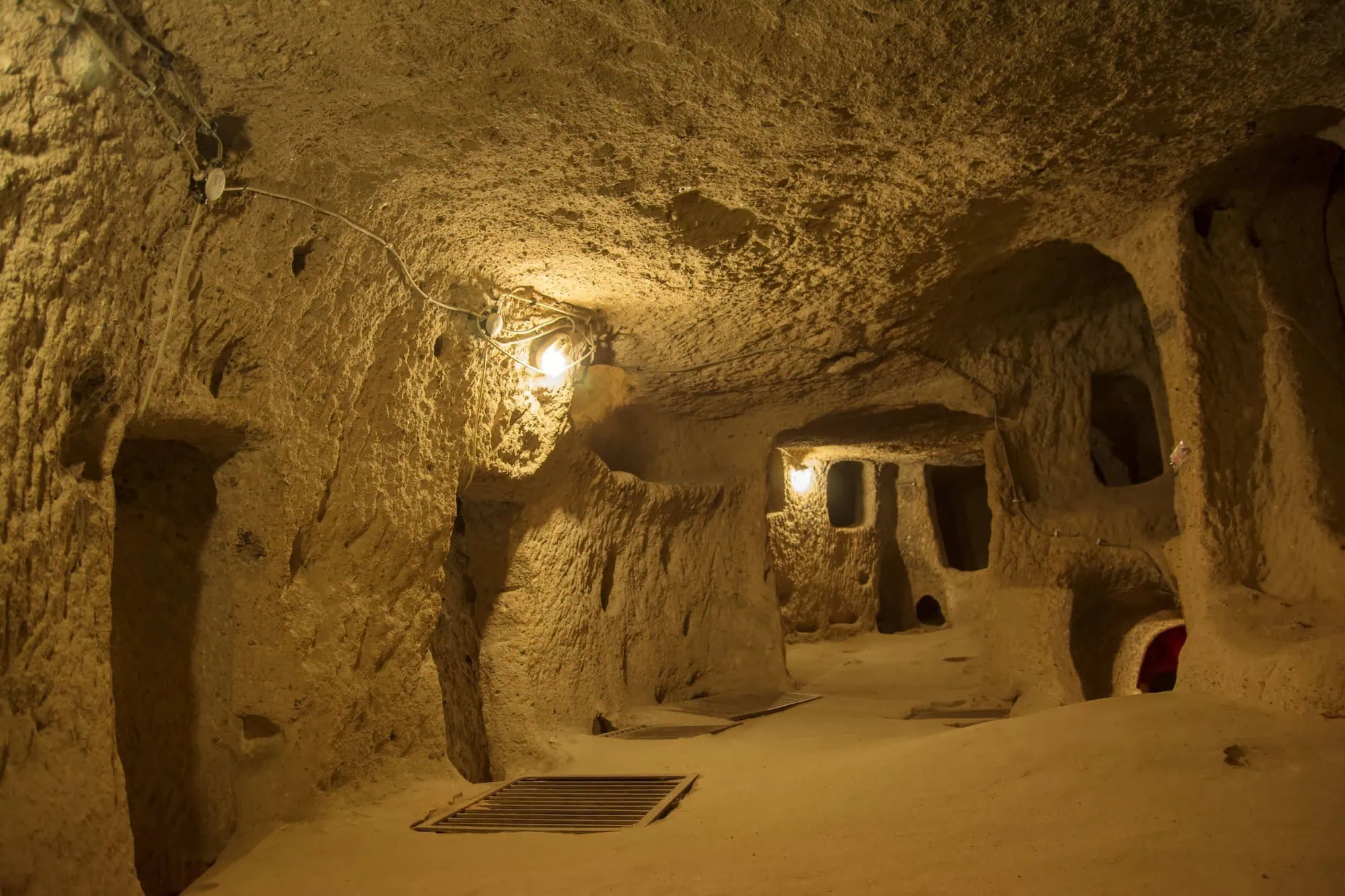
The upper levels housed daily activities including food preparation, livestock care, and communal gatherings. Residents carved wine cellars, oil storage chambers, and granaries directly into the rock walls, creating naturally cool environments ideal for food preservation. These areas connected through a maze of tunnels wide enough for single-file movement but narrow enough for easy defense.
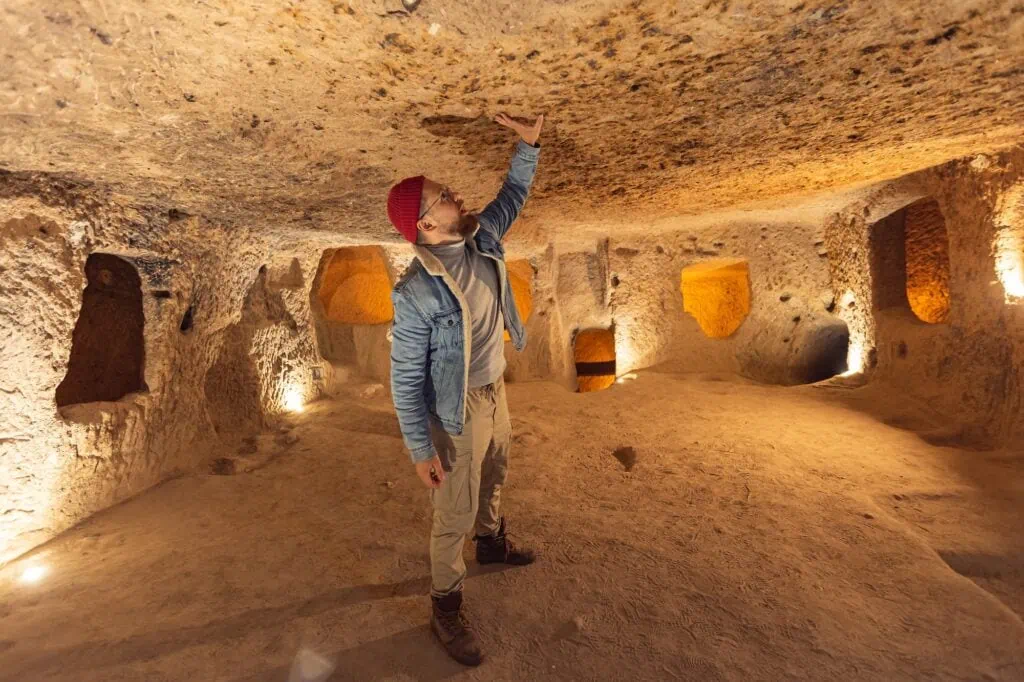
Living quarters occupied the middle levels, featuring small family rooms with sleeping alcoves carved into walls. Ventilation shafts ran throughout these residential areas, ensuring adequate air circulation even when all entrances were sealed. The deepest accessible level contains the most intriguing architectural feature: a cruciform church with barrel-vaulted ceiling that demonstrates the community’s commitment to religious practice.
Ventilation and Air Quality Systems
Engineers installed over 50 ventilation shafts throughout Kaymakli, some reaching depths of 85 meters. These shafts provided fresh air circulation and temperature control, maintaining livable conditions for thousands of residents. The system’s efficiency becomes evident when considering that oil lamps burned continuously without depleting oxygen levels in occupied chambers.
Daily Life in Underground Community
Residents developed intricate social systems to manage communal living in confined spaces. Families shared cooking areas and storage facilities while maintaining private sleeping quarters.
Archaeological findings reveal evidence of metallurgy workshops where residents forged tools and weapons. These craftsmen utilized the constant underground temperatures to maintain optimal working conditions year-round. Storage rooms contained massive clay jars for grain, oil, and wine – supplies that sustained communities during prolonged sieges lasting months or even years.
The community organized itself around shared responsibilities. Some residents tended livestock in designated stables, while others managed food distribution and preparation. Children received education in communal areas, learning both practical skills and religious teachings essential for community survival.
Communication throughout the eight levels relied on acoustic systems built into the tunnel design. Residents could relay messages from surface entrances to the deepest chambers within minutes, ensuring coordinated responses to external threats. This communication network proved crucial during emergency situations when rapid decision-making meant the difference between safety and capture.
Connection to Derinkuyu Underground City
Kaymakli connects to Derinkuyu, another massive underground complex located 9 kilometers (5.6 miles) away, through an extensive tunnel network. This connection created one of history’s largest underground refuge systems.
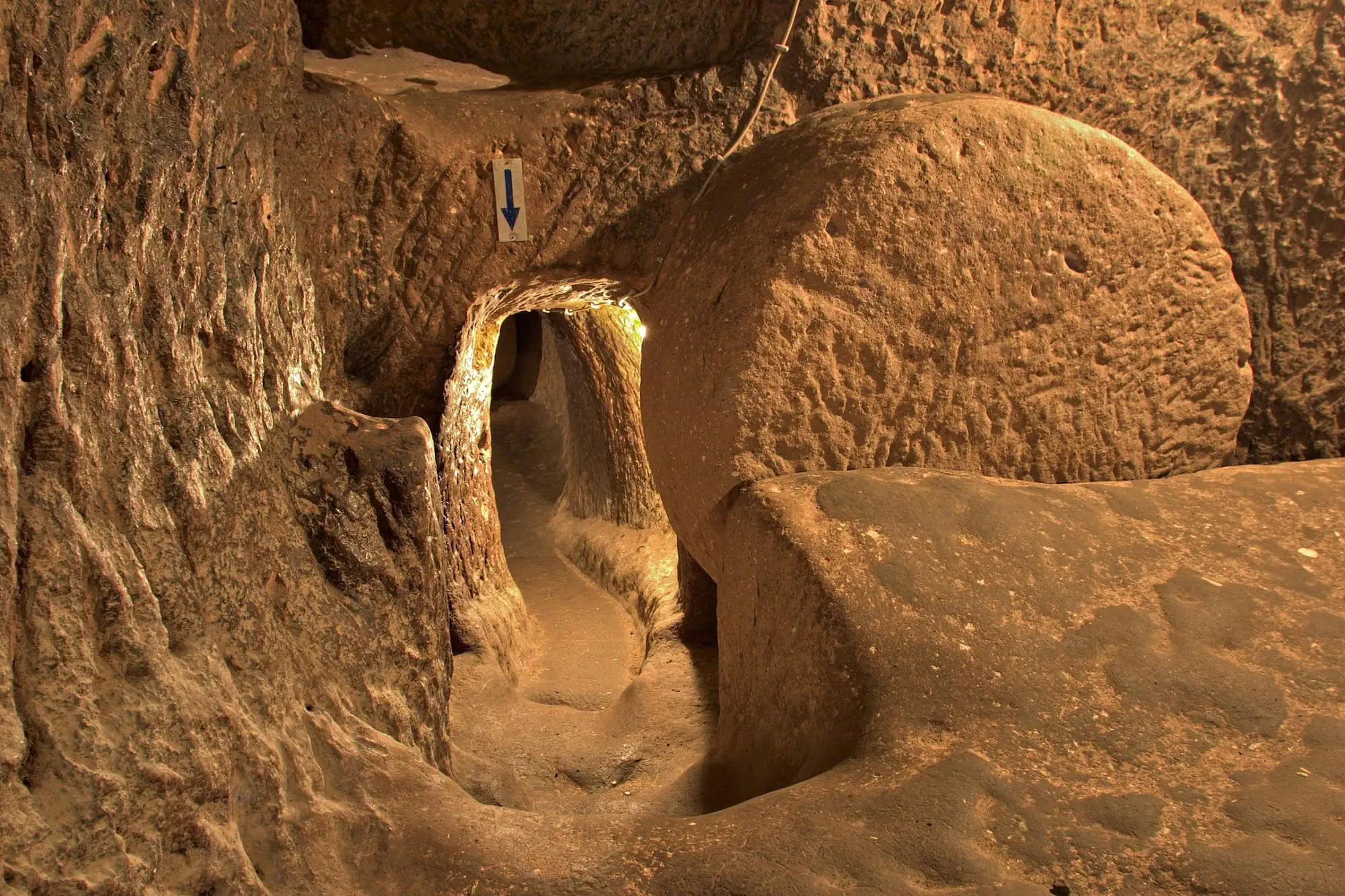
The tunnel linking these cities spans several kilometers and required remarkable engineering precision. Builders had to account for water tables, rock stability, and precise navigation to ensure the passages reached their intended destinations. Travel between the cities allowed communities to share resources, coordinate defensive strategies, and maintain contact during extended periods underground.
Archaeological evidence suggests that multiple smaller underground settlements existed throughout Cappadocia, many connected through similar tunnel systems. This created a vast subterranean network that enabled Christian communities to maintain communication and mutual support across the region. The strategic importance of these connections becomes clear when considering the prolonged nature of Arab-Byzantine conflicts that lasted for centuries.
Tourist Experience and Modern Access
Since opening to tourists in 1964, Kaymakli has welcomed millions of visitors eager to experience this underground marvel. The Turkish government carefully manages access to preserve the site’s integrity while allowing meaningful exploration.
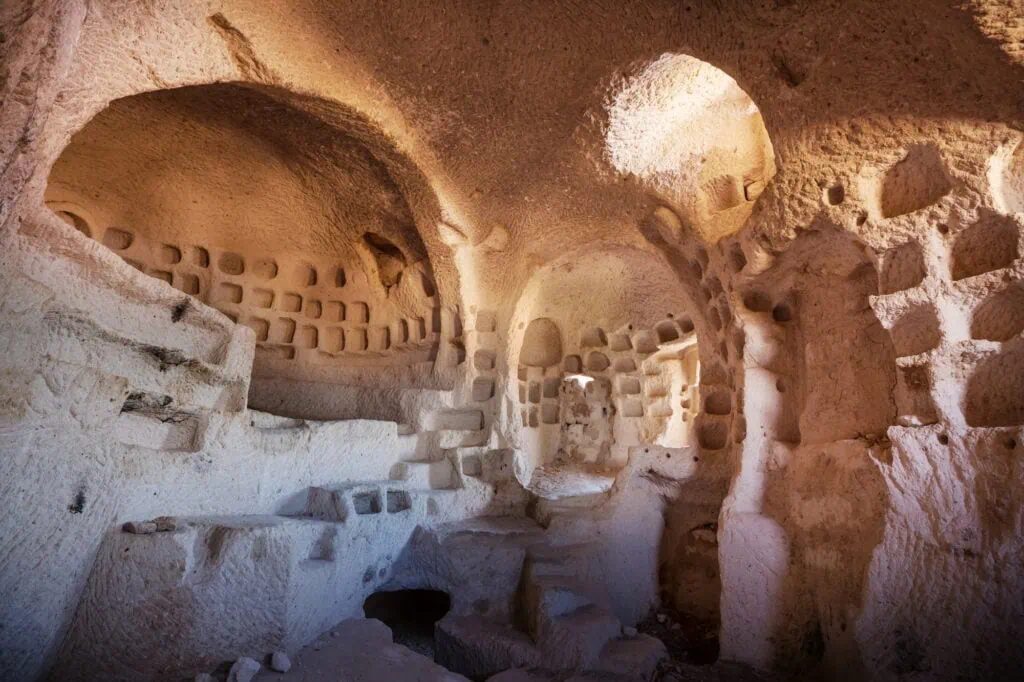
Visitors enter through the original stone entrance, immediately encountering the narrow tunnels and low ceilings that characterize the entire complex. The accessible route covers four levels, requiring approximately 90 minutes for complete exploration. Physical demands include crouching through confined spaces and navigating uneven rock surfaces carved centuries ago.
Practical Visiting Information
The site operates daily from 8:00 am (08:00) to 7:00 pm (19:00) during summer months and 8:00 am (08:00) to 5:00 pm (17:00) during winter. Admission costs 60 Turkish Lira for international visitors, with discounts available for students and Turkish citizens.
What to Expect Underground
Temperature remains constant at 15°C (59°F) year-round, making warm clothing essential regardless of surface weather. The humidity and confined spaces can trigger claustrophobia in some visitors, so those with respiratory conditions or anxiety about enclosed spaces should consider this before descending.
Guided tours provide valuable historical context and help navigate the complex tunnel system safely. Professional guides explain architectural features, point out significant religious carvings, and share stories about daily life during the Byzantine period. Photography is permitted throughout most areas, though flash photography may be restricted in certain chambers to protect ancient frescoes.
Cultural and Historical Significance
Kaymakli represents far more than an impressive engineering achievement – it embodies the resilience of Early Christian communities under persecution. The site provides tangible evidence of how religious minorities adapted to survive in hostile environments while maintaining their cultural identity.
The underground city demonstrates sophisticated understanding of communal living, resource management, and defensive strategy. These skills enabled relatively small populations to withstand prolonged sieges by much larger military forces. The success of these underground refuges influenced defensive architecture throughout the Byzantine Empire and beyond.
UNESCO recognition in 1985 acknowledged Kaymakli’s global importance as both an archaeological treasure and a testament to human ingenuity. The designation helps ensure preservation of this irreplaceable historical resource for future generations while supporting continued research into Byzantine-era life and culture.
Modern archaeological studies continue revealing new insights about ancient construction techniques, social organization, and religious practices. These discoveries contribute to broader understanding of how Christian communities survived and thrived during one of history’s most turbulent periods.
Planning Your Visit to Cappadocia
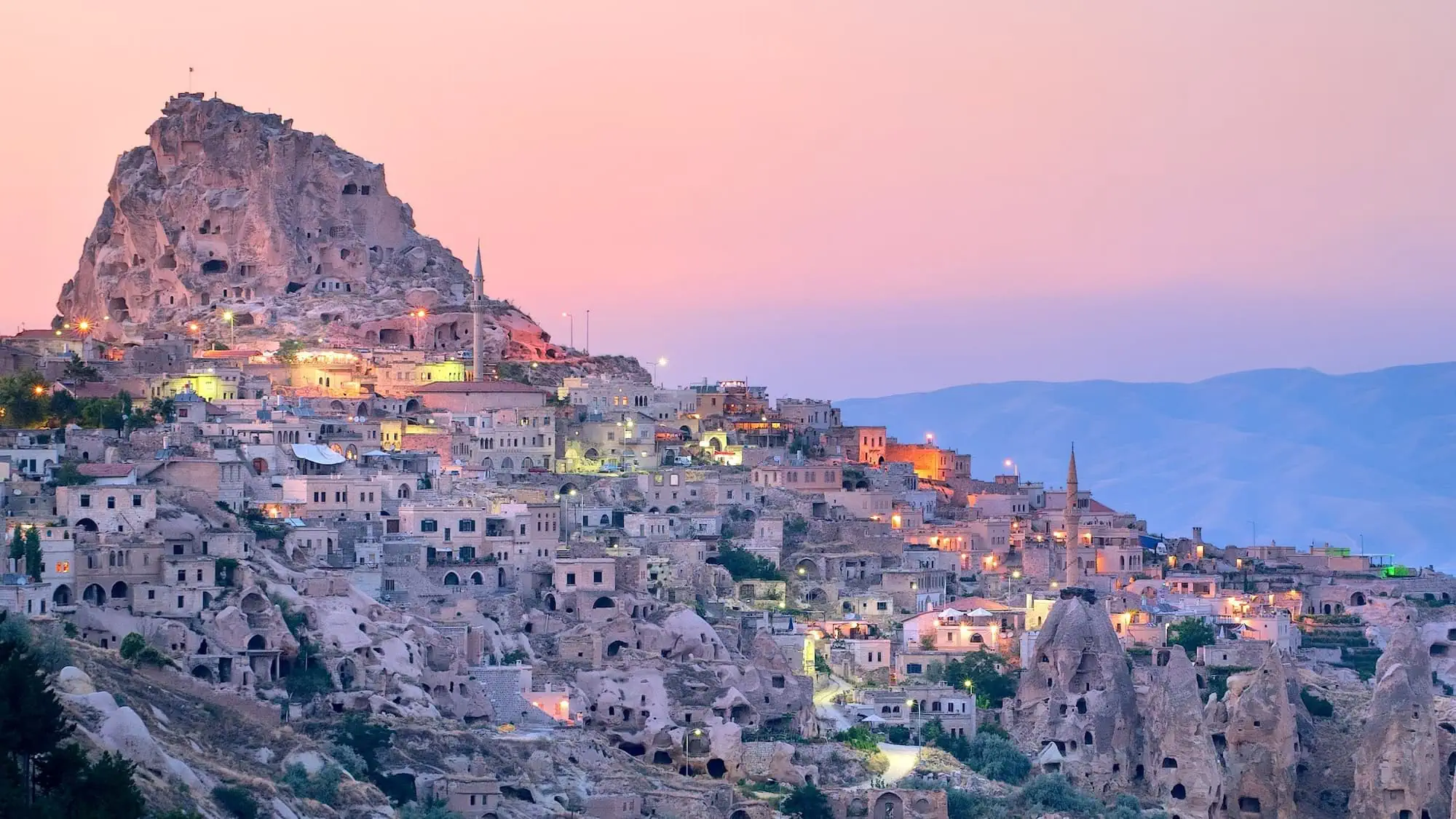
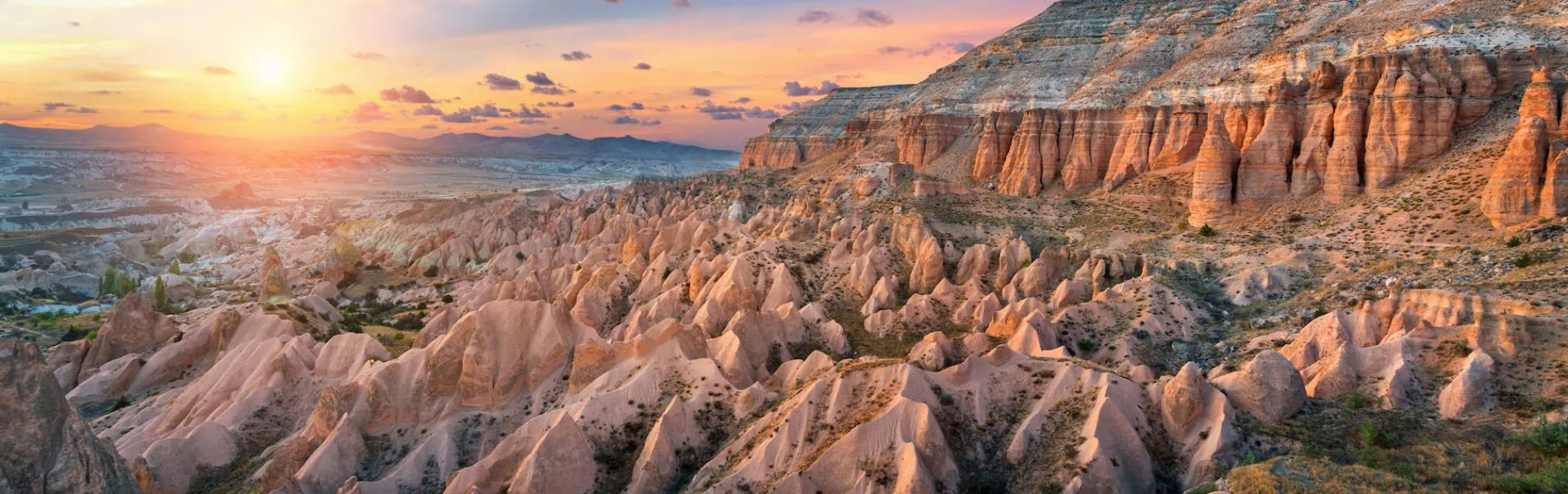
Kaymakli sits in Nevşehir Province, easily accessible from major Turkish cities and tourist centers throughout Cappadocia. The underground city coordinates well with visits to other regional attractions including fairy chimneys, cave churches, and hot air balloon flights.
Transportation options include rental cars, tour buses, and dolmuş (shared taxis) from nearby towns. The closest major airport is Nevşehir Kapadokya Airport, located 45 kilometers (28 miles) away, with regular flights from Istanbul and other Turkish cities. Kayseri Airport provides another option, situated 85 kilometers (53 miles) from the site.
We recommend combining your underground city exploration with other Cappadocia highlights for a comprehensive cultural experience. Our private guided tours include transportation, expert commentary, and flexible scheduling that allows adequate time for underground exploration without rushing through this remarkable historical site. With decades of expertise in Turkish cultural tourism, we ensure your visit captures both the historical significance and personal wonder of discovering this hidden Byzantine masterpiece.
Frequently Asked Questions
Most visitors spend 90 minutes to 2 hours exploring the four accessible levels, depending on interest level and group size.
The underground city requires navigating narrow tunnels, steep stairs, and low ceilings, making it challenging for visitors with mobility limitations or claustrophobia.
Kaymakli is wider and more complex horizontally, while Derinkuyu extends deeper underground. Both offer unique architectural features and historical significance.
Comfortable walking shoes with good grip are essential. Bring a light jacket as temperatures remain around 15°C (59°F) underground regardless of surface weather.
Yes, photography is permitted in most areas. Flash photography may be restricted in certain chambers to protect ancient frescoes and carvings.
Early morning or late afternoon visits typically involve smaller crowds. Spring and fall offer the most comfortable surface temperatures for combining with other Cappadocia attractions.
Archaeological estimates suggest the underground city could house approximately 3,500 residents during emergency periods, though normal population was likely smaller.
Yes, but parents should consider the confined spaces and physical demands. Children must stay close to adults due to the complex tunnel system and potential safety hazards.
Yes, Kaymakli connects to Derinkuyu through underground tunnels, and archaeological evidence suggests connections to other smaller underground settlements throughout Cappadocia.
Most residents were Cappadocian Greeks who lived there until the 1923 population exchange between Greece and Turkey, when they relocated to Greece as part of official resettlement programs.
While independent exploration is allowed, guided tours provide valuable historical context and help navigate the complex layout safely, especially for first-time visitors.
Popular combinations include the Göreme Open Air Museum, fairy chimney formations, cave churches, hot air balloon flights, and pottery workshops in nearby Avanos.
Design Your Custom Tour
Explore Egypt and Turkey your way by selecting only the attractions you want to visit