Egypt Family Vacations – Know Your Options Before You Travel
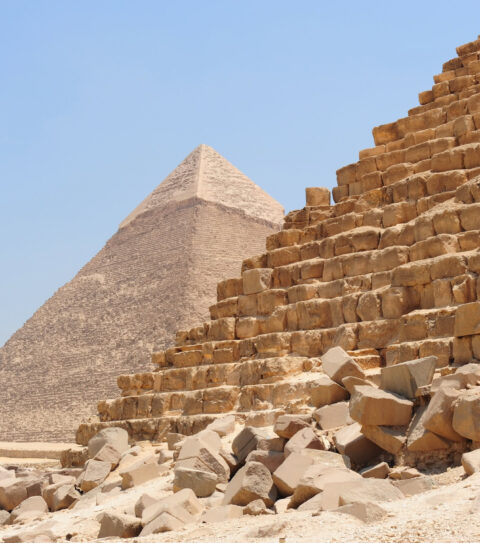
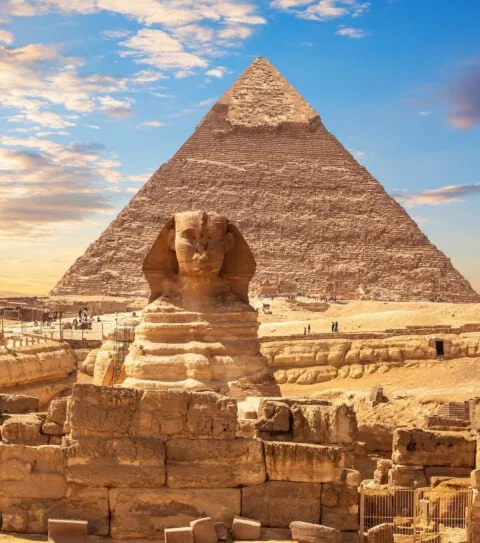
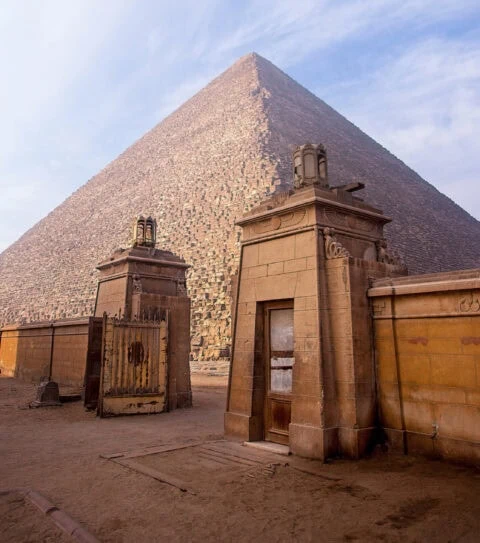
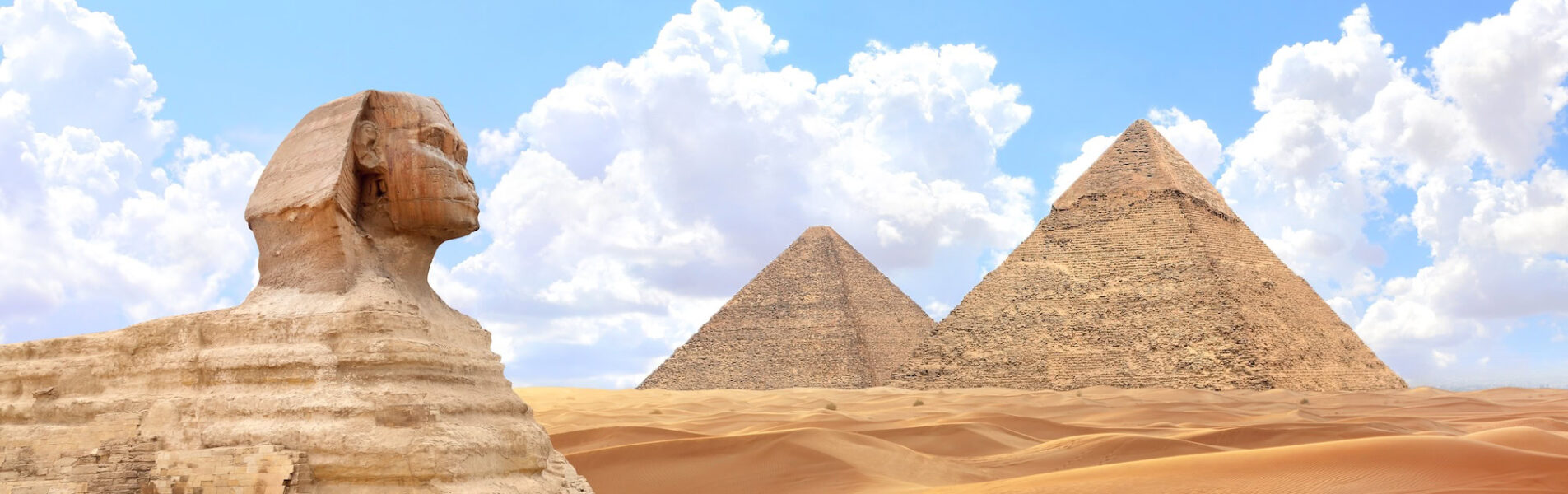
Picture this: your children’s eyes lighting up as they stand before the Great Pyramid of Giza, the same wonder that has captivated travelers for millennia.
Egypt offers families an extraordinary opportunity to step into living history, where ancient pharaohs once ruled and monuments have stood for over 4,000 years. Unlike typical beach destinations, a family vacation to Egypt transforms textbook learning into three-dimensional experiences that children will remember forever. From exploring tomb chambers decorated with hieroglyphics to sailing traditional feluccas on the Nile River, every moment becomes an adventure that combines education with excitement.
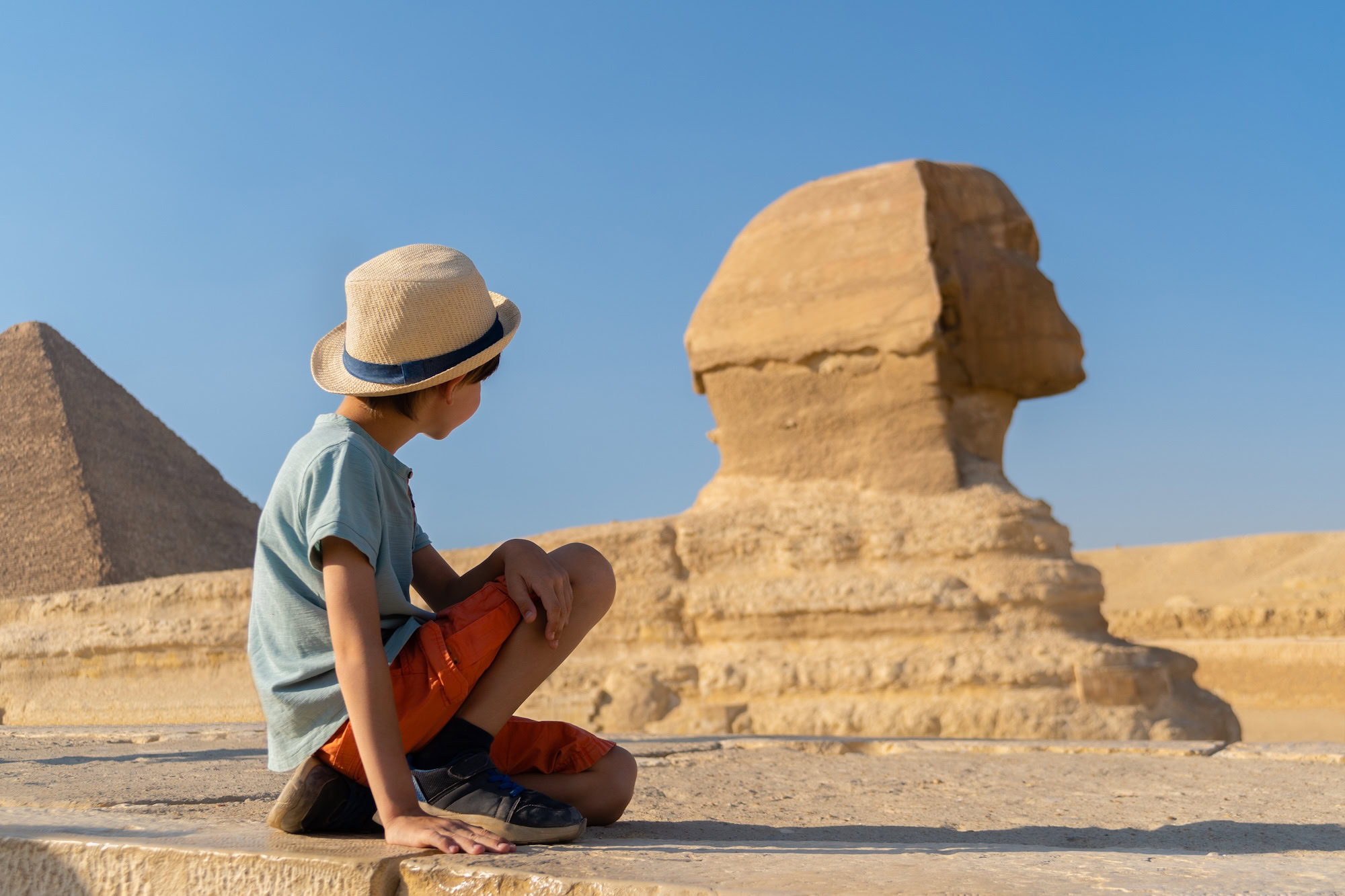
We’ve spent decades perfecting family-friendly itineraries that balance historical exploration with age-appropriate activities and comfortable accommodations. Our approach ensures both parents and children stay engaged throughout their Egyptian journey.
Why Egypt Captivates Families of All Ages
Egypt consistently ranks among the world’s top educational travel destinations because it makes ancient history tangible. Children who struggle to connect with classroom lessons suddenly find themselves walking through the same corridors where pharaohs were laid to rest.
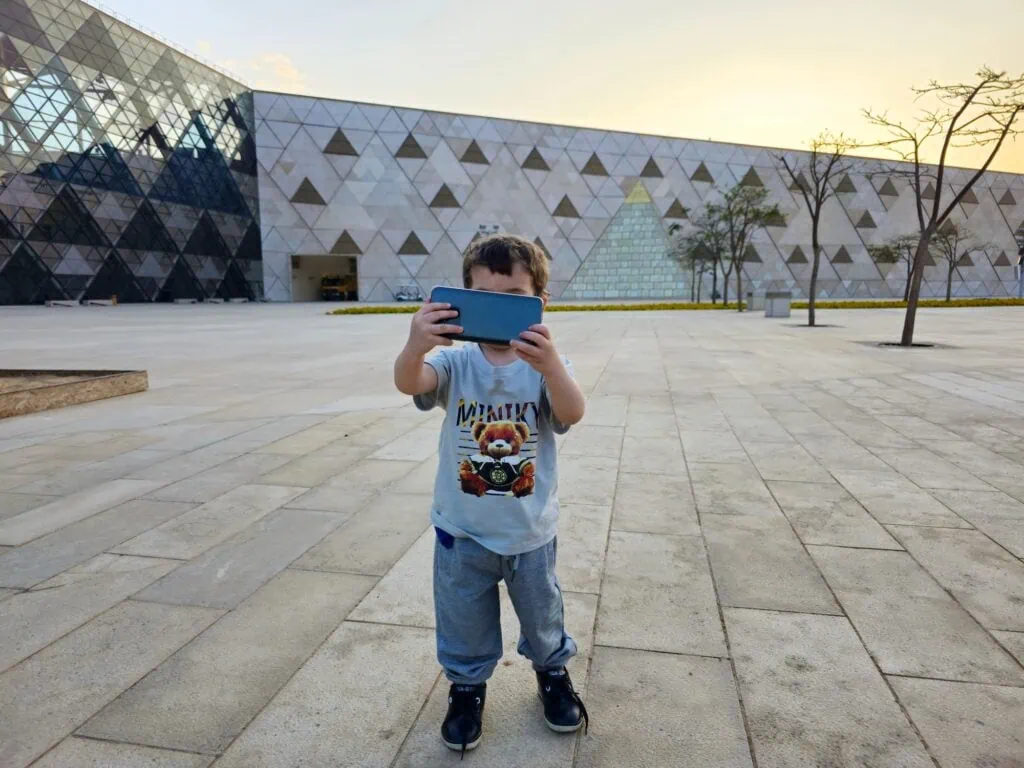
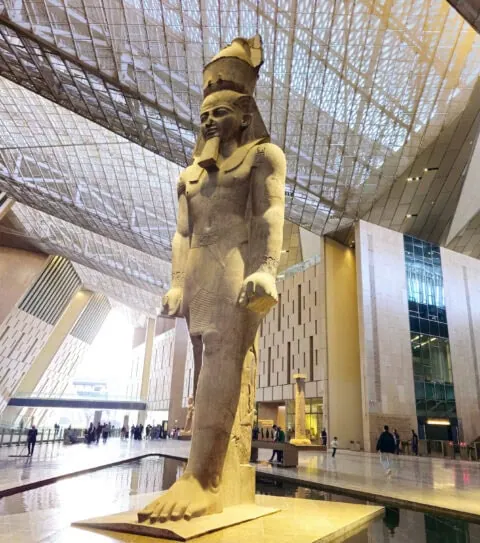
The Grand Egyptian Museum offers families a unique journey through thousands of years of ancient Egyptian civilization. Located near the Giza Pyramids, the museum showcases one of the world’s largest collections of pharaonic artifacts, including the complete treasures of Tutankhamun displayed together for the first time.
The experience becomes even more engaging when certified Egyptologists guide visitors through the galleries, explaining the fascinating process of mummification and revealing the meanings behind the hieroglyphic inscriptions carved on statues, coffins, and temple reliefs. Through these stories, ancient Egypt comes vividly to life for visitors of all ages.
Swimming Pools and Ancient Pools
Modern family hotels throughout Egypt feature swimming pools, offering perfect respites from sightseeing. Many properties, particularly in Luxor and Aswan, position their pools with views of ancient temples or the Nile River. After spending mornings exploring tombs in the Valley of the Kings, families appreciate cooling off while discussing their discoveries.

Museums That Engage Young Minds
Egyptian museums have evolved beyond static displays to include hands-on exhibits designed specifically for children. The Grand Egyptian Museum, opening phases near the Pyramids, features interactive galleries where kids can experience virtual reality tomb explorations. Traditional museums in Luxor and Aswan complement these modern approaches with smaller, more intimate collections that don’t overwhelm young visitors.
Expert Guides Who Connect With Children
Our certified Egyptologists undergo special training to communicate effectively with family groups. They adjust their storytelling techniques based on children’s ages, using props, visual aids, and engaging narratives to bring ancient Egypt to life. These guides understand which tomb chambers might frighten younger children and which locations offer the most photogenic family moments.
Planning Your Egyptian Family Adventure
Successful family trips to Egypt require thoughtful planning that considers both educational goals and comfort requirements. We recommend focusing on three to four major destinations rather than attempting to see everything, allowing sufficient time for children to absorb and process their experiences.
Cairo serves as most families’ introduction to Egypt, housing the Pyramids of Giza, Sphinx, and Egyptian Museum. The city offers excellent infrastructure for families, including international hotels with familiar amenities and restaurants serving both local cuisine and international options. Many families spend three to four days in Cairo before moving to other destinations.
Timing Considerations for Families
The ideal months for family travel to Egypt are October through April, when temperatures remain comfortable for outdoor exploration. During peak summer months (June through August), temperatures can exceed 40°C (104°F), making extended outdoor activities challenging for children. We schedule most outdoor sightseeing for early morning hours and late afternoon, avoiding midday heat.
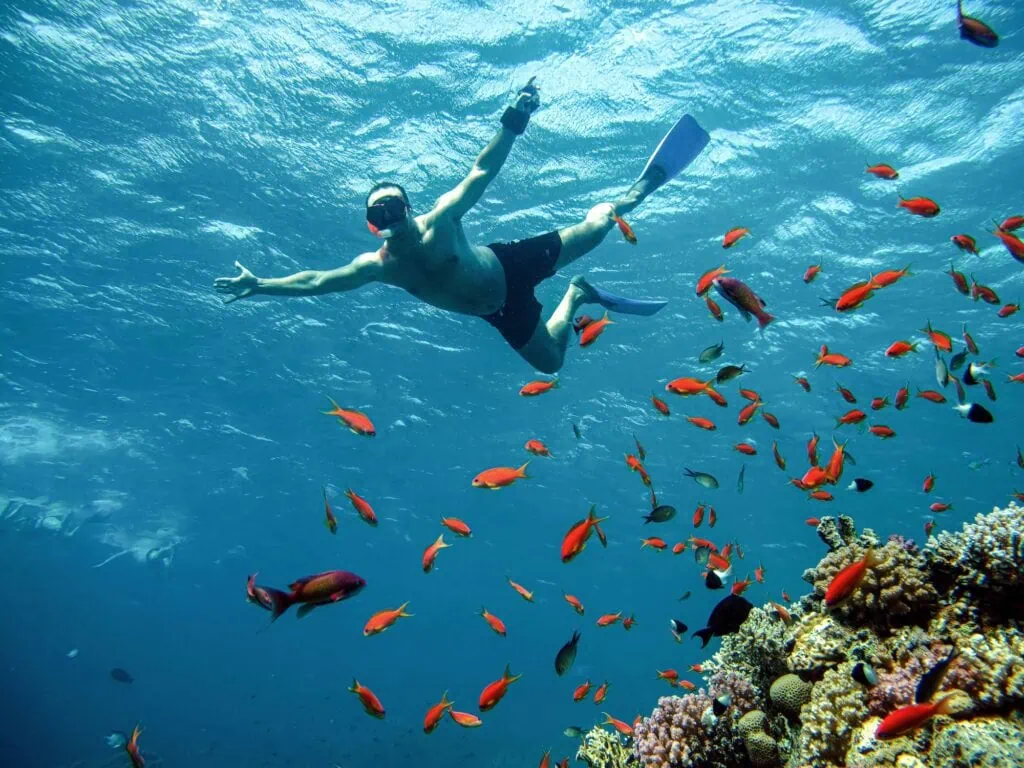
Winter months offer perfect weather for Nile cruises and Red Sea activities. Families often combine historical exploration in Upper Egypt with beach relaxation in Hurghada or Sharm El Sheikh, creating balanced itineraries that satisfy different interests within the family.
Accommodation Standards for Families
Egyptian family hotels provide essential amenities including connecting rooms, swimming pools, and international cuisine options. Properties in major tourist areas maintain high standards of cleanliness and safety. Many hotels offer special children’s programs, including supervised activities while parents enjoy spa treatments or adult-only excursions.
Nile cruise ships accommodate families with special cabin configurations and onboard entertainment suitable for children. These floating hotels feature pools, libraries, and deck space where families can relax between shore excursions. Meals aboard cruise ships typically include international buffets alongside traditional Egyptian dishes, ensuring even picky eaters find appealing options.
Nile Cruises: Floating Through Ancient History
A Nile cruise represents the quintessential Egyptian family experience, combining comfortable accommodation with access to some of the country’s most significant archaeological sites. Traditional cruise ships sail between Luxor and Aswan, stopping at temples and tombs that would be difficult to reach by road.
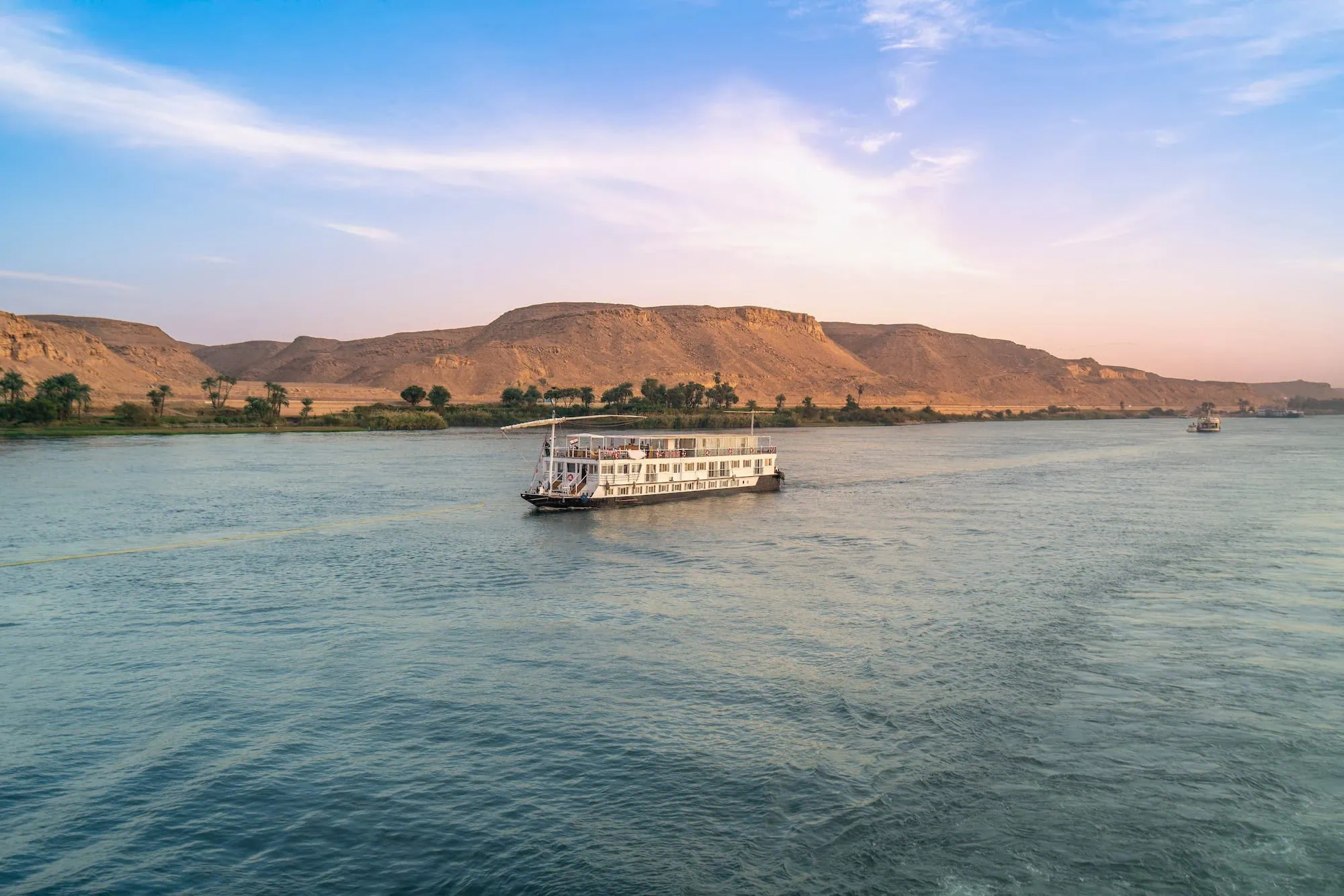
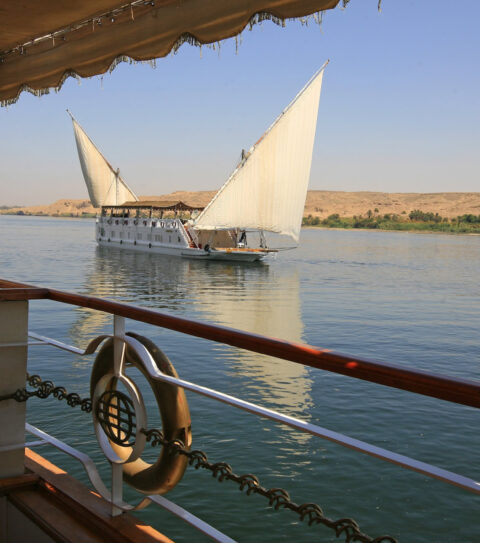
Dahabiya sailboats offer families seeking more intimate experiences an alternative to larger cruise ships. These traditional wooden vessels accommodate 12-20 passengers, creating a boutique atmosphere where families receive personalized attention from crew members. Dahabiyas sail more slowly than motor cruises, allowing extended time at lesser-visited sites and opportunities for children to interact with local communities.
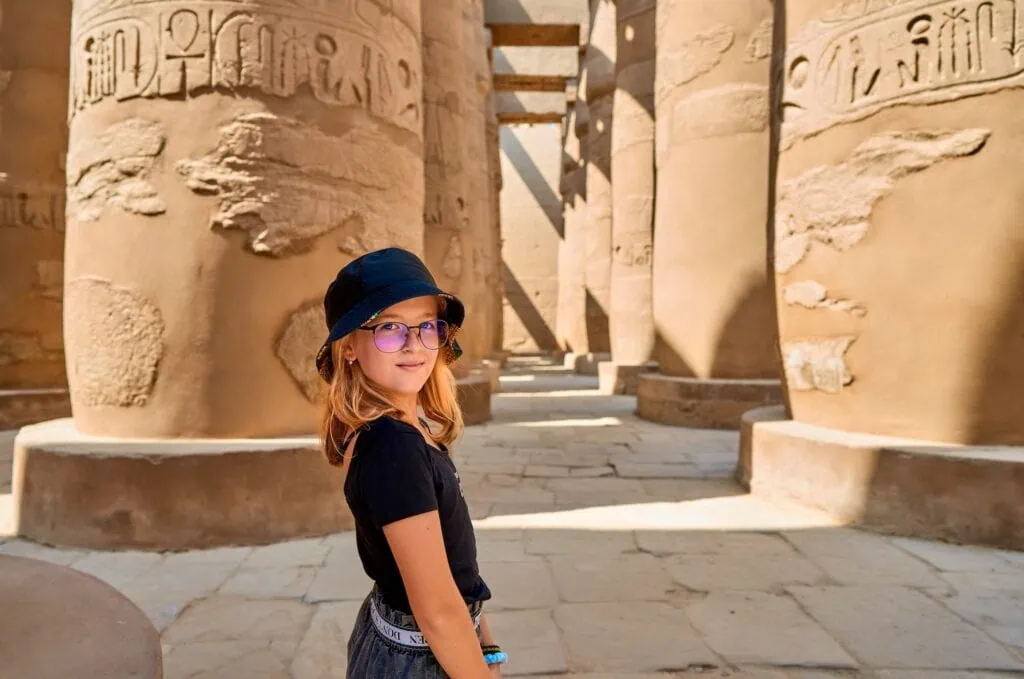
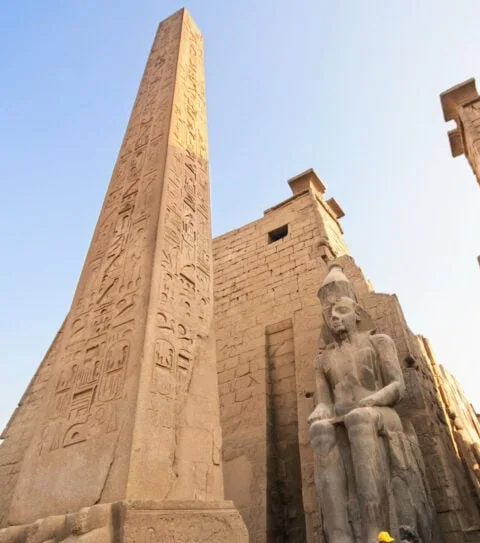
During four-day Nile cruises, families visit Karnak Temple, Luxor Temple, Valley of the Kings, Philae Temple, and the Temple of Kom Ombo. Shore excursions on multi-day cruises are conducted as small group experiences with up to 12 participants, ensuring a more intimate setting than typical large tours. This size allows guides to adjust explanations based on group composition and answer children’s questions thoroughly.
The cruise experience includes educational entertainment such as costume parties where children dress as pharaohs and traditional music performances. Many ships organize cooking demonstrations where families learn to prepare Egyptian bread or traditional sweets. These activities help children connect with Egyptian culture beyond historical monuments.
Evening hours on deck provide opportunities for stargazing while guides point out constellations that ancient Egyptians used for navigation and religious purposes. The Nile’s banks reveal rural Egyptian life largely unchanged for centuries, with farmers using traditional methods and children waving from villages.
Red Sea Adventures for Active Families
Egypt’s Red Sea coast offers families world-class snorkeling and diving opportunities in waters renowned for their clarity and marine biodiversity. Hurghada and Sharm El Sheikh serve as primary gateways to coral reefs that support colorful fish species and larger marine animals including dolphins and sea turtles.
Family-friendly resorts along the Red Sea combine beach relaxation with organized water activities suitable for different age groups. Many properties offer snorkeling lessons in shallow lagoons before venturing to deeper reef locations. Professional diving instructors provide PADI certification courses for teenagers, while younger children can participate in supervised snorkeling experiences.
Marine Life Encounters
Red Sea waters host over 1,000 species of fish and 200 species of coral, creating underwater landscapes that fascinate children and adults alike. Common sightings include parrotfish, angelfish, butterflyfish, and moray eels living among brain corals and sea fans. Dolphin encounters occur regularly, particularly around Ras Mohammed National Park near Sharm El Sheikh.
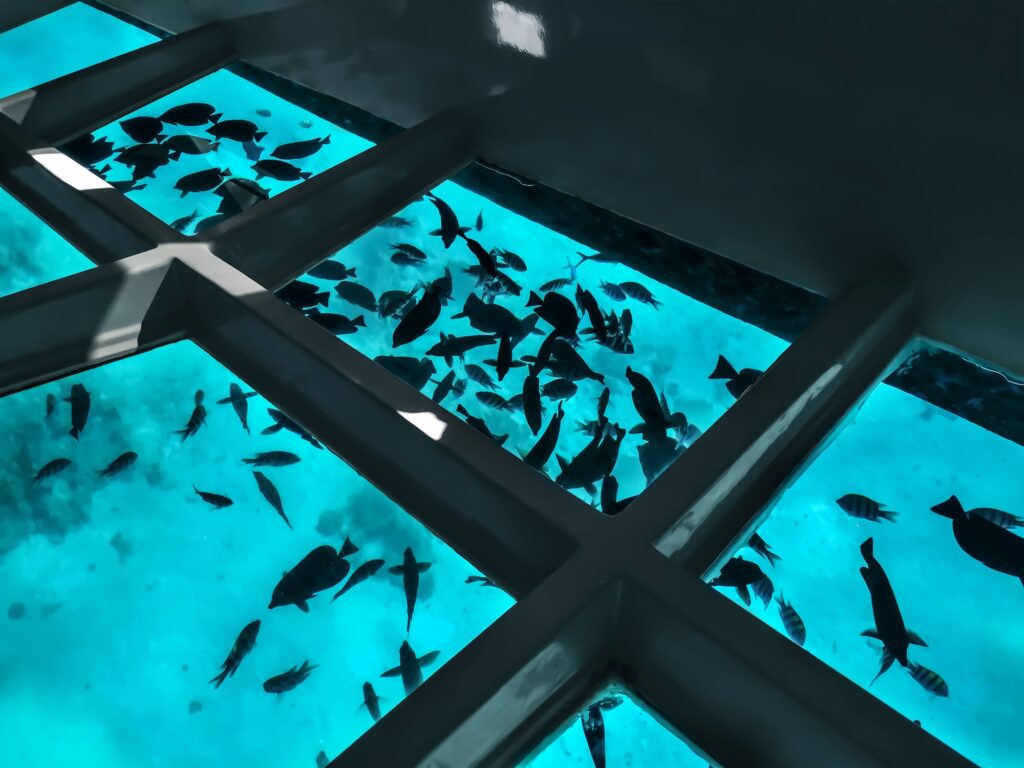
Glass-bottom boat excursions accommodate families with non-swimmers or very young children who want to observe marine life without entering the water. These boats visit prime snorkeling locations where passengers can view coral formations and fish schools from above water level.
Desert Excursions from Coastal Areas
Red Sea destinations provide access to Eastern Desert landscapes that complement beach activities. Families can experience traditional Bedouin culture through organized desert camps featuring camel rides, traditional meals, and stargazing sessions. These excursions typically last half-day or full-day, returning families to their coastal accommodations by evening.
Quad bike adventures appeal to families with teenagers, offering guided tours through desert valleys and oases. Professional guides ensure safety while explaining desert ecology and Bedouin history. These activities provide adventure elements that balance more contemplative aspects of Egyptian cultural exploration.
Educational Value Beyond Expectations
Egypt transforms typical family vacations into immersive learning experiences that enhance children’s understanding of history, archaeology, and cultural diversity. Unlike theme parks or resort destinations, every Egyptian monument tells stories that span thousands of years.
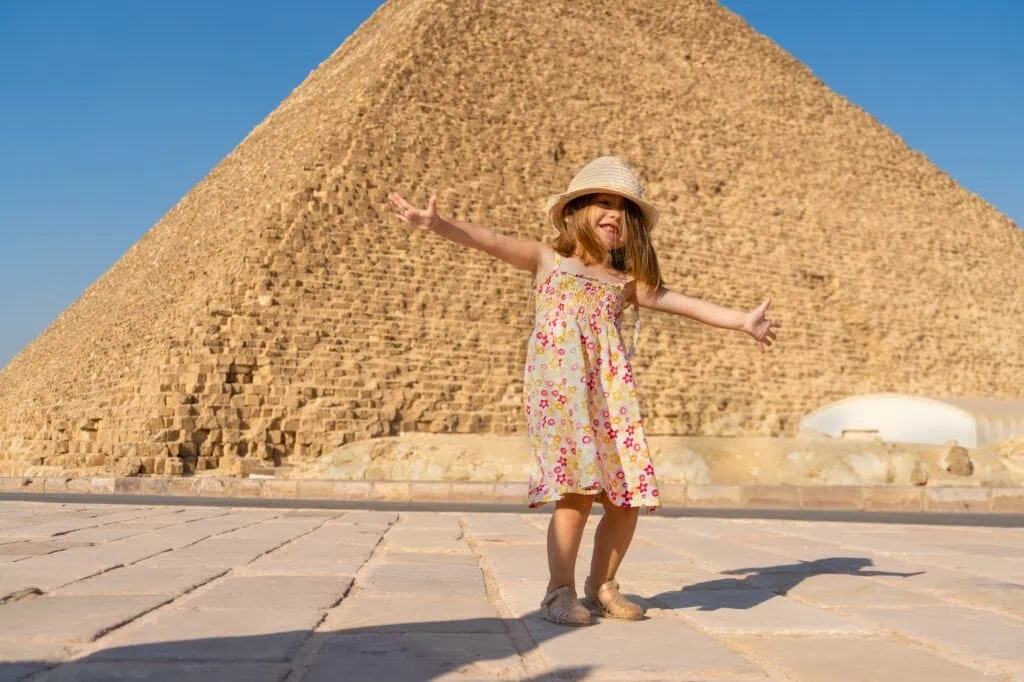
Children discover that ancient Egyptians developed writing systems, mathematical concepts, and architectural techniques that influence modern civilization. Standing inside the Great Pyramid reveals engineering principles that continue to puzzle contemporary architects. Examining mummies and burial artifacts helps families understand ancient religious beliefs and preservation techniques.
Language Learning Opportunities
Egyptian Arabic differs significantly from classical Arabic, but children quickly pick up basic greetings and phrases that enhance their interactions with local people. Many Egyptian guides speak multiple languages and encourage children to practice simple Arabic words. Hotel staff and restaurant servers appreciate families’ efforts to communicate in Arabic, creating positive cultural exchanges.
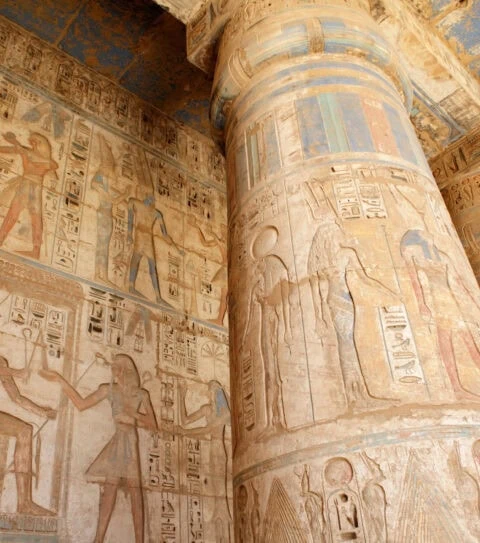
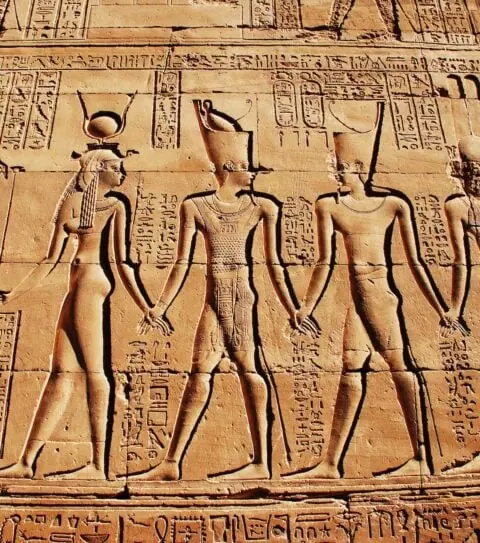
Hieroglyphic writing systems fascinate children who enjoy decoding ancient messages carved into temple walls. Many Egyptian museums offer hieroglyphic workshops where children learn to write their names using ancient symbols. These activities develop appreciation for human communication evolution and writing system complexity.
Cultural Sensitivity and Understanding
Traveling in Egypt exposes families to Islamic culture, providing opportunities to discuss religious diversity and cultural respect. Children observe calls to prayer, Islamic architecture, and traditional dress while learning about tolerance and cultural appreciation. These experiences develop global awareness that benefits children throughout their lives.
Local interactions in markets, restaurants, and transportation venues teach children about economic systems, bargaining customs, and social hierarchies. Egyptian hospitality toward families creates positive impressions that counter negative media stereotypes about Middle Eastern cultures.
Practical Tips for Family Success
Successful Egyptian family vacations depend on careful preparation and realistic expectations. We recommend booking accommodations and transportation through experienced operators who understand family needs and can address challenges quickly.
Health and Safety Considerations
Egyptian tap water requires filtration for international visitors, so we provide bottled water throughout family itineraries. Most family hotels offer water purification systems and ice made from purified water. Restaurants catering to international tourists maintain food safety standards, but we recommend avoiding street food until families adjust to local cuisine.
Medical facilities in major tourist destinations meet international standards, with English-speaking doctors available 24 hours. We maintain relationships with reputable clinics and can arrange medical consultations if needed. Most common health issues involve minor digestive adjustments or heat-related fatigue, both easily managed with proper precautions.
Sun protection becomes essential, particularly during outdoor activities. We recommend high-SPF sunscreen, wide-brimmed hats, and lightweight long-sleeved clothing for temple visits. Many archaeological sites offer limited shade, making protective clothing more important than in typical beach destinations.
Packing Essentials
Egyptian family trips require specific items that might not be necessary for other destinations. Comfortable walking shoes with good traction are essential for navigating ancient stone surfaces that can be uneven or slippery. We recommend bringing backup shoes since dusty conditions can wear footwear quickly.
Camera equipment should include extra batteries and memory cards, as Egyptian monuments provide countless photo opportunities. Many tombs and museums restrict flash photography, so cameras with good low-light performance work best. Portable phone chargers ensure families can capture memories without worrying about battery life.
Managing Expectations
Children’s attention spans vary significantly, so we structure itineraries with breaks between major attractions. Most families find that two to three significant sites per day maximize enjoyment without creating exhaustion. We alternate intensive sightseeing with relaxing activities like hotel pool time or shopping in local markets.
Egyptian monuments impress children differently based on their ages and interests. Younger children often respond more enthusiastically to larger monuments like pyramids, while teenagers appreciate intricate tomb decorations and hieroglyphic details. Flexible itineraries allow families to spend extra time at sites that capture children’s imagination.
Creating Memories That Last Lifetimes
Egyptian family vacations create shared experiences that families reference for years afterward. Children who visit Egypt often develop lasting interests in archaeology, history, or ancient cultures that influence their academic choices and career paths.
The combination of adventure, education, and cultural immersion provides families with stories and memories that strengthen family bonds. Parents frequently report that Egyptian travels represent turning points in their children’s curiosity about the world and other cultures.
Our decades of experience organizing family trips to Egypt have taught us that successful vacations balance structure with spontaneity, education with entertainment, and comfort with adventure. We design each family itinerary based on children’s ages, interests, and energy levels, ensuring that every family member finds aspects of Egypt that resonate personally.
From watching sunrise over the Pyramids of Giza to snorkeling among Red Sea coral reefs, Egyptian family vacations offer experiences unavailable anywhere else on Earth. These ancient lands continue to inspire new generations of travelers, creating connections between past and present that last lifetimes.
Frequently Asked Questions
Most families find that children aged 5 and older appreciate Egyptian monuments and activities, though younger children can participate.
We recommend 7-10 days for first-time visitors, allowing time to explore Cairo, cruise the Nile, and relax on the Red Sea coast.
Yes, hotels in major tourist areas provide family-friendly amenities including connecting rooms, swimming pools, and international cuisine.
Hotels and restaurants serving international tourists maintain high food safety standards. We recommend sticking to bottled water and avoiding street food.
Most children find tomb visits exciting rather than frightening when accompanied by knowledgeable guides who explain historical context appropriately.
October through April offers ideal weather for outdoor activities, with comfortable temperatures averaging 20-25°C during daytime.
Nile cruises feature swimming pools, entertainment programs, and daily shore excursions that keep children engaged throughout the journey.
Archaeological sites involve considerable walking on uneven surfaces. We recommend comfortable shoes and plan rest breaks based on children’s ages.
Our certified Egyptologists speak fluent English and undergo special training to communicate effectively with families of different age groups.
Absolutely. We specialize in tailored itineraries that accommodate individual family interests, energy levels, and time constraints while ensuring comprehensive coverage.
Egypt offers adventure activities including snorkeling, diving, quad biking, and felucca sailing that appeal to teenagers while incorporating educational elements.
Design Your Custom Tour
Explore Egypt your way by selecting only the attractions you want to visit