Red Sea Diving Holiday Packages – Ultimate Underwater Experience
Diving the Red Sea transforms skeptics into lifelong enthusiasts.
We’ve spent over two decades guiding divers through Egypt’s underwater wonderland, witnessing thousands of first encounters with hammerhead sharks, pristine coral gardens, and WWII wrecks that define this legendary destination. From Sharm El Sheikh’s accessible reefs to Marsa Alam’s untouched wilderness, the Red Sea offers diving experiences that match every skill level and budget. The combination of year-round diving conditions, exceptional visibility, and marine biodiversity creates opportunities that simply don’t exist elsewhere.
Our comprehensive Red Sea diving packages blend world-class underwater adventures with comfortable accommodations, expert instruction, and seamless logistics that let you focus entirely on the diving experience ahead.

Best Red Sea Diving Destinations
Northern destinations like Sharm El Sheikh provide convenient access to iconic sites including the SS Thistlegorm and Ras Mohammed National Park. These areas excel for certification courses and first-time Red Sea visitors, offering shallow reefs perfect for Open Water divers alongside advanced sites for technical enthusiasts.
Sharm El Sheikh Gateway
The Sinai Peninsula’s diving capital delivers immediate access to the Red Sea’s most famous underwater attractions. SS Thistlegorm, sunk by German bombers in 1941, remains one of the world’s top wreck diving experiences. The cargo holds reveal motorcycles, trucks, and wartime supplies frozen in time at 30 meters (98 feet) depth.
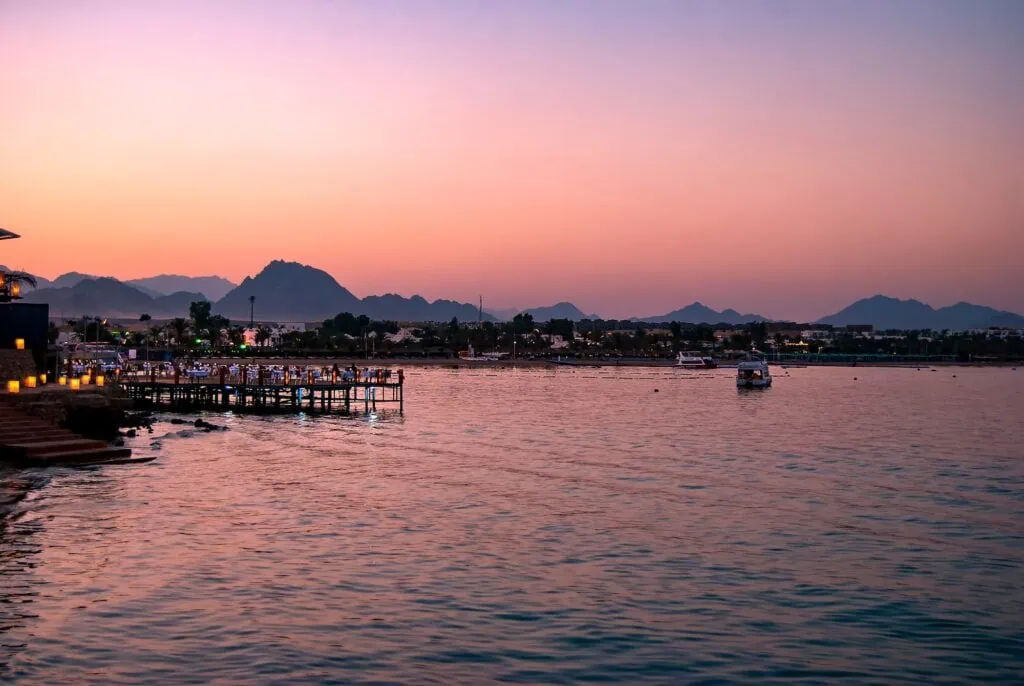
Local dive centers operate multiple daily trips to nearby reefs, making Sharm ideal for divers wanting variety without long boat transfers. The protected waters of Ras Mohammed showcase pristine coral formations and regular sightings of gray reef sharks.
Hurghada Family Hub
Hurghada’s extensive hotel infrastructure supports families combining beach holidays with diving adventures. The destination offers excellent PADI certification programs, with calm conditions perfect for nervous beginners taking their first underwater breaths.
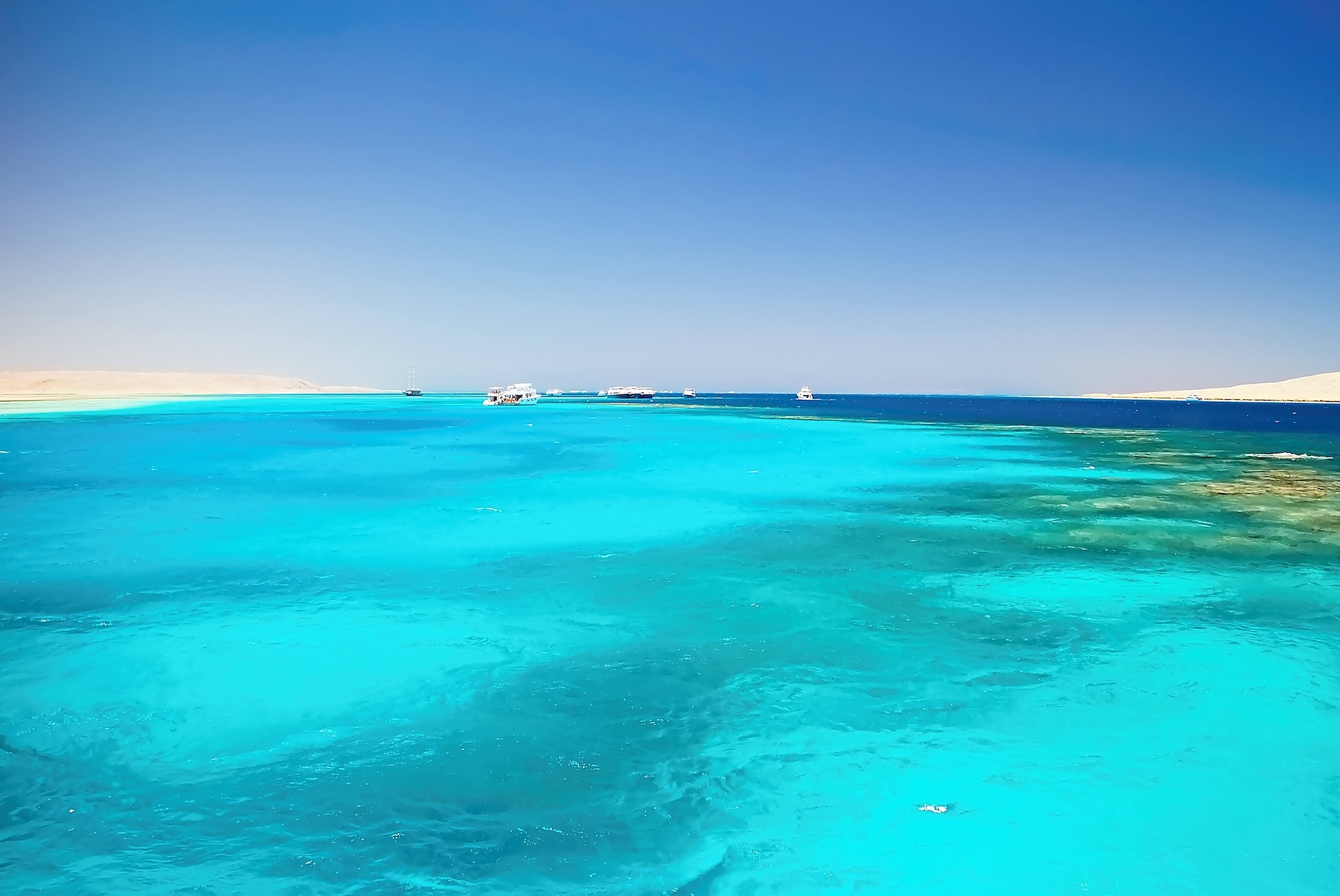
Giftun Island’s colorful reefs provide stunning photography opportunities, while experienced divers can explore the Abu Nuhas reef system’s collection of historic shipwrecks. Shore diving options directly from resort beaches add convenience for certified divers wanting independent underwater exploration.
Marsa Alam Wilderness
Southern Egypt’s Marsa Alam region represents the Red Sea at its most pristine. Remote location means fewer crowds and healthier coral systems supporting larger marine life populations.
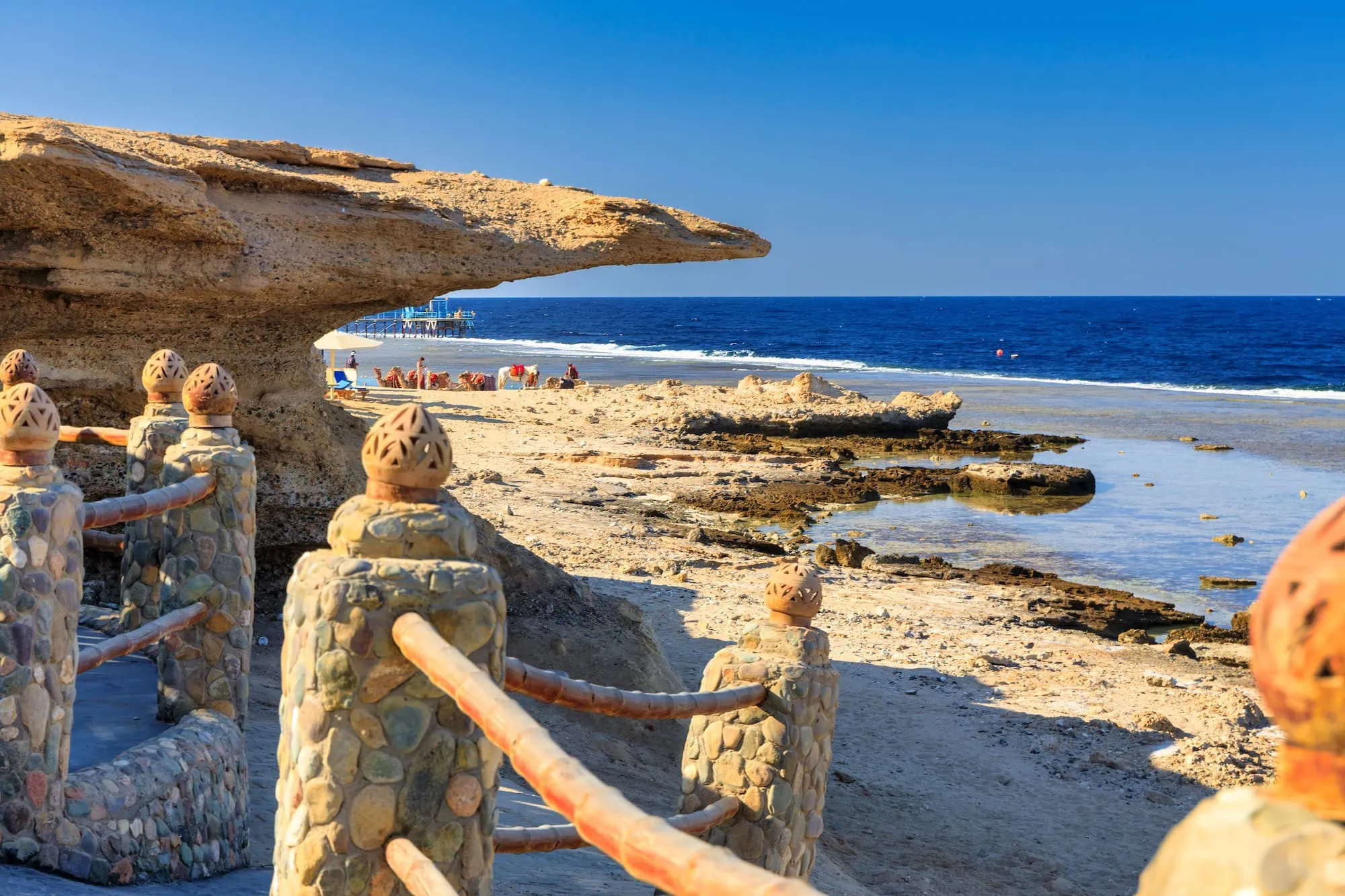
Elphinstone Reef’s dramatic drop-offs attract oceanic whitetips and hammerhead sharks, creating encounters that rival any global shark diving destination. The famous Fury Shoal system offers pristine coral gardens where dugongs graze seagrass beds alongside green turtles.
Resort versus Liveaboard Adventures
Resort-based diving maximizes comfort and convenience for divers prioritizing relaxation between underwater sessions. Daily boat trips visit nearby reefs while evening entertainment and spa facilities provide surface interval activities. This approach suits families, certification students, and divers preferring consistent accommodation standards.
Liveaboard expeditions unlock access to remote dive sites impossible to reach from shore-based operations. Multi-day voyages aboard dedicated diving vessels like the Blue Horizon create intensive diving schedules visiting pristine reefs far from coastal development. Professional diving instructors provide personalized attention while onboard chefs prepare meals optimized for diving nutrition requirements.
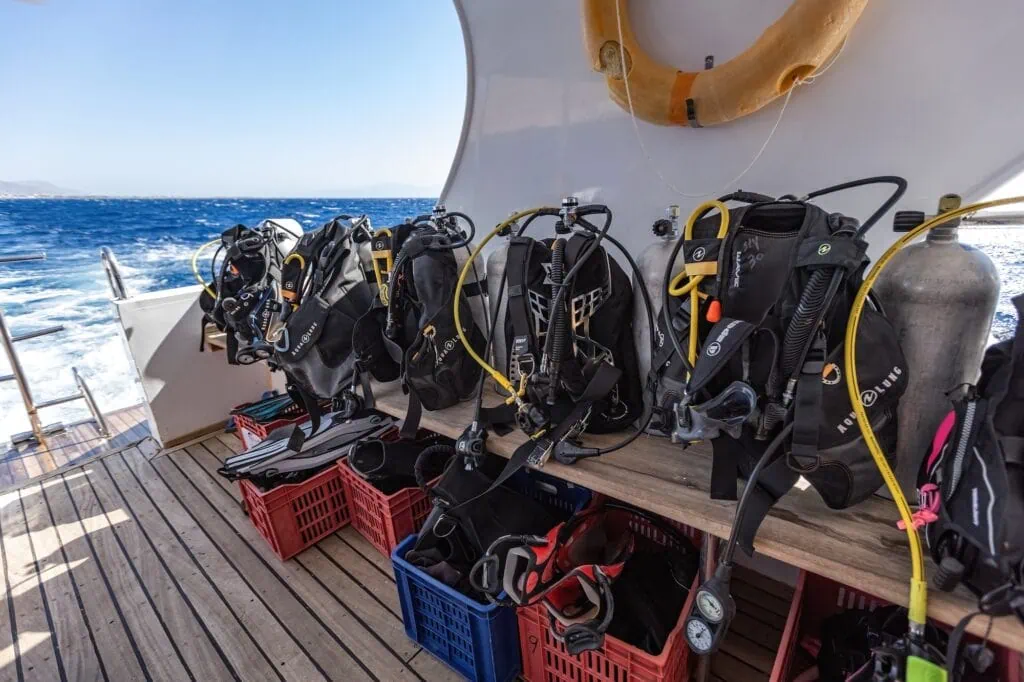
The choice depends entirely on personal preferences and diving experience levels. New divers often prefer resort stability while advanced enthusiasts seek liveaboard adventure accessing untouched marine environments.
Advanced technical divers gravitate toward liveaboard expeditions exploring deep wrecks and challenging current-swept reefs. These specialized trips require Nitrox certification and advanced open water qualifications, delivering experiences impossible through standard resort diving programs.
Marine Life Encounters
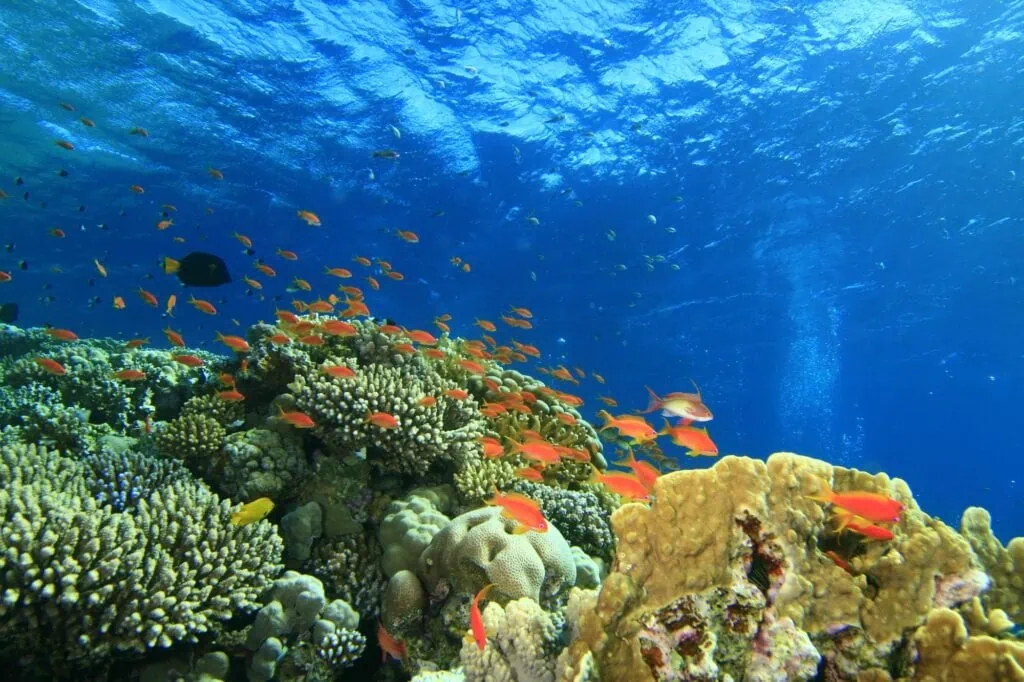
Red Sea waters support over 150 coral species creating underwater landscapes unlike anywhere else on Earth. These coral gardens provide habitat for hundreds of fish species, from tiny anthias covering reef walls to massive Napoleon wrasse patrolling cleaning stations.
Shark encounters vary by location and season, with hammerheads most common during cooler months from December through March. Oceanic whitetip sharks frequent offshore reefs year-round, while blacktip reef sharks patrol shallow coral gardens during all seasons. Whale sharks occasionally visit southern waters, though sightings remain unpredictable.
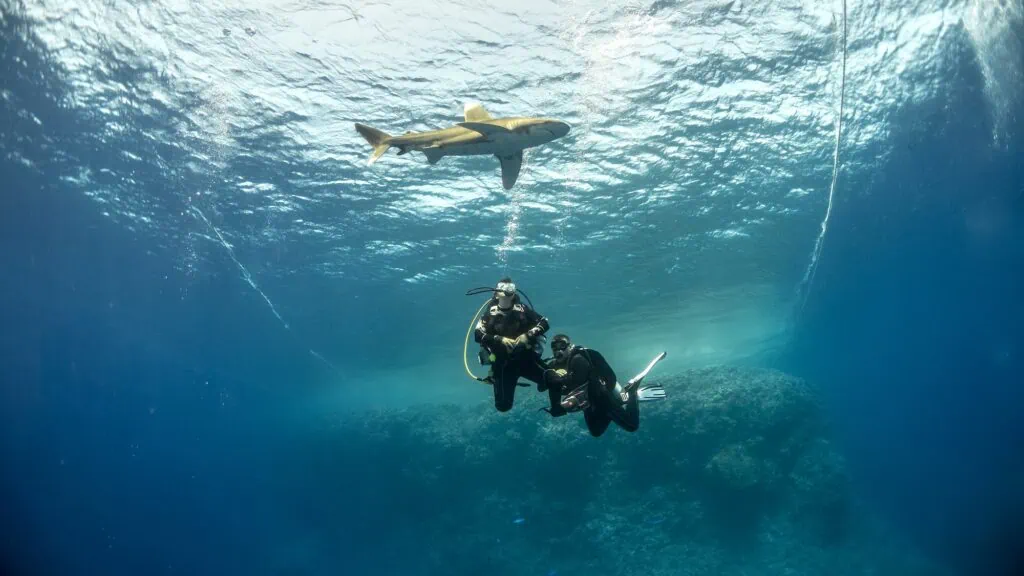
Manta ray cleaning stations near certain reefs offer reliable encounters with these gentle giants, particularly around Marsa Alam dive sites. Green and hawksbill turtles nest along Egyptian beaches, making turtle encounters common throughout regional waters.
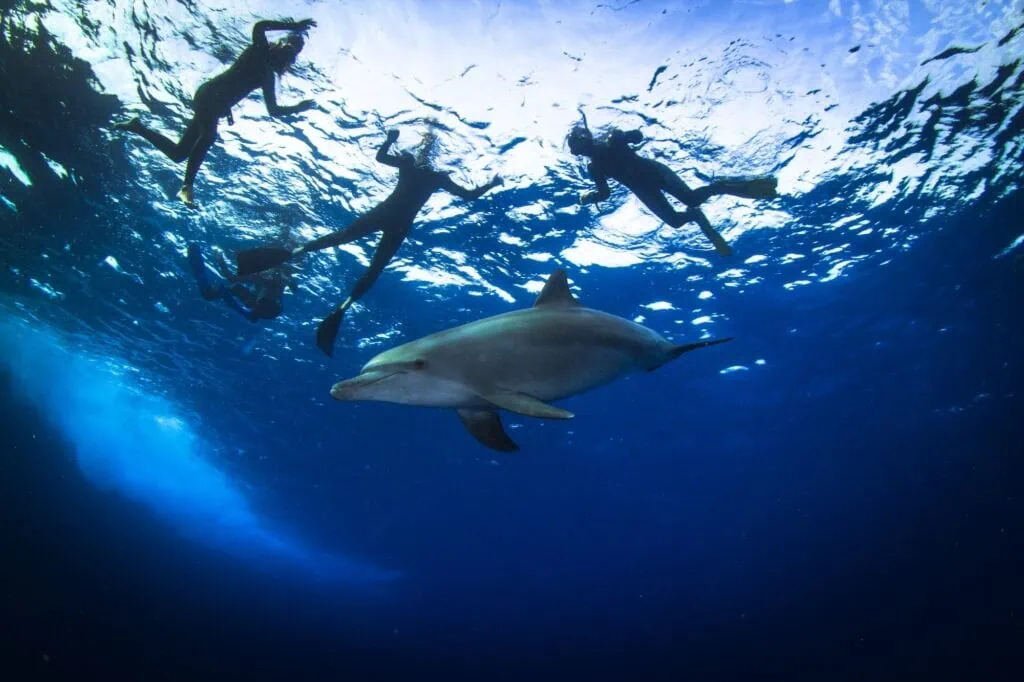
Dolphin pods regularly interact with dive boats, often approaching divers during safety stops. These playful encounters create magical moments, though responsible diving practices maintain respectful distances protecting wild marine life.
The region’s endemic species include Red Sea bannerfish, masked butterflyfish, and Klunzinger’s wrasse found nowhere else globally. Underwater photographers particularly value these unique species creating distinctive portfolio images.
Diving Certification and Training
PADI Open Water certification provides the foundation for Red Sea diving adventures. Our experienced instructors conduct theory sessions in air-conditioned classrooms before progressing to confined water training in resort swimming pools. Open water dives take place on protected reefs where students master essential skills in crystal-clear 24°C (75°F) waters.
Advanced Open Water courses introduce specialty diving including deep diving, navigation, and underwater photography. These skills prove invaluable for exploring Red Sea wrecks and challenging reef systems requiring enhanced diving competency.
Specialty Certifications
Nitrox certification extends bottom times on deeper dives, particularly valuable when exploring wrecks like the SS Thistlegorm or Giannis D. The reduced nitrogen absorption allows longer exploration times and shorter surface intervals between dives.
Wreck diving specialties prepare divers for penetrating cargo holds and engine rooms safely. These courses cover proper procedures for overhead environments, including emergency ascent techniques and buddy communication systems essential for confined space diving.
Beginner Learning Environment
Red Sea conditions create ideal learning environments for nervous beginners. Warm water temperatures eliminate wetsuit bulk while exceptional visibility reduces anxiety common in murky training locations. Calm protected bays provide stress-free environments for mastering fundamental skills.
Small group sizes ensure personalized attention from qualified instructors. We maintain maximum ratios of four students per instructor, far exceeding industry standards while providing safety margins crucial for comfortable learning experiences.
Seasonal Diving Conditions
Year-round diving characterizes the Red Sea, though seasonal variations affect comfort and marine life activity. Water temperatures range from 22°C (72°F) in winter to 29°C (84°F) during summer months, requiring different exposure suit recommendations.
March through May delivers ideal conditions combining comfortable air temperatures with clear skies and minimal wind. These months offer excellent visibility often exceeding 30 meters (98 feet) while avoiding summer heat that can make surface intervals uncomfortable.
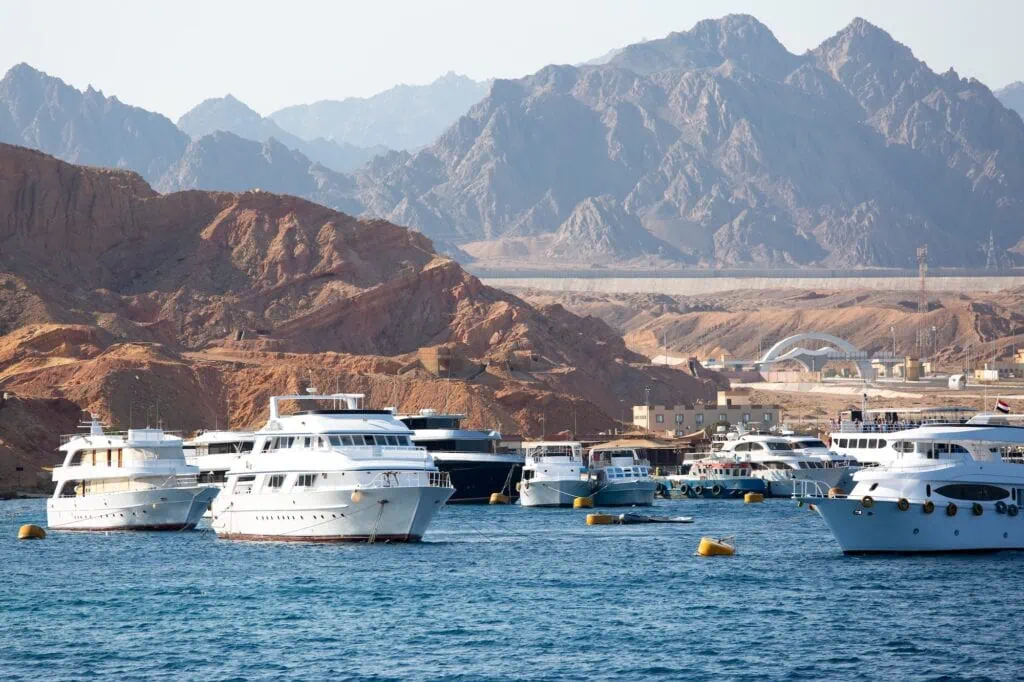
September through November provides another optimal window with cooler air temperatures and reduced tourist crowds. Marine life activity increases as water temperatures moderate from summer peaks, improving chances for larger species encounters.
Winter months from December through February offer unique advantages including increased shark activity and comfortable diving temperatures. While air temperatures drop, they rarely become uncomfortable for tropical diving activities. This season provides excellent value with reduced accommodation costs and fewer crowds at popular dive sites.
Summer diving from June through August features the warmest water temperatures but brings challenging surface conditions. Air temperatures regularly exceed 40°C (104°F) making surface intervals demanding, though underwater conditions remain excellent with calm seas and clear visibility.
All-Inclusive Diving Packages
Our all-inclusive Red Sea diving packages eliminate planning stress while maximizing underwater time. Comprehensive inclusions cover accommodation, meals, diving equipment, boat transfers, and professional guide services throughout your stay.
Complete Service Integration
Transportation from Cairo International Airport connects seamlessly with Red Sea destinations through comfortable air-conditioned coaches or domestic flights. Our representatives meet arriving guests, handling luggage and documentation while providing destination briefings during transfers.
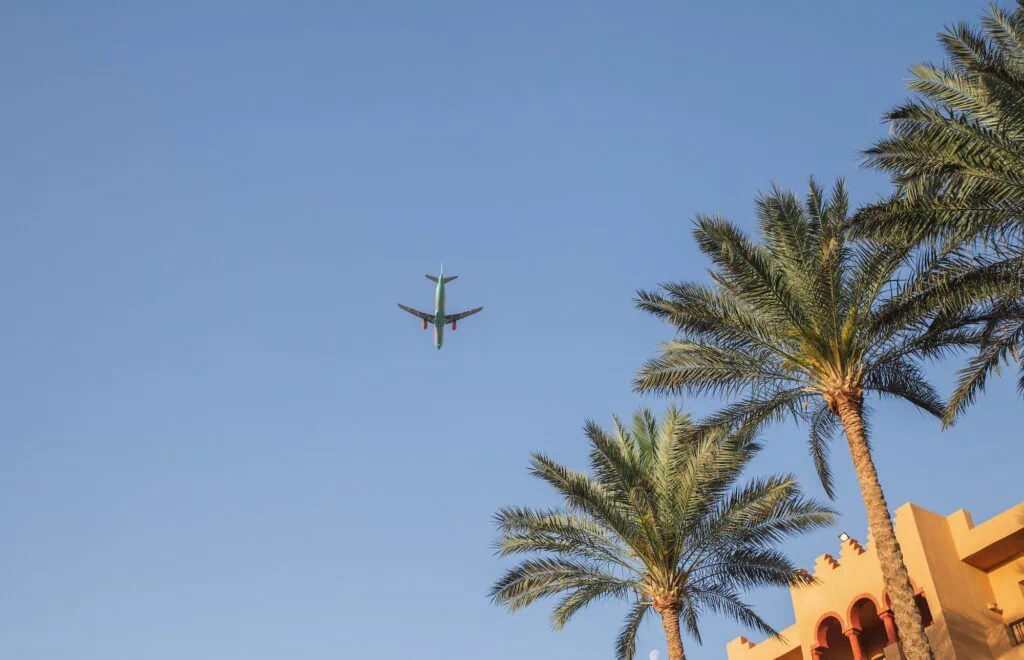
Resort accommodations feature diving-friendly amenities including equipment drying areas, dive gear storage, and early breakfast options for morning boat departures. All meals cater to diving nutrition requirements with light pre-dive options and substantial post-dive recovery meals.
Equipment and Safety
Professional diving equipment undergoes regular maintenance and replacement ensuring optimal safety standards. Rental gear includes modern BCDs, regulators, and wetsuits sized appropriately for Red Sea conditions. Advanced divers can request specialized equipment including underwater cameras and Nitrox-compatible computers.
Certified dive masters accompany all excursions providing local knowledge and emergency response capabilities. These professionals maintain current first aid and rescue certifications while offering underwater guidance enhancing safety and experience quality.
Family-Friendly Inclusions
Family packages accommodate non-diving family members with snorkeling equipment, beach activities, and cultural excursion options. Kids’ clubs provide supervised activities while parents complete certification courses or advanced diving adventures.
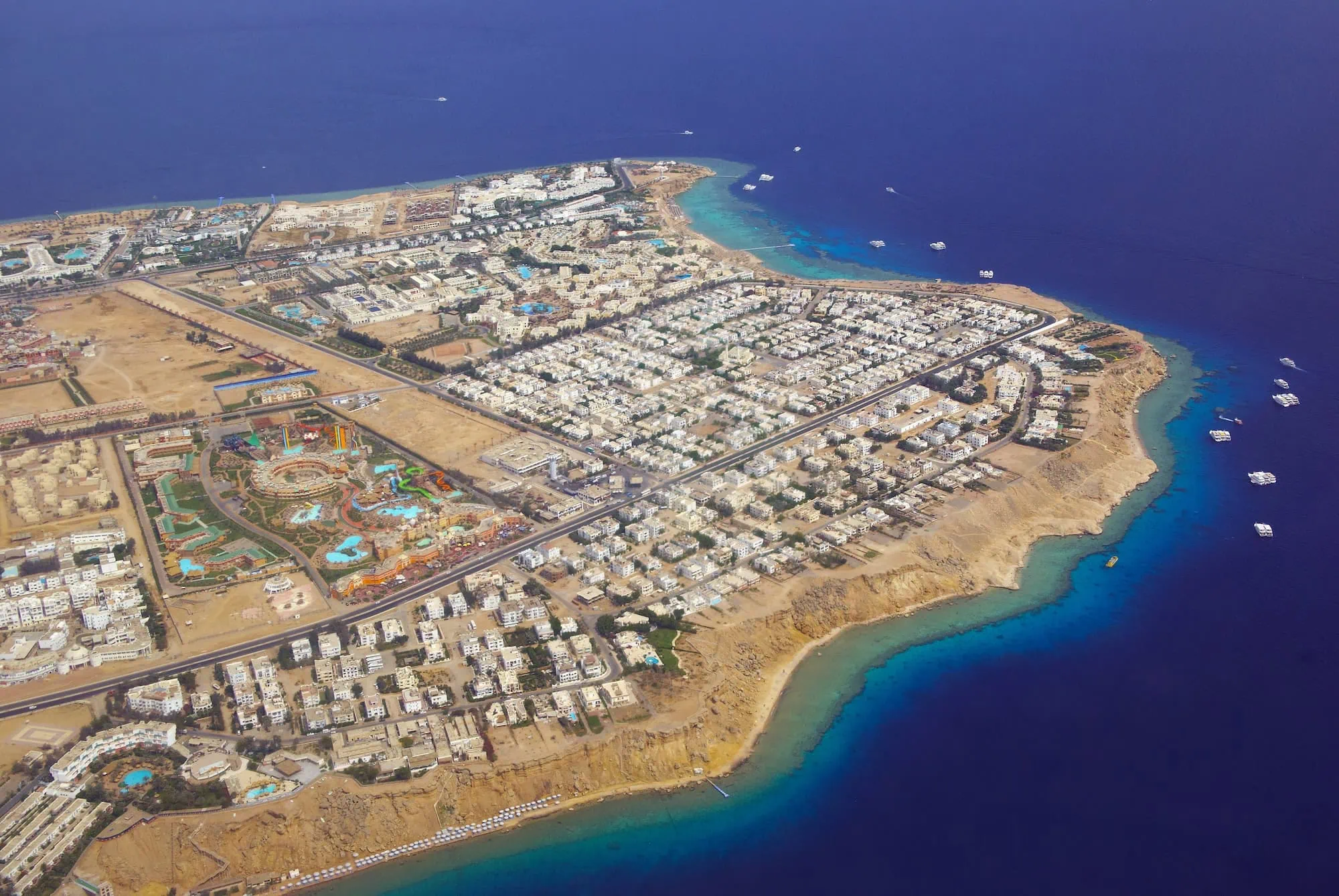
Resort facilities include swimming pools, spa services, and entertainment programs creating complete vacation experiences beyond diving activities. This comprehensive approach ensures entire families enjoy memorable Red Sea holidays regardless of diving interest levels.
Frequently Asked Questions
Open Water certification allows access to most Red Sea dive sites, though Advanced Open Water is recommended for wreck penetration and deeper reef exploration.
December through March offers the highest probability of hammerhead sightings, while oceanic whitetips appear year-round at offshore locations.
Complete packages range from $1,200 to $3,500 per person depending on accommodation level, diving intensity, and included services.
Absolutely. Warm, clear waters and calm conditions create ideal learning environments for first-time divers taking certification courses.
Our comprehensive packages include accommodation, meals, diving equipment, boat trips, certification courses, airport transfers, and professional guidance throughout your stay.
Exceptional visibility and vibrant marine life make the Red Sea one of the world’s premier underwater photography destinations.
Most packages offer 10-12 boat dives plus unlimited shore diving opportunities, though this varies based on certification level and package type.
Personal masks, fins, and computers are recommended for comfort and familiarity, while BCDs, regulators, and wetsuits are readily available for rental.
Yes, diving-specific travel insurance covering hyperbaric chamber treatment and emergency evacuation is essential for all underwater activities.
Absolutely. Snorkeling, cultural tours, desert excursions, and resort amenities provide excellent alternatives for non-diving travel companions.
Regular sightings include reef sharks, turtles, rays, dolphins, and hundreds of tropical fish species, with occasional encounters with larger pelagic species.
Liveaboards access remote dive sites impossible to reach from shore while providing intensive diving schedules typically including 3-4 dives daily.
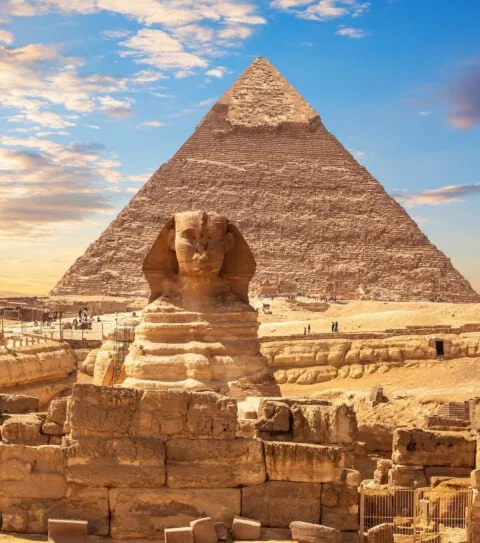
Design Your Custom Tour
Explore Egypt your way by selecting only the attractions you want to visit