

Cruise Down The Nile River – The Best Way To Discover Egypt
The world’s longest river holds mysteries that have captivated travelers for millennia.
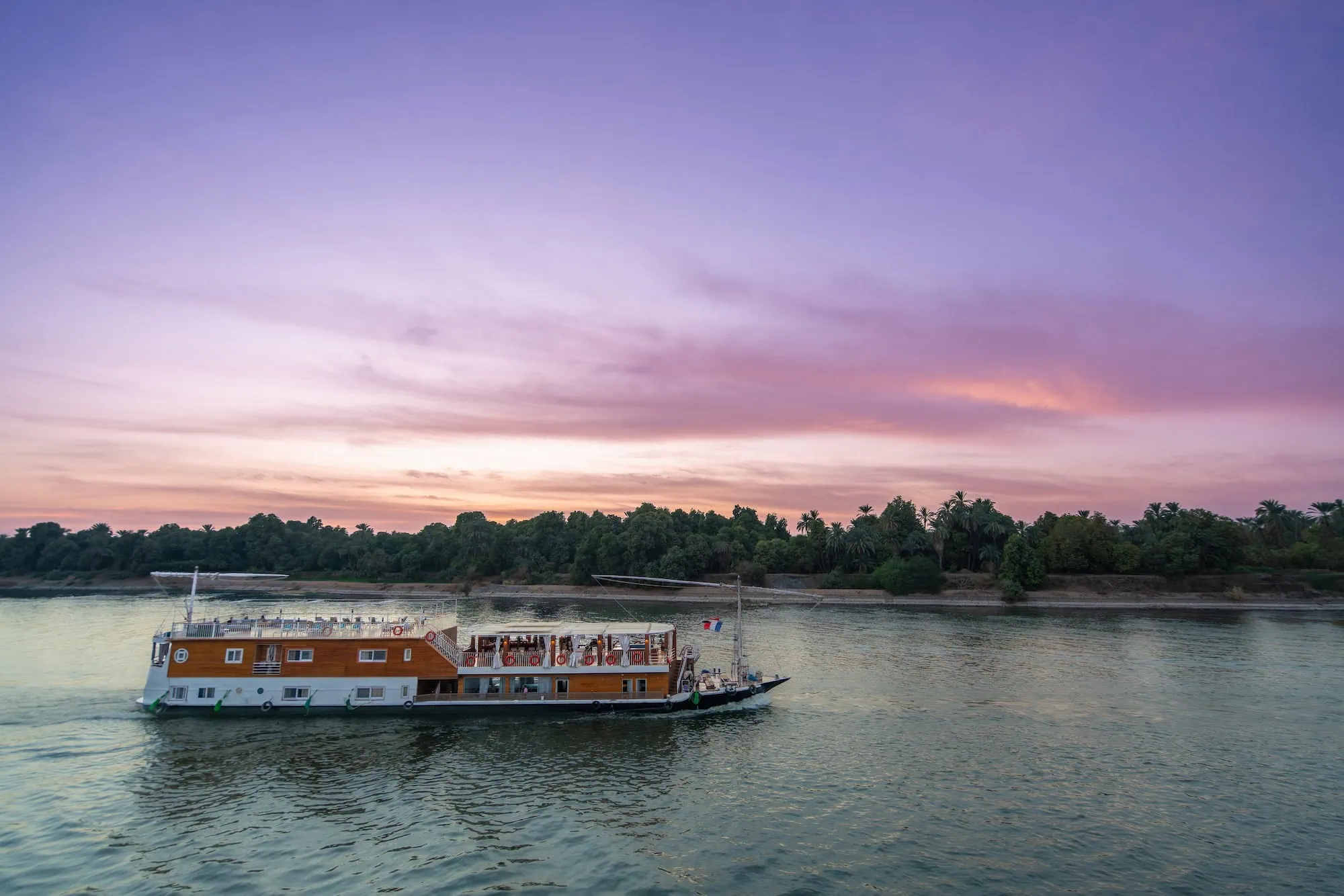
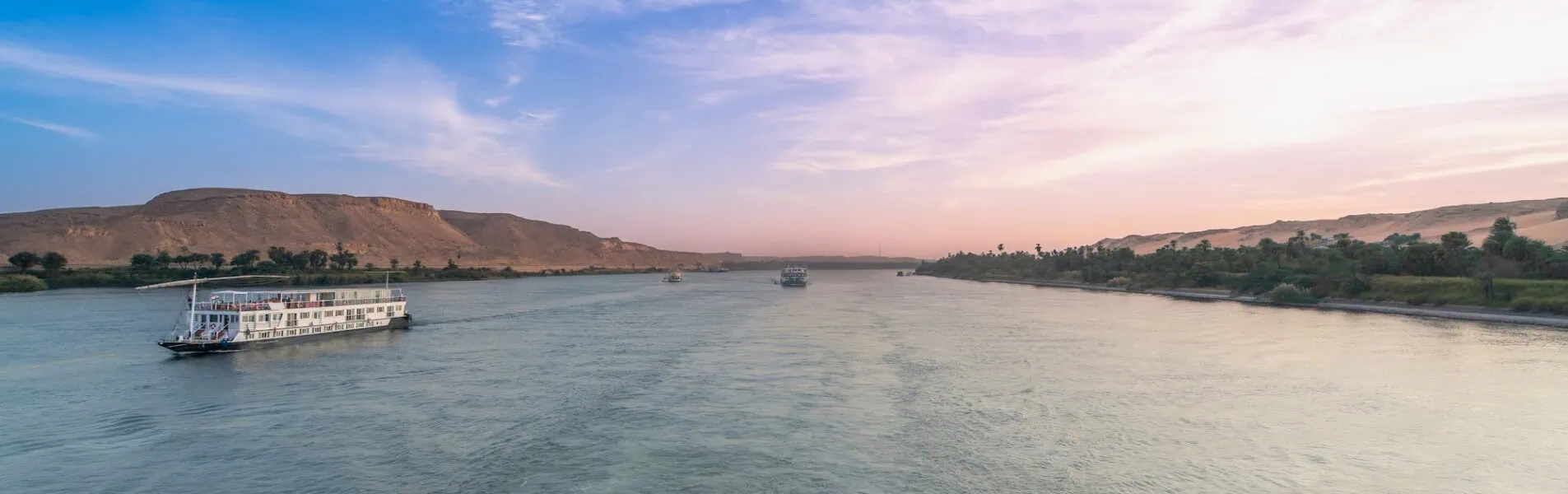
Egypt’s legendary Nile stretches over 6,695 kilometers (4,160 miles) from its source in Lake Victoria through eleven countries before reaching the Mediterranean Sea. This ancient waterway has served as the lifeline of Egyptian civilization for over 5,000 years, nurturing the pharaonic dynasties that built the temples, tombs, and monuments we marvel at today. Modern travelers can experience this same river through carefully crafted cruise experiences that blend historical exploration with contemporary comfort.
The journey between Luxor and Aswan remains the most popular route, offering access to Egypt’s greatest archaeological treasures while providing a peaceful respite from the bustling cities. We’ve been designing these river experiences for decades, understanding exactly what makes a Nile adventure unforgettable.
Table of Contents
Choosing Your Perfect Nile Experience
Traditional Nile cruises operate year-round between Luxor and Aswan, typically lasting 3-5 days. The gentle current and favorable winds create ideal conditions for both modern cruise ships and traditional sailing vessels.
Standard River Cruises
Most travelers choose conventional cruise ships that accommodate 50-100 passengers. These vessels feature air-conditioned cabins, dining rooms, and sun decks perfect for watching the changing landscape. Daily excursions visit major sites like Karnak Temple, Valley of the Kings, and Philae Temple, with qualified Egyptologists guiding small groups of up to 12 participants.
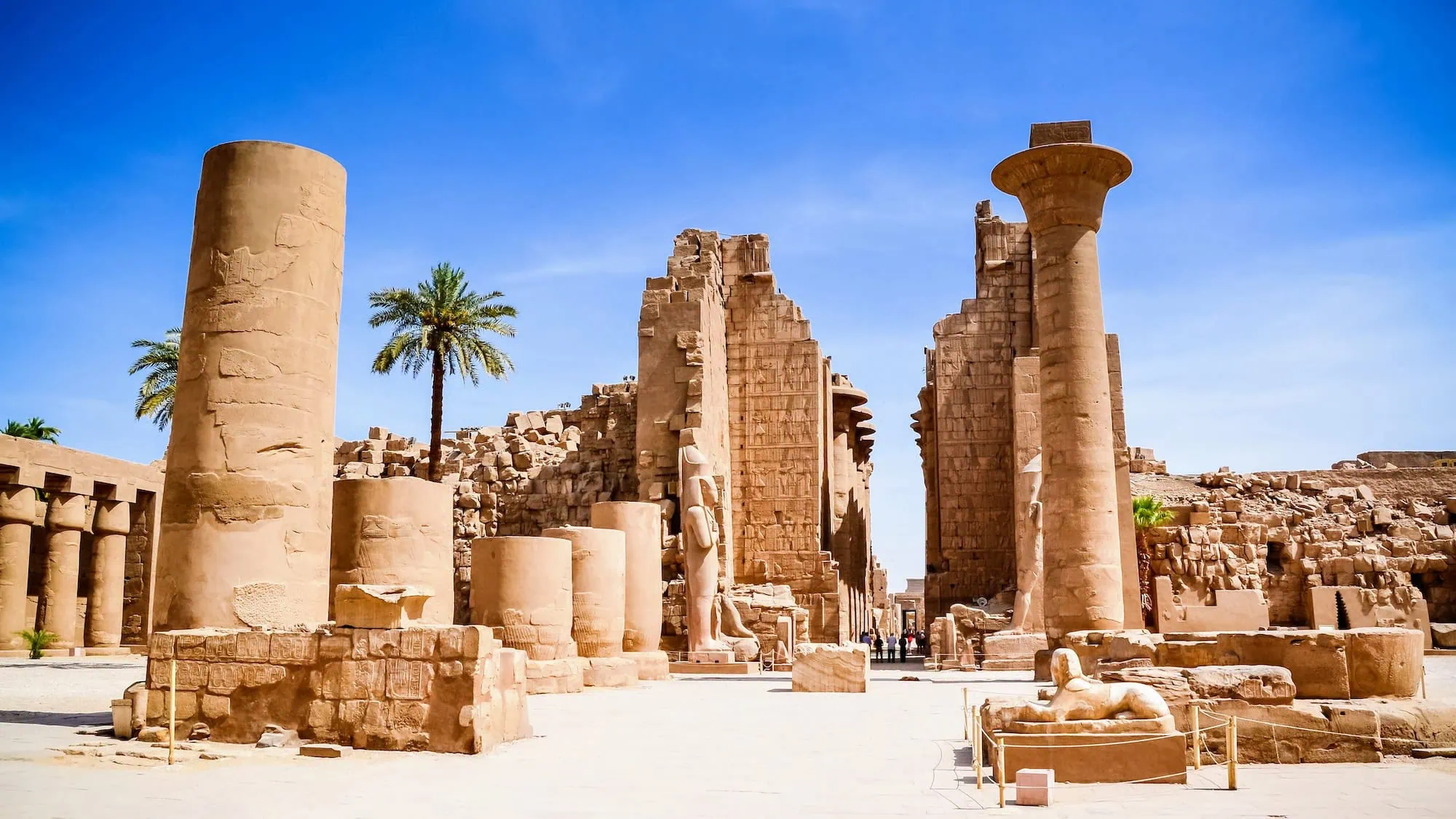
The structured itinerary ensures you experience Egypt’s most significant monuments while enjoying onboard amenities during sailing hours. Meals showcase Egyptian cuisine alongside international options, and evening entertainment often includes traditional music and dance performances.
Boutique Dahabiya Sailing
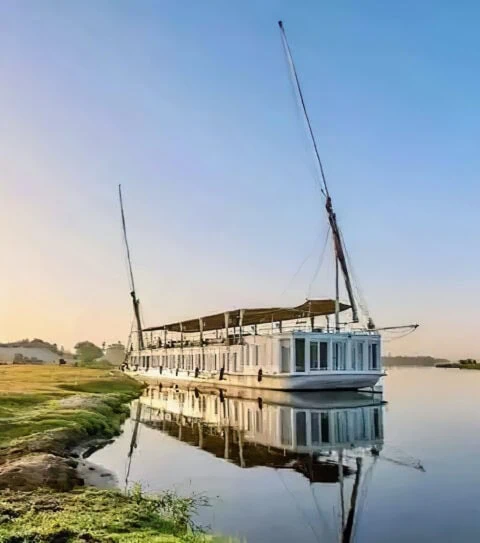
For those seeking authenticity, traditional dahabiya boats offer intimate experiences with just 8-12 guests. These wind-powered vessels follow the same routes used by 19th-century travelers, stopping at villages rarely visited by larger ships.
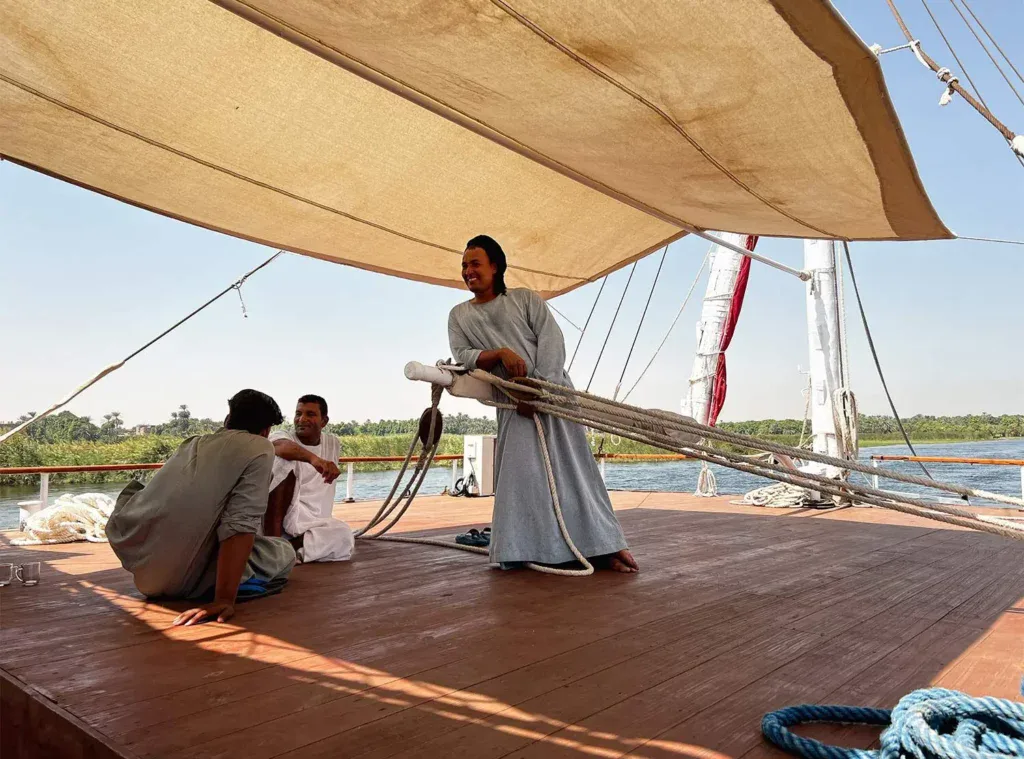
Dahabiya cruises emphasize cultural immersion. You’ll meet local families, explore markets in riverside towns, and witness daily life along the Nile banks. The slower pace allows for spontaneous discoveries – perhaps watching fishermen cast nets at dawn or sharing tea with Nubian communities.
Luxury and Premium Options
High-end vessels provide spacious suites, gourmet dining, and personalized service. These cruises often include exclusive access to certain archaeological sites, private felucca sailing excursions, and expert lectures on Egyptian history and culture.
Premium experiences typically feature larger cabins with private balconies, multiple dining venues, spa facilities, and smaller guest capacities to ensure attentive service throughout your journey.
Archaeological Wonders Along Your Route
Egypt’s most spectacular temples and tombs line the Nile between Luxor and Aswan, each site revealing different aspects of pharaonic civilization.
Luxor serves as your gateway to ancient Thebes, once the powerful capital of the New Kingdom. The massive Karnak Temple complex took over 2,000 years to complete, with successive pharaohs adding halls, obelisks, and sanctuaries. Walking through its hypostyle hall, surrounded by 134 towering columns, provides an overwhelming sense of ancient Egyptian architectural mastery. The nearby Luxor Temple, beautifully illuminated at night, showcases different building phases from Amenhotep III through the Roman period.
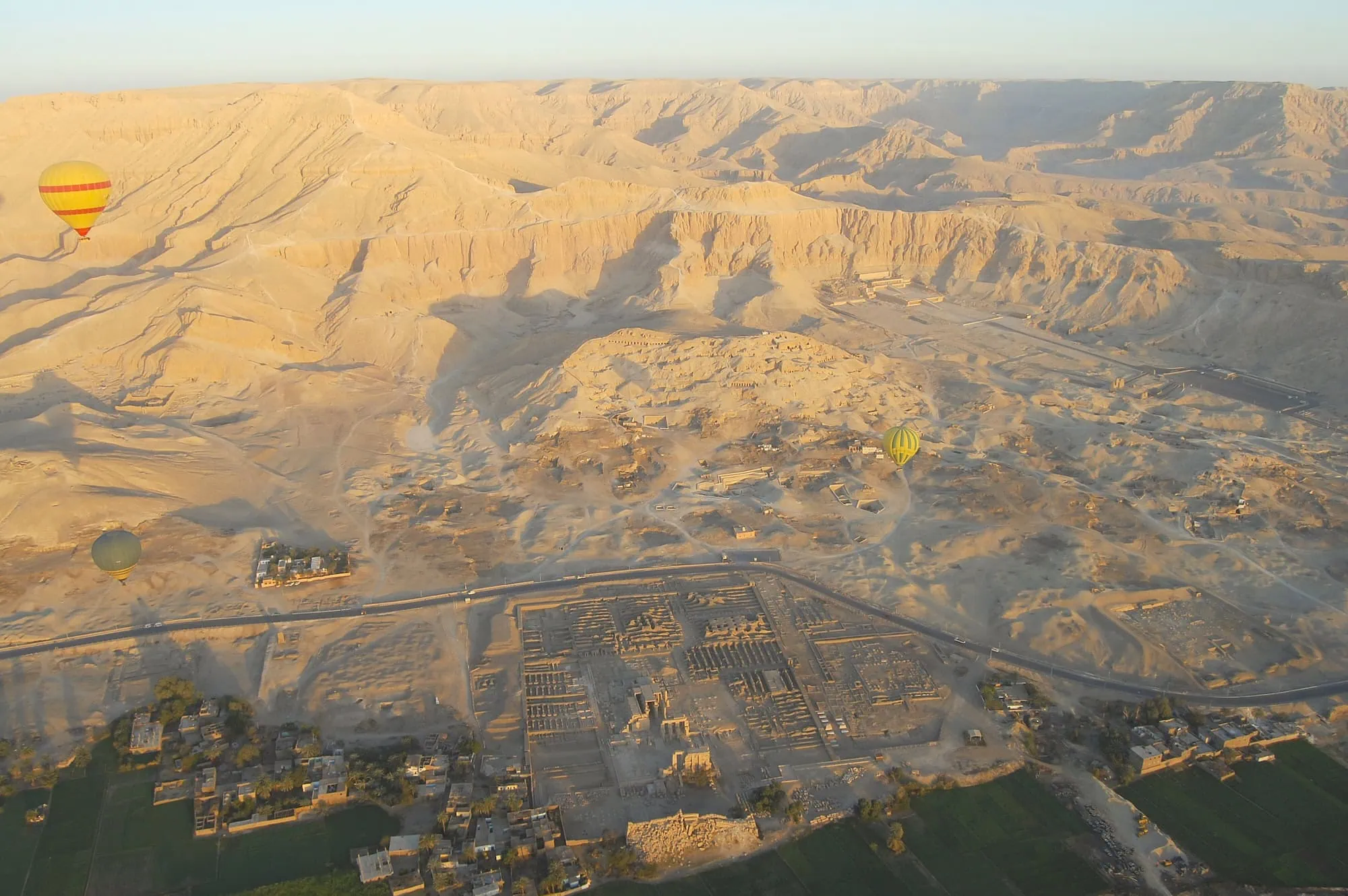
Crossing to the west bank reveals the Valley of the Kings, where 63 royal tombs have been discovered, including Tutankhamun’s famous burial chamber. The intricate wall paintings and hieroglyphic texts in tombs like those of Ramses IV and Seti I demonstrate the Egyptians’ sophisticated beliefs about the afterlife. Queen Hatshepsut’s mortuary temple, carved into the cliffs at Deir el-Bahari, represents one of ancient Egypt’s most innovative architectural achievements.
Edfu and Kom Ombo Temples
Sailing north from Aswan, your first major stop brings you to Edfu, home to Egypt’s best-preserved temple. Dedicated to the falcon god Horus, this Ptolemaic structure remained buried under centuries of sand and silt, protecting its detailed reliefs and original roof. Horse-drawn carriages transport visitors from the Nile to the temple entrance, adding charm to the archaeological experience.
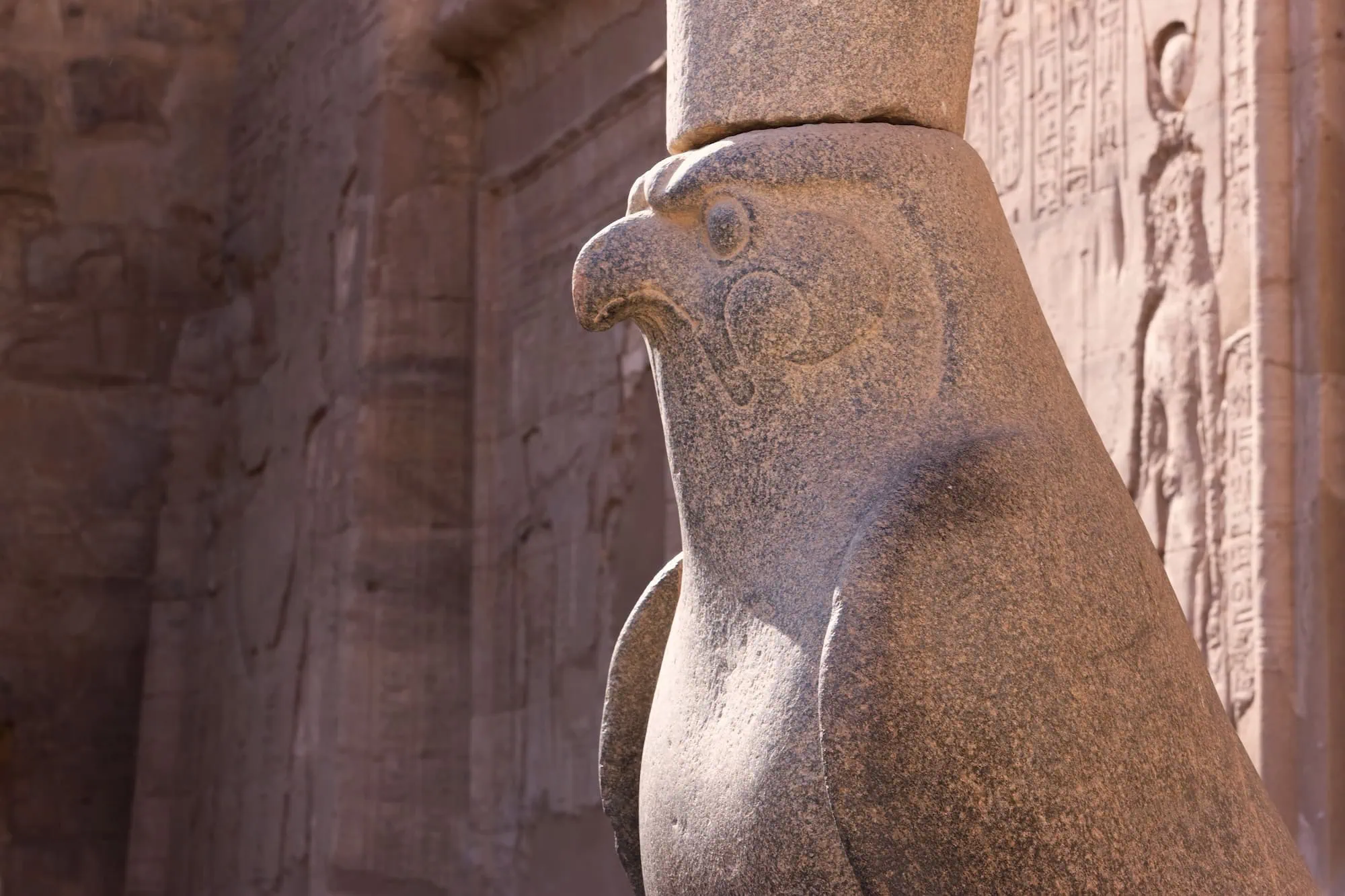
Kom Ombo’s unique double temple honors both Sobek the crocodile god and Horus the falcon god. Its riverside location provides stunning sunset views, while the adjacent crocodile museum displays mummified crocodiles and explains their religious significance in ancient Egyptian culture.
Philae Temple and Aswan Highlights
Aswan marks your southern terminus, where the First Cataract once formed Egypt’s ancient border. Philae Temple, dedicated to the goddess Isis, was carefully relocated to Agilkia Island during the construction of the High Dam. Evening sound and light shows illuminate the temple’s columns and courtyards, creating a magical conclusion to your archaeological journey.
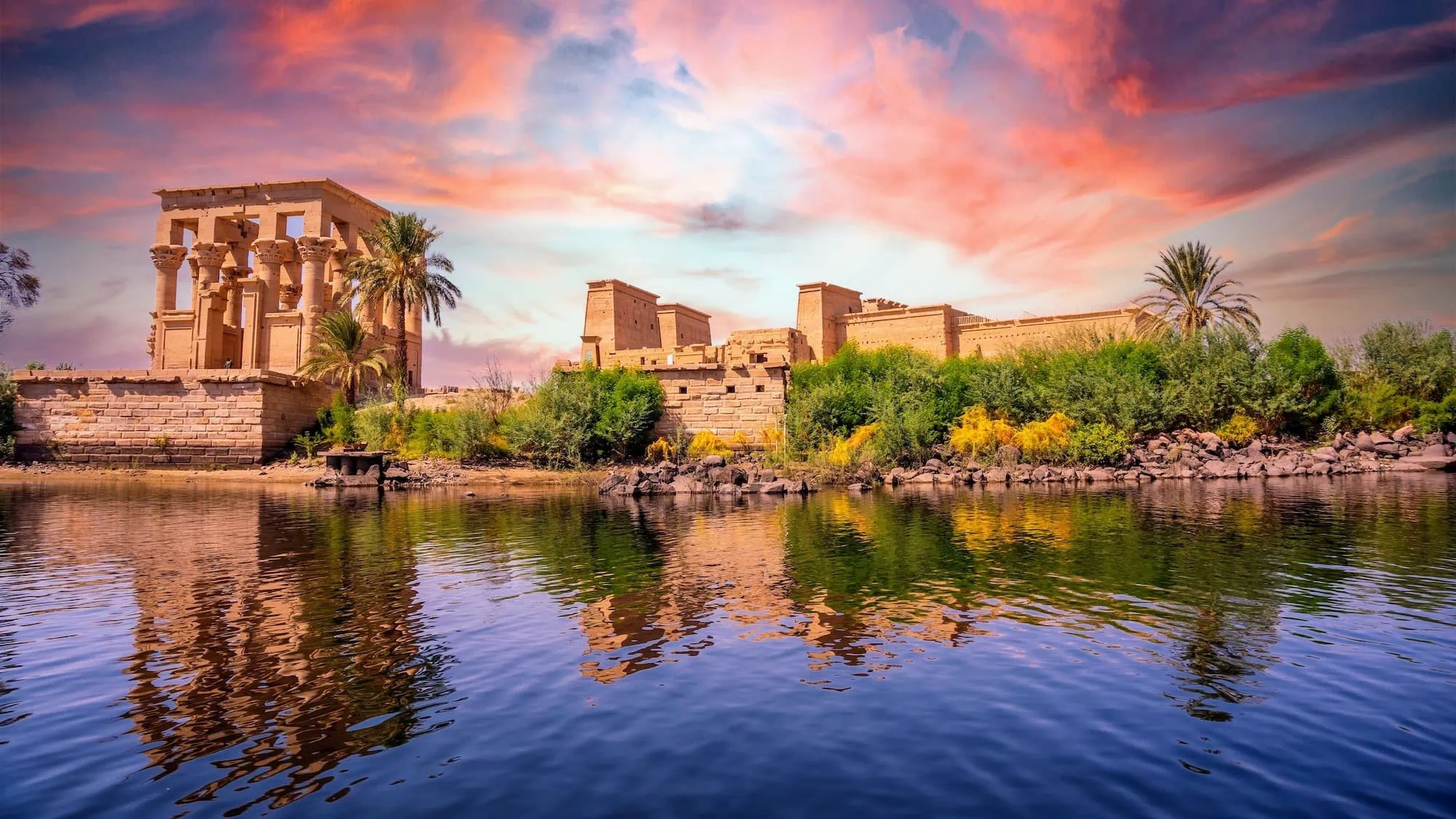
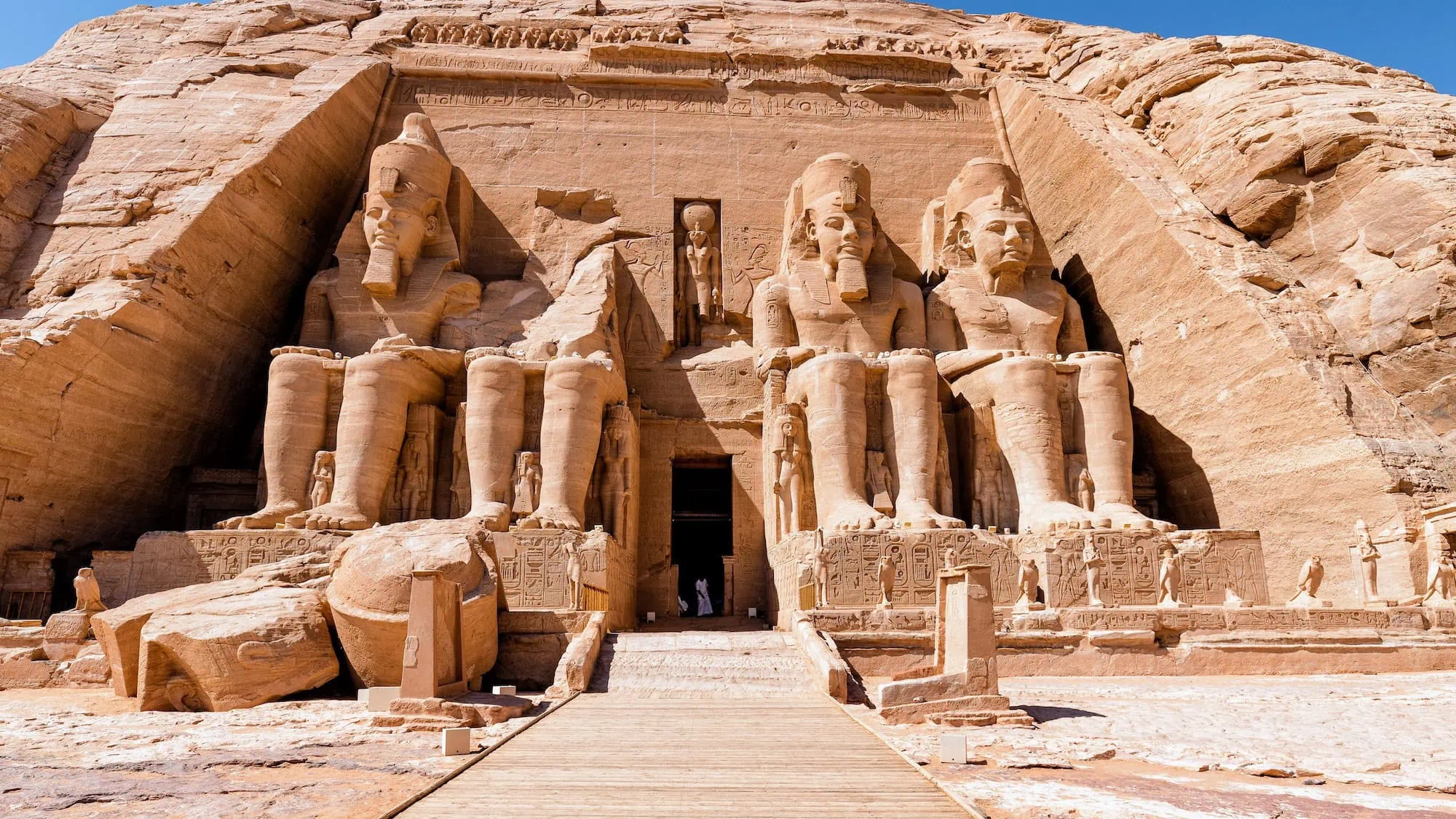
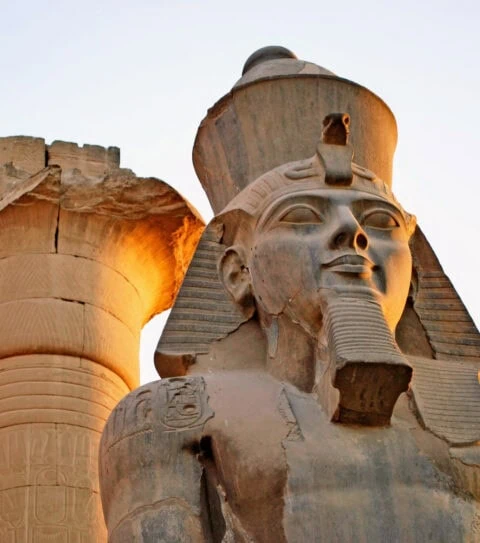
The Aswan High Dam, completed in 1970, demonstrates modern Egypt’s engineering capabilities while creating Lake Nasser, one of the world’s largest artificial lakes. Optional excursions to Abu Simbel reveal Ramses II’s colossal temples, carved from solid rock and relocated to higher ground to save them from the rising waters.
Planning Your Nile Adventure
Timing significantly impacts your cruise experience. Egypt’s climate varies dramatically throughout the year, affecting both comfort and sightseeing conditions.
October through April represents peak season, with daytime temperatures ranging from 20-25°C (68-77°F) and minimal rainfall. December and January nights can drop to 8-10°C (46-50°F), requiring warm clothing for evening activities. This period offers ideal weather for exploring temples and tombs, though expect higher prices and busier sites.
Summer months from May through September bring intense heat, with temperatures often exceeding 40°C (104°F) during midday hours. However, this low season provides significant cost savings and fewer crowds at archaeological sites. Early morning and late afternoon excursions become essential, with midday hours spent relaxing in air-conditioned comfort aboard your vessel.
Spring and autumn shoulder seasons offer the best balance of pleasant weather, moderate prices, and manageable tourist numbers. March-April and September-October provide comfortable temperatures for full-day sightseeing while avoiding peak season premiums.
Cruise durations typically range from 3-7 nights, depending on your chosen route and pace. Standard Luxor-Aswan cruises require 3-4 nights, while extended itineraries might include additional sites like Dendara Temple or extra time for cultural activities. We recommend minimum 4-night cruises to fully appreciate the archaeological sites without feeling rushed.
Cultural Immersion and Local Encounters
Beyond the temples and tombs, Nile cruises provide opportunities to connect with contemporary Egyptian culture and witness daily life along the river.
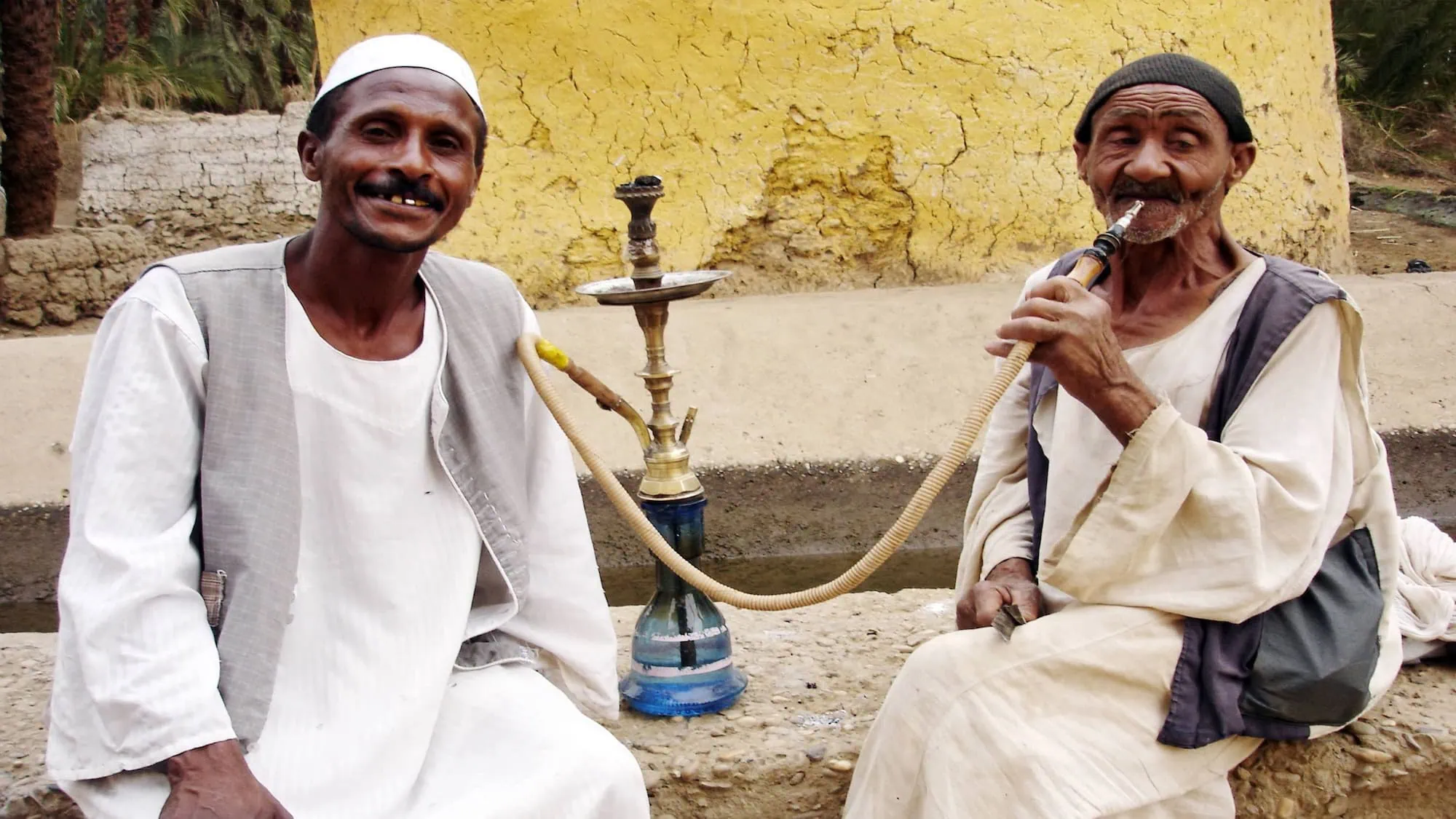
Village visits reveal how modern Egyptians maintain traditions passed down through generations. In Nubian communities near Aswan, colorful houses decorated with traditional motifs line the riverbank. Local families often welcome visitors to share mint tea and learn about Nubian customs, music, and handicrafts. Women demonstrate traditional bread-making techniques while children eagerly practice their English with friendly travelers.
Felucca sailing offers peaceful interludes between intensive sightseeing. These traditional wooden boats, powered only by wind and current, provide the same transportation method used along the Nile for centuries. Sunset felucca rides reveal the river’s timeless beauty, with palm trees silhouetted against golden skies and fishermen casting nets from small boats.
Local markets in Luxor and Aswan showcase Egypt’s agricultural abundance and artisan traditions. Spice vendors arrange pyramids of colorful powders – turmeric, cumin, hibiscus, and cardamom – while craftsmen demonstrate traditional techniques for creating papyrus scrolls, alabaster carvings, and silver jewelry. Bargaining remains expected and enjoyable, with friendly negotiations over mint tea creating memorable cultural exchanges.
Many cruises arrange visits to local schools or community centers, where travelers can interact with students learning English. These exchanges benefit both visitors and residents, fostering understanding across cultures while supporting educational initiatives in riverside communities.
Onboard Life and Amenities
Modern Nile cruise ships balance comfort with cultural authenticity, creating floating hotels that enhance rather than overshadow your Egyptian experience.
Cabins typically feature panoramic windows or private balconies overlooking the river, allowing you to wake up to changing landscapes each morning. Air conditioning provides essential relief from Egypt’s heat, while well-appointed bathrooms and comfortable bedding ensure restful nights between days of exploration.
Dining aboard Nile cruises showcases both Egyptian specialties and international cuisine. Breakfast buffets feature fresh fruits, Arabic breads, local cheeses, and traditional dishes like ful medames (fava beans). Lunch and dinner menus rotate between Egyptian classics – stuffed grape leaves, grilled fish from Lake Nasser, aromatic rice dishes – and familiar international options for varied palates.
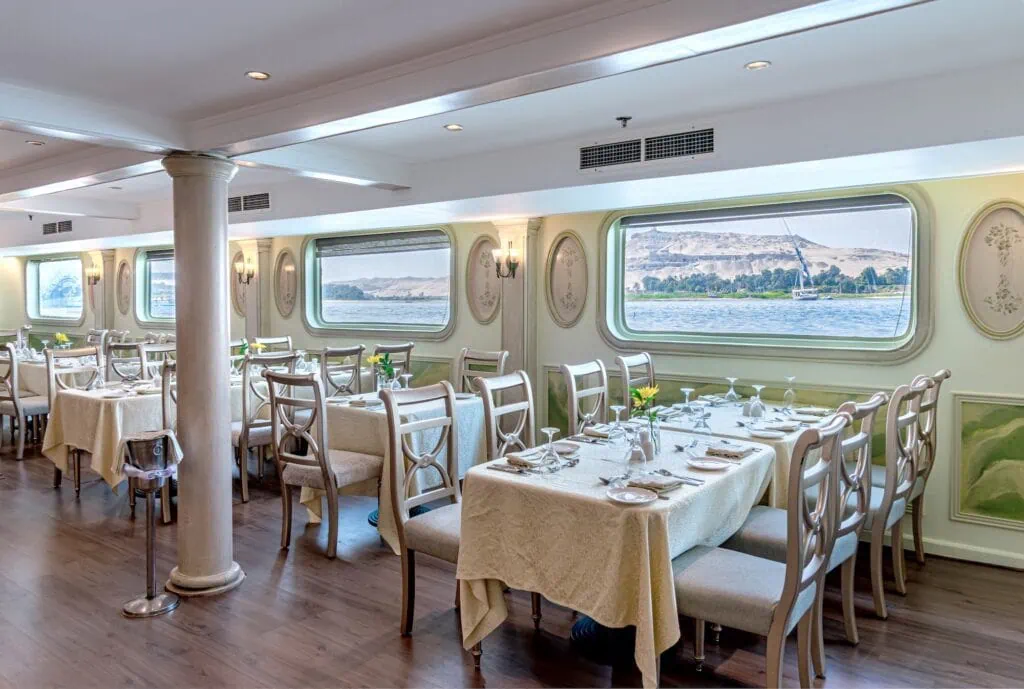
Evening entertainment ranges from traditional music and dance performances to educational lectures about Egyptian history and culture. Nubian musicians might perform on the sun deck under starlit skies, while belly dance shows celebrate Egypt’s artistic traditions. Some evenings feature themed dinners with period costumes and decorations recreating pharaonic feasts.
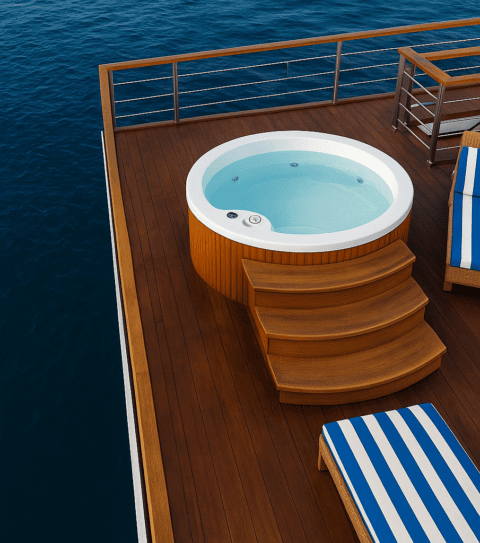
The sun deck becomes a central gathering space for relaxation between excursions. Comfortable loungers provide perfect spots for reading about upcoming sites, enjoying afternoon tea, or simply watching rural Egyptian life unfold along the riverbanks. Many travelers find these quiet moments as memorable as the grand temples.
Practical Considerations for Your Journey
Several factors require attention when planning your Nile cruise to ensure a smooth and enjoyable experience.
Packing for Egypt’s climate and cultural expectations requires careful consideration. Lightweight, breathable clothing in natural fabrics works best during the day, while evenings might require light jackets or shawls. Modest dress is essential when visiting religious sites – covering shoulders and knees shows respect for local customs. Comfortable walking shoes with good support become crucial for navigating uneven temple floors and archaeological sites.
Sun protection cannot be overstated. Egypt’s intense sunshine, especially when reflected off water, can cause severe burns even during winter months. High-SPF sunscreen, wide-brimmed hats, and quality sunglasses protect against harmful UV rays during outdoor excursions.
Health considerations include staying hydrated and avoiding tap water. All reputable cruise operators provide bottled water, and most travelers experience no health issues. However, gradual adjustment to local foods and spices helps prevent digestive discomfort. Hand sanitizer proves useful after temple visits and before meals.
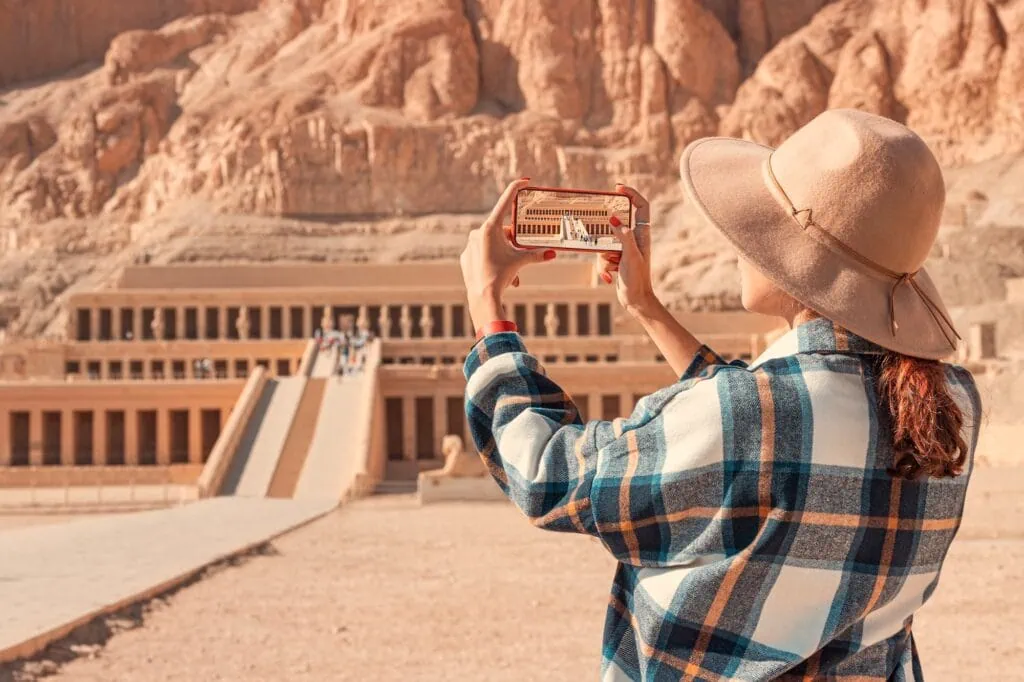
Photography policies vary by site, with some locations requiring special permits for cameras or prohibiting flash photography to preserve ancient paintings. Your cruise guides will explain specific rules for each temple and tomb, ensuring you capture memories while respecting preservation efforts.
Currency and tipping customs require understanding. While major expenses are typically included in your cruise package, small tips (baksheesh) for guides, drivers, and service staff are customary and appreciated. US dollars are widely accepted, though having small Egyptian pound notes facilitates easier transactions for minor purchases.
We ensure all these details are handled smoothly, with experienced guides providing clear guidance throughout your journey. Our local expertise, built over decades of operating in Egypt, means you can focus on enjoying the experience while we manage the practical aspects.
Frequently Asked Questions
October through April offers ideal weather with comfortable temperatures and minimal rain, though this is peak season with higher prices.
We recommend minimum 4 nights to experience major sites without rushing, though 7-night cruises allow for deeper cultural immersion.
Yes, family-friendly cruises welcome children, though parents should consider the educational focus and walking required at archaeological sites.
Most packages include accommodation, all meals, guided excursions, entrance fees to temples and tombs, and transportation between sites.
No special vaccinations are required for US travelers, though consulting your doctor about routine immunizations is always wise.
Reputable cruise operators provide bottled water throughout your journey – we recommend avoiding tap water and ice in drinks.
Lightweight, modest clothing, comfortable walking shoes, sun protection, and layers for cooler evenings are essential items.
Yes, tips for guides, drivers, and cruise staff are customary – your cruise director will provide guidance on appropriate amounts.
Most sites require moderate walking on uneven surfaces, though accessibility varies by location – we can arrange modified itineraries for mobility concerns.
Many modern vessels offer WiFi in common areas, though connection quality varies – consider this an opportunity to disconnect and enjoy Egypt.
Nile cruises operate year-round with minimal weather disruptions, though extreme winds might occasionally adjust schedules slightly.
Absolutely – we frequently arrange pre- or post-cruise extensions to Cairo, Alexandria, or Red Sea resorts to maximize your Egyptian adventure.
Design Your Custom Tour
Explore Egypt your way by selecting only the attractions you want to visit