

Things to Do in Tangier – Uncovering the Beauty of Tangier
Tangier greets visitors at the crossroads where Africa meets Europe.
This magnetic Moroccan city has captivated travelers for centuries with its unique blend of cultures, stunning coastal views, and rich historical tapestry. From the legendary Hercules Caves to the labyrinthine streets of the Medina, Tangier offers an extraordinary mix of natural wonders and cultural treasures that make it one of Morocco’s most compelling destinations.
We’ll guide you through the essential experiences that showcase why this gateway city has inspired everyone from Beat writers to modern-day adventurers seeking authentic Moroccan culture.
Historic Heart: Exploring Tangier’s Ancient Medina and Kasbah
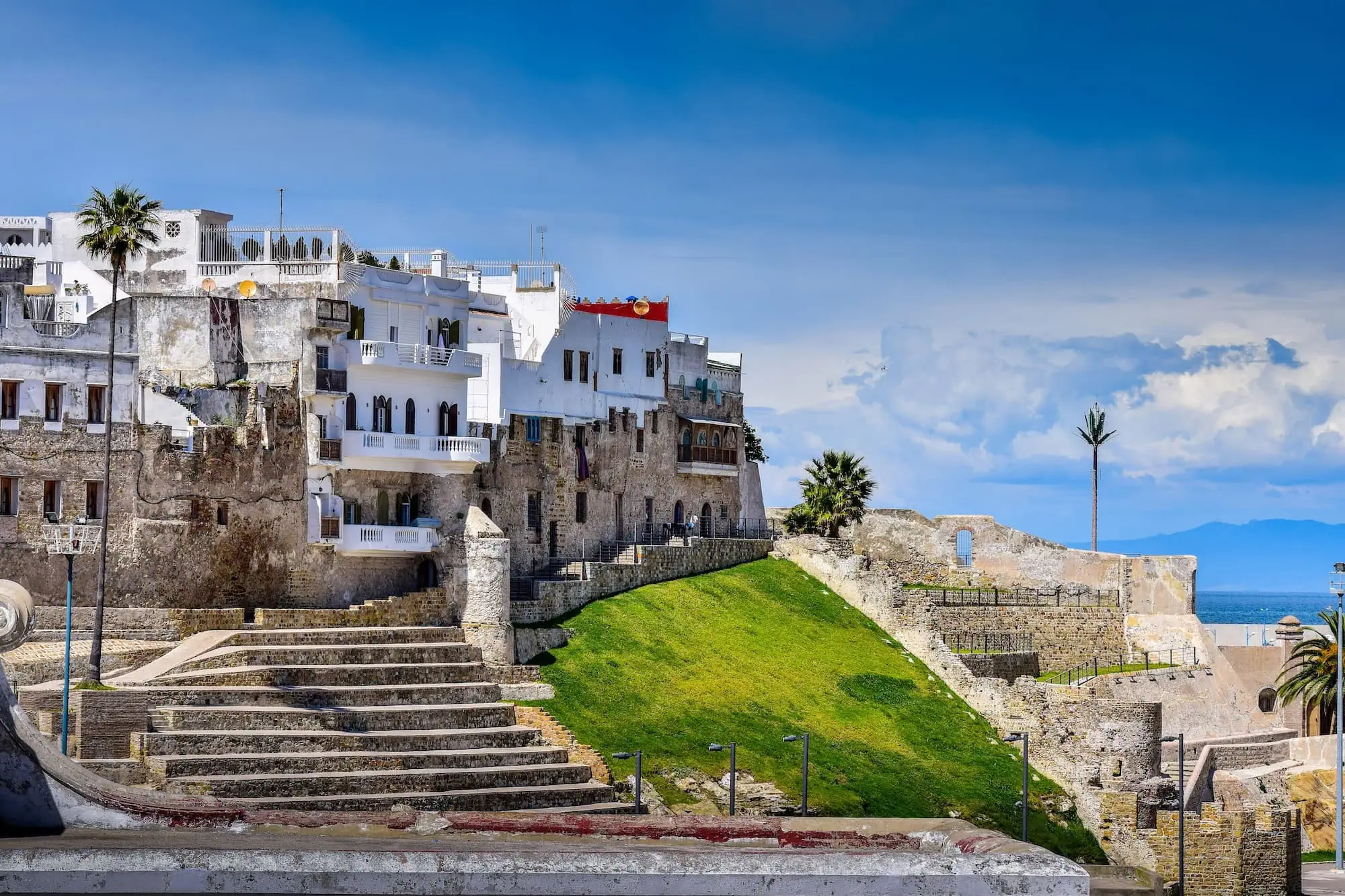
The old city pulses with centuries of history. Walking through the Medina’s narrow alleyways reveals a living museum where traditional Moroccan life continues unchanged.
Navigate the Medina’s Winding Streets
Start your exploration early morning when the light filters beautifully through the covered passages. The Medina’s maze-like structure can feel overwhelming initially, but getting lost is part of the authentic experience. Local vendors selling everything from handwoven carpets to aromatic spices line the pathways, creating a sensory journey through Moroccan commerce.
Grand Socco serves as the Medina’s main entrance, where the energy is palpable and the sounds of Arabic, French, and Berber languages blend together. From here, smaller streets branch out toward Petit Socco, the heart of the old quarter where cafés and traditional shops cluster around a small square.
Discover Kasbah Museum and Dar el Makhzen
The Kasbah rises above the Medina, offering both historical depth and panoramic views. This former sultan’s palace now houses an impressive collection of Moroccan artifacts, including ancient Roman mosaics, traditional ceramics, and historical manuscripts that tell the story of Tangier’s strategic importance.
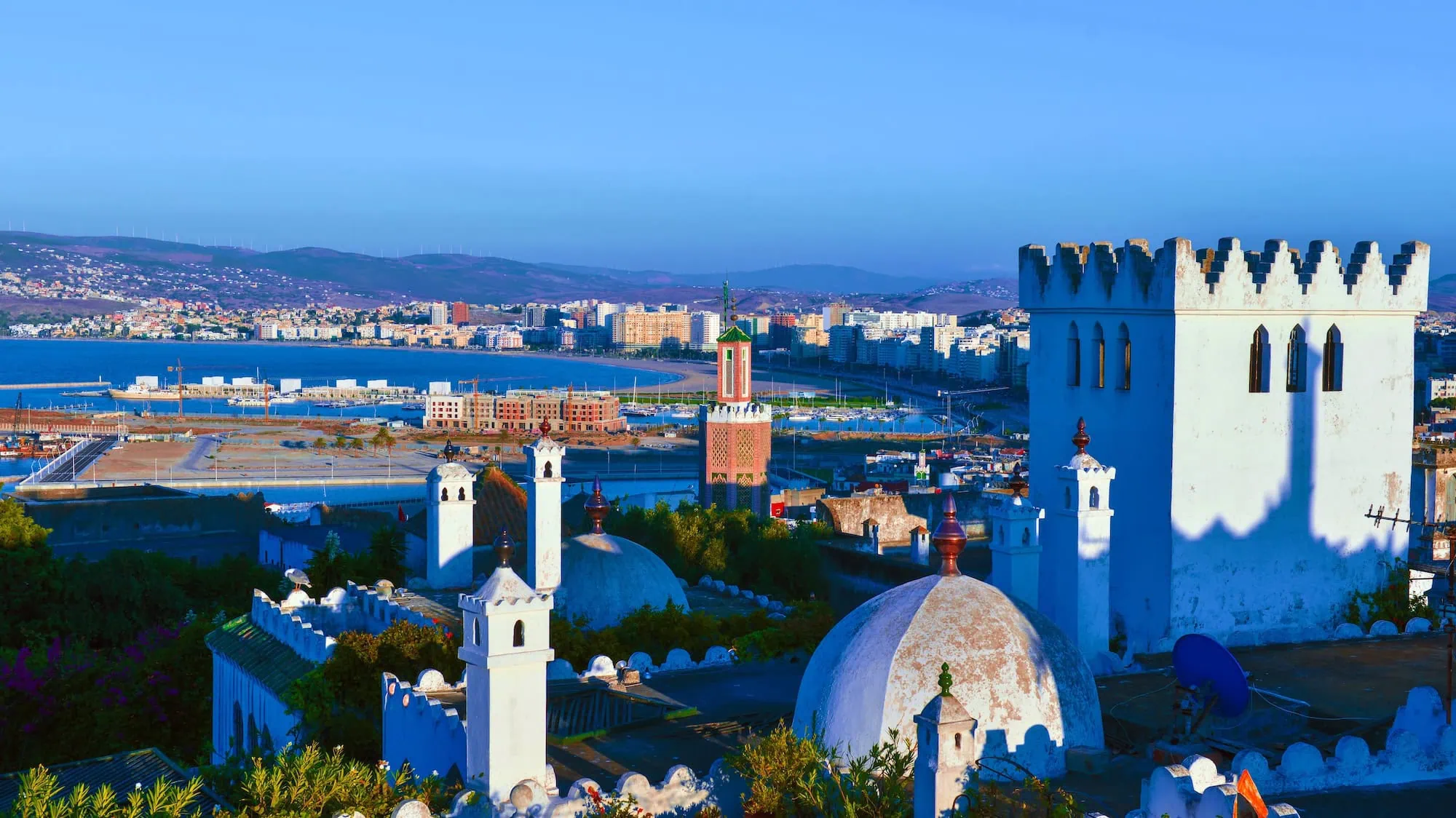
The museum’s gardens provide a peaceful retreat from the bustling streets below. Wander through the courtyards where fountains create soothing background sounds, and admire the intricate Islamic architecture that demonstrates Morocco’s artistic heritage.
American Legation Museum: A Unique Historical Site
This remarkable museum represents the first American public property outside the United States. The American Legation Museum showcases the long diplomatic relationship between Morocco and America, featuring exhibits on the Barbary Coast era and Morocco’s role as the first country to recognize American independence.
The building itself tells stories through its rooms, from diplomatic reception halls to private quarters that housed American diplomats for over a century.
Natural Wonders: Cap Spartel and Hercules Caves
Beyond the city’s cultural attractions, Tangier’s natural landscape offers spectacular experiences where Mediterranean and Atlantic waters converge.
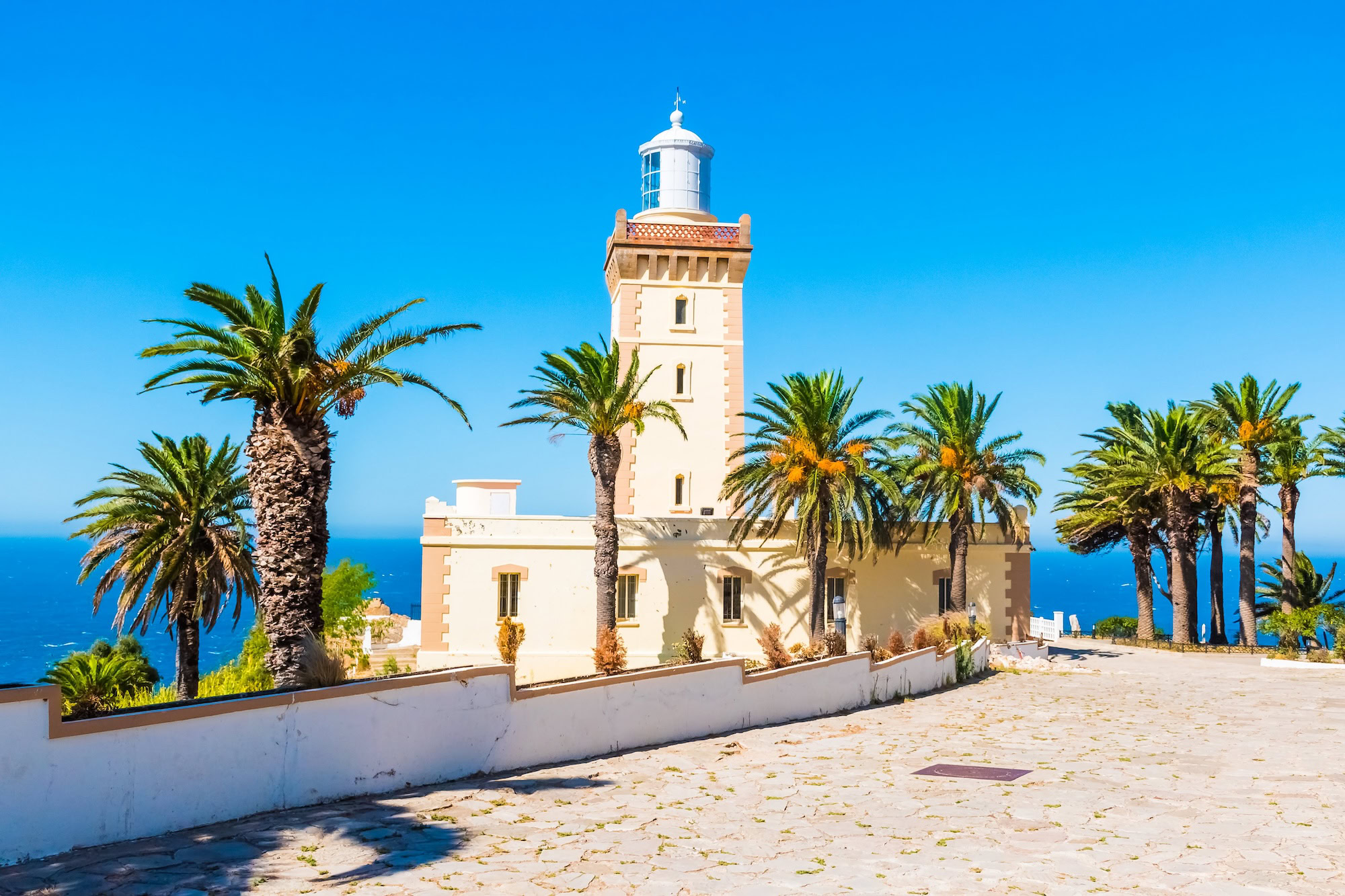
Cap Spartel lighthouse stands sentinel at Africa’s northwestern tip, marking the precise point where two seas meet. The drive here reveals dramatic coastal scenery, with rugged cliffs and endless ocean views that demonstrate why this location has guided ships for generations. On clear days, you can see Spain across the strait, emphasizing Tangier’s unique geographical position.
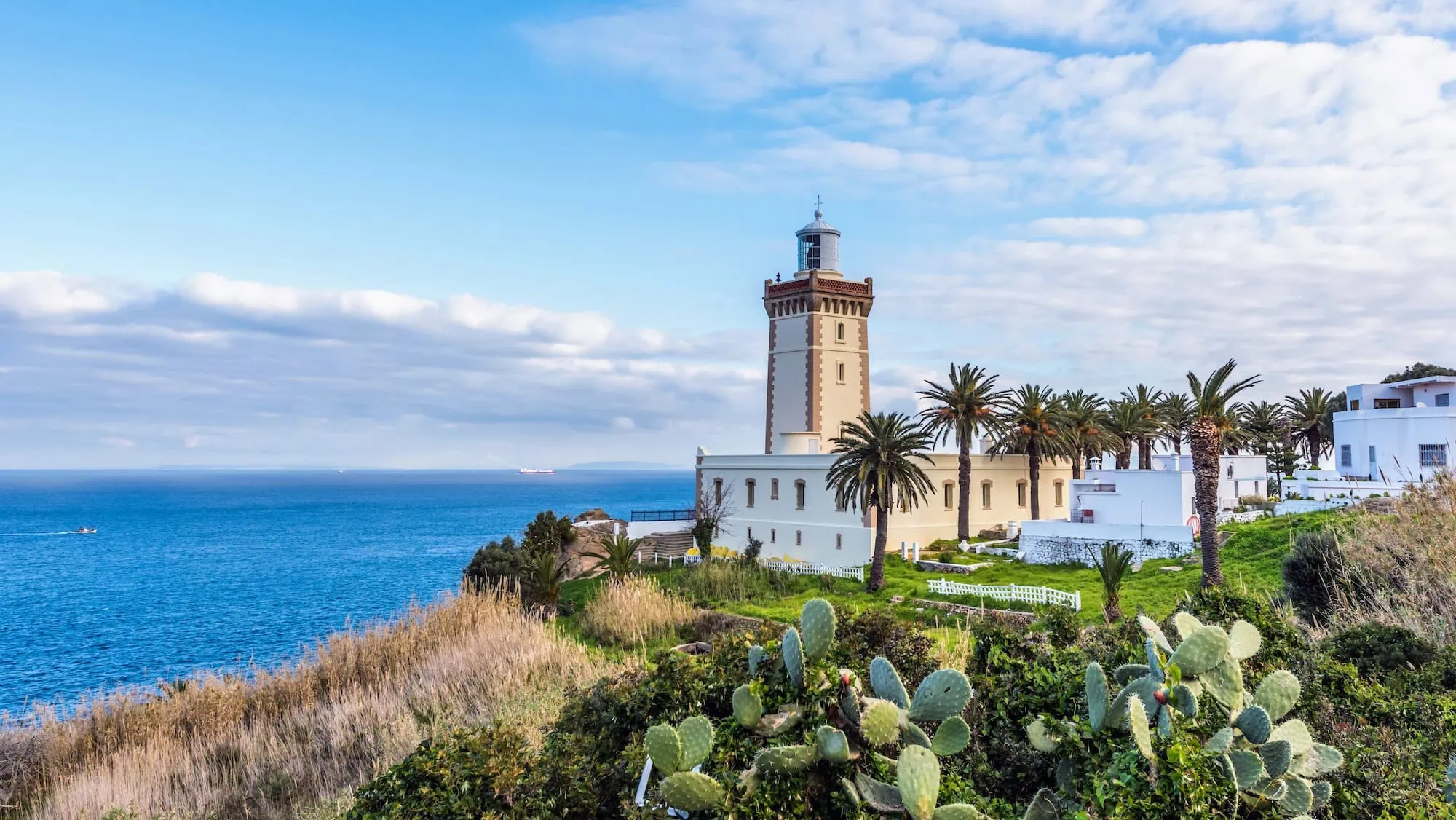
The lighthouse itself, built in 1864, remains operational and provides one of Morocco’s most photographed vantage points. Sunset visits are particularly rewarding when the sky transforms into brilliant orange and pink hues over the water.
Hercules Caves: Legendary Underground Chambers
These ancient caves blend natural formation with human history. According to legend, Hercules rested here after separating Europe from Africa, though archaeologists suggest the caves were quarried by Berbers for millstones during Roman times.
The caves’ most famous feature is the opening that naturally resembles the outline of Africa when viewed from inside. This geological coincidence has made the spot incredibly popular with visitors, though the caves offer much more than this single photo opportunity. The chambers extend deep into the cliff face, with pathways that lead through various caverns where stalactites and mineral deposits create otherworldly formations.
Café Culture and Literary Heritage
Tangier’s café scene reflects its cosmopolitan past and ongoing cultural significance.
Café Hafa perches dramatically on the cliffs overlooking the Strait of Gibraltar. This legendary establishment has served mint tea to generations of visitors, including famous writers, artists, and musicians who found inspiration in its relaxed atmosphere. The café’s terraced seating offers multiple levels with ocean views, making it an ideal spot for watching both sunrise and sunset.
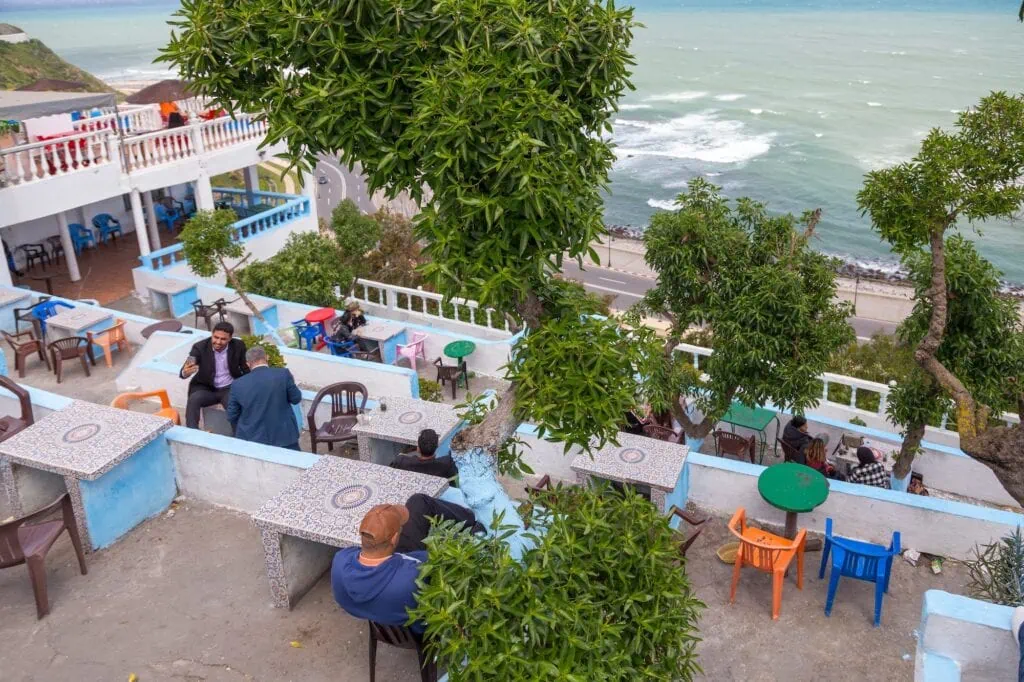
The Rolling Stones, Paul Bowles, and other cultural icons frequented this spot, drawn by its authentic Moroccan ambiance and stunning location. Today, visitors still gather here to experience the same unhurried pace and spectacular views that attracted creative minds throughout the 20th century.
Beat Writers and Literary Connections
The city’s literary heritage runs deep, particularly its connection to Beat Generation writers who made Tangier their temporary home during the 1950s and 1960s. William S. Burroughs wrote parts of “Naked Lunch” here, while Jack Kerouac and Allen Ginsberg also spent significant time exploring the city’s creative energy.
Paulo Coelho featured Tangier in “The Alchemist,” cementing the city’s reputation as a place where dreams and reality intersect. Walking through areas where these writers lived and worked adds another layer to understanding Tangier’s magnetic appeal for creative minds.
Day Trips from Tangier
Chefchaouen: The Blue Pearl of Morocco
This mountain town makes an excellent day trip from Tangier, though many visitors find themselves wanting to stay longer. Chefchaouen’s famous blue-painted buildings create a striking contrast against the Rif Mountains backdrop, and the town’s relaxed atmosphere provides a wonderful counterpoint to Tangier’s bustling energy.
The journey takes approximately two hours through beautiful mountain scenery. Private tours offer flexibility to explore at your own pace, while organized group tours provide structured itineraries that cover the main highlights efficiently.
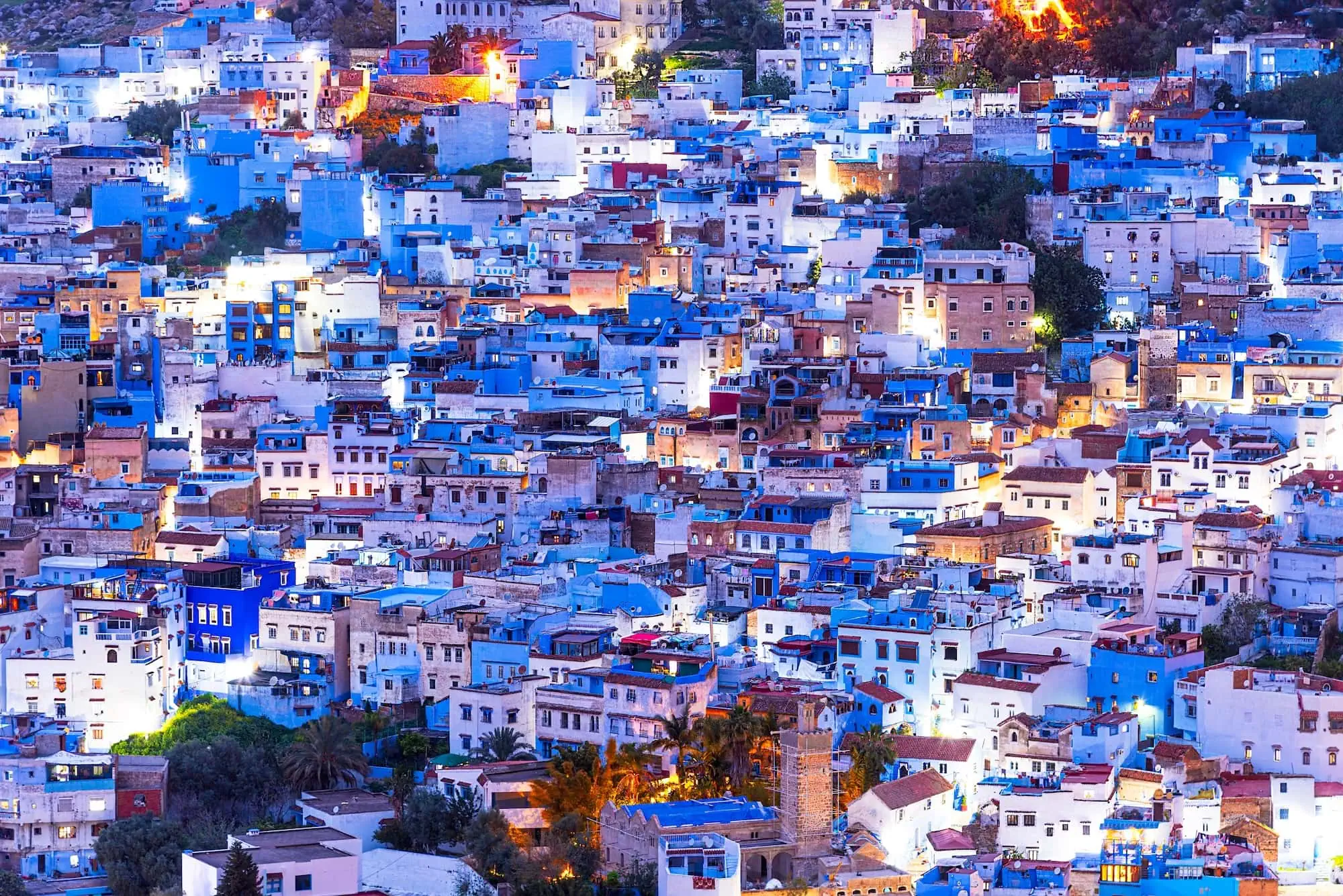
In Chefchaouen, wander through the blue-washed medina, visit local artisan workshops, and enjoy the town’s famous mountain views. The cooler mountain air provides relief during hot summer months, making this an especially appealing excursion during peak season.
Asilah: Coastal Art Town
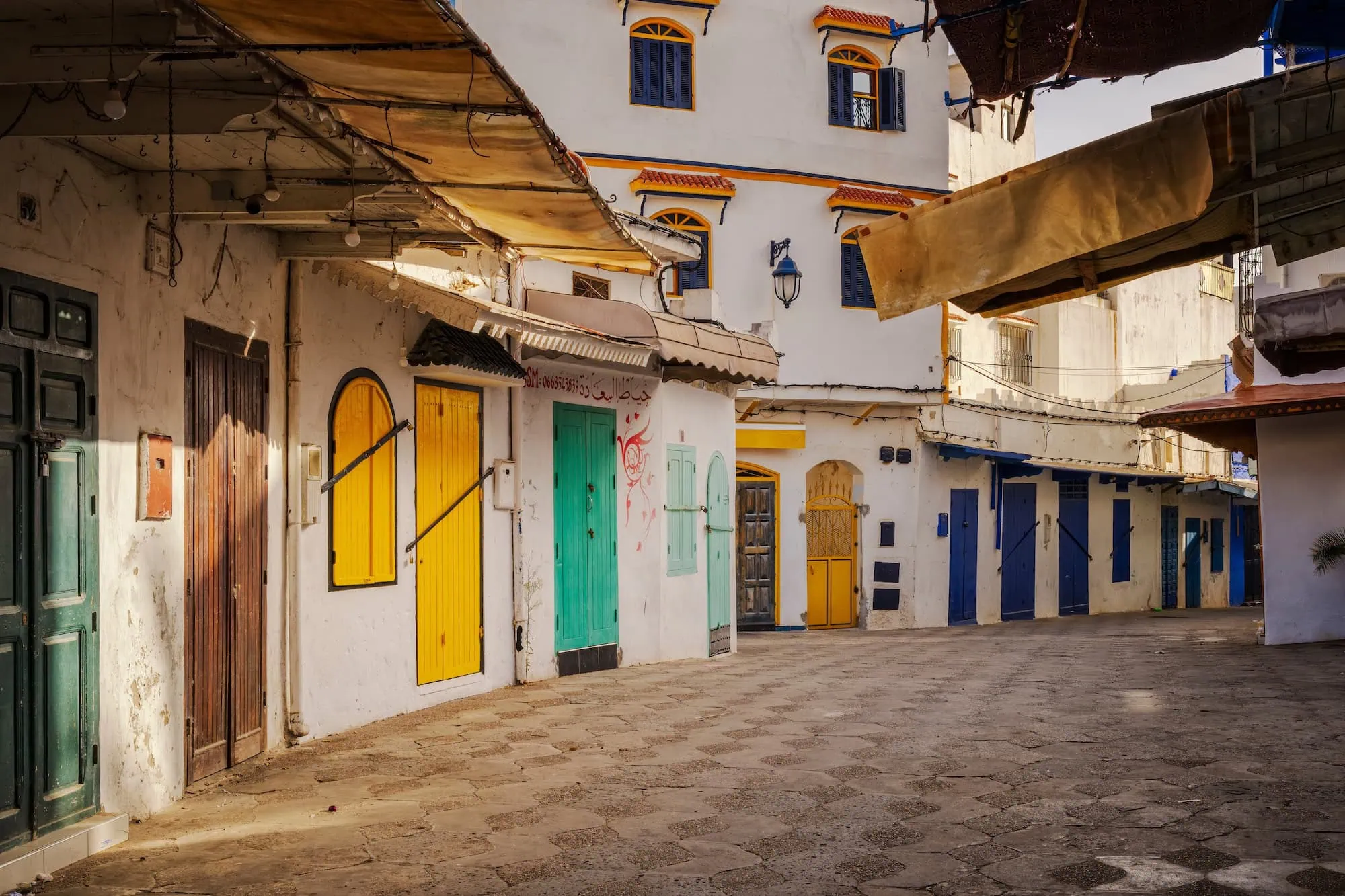
This charming coastal destination sits about an hour south of Tangier. Asilah combines beautiful Atlantic beaches with a thriving arts scene, particularly evident during the annual cultural festival when the town’s white walls become canvases for international artists.
The medina here feels more intimate than Tangier’s, with well-preserved Portuguese fortifications and peaceful squares where you can observe local life at a gentler pace.
Practical Planning and Transportation
Getting around Tangier requires understanding the city’s layout and transportation options. The Medina works best explored on foot, while reaching attractions like Cap Spartel and Hercules Caves requires either private transport or organized tours.
Private Tours vs. Independent Exploration
Private tours offer several advantages in Tangier, particularly for first-time visitors. Knowledgeable local guides provide historical context and cultural insights that transform simple sightseeing into deeper understanding. They also navigate language barriers and help visitors avoid common tourist pitfalls.
Independent exploration works well for confident travelers who enjoy discovering places at their own rhythm. However, having local guidance for at least part of your visit enhances the experience significantly, especially in areas like the Medina where historical significance isn’t always obvious to casual observers.
Best Times to Visit Different Attractions
Timing your visits strategically improves your experience considerably. Early morning visits to the Medina avoid the midday heat and crowds, while late afternoon provides the best lighting for photography. Cap Spartel and Hercules Caves work well during mid-morning hours when tour groups are smaller and the light is ideal for ocean views.
Café Hafa becomes magical during sunset hours, though arriving slightly earlier ensures good seating with optimal views.
Accommodation and Local Cuisine
Staying in Tangier offers options from traditional riads within the Medina to modern hotels in the newer city areas. Each choice provides different perspectives on the city’s character.
Traditional riads immerse you directly in Moroccan architectural style, with interior courtyards, decorative tilework, and rooftop terraces that often provide medina views. These accommodations put you steps away from major historical sites but can feel overwhelming for travelers preferring modern amenities.
Hotels in the newer city areas offer contemporary comfort while maintaining easy access to both old and new Tangier. Many provide shuttle services or easy taxi access to major attractions.
Food experiences in Tangier reflect its multicultural influences. Traditional Moroccan tagines and couscous appear alongside Spanish-influenced seafood dishes and French-inspired pastries. Street food offers authentic flavors at budget-friendly prices, while upscale restaurants provide refined interpretations of regional cuisine.
Frequently Asked Questions
Two to three days allow you to explore the main attractions comfortably, including time for day trips to places like Chefchaouen.
Yes, Tangier is generally safe for tourists who take standard travel precautions and stay aware of their surroundings in crowded areas.
Private transport or organized tours work best, taking approximately 2 hours through scenic mountain roads.
Yes, on clear days Spain is visible from various points around the city, particularly from Cap Spartel and elevated areas in the Medina.
While not required, local guides enhance the experience by explaining the caves’ history and geological significance.
Modest clothing covering shoulders and knees shows cultural respect, especially when visiting religious sites.
Yes, negotiating prices is part of the cultural experience in traditional markets, though be respectful and reasonable.
Moroccan Dirham (MAD) is the official currency, though some tourist-focused businesses accept euros.
Yes, Tangier Ibn Battuta Airport receives direct flights from major European cities and connections from other international destinations.
Arabic and Berber are official languages, with French widely spoken and English increasingly common in tourist areas.
Design Your Custom Tour
Explore Egypt & Morocco your way by selecting only the attractions you want to visit