

Middle East Tours from Australia
Planning your first trip to the Middle East from Australia feels overwhelming.
The Middle East sits at the crossroads where ancient civilizations flourished, three major religions took root, and some of the world’s most spectacular archaeological sites await your discovery. From the towering pyramids of Egypt to the rose-colored city of Petra in Jordan, from the bustling bazaars of Istanbul to the pristine beaches of the UAE, this region offers experiences that transform travelers forever. The challenge isn’t finding incredible destinations – it’s choosing which wonders to include in your precious vacation time.
We’ve helped thousands of Australian travelers navigate this decision over our decades in Middle Eastern travel. This guide walks you through everything you need to know about booking your dream tour from Australia.
Experience the Middle East your way—crafted by experts since 1955.
Private Multi-Country Tours Across the Middle East
Essential Middle East Destinations Worth Your Journey
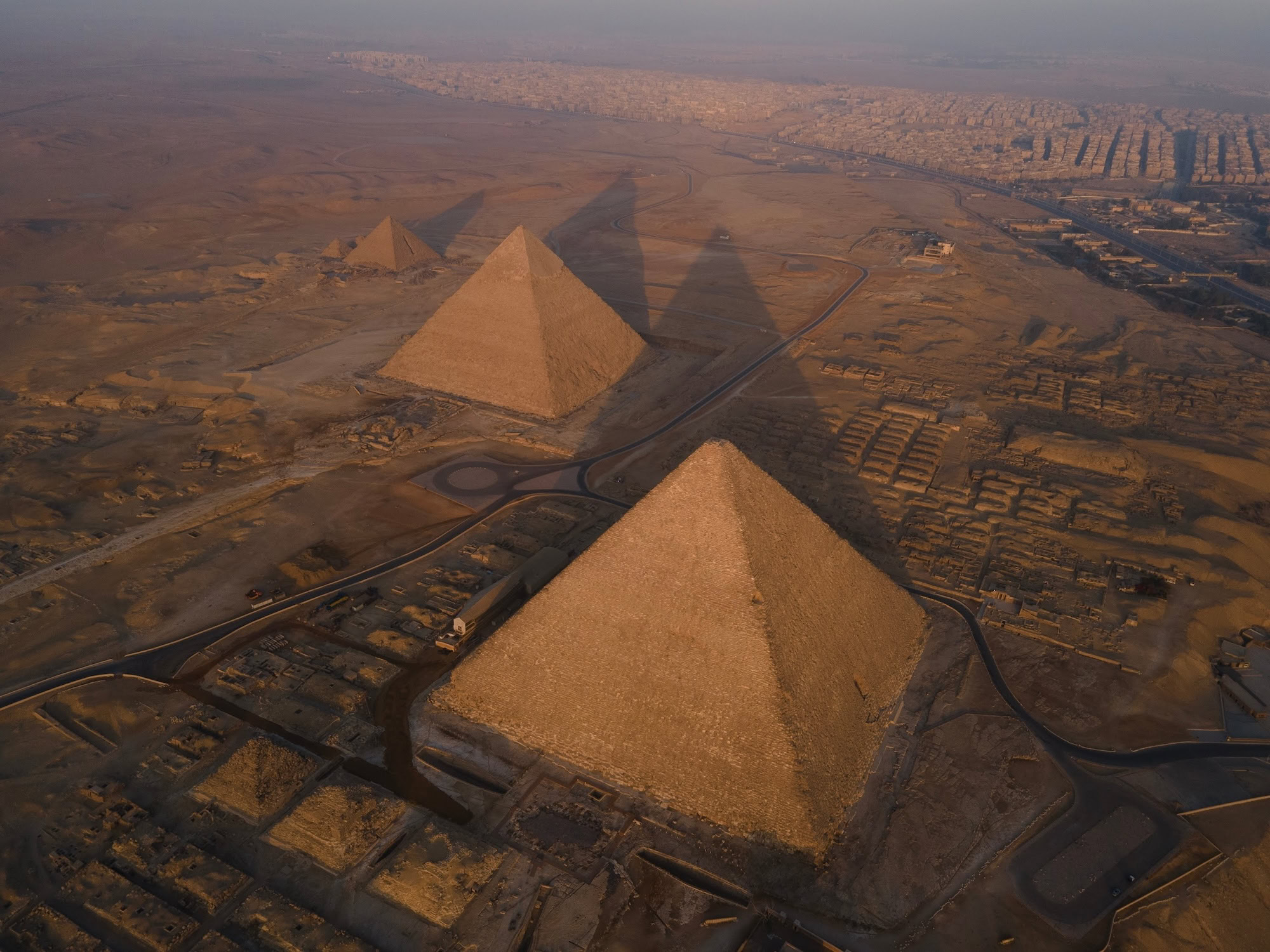
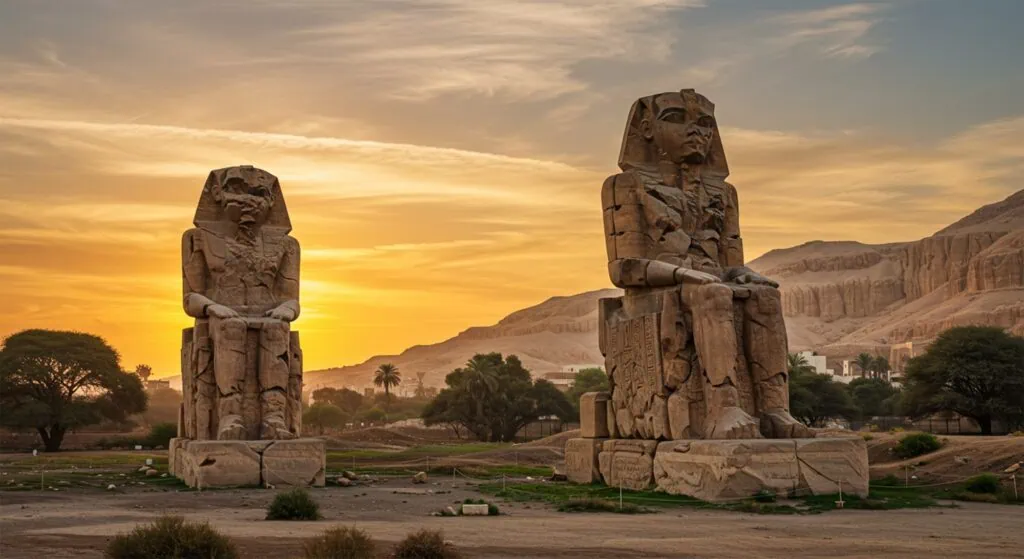
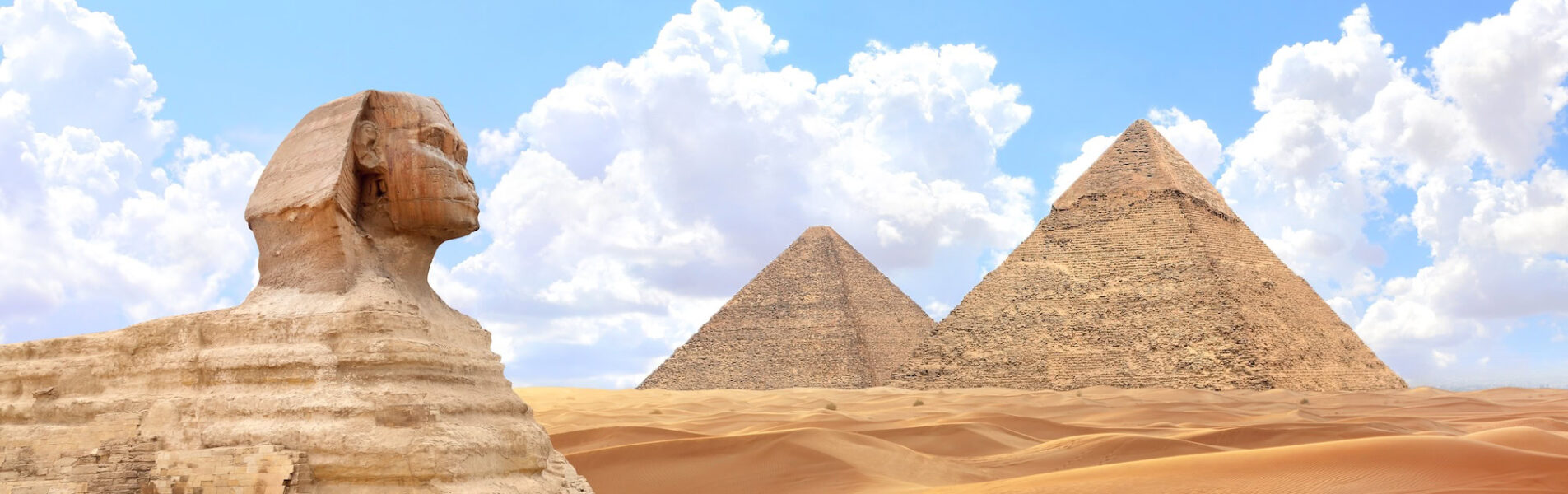
Egypt dominates most Australian travelers’ wish lists for good reason. The Great Pyramids of Giza, standing for over 4,500 years, create moments that photos can’t capture. Walking through the Valley of the Kings in Luxor, you’ll discover tombs more elaborate than any museum display. A Nile cruise between Luxor and Aswan provides the perfect balance of ancient temples and modern comfort.
Jordan: Where Adventure Meets History
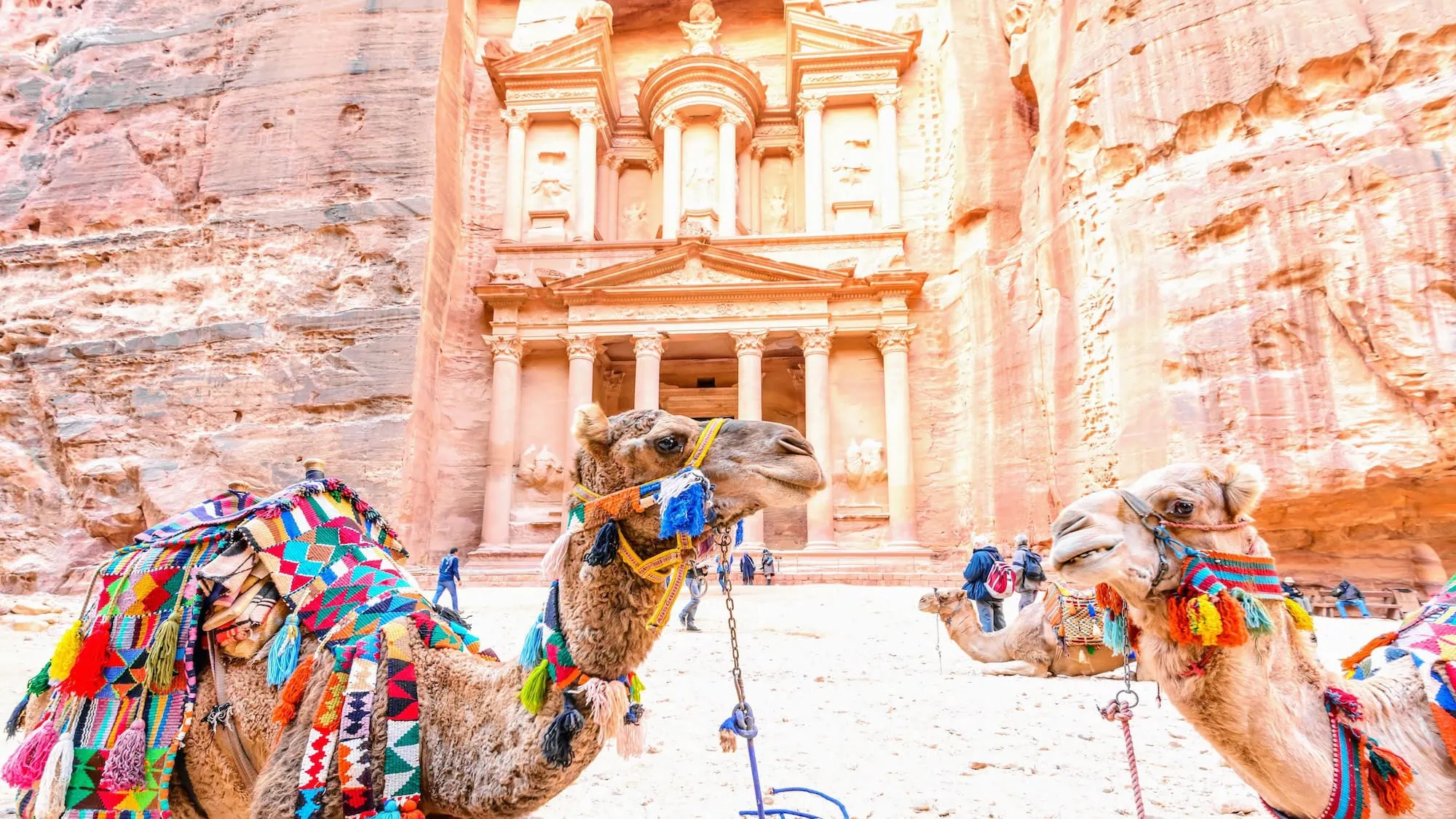
Jordan deserves equal consideration in your itinerary planning. Petra, carved into rose-red cliffs by the Nabataeans over 2,000 years ago, ranks among the New Seven Wonders of the World for compelling reasons. The Treasury facade emerging from the narrow Siq canyon creates an unforgettable first impression.
Beyond Petra, Jordan offers the otherworldly landscapes of Wadi Rum desert. Lawrence of Arabia filmed scenes here, and modern visitors can sleep under star-filled skies in luxury desert camps. The Dead Sea provides the unique experience of effortless floating in waters eight times saltier than regular oceans.
Turkey: European Charm Meets Asian Heritage
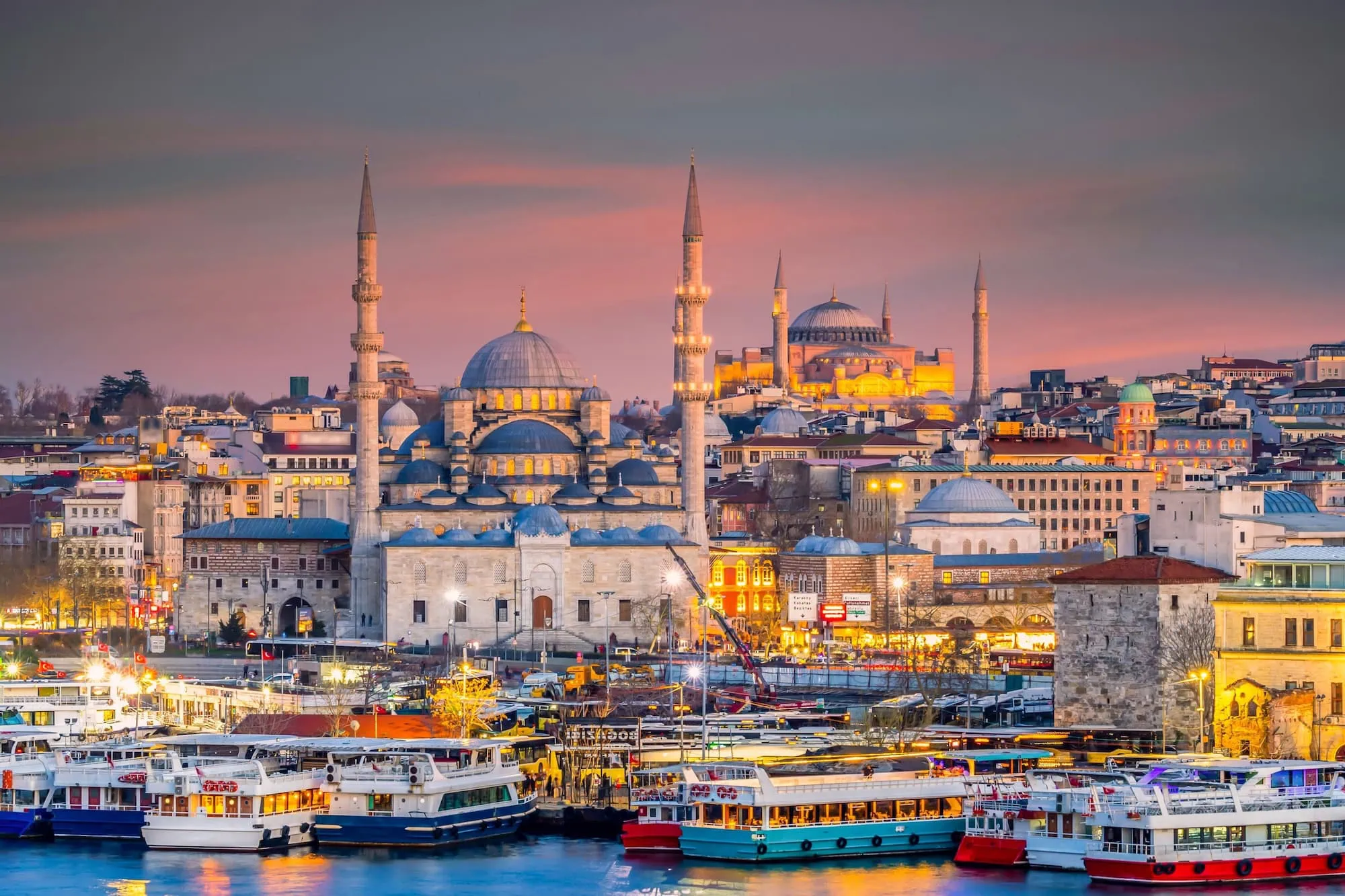
Istanbul bridges two continents both literally and culturally. The Hagia Sophia showcases Byzantine and Ottoman architectural mastery in one magnificent structure. Cappadocia’s fairy-tale landscape of volcanic rock formations becomes even more magical when viewed from a hot air balloon at sunrise.
Turkish cuisine alone justifies the journey – from street food in Istanbul’s Grand Bazaar to fine dining experiences featuring centuries-old recipes passed through generations.
UAE and Beyond: Modern Marvels and Traditional Culture
The United Arab Emirates combines futuristic cities with preserved Bedouin traditions. Dubai’s skyline impresses, while Abu Dhabi’s cultural districts offer world-class museums and galleries. Both cities serve as excellent entry points for exploring the broader Gulf region.
Choosing the Right Tour Style for Your Adventure
Small group tours typically accommodate 12-16 participants, creating intimate experiences while maintaining cost efficiency. These tours work well for solo travelers seeking social interaction and couples wanting structure without rigid schedules. Expert tour guides provide historical context that transforms ancient sites from impressive ruins into windows into past civilizations.
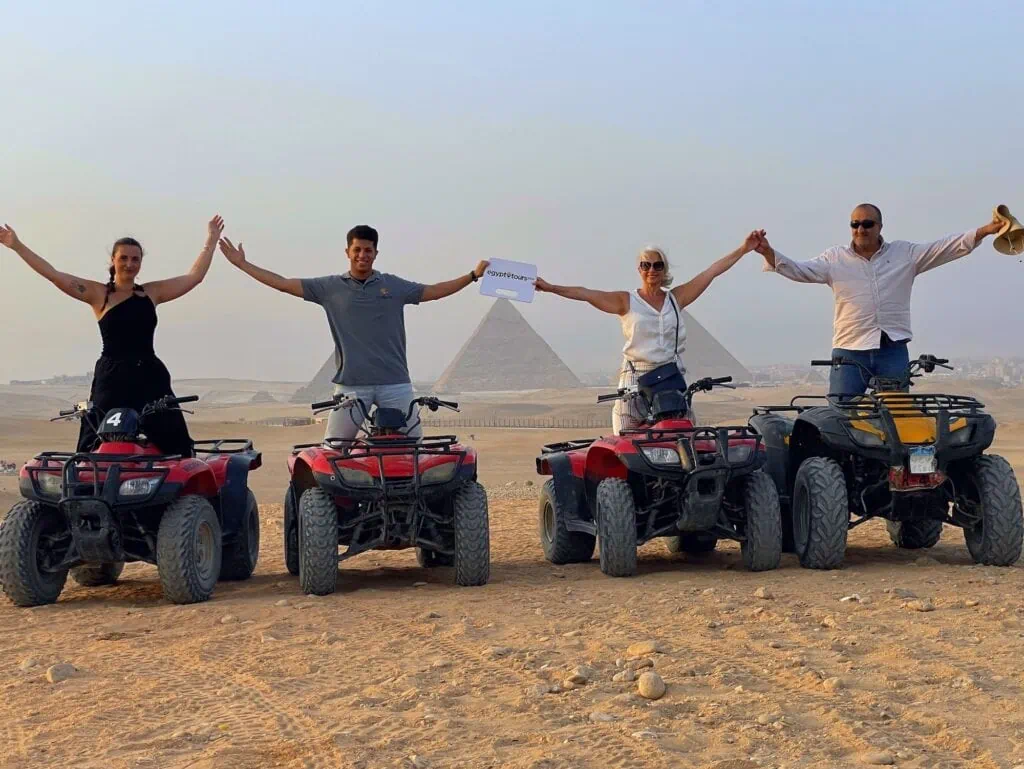
Private tours offer complete flexibility and personalized attention. Your guide adapts explanations to your interests, whether you’re fascinated by archaeological details or prefer focusing on cultural traditions. Private vehicles eliminate waiting for other group members and allow spontaneous stops at local markets or scenic viewpoints.
Luxury River Cruising on the Nile
River cruises combine multiple Egyptian highlights in one seamless journey. Modern cruise ships feature air-conditioned cabins, swimming pools, and restaurants serving international and Egyptian cuisine. Daily excursions to temples and tombs are conducted as small group experiences with up to 12 participants, ensuring more intimate settings than typical large tours.
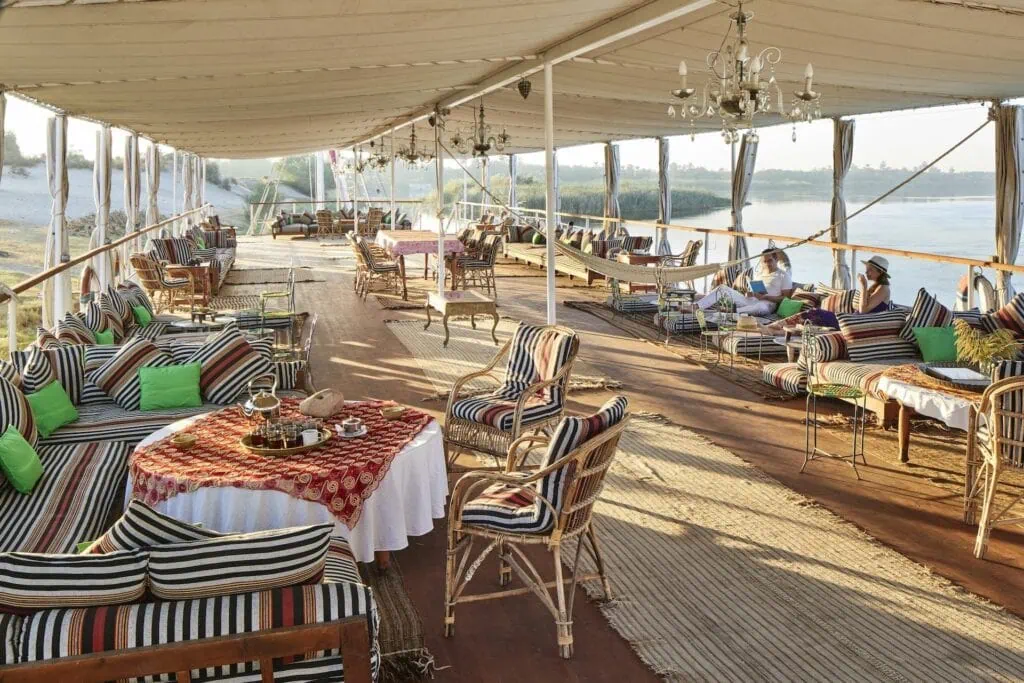
Evening entertainment often includes traditional Egyptian music and dance performances. Some cruises offer cooking classes where you learn to prepare authentic dishes like koshari or stuffed vine leaves.
Adventure-Focused Expeditions
Desert camping in Jordan’s Wadi Rum immerses you in landscapes unchanged for millennia. Bedouin guides share traditional navigation techniques and prepare meals over open fires. Sleeping under stars unpolluted by city lights creates perspective on our place in the universe.
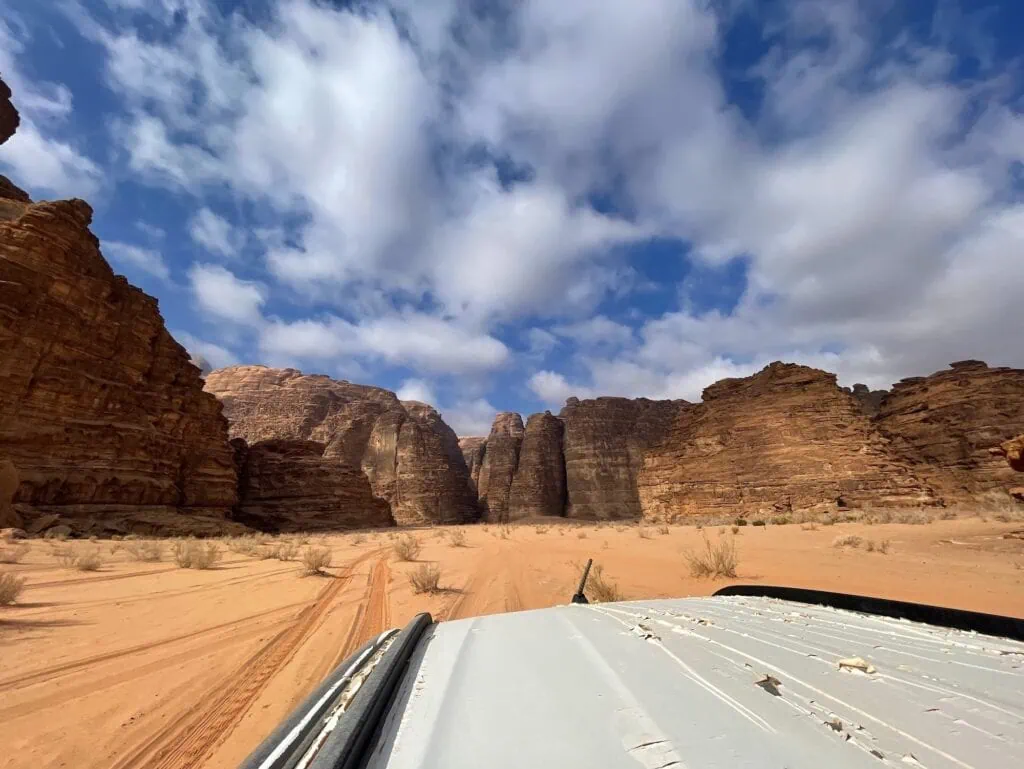
Camel trekking, though slower than modern transportation, provides authentic connection to historical trade routes. These gentle animals carried precious goods along the incense roads that connected Arabia with Mediterranean markets.
Practical Planning from Australia
Direct flights from major Australian cities to Middle Eastern destinations have improved significantly. Qatar Airways partners with many tour operators to provide seamless connections through Doha to Cairo, Amman, and Istanbul. Emirates offers similar service through Dubai, often including complimentary stopovers to explore the UAE.
Flight times typically range from 14-20 hours including connections. Booking 2-3 months in advance usually secures better pricing and preferred departure times. Many tour packages include international airfare, simplifying your booking process.
Visa Requirements and Entry Processes
U.S. visitors need advance visas for Egypt and Jordan, typically processed within 5-7 business days through embassy applications or approved online portals. Tourist visas for Egypt cost around $25 USD and allow 30-day stays. Jordan offers visa-on-arrival for most nationalities at $56 USD for single entry.
European travelers benefit from visa-on-arrival policies in both countries, while Canadian and Australian citizens follow similar procedures to Americans. Some tour operators handle visa processing as part of their service packages.
Turkey recently introduced online e-visas for most Western nations, streamlining entry procedures. The UAE offers visa-free entry for many nationalities or simple visa-on-arrival processes.
Climate Considerations and Best Travel Times
October through April provides ideal weather conditions across most Middle Eastern destinations. Daytime temperatures range from 20-25°C (68-77°F), perfect for extensive sightseeing and outdoor activities. Evenings can cool to 10-15°C (50-59°F), requiring light jackets or sweaters.
Summer months (May through September) bring intense heat, particularly in Egypt and Jordan where temperatures exceed 40°C (104°F). However, fewer crowds and significant price reductions make summer appealing for budget-conscious travelers who don’t mind heat.
Cultural Experiences That Define Middle Eastern Travel
Culinary Journeys Through Local Markets
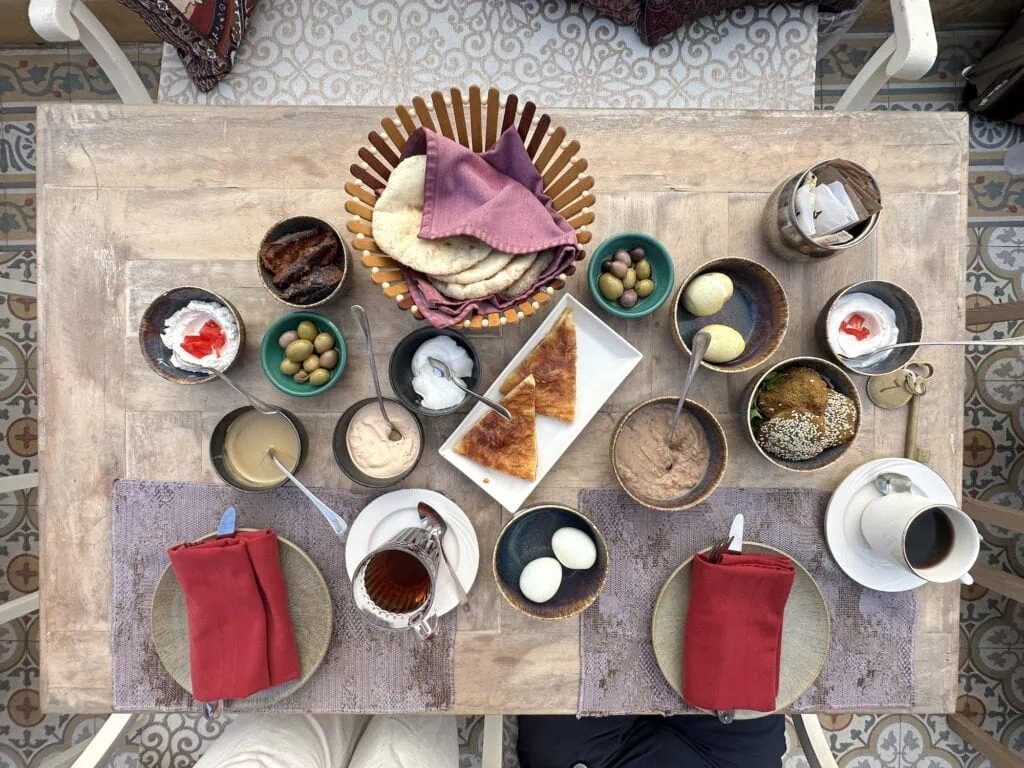
Food markets in Cairo, Istanbul, and Amman overflow with spices, fresh produce, and regional specialties unknown to most Western palates. Guided food tours introduce you to mezze traditions where meals consist of numerous small dishes shared family-style. Egyptian ful medames (fava beans), Jordanian mansaf (lamb with yogurt sauce), and Turkish baklava represent just the beginning of culinary discoveries.
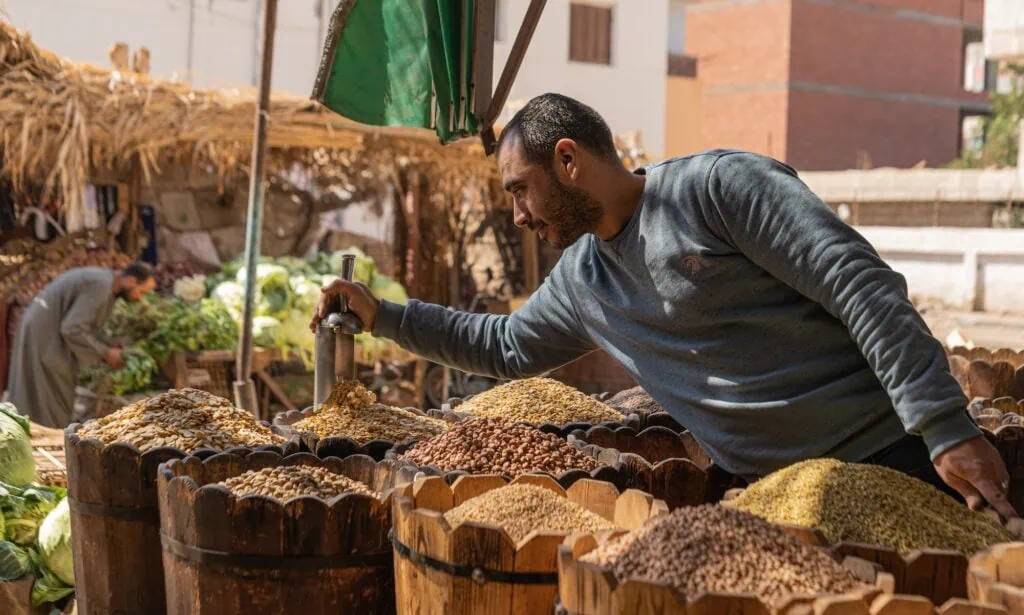
Hands-on cooking classes provide skills to recreate Middle Eastern flavors at home. Professional chefs teach traditional techniques passed through generations, from bread-making in outdoor ovens to spice blending that creates complex flavor profiles.
Religious and Historical Site Visits
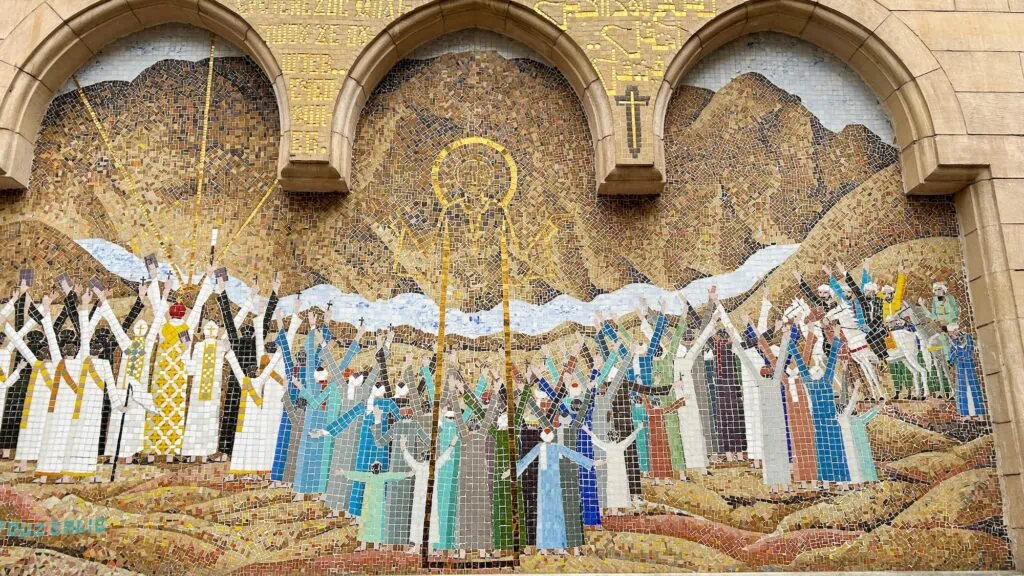
The Middle East birthed Judaism, Christianity, and Islam, creating pilgrimage destinations revered across faiths. Jerusalem’s Old City contains Christianity’s Church of the Holy Sepulchre, Judaism’s Western Wall, and Islam’s Al-Aqsa Mosque within walking distance. Egypt’s Coptic Cairo preserves early Christian history through ancient churches and monasteries.
Respectful dress codes apply at religious sites – covered shoulders and knees for everyone, head coverings for women at mosques. Most tour guides provide scarves or wraps for visitors unprepared for these requirements.
Traditional Craft Workshops and Demonstrations
Artisan workshops throughout the region maintain traditional skills despite modern competition. Egyptian papyrus makers demonstrate 4,000-year-old techniques for creating writing surfaces from river reeds. Jordanian pottery workshops in Madaba continue traditions dating to Byzantine times. Turkish carpet weavers create intricate patterns requiring months of detailed work.
These experiences provide authentic souvenirs while supporting local craftspeople. Many workshops offer shipping services to send larger purchases directly to Australia.
Maximizing Your Middle East Tour Investment
Understanding Tour Inclusions and Hidden Costs
Premium tour packages typically include international flights, accommodations, most meals, transportation, entrance fees, and professional guides. However, personal expenses, some meals, optional excursions, and gratuities often remain additional costs. Clarify exactly what your tour price covers to avoid unexpected expenses.
Travel insurance becomes particularly important for Middle Eastern travel due to distance from Australia and potential medical evacuation costs. Comprehensive policies covering trip cancellation, medical emergencies, and lost luggage provide peace of mind worth the investment.
Group Size Impact on Experience Quality
Tours with fewer than 20 participants provide more personalized attention and flexibility. Smaller groups navigate narrow passages in ancient tombs more easily and create less disruption at sacred sites. Restaurant reservations and hotel check-ins proceed more smoothly with compact groups.
However, larger groups sometimes access exclusive experiences or special presentations not available to individual travelers. Some archaeological sites offer group-only access to restricted areas when advance arrangements are made.
Seasonal Pricing and Booking Strategies
Peak season (October through March) commands premium pricing but delivers ideal weather conditions. Shoulder seasons (April-May and September-October) offer moderate savings with acceptable weather. Summer bookings can save 30-40% on tour costs but require careful consideration of heat tolerance.
Early booking discounts of 10-15% apply to reservations made 6+ months in advance. Last-minute deals occasionally appear 4-6 weeks before departure, though limited availability restricts destination and date flexibility.
Frequently Asked Questions
10-14 days provides sufficient time to experience major highlights without feeling rushed, accounting for flight time and jet lag recovery.
Routine vaccinations should be current; hepatitis A and typhoid are recommended but not mandatory for most destinations.
Yes, with reputable tour operators providing group security and cultural guidance throughout the journey.
Conservative clothing covering shoulders and knees; women may need head coverings at mosques, usually provided by guides.
Credit cards work in major hotels and tourist areas; carry small amounts of local currency for markets and tips.
$30-50 AUD per day covers restaurant meals and snacks outside tour inclusions.
$5-10 USD per day for tour guides, $2-3 for drivers, small amounts for restaurant service and hotel staff.
Most sites allow general photography; interior photos in tombs or museums may require additional fees ranging from $10-20 USD.
Type C and Type G plugs are most common; universal adapters work best for multiple countries.
6-8 months for peak season travel; 3-4 months for shoulder seasons provide best selection and pricing.
Reputable tour operators monitor conditions closely and have contingency plans including alternative itineraries or full refunds for safety concerns.
Most operators handle vegetarian, halal, kosher, and common allergy requirements with advance notice during booking.
Design Your Custom Tour
Explore Egypt and the Middle East your way by selecting only the attractions you want to visit