

Morocco Tour Packages from Dubai
Quick flights make Morocco surprisingly accessible from Dubai.
Morocco sits just five hours from Dubai’s bustling airports, making it one of the most convenient international escapes for UAE residents. The contrast between these two worlds couldn’t be more striking – trading glass skyscrapers for ancient medinas, luxury malls for vibrant souks, and desert resorts for Sahara adventures. Direct flights operate daily through Emirates, Etihad, and Royal Air Maroc, connecting you to Casablanca and Marrakech without the hassle of lengthy layovers.
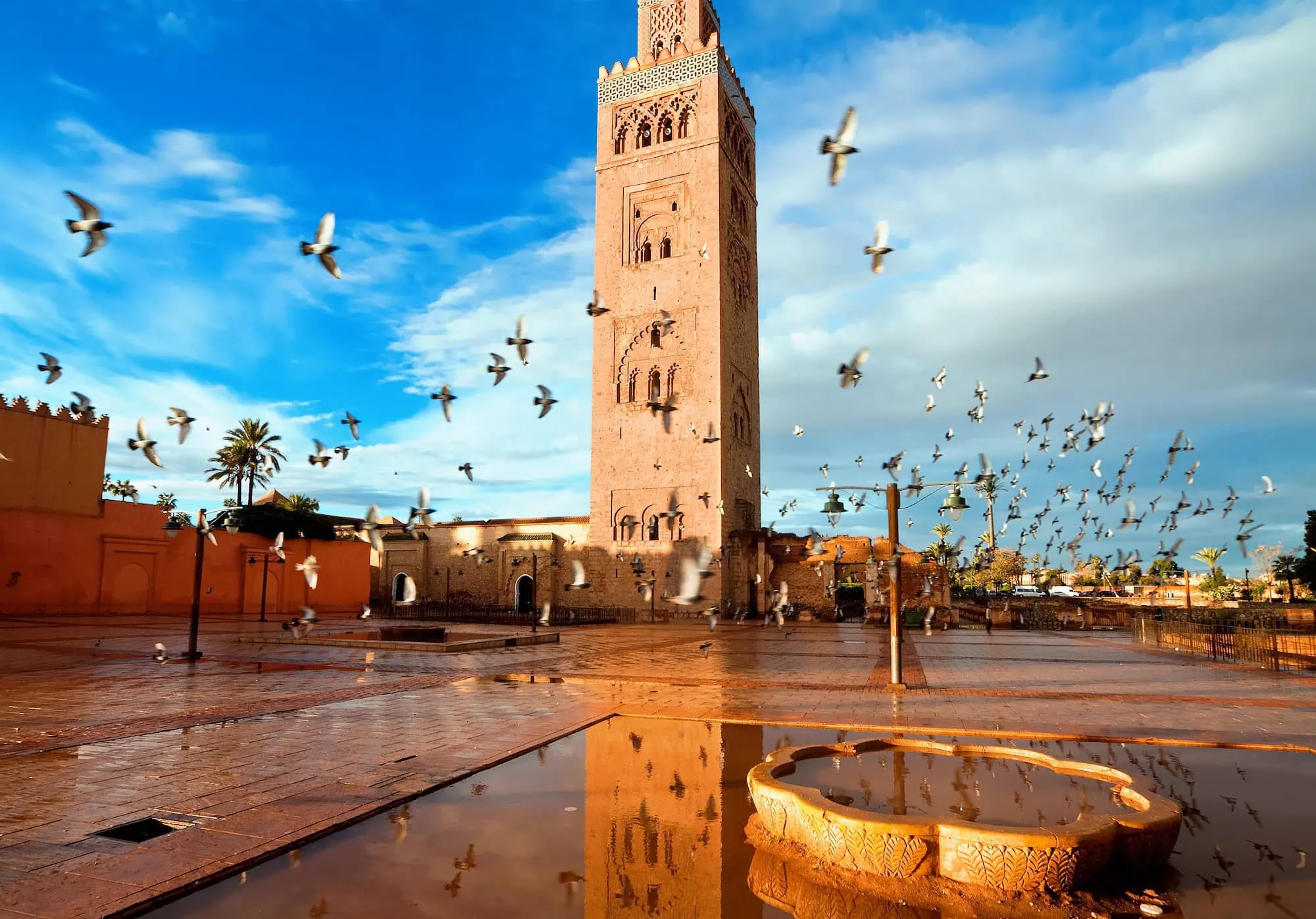
Whether you’re drawn to imperial cities steeped in history, Atlas Mountain landscapes, or authentic desert experiences, Morocco delivers diversity that few destinations can match.
Why Morocco Appeals to Dubai Travelers
The cultural bridge between Dubai and Morocco runs deeper than geography suggests. Both destinations celebrate hospitality as an art form, blend traditional architecture with modern comfort, and offer luxury experiences rooted in authentic heritage.
Climate Compatibility
Morocco’s Mediterranean and Atlantic coasts provide welcome relief from Gulf humidity, especially during Dubai’s intense summer months from June to September. Coastal cities like Casablanca and Rabat maintain comfortable temperatures year-round, while inland destinations like Marrakech and Fez offer dry heat that feels familiar yet refreshing.
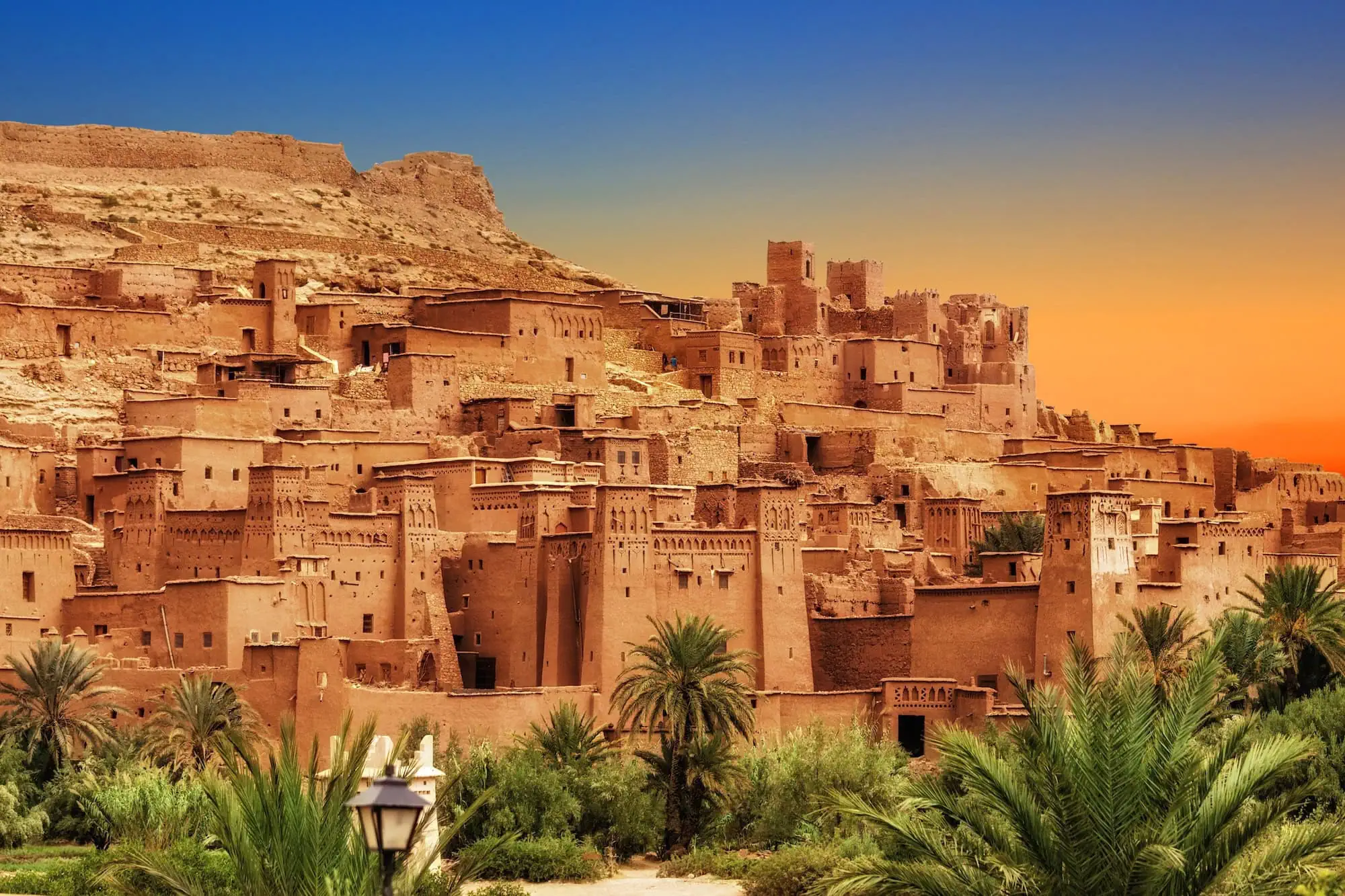
Spring and autumn emerge as ideal travel windows, with temperatures ranging from 18°C to 26°C (64°F to 79°F) in most regions. Winter brings snow to Atlas Mountains while coastal areas remain mild, creating perfect conditions for diverse experiences within a single trip.
Direct Flight Advantages
Emirates operates daily services to Casablanca, departing Dubai at 8:15 am (08:15) and arriving at 1:30 pm (13:30) local time. Royal Air Maroc provides additional connections through their Casablanca hub, opening access to smaller Moroccan cities like Agadir and Tangier.
Flight duration averages five hours westbound, making Morocco more accessible than many European capitals. Time zone differences work in your favor too – Morocco operates just four hours behind UAE time, minimizing jet lag concerns.
Visa-Free Entry Benefits
UAE nationals enter Morocco without visa requirements for stays up to 90 days. European visitors enjoy similar privileges, while Americans can obtain electronic visas online before departure. Latin American travelers should check specific requirements based on their nationality, though most can access simplified visa processes.
This streamlined entry process eliminates bureaucratic delays, letting you focus on planning experiences rather than paperwork.
Imperial Cities and Cultural Treasures
Morocco’s four imperial cities – Marrakech, Fez, Meknes, and Rabat – each tell distinct chapters of the kingdom’s thousand-year story. Unlike theme park recreations common elsewhere, these cities pulse with authentic daily life where centuries-old traditions continue uninterrupted.
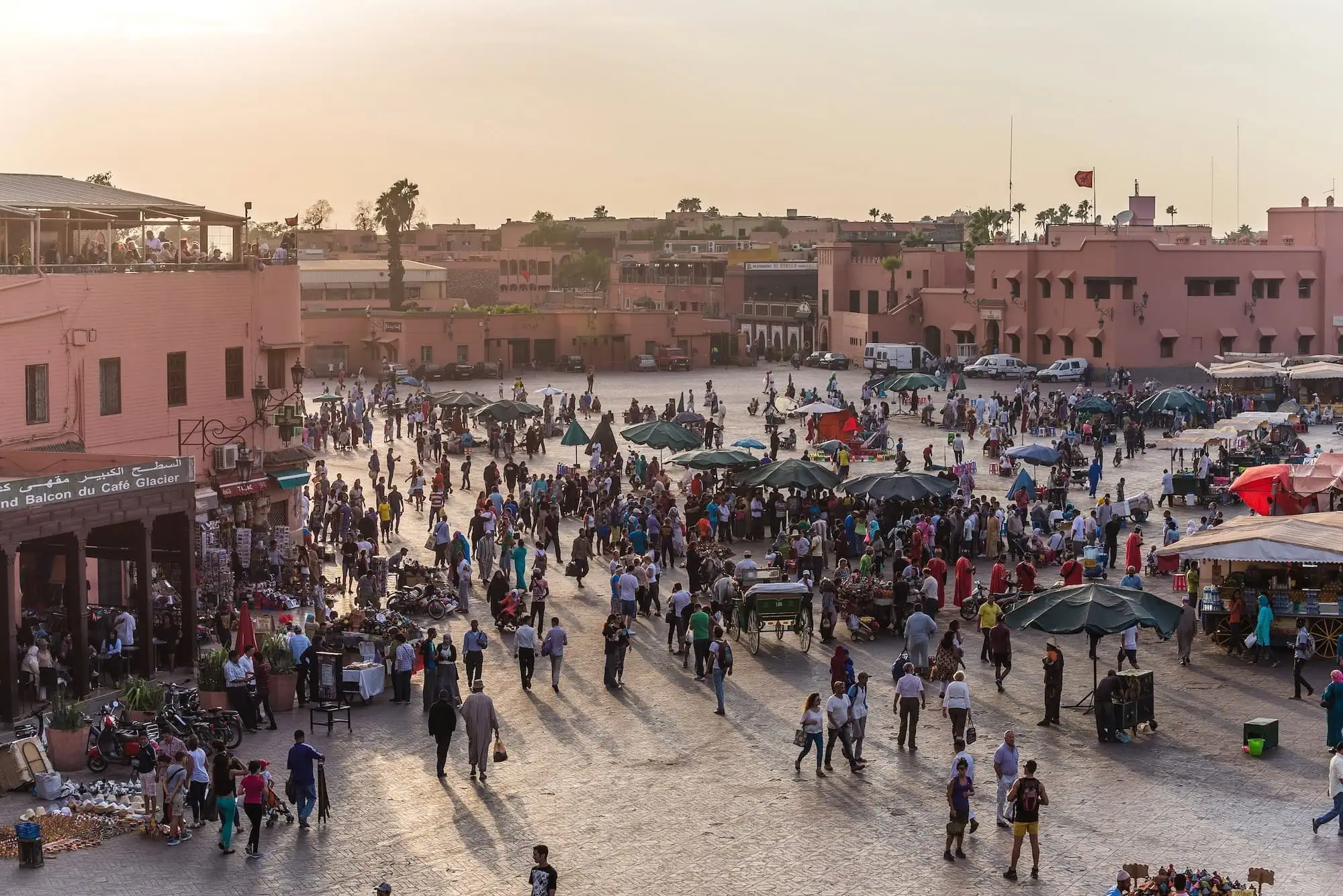
Marrakech captivates visitors with its famous Djemaa el-Fna square, where storytellers, musicians, and food vendors create nightly spectacles. The square transforms throughout the day – quiet morning tea service gives way to afternoon snake charmers, then evening food stalls serving tagines and grilled meats. Surrounding medina lanes hide architectural gems like Bahia Palace and Saadian Tombs, while modern Gueliz district offers contemporary galleries and restaurants.
Fez preserves medieval urban planning better than anywhere in the Arab world. Its medina, recognized as a UNESCO World Heritage site, contains over 9,000 narrow alleys forming a labyrinth that’s remained largely unchanged since the 9th century. Traditional tanneries still process leather using methods passed down through generations, while Al-Qarawiyyin University continues as one of the world’s oldest continuously operating educational institutions.
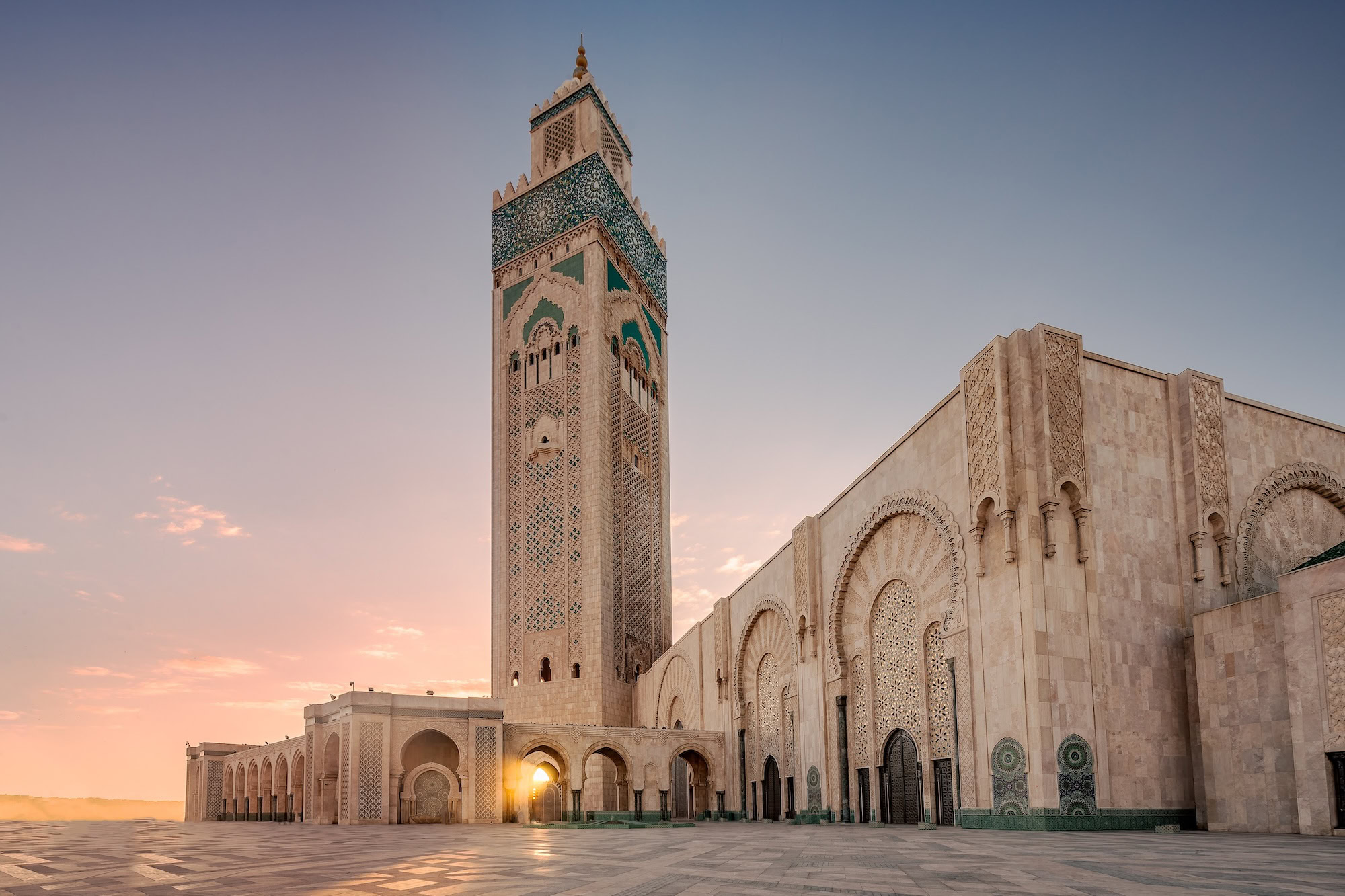
Casablanca presents Morocco’s modern face without abandoning its roots. Hassan II Mosque, completed in 1993, ranks among the world’s largest religious structures, accommodating 105,000 worshippers with its towering 210-meter (689-foot) minaret visible from 30 kilometers (18.6 miles) at sea. The city’s art deco architecture reflects French colonial influence, while contemporary districts showcase Morocco’s economic evolution.
Sahara Desert Adventures Beyond Expectations
The Sahara’s edge lies closer to major cities than most travelers realize. Merzouga’s famous Erg Chebbi dunes sit just 560 kilometers (348 miles) from Marrakech – a scenic drive through Atlas Mountains and oasis towns that becomes part of the adventure itself.
Desert Camp Experiences
Luxury desert camps near Merzouga offer authentic Berber hospitality with modern comfort standards expected by international travelers. Fixed camps feature traditional wool tents equipped with proper beds, private bathrooms, and climate control systems powered by renewable energy. Evening entertainment includes traditional Gnawa music performances around campfires, followed by stargazing sessions in some of the world’s clearest night skies.
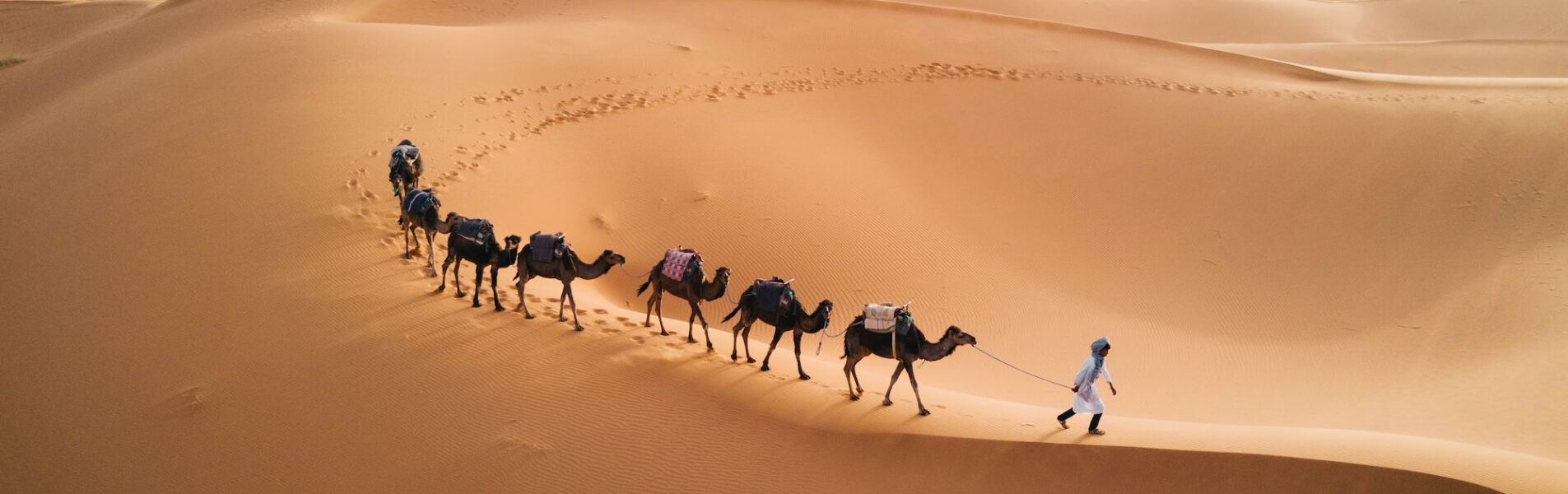
Camel trekking remains the quintessential Sahara experience, but options extend far beyond tourist clichés. Half-day rides suit families with young children, while multi-day expeditions traverse deeper into the desert, reaching areas where silence becomes absolute and horizons stretch endlessly in every direction.
Sunrise and Sunset Rituals
Dawn breaks early over Sahara dunes, with optimal viewing times around 6:30 am (06:30) during winter months and 5:45 am (05:45) in summer. The temperature differential between night and day creates dramatic atmospheric effects – cool morning air causes dune surfaces to steam gently as first sunlight hits, creating ethereal mist effects perfect for photography.
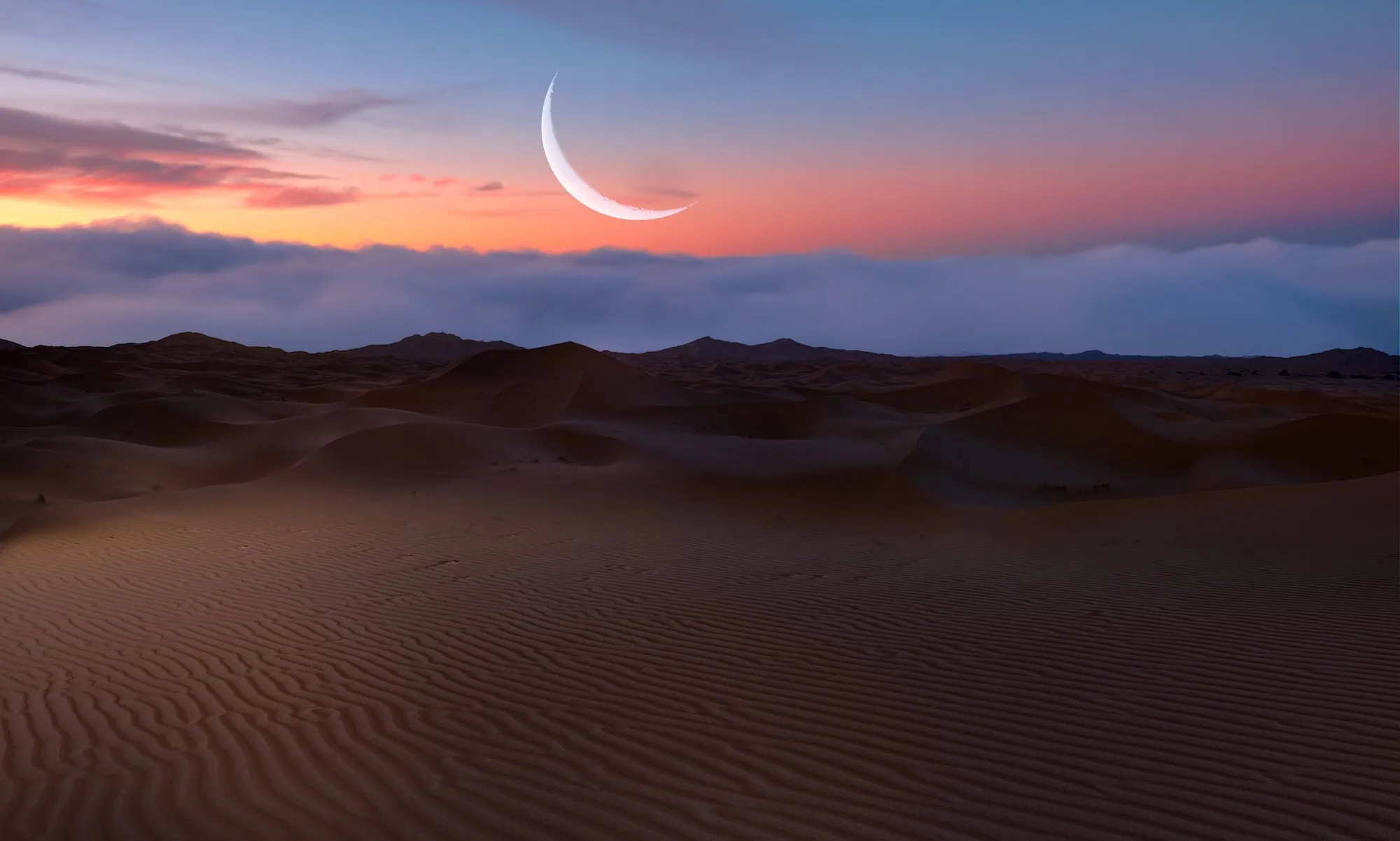
Sunset viewing typically begins 90 minutes before official sunset times, allowing gradual appreciation of color changes across sand surfaces. Professional photography guides familiar with optimal vantage points can arrange private sessions for serious photographers.
Practical Planning from Dubai
Currency and Payments
Moroccan dirhams (MAD) cannot be obtained in Dubai banks, requiring currency exchange upon arrival or withdrawal from Moroccan ATMs using international debit cards. Major hotels, restaurants, and tour operators in tourist zones accept credit cards, though traditional markets and small establishments prefer cash transactions.
Exchange rates fluctuate between 9-11 dirhams per USD, with better rates available at official exchange offices compared to hotel concierges. Keep receipts for currency exchanges, as they’re required when converting remaining dirhams back to foreign currency before departure.
Communication and Connectivity
Arabic and French serve as official languages, though English proficiency varies significantly between urban tourist areas and rural regions. Marrakech, Casablanca, and Agadir maintain higher English comprehension levels due to international visitor volumes, while smaller cities and desert regions rely more heavily on Arabic and local Berber dialects.
International roaming charges from UAE carriers can exceed 15 AED per MB for data usage. Consider purchasing local SIM cards from Moroccan operators like Orange, Inwi, or Maroc Telecom, offering tourist packages with generous data allowances for social media sharing and navigation apps.
Regional Transportation
Morocco’s transportation infrastructure accommodates various travel styles and budgets. High-speed trains connect Casablanca, Rabat, and Tangier, operating at speeds up to 320 km/h (199 mph) with comfortable first-class compartments rivaling European standards.
Road conditions vary dramatically between regions. Highways linking major cities maintain excellent standards, while Atlas Mountain routes feature dramatic scenery alongside challenging switchbacks requiring experienced drivers. Car rental agencies provide both economy and luxury vehicle options, though hiring local drivers familiar with regional roads often proves more relaxing for tourists focused on sightseeing rather than navigation.
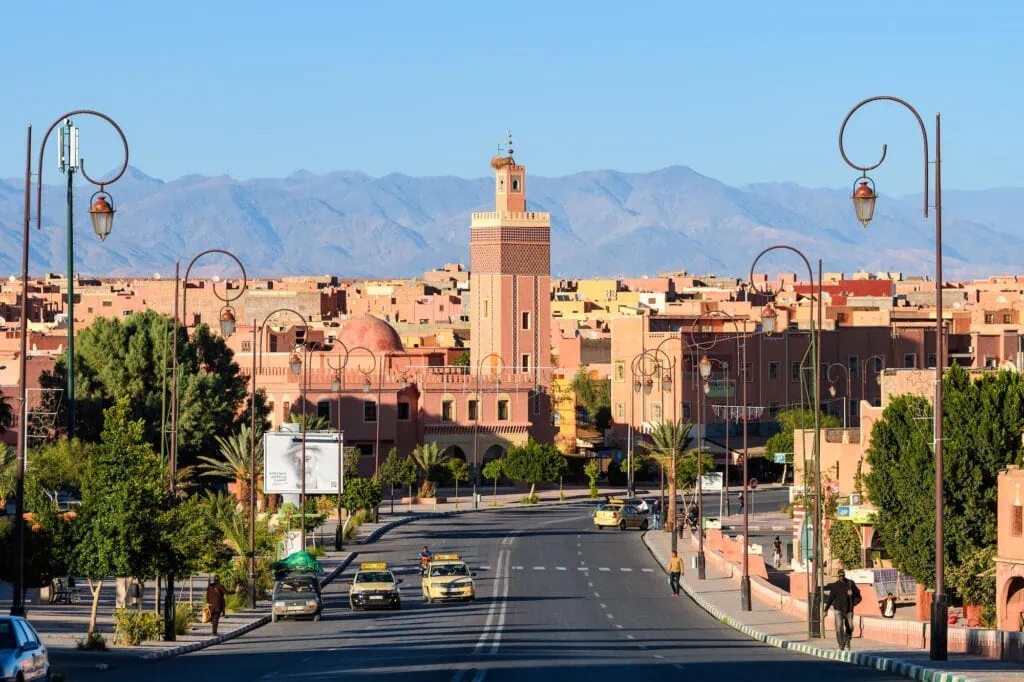
Domestic flights through Royal Air Maroc connect distant cities like Marrakech and Ouarzazate efficiently, saving overland travel time for visitors with limited vacation days.
Accommodation Standards
Morocco’s hospitality sector spans from authentic riads within historic medinas to international luxury chains in modern districts. Traditional riads offer intimate experiences with typically 6-12 rooms built around central courtyards, featuring hand-crafted tile work, carved cedar details, and rooftop terraces overlooking surrounding neighborhoods.
Luxury options include legendary properties like La Mamounia in Marrakech and Royal Mansour, where suites feature private courtyards and dedicated butler service. These establishments maintain international hospitality standards while incorporating authentic Moroccan design elements and local cultural programming.
Budget-conscious travelers find excellent value in traditional guesthouses and modern hotels outside main tourist zones, often featuring authentic local cuisine and genuine cultural interactions with Moroccan families.
Best Time Strategies for Different Regions
Morocco’s geographic diversity creates multiple microclimates, making timing crucial for optimal experiences across different regions during single trips.
Coastal Regions
Atlantic coast cities like Casablanca, Rabat, and Essaouira benefit from maritime climate moderation, maintaining comfortable conditions throughout most of the year. Summer temperatures rarely exceed 28°C (82°F), while winter months average 15°C to 20°C (59°F to 68°F). Coastal areas experience higher humidity than inland regions, though sea breezes provide natural cooling.
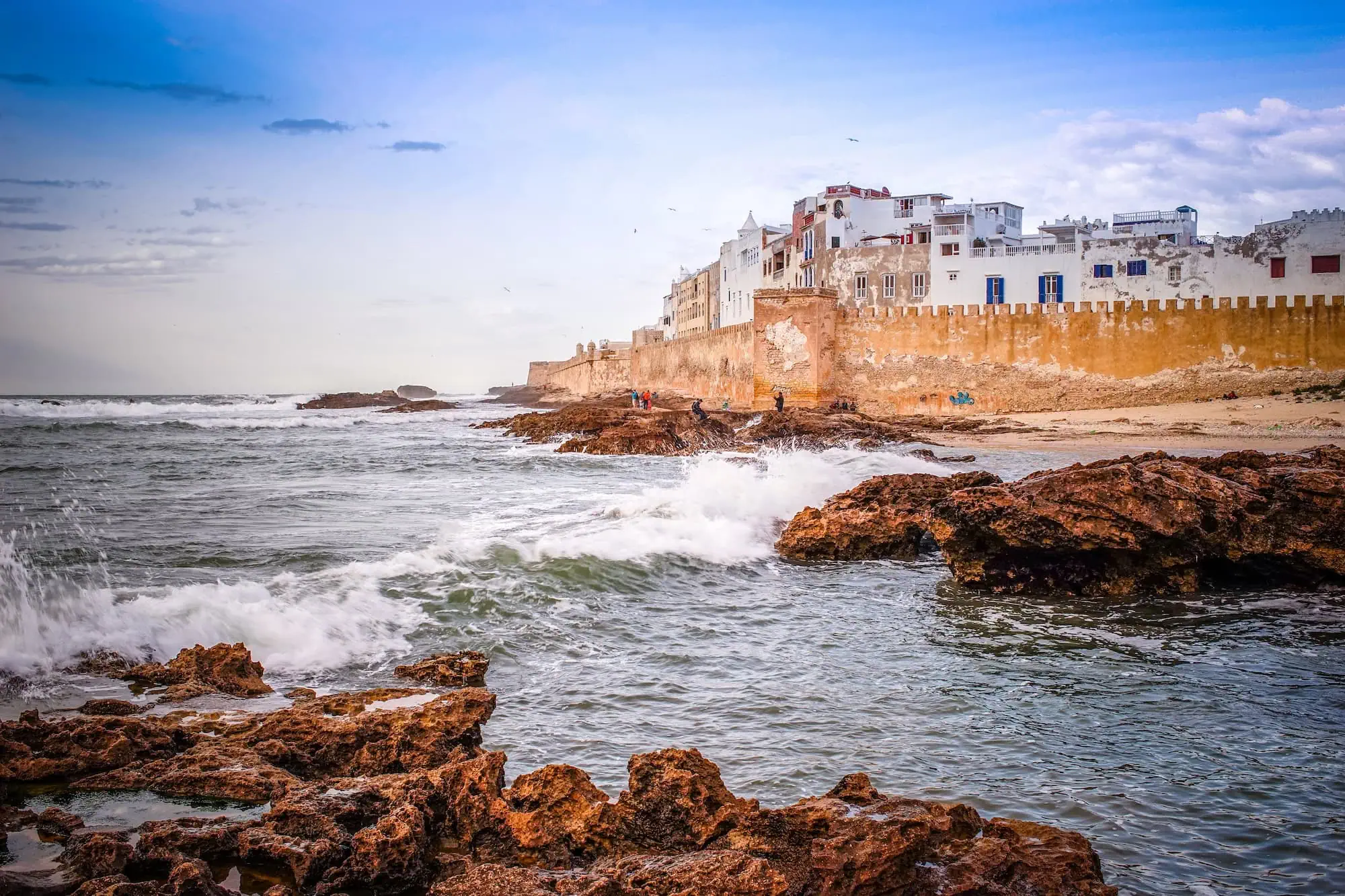
Ocean swimming remains possible year-round for cold-water enthusiasts, though most visitors prefer beach activities between April and October when water temperatures reach 18°C to 22°C (64°F to 72°F).
Mountain Areas
Atlas Mountains create dramatic seasonal variations affecting both weather patterns and accessibility. Summer months offer ideal hiking conditions with clear skies and moderate temperatures at elevation, though valleys can become uncomfortably hot by midday.
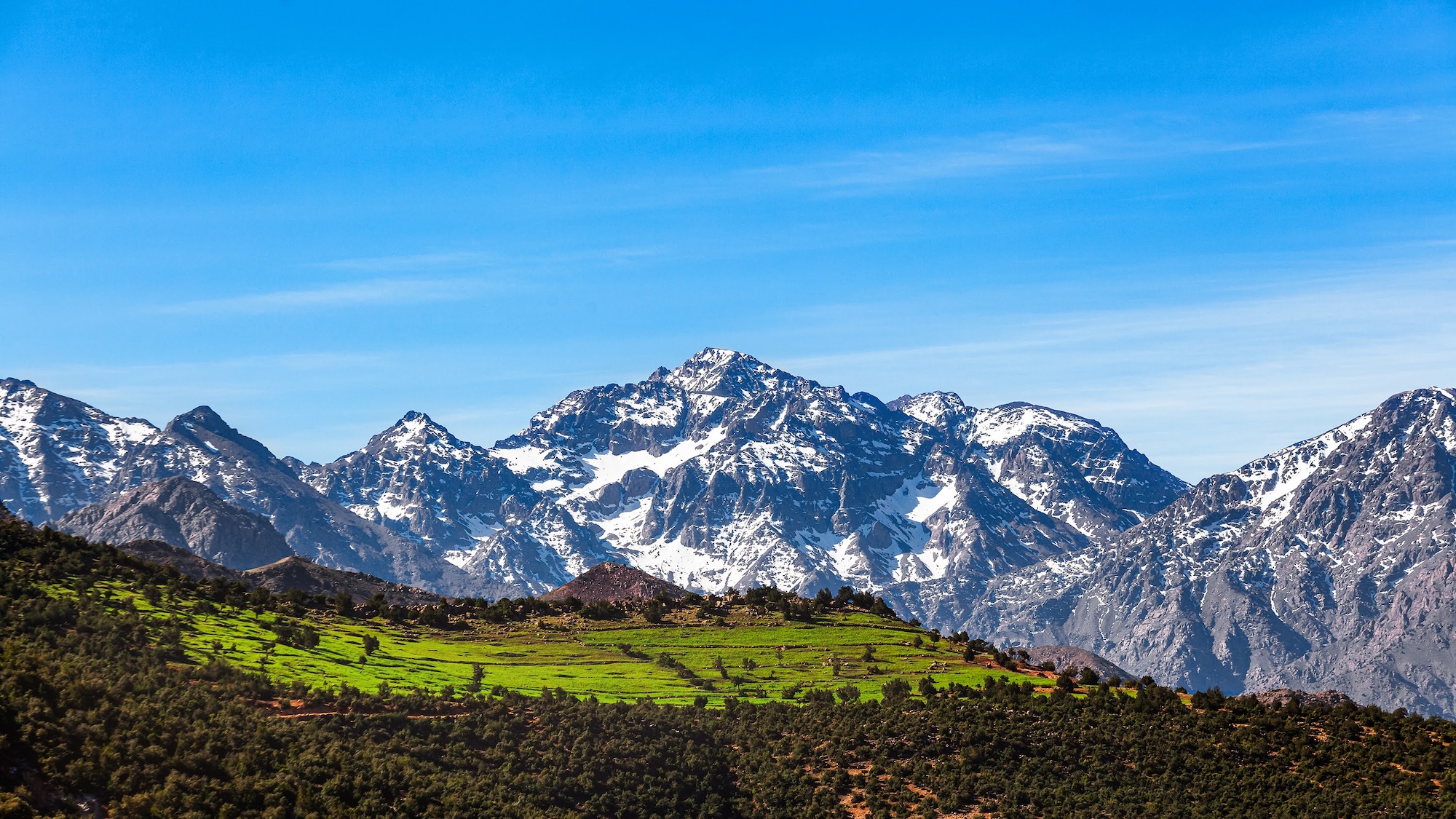
Winter brings snow to peaks above 2,000 meters (6,562 feet), creating alpine conditions perfect for mountain lodges and cozy evenings around traditional fireplaces. Some high-altitude roads close seasonally, requiring flexible itinerary planning for winter visitors.
Desert Timing
Sahara experiences extreme temperature swings between seasons and between day and night throughout the year. Summer desert travel requires careful planning around midday heat that can exceed 45°C (113°F), though evenings remain comfortable for outdoor activities.
Winter desert nights can drop to near-freezing temperatures, requiring warm clothing despite pleasant daytime conditions. Spring and autumn provide the most consistently comfortable desert weather, with warm days and cool evenings ideal for camping experiences.
Regional Cuisine Beyond Tagines
Moroccan cuisine extends far beyond the tagines and couscous familiar to international audiences, incorporating influences from Berber, Arab, Mediterranean, and sub-Saharan African culinary traditions.
Coastal Specialties
Atlantic and Mediterranean coastlines provide exceptional seafood prepared with distinctly Moroccan spice combinations. Chermoula, a herb and spice marinade featuring cilantro, parsley, preserved lemon, and ras el hanout, transforms simple grilled fish into complex flavor experiences. Sardine-based dishes appear throughout coastal regions, often prepared with traditional preservation methods that concentrate flavors.
Regional Variations
Northern regions near Tangier and Tetouan show strong Mediterranean influences, featuring olive-based preparations and fresh salads reminiscent of Spanish and Italian coastal cuisine. Southern areas incorporate more sub-Saharan elements, including groundnut-based sauces and dried fruit combinations in meat dishes.
Atlas Mountain cuisine emphasizes hearty preparations suitable for high-altitude climates, including substantial barley-based soups and preserved meat dishes designed for long storage without refrigeration.
Street Food Culture
Traditional food markets offer authentic taste experiences often superior to restaurant presentations. Morning markets feature fresh bread varieties, including khubz and msemen flatbreads perfect for sampling local honey, olive oil, and preserved spreads. Evening street vendors specialize in grilled meats, including merguez sausages and brochettes served with traditional accompaniments.
Frequently Asked Questions
Seven to ten days provides adequate time to experience two major cities plus either desert or coastal regions without feeling rushed.
UAE passport holders enter visa-free for stays up to 90 days, requiring only valid passports with six months remaining validity.
Domestic flights between major cities save time for international visitors, while train connections offer scenic overland experiences between northern destinations.
Mid-range travelers typically spend $150-250 USD per person daily including accommodation, meals, transportation, and guided activities.
Morocco maintains excellent safety records for international tourists, with family-friendly infrastructure throughout major tourist destinations and reliable medical facilities.
Emirates provides daily service to Casablanca, while Royal Air Maroc offers multiple weekly connections with seasonal schedule variations.
Major establishments in tourist areas accept international credit cards, though cash remains necessary for traditional markets, taxis, and rural areas.
Standard packages include accommodation, daily breakfast, private transportation, professional guides, and entrance fees to major historical sites.
Design Your Custom Tour
Explore Egypt & Morocco your way by selecting only the attractions you want to visit