

Morocco Travel Tips – Make the Most of Your Adventure
Morocco strikes many travelers as overwhelming at first glance.
Navigating this North African kingdom successfully requires more than just booking a riad in Marrakech and hoping for the best. The cultural nuances, from bargaining in souks to understanding Islamic traditions, can make or break your experience. We’ve traveled extensively throughout Morocco and learned these lessons firsthand.
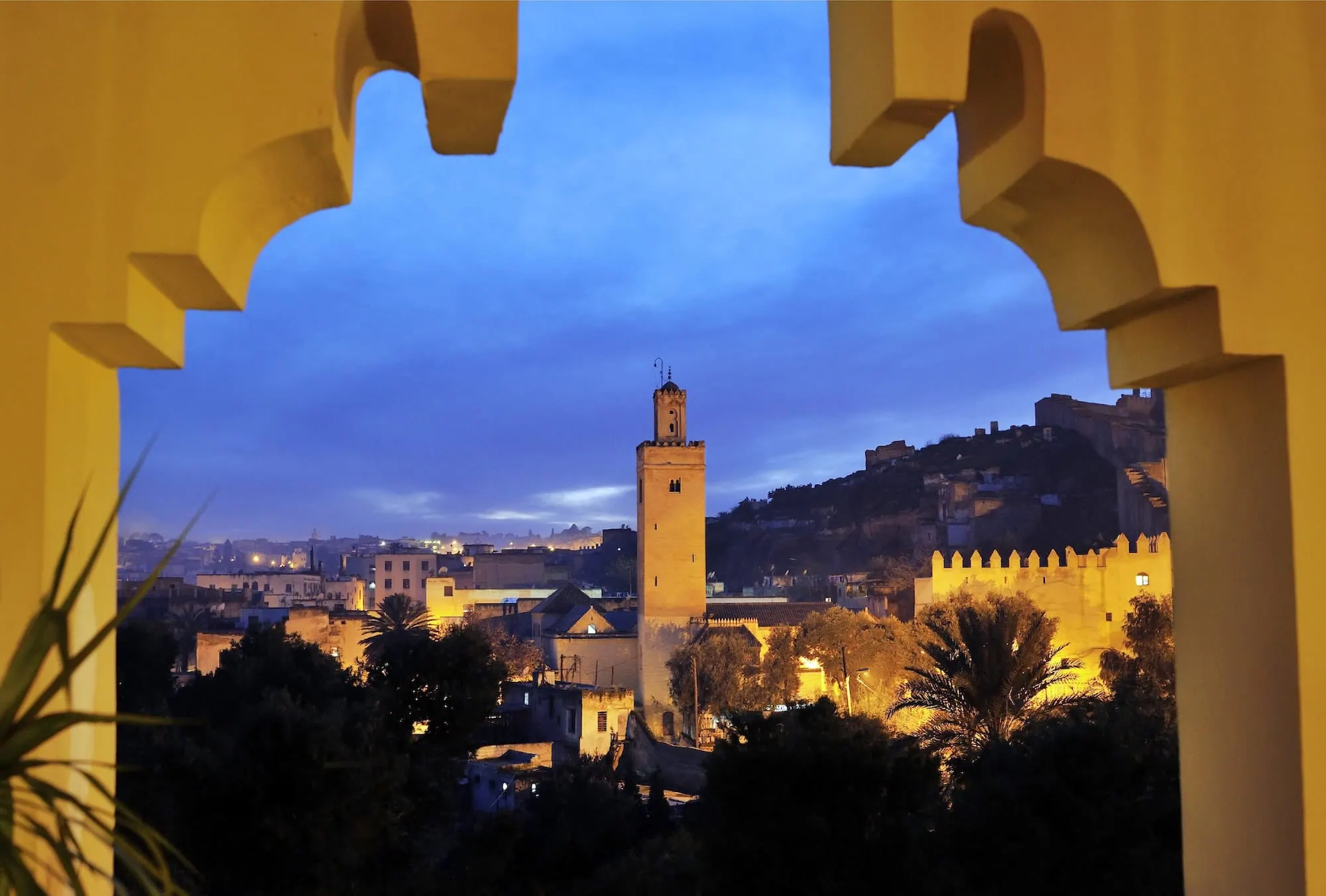
The good news? Most challenges disappear with proper preparation and cultural awareness. Whether you’re planning to explore the Atlas Mountains, wander through Fez’s medina, or ride camels in the Sahara Desert, these practical insights will transform your journey from potentially stressful to genuinely magical.
When to Visit Morocco and Weather
Spring and autumn offer the most comfortable conditions for exploring Morocco. From March to May and September to November, temperatures hover around pleasant 20-25°C (68-77°F) during the day, dropping to comfortable levels at night.
Summer can be brutal, especially in inland cities like Marrakech and Fez where temperatures soar above 40°C (104°F). The Sahara becomes nearly unbearable during these months. Coastal areas like Casablanca and Essaouira remain more tolerable thanks to Atlantic breezes, but expect crowds of European vacationers seeking relief.
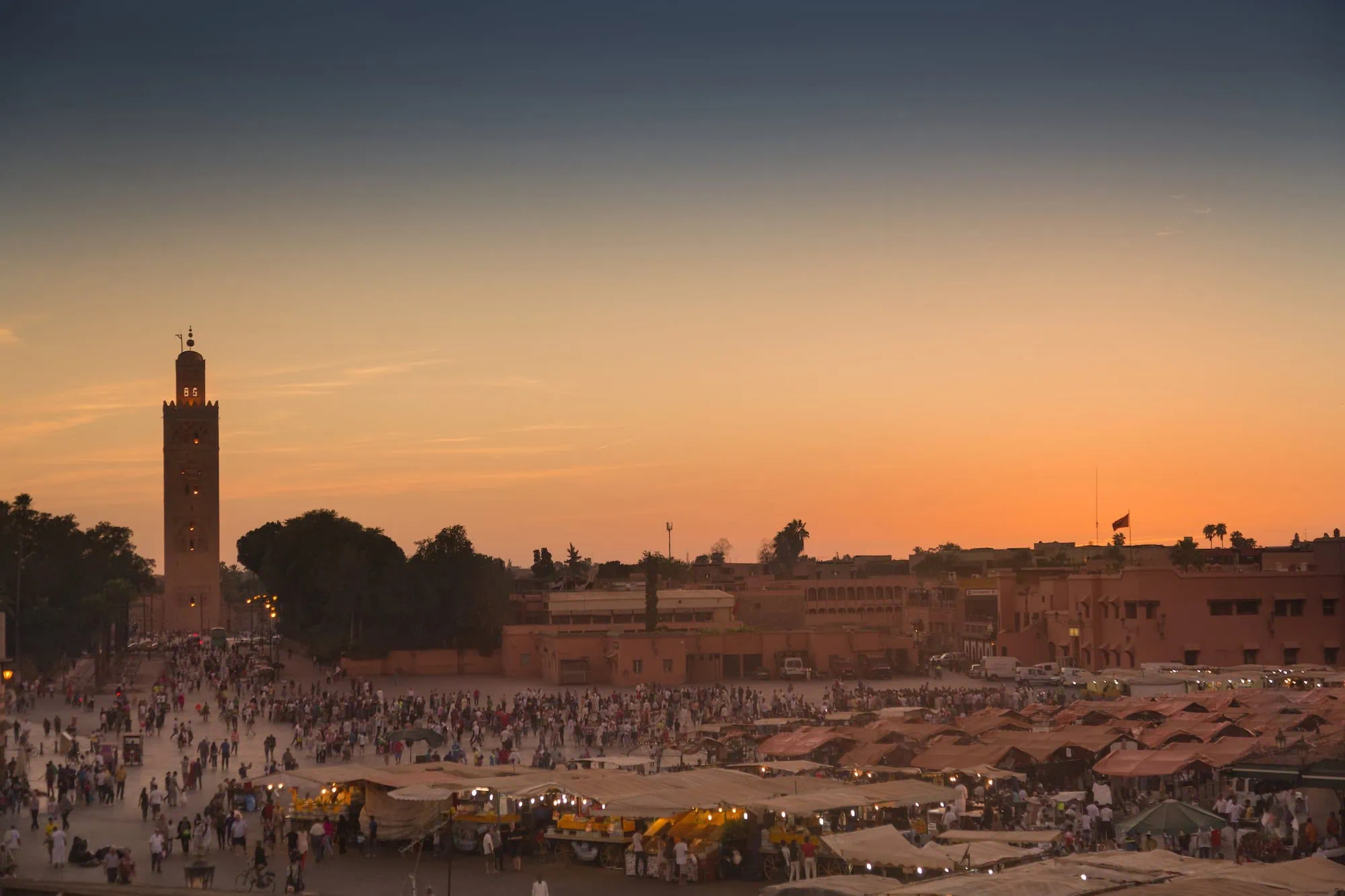
Winter brings its own challenges. While daytime temperatures in cities remain mild at 15-20°C (59-68°F), nights can drop below freezing in the Atlas Mountains. Rain becomes frequent from December to February, particularly in northern regions. However, this season offers fewer tourists and lower accommodation prices.
Ramadan Considerations
Ramadan significantly impacts travel experiences. During this holy month, restaurants close during daylight hours, transportation schedules change, and the general pace of life slows considerably. Tourist areas maintain some services, but expect limited dining options until sunset. Many locals appreciate visitors who show respect by eating discreetly during fasting hours.
Regional Climate Variations
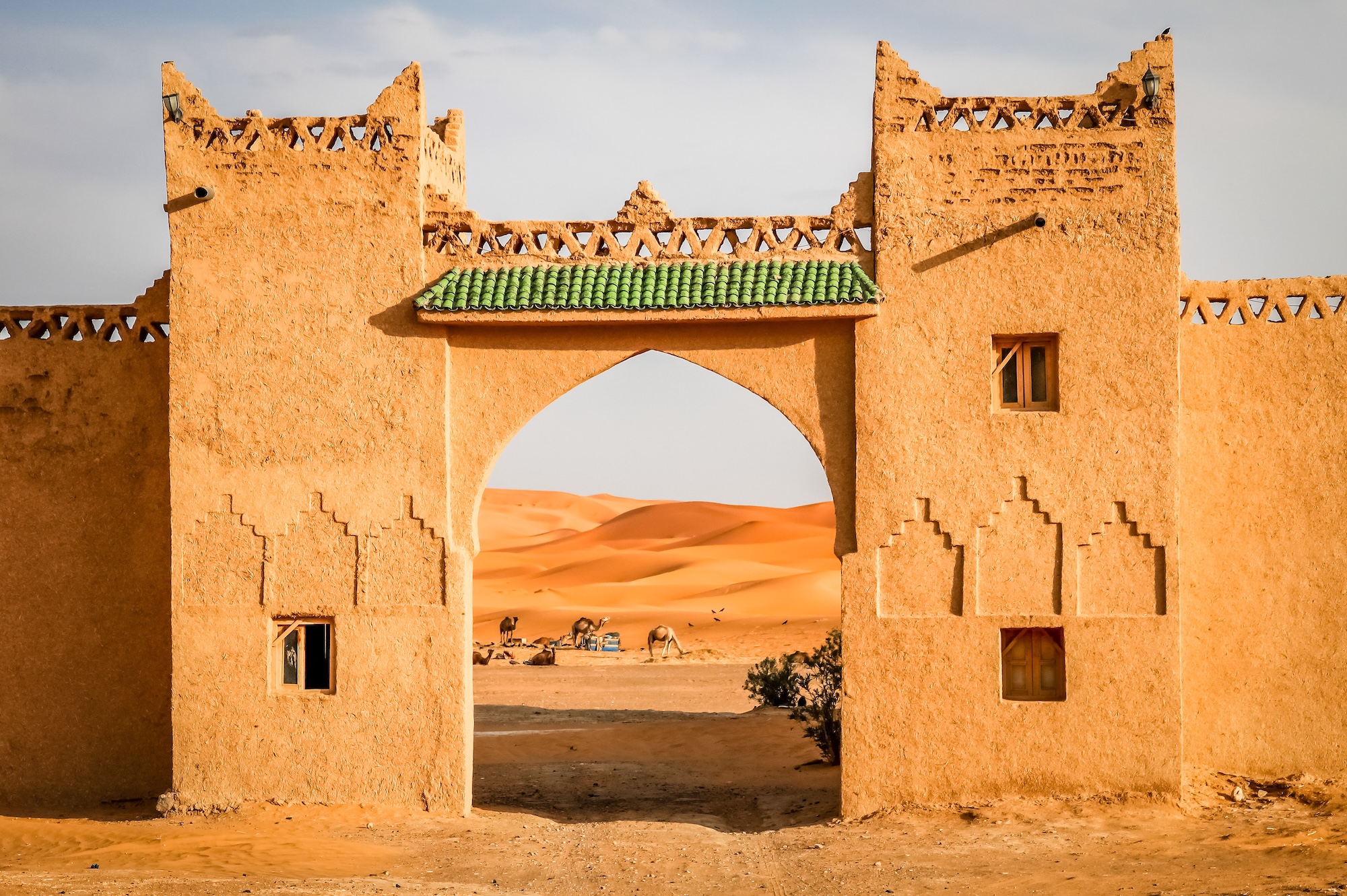
Coastal areas maintain moderate temperatures year-round, while inland imperial cities experience extreme temperature swings. The High Atlas Mountains can receive snow even in spring and autumn. Desert regions like Merzouga offer stunning clear nights but scorching days from May through September.
Cultural Respect and Religious Sensitivity
Morocco operates as a predominantly Islamic constitutional monarchy where tradition and modernity coexist carefully. Understanding this balance ensures respectful interactions and richer experiences.
King Mohammed VI commands deep respect throughout the country. Never speak negatively about the royal family or make jokes about the monarchy – this isn’t just culturally insensitive, it’s actually illegal. Similarly, Islam permeates daily life in ways that affect visitors directly. Friday prayers temporarily close many businesses around midday. During these times, explore markets or relax in your accommodation rather than expecting full service.
Dress codes matter significantly, especially for women. While Morocco tolerates tourist attire more than some Islamic countries, covering shoulders and knees shows respect and attracts less unwanted attention. Men should also avoid shorts in religious areas and rural communities. We recommend packing lightweight, long-sleeved shirts and pants for both genders.
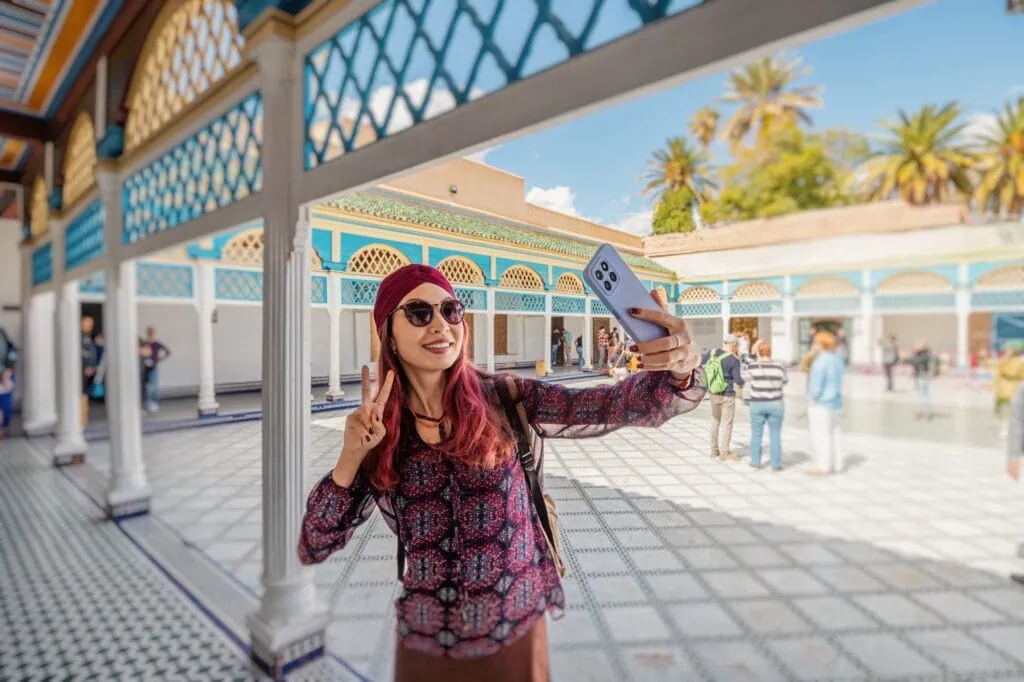
Photography requires constant awareness. Always ask permission before photographing people, particularly women. Many Moroccans object to being photographed for religious or cultural reasons. Military installations, government buildings, and police officers are strictly off-limits for cameras. The secret police actively monitor tourist areas, and photographing them results in serious legal trouble.
Alcohol availability varies dramatically. Tourist hotels and restaurants in major cities serve alcohol, but don’t expect to find it in traditional riads or rural areas. Public intoxication offends local sensibilities and can lead to legal problems.
Transportation Options Across the Country
Morocco’s transportation network connects major destinations efficiently, though comfort levels vary dramatically depending on your choices.
Al Boraq High-Speed Train
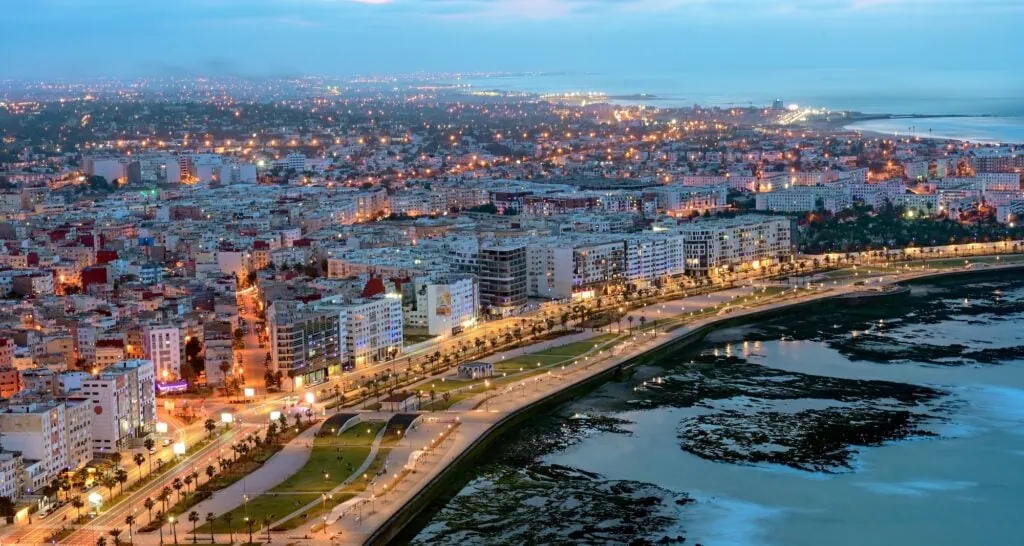
The crown jewel of Moroccan transport, this French-built train connects Casablanca, Rabat, and Tangier in air-conditioned comfort. Journey times have dropped to just over two hours between Casablanca and Tangier, making day trips feasible. First-class tickets cost roughly 200-300 dirhams and include comfortable seating with power outlets.
Intercity Buses
CTM and Supratours operate the most reliable bus services between major cities. These companies maintain modern fleets with air conditioning and scheduled departure times. Tickets cost significantly less than trains – expect to pay 80-150 dirhams for routes like Marrakech to Fez. Always purchase tickets in advance during peak season and major holidays.
Local buses serve shorter routes and cost even less, but comfort drops dramatically. These crowded, often poorly maintained vehicles appeal to budget travelers willing to sacrifice convenience for authenticity.
Grand Taxis and Shared Transport
Shared grand taxis – usually old Mercedes sedans – connect smaller towns and rural areas not served by buses. Six passengers share the cost, making this option economical for longer journeys. However, these vehicles often lack proper maintenance and safety equipment. Negotiate the fare before departing and confirm the destination clearly.
Private grand taxis offer more comfort and flexibility at higher costs. For groups of three or four, private taxis become competitively priced compared to individual bus tickets.
Renting Vehicles
Driving in Morocco presents unique challenges. Traffic rules exist more as suggestions, roundabouts prioritize the boldest drivers, and parking requires creativity. However, renting provides unmatched flexibility for exploring the Atlas Mountains or visiting remote Berber villages.
International driving licenses are required, along with comprehensive insurance. Stick to major rental companies like Hertz or Avis for reliable vehicles and proper documentation. Expect to pay 300-500 dirhams daily for compact cars.
Shopping and Bargaining Like a Local
Bargaining forms an integral part of Moroccan commerce, not an optional tourist activity. Understanding this cultural exchange prevents overpaying while showing respect for local traditions.
Fixed prices exist in modern shops, supermarkets, and some tourist-oriented stores. These establishments display clear price tags and don’t expect negotiation. However, traditional souks, medinas, and artisan workshops operate on negotiation principles.
Effective Bargaining Strategies
Start by showing genuine interest in the product, not immediately asking prices. Examine craftsmanship, ask about materials, and demonstrate appreciation for the seller’s work. This approach builds rapport and often leads to better final prices.
Initial quotes typically run three to five times the expected selling price. Counter with roughly one-third of their opening offer, then negotiate toward a middle ground. The process should feel like friendly conversation, not aggressive confrontation. Smile, drink mint tea if offered, and enjoy the social aspect.
Common Shopping Pitfalls
Avoid following “helpful” guides who offer to show you “special” shops. These individuals receive substantial commissions from merchants, driving up your costs significantly. Politely decline their services and explore independently.
Leather goods require particular scrutiny. Morocco produces beautiful leather products, but quality varies enormously. Check stitching, examine hardware, and smell the leather – high-quality pieces shouldn’t have overwhelming chemical odors. Fez remains the traditional center for leather production, offering the best selection and prices.
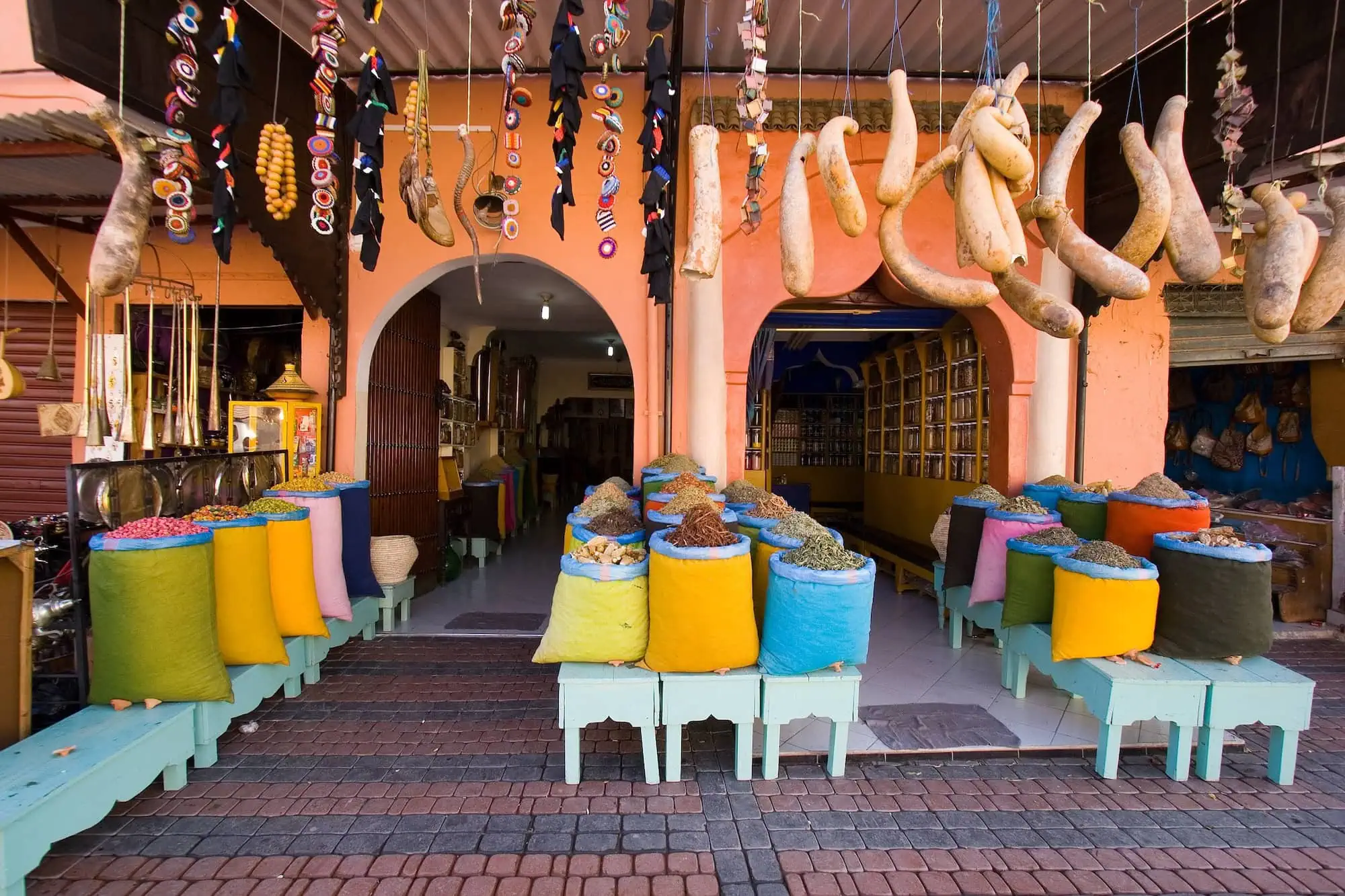
Carpets represent major purchases requiring careful consideration. Authentic Berber rugs feature natural dyes and traditional patterns passed down through generations. Machine-made alternatives flood tourist markets at lower prices but lack authenticity and durability.
Payment methods can affect final prices. Many sellers prefer cash to avoid credit card processing fees and offer modest discounts for dirham payments. Always carry sufficient cash when planning significant purchases.
Guide Services and Local Expertise
Professional Certification Matters
Morocco requires guides to obtain official certification through government training programs. Legitimate guides carry official identification cards issued by the Ministry of Tourism. These professionals receive education about historical sites, cultural customs, and multiple languages.
Unofficial guides operate throughout tourist areas, often approaching visitors with offers of assistance. While some possess genuine knowledge and good intentions, many lack proper training or connect with merchants paying commissions. This arrangement inflates your costs and limits authentic experiences.
When Guides Add Value
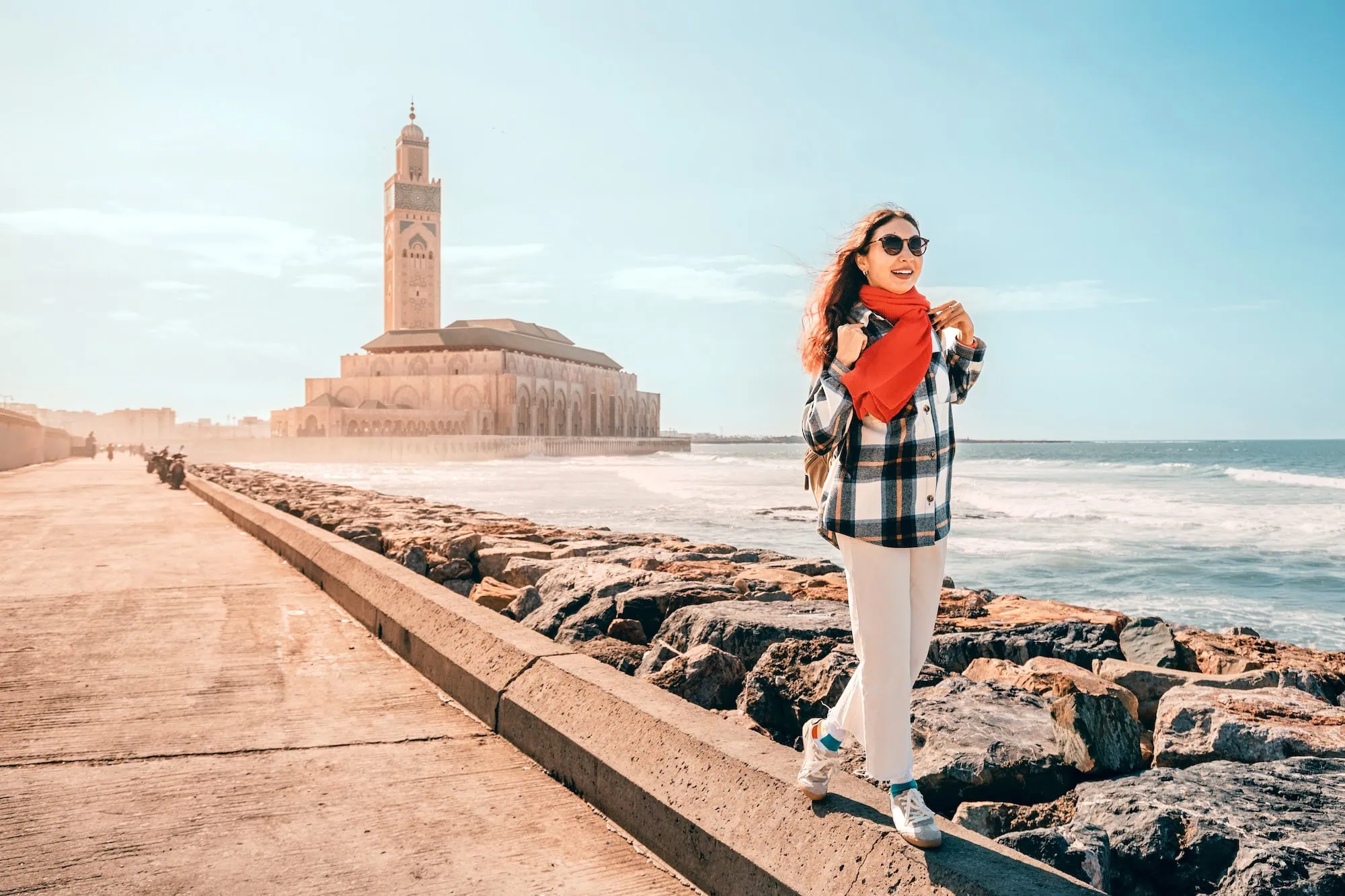
Certified guides prove invaluable for historical sites like the Roman ruins at Volubilis or the medieval architecture of Fez’s medina. Their expertise illuminates cultural context that self-guided exploration often misses. For complex sites like Hassan II Mosque in Casablanca, guided tours provide access to areas otherwise restricted to visitors.
Mountain activities like trekking Mount Toubkal in the High Atlas require certified mountain guides for safety and navigation. These specialists understand weather patterns, route conditions, and emergency procedures essential for safe adventures above 4,000 meters (13,123 feet).
Independent Exploration Benefits
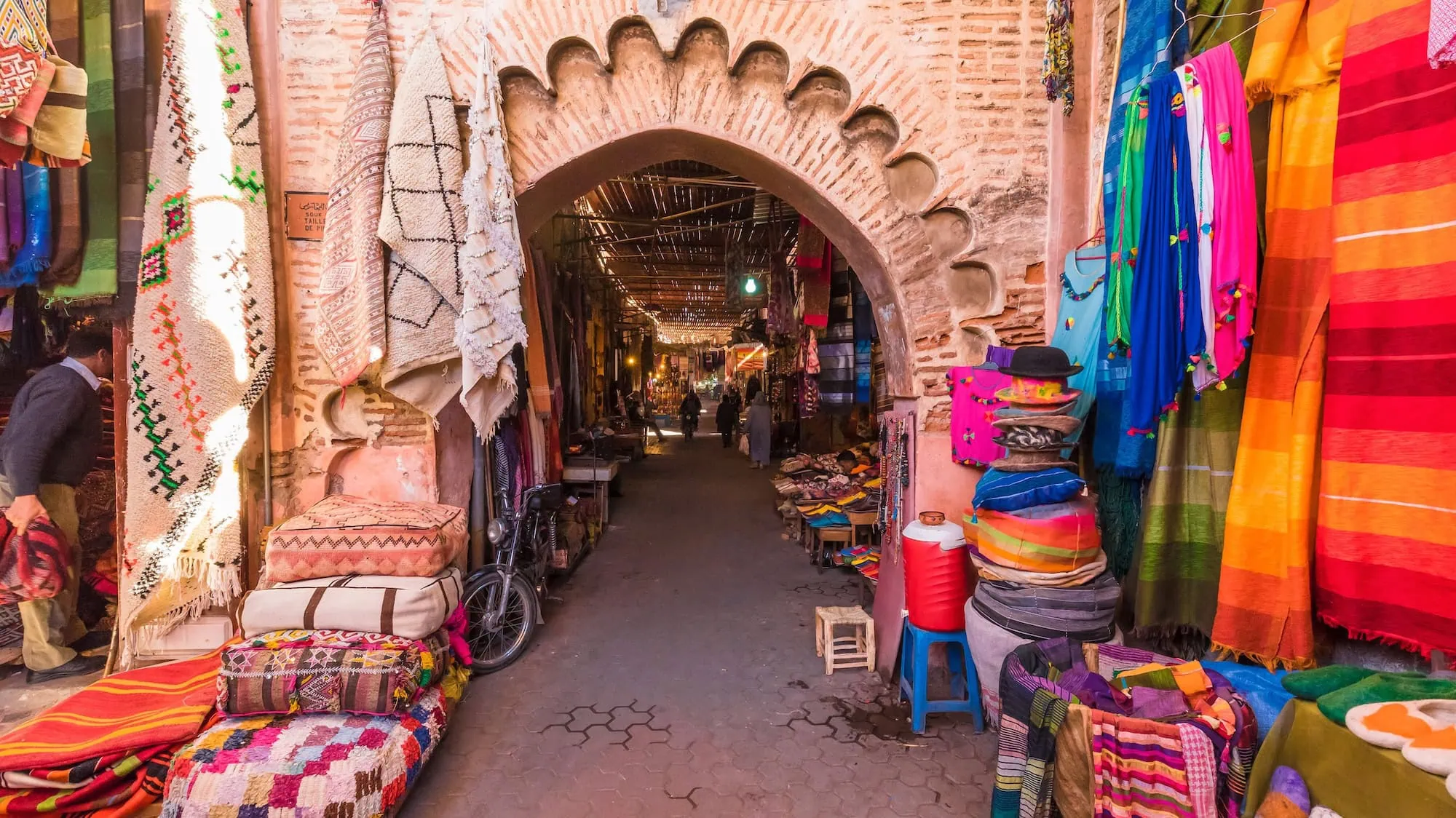
Many travelers prefer exploring medinas and souks independently. This approach allows spontaneous discoveries, extended time at personally interesting spots, and direct interaction with local merchants. Walking through Marrakech’s Djemaa el-Fna at your own pace reveals layers of activity that guided tours often rush past.
Digital maps work reasonably well in major cities, though GPS signals sometimes falter within dense medina walls. Download offline maps before entering these historic quarters.
Safety Considerations for All Travelers
Morocco maintains relative stability compared to other North African countries, but standard travel precautions remain important for safe, enjoyable experiences.
Petty theft targets tourists in crowded areas like train stations, bus terminals, and popular squares. Keep passports, large amounts of cash, and electronic devices in hotel safes when possible. Carry only necessary items and small amounts of spending money during daily excursions.
Tourist police patrol major attractions and medinas, identifiable by their distinctive uniforms and “Police Touristique” badges. These officers speak multiple languages and assist with directions, disputes, or emergencies. However, some individuals pose as police to exploit tourists – always verify official identification before complying with requests.
Specific Concerns for Women
Solo female travelers face additional considerations in Morocco’s traditional society. While dangerous situations remain uncommon, cultural differences affect social interactions significantly. Dressing conservatively reduces unwanted attention and demonstrates cultural awareness.
Street harassment occasionally occurs, particularly in tourist-heavy areas where some men view foreign women as approachable. Confident body language, avoiding eye contact with persistent individuals, and walking purposefully usually defuses these situations quickly.
Staying in reputable riads or hotels provides better security than budget accommodations lacking proper reception services. Many female travelers prefer rooming in traditional riads where families create protective, welcoming environments.
Health and Medical Precautions
Tap water quality varies significantly across Morocco. While major hotels treat their water supplies, we recommend bottled water for drinking, teeth brushing, and ice cubes. Moroccan bottled water brands like Sidi Ali and Ain Saiss meet international standards and cost very little.
Food safety requires attention, particularly with street vendors and small restaurants. Busy establishments with high turnover typically maintain fresher ingredients than empty shops where food sits longer. Cooked dishes served hot pose fewer risks than cold salads or pre-prepared items.
Travel insurance becomes essential given medical facility variations between cities and rural areas. Casablanca and Rabat offer modern hospitals with international standards, while remote Atlas Mountain villages have limited medical resources.
Money Matters and Currency Exchange
The Moroccan dirham operates as a closed currency, meaning you cannot obtain it outside Morocco or export it when leaving. This system requires planning your cash needs carefully and exchanging unused dirhams before departure.
Banking and ATM Access
ATMs operate reliably in cities and tourist areas, accepting most international debit and credit cards. Bank networks like BMCE, Attijariwafa Bank, and Banque Populaire maintain extensive ATM coverage. However, smaller towns and rural areas often lack ATM access, making cash planning crucial for extended travels.
International transaction fees vary by bank and card type. Contact your financial institution before traveling to understand fee structures and notify them of your travel plans to prevent fraud holds on your accounts.
Credit Card Acceptance
Upscale hotels, restaurants, and shops in major cities accept credit cards, though cash preferences remain common. Visa and Mastercard work more reliably than American Express or Discover cards. Always carry sufficient cash as backup since card processing systems sometimes fail during peak usage periods.
Small vendors, taxis, and traditional markets operate on cash-only bases. Budget approximately 200-400 dirhams daily for meals, transportation, and incidental purchases in tourist areas.
Tipping Culture
Tipping customs vary by service type and location. Restaurant servers expect 10-15% in tourist establishments, though rounding up bills suffices in local eateries. Hotel porters appreciate 10-20 dirhams per bag, while housekeeping staff receive 20-50 dirhams per night depending on accommodation level.
Taxi drivers don’t expect tips for standard rides, but rounding fares to convenient amounts shows appreciation. Tour guides and drivers for day excursions typically receive 50-100 dirhams depending on service quality and group size.
Frequently Asked Questions
March through May and September through November offer the most comfortable weather conditions, with moderate temperatures and minimal rainfall.
US citizens, Europeans, and many other nationalities receive automatic 90-day tourist stamps upon arrival without visa requirements.
Generally yes, though cultural awareness and conservative dress help minimize unwanted attention from local men.
Lightweight, modest clothing covering arms and legs, comfortable walking shoes, sun protection, and prescription medications if needed.
Budget travelers need 300-500 dirhams daily, mid-range comfort requires 800-1,200 dirhams, luxury starts at 2,000 dirhams per person.
Tourism professionals often speak English, but French and Arabic dominate daily communication throughout the country.
The Moroccan dirham is the only accepted currency. Credit cards work in major establishments but cash remains necessary.
Download offline maps, hire certified guides for complex areas, or embrace getting lost as part of the adventure experience.
In traditional markets and souks, bargaining is expected and culturally normal, while fixed-price stores clearly display pricing.
Standard travel vaccinations like hepatitis A and typhoid are recommended. Consult travel medicine specialists 4-6 weeks before departure.
Tourist hotels and restaurants in major cities serve alcohol, but availability decreases in traditional accommodations and rural areas.
Design Your Custom Tour
Explore Egypt & Morocco your way by selecting only the attractions you want to visit