

Morocco Day Tours – The Ultimate Guide
Morocco beckons with endless adventure.
Each region offers distinct experiences, from the bustling medinas of imperial cities to the serene valleys of the Atlas Mountains. Whether you’re drawn to the azure streets of Chefchaouen or the golden dunes of the Sahara, day tours provide the perfect way to explore Morocco’s diverse landscapes and rich cultural heritage. With professional guides and carefully planned itineraries, you can maximize your time while gaining authentic insights into Berber traditions, ancient history, and modern Moroccan life.
Our expertly crafted day tours combine cultural immersion with practical comfort, ensuring you experience the real Morocco without the stress of independent travel planning.
Explore Morocco’s Imperial Cities in a Day
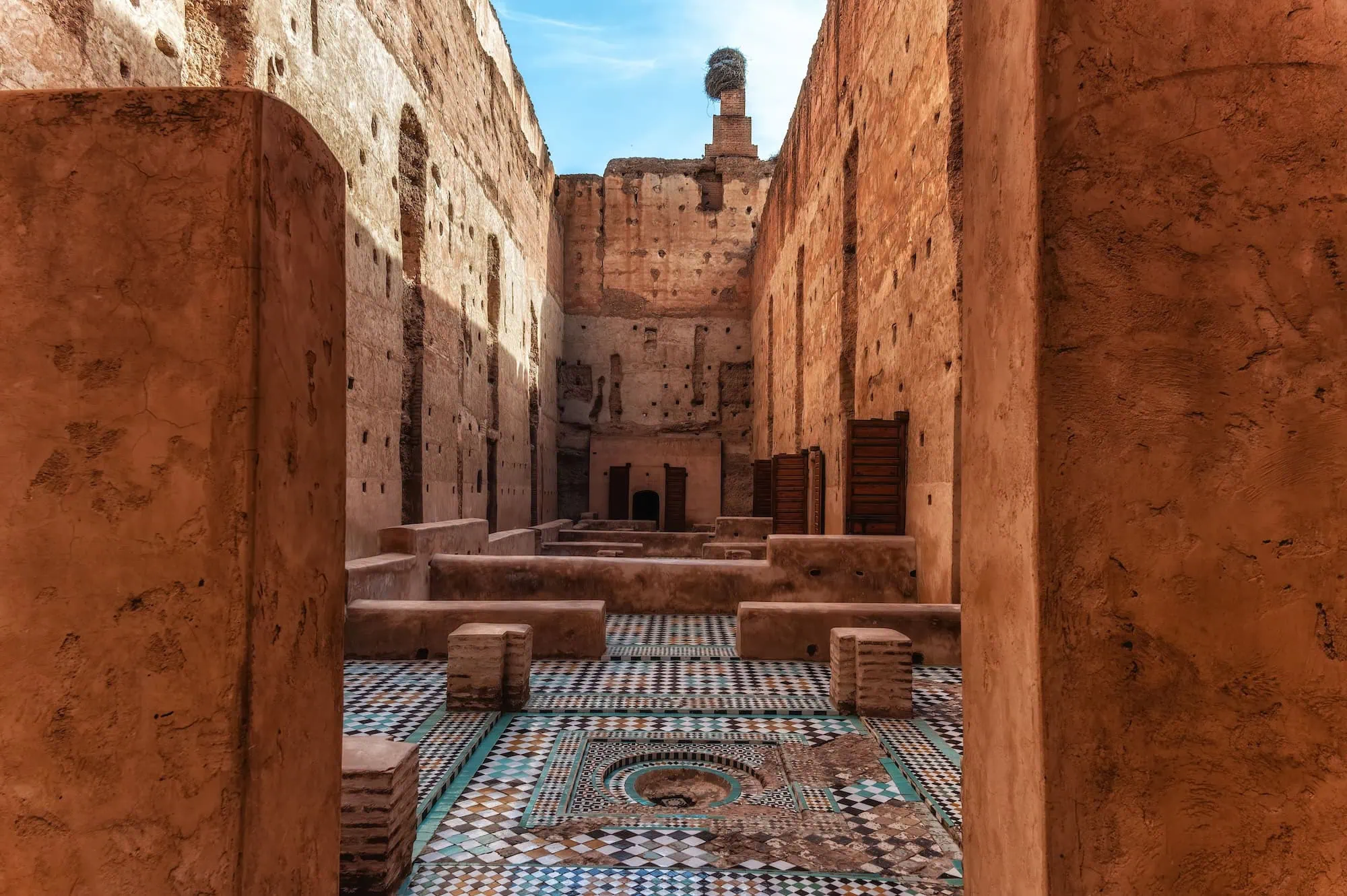
Morocco’s four imperial cities each tell a unique story of dynasties, trade routes, and architectural brilliance. Marrakech captivates visitors with its vibrant Djemaa el-Fna square, where snake charmers and storytellers create an atmosphere unchanged for centuries. The city’s souks overflow with handcrafted goods, from intricate metalwork to colorful textiles, while the Bahia Palace showcases exquisite Islamic architecture.
Marrakech: The Red City Experience
Start your Marrakech exploration at the iconic Koutoubia Mosque, whose 12th-century minaret dominates the skyline. Navigate the labyrinthine souks with your guide, who helps decode the organized chaos of merchants and artisans.
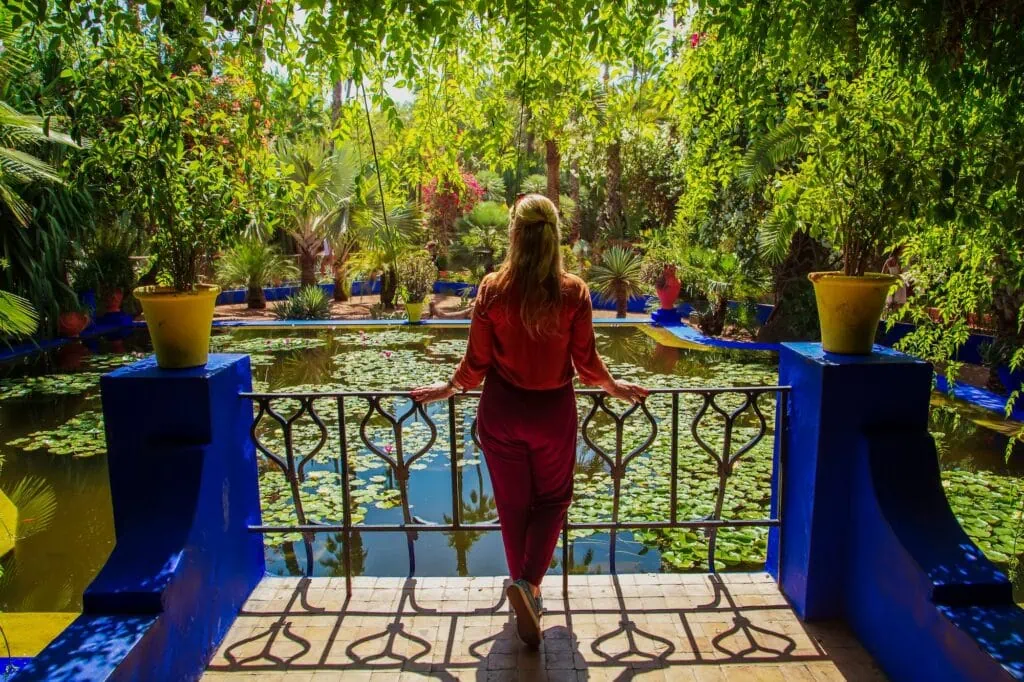
The Saadian Tombs reveal Morocco’s royal history, while the Majorelle Garden provides a peaceful escape with its exotic plants and striking blue buildings. Modern Marrakech emerges in Gueliz district, where French colonial influence blends with contemporary Moroccan style.
Fez: Medieval Medina and Artisan Traditions
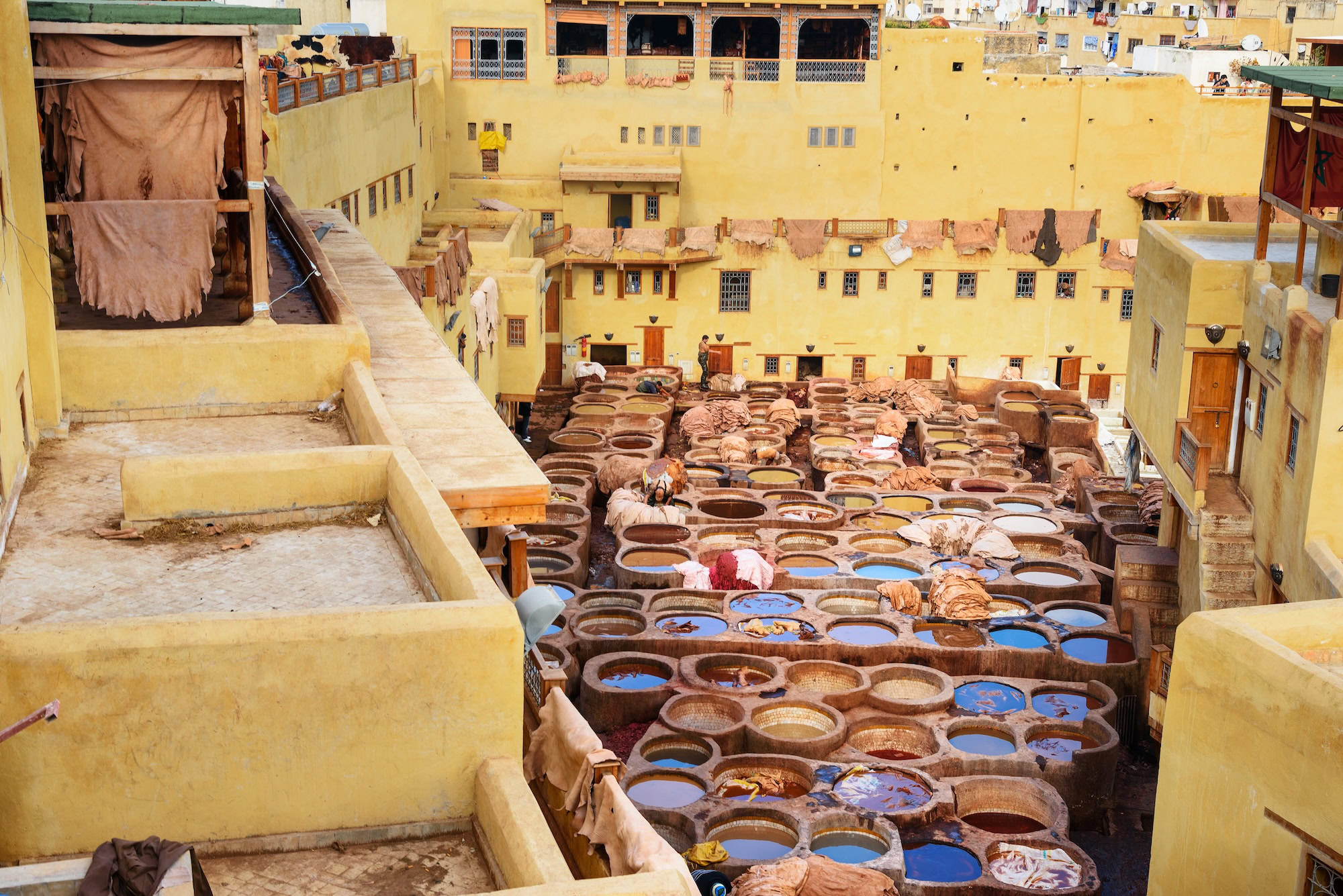
Fez represents Morocco’s intellectual and spiritual heart, home to the world’s oldest continuously operating university. The medina’s narrow alleys lead to hidden fondouks, traditional workshops where craftsmen practice skills passed down through generations. Watch leather tanners work in the famous Chouara Tannery, using methods unchanged since medieval times. The Al-Qarawiyyin Mosque and University complex demonstrates Islamic scholarship’s profound influence on North African culture.
Casablanca: Modern Morocco Meets Tradition
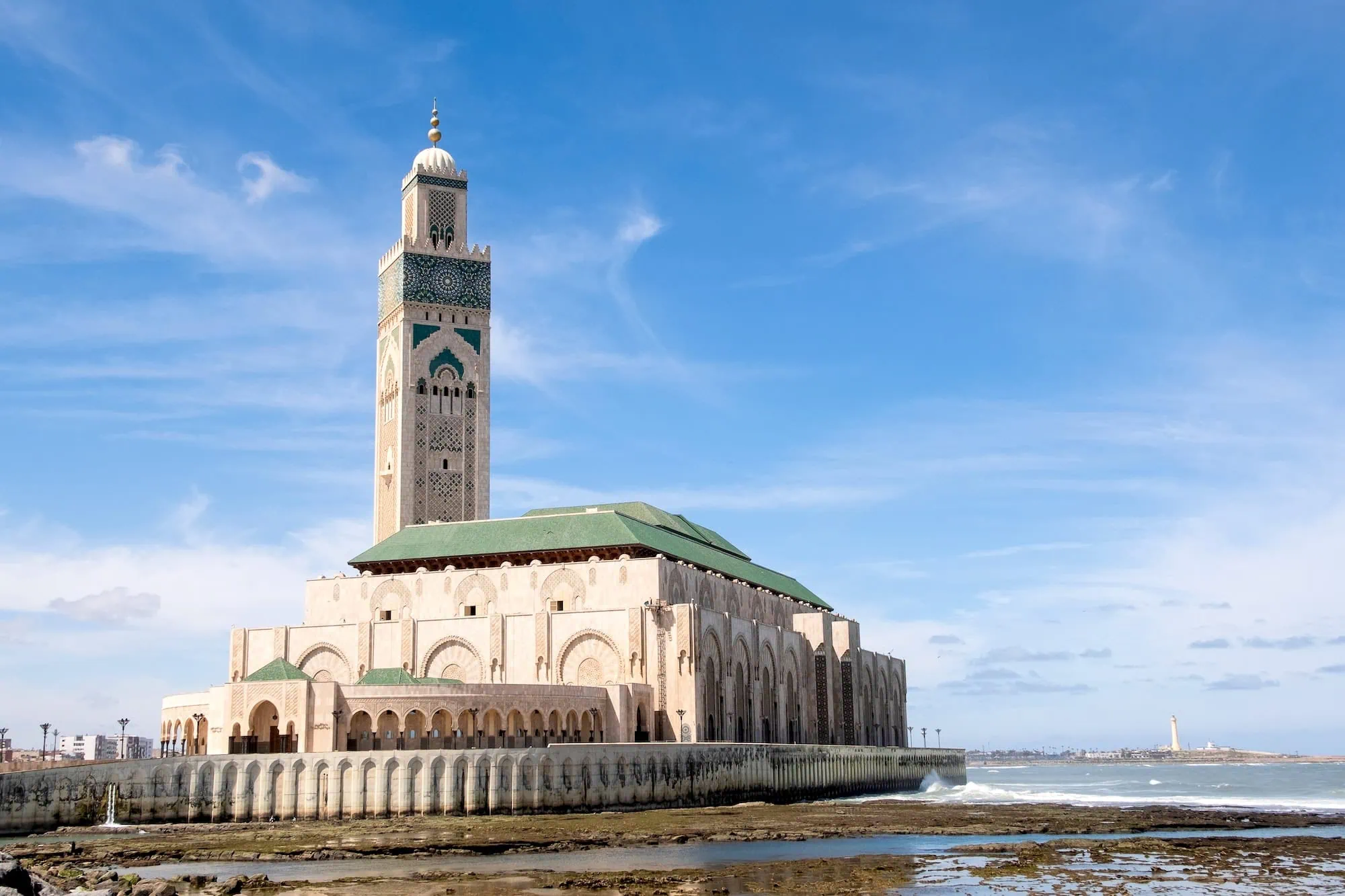
Casablanca showcases Morocco’s economic dynamism while honoring its cultural roots. The Hassan II Mosque stands as one of the world’s largest mosques, its minaret reaching 210 meters (689 feet) into the sky. The corniche offers spectacular Atlantic Ocean views, while the Art Deco architecture in downtown Casablanca reflects the city’s French colonial period. Modern shopping districts demonstrate Morocco’s growing influence in African commerce.
Atlas Mountains and Desert Adventures
The Atlas Mountains create a dramatic backdrop for Morocco’s most spectacular day trips. These ancient peaks separate the coastal regions from the Sahara, creating diverse microclimates and stunning landscapes within short distances.
Ouarzazate serves as the gateway to the desert, where Hollywood productions regularly film against the backdrop of authentic kasbahs and dramatic gorges. The journey through the Atlas reveals Berber villages clinging to mountainsides, their adobe houses blending seamlessly with the rocky terrain. Traditional irrigation systems called khettaras demonstrate ingenious water management in arid regions.
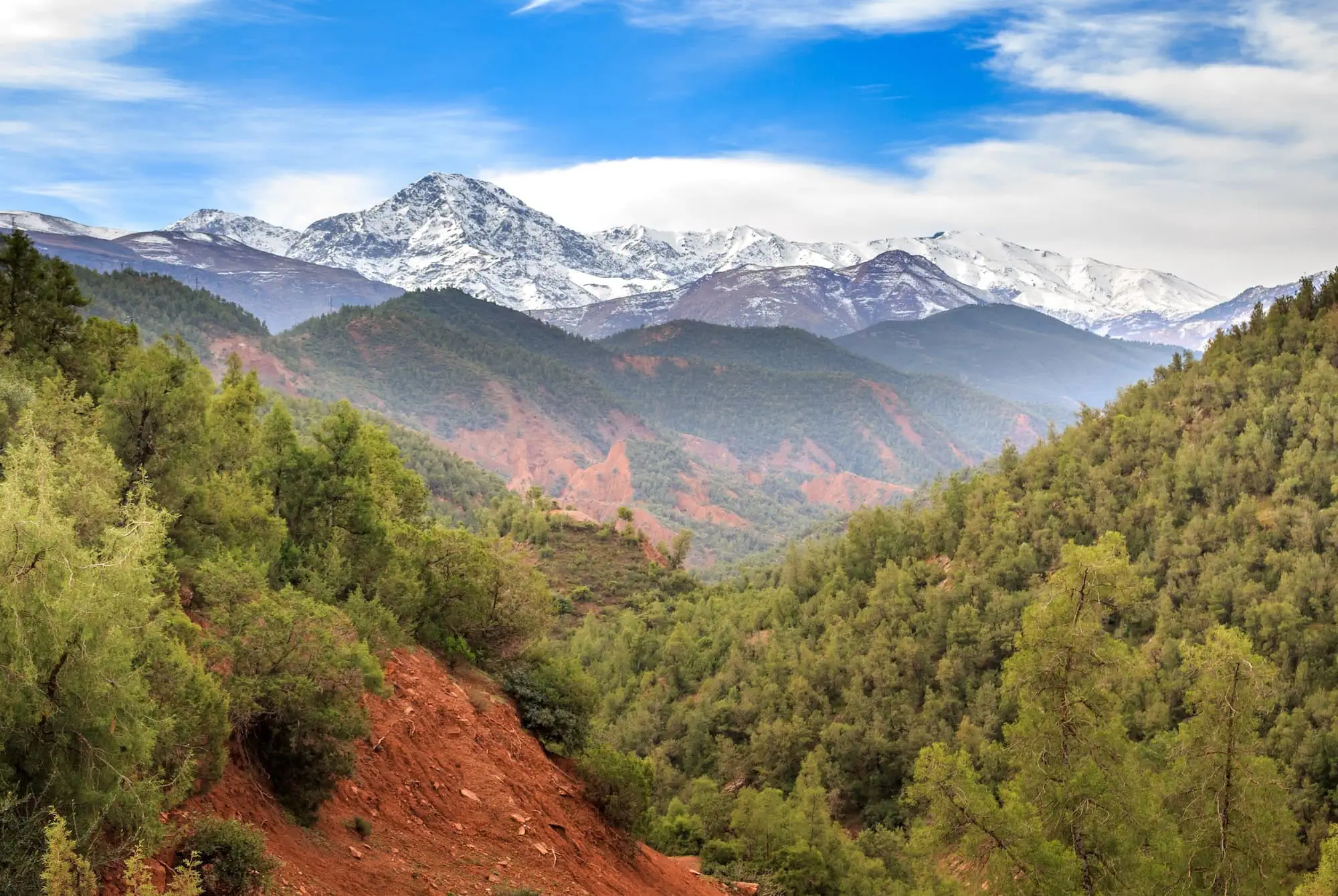
The contrast between Morocco’s green valleys and desert landscapes becomes apparent as you travel south. Palm groves give way to red earth formations, while the air becomes drier and the light more intense. This transition zone offers photographers incredible opportunities to capture Morocco’s geographic diversity in a single day.
Ait Benhaddou and Film Location Tours
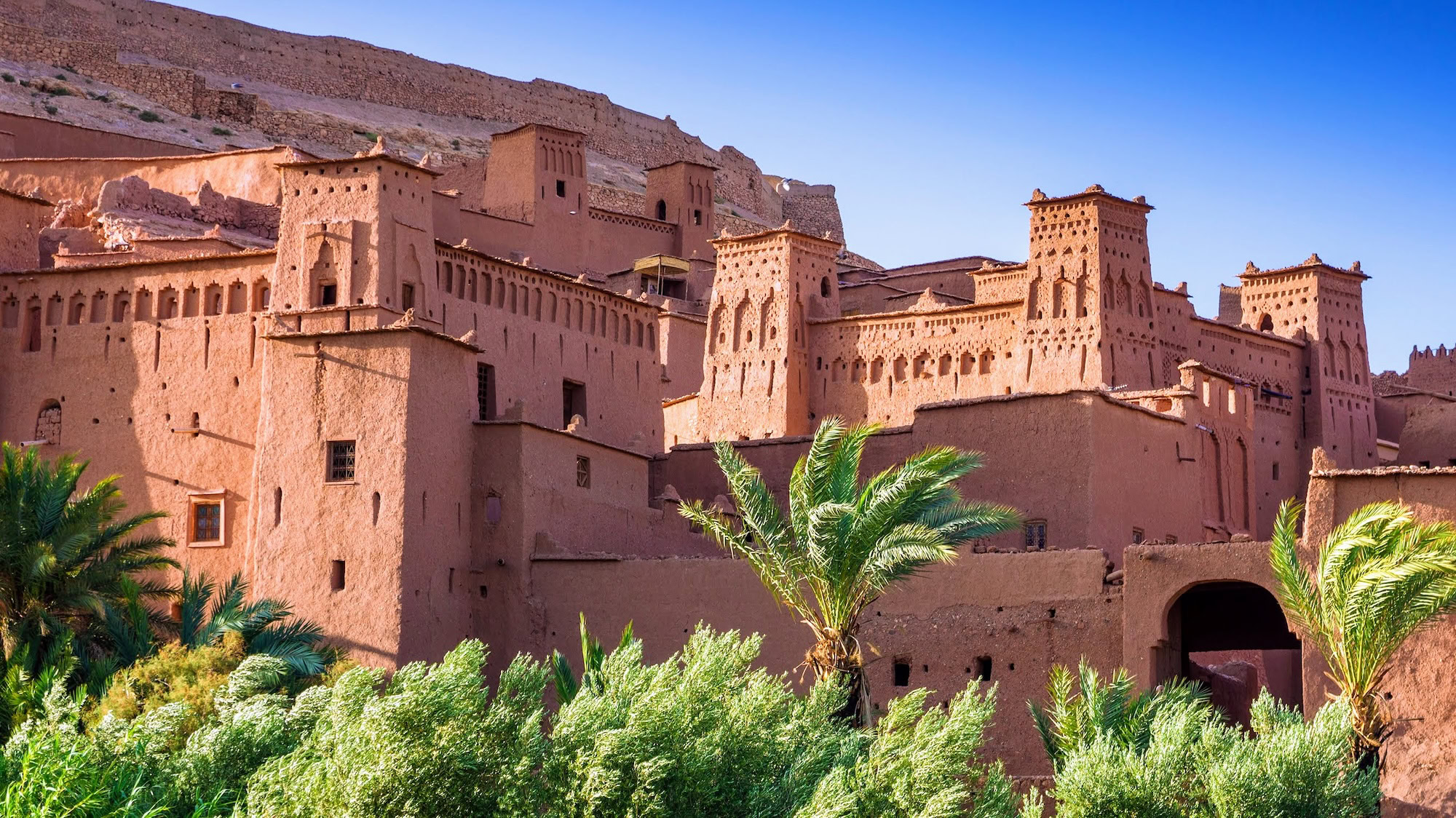
This UNESCO World Heritage ksar represents traditional pre-Saharan architecture at its finest. The fortified village appears in numerous international films, from “Lawrence of Arabia” to “Game of Thrones.” Climbing to the ksar’s highest point reveals panoramic views across the Ounila River valley. Local guides share stories about the families who still live within these ancient walls, maintaining traditions that date back over 1,000 years.
Essaouira: Coastal Charm and Artistic Heritage
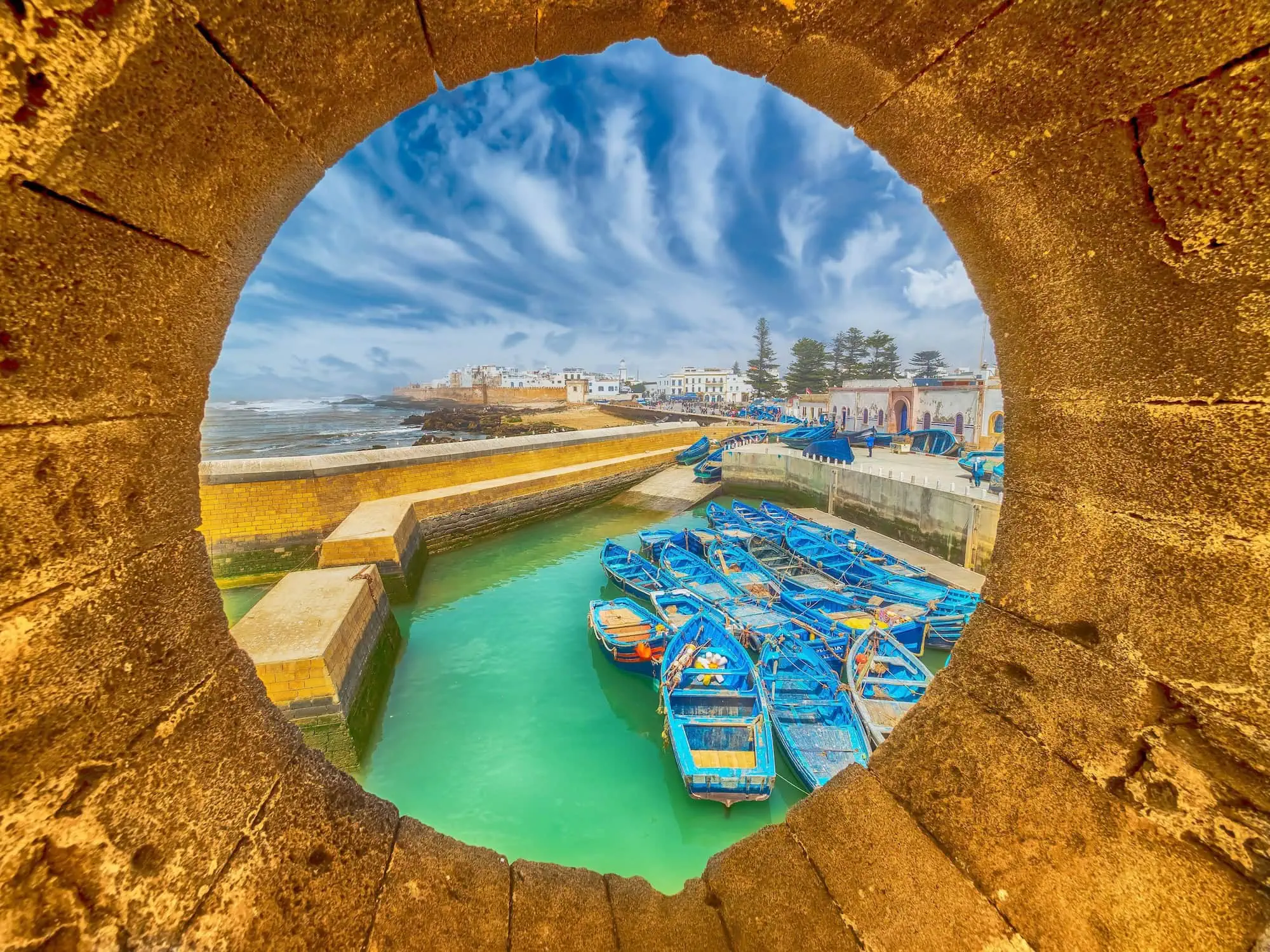
Essaouira’s medina contrasts sharply with inland imperial cities, reflecting centuries of Portuguese and French influence. The port city’s ramparts face the Atlantic, where strong winds create ideal conditions for windsurfing and kiteboarding. Thuya wood workshops produce intricate marquetry, while galleries showcase contemporary Moroccan art alongside traditional crafts. Fresh seafood markets operate directly on the harbor, where fishermen bring their daily catch.
Cultural Immersion and Local Experiences
Morocco’s cultural richness extends far beyond its famous monuments and landscapes. Rural communities maintain traditions that urban areas sometimes lose, offering visitors authentic glimpses into Berber life, traditional cooking methods, and ancient agricultural practices.
Berber villages in the High Atlas welcome guests with mint tea ceremonies that follow strict protocols of hospitality. Women’s cooperatives demonstrate argan oil production, from cracking nuts by hand to extracting the precious oil used in cosmetics and cooking. These cooperatives provide economic opportunities for rural women while preserving traditional knowledge about this indigenous tree species.
Cooking classes in local homes reveal the complexity of Moroccan cuisine beyond the familiar tagine. Participants learn to blend ras el hanout spice mixtures, prepare fresh bread in communal ovens, and understand the social significance of shared meals in Moroccan culture. Many families open their homes to visitors, creating connections that transcend language barriers through the universal language of food and hospitality.
Traditional music workshops introduce visitors to Gnawa rhythms, Berber folk songs, and the intricate patterns of Arabic calligraphy. These cultural exchanges benefit local communities economically while preserving artistic traditions for future generations.
Market visits become educational experiences when guided by local experts who explain seasonal produce, traditional medicine practices, and the social dynamics of Moroccan commerce. The interplay between vendors and customers follows unwritten rules that reflect broader cultural values about respect, patience, and community relationships.
Day Tour Logistics and Practical Planning
Transportation options vary significantly depending on your chosen destination and group size. Private vehicles offer maximum flexibility and comfort, particularly for families or travelers with specific interests. Air-conditioned modern vehicles ensure comfort during longer journeys through Morocco’s varied terrain.
Group tours provide opportunities to meet fellow travelers while reducing costs per person. Small groups of 6-8 people allow for more personalized experiences compared to large bus tours. Many operators limit group sizes to maintain the quality of interactions with local communities and guides.
Best Times to Visit Different Regions
Spring (March-May) and fall (September-November) offer ideal weather conditions for most regions. Summer temperatures in desert areas can exceed 45°C (113°F), making early morning departures essential for Sahara day trips. Coastal areas remain comfortable year-round, though Atlantic winds can be strong during winter months.
Mountain regions experience significant temperature variations between day and night, requiring layered clothing even during summer visits. Snow occasionally affects high-altitude passes during winter, potentially limiting access to some Atlas Mountain destinations.
Guide Services and Cultural Interpretation
Professional guides enhance day tour experiences immeasurably by providing historical context, cultural interpretation, and practical assistance with language barriers. Licensed guides undergo extensive training in Moroccan history, geography, and cultural sensitivity. Their local knowledge often reveals hidden gems that independent travelers might miss.
Language capabilities vary, with most professional guides speaking Arabic, French, and English fluently. Some specialize in additional languages including Spanish, German, or Italian. Guides also serve as cultural mediators, helping visitors understand appropriate behavior in religious sites, traditional homes, and market environments.
Specialized Day Tours and Unique Experiences
Photography tours cater to travelers seeking Morocco’s most photogenic locations during optimal lighting conditions. These specialized excursions visit locations at specific times to capture the interplay between architecture and natural light. Professional photographers often lead these tours, providing technical guidance alongside cultural information.
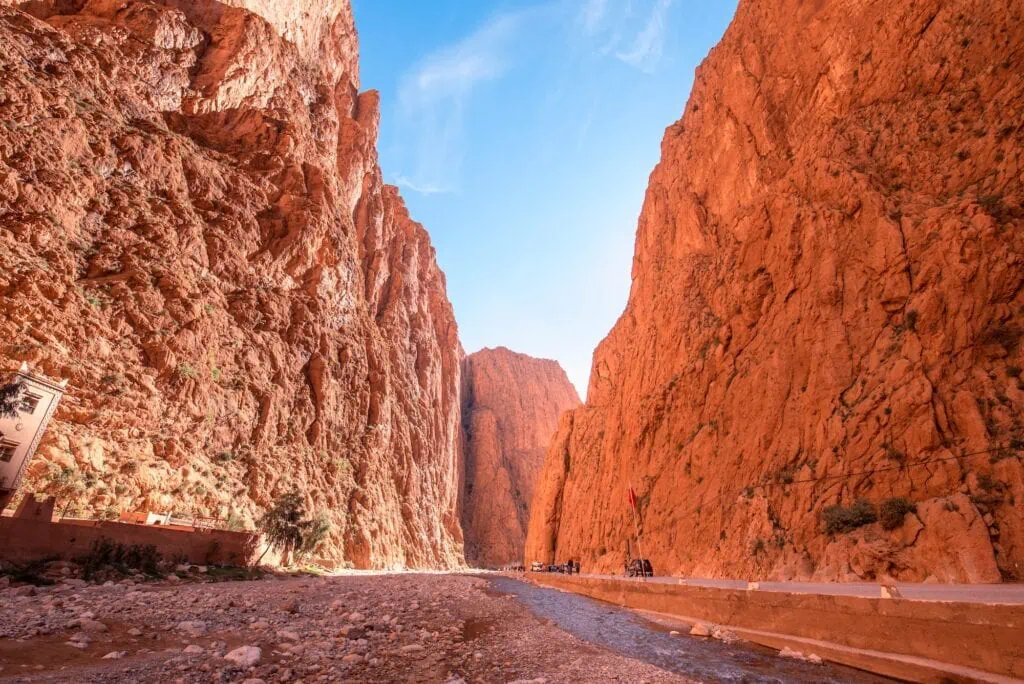
Adventure day trips combine cultural visits with outdoor activities like hiking, rock climbing, or mountain biking. The Todgha Gorges offer spectacular rock climbing opportunities within dramatic canyon settings. These tours require moderate fitness levels and provide all necessary equipment.
Spiritual and wellness tours focus on Morocco’s mystical traditions, visiting Sufi sites, traditional hammams, and meditation locations in peaceful garden settings. These experiences appeal to travelers seeking deeper connections with Moroccan spirituality and traditional healing practices.
Bird watching tours target Morocco’s position along major migration routes between Europe and Africa. Seasonal migrations bring hundreds of species through Moroccan wetlands, mountains, and coastal areas. Expert ornithologists guide these specialized tours, timing visits to coincide with peak migration periods.
Family-friendly adaptations ensure younger travelers remain engaged throughout day-long excursions. Interactive elements like treasure hunts in historical sites, hands-on craft workshops, and visits to animal sanctuaries cater specifically to children’s interests while maintaining educational value.
Seasonal Highlights and Regional Variations
Each season reveals different aspects of Moroccan culture and landscape. Spring brings almond blossoms to the Atlas Mountains and wildflowers to previously barren valleys. This season coincides with various local festivals celebrating agricultural cycles and religious observances.
Summer extends daylight hours, allowing for more comprehensive exploration but requiring careful scheduling to avoid midday heat. Coastal destinations become particularly attractive during summer months, offering relief from inland temperatures.
Autumn harvest seasons provide opportunities to participate in traditional agricultural activities like date collection in palm groves and olive pressing in mountain villages. These seasonal activities offer authentic cultural immersion opportunities rarely available to casual visitors.
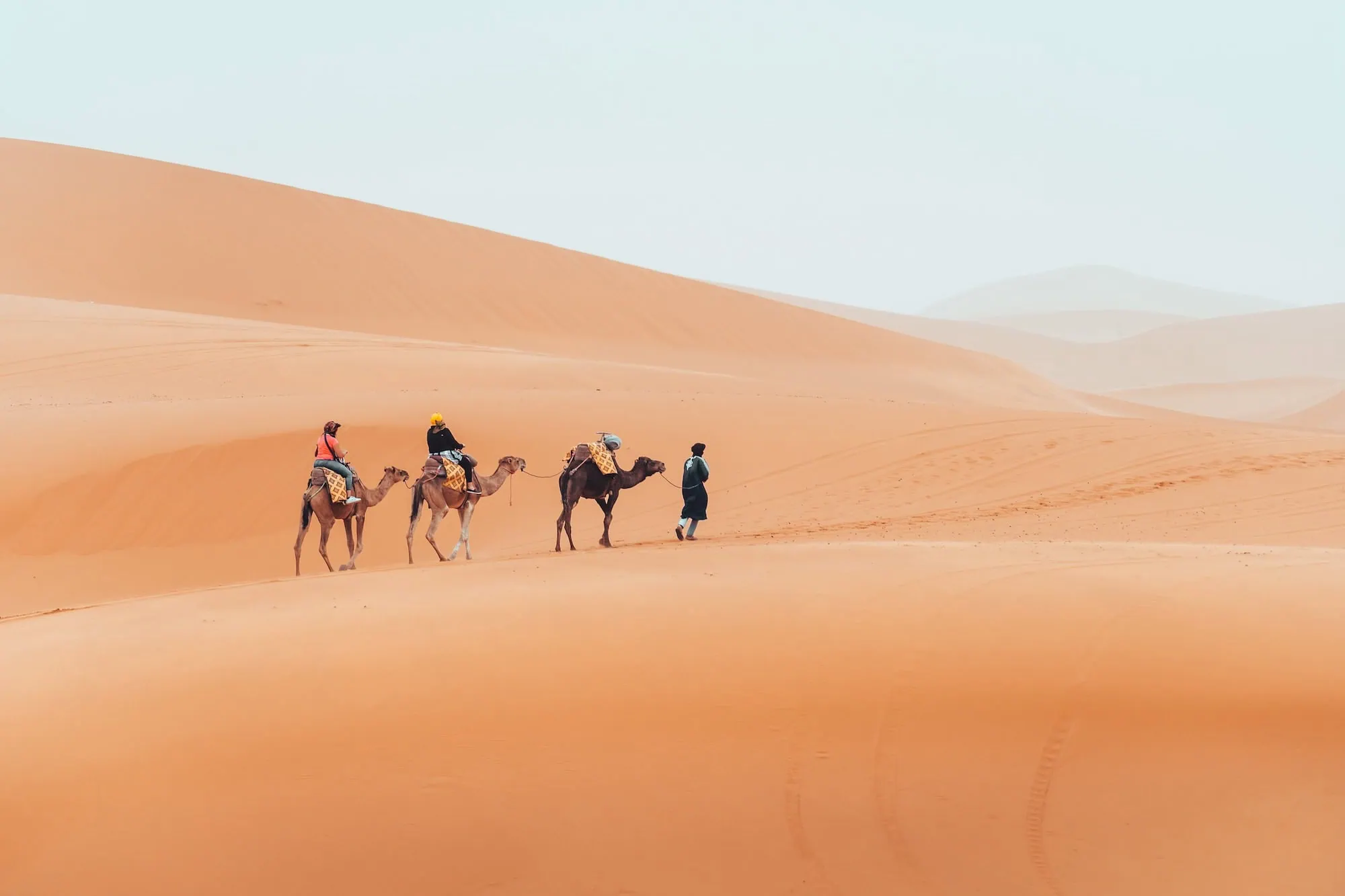
Winter transforms Morocco’s landscape, bringing snow to high mountain peaks while maintaining pleasant temperatures in most lowland areas. This season offers clear mountain views and excellent conditions for desert exploration.
Regional variations in climate, culture, and landscape mean that day tour options differ significantly across Morocco. Northern coastal areas maintain Mediterranean influences, while southern regions reflect deeper Saharan connections. Eastern areas show Atlas Mountain influences, and western coastal zones demonstrate Atlantic maritime character.
Frequently Asked Questions
Day tours typically run 8-12 hours, starting early morning around 8:00 am and returning by evening.
Dress modestly with long pants and covered shoulders. Comfortable walking shoes are essential.
Most full-day tours include lunch at local restaurants or traditional homes.
Tipping is customary in Morocco. Budget 50-100 dirhams per person for excellent service.
Professional tour operators accommodate vegetarian, vegan, and religious dietary requirements with advance notice.
Medina tours involve 2-3 hours of walking on uneven surfaces and moderate hiking ability.
Many operators offer family-friendly adaptations with shorter walking distances and interactive elements.
Licensed guides typically speak Arabic, French, and English fluently with specialized language options available.
Most destinations operate year-round, though extreme weather occasionally affects mountain passes and desert access.
Book 3-7 days in advance for guaranteed availability, especially during peak seasons.
Modern tour vehicles feature air conditioning, comfortable seating, and safety equipment.
Reputable operators have alternative indoor activities and flexible itineraries for severe weather conditions.
Design Your Custom Tour
Explore Egypt & Morocco your way by selecting only the attractions you want to visit