

Al Azhar Park – A Sea of Tranquility in the Midst of Bustling Cairo
Finding peace in Cairo’s bustling streets feels impossible until you discover this hidden gem.
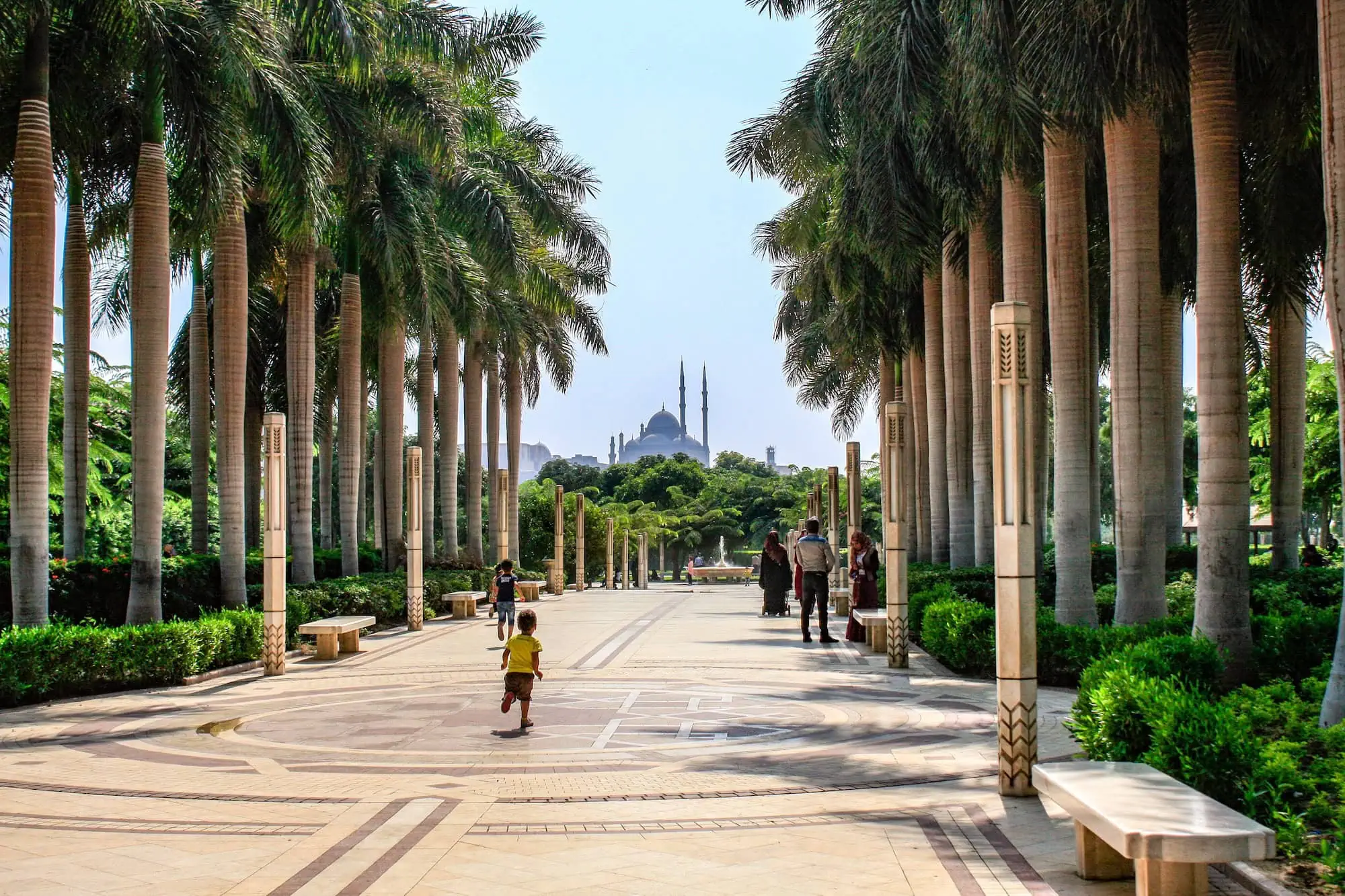
Al Azhar Park stands as one of the Middle East’s most remarkable urban transformation stories, where a former dumping ground evolved into a 30-hectare masterpiece of Islamic garden design.
Created through a visionary project by the Aga Khan Trust for Culture, this green oasis showcases traditional Persian garden elements while serving modern Cairo’s desperate need for public recreational space. We’ve witnessed countless visitors describe their first glimpse of the park’s terraced gardens and panoramic views as absolutely transformative.
Table of Contents
From Dumping Ground to Urban Paradise
The story begins in the 1980s when the Aga Khan first noticed this elevated site near the historic Darb al-Ahmar quarter. What appeared as nothing more than accumulated waste and debris held extraordinary potential for Cairo’s urban renewal.
Archaeological Discoveries Transform the Vision
Excavation work revealed stunning surprises beneath centuries of accumulated rubble. Teams uncovered a magnificently preserved section of the Ayyubid wall, built during the 12th century to fortify medieval Cairo. This 1.5-kilometer stretch of fortification had remained hidden for over 500 years, providing archaeologists with invaluable insights into Saladin’s defensive strategies.
The discovery fundamentally changed the park’s design approach, integrating historical preservation with landscape architecture.
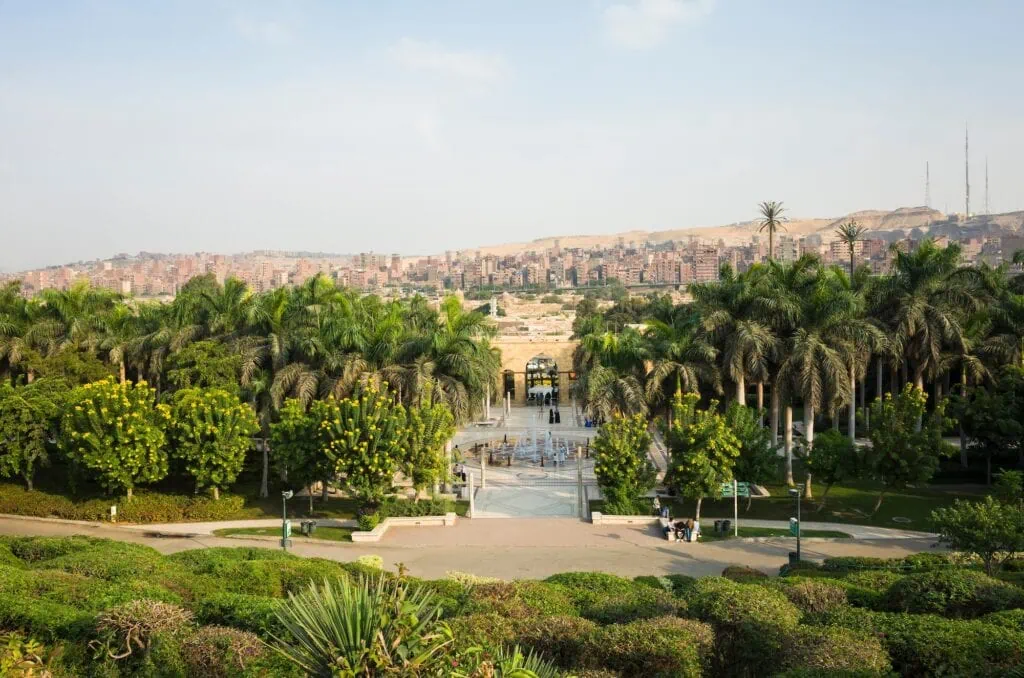
Environmental Restoration Creates New Possibilities
Soil remediation required removing over 80,000 cubic meters of waste and contaminated material. Engineers then imported fertile soil and implemented advanced irrigation systems designed specifically for Cairo’s arid climate. The transformation addressed multiple urban challenges simultaneously – creating green space, improving air quality, and providing community gathering areas for surrounding neighborhoods.
Community Integration Drives Long-term Success
Local residents from the nearby Islamic Cairo districts participated directly in the park’s development through employment programs and skills training. Many continue working as gardeners, maintenance staff, and tour guides, ensuring authentic community connection to the space.
This approach created sustainable economic opportunities while preserving traditional knowledge about Egyptian horticulture and Islamic garden maintenance. The park’s design team consulted extensively with neighborhood elders about traditional plant varieties, seasonal cultivation practices, and water conservation techniques passed down through generations of Cairo residents.
Masterful Islamic Garden Design Elements
Traditional Islamic gardens represent paradise on earth through specific symbolic arrangements. Al Azhar Park embraces these principles while adapting them for contemporary public use and Egypt’s challenging climate conditions.
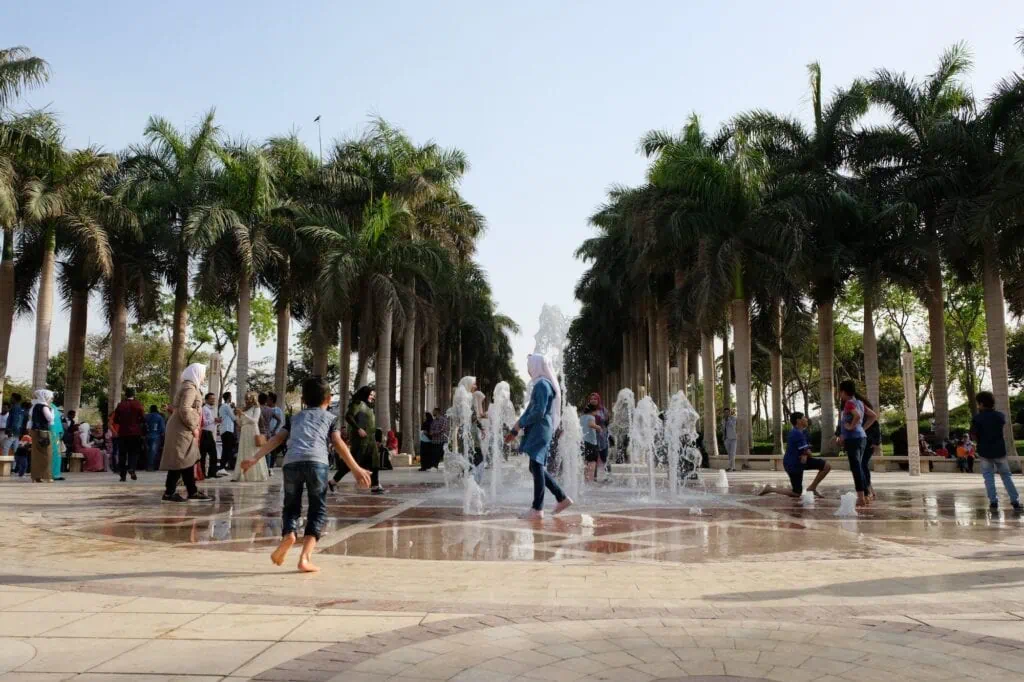
Water flows throughout the park in carefully engineered channels and fountains, following traditional four-river paradise concepts found in Persian and Moorish garden design. These water features serve both symbolic and practical purposes, creating cooling microclimates while reducing ambient temperatures by up to 5°C during summer months.
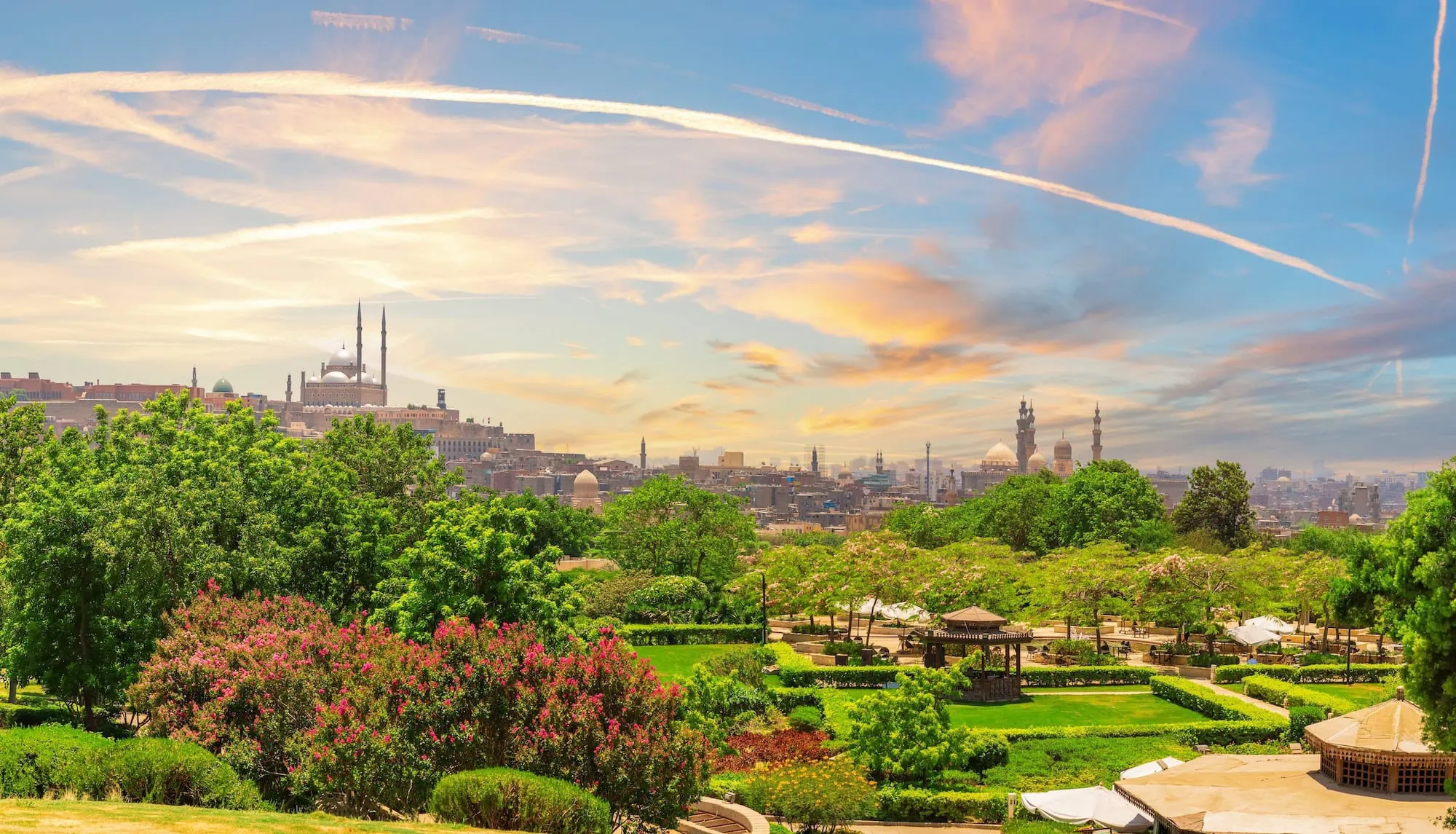
The irrigation system relies on recycled wastewater, treated on-site to support sustainable water management in a water-scarce region. Geometric patterns appear everywhere from pathway layouts to planted beds, reflecting mathematical principles central to Islamic art and architecture.
Sycamore trees, native Egyptian date palms, and drought-resistant Mediterranean species create layered canopy coverage. Rose gardens, jasmine hedges, and citrus groves provide seasonal color and fragrance while requiring minimal water inputs compared to conventional landscaping approaches.
Spectacular Views and Strategic Location
Elevated position provides unmatched panoramic perspectives across historic Cairo’s most significant monuments. The main viewing terrace delivers sweeping vistas encompassing the Citadel, Muhammad Ali Mosque, and the sprawling medieval city beyond.
From various viewpoints throughout the park, visitors can identify dozens of historic mosques and madrasas dating from the Fatimid, Ayyubid, Mamluk, and Ottoman periods. Early morning and late afternoon light creates particularly dramatic photography opportunities, with golden hour illumination highlighting architectural details across the Islamic Cairo UNESCO World Heritage site.
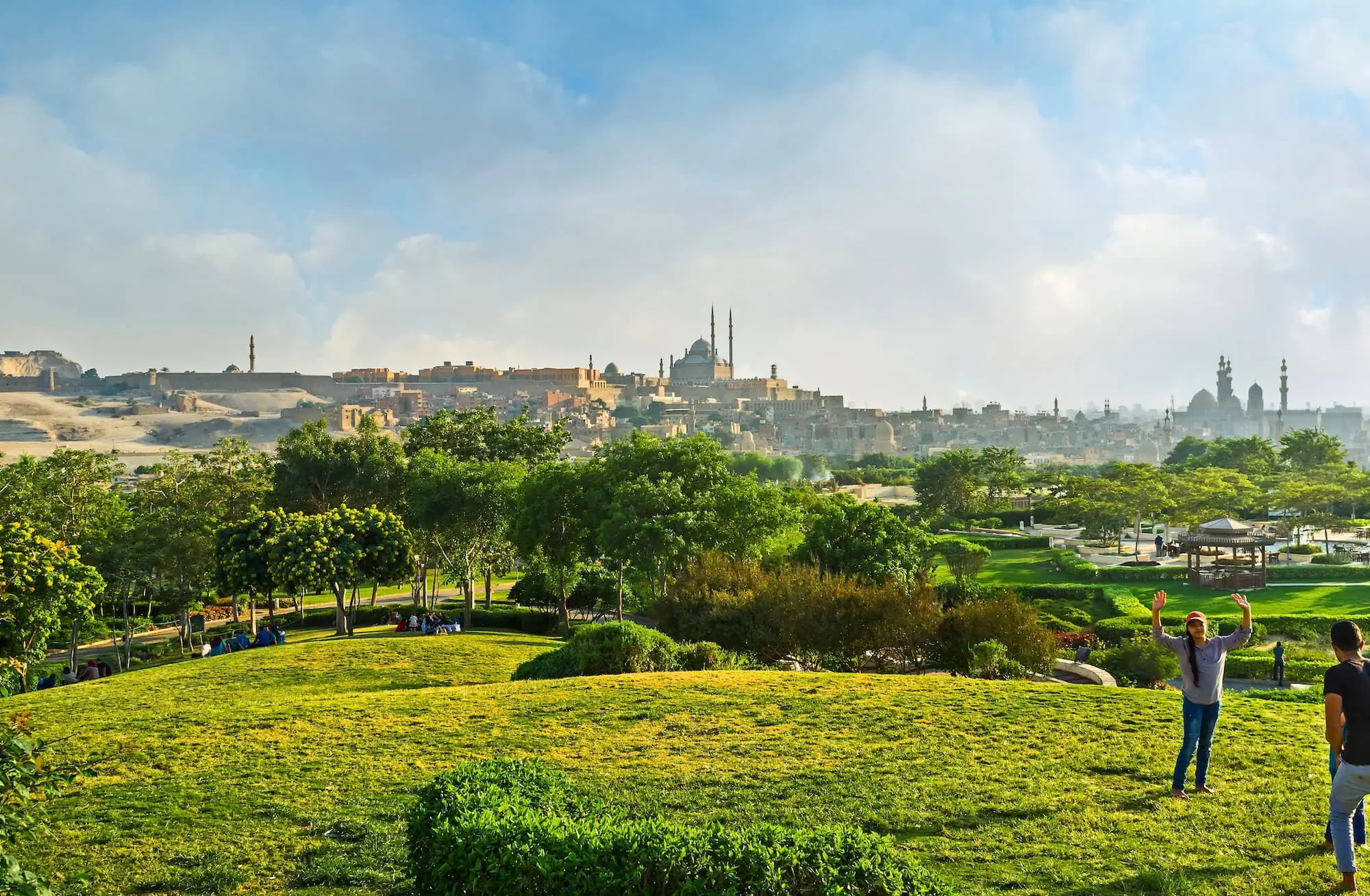
The park’s strategic location between the Citadel and the historic city center makes it an ideal starting point for exploring medieval Cairo’s attractions. Many visitors combine their park visit with tours of nearby Sultan Hassan Mosque, Ibn Tulun Mosque, or walking expeditions through Khan el-Khalili bazaar.
Weather conditions remain pleasant for outdoor activities throughout most of the year, with Mediterranean breezes providing natural cooling even during summer months. Winter temperatures between November and March create perfect conditions for extended garden walks and outdoor dining.
Facilities and Visitor Experience
Two restaurants within the park offer traditional Egyptian cuisine alongside international options, both featuring outdoor terraces overlooking the historic city. The upscale Citadel View Restaurant provides fine dining with panoramic views, while the lakeside café offers casual meals and refreshments in a more relaxed garden setting.
Family Activities and Recreation
Children’s play areas incorporate traditional Egyptian games and modern playground equipment designed to blend with the Islamic garden aesthetic. Families often choose Al Azhar Park for weekend picnics, birthday celebrations, and holiday gatherings, taking advantage of shaded seating areas and well-maintained facilities.
Guided tours operate in multiple languages, providing detailed explanations of the park’s history, archaeological discoveries, and horticultural features. Educational programs for school groups focus on environmental conservation, Islamic art principles, and Cairo’s urban development challenges.
Cultural Programming and Events
Regular cultural events include outdoor concerts featuring traditional Arabic music, poetry readings, and seasonal festivals celebrating Islamic holidays. The park’s amphitheater hosts performances that connect contemporary Egyptian culture with historical traditions.
Art exhibitions in the visitor center showcase work by local artists inspired by Islamic geometric patterns and garden themes. Photography workshops help visitors capture the park’s beauty while learning about Islamic architectural photography techniques.
Practical Visiting Information
Al Azhar Park opens daily from 9:00 am to 10:00 pm, with extended hours during Ramadan and summer months. Entry fees support ongoing maintenance and community programs, with reduced rates for Egyptian residents and students.
The main entrance on Salah Salem Street provides easy access via taxi or private vehicle, with on-site parking available. Public transportation options include bus routes stopping near the park entrance, though many visitors prefer taxi service for convenience and comfort.
U.S. visitors should ensure their tourist visa remains valid throughout their stay, as Egypt requires passports with at least six months remaining validity. European Union citizens enjoy similar visa-on-arrival privileges, while visitors from Latin America and other regions should verify specific requirements before travel.
Getting the Most from Your Visit
Plan at least three hours to explore the park’s main features comfortably, including time for refreshments and photography. Comfortable walking shoes are essential for navigating terraced pathways and uneven stone surfaces. Sun protection remains important year-round, with hats and sunscreen recommended even during winter months.
Consider combining your park visit with nearby attractions to maximize your time in historic Cairo. The Museum of Islamic Art, located approximately 2 kilometers away, provides excellent context for understanding the artistic traditions reflected in the park’s design.
Our decades of experience guiding visitors throughout Egypt have shown that Al Azhar Park serves as an perfect introduction to Islamic culture and Cairo’s complex urban character, providing peaceful reflection space while offering educational insights into the city’s remarkable transformation potential.
Discover Cairo’s Green Escape At Al Azhar Park
Al Azhar Park offers a completely different side of Cairo, where beautifully landscaped gardens, panoramic city views, and elegant dining create a peaceful escape in the heart of the historic capital. Pair it with nearby Islamic Cairo, the Pyramids of Giza, luxury Nile experiences, or Egypt’s ancient temples for a journey that blends culture, comfort, and relaxation seamlessly.
With our custom Egypt tour planner, you can choose your travel dates, pace, accommodations, experiences, and route while our Egypt specialists take care of every detail. We create private, tailor-made Egypt vacations designed entirely around how you want to experience the country.
Frequently Asked Questions
Al Azhar Park is typically open daily from 9:00 am until 10:00 pm, with extended evening hours often introduced during Ramadan and major public holidays. The 30-hectare (74-acre) park becomes especially popular after sunset when Cairo temperatures cool and city views illuminate across Islamic Cairo and the Citadel skyline. Restaurants and cafes inside the park may operate on slightly different schedules than the gardens themselves. Evening visits are particularly popular with local families, so early morning offers a quieter atmosphere.
Entry fees for Al Azhar Park vary depending on nationality, age category, and special event schedules, with discounted pricing commonly available for Egyptian residents and students. The park was developed by the Aga Khan Trust for Culture as a major urban restoration project and remains one of Cairo’s most affordable landscaped attractions. Additional charges may apply for concerts, restaurant reservations, or private events hosted inside the grounds. Carrying cash in Egyptian pounds is still recommended for smaller purchases.
Visitors are generally permitted to bring light personal snacks and drinks into Al Azhar Park, although large picnic setups or commercial food deliveries may be restricted by park management. Many travelers choose to dine inside the park because several restaurants and cafes overlook Cairo’s historic skyline and the Citadel of Saladin. The landscaped gardens include shaded seating areas ideal for relaxed breaks between walks. Weekend evenings tend to be busiest around dining terraces and panoramic viewpoints.
Yes, Al Azhar Park is highly suitable for children because it offers open green spaces, walking paths, playground areas, and family-oriented facilities rarely found in central Cairo. The park spans approximately 74 acres and provides a calmer environment than the city’s busy streets and archaeological sites. Families often visit in late afternoon when temperatures become more comfortable and fountains, gardens, and elevated viewpoints are especially pleasant. Weekdays usually feel less crowded than Thursday and Friday evenings.
Early morning and late afternoon provide the best photography conditions at Al Azhar Park because softer sunlight improves visibility across Cairo’s skyline and historic mosques. Sunset hours are especially popular since the elevated terraces overlook landmarks such as the Citadel of Saladin and the minarets of Islamic Cairo. Midday haze and harsh summer sunlight can reduce long-distance visibility significantly, particularly between May and September. Photographers seeking quieter conditions should arrive shortly after the park opens at 9:00 am.
Most visitors should plan at least 3 hours to comfortably experience Al Azhar Park’s gardens, panoramic viewpoints, restaurants, and restored historic areas. The park’s landscaped paths, fountains, and elevated terraces encourage slower exploration, particularly for travelers interested in photography or relaxed dining with city views. Many visitors combine the park with nearby Islamic Cairo attractions such as Khan el-Khalili or the Citadel within the same day. Evening visits often extend longer because of cooler temperatures and illuminated skyline views.
Most of Al Azhar Park’s primary pathways and public facilities accommodate wheelchairs and visitors with limited mobility, although some terraced garden sections involve inclines or uneven surfaces. The park was designed with broad walkways and accessible entrances that make large portions easier to navigate than many older Cairo attractions. Restaurants and major viewpoints are generally reachable without significant stair climbing. Visitors requiring specialized accessibility support should still confirm current conditions in advance, especially during major events or maintenance work.
Yes, Al Azhar Park remains open during Ramadan and often becomes especially lively after sunset when families gather for iftar meals and evening social events. Restaurants inside the park frequently offer special Ramadan menus, and operating hours are sometimes extended later into the night. The cooler evening atmosphere and illuminated skyline create one of Cairo’s most popular seasonal experiences during the holy month. Visitors planning dinner reservations should book ahead because weekends during Ramadan become particularly crowded.
Al Azhar Park sits close to several major Cairo landmarks, including the Citadel of Saladin, Sultan Hassan Mosque, Al-Rifa’i Mosque, and the historic streets of Islamic Cairo. Khan el-Khalili Bazaar and Al-Muizz Street can usually be reached within 10-20 minutes depending on traffic and transportation choice. The park’s elevated location makes it an excellent transition point between outdoor relaxation and intensive historical sightseeing. Many visitors pair the park with evening dinner plans after touring nearby medieval monuments throughout the day.
Al Azhar Park is easy to explore independently because pathways are clearly marked and the landscaped layout is straightforward for first-time visitors. However, guided tours can add valuable historical context about the Aga Khan Trust restoration project and the surrounding Islamic Cairo skyline visible from the park’s terraces. Egypt Tours Plus often combines the park with expert-led walking tours through nearby medieval districts and mosques. Independent visitors usually enjoy the park most when allowing extra time simply to relax and explore slowly.
Design Your Custom Tour
Explore Egypt your way by selecting only the attractions you want to visit