

Al-Gawhara Palace – A Place of Architectural Beauty
The Al-Gawhara Palace quietly stands within the Cairo Citadel walls, holding centuries of royal secrets. Built in 1814 by Muhammad Ali Pasha for his beloved wife Gawhara Hanem, this architectural gem represents one of Egypt’s finest examples of Ottoman palatial design.
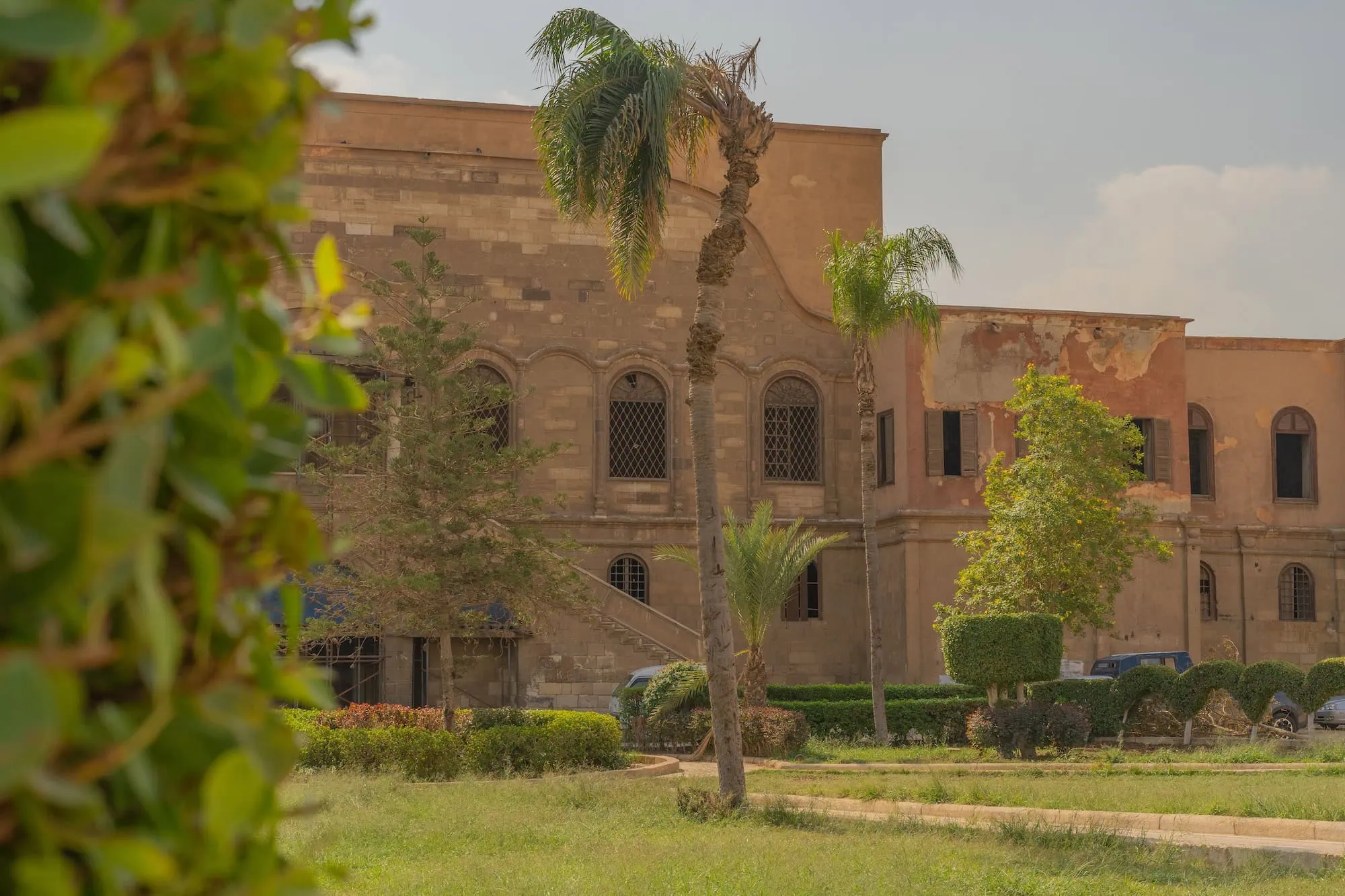
The palace served as the ruler’s private residence within the Saladin Citadel complex, combining traditional Turkish kushk style with European influences that reflected Muhammad Ali’s modernizing vision for Egypt. Named after his wife, whose name means “jewel” in Arabic, the palace has survived fires, political upheavals, and the passage of time to become one of Cairo’s most fascinating museums.
Today, we invite travelers to step inside this remarkable piece of Egyptian history, where French crystal chandeliers illuminate rooms that once hosted royal ceremonies and intimate family gatherings.
Table of Contents
Muhammad Ali’s Royal Vision and Palace Origins
The story of Al-Gawhara Palace begins with one of Egypt’s most transformative rulers. Muhammad Ali Pasha commissioned French architect Pascal Coste to design a residence that would reflect his position as Egypt’s modernizing leader while honoring Ottoman architectural traditions. Construction required skilled craftsmen from across the Ottoman Empire – Greeks, Turks, Bulgarians, and Albanians worked alongside local Egyptian artisans.
This international collaboration resulted in unique architectural details that you won’t find anywhere else in Cairo. The palace design incorporated Western elements rarely seen in traditional Islamic architecture of the period. Oval oeil-de-boeuf windows, European-style furnishings, and carefully planned garden views demonstrated Muhammad Ali’s embrace of international influences while maintaining distinctly Ottoman spatial organization.
The Palace Name and Royal Romance
Gawhara Hanem, Muhammad Ali’s wife, inspired both the palace’s name and many of its intimate design elements. The ruler wanted to create a space where she could enjoy privacy away from the formal court ceremonies that dominated palace life in the Citadel.
Fire and Reconstruction History
Two devastating fires in 1822 and 1824 forced complete reconstruction of major palace sections. Rather than simply rebuild, Muhammad Ali expanded the original design, adding the second floor and incorporating lessons learned from the fires to create better ventilation and safety features.
Architectural Masterpiece Within the Citadel Walls
Al-Gawhara Palace showcases the sophistication possible when Ottoman and European design principles merge harmoniously. The two-story pavilion structure maximizes natural light while maintaining the privacy essential for royal family life. French architect Pascal Coste’s influence appears throughout the building, from the carefully proportioned rooms to the innovative window placement that captures both morning and afternoon light.
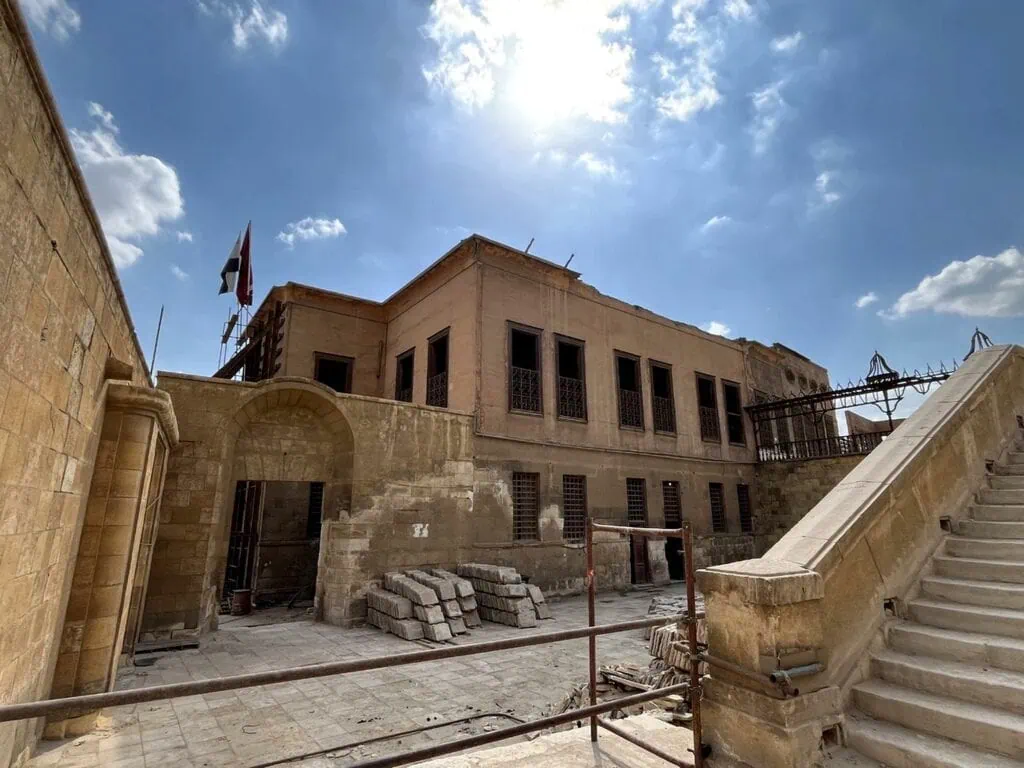
Interior spaces flow naturally from formal reception areas to private family quarters, demonstrating the complex social hierarchy of 19th-century Egyptian court life. Detailed stucco work, hand-painted ceiling decorations, and imported marble create an atmosphere of refined luxury that impressed visiting European dignitaries and Ottoman officials alike. The palace’s position within the larger Citadel complex provided both security and stunning views across medieval Cairo.
Strategic window placement allows natural cross-ventilation while offering panoramic vistas that extend from the Nile to the Mokattam Hills.
Turkish Kushk Architectural Elements
The kushk style, traditionally used for Ottoman summer pavilions, influenced the palace’s open layout and emphasis on garden connections. This architectural approach prioritized comfort and informal elegance over the imposing grandeur typical of formal Ottoman palaces.
Royal Treasures and European Diplomatic Gifts
Walking through Al-Gawhara Palace today, visitors encounter extraordinary artifacts that tell stories of international diplomacy and royal taste. The famous crystal chandelier weighing over 1,000 kilograms dominates the main reception hall, gifted by Louis-Philippe I of France as a symbol of growing Franco-Egyptian relations. Muhammad Ali’s throne, crafted by Italian artisans and presented by the King of Italy, demonstrates the ruler’s success in establishing Egypt as a significant player in European diplomatic circles.
These gifts represented more than mere luxury items – they served as physical symbols of Egypt’s emerging independence from Ottoman control. Period furniture, imported textiles, and decorative arts throughout the palace reveal the cosmopolitan nature of Muhammad Ali’s court. French Empire styles mixed with Ottoman traditions, while English and German pieces added variety to the royal collection.
Persian carpets, Chinese porcelain, and European crystal created an international atmosphere that impressed visitors from Constantinople to Paris. Each room tells part of the story of Egypt’s transformation from Ottoman province to virtually independent state under Muhammad Ali’s rule. Royal portraits and historical documents displayed throughout provide context for understanding how the palace functioned as both family home and diplomatic venue.
Museum Experience and Visitor Highlights
The Al-Gawhara Palace operates as a specialized museum within the larger Citadel complex, offering intimate access to royal living spaces that larger museums cannot provide. Unlike the grand halls of major Egyptian museums, these rooms maintain the scale and atmosphere of their original residential purpose. Original furnishings remain in position throughout most rooms, allowing visitors to experience authentic 19th-century royal interiors.
The preservation work maintains period color schemes, textile patterns, and decorative elements exactly as they appeared during the palace’s active years. Museum displays explain the historical context behind major artifacts while providing insight into daily life for Egypt’s royal family. Interactive elements help visitors understand the complex political relationships that shaped Muhammad Ali’s reign and influenced palace design decisions.
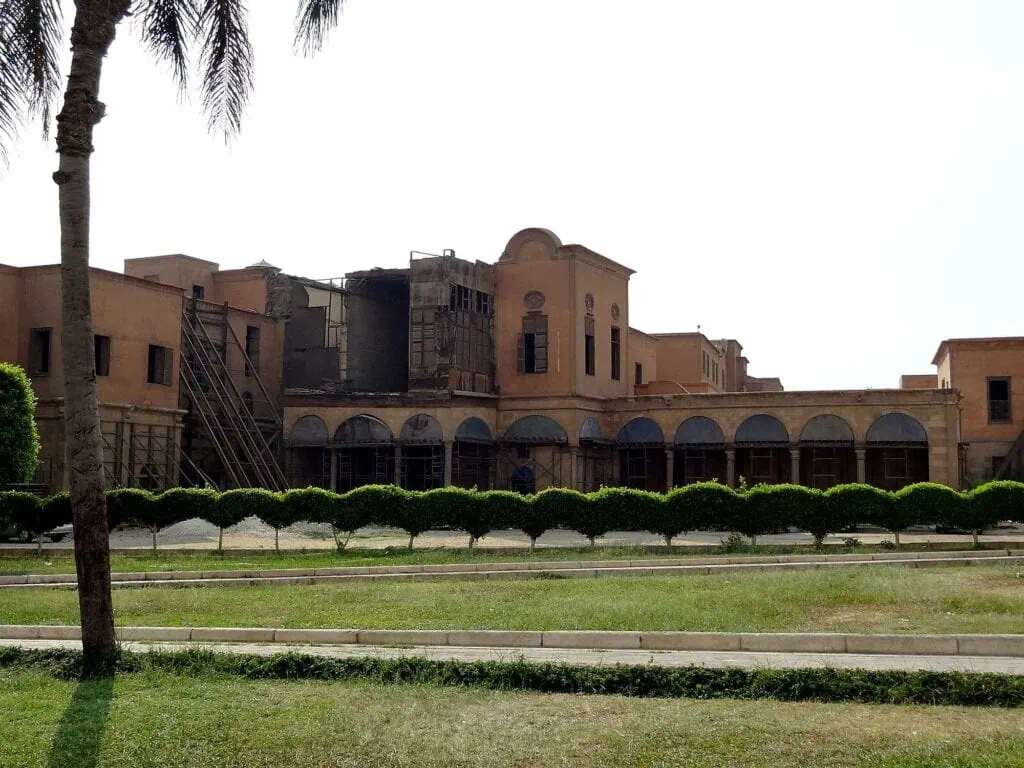
Photography policies vary by room, but many areas welcome visitors to capture the intricate details that make this palace unique among Cairo’s historical sites. The museum staff provides knowledgeable commentary about specific architectural features and historical events connected to particular rooms.
Guided Tour Advantages
Professional guides familiar with Ottoman history and 19th-century Egyptian politics enhance the palace experience significantly. They explain architectural details, historical context, and cultural significance that independent visitors might miss. We recommend booking tours that combine the Al-Gawhara Palace with other Cairo attractions for comprehensive historical understanding.
Best Photography Opportunities
The throne room’s crystal chandelier creates dramatic lighting conditions perfect for architectural photography. Early morning visits provide the best natural light for capturing the palace’s European-influenced window designs and decorative ceiling work.
Planning Your Al-Gawhara Palace Visit
Visiting Al-Gawhara Palace requires purchasing a combined ticket for the Cairo Citadel complex, which includes access to several museums and historical sites. The palace typically opens at 9:00 am (09:00) and closes at 5:00 pm (17:00), though winter hours may vary slightly. Allow approximately 45 minutes to one hour for a thorough palace visit, though history enthusiasts often spend longer examining the detailed exhibits.
The museum works well as part of a half-day Citadel exploration or full-day Islamic Cairo tour. Weather considerations matter for Citadel visits since you’ll walk between buildings across open courtyards. Summer temperatures can reach 35°C (95°F), making early morning or late afternoon visits more comfortable. Winter visits between November and February offer pleasant temperatures around 20°C (68°F) for extended exploration.
Transportation to the Citadel area from central Cairo takes 15-30 minutes depending on traffic and your starting location. Taxi services provide convenient access, while the nearby Sultan Hassan Mosque area offers multiple historical sites within walking distance. Our expert guides familiar with Citadel history enhance the palace experience by providing cultural context and historical details that transform artifacts into compelling stories.
Step Into Royal Elegance At Al-Gawhara Palace
Al-Gawhara Palace offers a glimpse into Egypt’s more recent royal past—where Ottoman-inspired design, grand halls, and historic artifacts reflect the legacy of Muhammad Ali and his era. With EgyptToursPlus, we seamlessly include this refined cultural stop in a private journey that connects Cairo’s layered history with its most iconic landmarks.
You choose your travel dates, your pace, and the experiences that shape your route. From curated city exploration and expert-guided visits to seamless logistics and refined comfort throughout, we tailor every detail around your preferences—ensuring a smooth, enriching, and deeply personal travel experience.
Frequently Asked Questions
Al-Gawhara Palace is located inside Cairo Citadel on the Mokattam Hills, approximately 5 km southeast of downtown Cairo near the Mosque of Sultan Hassan and Al-Rifa’i Mosque. Built in 1814 for Muhammad Ali Pasha, the palace occupies one of the Citadel’s elevated sections overlooking Historic Cairo. Its position inside Salah al-Din’s medieval fortress makes it easy to combine with several major Islamic landmarks in one visit. Morning arrivals usually mean lighter crowds and cooler walking conditions.
Most visitors spend 45-60 minutes exploring Al-Gawhara Palace, while travelers interested in 19th-century Egyptian history often stay closer to 90 minutes. The palace contains royal reception halls, period furnishings, Ottoman-inspired décor, and artifacts linked to Muhammad Ali Pasha’s dynasty. Because the museum is smaller than Egypt’s major archaeological collections, it works well as part of a broader Cairo Citadel itinerary. Visitors combining the palace with the Muhammad Ali Mosque should allow at least half a day for the full complex.
Photography is permitted in many areas of Al-Gawhara Palace, although restrictions may apply in selected rooms or around sensitive artifacts depending on current museum policies. The palace features ornate chandeliers, painted ceilings, European furniture, and Ottoman-style interiors that attract architectural and historical photography enthusiasts. Flash photography may occasionally be discouraged to protect delicate decorative surfaces and textiles. Visitors planning professional shoots or commercial filming should confirm permit requirements before arrival at the Cairo Citadel entrance.
Al-Gawhara Palace stands out because it preserves the atmosphere of a lived-in 19th-century royal residence rather than functioning solely as a traditional artifact museum. Built by Muhammad Ali Pasha in 1814, the palace combines Ottoman, European, and Egyptian influences within relatively intimate reception rooms and private chambers. Unlike larger institutions such as the Egyptian Museum, the experience here feels personal and domestic. Visitors gain insight into how Egypt’s ruling elite lived during the country’s modernization period under Muhammad Ali’s dynasty.
No, Al-Gawhara Palace is typically included within the general Cairo Citadel admission ticket, which also covers several additional attractions inside the fortress complex. Visitors usually combine the palace with the Muhammad Ali Mosque, the Military Museum, and panoramic viewpoints overlooking Cairo. Ticketing policies occasionally change under Egypt’s Ministry of Tourism and Antiquities, so checking updated rates before visiting is advisable. Arriving early helps maximize time across the large Citadel grounds without rushing between sites.
Comfortable walking shoes and modest clothing are recommended for visiting Al-Gawhara Palace because the site sits within the religious and historical environment of Cairo Citadel. Lightweight fabrics work best during warmer months, especially between May and September when Cairo temperatures frequently exceed 35°C (95°F). Although the palace itself is secular, nearby mosque visits may require shoulders and knees to remain covered. Visitors should also prepare for uneven stone surfaces and moderate walking distances throughout the Citadel complex.
Yes, English-speaking guides are widely available at Cairo Citadel and provide valuable context about Al-Gawhara Palace, Muhammad Ali Pasha, and Egypt’s 19th-century modernization era. Guided visits help travelers understand details that are easy to miss independently, including Ottoman decorative styles, diplomatic gifts, and royal court traditions. Egypt Tours Plus frequently recommends certified Egyptologist guides for visitors interested in architecture and political history. Combining the palace with nearby mosques and museums creates a more complete understanding of the Citadel’s historical role.
Yes, Al-Gawhara Palace operates year-round as part of the Cairo Citadel complex, although summer visits are most comfortable during early morning or late afternoon hours. Cairo’s hottest months, especially June through August, regularly bring daytime temperatures above 38°C (100°F), making midday walking less enjoyable across the exposed Citadel grounds. Winter months between November and February generally provide the best sightseeing conditions. Morning visits also improve photography because of softer light and fewer visitor crowds.
Al-Gawhara Palace symbolizes Muhammad Ali Pasha’s transformation of Egypt into a centralized regional power during the early 19th century. Built shortly after the 1811 Mamluk massacre at Cairo Citadel, the palace became a political and ceremonial center reflecting his ambitions for military reform, modernization, and international diplomacy. European furnishings and imported decorative elements inside the palace demonstrate Egypt’s growing engagement with foreign powers during this period. The building therefore represents both royal prestige and the beginning of modern Egyptian state-building.
Visitors commonly combine Al-Gawhara Palace with the Muhammad Ali Mosque, the National Military Museum, the Police Museum, and panoramic terraces throughout Cairo Citadel. The complex sits only a short drive from Sultan Hassan Mosque and Khan el-Khalili Bazaar, making it one of Cairo’s most efficient multi-site sightseeing areas. Many travelers spend half a day exploring the Citadel before continuing into Historic Islamic Cairo. Early arrivals help visitors experience major landmarks before tour-group traffic peaks around midday.
Accessibility at Al-Gawhara Palace is moderate but limited by the building’s historic design, including stairs, raised thresholds, and uneven stone flooring common in 19th-century structures. Some main exhibition rooms on the ground level remain accessible, although navigating the broader Cairo Citadel complex may require additional assistance. Wheelchair users should expect occasional physical barriers and longer walking distances between attractions. Private transportation and companion support can make the visit significantly more comfortable for travelers with mobility concerns.
One of the palace’s most striking features is the massive French crystal chandelier displayed in the main reception hall, reportedly weighing around 1,000 kilograms. The chandelier reflects Muhammad Ali Pasha’s diplomatic and cultural ties with Europe during Egypt’s modernization era in the early 1800s. Visitors also admire the ornate throne room, gilded decorations, and imported furnishings that showcase elite Ottoman-Egyptian taste. The scale and craftsmanship of the chandelier make it one of the palace’s most photographed interior highlights.
Design Your Custom Tour
Explore Egypt your way by selecting only the attractions you want to visit