

Almoravid Koubba – Marrakech’s Oldest Building
Standing quietly in the heart of Marrakech lies an extraordinary relic that most visitors pass without noticing.
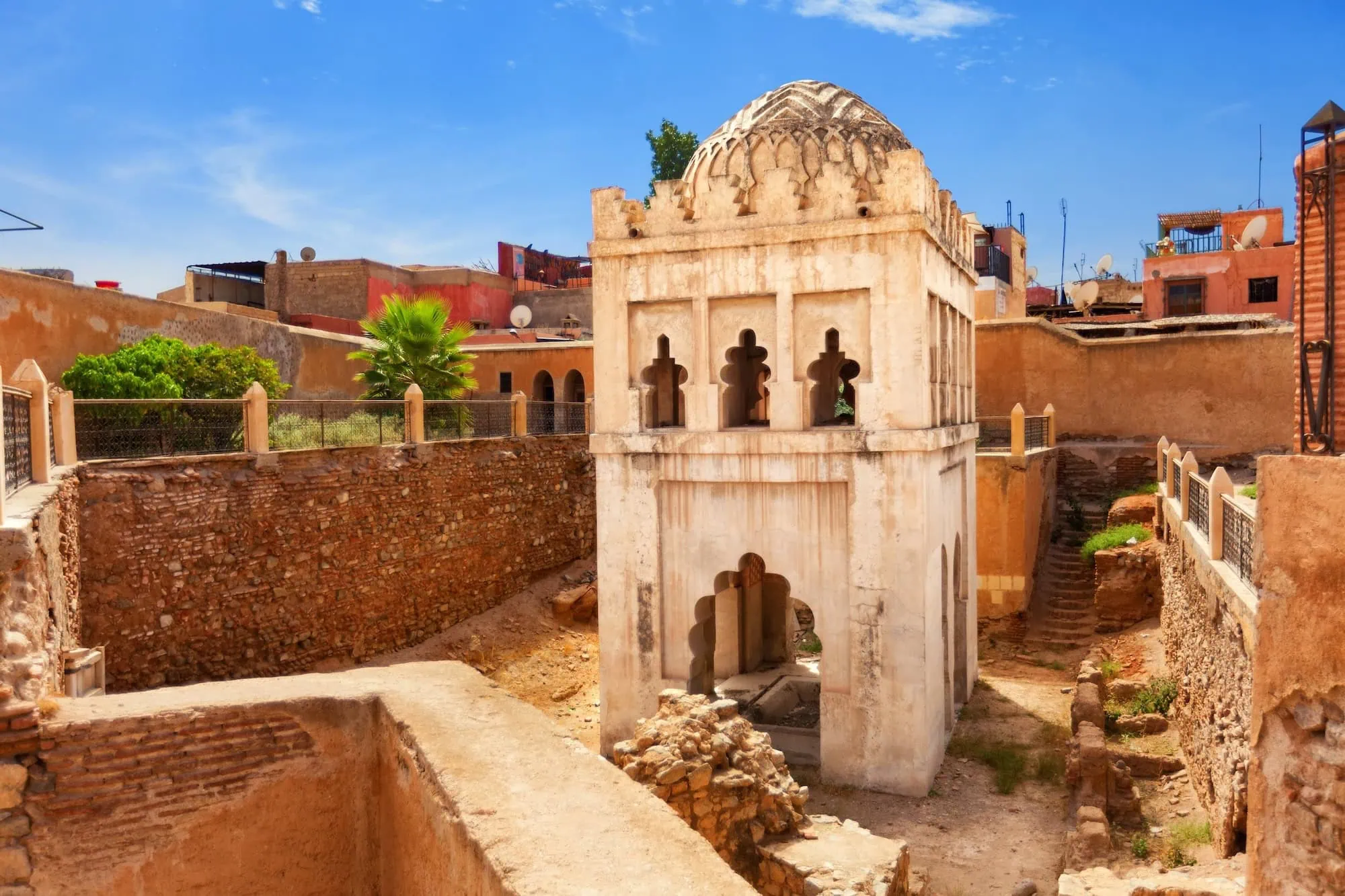
The Almoravid Koubba represents far more than just another historic monument in Morocco’s imperial city. This modest yet significant structure offers the only surviving glimpse into the architectural brilliance of the Almoravid dynasty, which once ruled large parts of North Africa and Andalusia during the 12th century.
Almoravid Koubba can be included in our Egypt and Morocco tour packages, where Morocco’s historic landmarks are combined with its vibrant cities and Egypt’s ancient wonders for a rich and immersive travel experience.
Built around 1120 CE under Ali ibn Yusuf, the pavilion originally served as a ritual ablution site for worshippers at the nearby Ben Youssef Mosque. Despite its relatively small size, its detailed carvings and geometric patterns reveal a highly refined artistic tradition.
As Marrakech’s oldest surviving structure, the Koubba stands as a rare and valuable link to the city’s early history—offering visitors a deeper understanding of the civilizations that shaped Morocco.
Historical Significance and Royal Patronage
The construction of this architectural marvel coincided with Marrakech’s golden age under Almoravid rule. Ali ibn Yusuf, the dynasty’s most culturally ambitious ruler, commissioned the koubba as part of a grand urban development project that transformed Marrakech into a major Islamic capital.
The Almoravid Dynasty’s Cultural Legacy
During the early 12th century, the Almoravids controlled an empire stretching from the Sahara to the Pyrenees. Their capital of Marrakech became a melting pot where Berber, Arab, and Andalusian influences merged to create distinctive artistic expressions. The koubba exemplifies this cultural synthesis, combining traditional Maghrebi building techniques with sophisticated decorative elements imported from Al-Andalus.
Archaeological evidence suggests that Ali ibn Yusuf invested heavily in Marrakech’s infrastructure during this period. The hydraulic system that supplied water to the koubba represented cutting-edge engineering for its time, demonstrating the Almoravids’ mastery of both artistic and practical construction techniques.
Discovery and Modern Recognition
The monument remained buried under centuries of urban development until French archaeologists uncovered it in 1948. This excavation revealed not only the building itself but also remnants of the sophisticated water distribution system that once served the entire mosque complex. Today, the structure stands about 3 meters (10 feet) below the current street level, offering visitors a glimpse into medieval Marrakech’s urban layout.
The discovery revolutionized our understanding of Almoravid architecture, providing scholars with concrete evidence of the dynasty’s sophisticated artistic achievements.
Architectural Features and Islamic Art
The koubba’s design demonstrates remarkable technical sophistication despite its modest scale of roughly 5.5 by 7.5 meters (18 by 25 feet). Every surface showcases the mathematical precision and artistic refinement that characterize the finest Islamic architecture.
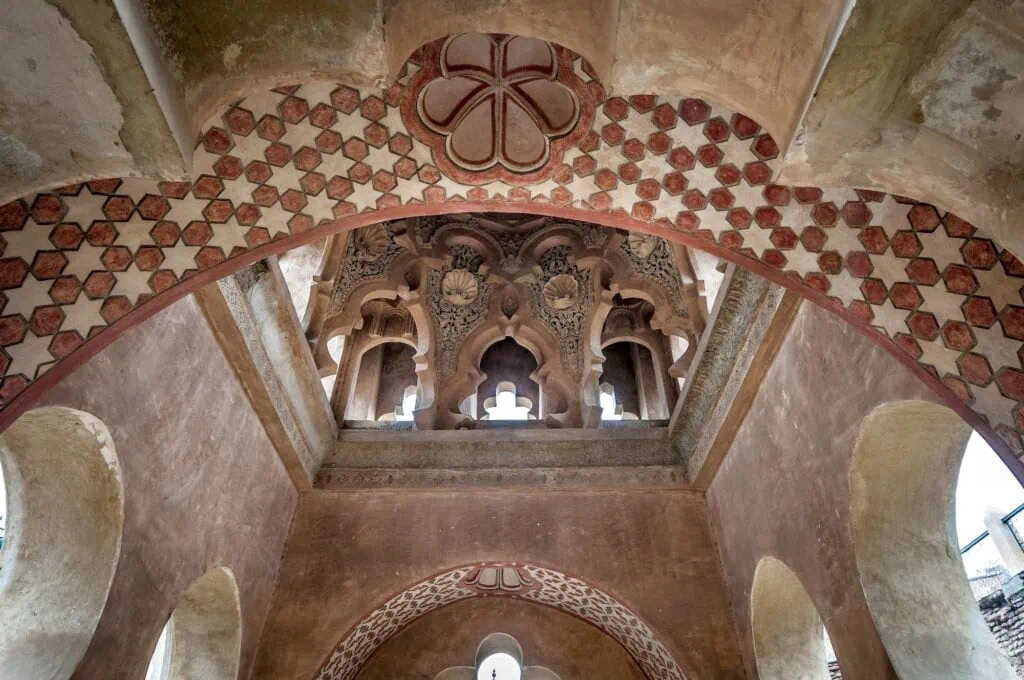
Entering through one of the building’s arched doorways, visitors encounter an interior space that feels surprisingly spacious given the structure’s compact footprint. The central dome rises elegantly above, supported by a system of arches that distribute weight with engineering precision that remains sound after nine centuries.
Decorative Elements and Geometric Patterns
The interior walls feature some of the earliest examples of muqarnas decoration found in Morocco. These honeycomb-like architectural elements create complex three-dimensional patterns that seem to shift and change as light moves across their surfaces throughout the day. Master craftsmen carved intricate floral motifs into the stone, creating compositions that blend naturalistic plant forms with abstract geometric designs.
Particularly noteworthy are the epigraphic inscriptions that run along the upper walls. These represent some of the oldest examples of cursive Arabic calligraphy in North Africa, featuring Quranic verses that relate to purification and spiritual preparation. The text flows seamlessly into the overall decorative scheme, demonstrating how Islamic art integrates meaning with beauty.
Innovative Architectural Techniques
The building’s structural system showcases several innovations that would influence Moroccan architecture for centuries. The pointed arches, likely influenced by contemporary developments in Al-Andalus, provide greater structural stability than traditional rounded forms while creating more dynamic interior spaces.
The dome construction employs a sophisticated technique of graduated stone courses that creates a smooth transition from the square base to the circular crown. This method, known as a muqarnas transition zone, would become a defining characteristic of Maghrebi architecture.
Cultural Context and Religious Function
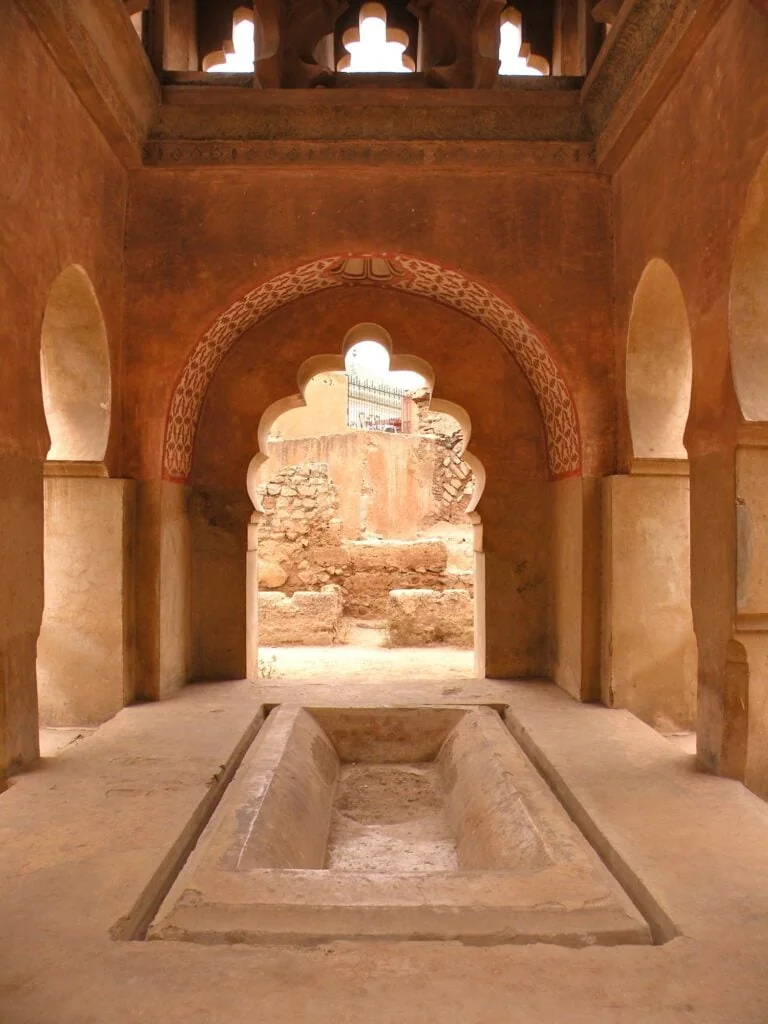
Understanding the koubba’s original purpose requires appreciating its role within the broader Islamic religious complex that once dominated this area of Marrakech. The building served as a maida, or ablution hall, where worshippers performed the ritual washing required before entering the adjacent mosque for prayers.
The hydraulic system that supplied the facility drew water from underground channels connected to the city’s main aqueduct system. Stone basins allowed multiple users to perform ablutions simultaneously, while carefully designed drainage channels carried away used water. This engineering marvel ensured a continuous supply of fresh water even during Marrakech’s dry seasons.
Beyond its practical function, the building’s lavish decoration transformed a utilitarian space into a place of beauty and contemplation. The interplay of light and shadow created by the carved stonework helped establish the proper spiritual mindset for prayer, making the transition from worldly concerns to religious devotion.
Berber and Andalusian Cultural Fusion
The koubba represents a unique moment in North African history when Berber dynasties embraced and adapted the sophisticated artistic traditions of Al-Andalus. While the Almoravids emerged from the desert tribes of the Sahara, they quickly recognized the cultural value of Andalusian artistic traditions and invited master craftsmen from Córdoba and Seville to work on their major building projects.
This cultural exchange resulted in architectural forms that combined the structural innovations of Berber builders with the decorative sophistication of Andalusian artists. The koubba demonstrates how Islamic art could adapt to local conditions while maintaining its essential aesthetic principles.
Conservation and Modern Preservation
Since its rediscovery, the Almoravid Koubba has undergone several conservation campaigns aimed at preserving this unique architectural treasure for future generations. The structure faces ongoing challenges from environmental factors, urban development pressures, and the simple passage of time.
Current Conservation Efforts
Recent preservation work has focused on stabilizing the building’s foundations and protecting the delicate carved stonework from weathering. Specialists have developed new techniques for consolidating the original mortar while maintaining the building’s authentic appearance. Advanced documentation methods, including 3D laser scanning, have created detailed records that will guide future restoration efforts.
The surrounding area has been developed into an archaeological park that provides context for visitors while protecting the monument from urban encroachment. Interpretive displays help visitors understand the building’s original function and historical significance.
Challenges and Future Planning
Climate change poses new threats to the structure, as increased temperature fluctuations cause expansion and contraction that can damage the ancient stonework. Rising groundwater levels in urban Marrakech also threaten the building’s foundations, requiring ongoing monitoring and intervention.
Conservation specialists continue researching traditional building techniques used by Almoravid craftsmen, seeking to understand the original construction methods that have allowed the building to survive for nearly a millennium. This research informs both current preservation efforts and broader understanding of medieval Islamic architecture.
Visiting the Almoravid Koubba Today
The monument stands easily accessible in central Marrakech, near the famous Ben Youssef Madrasa and just steps from the bustling souks. While small in scale, the building offers visitors an intimate encounter with authentic medieval Islamic architecture.
Entry requires a modest fee that supports ongoing conservation efforts. The site provides informational materials in multiple languages, helping visitors appreciate both the building’s historical context and its architectural innovations. Photography is permitted, allowing visitors to capture the intricate details that make this structure so remarkable.
Planning Your Visit
The koubba receives fewer visitors than Marrakech’s more famous attractions, making it an ideal destination for travelers seeking a quieter, more contemplative cultural experience. Early morning visits often provide the best lighting conditions for appreciating the carved stonework, while afternoon light creates dramatic shadow patterns across the interior surfaces.
The monument can easily be combined with visits to other nearby historical sites, including the Ben Youssef Madrasa and the Marrakech Museum. We recommend allowing at least 30 minutes to fully appreciate the building’s architectural details and historical significance.
Cultural Etiquette and Appreciation
While no longer serving a religious function, the koubba remains a sacred space that deserves respectful behavior from visitors. The building’s spiritual heritage should be honored through quiet contemplation and appropriate conduct.
Understanding the monument’s original purpose as a place of purification and spiritual preparation can deepen visitors’ appreciation for its architectural beauty. The careful attention paid to every decorative detail reflects the Islamic principle that beauty serves a spiritual purpose, elevating the human soul through encounter with divine harmony.
The Koubba’s Influence on Islamic Architecture
This modest structure has profoundly influenced our understanding of medieval Islamic architecture and the cultural exchanges that shaped the western Islamic world. Architectural historians recognize the building as a crucial link in the development of Maghrebi architectural traditions.
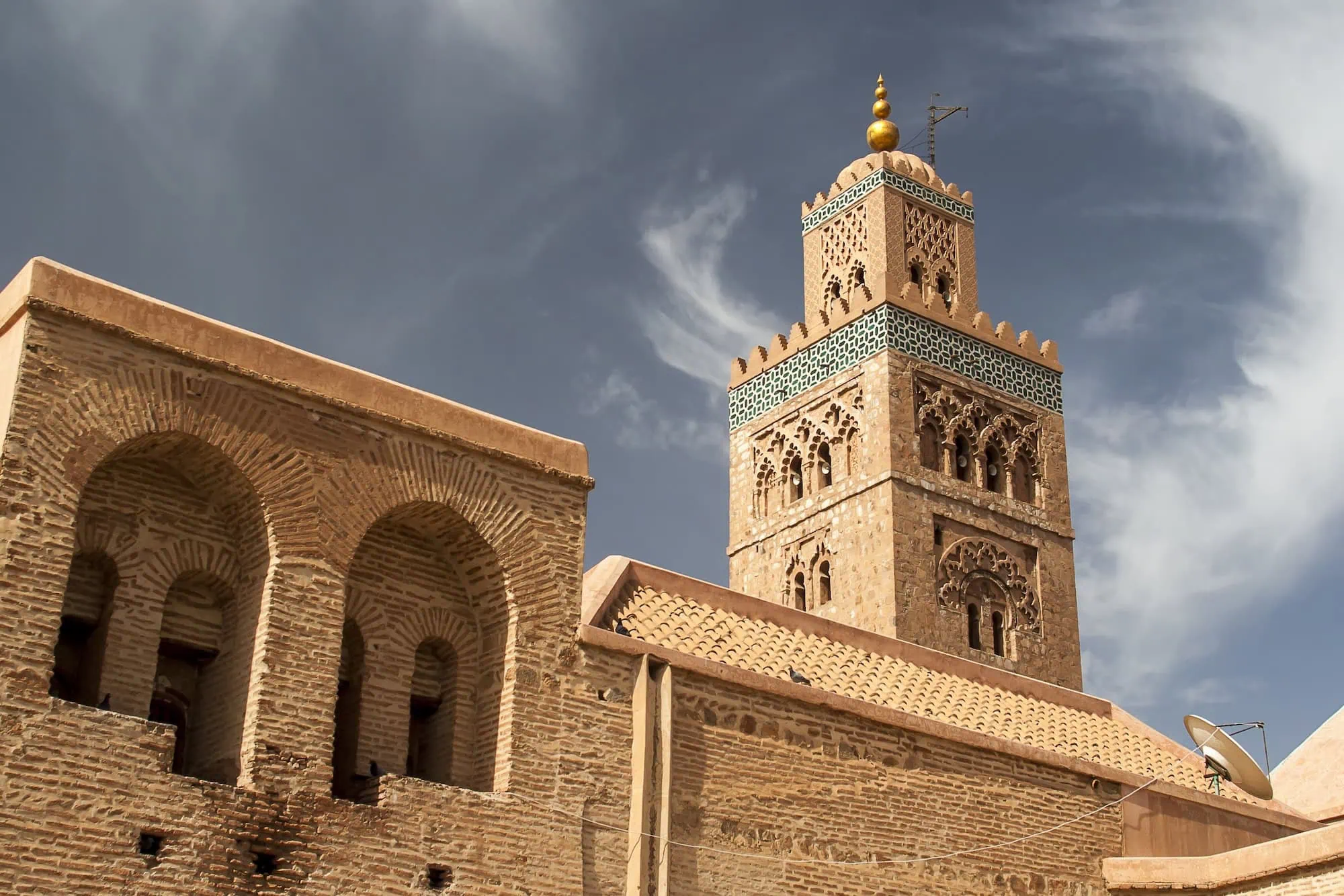
The decorative techniques pioneered here appear in later Moroccan monuments, from the Almohad Kutubiyya Mosque to the Nasrid palaces of Granada. The muqarnas vault systems, geometric ornament patterns, and integration of calligraphy with architectural decoration established precedents that would inspire builders for centuries.
Scholarly Research and Documentation
Ongoing archaeological research continues to reveal new information about the site’s history and construction techniques. Recent excavations have uncovered additional structures that may have formed part of a larger religious complex, suggesting that our understanding of the Almoravid urban plan remains incomplete.
International scholars regularly study the koubba as part of broader research into Islamic art and architecture. The building serves as a reference point for dating and attributing other monuments from the Almoravid period across North Africa and Al-Andalus.
Digital documentation projects have created detailed records of the building’s current condition while establishing baselines for future conservation monitoring. These efforts ensure that even if the original structure eventually deteriorates beyond repair, its architectural innovations will remain available for study and inspiration.
Educational and Cultural Impact
The koubba plays an important role in educating both scholars and the general public about the richness of Islamic civilization during the medieval period. The building challenges stereotypical perceptions of the “Dark Ages” by demonstrating the sophisticated artistic achievements of 12th-century Islamic society.
Educational programs developed around the monument help visitors understand the complex cultural exchanges that shaped medieval Mediterranean civilization. The building serves as tangible evidence of how Islamic, Christian, and Jewish communities influenced each other’s artistic traditions during this remarkable period of cultural creativity.
Frequently Asked Questions
It’s the city’s only surviving example of 12th-century Almoravid architecture, representing nearly 900 years of continuous history.
Most visitors spend 20-30 minutes exploring the interior and reading the interpretive materials about its history.
Yes, photography is permitted throughout the monument, making it easy to capture the intricate carved stonework and calligraphy.
The koubba served as an ablution hall where worshippers performed ritual washing before entering the adjacent mosque for prayers.
The site has some accessibility limitations due to its archaeological nature, but efforts have been made to accommodate visitors with mobility needs.
The koubba is typically open daily from 9:00 am to 6:00 pm, with modest admission fees supporting conservation efforts.
It’s located near the Ben Youssef Madrasa and Marrakech Museum, making it easy to combine with other cultural visits in the medina.
Focus on the muqarnas vault decoration, geometric stone carving, and early examples of cursive Arabic calligraphy on the walls.
It provides rare physical evidence of artistic techniques and cultural exchanges between Al-Andalus and North Africa during the medieval period.
Professional guides can provide valuable context about the building’s historical significance and explain the architectural innovations that make it remarkable.
Climate change, groundwater fluctuations, and urban development pressures all threaten the structure’s long-term preservation.
French excavations in 1948 uncovered the koubba approximately 3 meters below the current street level, revealing centuries of urban development above it.
Design Your Custom Tour
Explore Egypt & Morocco your way by selecting only the attractions you want to visit