

The Best Amman Tourist Attractions
Amman surprises travelers who expect nothing more than a brief stopover.
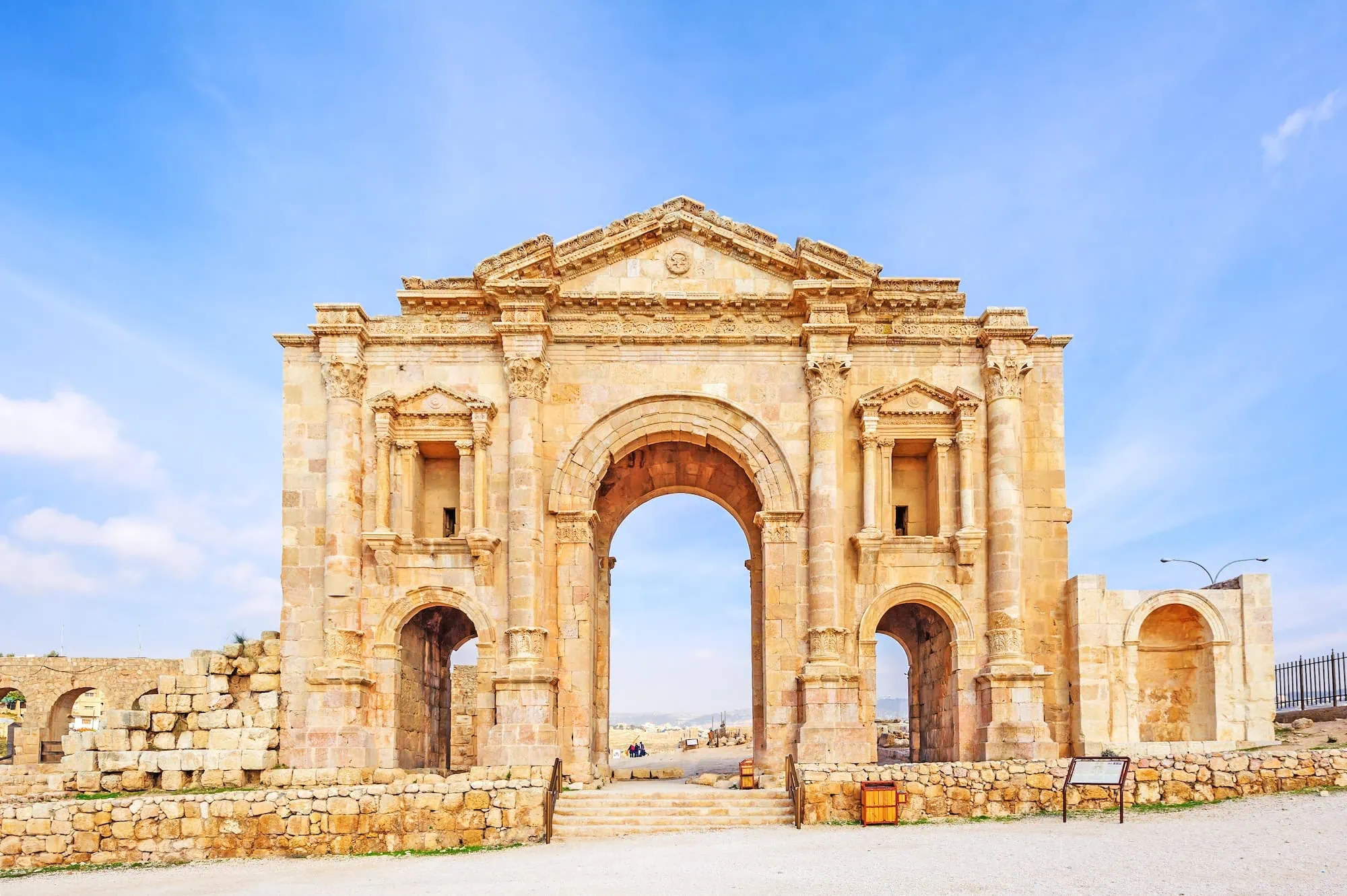
Jordan’s capital sits gracefully across seven hills, blending ancient Roman ruins with vibrant modern neighborhoods and authentic Middle Eastern culture. While many visitors rush through on their way to Petra or the Dead Sea, those who pause discover a city where 6,000 years of history meets contemporary Arab hospitality. The contrast feels immediate – ancient amphitheaters echo with today’s conversations while traditional souks sell everything from hand-woven carpets to fresh kunafa.
We’ve spent years guiding travelers through Amman’s winding streets and hidden corners. This guide reveals both the essential landmarks and the authentic experiences that make Jordan’s capital worth more than just a quick look.
Table of Contents
Historic Landmarks That Define Amman
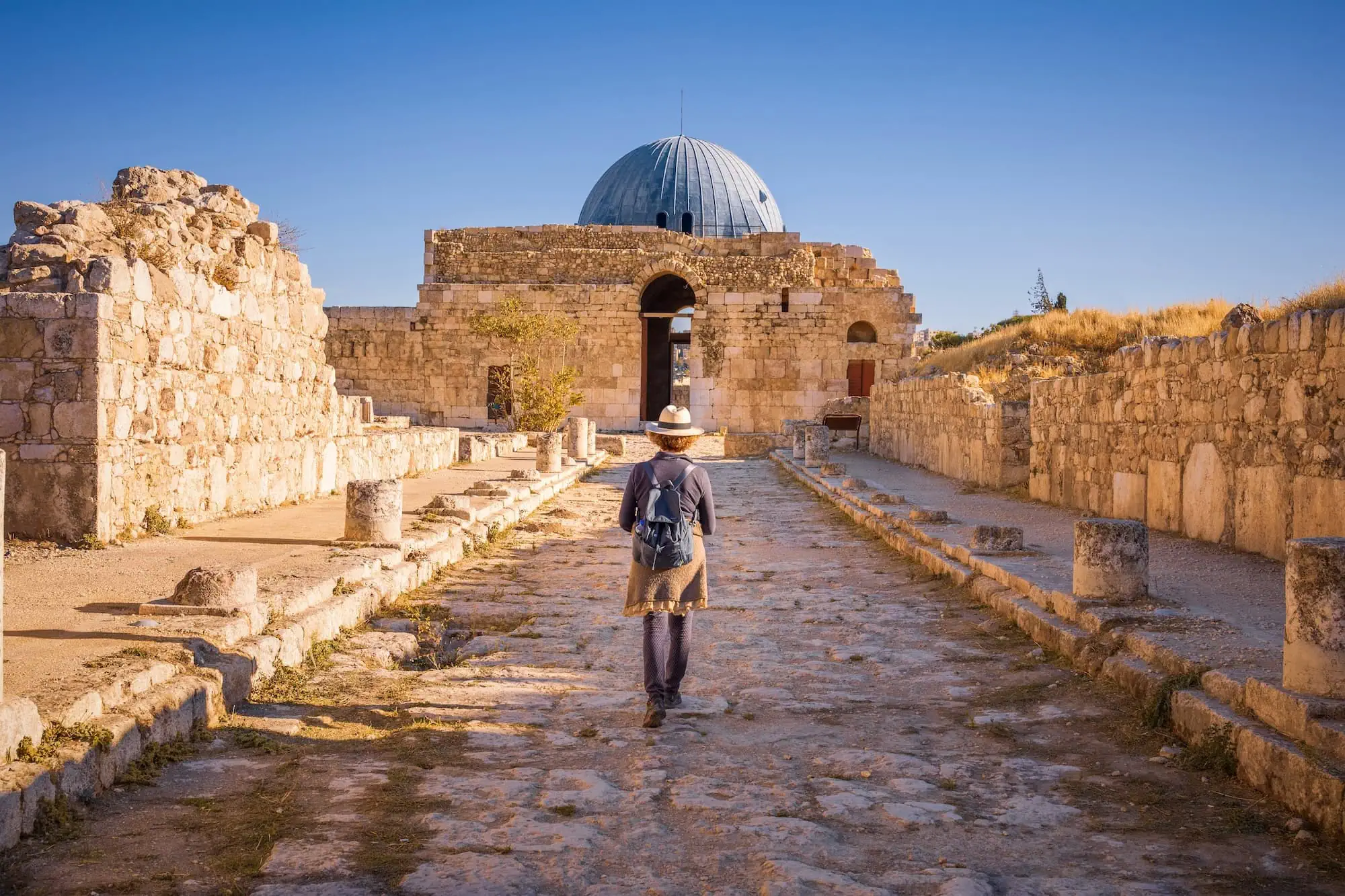
The Amman Citadel commands attention from every corner of the city. Perched on Jabal al-Qal’a, one of Amman’s original seven hills, this archaeological site spans civilizations from the Bronze Age through Islamic periods. Walking these ancient grounds, you’ll encounter the massive Umayyad Palace complex, Roman-era Hercules Temple, and Byzantine church ruins – each layer telling stories of conquest, trade, and cultural exchange.
Roman Theatre: Entertainment Ancient and Modern
Few ancient structures remain as functional as Amman’s Roman Theatre. Built during Emperor Antonius Pius’s reign around 160 AD, this limestone amphitheater still hosts concerts and cultural events for up to 6,000 spectators. The acoustics remain remarkably clear from the highest seats 98 feet (30 meters) above the stage.
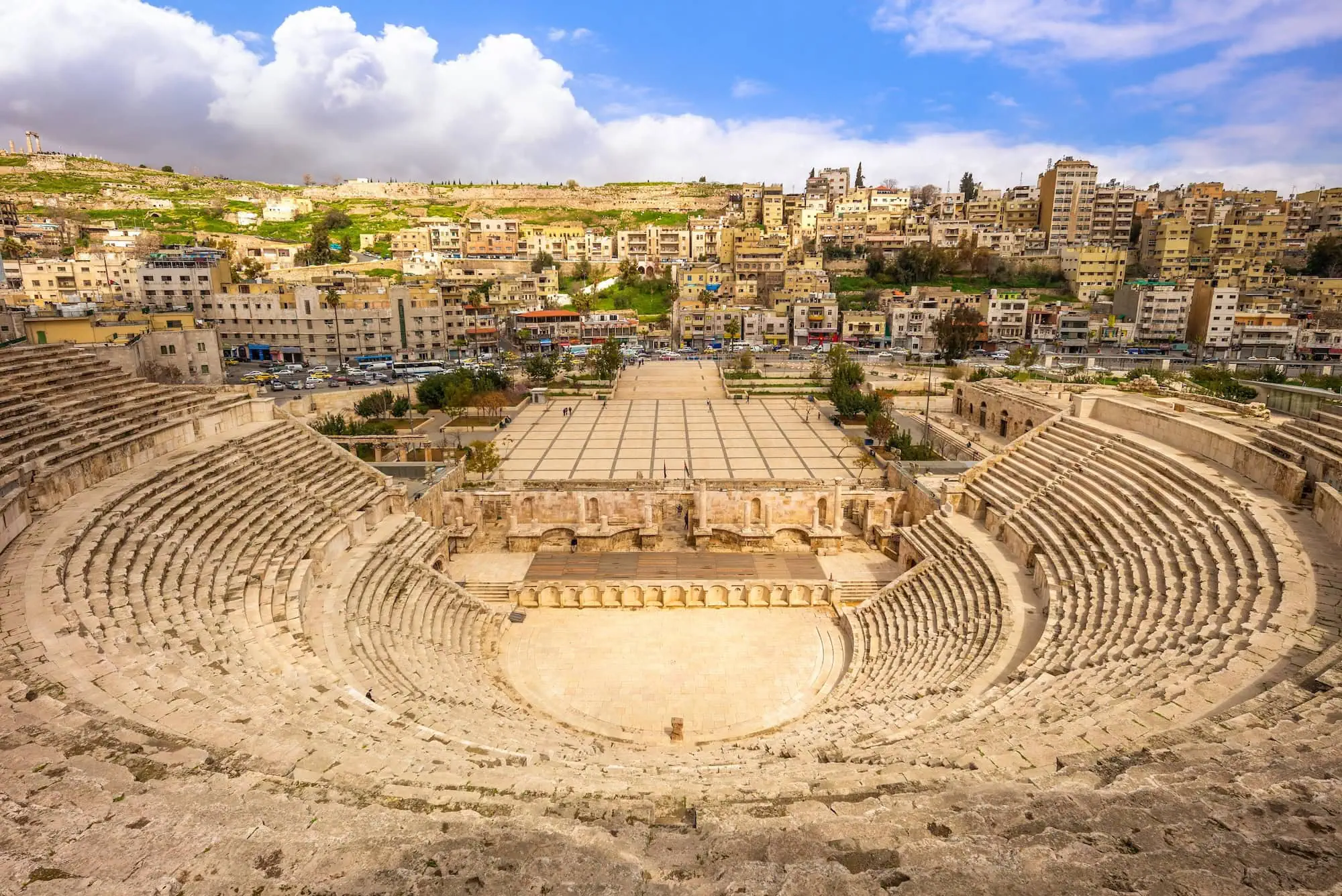
Early morning visits offer the best experience. Vendors haven’t yet filled the surrounding plaza, and soft light illuminates the precisely cut stone blocks. The theatre faces north, keeping performers and audiences comfortable during Jordan’s intense summer heat.
Umayyad Palace Complex
The sprawling palace ruins atop the Citadel showcase Islamic architecture from the 8th century. Byzantine-era recycled columns support what remains of the audience hall, while intricate stone carvings demonstrate the sophistication of early Islamic craftsmanship. The palace’s cross-shaped design follows Byzantine architectural traditions adapted for Islamic governance.
Temple of Hercules
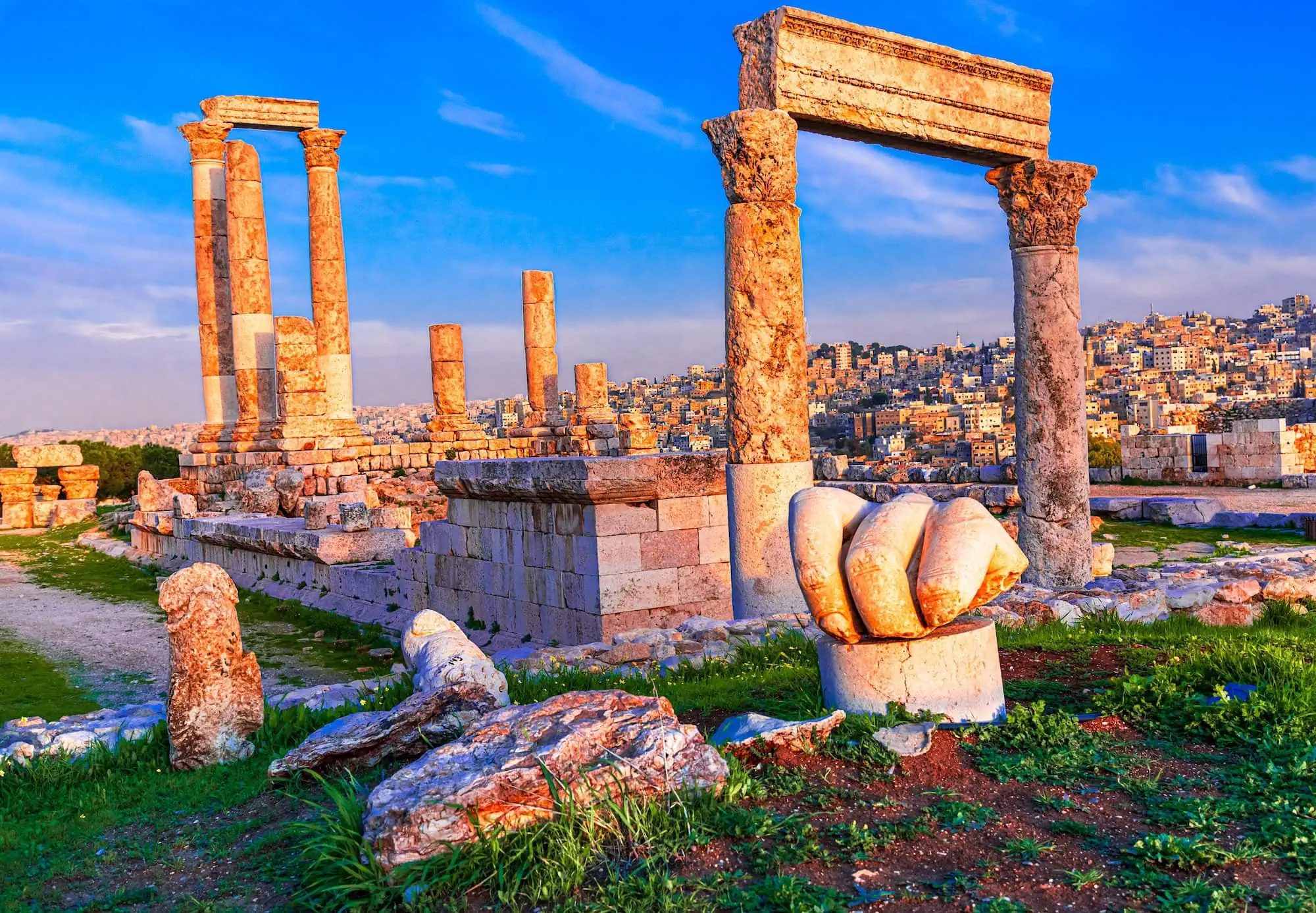
Only two massive columns and scattered foundation stones remain of this Roman temple, yet they hint at the structure’s original grandeur. These columns, among the largest surviving Roman-era structures in Jordan, once supported a temple complex dedicated to the patron deity of Philadelphia – Roman Amman’s original name.
Cultural Neighborhoods and Modern Attractions
Rainbow Street: Amman’s Cultural Heart
Rainbow Street exemplifies modern Amman’s creative spirit. This pedestrian-friendly avenue winds through Jabal Amman, connecting galleries, cafes, and boutiques within restored 1920s buildings. Traditional architecture houses contemporary businesses, from art galleries showcasing local painters to rooftop restaurants serving fusion cuisine.
The street transforms throughout the day. Afternoon brings families enjoying traditional Arabic coffee at sidewalk cafes. Evening sees young Jordanians gathering at trendy restaurants and shisha lounges. Weekend nights often feature live music spilling from venue doorways.
King Abdullah I Mosque
The blue-domed mosque stands as one of Amman’s most recognizable landmarks. Completed in 1989, its Ottoman-inspired architecture accommodates 7,000 worshippers in the main prayer hall plus 500 in the women’s section. The distinctive blue dome, decorated with Quranic verses in golden calligraphy, catches sunlight beautifully throughout the day.
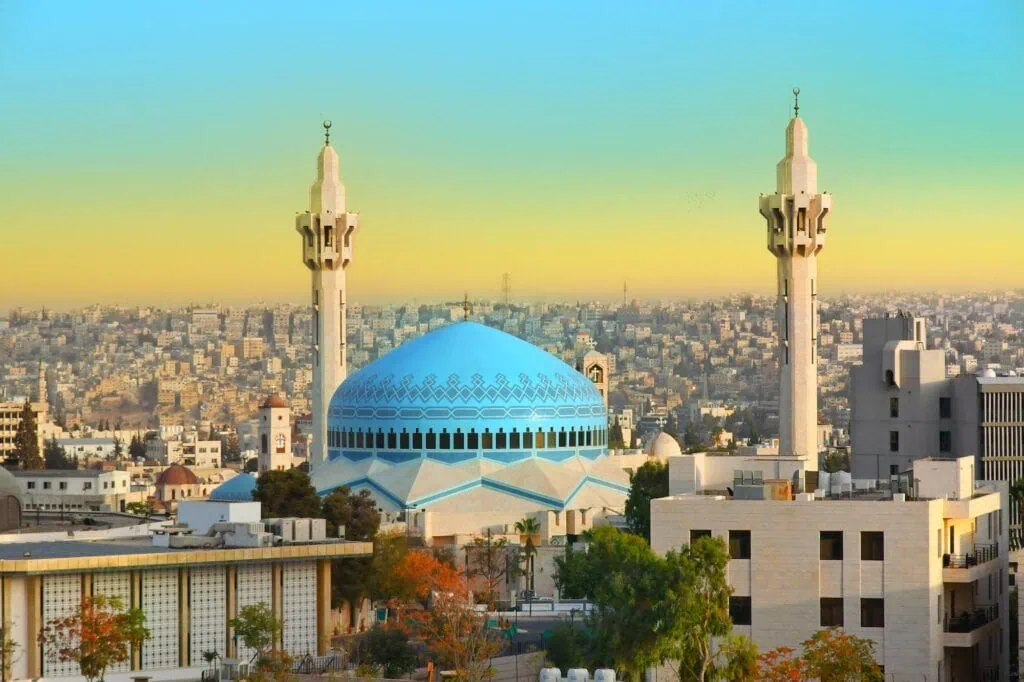
Non-Muslim visitors can tour the mosque outside prayer times. Modest dress requirements apply – long pants and sleeves, with headscarves provided for women. The mosque’s interior features intricate Islamic geometric patterns and beautiful marble work.
Jordan Museum
This modern institution houses Jordan’s most significant archaeological treasures. The Dead Sea Scrolls display includes original parchment fragments discovered at Qumran caves. Neolithic statues from Ain Ghazal, among the world’s oldest large-scale human sculptures, demonstrate prehistoric artistry from 9,000 years ago.
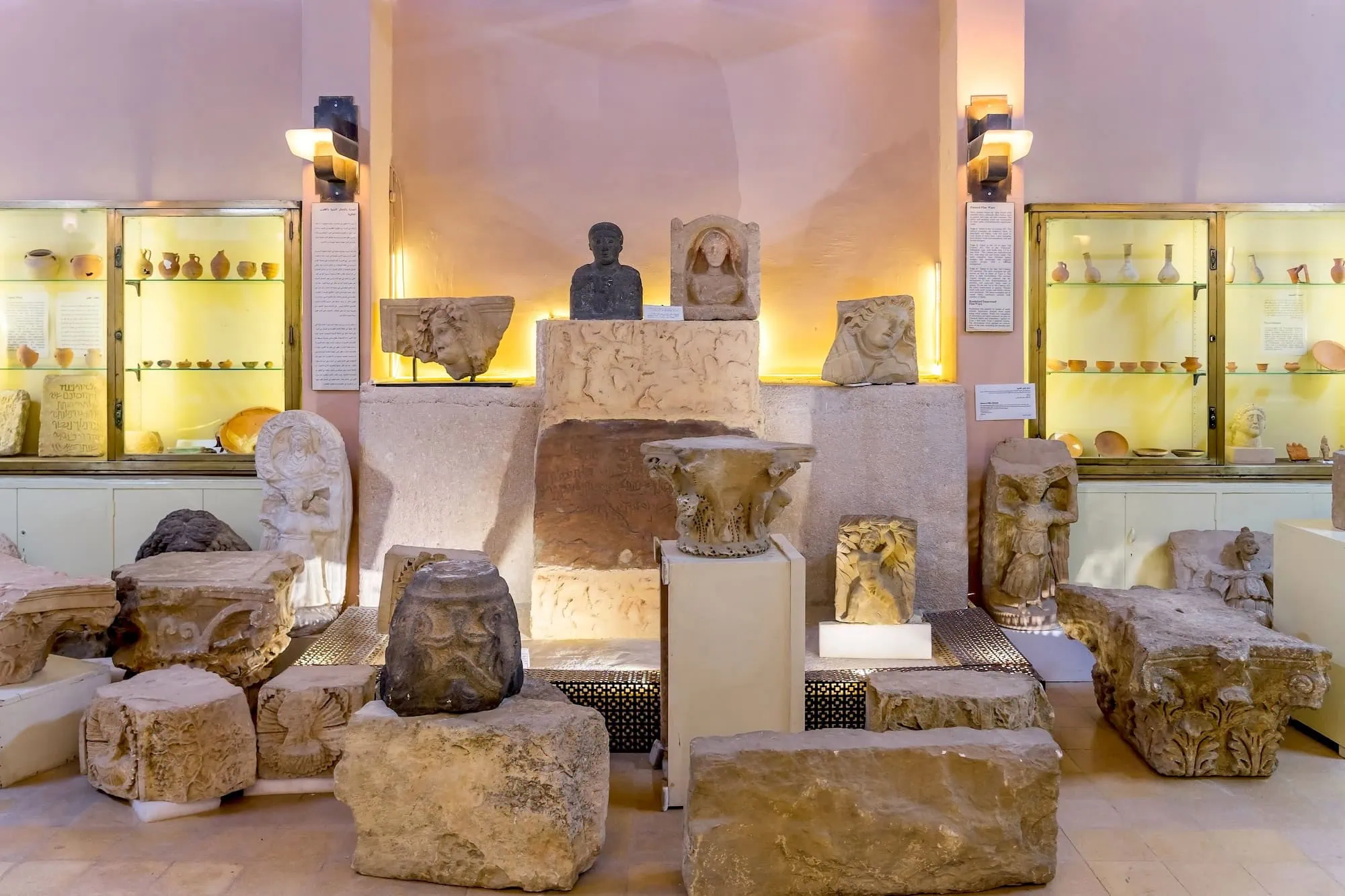
Interactive exhibits trace Jordan’s role in human migration patterns and trade route development. The museum’s contemporary design provides climate-controlled environments protecting artifacts while creating engaging visitor experiences through multimedia presentations and reconstructed historical settings.
Traditional Markets and Food Culture
Amman’s downtown souks preserve authentic Middle Eastern market traditions while adapting to modern commercial needs. These narrow streets buzz with activity from early morning until late evening, offering everything from traditional handicrafts to modern electronics.
Al-Balad market stretches through several interconnected streets near the Roman Theatre. Gold merchants display intricate jewelry designs alongside vendors selling aromatic spices measured in cloth bags. Traditional sweet shops prepare baklava and knafeh daily, while nearby restaurants serve meals that haven’t changed recipes in generations.
Vegetable vendors arrange colorful displays of tomatoes, cucumbers, and herbs essential to Jordanian cuisine. Fresh bread emerges hourly from traditional ovens, filling entire street blocks with warm, yeasty aromas. Bargaining remains expected and enjoyable – prices typically start at double the final amount.
Essential Culinary Experiences
Hashem Restaurant represents Amman’s democratic dining culture. This downtown institution, operating since 1952, serves identical meals to taxi drivers and business executives at shared tables. The menu centers on falafel, hummus, and ful medames served with fresh vegetables and traditional bread. No alcohol is served, keeping focus on authentic flavors and social interaction.
Habibah Desserts specializes in traditional Middle Eastern sweets. Their kanafeh, made with soft cheese and crispy shredded phyllo, attracts lines of locals throughout the day. The shop maintains traditional preparation methods while accommodating modern packaging for travelers.
Modern restaurants along Rainbow Street offer contemporary interpretations of traditional dishes. Mezze platters showcase regional specialties including mutabal, tabbouleh, and labneh, often accompanied by views across the city’s rolling hills.
Day Trips and Extended Exploration
Jerash: Ancient Roman City
Jerash ranks among the world’s best-preserved Roman provincial cities. Located 30 miles (48 km) north of Amman, this archaeological site features colonnaded streets, theaters, temples, and public baths spanning 6,500 years of human settlement.
The Oval Plaza, unique among Roman forum designs, connects the city’s main thoroughfare with religious and commercial districts. Original paving stones still bear chariot wheel marks, while underground drainage systems demonstrate Roman engineering sophistication.
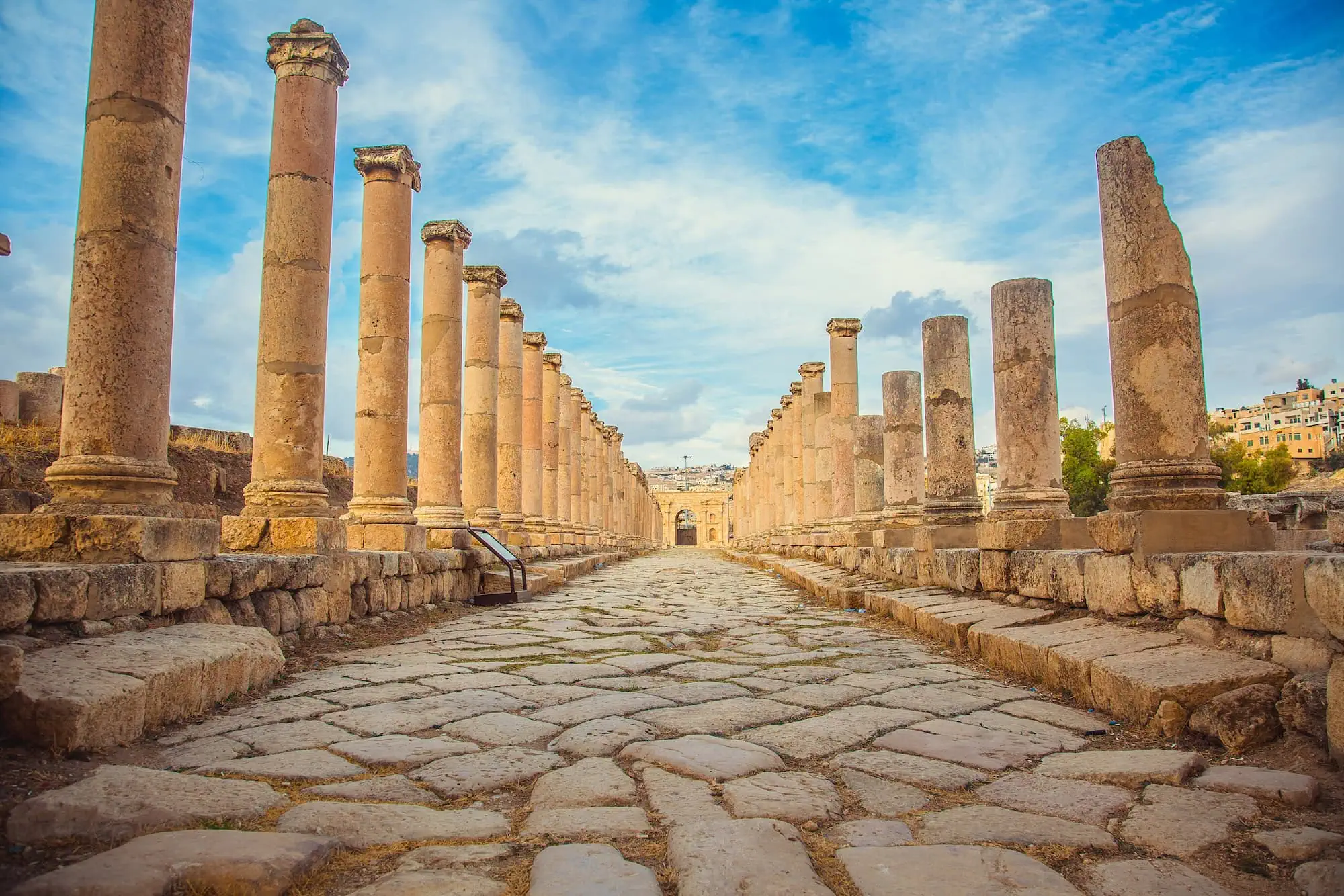
Jerash’s South Theatre hosts the annual Jerash Festival of Culture and Arts each July, bringing contemporary performances to ancient stages. The acoustic design carries voices clearly throughout the 5,000-seat amphitheater without amplification.
Wadi Mujib: Jordan’s Grand Canyon
Adventure seekers head to Wadi Mujib for canyon hiking and water sports. This dramatic gorge, carved by seasonal floods through limestone cliffs, offers trails ranging from easy walks to challenging climbs requiring swimming through narrow channels.
The Mujib Trail involves walking upstream through knee-deep water between towering canyon walls. Rope-assisted climbing sections lead to waterfalls and natural pools suitable for swimming. The experience requires moderate fitness levels but rewards participants with unique geological formations and refreshing mountain spring water.
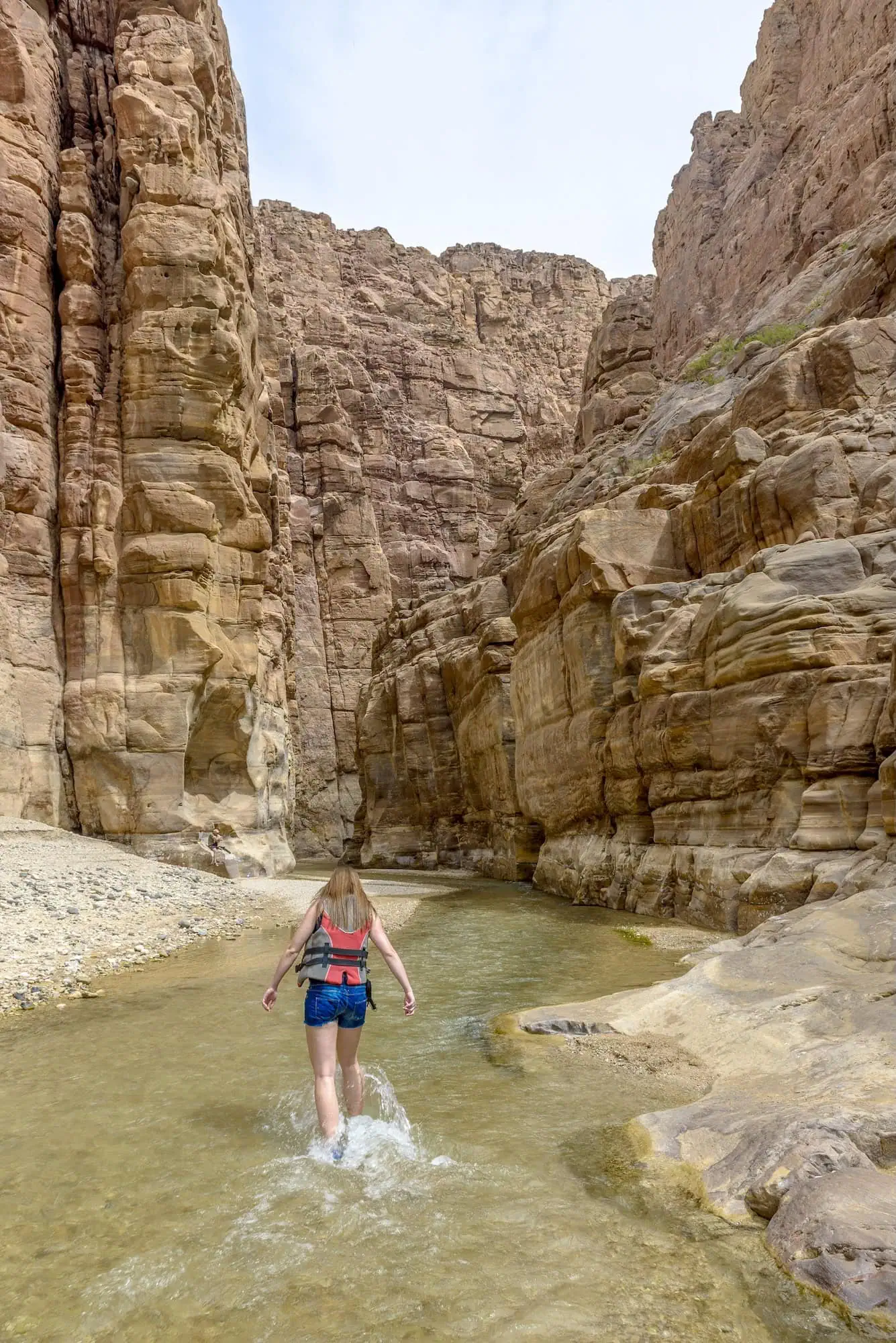
Professional guides lead all canyon activities, providing safety equipment and route expertise. Spring and autumn offer ideal conditions, avoiding summer heat and winter flash flood risks.
Dead Sea: Lowest Point on Earth
The Dead Sea lies just 50 miles (80 km) southeast of Amman, making it an easy day trip for most visitors. At 1,412 feet (430 meters) below sea level, this hypersaline lake offers unique floating experiences due to its extreme salt concentration.
Modern resort facilities provide changing rooms, showers, and dining options for day visitors. The mineral-rich mud offers therapeutic benefits for skin conditions, while the high atmospheric pressure and filtered UV radiation create unique health benefits recognized by international medical communities.
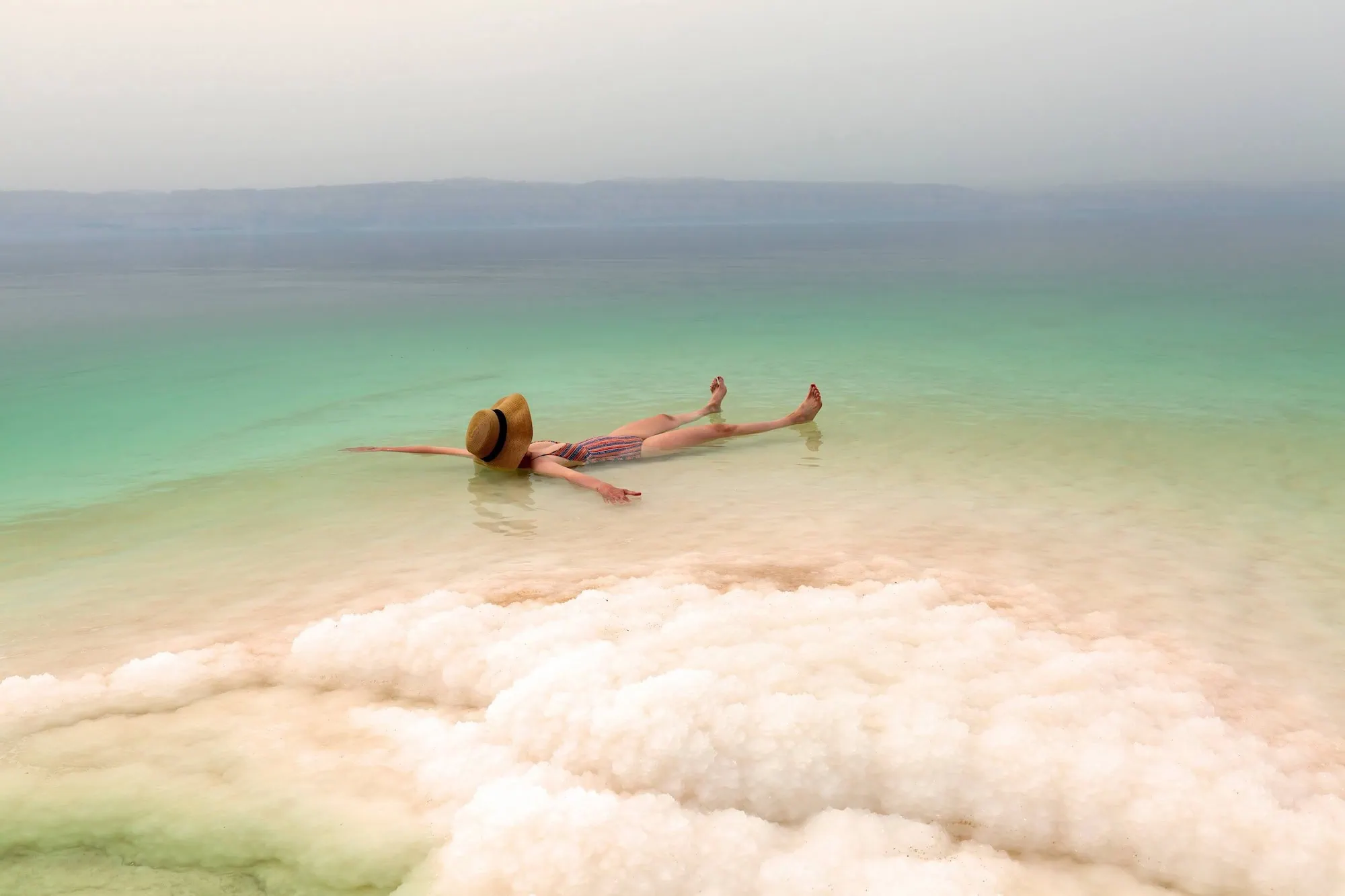
Best visits occur early morning or late afternoon, avoiding midday heat that can reach dangerous levels during summer months. Fresh water showers remain essential after swimming due to the lake’s extreme salinity.
Practical Planning and Navigation
Getting Around Amman
Amman’s hilly geography creates unique transportation challenges. White service taxis (serveece) follow established routes between major landmarks and neighborhoods, offering economical travel at approximately $0.50 per ride. These shared vehicles operate throughout the day but can become crowded during peak hours.
Private taxis use meters within central Amman, though drivers often prefer negotiated fares for longer distances or multiple stops. Ride-sharing applications provide convenient alternatives with upfront pricing and English-language interfaces.
Walking remains the best method for exploring downtown areas around the Roman Theatre and traditional markets. However, steep hills between neighborhoods make inter-district walking challenging for extended periods.
Accommodation Districts
Jabal Amman offers upscale hotels and boutique properties within walking distance of Rainbow Street and cultural attractions. This neighborhood features restored historical buildings converted into luxury accommodations with modern amenities.
Downtown Amman provides budget-friendly options near major landmarks and transportation hubs. Budget travelers find numerous hostels and mid-range hotels within walking distance of the Roman Theatre and traditional markets.
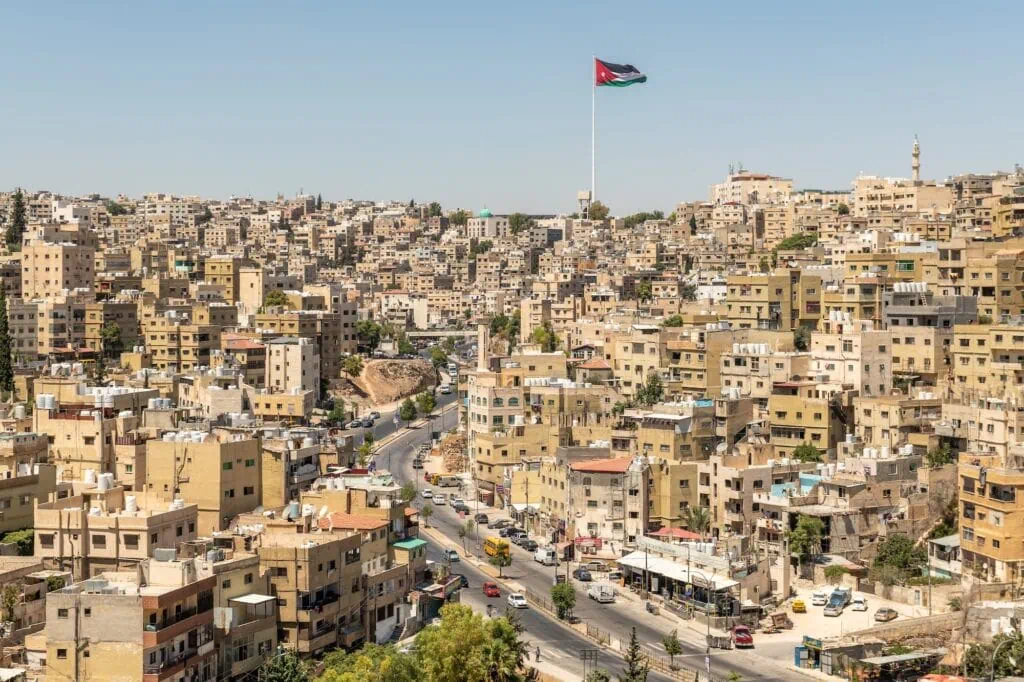
Abdoun and Sweifieh cater to business travelers with international hotel chains and modern shopping centers. These areas offer contemporary facilities but require transportation to reach historic attractions and traditional neighborhoods.
Best Times to Visit
Spring months (March-May) provide ideal weather conditions with temperatures ranging from 60-75°F (15-24°C) and minimal precipitation. This period offers comfortable conditions for both outdoor sightseeing and extended walking.
Autumn (September-November) delivers similar weather benefits with clear skies and comfortable temperatures. Tourist numbers decrease after summer peaks, creating more relaxed experiences at major attractions.
Summer heat can exceed 95°F (35°C) with intense sunshine, making midday outdoor activities uncomfortable. Winter brings occasional rainfall and cooler temperatures, though snow remains rare in the city center.
Unique Experiences and Hidden Gems
Street Art and Contemporary Culture
Amman’s walls tell stories through vibrant murals and graffiti art. The downtown area showcases works by local and international artists addressing social issues, cultural identity, and political commentary. These unofficial galleries change regularly as new artists contribute to ongoing urban conversations.
Several galleries in Jabal Amman feature contemporary Middle Eastern artists exploring regional identity through various media. Opening receptions often welcome international visitors, providing opportunities to meet local artists and cultural influencers.
Traditional Hammam Experiences
Public bathhouses maintain centuries-old cleansing and relaxation traditions. These gender-segregated facilities offer steam rooms, massage services, and social gathering spaces for local communities.
Traditional hammam experiences begin with steam room sessions followed by exfoliation treatments using rough mitts and olive oil soap. Professional attendants provide massage and cleansing services, though visitors can also enjoy facilities independently.
Coffee Culture and Social Spaces
Traditional coffee houses (qahwas) serve as community gathering places where men play backgammon, discuss current events, and maintain social connections. These establishments offer strong Arabic coffee, tea, and light snacks in casual, welcoming environments.
Modern coffee shops blend international brewing methods with regional preferences, often serving Arabic coffee alongside espresso-based drinks. Many feature outdoor seating areas perfect for people-watching and casual conversation.
Cooking Classes and Culinary Education
Several local organizations offer hands-on cooking classes featuring traditional Jordanian recipes. Participants learn to prepare dishes like mansaf, maqluba, and various mezze items using authentic ingredients and traditional techniques.
These experiences often include market visits to select ingredients, providing insights into local food culture and shopping practices. Classes typically conclude with communal meals, fostering cultural exchange between participants and instructors.
Frequently Asked Questions
Plan 2-3 days to see major attractions comfortably, or 4-5 days to include day trips to Jerash and the Dead Sea.
Yes, Amman is generally very safe. Dress modestly and respect local customs, especially when visiting religious sites.
The Airport Express bus costs approximately $3 and takes 45 minutes. Taxis cost $25-30 but offer door-to-door service.
US citizens can obtain a visa on arrival for $40, valid for 30 days. EU citizens have similar arrangements.
Yes, alcohol is available in restaurants, hotels, and shops, though not widely consumed in traditional areas.
Cover arms, legs, and hair (for women). Most mosques provide appropriate coverings for visitors.
Street food and local restaurants cost $3-8 per meal. International restaurants charge $15-25 per person.
JETT buses run daily for $12 each way, taking 3.5 hours. Private transport offers more flexibility.
Early morning (8-10 am) or late afternoon (4-6 pm) offer the best lighting and temperatures.
Many young Jordanians speak English well, especially in tourist areas and restaurants.
Yes, bargaining is expected and enjoyable. Start at half the quoted price and negotiate respectfully.
Serveece are shared taxis following fixed routes for about $0.50, while regular taxis offer private transport with meters.
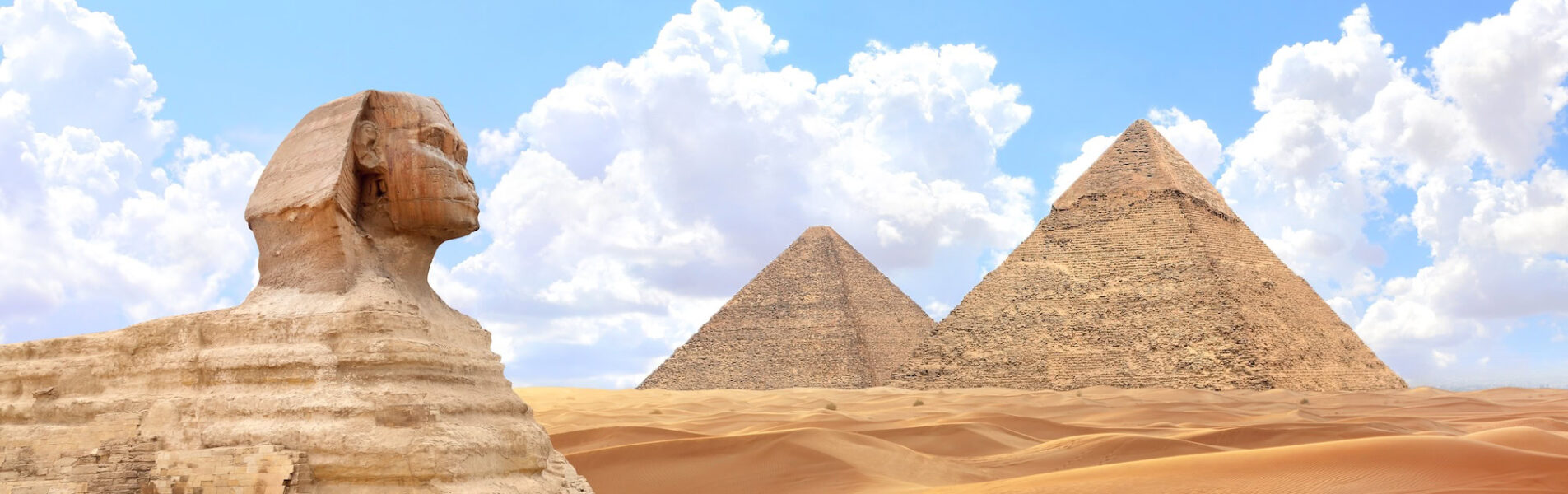
Design Your Custom Tour
Explore Egypt and Jordan your way by selecting only the attractions you want to visit