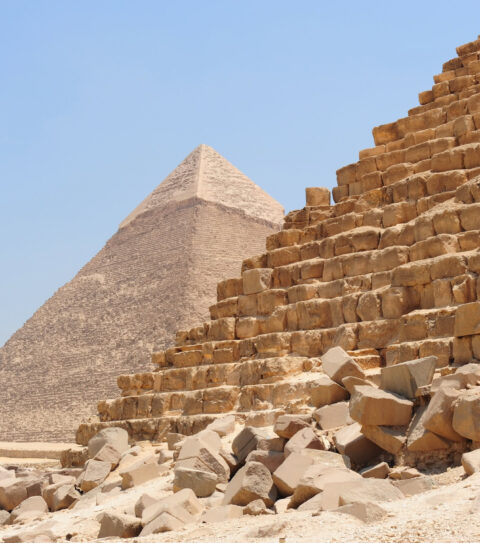
The Arab Conquest of Egypt, 639 AD – A Defining Moment in Egyptian History
The year 639 AD marked one of history’s most decisive military campaigns.
When the Arab forces under Amr ibn al-As crossed into Egypt, they didn’t just conquer territory – they transformed an entire civilization. The Byzantine Empire, which had ruled Egypt for centuries, found itself facing a disciplined army driven by religious fervor and strategic brilliance. What followed was a systematic three-year campaign that would end Roman rule in Egypt forever and establish the foundation for modern Egyptian culture.
Understanding this pivotal conquest reveals how military strategy, religious tolerance, and administrative efficiency combined to create one of the most successful territorial expansions in ancient history.

Strategic Context Behind Arab Expansion
Egypt represented the ultimate prize for the expanding Rashidun Caliphate. Beyond its legendary wealth, the province controlled Mediterranean trade routes and produced grain that fed Constantinople itself.
The timing couldn’t have been better for Arab ambitions. Decades of warfare between the Byzantine and Sassanian empires had left both powers militarily exhausted and financially drained. Emperor Heraclius had only recently reclaimed Egypt from Persian occupation in 628 AD, but the province remained politically unstable and economically vulnerable.
Religious Tensions Create Opportunity
The Coptic Christian population had endured systematic persecution under Byzantine rule. These Monophysite Christians faced religious discrimination from the Melkite establishment, creating deep resentment toward imperial authority. Heavy taxation to fund endless wars had further alienated the Egyptian populace from their distant rulers in Constantinople.
Geographic Advantages
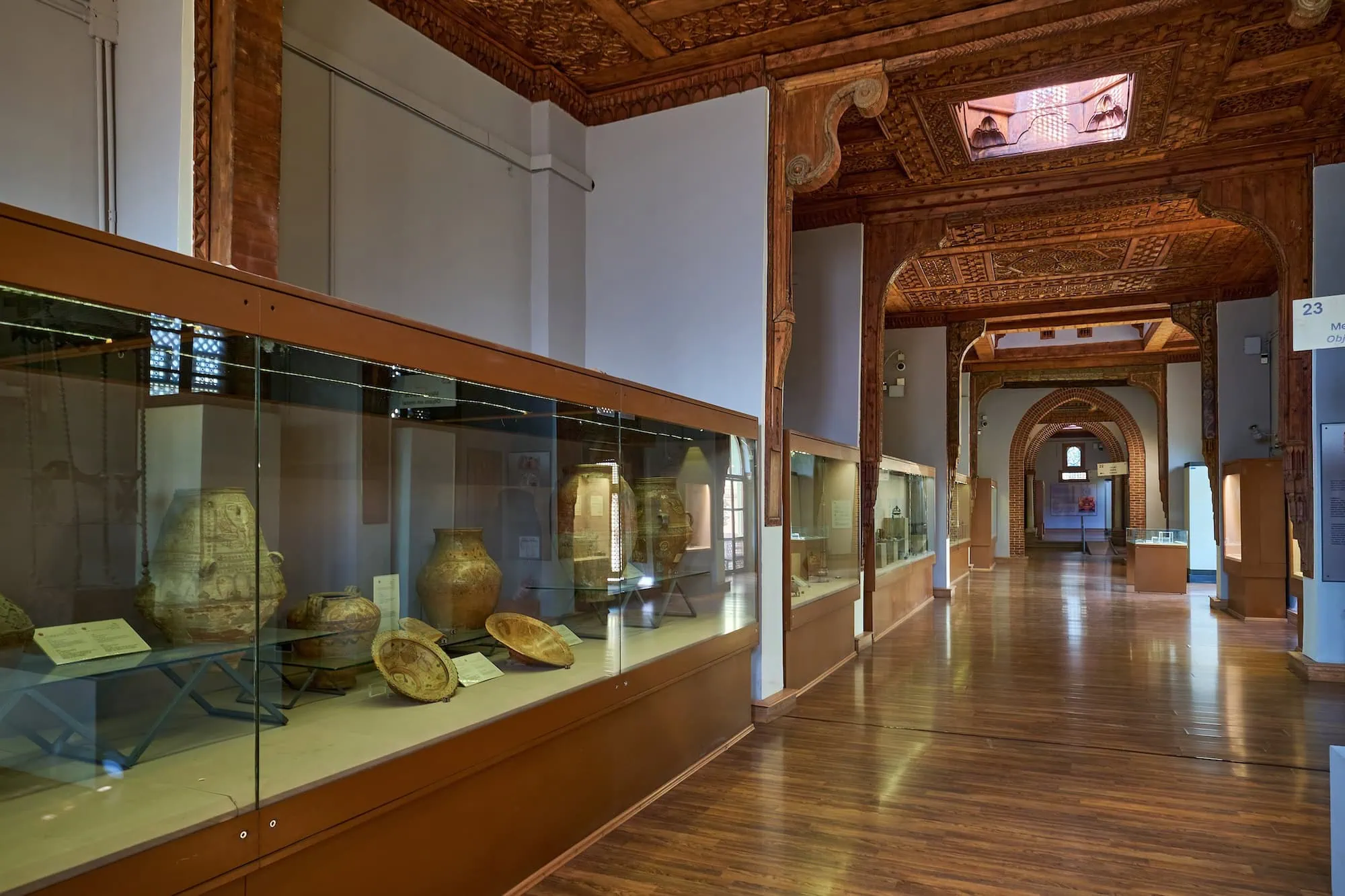
Egypt’s unique geography made it surprisingly difficult to defend despite its strategic importance. The narrow Nile Valley concentrated population centers along predictable routes, while the surrounding deserts limited Byzantine reinforcement options. Arab forces, accustomed to desert warfare, could exploit terrain that challenged their enemies.
Economic Motivations Drive Policy
The conquest represented more than religious expansion – it promised immediate economic gains. Egypt’s agricultural output could fund further campaigns while its position controlled lucrative trade between Africa, Asia, and Europe. Caliph Umar recognized that controlling Egypt meant controlling the economic lifeline of the Eastern Mediterranean.
Military Campaign: Precision and Speed
Amr ibn al-As launched the invasion with approximately 4,000 seasoned warriors in December 639 AD.
This relatively small force succeeded through superior tactics, local knowledge, and strategic alliances rather than overwhelming numbers. The campaign unfolded in distinct phases, each building upon previous victories while maintaining momentum toward the ultimate goal of Alexandria.
Opening Moves: Pelusium Falls
The fortress city of Pelusium controlled Egypt’s northeastern frontier. Rather than attempt a costly siege, Arab forces bypassed the main defenses and struck at supply lines. The garrison, already demoralized by years of conflict, surrendered after minimal resistance. This early victory provided crucial momentum and demonstrated to other Egyptian cities that continued resistance might prove futile.
Arab commanders immediately implemented policies of religious tolerance and reduced taxation. These measures encouraged local cooperation and prevented the guerrilla warfare that had plagued previous conquerors.
The Siege of Babylon Fortress
Babylon Fortress near modern Cairo represented the campaign’s most challenging objective. This massive fortification controlled the Nile Delta and housed the Byzantine military command for the entire province.
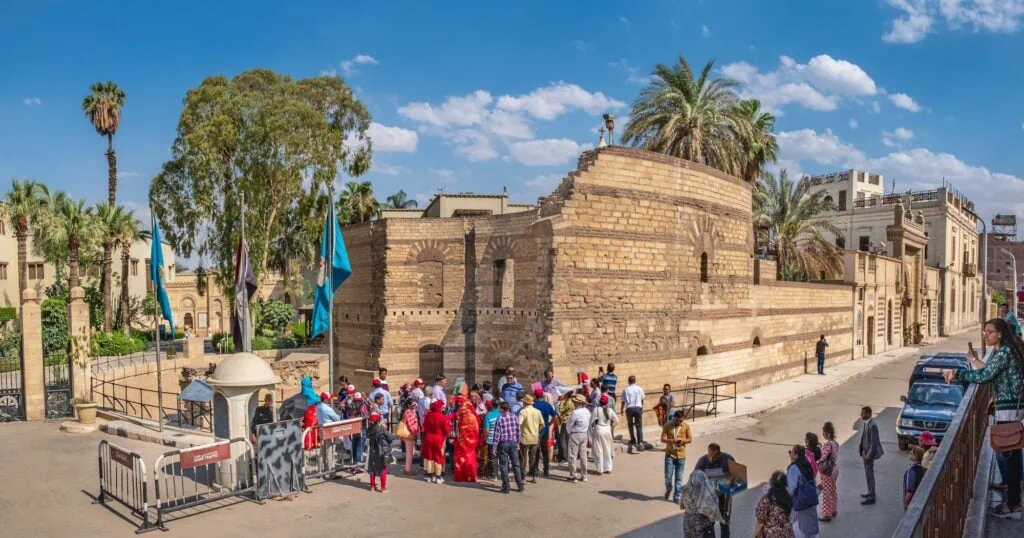
The siege lasted seven months, from April to November 640 AD. Arab forces demonstrated remarkable engineering skill, constructing siege works while maintaining diplomatic pressure on the garrison. Cyrus of Alexandria, serving as both patriarch and Byzantine representative, eventually negotiated the fortress’s surrender rather than face complete destruction.
Victory at Babylon eliminated organized Byzantine resistance throughout middle Egypt. The psychological impact resonated far beyond military considerations – if the empire’s strongest fortress could fall, no position remained secure.
Administrative Revolution Through Continuity
The Arab conquest succeeded not through destruction but through intelligent adaptation of existing systems.
Rather than imposing entirely new administrative structures, Amr ibn al-As retained much of the Byzantine bureaucracy while implementing crucial reforms. This approach minimized disruption to daily life while maximizing the new government’s effectiveness and legitimacy.
Taxation policies changed dramatically. Where Byzantine authorities had imposed crushing levies to fund distant wars, Arab administrators implemented more reasonable rates focused on local governance. The jizya tax on non-Muslims often proved lower than previous imperial assessments, creating immediate economic relief for most Egyptians.
Cultural and Religious Policies
Religious tolerance became a cornerstone of early Arab rule. Coptic Christians found themselves free to practice their faith without persecution for the first time in generations. This policy wasn’t merely strategic – it reflected genuine Islamic principles regarding “People of the Book.”
Greek remained the administrative language initially, ensuring continuity in government functions. Arabic influence spread gradually through trade and intermarriage rather than forced implementation. This organic cultural evolution prevented the social upheaval that had characterized previous conquest attempts.
Economic Integration Strategies
The establishment of Al-Fustat as a new administrative center demonstrated Arab commitment to Egypt’s development. Rather than simply extracting wealth, the new rulers invested in infrastructure and trade relationships. This city would eventually grow into modern Cairo, becoming one of the Islamic world’s great centers of learning and commerce.
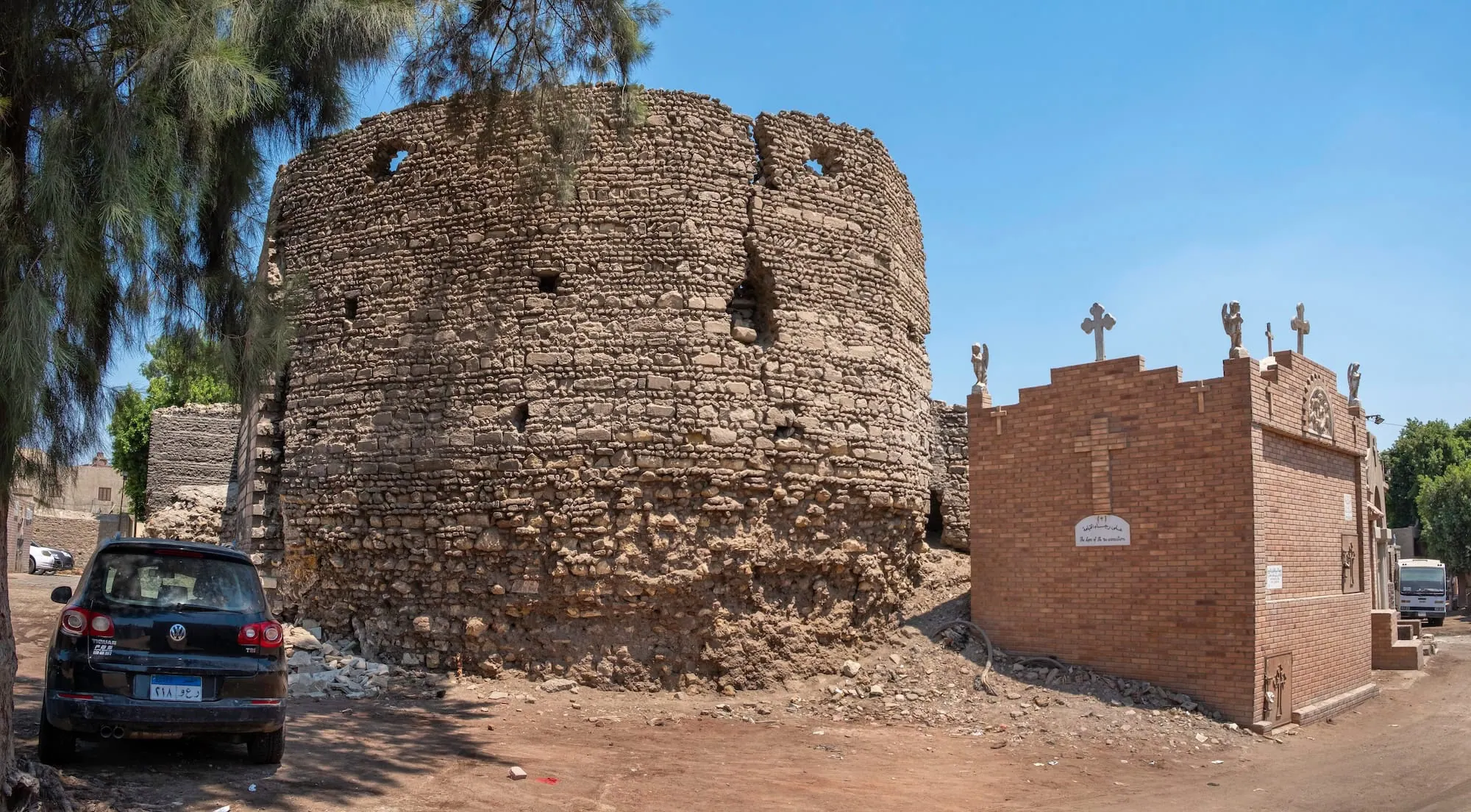
Trade relationships expanded dramatically under Arab rule. Egypt’s position between the Mediterranean and Red Sea trade routes gained new importance as Islamic merchants established networks stretching from Spain to India. Agricultural production increased as irrigation systems received investment and attention previously diverted to military expenses.
Alexandria: The Final Prize
Alexandria’s fall in 642 AD marked the conquest’s culmination and the end of Byzantine Egypt.
The city’s legendary wealth and strategic position made it the campaign’s ultimate objective. However, its massive walls and naval defenses presented formidable challenges even for the victorious Arab forces.
Theodore, the Byzantine commander, initially attempted negotiations similar to those at Babylon Fortress. However, the arrival of Byzantine naval reinforcements convinced him to continue resistance. This decision prolonged the siege but ultimately proved futile as Arab forces had already secured control over the city’s land-based supply lines.
The siege demonstrated Arab military evolution during the campaign. Tactics that had proven successful at smaller fortresses were refined and adapted for Alexandria’s unique challenges. Naval blockades complemented land-based siege works, showing how Arab commanders had learned to integrate different military approaches.

When Alexandria finally surrendered, the terms reflected the conquest’s broader pattern of strategic moderation. The city’s libraries and cultural institutions were preserved, while its population received the same religious protections extended throughout Egypt. This approach ensured that Alexandria would remain a center of learning and trade rather than a symbol of imperial oppression.
Long-term Consequences and Historical Legacy
The Arab conquest fundamentally transformed Egypt’s trajectory through history.
Within a generation, the province had evolved from a rebellious imperial frontier to one of Islam’s most prosperous and culturally significant regions. This transformation occurred not through forced conversion but through the gradual adoption of Arabic language and Islamic customs by a population that found the new order more appealing than Byzantine rule.
The Arabization process unfolded over centuries rather than decades. Coptic remained the primary language for most Egyptians well into the medieval period, while Islamic law coexisted with traditional legal practices. This gradual integration created a unique Egyptian Islamic culture that preserved elements of the region’s ancient heritage.
Political and Military Impact
Egypt’s conquest provided the Rashidun Caliphate with resources essential for further expansion. The province’s wealth funded campaigns across North Africa while its strategic position secured Muslim control over Mediterranean trade routes. Without Egypt, the rapid Islamic conquest of North Africa and eventual expansion into Europe would have been impossible.
The administrative methods developed in Egypt became models for Islamic governance throughout the expanding empire. The balance between religious principles and practical governance established precedents that influenced Islamic political theory for centuries.
Cultural and Intellectual Legacy
The preservation of Alexandria’s scholarly traditions under Arab rule contributed to the Islamic Golden Age. Greek philosophical and scientific works were translated into Arabic, preserving knowledge that might otherwise have been lost. Egyptian scholars played crucial roles in developing Islamic law, theology, and natural philosophy.

The conquest also established Egypt as a center of Islamic learning that rivaled Damascus and Baghdad. Al-Azhar University, founded centuries later, built upon educational traditions that traced back to this period of cultural synthesis and intellectual openness.
Frequently Asked Questions
When exactly did the Arab conquest of Egypt begin?
The invasion launched in December 639 AD under Amr ibn al-As with approximately 4,000 troops.
How long did it take to conquer all of Egypt?
The complete conquest required three years, ending with Alexandria’s surrender in 642 AD.
What role did Amr ibn al-As play in the conquest?
He served as the primary military commander and later became Egypt’s first Arab governor.
Why didn’t the Byzantine Empire defend Egypt more effectively?
Decades of warfare with Persia had exhausted Byzantine military and financial resources.
How were Coptic Christians treated under Arab rule?
They received religious tolerance and often faced lower taxes than under Byzantine rule.
What happened to Alexandria’s famous library during the conquest?
The library and other cultural institutions were preserved rather than destroyed.
Did the Arabs force Egyptians to convert to Islam immediately?
No, conversion occurred gradually over centuries through social and economic incentives rather than coercion.
How did the conquest affect Egypt’s economy?
Trade expanded significantly while taxation became more reasonable than under Byzantine rule.
What was the significance of Babylon Fortress?
Its capture eliminated organized Byzantine resistance and opened the path to Alexandria.
Why was Egypt considered so valuable to the expanding Arab empire?
Egypt provided agricultural wealth, controlled crucial trade routes, and offered strategic military positioning.
How did Arabic language spread throughout Egypt?
Arabic influence grew gradually through administration, trade, and intermarriage rather than forced implementation.
What long-term impact did the conquest have on Egyptian culture?
It created a unique blend of Islamic, Arabic, and traditional Egyptian elements that persists today.

Design Your Custom Tour
Explore Egypt your way by selecting only the attractions you want to visit