

Aswan Botanical Garden – An Island Became a Dream Garden
Kitchener’s Island holds Egypt’s most extraordinary botanical collection.
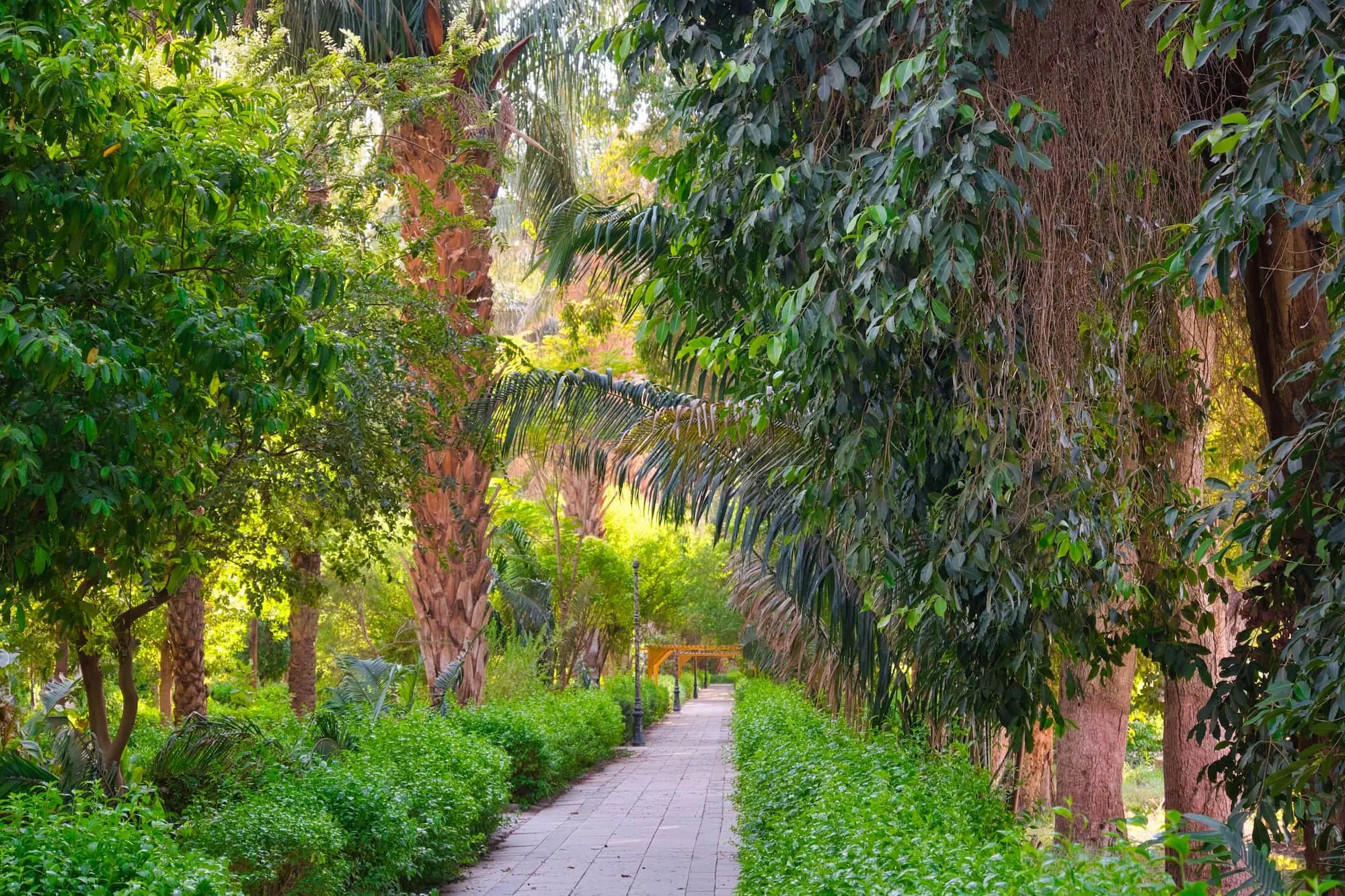
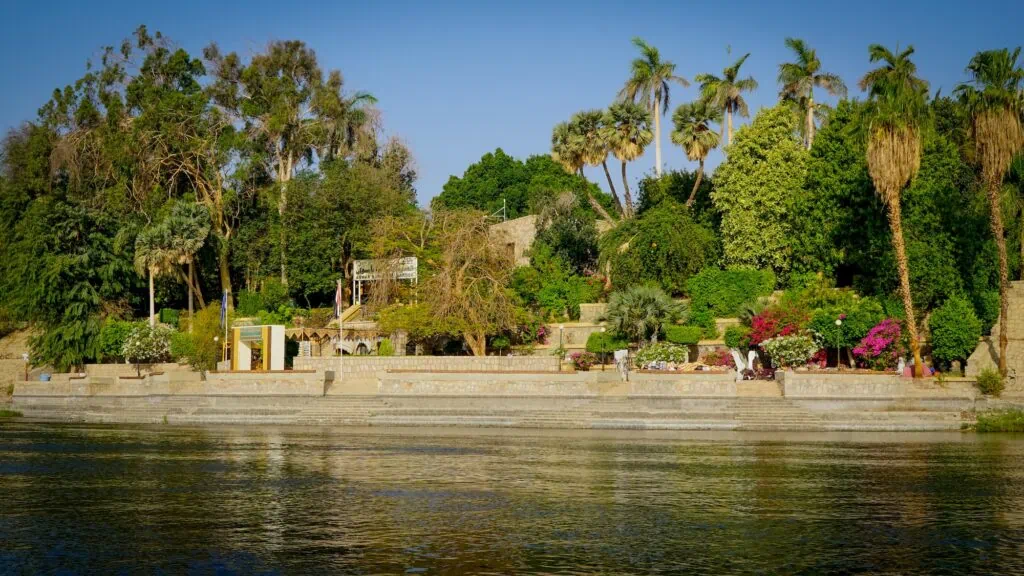
This floating garden sanctuary in the Nile River near Aswan showcases over 380 plant species from five continents, creating an unexpected oasis of international flora in the heart of Nubia. Originally designed by British Lord Horatio Kitchener in the early 1900s, the 6.8-hectare island transforms a former military outpost into one of Egypt’s most peaceful attractions.
We’ve explored every pathway to help you make the most of your visit. Whether you’re planning a quick escape from Aswan’s bustling markets or seeking a tranquil complement to your Philae Temple tour, our guide to Aswan attractions brings these experiences together, helping you plan a well-balanced and rewarding visit.
Table of Contents
Getting There and What to Expect
Your adventure begins at Aswan’s waterfront, where traditional feluccas and modern motor boats offer the only access to this island paradise.
Transportation Options and Timing
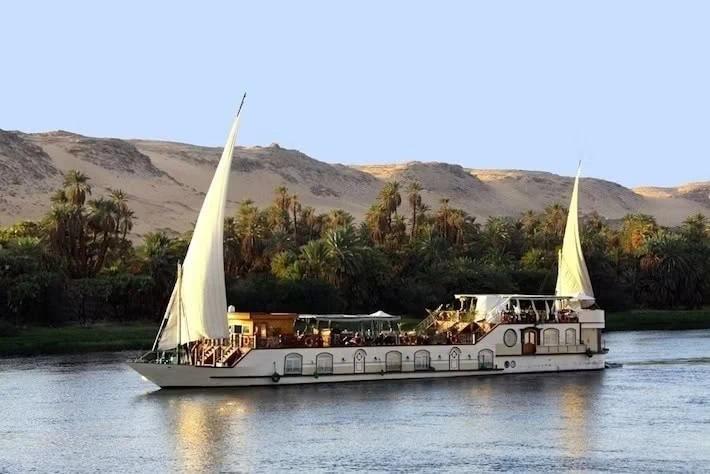
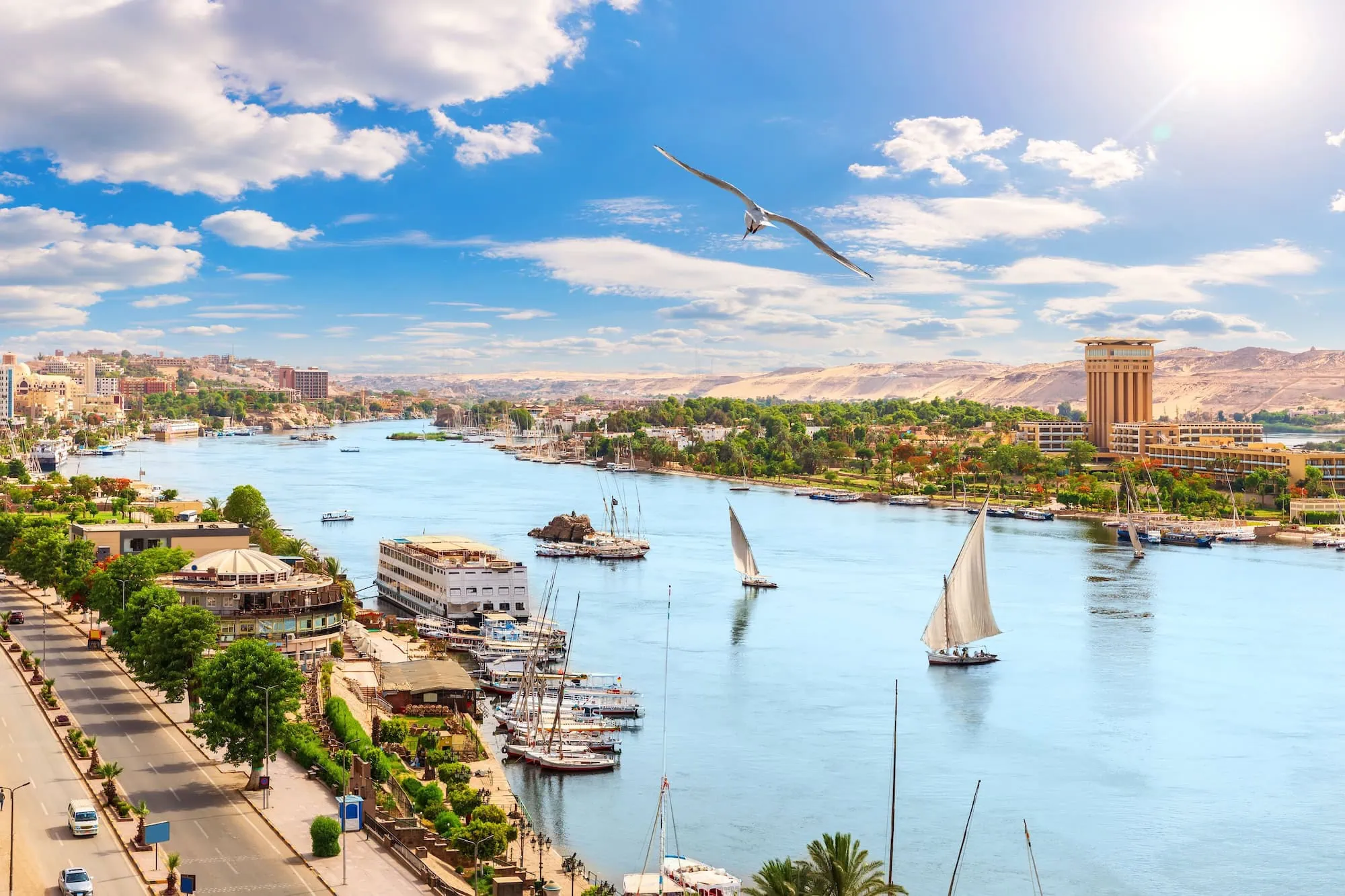
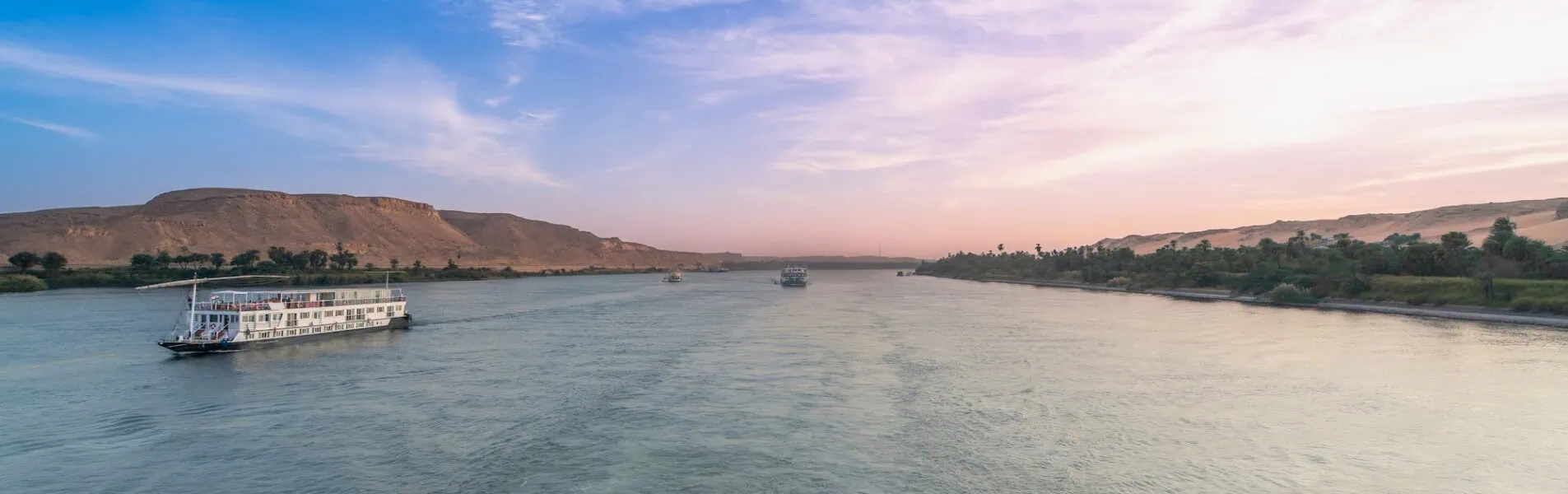
Public ferries operate from the Corniche every 30 minutes during peak season, costing 15 Egyptian pounds for adults. Private felucca rides provide a more romantic approach, with skilled captains navigating the Nile’s currents while you enjoy panoramic views of Elephantine Island and the surrounding granite cliffs.

Motor boats complete the journey in 10 minutes, while traditional sailboats take 20-25 minutes depending on wind conditions. We recommend timing your arrival for late afternoon when temperatures drop and golden hour lighting creates perfect photography conditions. The garden remains open until sunset, allowing visitors to experience the transition from day to evening within this botanical wonderland.
Island Layout and Navigation
Twenty-seven distinct garden squares create a chess-board pattern across the island, connected by vertical and horizontal pathways that make navigation intuitive. The northern entrance leads directly to the palm collection, while southern access points connect to the medicinal plant sections and bird watching areas.
Historical Legacy of Lord Kitchener’s Vision
British military leader Lord Horatio Kitchener transformed this strategic Nile island into an international botanical research center between 1898 and 1916. Kitchener imported rare specimens from British colonies across Africa, Asia, and the Pacific, establishing Egypt’s first systematic collection of exotic flora.
His vision extended beyond mere aesthetics – the garden served as an experimental station for testing which foreign plants could adapt to Egypt’s climate. Palm trees from the Seychelles, sandalwood from India, and medicinal herbs from Sudan created an unprecedented botanical diversity in the region. After Egypt gained independence, the government maintained Kitchener’s original design while expanding the collection to include native Egyptian species.
The transformation from Jet Narty, a Nubian settlement, to this horticultural masterpiece represents one of colonial Egypt’s most enduring positive legacies. Unlike many historical sites that require extensive restoration, the botanical garden continues to flourish and evolve, with new species additions reflecting modern conservation efforts.
Plant Collections From Five Continents
African Species and Desert Adaptations
Indigenous African plants occupy the garden’s eastern sections, featuring drought-resistant succulents and aromatic herbs that thrive in Aswan’s arid climate. Hibiscus varieties bloom year-round, their vibrant red and pink flowers creating striking color contrasts against the Nile’s blue waters.
Traditional medicinal plants used by Nubian communities grow alongside contemporary landscape specimens, preserving both botanical diversity and cultural knowledge.
Asian Tropical Imports
Sandalwood trees and papaya groves demonstrate successful tropical transplantation to Egyptian soil. Ginger and cardamom plants flourish in the garden’s more humid micro-climates, while bamboo groves provide natural shade and wind protection. These Asian species required careful irrigation system design and soil modification to establish sustainable growing conditions.
Royal Palm Collection
The centerpiece royal palm avenue stretches along the island’s main pathway, featuring specimens from Madagascar, the Caribbean, and Southeast Asia. Sabal palms create natural pergolas over walking areas, while date palms provide both shade and traditional Egyptian agricultural representation. Each palm variety displays identifying plaques with origin information and botanical characteristics.
Wildlife and Bird Watching Opportunities
The Aswan Botanical Garden serves as a crucial migration stopover and permanent habitat for numerous bird species along the Nile flyway. Egyptian geese nest among the reedy shorelines, while fish eagles soar overhead hunting in the surrounding waters.
During winter months, European migrants join resident African species, creating exceptional bird watching diversity. Terns and plovers feed along the island’s rocky edges, particularly during early morning and late afternoon hours.
Quiet observation from the garden’s many benches rewards patient visitors with close wildlife encounters. The island’s pesticide-free environment attracts beneficial insects that support both plant health and bird populations, creating a balanced ecosystem within this controlled environment.
Seasonal Visiting Considerations and Practical Tips
Peak blooming occurs between October and April when cooler temperatures encourage optimal plant growth and flower production. Summer visits require early morning or late afternoon timing to avoid extreme heat, though the garden’s extensive shade coverage provides relief even during midday hours.
Comfortable walking shoes are essential as pathways include both paved sections and natural earth surfaces. We recommend bringing sun protection, water, and a camera with macro lens capabilities for close-up plant photography. The island’s benches offer strategic rest points, particularly welcome during longer exploration sessions.
Combining your botanical garden visit with nearby Aswan attractions maximizes your day’s experiences. The Aswan High Dam and Unfinished Obelisk pair well with morning garden visits, while Philae Temple creates an excellent afternoon complement.
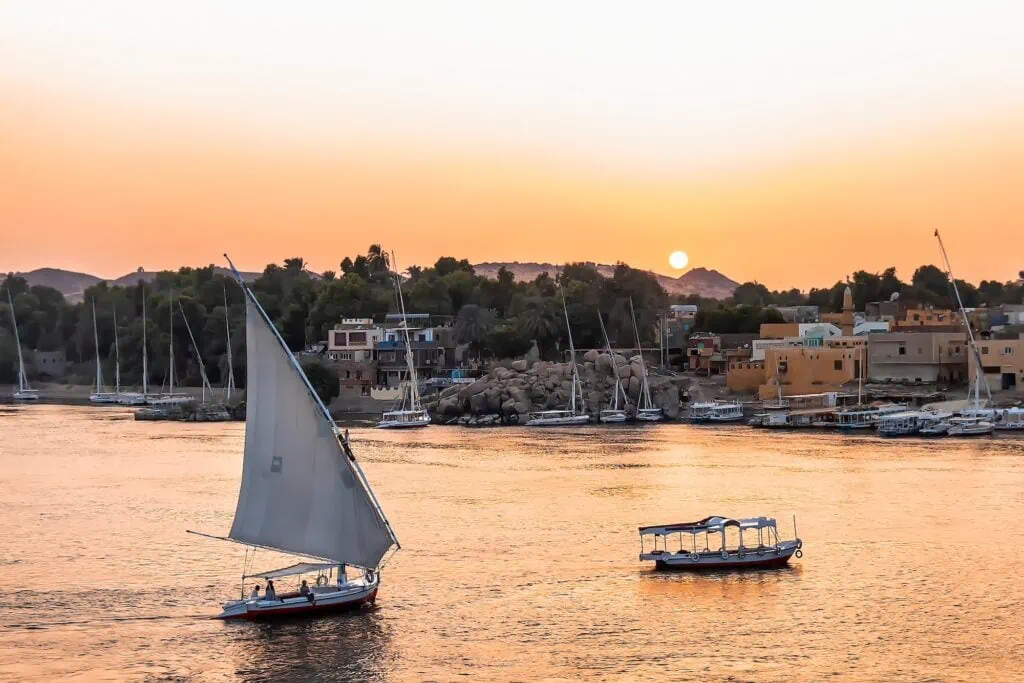
Many visitors enjoy sunset felucca rides that conclude at the garden for evening photography sessions.
Photography and Best Viewing Spots
Northern palm groves provide dramatic natural framing for Nile River shots, while the southern medicinal gardens offer intimate close-up opportunities among flowering shrubs and herbs. The central chess-board pathway system creates geometric composition possibilities that contrast beautifully with organic plant forms.
Golden hour lighting transforms the entire island, casting warm tones across both exotic foliage and traditional Egyptian architectural elements visible from various viewpoints. Professional photographers often request permission for extended sessions, particularly for botanical macro work and bird photography.
Planning Your Visit With Egypt Tours Plus
Our decades of Aswan expertise ensure seamless botanical garden experiences combined with Egypt’s other premier attractions. Private transportation eliminates waterfront navigation concerns, while our knowledgeable guides provide botanical and historical insights unavailable to independent visitors.
We customize itineraries that pair the garden’s tranquil atmosphere with more active Aswan adventures, creating balanced days that satisfy diverse travel interests. Our modern, air-conditioned vehicles provide comfortable transfers between attractions, while 24/7 customer support ensures worry-free exploration throughout your Egyptian journey.
Unwind In The Green Heart Of Aswan
The Aswan Botanical Garden offers a peaceful escape along the Nile—where lush greenery, exotic plants, and calm surroundings create a refreshing contrast to Egypt’s ancient sites. With EgyptToursPlus, we seamlessly include this serene oasis in a private journey that balances cultural exploration with moments of relaxation.
You choose your travel dates, your pace, and the experiences that shape your route. From tranquil garden visits to iconic landmarks and comfortable stays, we tailor every detail around your preferences—ensuring a smooth, refined, and deeply personal travel experience from start to finish.
Frequently Asked Questions
Entry to Aswan Botanical Garden on Kitchener’s Island is typically inexpensive by international standards, with adult tickets historically around EGP 15 and children under 12 often admitted free or at reduced rates. Additional costs usually include a short felucca or motorboat ride from Aswan’s Corniche. Ticket policies for foreign visitors sometimes differ from local pricing under Egypt’s tourism system. Carry small Egyptian pound notes because card payment facilities may not always be available at the dock.
Late afternoon between 3:00 pm and sunset is widely considered the best time to visit Aswan Botanical Garden because temperatures become noticeably cooler and the Nile lighting improves for photography. During summer months, daytime temperatures in Aswan regularly exceed 40°C (104°F), making midday walks uncomfortable. The island’s palm-lined paths and exotic trees create especially attractive golden-hour scenery overlooking Elephantine Island and the west bank hills. Winter mornings from November through February are also very pleasant for quieter exploration.
Most travelers spend 1-2 hours exploring Aswan Botanical Garden, although photography enthusiasts and birdwatchers often stay longer to enjoy the island’s quieter corners and Nile views. The garden covers nearly 17 acres (about 6.8 hectares) on Kitchener’s Island and contains hundreds of tropical and subtropical plant species introduced during the British colonial period. Visitors usually combine the garden with felucca sailing or nearby Elephantine Island visits. Allow additional time for boat transportation to and from the east bank.
No, the only way to reach Aswan Botanical Garden is by boat because the attraction occupies Kitchener’s Island in the middle of the Nile near central Aswan. Visitors typically use feluccas, shared river taxis, or private motorboats departing from the Corniche or nearby docks around Elephantine Island. Boat rides usually take 5-15 minutes depending on departure point and river traffic conditions. Late afternoon crossings are especially scenic because of softer sunlight on the Nile and desert hills.
Yes, Aswan Botanical Garden offers basic visitor facilities including restrooms, shaded benches, walking paths, and small resting areas distributed across the island. The garden is designed more as a peaceful natural space than a commercial attraction, so visitors should not expect large restaurants or extensive retail services on-site. Limited refreshment vendors may operate seasonally near docking points. Bringing drinking water is strongly recommended, particularly during warmer months when Aswan’s desert climate can cause rapid dehydration.
Visitors to Aswan Botanical Garden should bring sun protection, drinking water, comfortable walking shoes, and a camera because the island combines shaded tropical pathways with exposed Nile viewpoints. Lightweight clothing and hats are especially important between April and October when temperatures frequently exceed 35°C (95°F). Birdwatchers may also benefit from binoculars because migratory species and Nile birds are commonly spotted around the island’s quieter edges. Insect repellent can be useful during evening visits near the riverbanks.
Aswan Botanical Garden is relatively accessible compared to many Egyptian archaeological sites because most pathways across Kitchener’s Island are flat and shaded by mature trees and palms. Visitors with mild mobility limitations can usually explore large sections comfortably, especially near the main entrances and central walking areas. However, boat boarding and uneven dock surfaces may still present challenges for wheelchair users or travelers needing extensive assistance. Morning visits generally provide cooler conditions and less physical strain.
Yes, Aswan Botanical Garden generally remains open during Ramadan and major Egyptian holidays, although operating hours and boat schedules may be reduced during religious observances. Evening visits become especially popular during Ramadan because cooler temperatures arrive after sunset and local families often gather along the Nile. Transportation availability can vary on public holidays such as Eid al-Fitr and Eid al-Adha, so confirming departure times in advance is advisable. Early planning helps avoid unnecessary waiting at river docks.
Yes, private guides specializing in botany, birdlife, and Aswan’s colonial-era history can be arranged for visits to Aswan Botanical Garden through Egypt Tours Plus and local tour operators. Guided visits help travelers understand how Lord Kitchener transformed the island in the early 20th century using imported plant species from Africa and Asia. Knowledgeable guides can also identify medicinal plants, rare palms, and seasonal migratory birds often overlooked during self-guided walks. Private tours are especially useful for photography and educational groups.
Aswan Botanical Garden combines especially well with Elephantine Island, felucca sailing, and Philae Temple because all three experiences are geographically convenient and complement each other historically and visually. Many travelers visit the garden during the cooler morning or late afternoon hours, then continue to Philae Temple by vehicle and boat later in the day. A Nile sailing excursion at sunset creates a particularly efficient itinerary. Combining river-based attractions minimizes transportation time across Aswan’s busy streets.
Photography for personal use is permitted throughout Aswan Botanical Garden, including landscape shots, tropical plant collections, and panoramic Nile views from Kitchener’s Island. The combination of exotic trees, granite riverbanks, and traditional feluccas makes the site particularly popular with travel photographers and birdwatchers. Commercial filming or professional equipment setups may require advance authorization from local authorities. Late afternoon lighting usually produces the most attractive colors and softer shadows across the island’s pathways and waterfront.
Visitors to Aswan Botanical Garden commonly spot Egyptian geese, herons, egrets, fish eagles, and seasonal migratory birds resting along the Nile and within the island’s dense vegetation. The garden’s location between Elephantine Island and the west bank creates an unusually rich habitat compared to the surrounding desert environment. Small reptiles, butterflies, and river fish are also regularly observed near the shoreline. Winter months from November through February often provide the best birdwatching opportunities because of migratory activity.
Ancient Wonders of Aswan, Modern Comfort
Sail the Nile Through Aswan Like a Pharaoh
Design Your Custom Tour
Explore Egypt your way by selecting only the attractions you want to visit