

When Is the Best Time to Visit Aswan? Weather, Crowds & Tips
Planning your Aswan adventure starts with one crucial decision.

The ancient city sits along the Nile River in southern Egypt, where desert temperatures can soar to scorching heights or drop to surprisingly comfortable levels depending on the season. Understanding Aswan’s climate patterns helps you experience the best this archaeological wonderland offers – from Abu Simbel’s magnificent temples to peaceful felucca rides on the Nile. Whether you’re drawn to the engineering marvel of the High Dam or the mystical beauty of Philae Temple, timing your visit right makes all the difference.
Our decades of guiding travelers through Egypt have taught us that the right season transforms good trips into extraordinary ones.
Table of Contents
Prime Season: October Through April
October marks the beginning of Aswan’s golden period. Daytime temperatures settle into comfortable ranges around 30°C (86°F), while evenings become pleasantly cool at 18°C (64°F). This dramatic temperature drop creates perfect conditions for exploring outdoor archaeological sites during the day and enjoying dinner cruises along the Nile after sunset.
Why Winter Months Shine
November through February delivers Aswan’s most comfortable weather. Maximum temperatures hover around 25°C (77°F) with nighttime lows dipping to 10°C (50°F). These cooler conditions make walking through temple complexes enjoyable rather than exhausting. Tourist crowds peak during this window, particularly around Christmas and New Year, but the manageable climate justifies the increased activity.
Shoulder Seasons Offer Balance
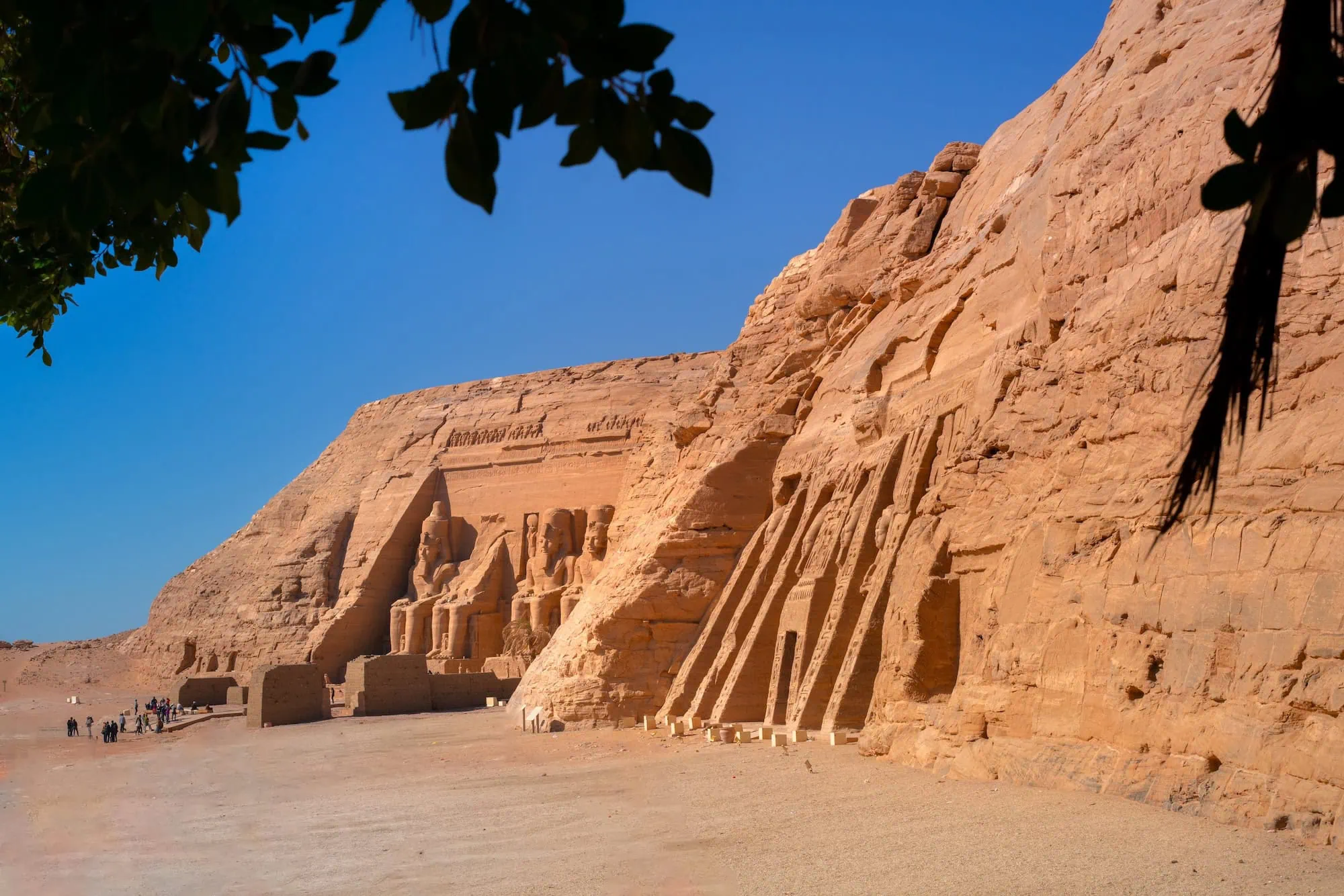
March and April present excellent alternatives for savvy travelers. Temperatures begin climbing toward summer levels but remain tolerable – typically reaching 35°C (95°F) during peak afternoon hours. Hotel rates drop compared to winter peaks, and popular attractions feel less crowded. Late October provides similar advantages as temperatures gradually cool from summer’s intensity.
Early Season Advantages
September represents a transition month worth considering for budget-conscious visitors. While still warm with temperatures around 40°C (104°F), the extreme summer heat begins subsiding. Accommodation prices remain low, and you’ll find restaurants and tour operators eager to welcome guests after the quiet summer period.
Summer Challenges: May to September
Summer in Aswan brings intense desert heat that tests even experienced travelers’ limits.
May through September sees temperatures regularly exceeding 45°C (113°F) during midday hours. The blazing sun makes outdoor sightseeing extremely challenging, particularly at sites like Abu Simbel where you’re exposed to direct sunlight for extended periods. Air conditioning becomes essential rather than optional during these months. Many hotels and tour operators reduce services or close entirely, especially during July and August when heat reaches its peak intensity. Local residents adapt by staying indoors during afternoon hours and conducting business early morning or late evening.
Even dedicated Egypt enthusiasts find summer conditions overwhelming. We’ve guided determined travelers through summer months, but success requires significant preparation and realistic expectations about daily activities.
Weather Patterns and Daily Variations
Aswan experiences one of Egypt’s driest climates with minimal rainfall throughout the year. The desert location creates extreme temperature variations between day and night, especially during cooler months. Winter evenings can feel surprisingly chilly after warm days, requiring layered clothing options.
Understanding Daily Temperature Swings
December and January showcase Aswan’s most dramatic temperature differences. Morning temperatures around 8°C (46°F) climb to comfortable 23°C (73°F) by afternoon, then drop rapidly after sunset. Pack accordingly – lightweight layers work better than heavy jackets you’ll need to carry during warm daylight hours.
Wind patterns remain generally calm, though occasional desert breezes provide welcome relief during warmer periods. Humidity stays consistently low year-round, making even higher temperatures more bearable than similar heat in coastal locations.
Tourist Seasons and Crowd Management
Peak tourist season runs December through February when European and North American visitors escape their winter weather. Popular sites like Philae Temple and the Unfinished Obelisk experience their heaviest crowds during these months, particularly between 10:00 am (10:00) and 2:00 pm (14:00).
Shoulder seasons in March, April, October, and November offer the best balance of pleasant weather and manageable crowds. Many experienced travelers prefer these periods for photography and peaceful temple exploration. Nile cruises between Luxor and Aswan operate year-round but provide more comfortable deck experiences during cooler months.
Planning Around Local Events
Islamic holidays and Egyptian national celebrations can impact your visit regardless of season. Ramadan affects restaurant hours and some tour operations, though tourist sites remain open with modified schedules. Plan ahead by checking religious calendar dates that shift annually.
Local festivals occasionally create increased activity around certain temples or cultural sites. These events add authentic cultural experiences but may require advance reservations for accommodations.
Practical Considerations for Each Season
Winter Travel Essentials
Mornings require warm layers – bring a light jacket or sweater for early temple visits. Comfortable walking shoes work well as surfaces remain pleasant throughout the day. Sunscreen remains important despite cooler temperatures due to strong UV reflection from desert surfaces and the Nile.
Spring and Fall Preparation
These transition seasons demand the most versatile packing. Start mornings with light layers, plan for warm afternoons, then add clothing as evening temperatures drop. Wide-brimmed hats become essential as sun intensity increases. Portable water bottles prove crucial during longer excursions.
Summer Survival Strategy
Summer visits require careful planning and realistic expectations. Schedule all outdoor activities before 9:00 am (09:00) or after 5:00 pm (17:00). Lightweight, light-colored clothing with long sleeves protects against sun exposure while maintaining body temperature regulation. Increased water intake becomes critical – aim for at least 3 liters daily.
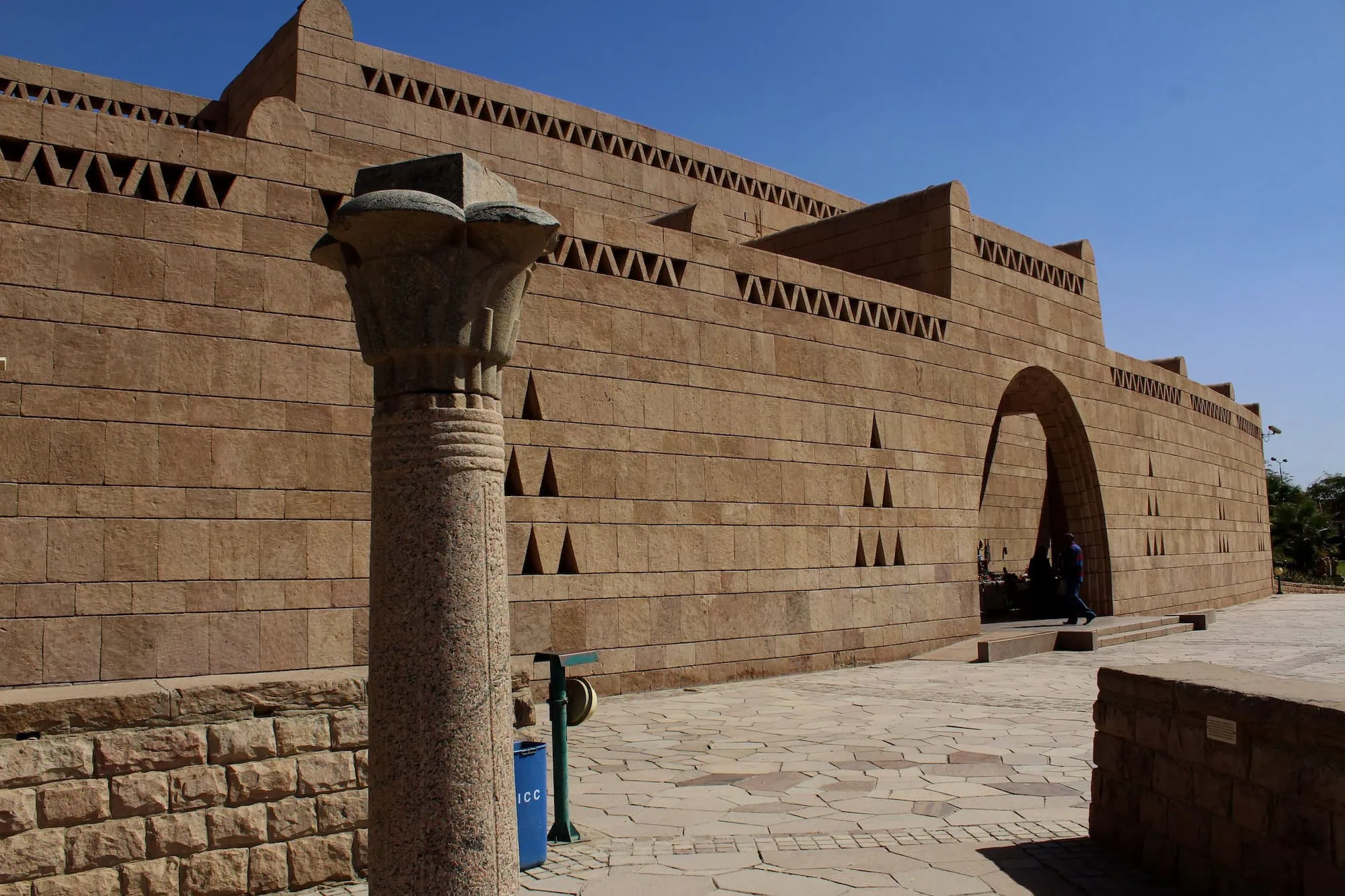
Indoor attractions like the Nubia Museum provide comfortable midday alternatives when outdoor exploration becomes impossible.
Best Times for Specific Activities
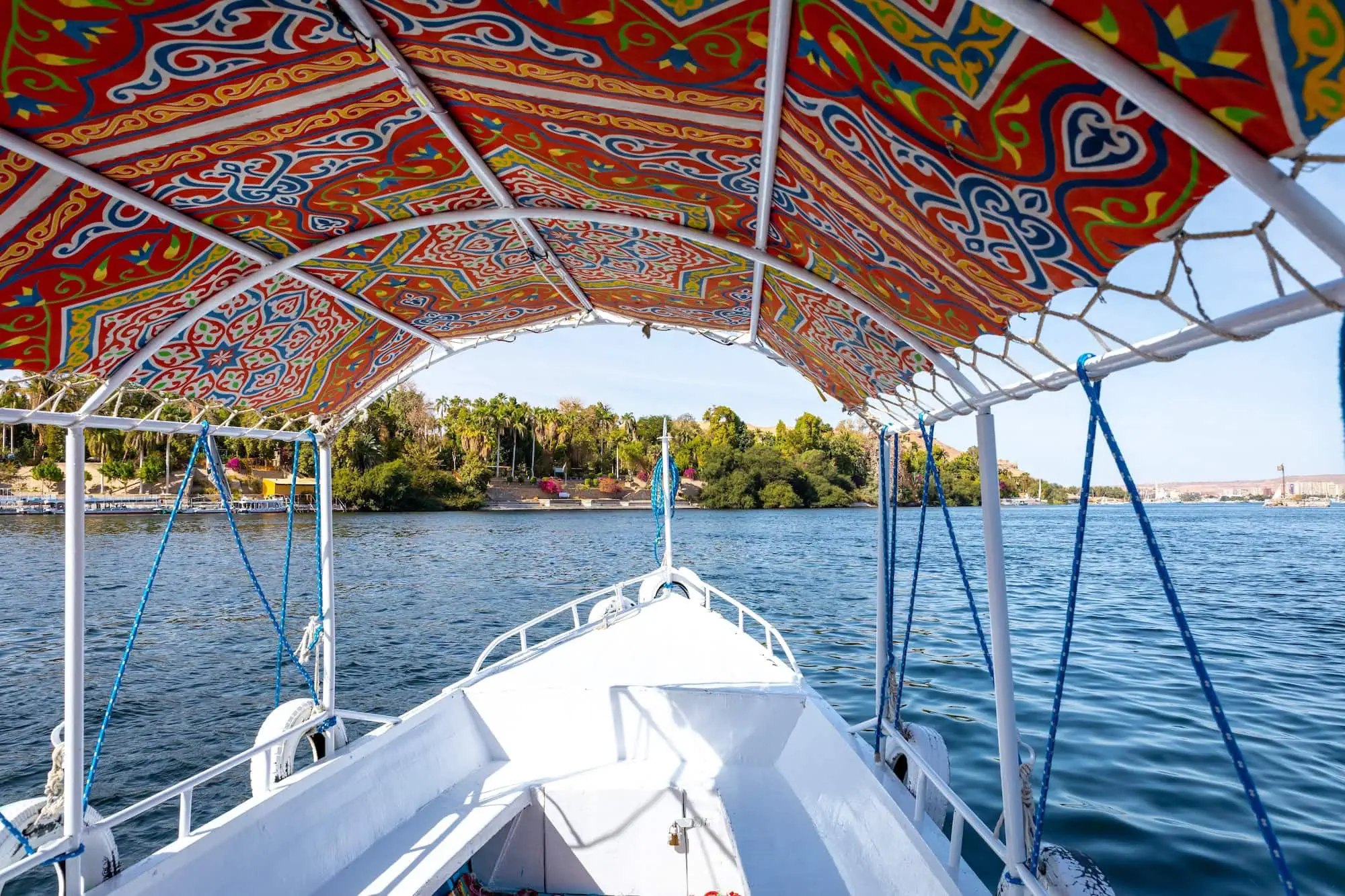
Felucca sailing works beautifully during cooler months when gentle Nile breezes feel refreshing rather than hot. Photography enthusiasts find golden hour lighting spectacular year-round, though winter months allow comfortable positioning for extended shoots.
Abu Simbel Day Trips
The famous temples require approximately 3-4 hours for a complete visit including travel time. Winter months allow flexible scheduling, while summer visits must begin before dawn to avoid midday heat. Sound and light shows at Abu Simbel operate year-round but provide more comfortable viewing experiences during cooler evenings.
Nile Cruise Considerations
Multi-day cruises between Luxor and Aswan operate throughout the year with varying comfort levels. Winter cruises offer pleasant deck experiences and comfortable cabin temperatures.
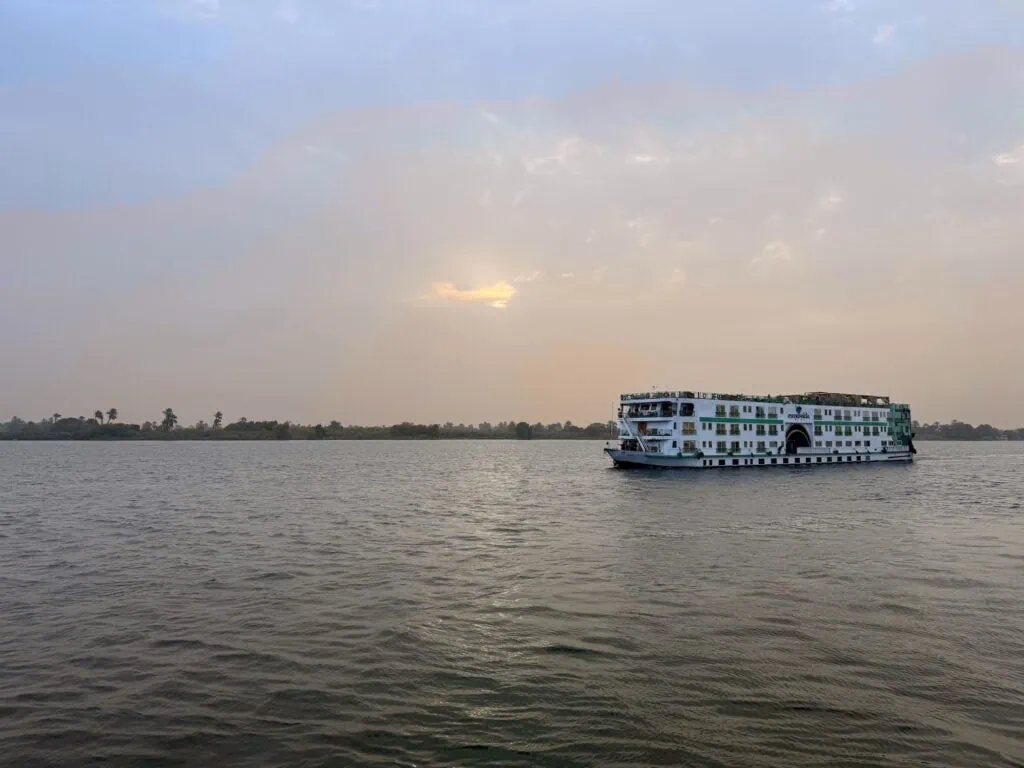
Summer cruises rely heavily on air conditioning, limiting outdoor enjoyment during daylight hours. Our small group excursions (up to 12 participants) provide intimate experiences regardless of season, though guest comfort varies significantly between winter and summer sailings.
Price Variations Throughout the Year
Accommodation rates fluctuate dramatically based on season and demand. December through February commands premium pricing, particularly around Christmas and New Year when rates can double compared to summer months. Many luxury hotels and Nile cruise operators offer significant discounts during summer months to attract heat-tolerant travelers.
March, April, October, and November provide the best value proposition – combining reasonable weather with moderate pricing. Budget travelers find exceptional deals during September when temperatures remain high but tourist infrastructure fully operates.
Flight costs to Cairo or Aswan follow similar patterns, with winter months commanding higher prices from European and North American departure cities.
Regional Climate Variations
While focusing on Aswan specifically, consider that southern Egypt experiences more extreme temperatures than northern destinations like Cairo or Alexandria. If your Egypt itinerary includes multiple cities, plan Aswan visits during the coolest part of your trip.
The proximity to Sudan means Aswan shares similar weather patterns with sub-Saharan regions rather than Mediterranean-influenced northern Egypt. Desert conditions dominate year-round with minimal rainfall and extreme temperature variations.
Making Your Decision
Your ideal Aswan visit timing depends on personal heat tolerance, budget considerations, and travel flexibility. Travelers comfortable with warm weather find shoulder seasons perfect for combining good conditions with reasonable prices. Those preferring consistently comfortable temperatures should plan winter visits despite higher costs and crowds.
Summer visits work for specific situations – travelers on tight budgets, residents of extremely hot climates, or those with completely flexible schedules allowing indoor activities during peak heat hours.
We recommend booking winter trips well in advance due to limited availability, while summer and shoulder season bookings offer more flexibility. Our personalized itineraries adapt to seasonal conditions, ensuring meaningful experiences regardless of your chosen travel dates.
Consider your planned activities carefully. Photography workshops, archaeological explorations, and cultural interactions work best during comfortable weather months. Relaxing resort stays or primarily indoor experiences can succeed during any season with proper preparation.
Frequently Asked Questions
October through April offers the best weather in Aswan, with December through February providing the most comfortable conditions for sightseeing. Daytime temperatures during winter typically range from 20°C to 28°C (68°F to 82°F), making visits to Philae Temple, Abu Simbel, and Nubian villages far more enjoyable than in summer. Rain is extremely rare throughout the year. For a balance of pleasant weather and manageable crowds, many travelers favor October, November, March, and early April.
es, summer travel to Aswan is possible, but visitors must prepare for extreme heat and adjust their schedules accordingly. From June through August, daytime temperatures frequently exceed 40°C (104°F) and can occasionally reach 45°C (113°F) or higher. Most experienced travelers schedule outdoor sightseeing before 10:00 am and reserve midday hours for museums, hotels, or Nile cruises. If visiting in summer, prioritize hydration and sun protection throughout the day.
Hotel prices in Aswan are generally lowest between June and September, when high temperatures reduce visitor demand. During this period, room rates at many hotels can be 30% to 50% lower than peak winter prices, particularly for longer stays. Discounts are often available on Nile cruises and private tours as well. Travelers willing to tolerate the heat can find excellent value during the summer low season.
Aswan is busiest from December through February, when Egypt’s winter tourism season reaches its peak. Popular attractions such as Philae Temple, the Unfinished Obelisk, and Nile cruise embarkation points experience their largest crowds, especially between 10:00 am and 2:00 pm. International tour groups, cruise passengers, and domestic travelers all contribute to increased visitor numbers. Arriving early in the morning is often the easiest way to avoid the busiest periods.
Pack lightweight daytime clothing, a light jacket, comfortable walking shoes, and sunscreen for winter visits to Aswan. Although afternoon temperatures often reach 20°C to 28°C (68°F to 82°F), early mornings and evenings can drop below 10°C (50°F), especially along the Nile. Sunglasses and a hat remain essential because the desert sun is strong year-round. Layered clothing allows you to stay comfortable throughout significant daily temperature changes.
Yes, Nile cruises between Luxor and Aswan operate throughout the year, although comfort levels vary by season. Winter cruises from October through April are the most popular because temperatures are ideal for sightseeing at temples such as Kom Ombo and Edfu. Summer cruises often offer lower prices and fewer passengers but involve significantly hotter excursions. Travelers focused on comfort generally prefer the cooler months for cruising.
Summer temperatures in Aswan regularly exceed 45°C (113°F) during the hottest months, making it one of Egypt’s warmest destinations. Between May and September, afternoon heat can become intense enough to limit outdoor activity for several hours each day. The city’s desert location and low humidity create strong solar exposure even when shade is available. Travelers visiting in summer should schedule major sightseeing early and carry water at all times.
The best time to visit Abu Simbel is during the cooler months from October through April, when temperatures allow flexible sightseeing schedules. During winter, visitors can comfortably explore the temples throughout much of the day. In contrast, summer temperatures near Lake Nasser often require departures before sunrise to avoid extreme midday heat. Early morning visits also provide softer light for photography and a more comfortable experience overall.
Most restaurants, museums, temples, and tourist attractions in Aswan remain open throughout the summer season. However, some businesses adjust operating hours to accommodate the heat, with activity shifting toward early mornings and evenings. Visitor numbers are substantially lower between June and September, so certain services may operate with reduced staffing. Checking opening hours in advance is advisable, particularly for smaller attractions and locally operated businesses.
Winter temperatures in Aswan can vary by more than 15°C (27°F) between dawn and afternoon. A typical January day may begin around 8°C to 10°C (46°F to 50°F) before warming to 25°C (77°F) or higher by midafternoon. The desert environment allows heat to dissipate quickly after sunset, creating noticeable temperature swings. Packing layers is the simplest way to remain comfortable throughout the day.
For travel between December and February, booking 3 to 6 months in advance is strongly recommended. Winter is Aswan’s busiest tourism season, and popular Nile cruises, hotels, and Abu Simbel excursions can sell out well before departure dates. Travelers seeking preferred accommodations, specific cruise ships, or holiday-season travel should secure reservations even earlier. Early booking also improves access to better flight schedules and room categories.
Ancient Wonders of Aswan, Modern Comfort
Sail the Nile Through Aswan Like a Pharaoh


Design Your Custom Tour
Explore Egypt your way by selecting only the attractions you want to visit