

Blue Mosque in Istanbul – A Mosque Of Majesty And Splendor
Istanbul’s Blue Mosque towers against the skyline with unmistakable grace.
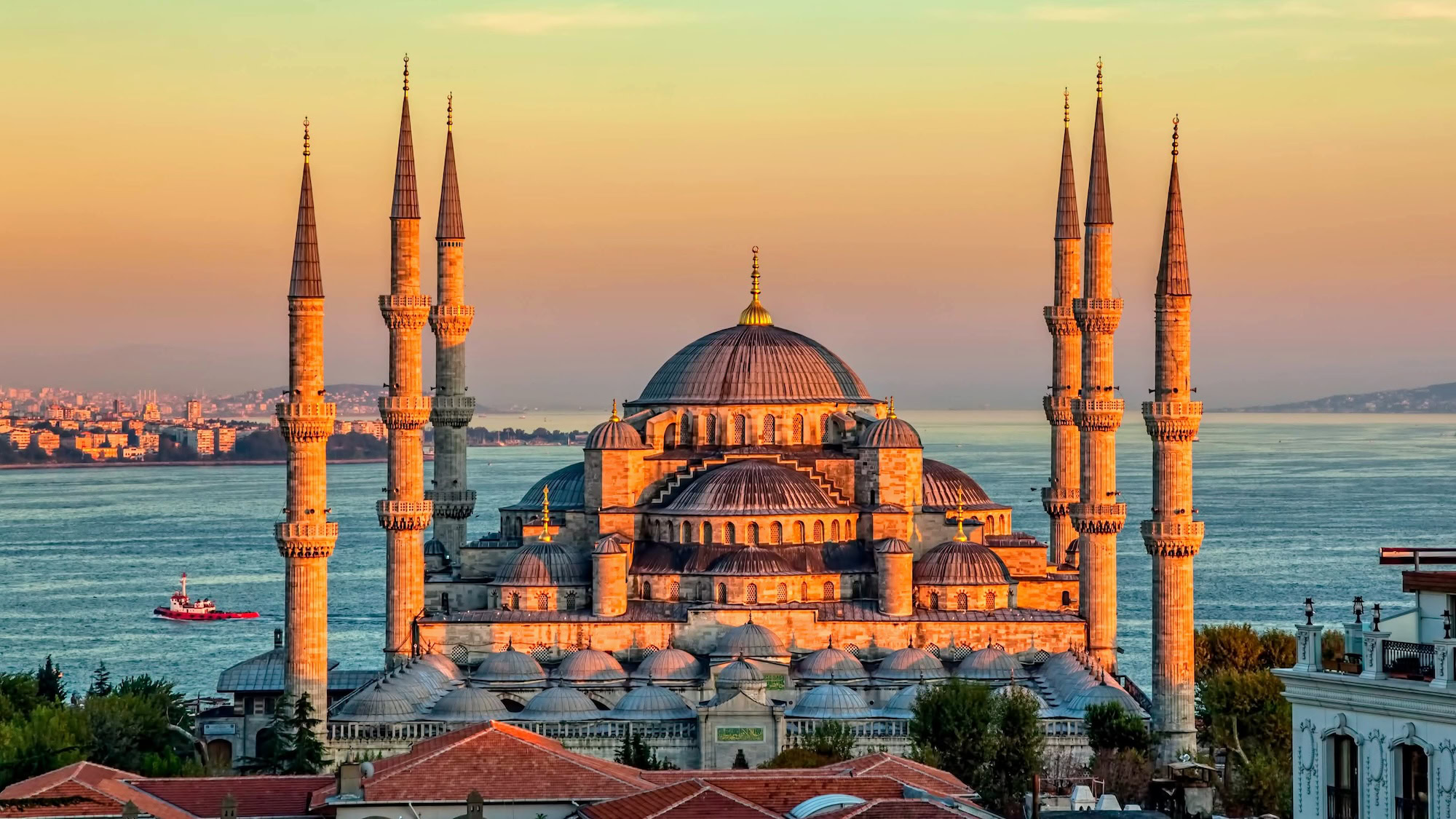
The Sultan Ahmed Mosque, widely known as the Blue Mosque, stands as one of the most impressive examples of Ottoman architecture. Built between 1609 and 1617 during the reign of Sultan Ahmed I, this iconic structure blends spiritual significance with imperial ambition. Inside, more than 20,000 handmade Iznik tiles create the mosque’s famous blue ambiance, while its six minarets define the skyline near the Bosphorus.
The Blue Mosque can be included in our Egypt and Turkey Multi-Country Tours, where Istanbul’s architectural masterpieces are combined with Egypt’s ancient landmarks for a rich and diverse cultural journey.
Whether you’re visiting for the first time or looking to deepen your understanding, this living mosque offers a powerful insight into history, religion, and artistic achievement.
Table of Contents
The Story Behind Istanbul’s Most Famous Mosque
Sultan Ahmed I commissioned this architectural marvel when he was just 19 years old. Unlike previous Ottoman rulers who funded mosque construction through war spoils, Ahmed controversially used treasury funds to finance his ambitious project. This decision sparked political debate throughout the empire, as traditionalists questioned spending state resources on religious architecture.
The Architect’s Vision
Mehmet Ağa, student of the legendary Sinan, designed the mosque to complement and rival the nearby Hagia Sophia. The young architect faced immense pressure to create something that would demonstrate Ottoman power while respecting Islamic architectural traditions. His solution combined classical Ottoman layout principles with innovative decorative elements that would define the building’s character for centuries.
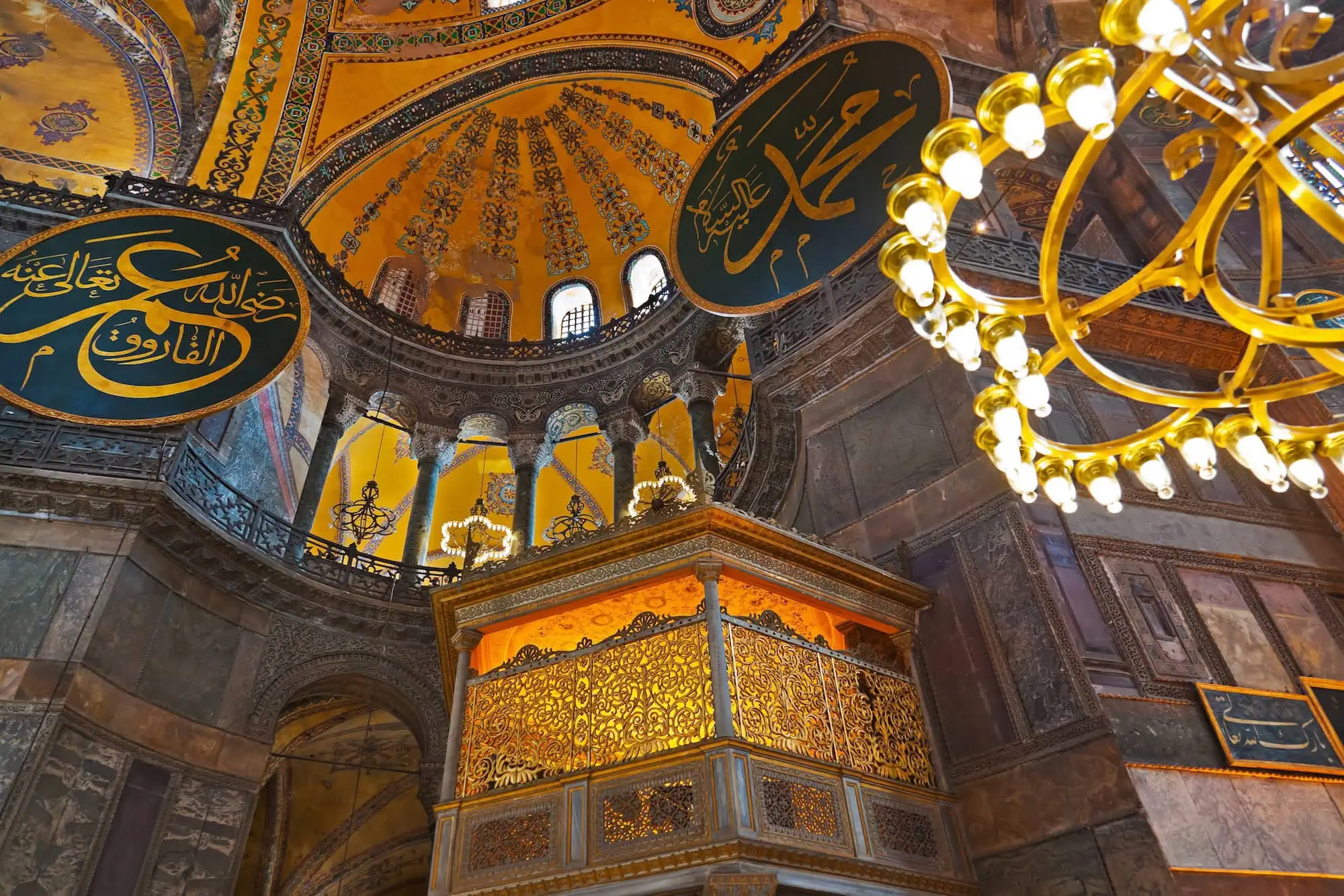
The Six Minaret Controversy
The mosque’s six minarets created immediate religious controversy. Most mosques featured one, two, or four minarets, making the Blue Mosque’s design seem presumptuous. Religious leaders worried this matched the number at Mecca’s Great Mosque, potentially challenging Islamic hierarchy. To resolve the crisis, Sultan Ahmed funded a seventh minaret at Mecca, preserving religious protocol while maintaining his architectural vision.
Construction Challenges
Building the mosque required unprecedented coordination of craftsmen, materials, and logistics. Master tile makers from Iznik worked for years creating the ceramic masterpieces that would adorn every surface. The project employed hundreds of artisans, from stone carvers to calligraphers, each contributing specialized skills to the unified design.
Architecture and Design: Where Art Meets Faith
The Blue Mosque showcases Ottoman architecture at its absolute peak. The central dome, supported by four massive pillars, rises 43 meters (141 feet) above the prayer hall. Four semi-domes extend the space, creating an interior that feels both intimate and monumentally grand. This classical Ottoman arrangement had been perfected over centuries, but Mehmet Ağa’s execution remains unmatched.
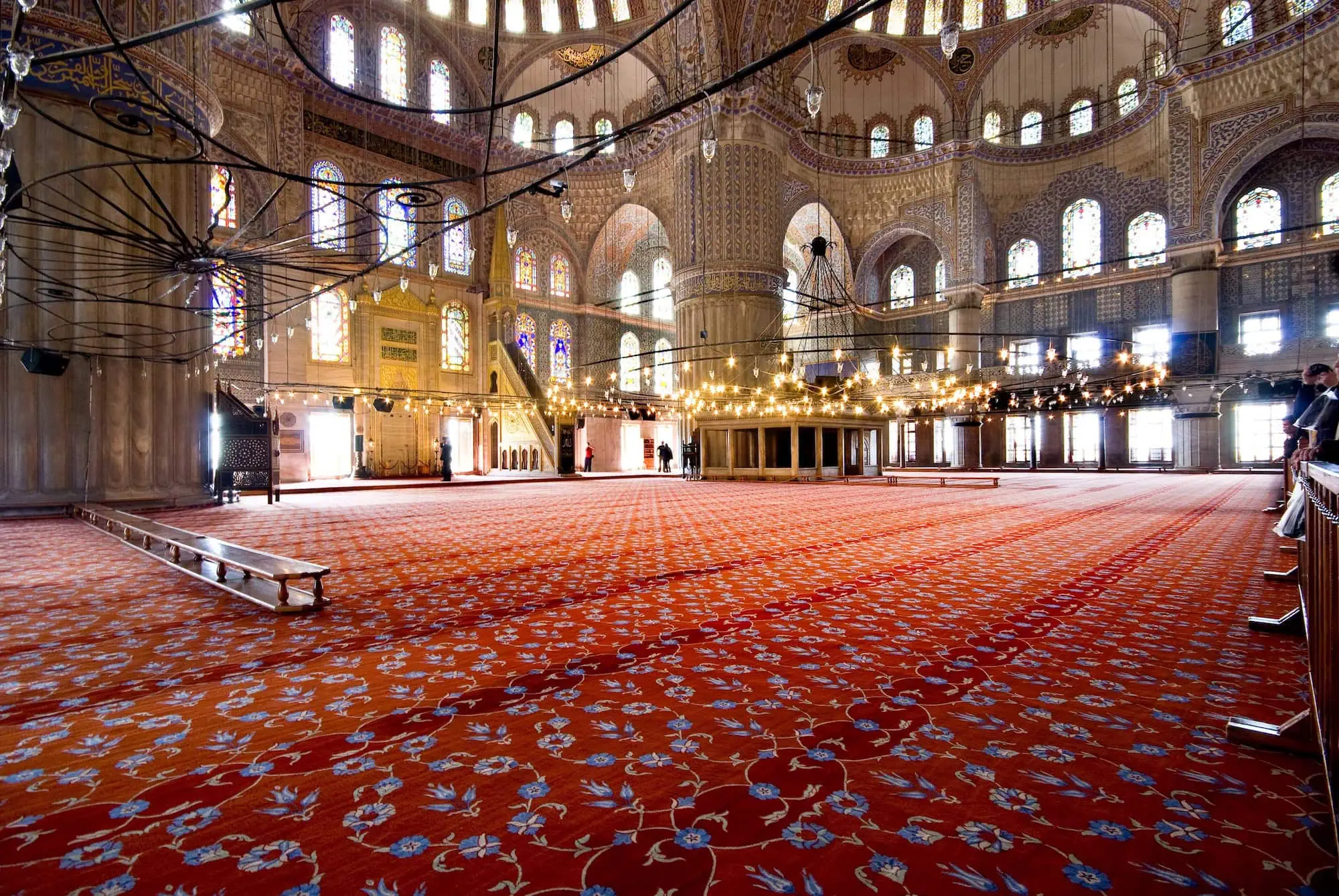
Natural light filters through 260 windows, illuminating the famous Iznik tiles that give the mosque its popular name. These ceramic masterpieces display traditional Islamic patterns in brilliant blues, whites, and turquoise. Skilled artisans painted each tile by hand, incorporating floral motifs that transform the interior walls into gardens of geometric paradise.
The Prayer Hall Experience
Stepping inside reveals why this remains an active sanctuary for daily worship. The mihrab, indicating the direction of Mecca, features the finest calligraphy and tile work in the entire structure. Above, painted arabesques and Quranic verses cover every surface not adorned with ceramics. The effect creates spiritual atmosphere that has inspired worshippers and visitors for over 400 years.
Visiting the Blue Mosque: Essential Information
We recommend planning your visit around the mosque’s prayer schedule to fully appreciate both its religious function and architectural beauty. The building opens daily except during five daily prayer times, when tourist access is restricted to preserve the sanctuary’s spiritual purpose.
Prayer Times and Access
Prayer times change with the seasons, typically occurring at dawn, midday, afternoon, sunset, and evening. During these periods, the mosque serves its primary function as a place of worship. Between prayer times, visitors can explore the interior while maintaining appropriate respect for the sacred space. Free admission makes this UNESCO World Heritage site accessible to everyone.
Dress Code Requirements
Modest dress is mandatory for all visitors. Women should cover their hair, arms, and legs, while men must wear long pants and shirts with sleeves. The mosque provides headscarves and robes at the entrance for those who need them. Shoes must be removed before entering the prayer hall, with storage provided in designated areas.
Best Times to Visit
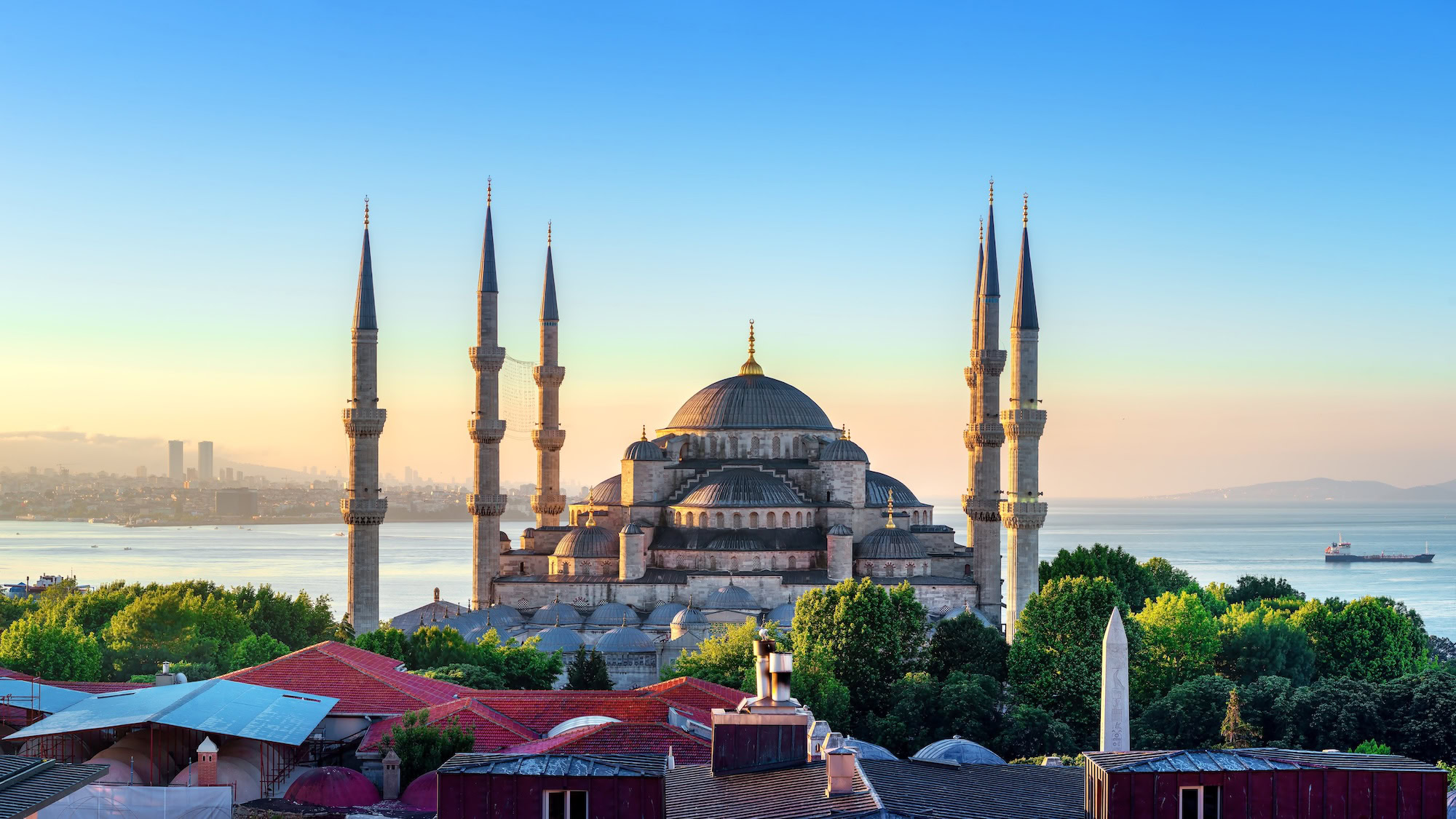
Early morning visits offer the most peaceful experience, with fewer crowds and beautiful natural lighting through the stained glass windows. Late afternoon provides excellent photography opportunities as sunlight illuminates the Iznik tiles. Sunset visits are particularly special, as the call to prayer echoes across Sultanahmet Square while the minarets are silhouetted against the evening sky.
The Complex Beyond the Mosque
The original Sultan Ahmed complex extended far beyond the prayer hall itself. The külliye (mosque complex) included a madrasah for religious education, a hospital serving the local community, an imaret providing free meals to the poor, a primary school, and a bustling market. These facilities transformed the area into a complete social center that served Istanbul’s residents for centuries.
Educational and Social Functions
The madrasah attracted scholars from across the Ottoman Empire, becoming a renowned center for Islamic learning. Students studied theology, law, mathematics, and literature within the complex’s walls. The hospital offered free medical care using the most advanced treatments available in the 17th century. These institutions demonstrate how Ottoman mosque complexes functioned as comprehensive community centers rather than simply places of worship.
Modern Restoration Efforts
Recent comprehensive restoration work has preserved the mosque for future generations while maintaining its active religious role. Conservation specialists carefully cleaned and restored thousands of Iznik tiles, repaired structural elements, and updated infrastructure without compromising the building’s historical integrity. This delicate balance ensures the mosque continues serving both worshippers and cultural heritage preservation.
Comparing the Blue Mosque to Hagia Sophia
Standing across Sultanahmet Square from each other, these two architectural giants represent different eras of Istanbul’s history. The Hagia Sophia, built as a Byzantine cathedral in 537 CE, demonstrates Christian architectural principles adapted for Islamic worship after the Ottoman conquest. The Blue Mosque, purpose-built as an Islamic place of worship, showcases purely Ottoman design philosophy.
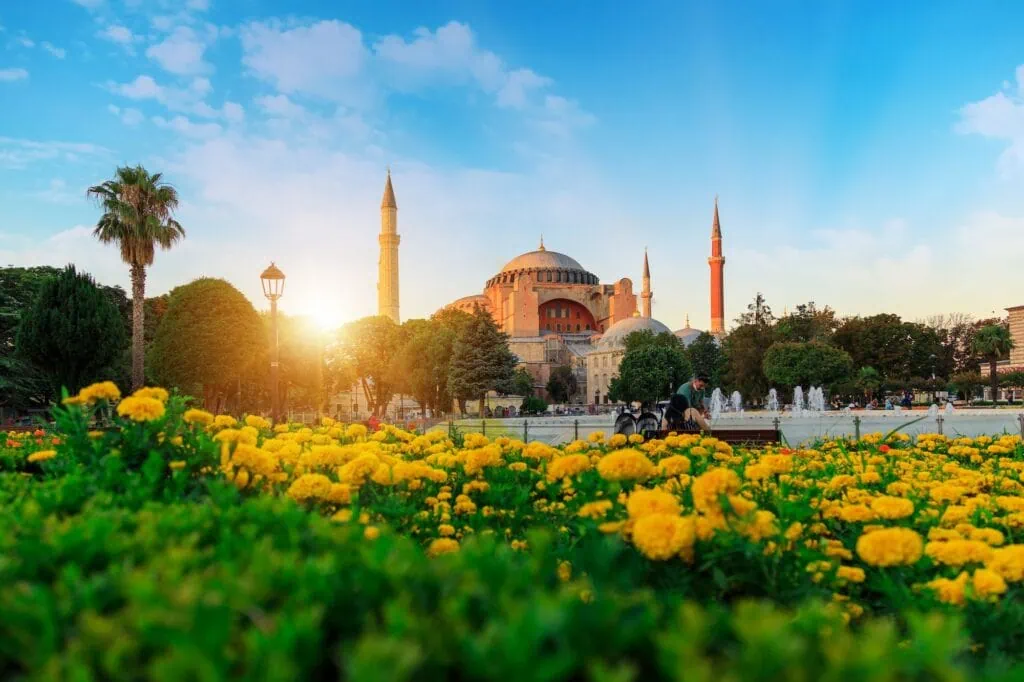
The relationship between these buildings goes beyond mere proximity. Sultan Ahmed I specifically commissioned his mosque to complement and rival the Hagia Sophia’s imposing presence. While Hagia Sophia emphasizes vertical grandeur with its massive dome, the Blue Mosque spreads horizontally, creating a more human-scaled but equally impressive silhouette. Both serve as active mosques today, offering visitors the opportunity to experience living religious traditions within historically significant spaces.
Planning Your Istanbul Visit
We’ve guided countless travelers through Istanbul’s historic peninsula, and the Blue Mosque consistently ranks as the most emotionally impactful experience. Our private guides provide expert context that transforms a simple sightseeing visit into deep cultural understanding. With decades of experience in Turkish history and Islamic architecture, our team ensures you appreciate both the spiritual significance and artistic achievement of this remarkable building.
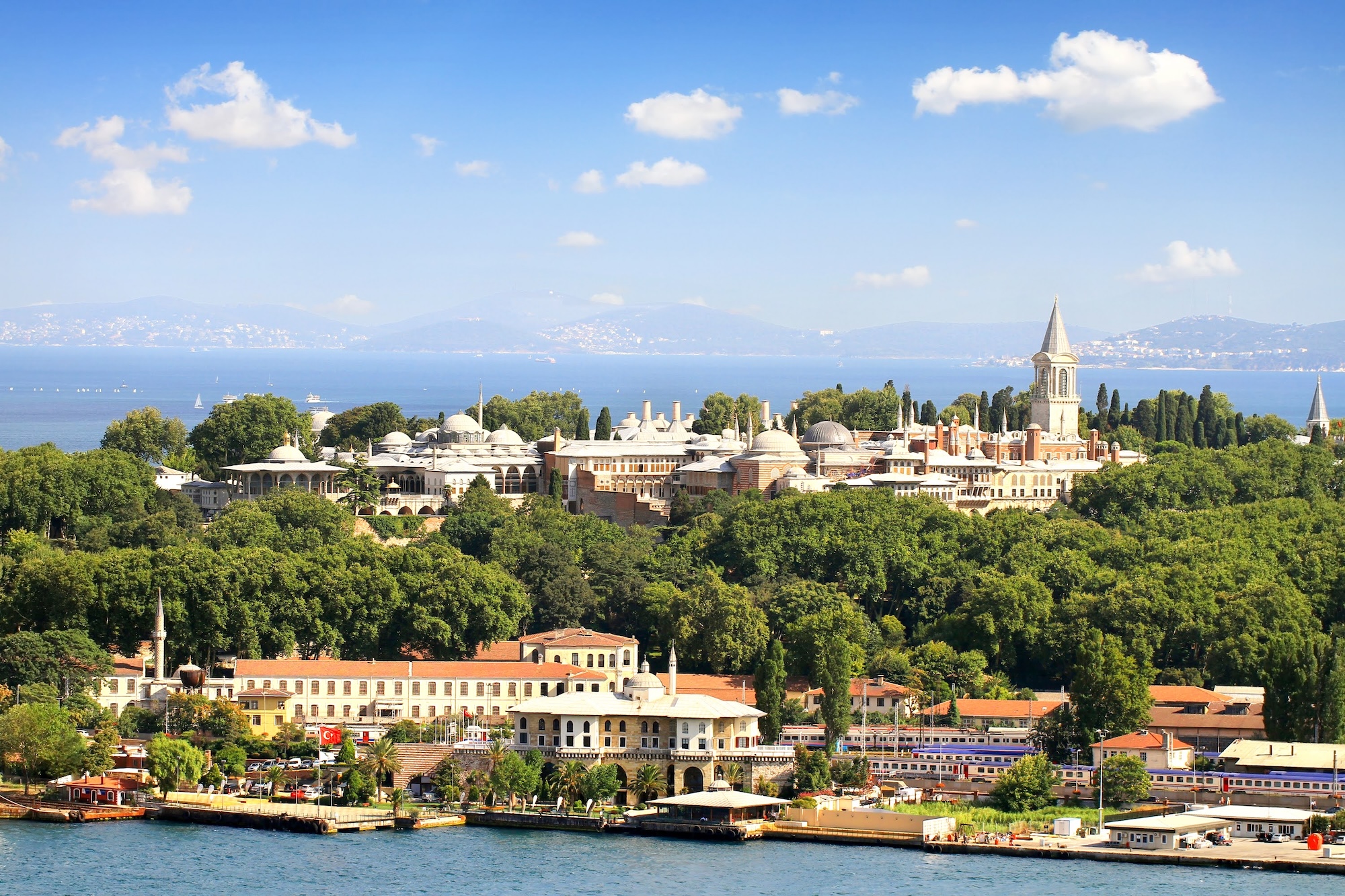
The mosque’s location in Sultanahmet makes it the perfect starting point for exploring Istanbul’s Byzantine and Ottoman heritage. The nearby Hagia Sophia, Topkapi Palace, and Basilica Cistern create a concentrated area of world-class historical sites. Our tailored itineraries maximize your time while providing the flexibility to linger at sites that capture your imagination.
Frequently Asked Questions
Daily except during five prayer times, which vary seasonally. Check current prayer schedule before visiting.
No, admission is completely free for all visitors.
Most visitors spend 30-45 minutes exploring the interior and immediate surroundings.
Yes, photography is permitted, but flash and tripods are prohibited during prayer times.
The Blue Mosque was built as an Islamic mosque, while Hagia Sophia was originally a Christian cathedral later converted for Islamic worship.
No advance booking required, but expect queues during peak tourist seasons.
Yes, we offer private guided tours that provide historical context and architectural insights.
Modest clothing covering arms and legs, with headscarves required for women. The mosque provides coverings if needed.
The main prayer hall is accessible, though some areas may have limitations.
Yes, children are welcome but must follow the same dress code and behavioral guidelines.
Construction took place between 1609 and 1617 under Sultan Ahmed I.
The name comes from the thousands of blue Iznik tiles decorating the interior walls.
Design Your Custom Tour
Explore Egypt and Turkey your way by selecting only the attractions you want to visit