Cairo Guided Tours: Discover the Vibrant Capital of Egypt
Planning your first trip to Egypt’s captivating capital can feel overwhelming.
With over 5,000 years of history packed into one sprawling metropolis, Cairo demands more than casual exploration. The city’s treasures—from the legendary Giza Pyramids to the world’s largest collection of pharaonic artifacts—require expert interpretation to truly appreciate their significance. We’ve been guiding travelers through Cairo’s wonders for over two decades, and we know which experiences deliver lasting memories versus fleeting photo opportunities.
Our carefully curated selection of Cairo guided tours ensures you’ll discover both iconic landmarks and hidden gems while avoiding the common pitfalls that trap unprepared visitors.
Why Professional Guides Transform Your Cairo Experience
The difference between wandering around ancient monuments and truly understanding them lies in expert interpretation.
Historical Context That Brings Ruins to Life
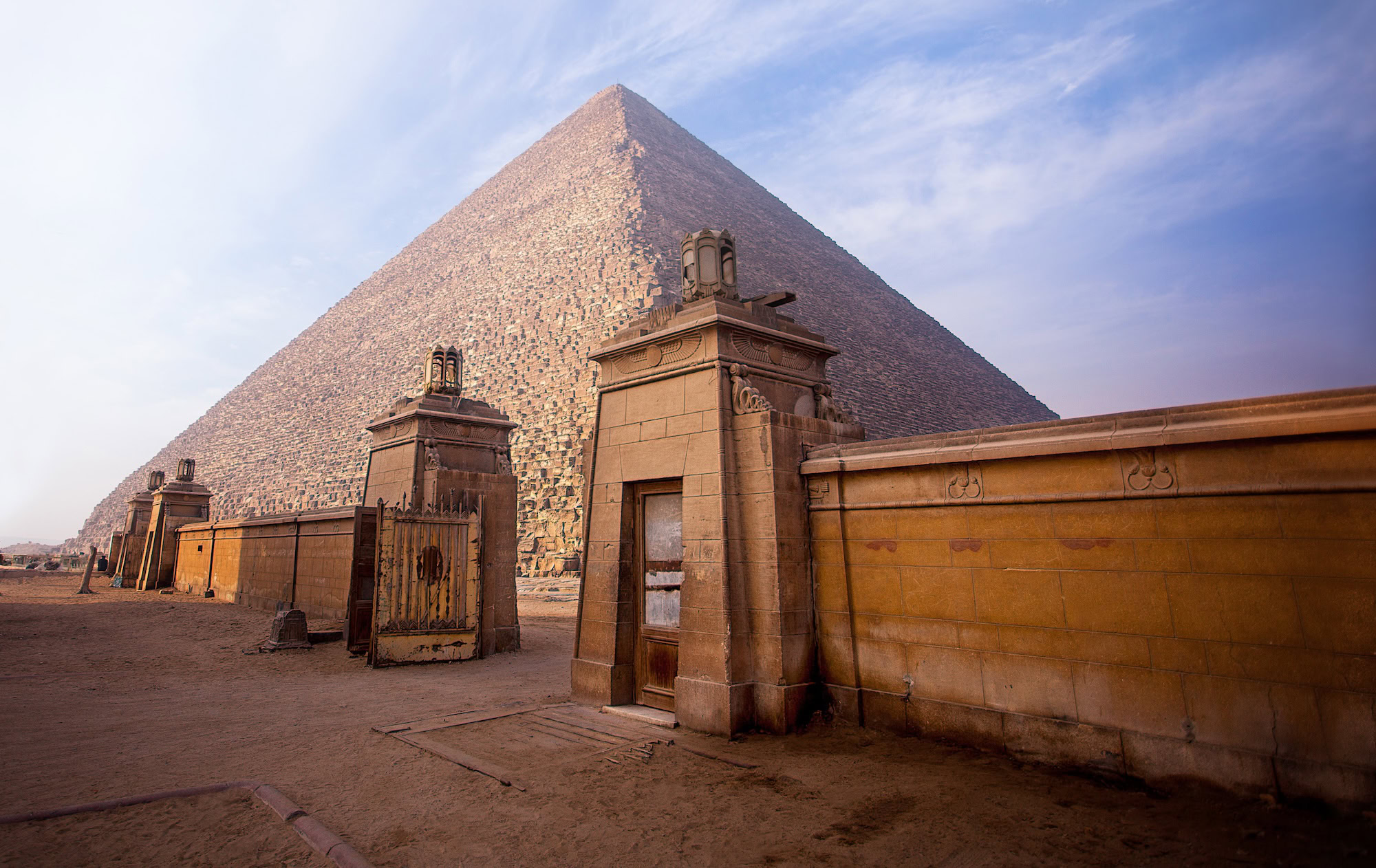
Licensed Egyptologists don’t just point out structures—they transport you back in time. When you stand before the Great Pyramid of Khufu, your guide explains how 100,000 workers moved 2.3 million limestone blocks weighing 2.5 tons each. These details transform static monuments into engineering marvels that showcase ancient Egyptian ingenuity.
Skip-the-Line Access and Crowd Navigation
Professional tour guides secure advance reservations and know optimal timing for major attractions. While independent visitors queue for hours at the Grand Egyptian Museum during peak season, our guests walk directly inside. Guides also navigate Cairo’s bustling streets and aggressive vendors, allowing you to focus on discovery rather than logistics.
Safety and Cultural Sensitivity
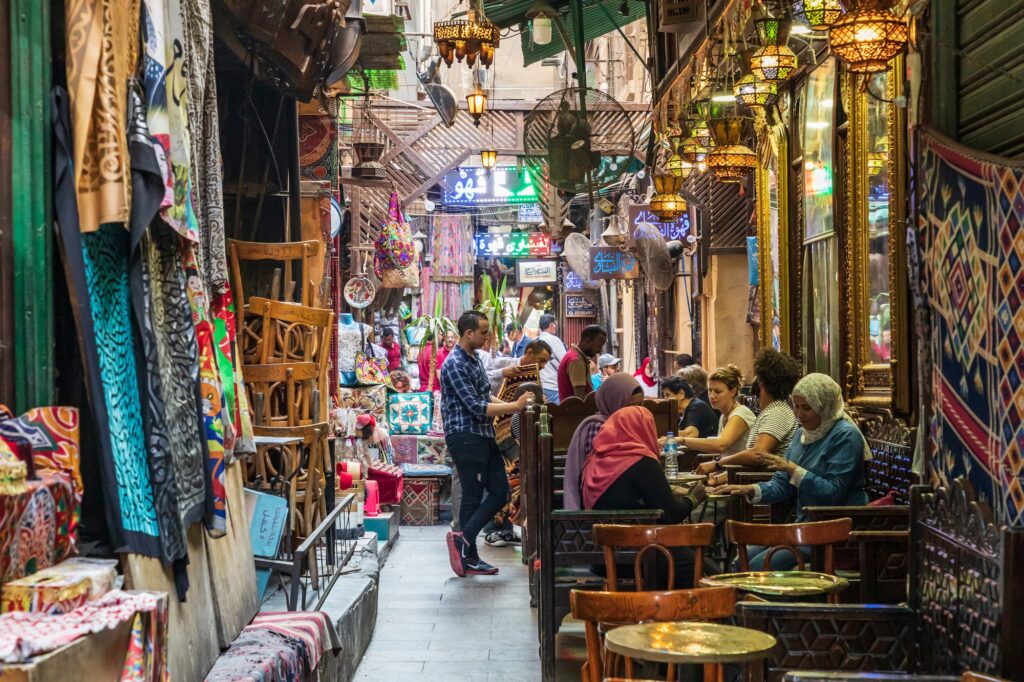
Cairo’s cultural nuances can confuse foreign visitors. Experienced guides ensure respectful behavior at religious sites like the Citadel of Salah El Din while keeping your group safe in crowded areas like Khan El Khalili bazaar. They also handle currency exchanges, restaurant recommendations, and emergency situations.
Behind-the-Scenes Stories
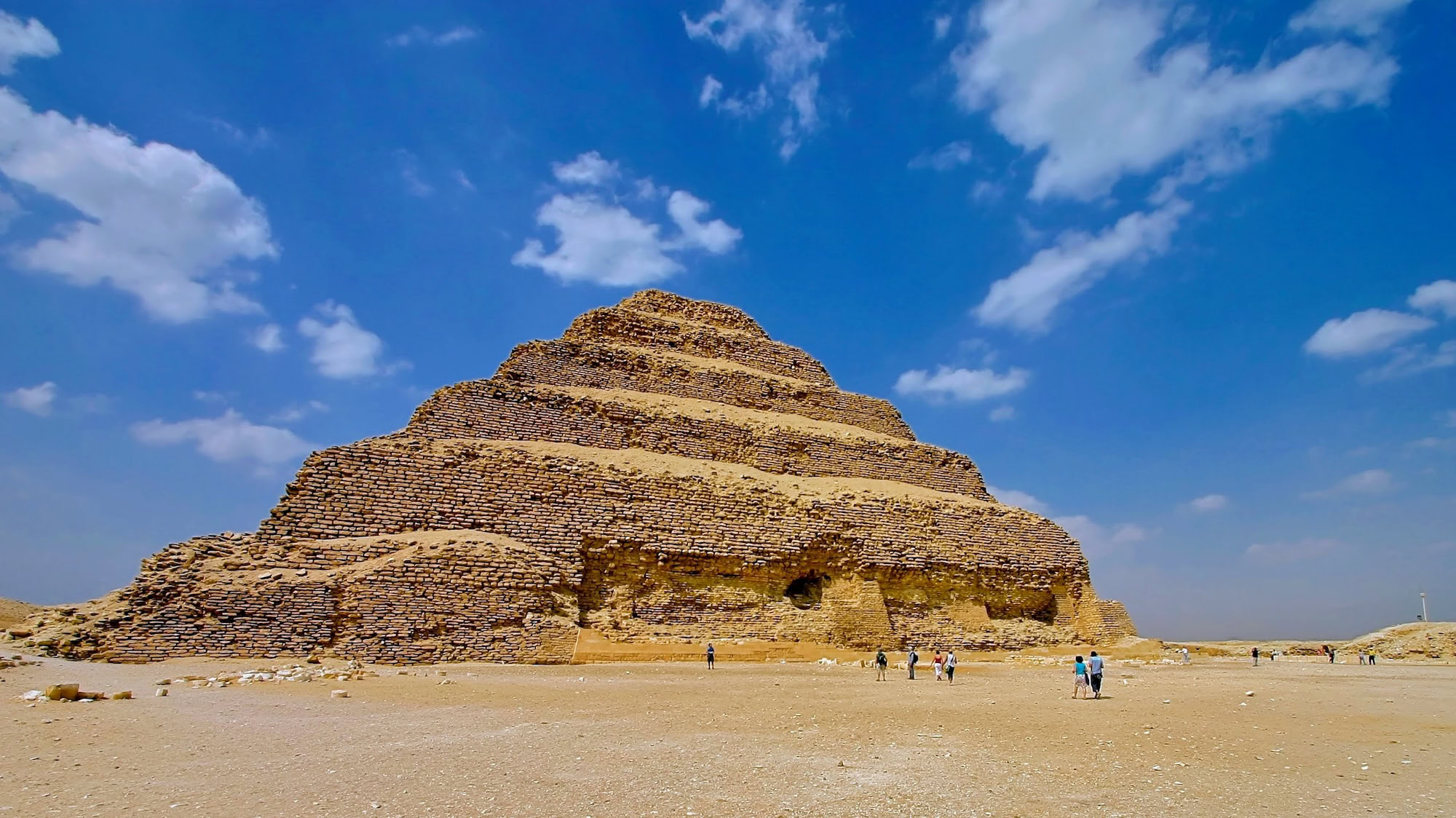
The best Cairo tour guides share captivating stories passed down through generations. You’ll hear about secret chambers in the Step Pyramid of Djoser, mysterious construction techniques at the Bent Pyramid in Dahshur, and the real-life drama surrounding King Tutankhamun’s tomb discovery.
Essential Cairo Tours You Cannot Miss
Cairo’s vast archaeological landscape requires strategic prioritization to maximize your limited time. These tours represent the absolute must-see experiences that define any Egyptian adventure.
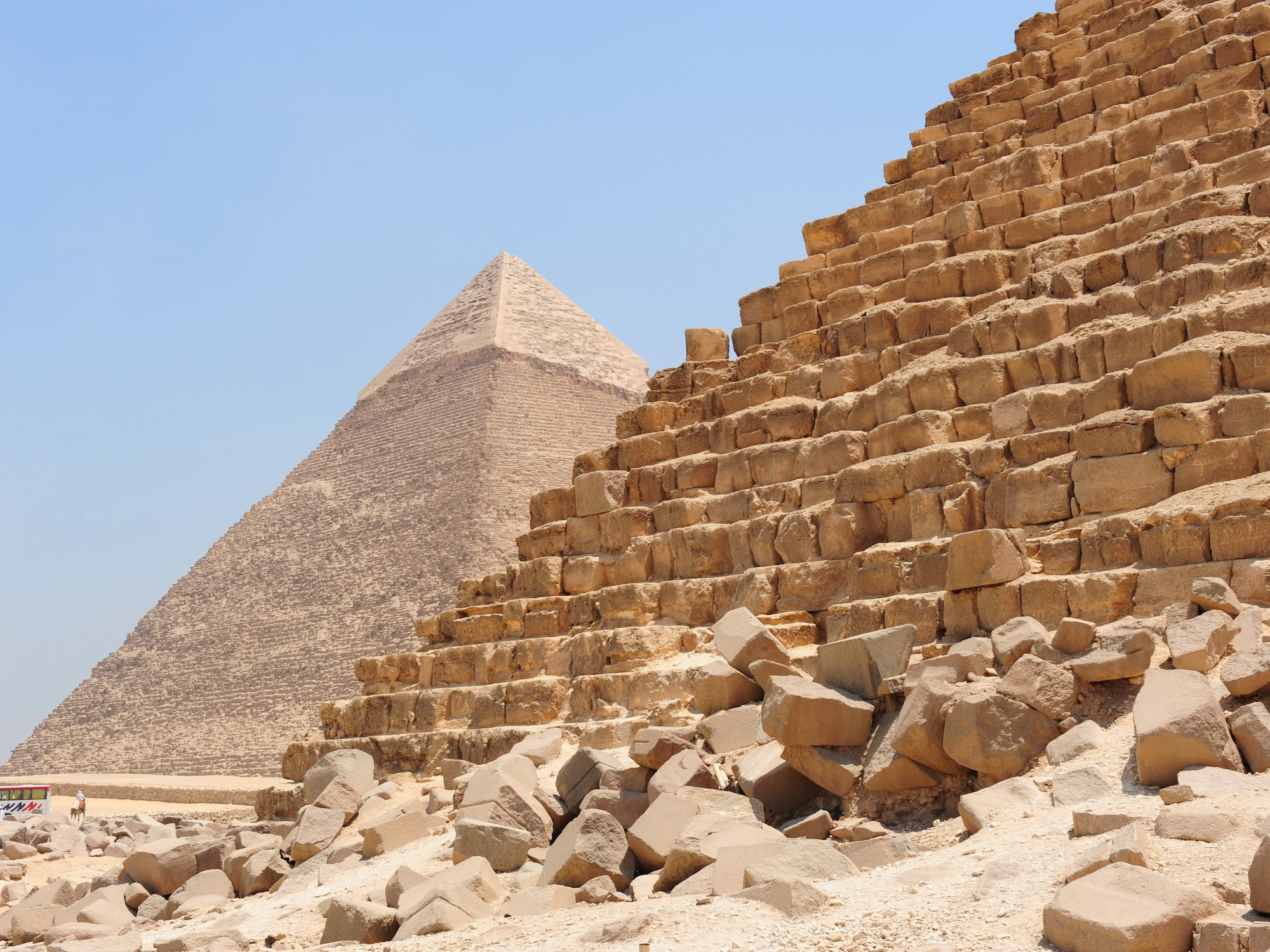
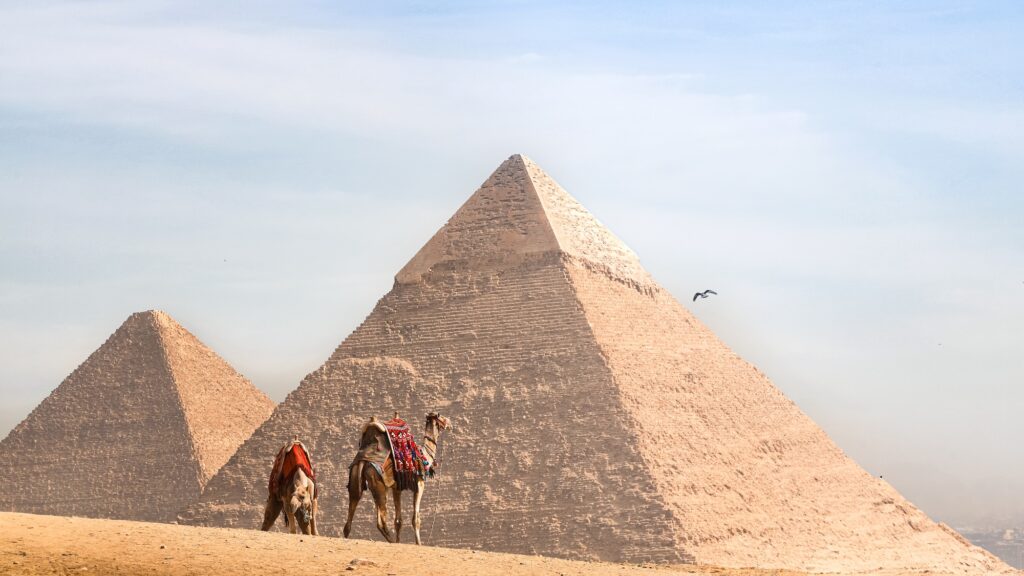
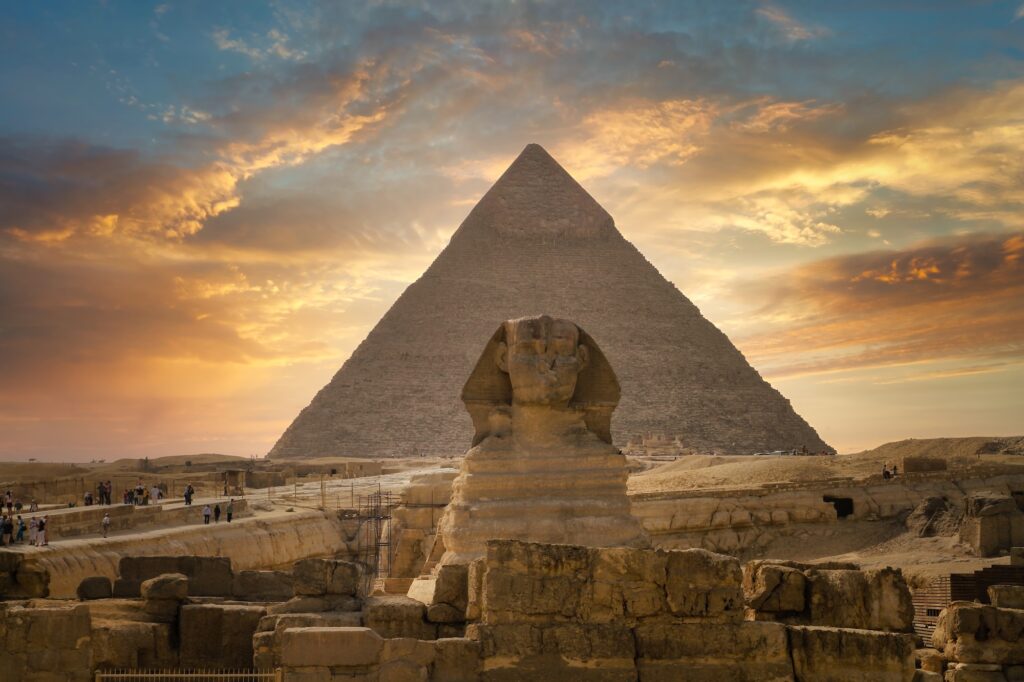
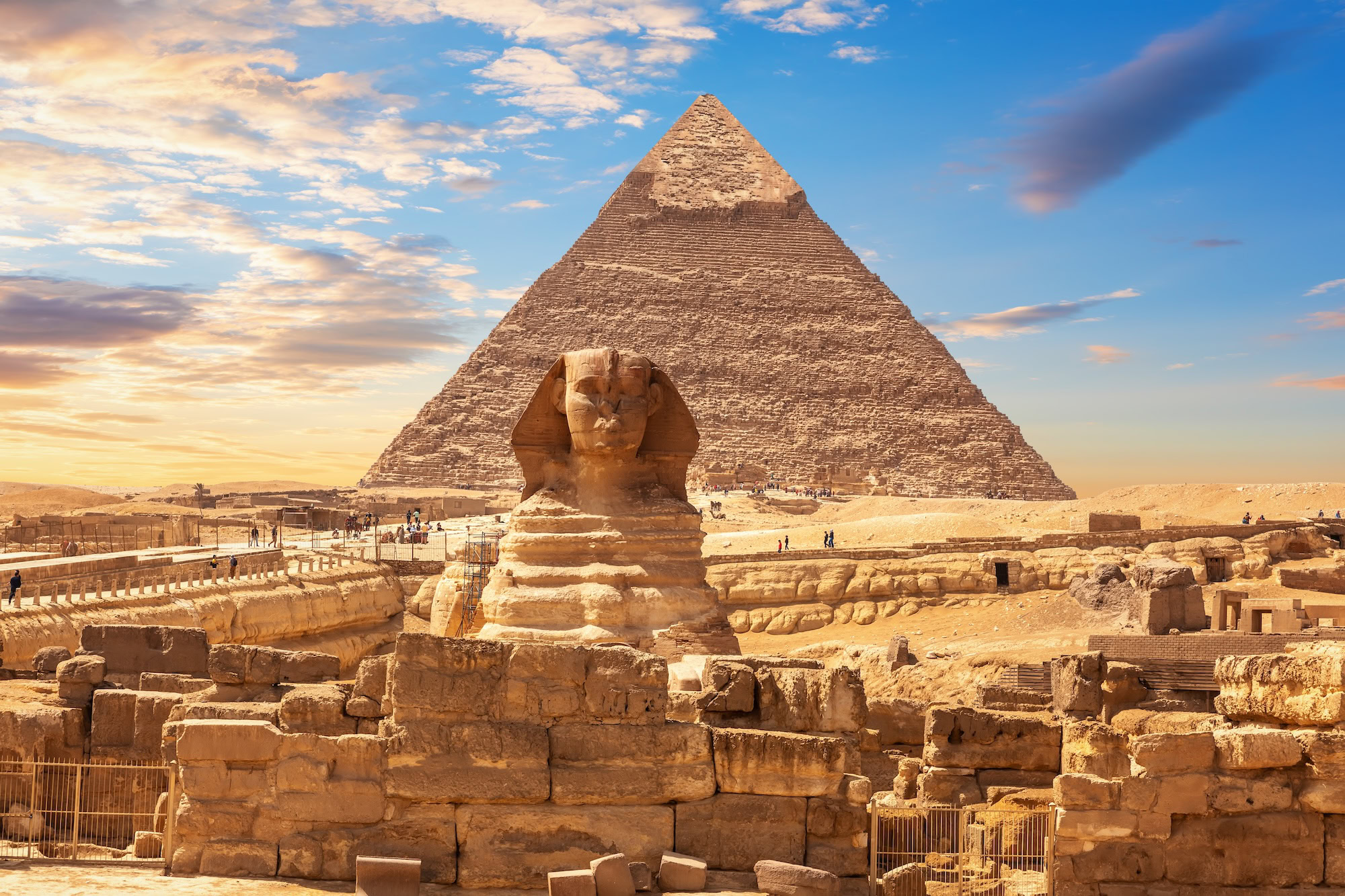
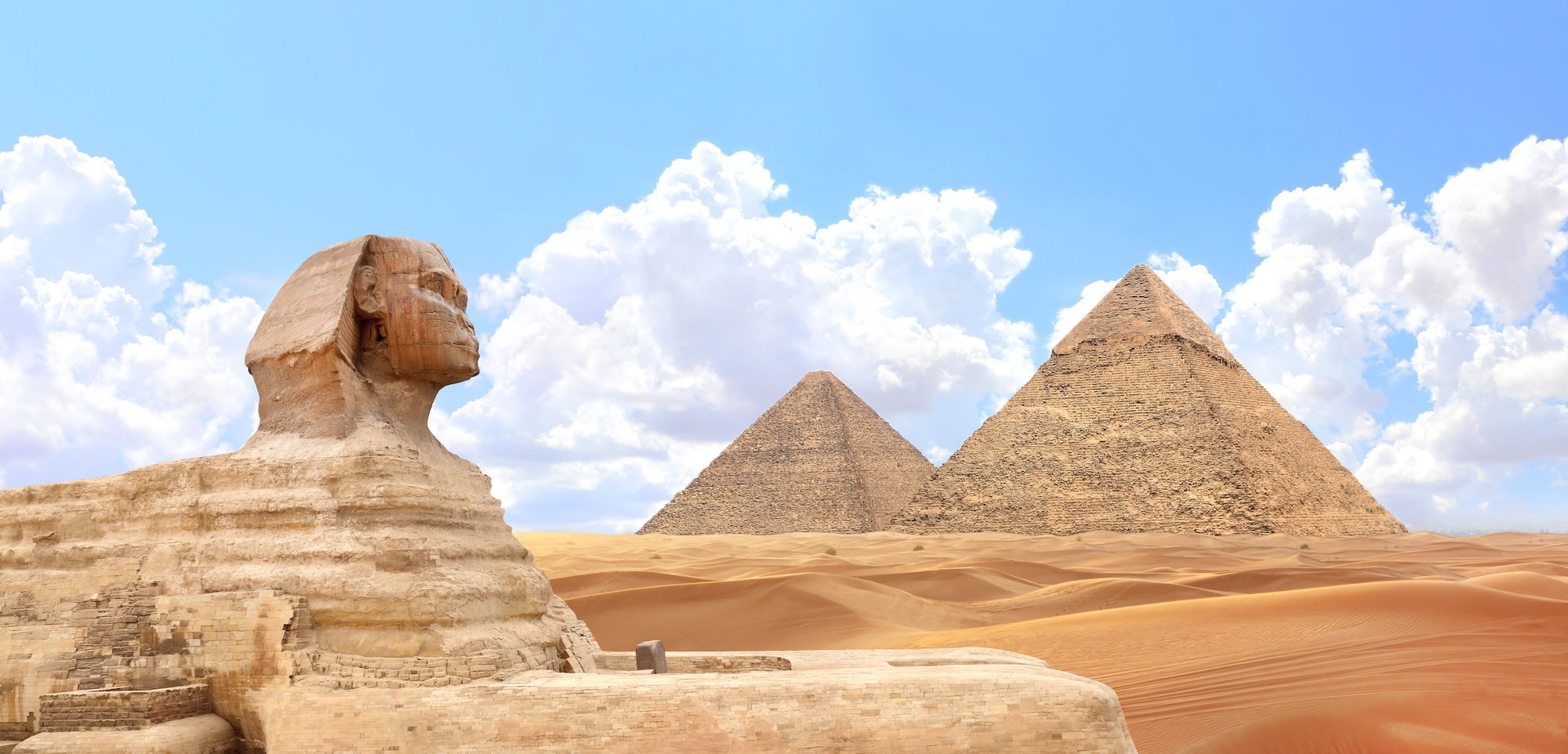
The Giza Pyramids Complex remains Egypt’s crown jewel, demanding a full half-day minimum. Your private guide leads you across the Giza Plateau, explaining how these 4,500-year-old monuments survived earthquakes, invasions, and time itself. The Great Sphinx poses eternally beside the pyramids, its limestone face weathered but still magnificent after millennia of desert storms.
Don’t settle for distant photos when you can enter the Great Pyramid’s internal chambers. Crawling through narrow passages to reach the King’s Chamber creates an unforgettable connection with ancient builders. The experience challenges claustrophobic visitors but rewards the brave with profound historical immersion.
Valley Temple visits complete your Giza experience. This granite structure, connected to Khafre’s pyramid by a causeway, demonstrates ancient Egyptian masonry skills. Massive blocks fit together without mortar, creating walls that have withstood 4,500 years of weathering.
Grand Egyptian Museum Excellence
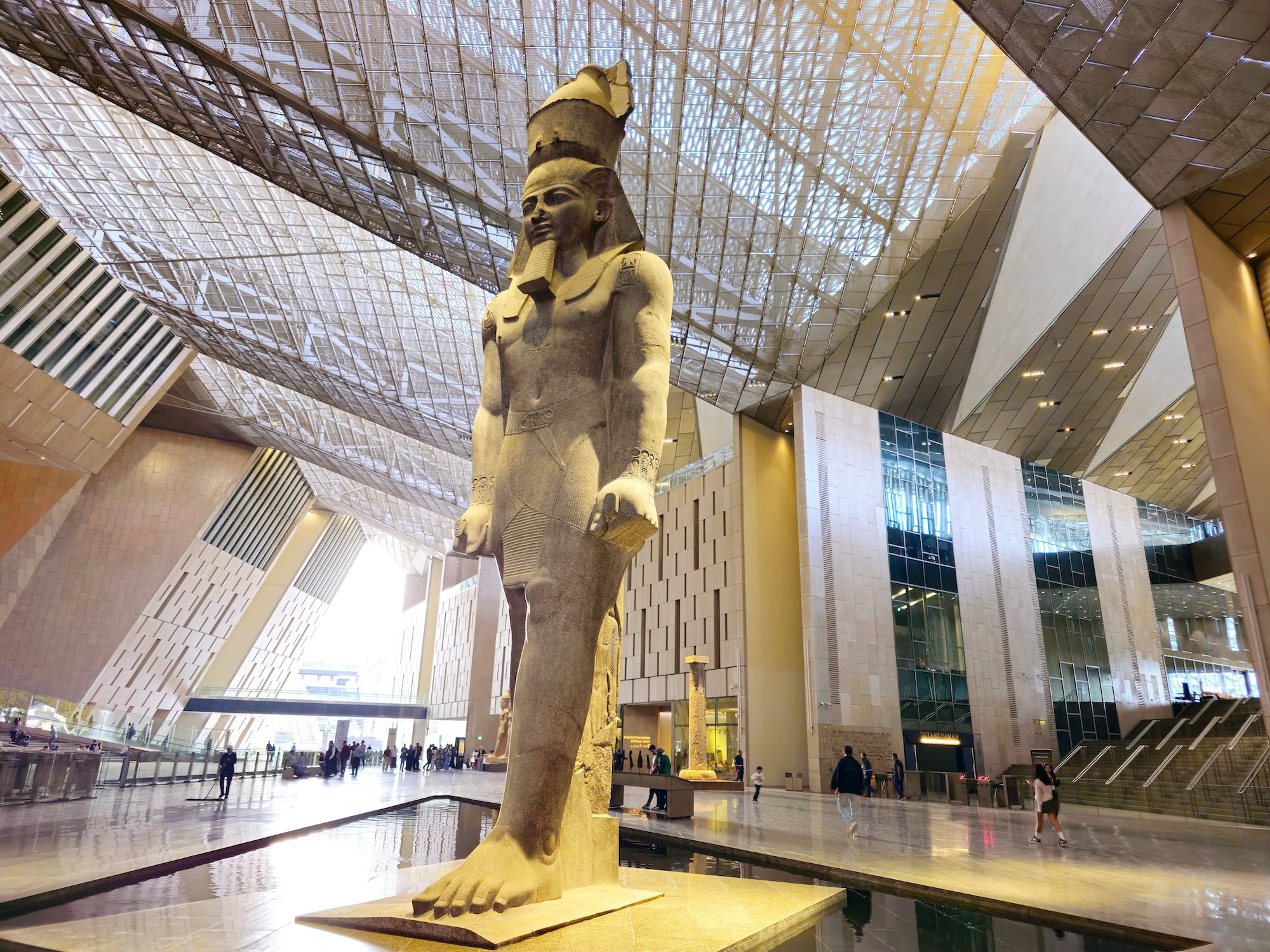
The world’s largest archaeological museum houses over 100,000 artifacts spanning 5,000 years of Egyptian civilization. Professional guides navigate this massive collection efficiently, ensuring you see Tutankhamun’s golden treasures without missing other significant pieces.
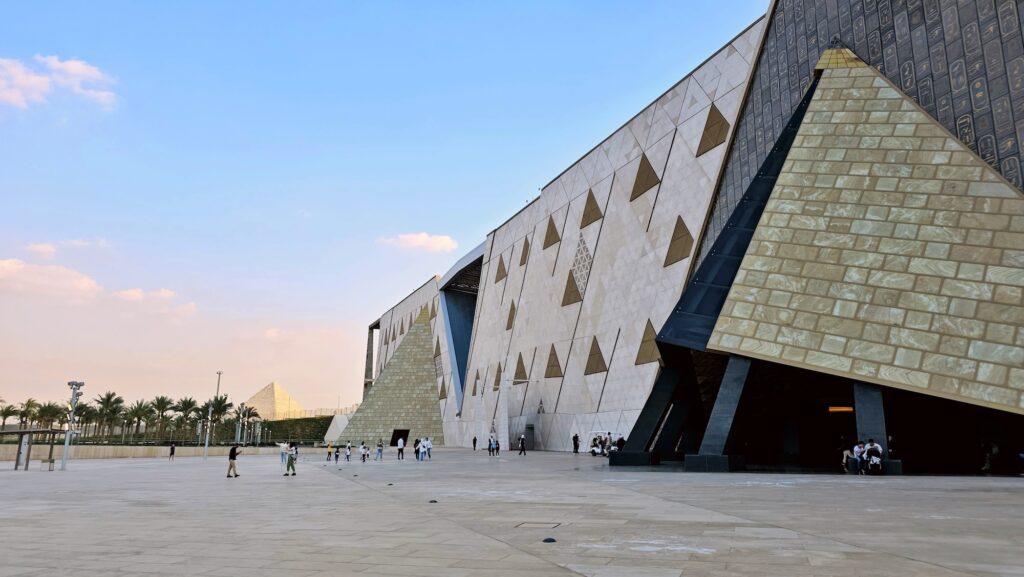
Recent museum renovations created state-of-the-art galleries displaying royal mummies, ancient jewelry, and religious artifacts in climate-controlled environments. Interactive displays explain daily life in ancient Egypt while preserving fragile papyrus scrolls and wooden sarcophagi for future generations.
Memphis and Saqqara Archaeological Journey
Ancient Memphis served as Egypt’s capital for over 1,000 years, though little remains visible today. The outdoor museum displays colossal statues of Ramesses II and the alabaster Sphinx, providing glimpses into this once-mighty city’s grandeur.
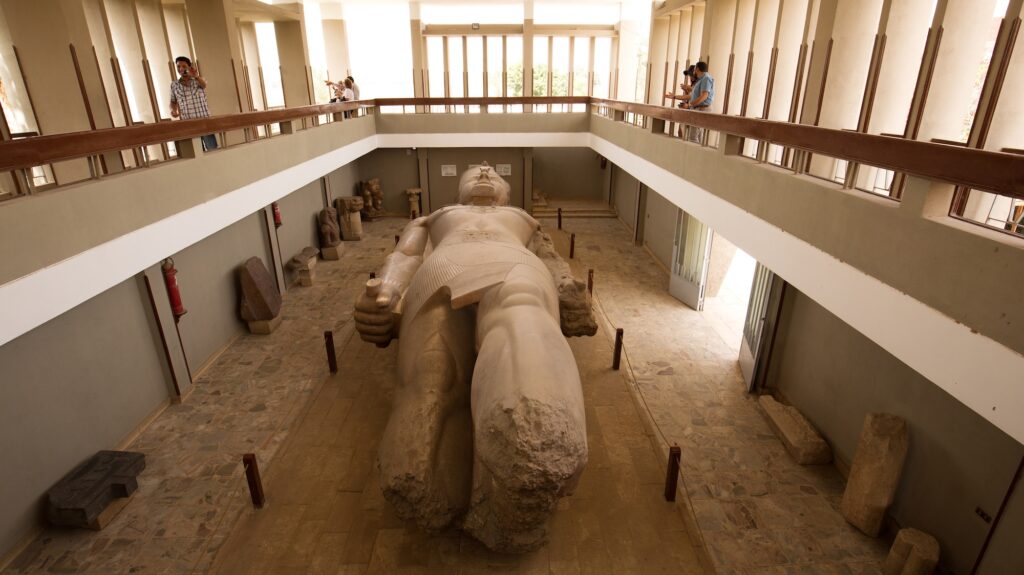
Saqqara necropolis houses the Step Pyramid, Egypt’s oldest stone building and prototype for later pyramid construction. Recent excavations revealed intact tombs with original wall paintings depicting daily life 4,400 years ago. Your Egyptologist explains how architect Imhotep revolutionized building techniques here, influencing construction methods still used today.
Traditional Nile River Experiences
Cairo’s relationship with the Nile spans millennia, and experiencing this legendary river enhances any Egyptian adventure.
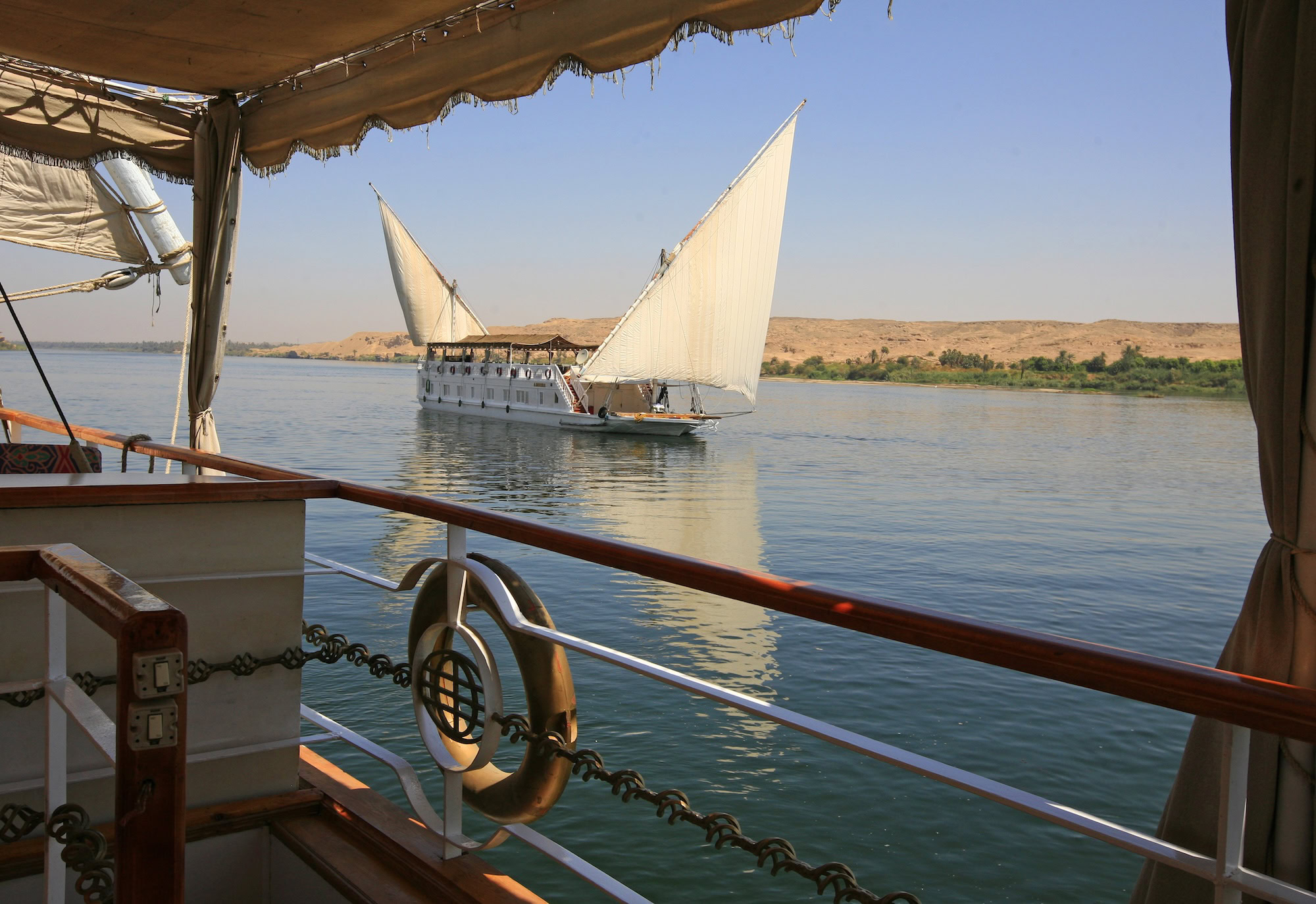
Felucca sailing offers the most authentic Nile experience available in modern Cairo. These traditional wooden boats, powered only by wind, have transported goods and people along the river for over 2,000 years. Afternoon felucca rides provide peaceful escapes from Cairo’s urban intensity while sunset journeys create magical golden-hour photography opportunities.
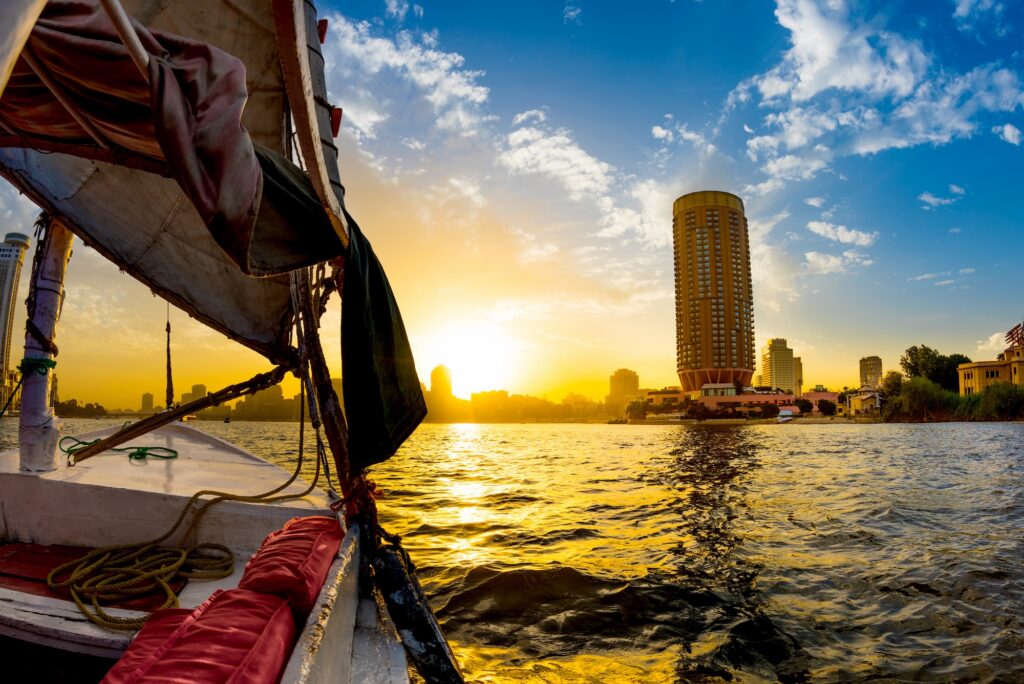
Professional captains navigate between modern bridges and ancient landmarks, pointing out Gezira Island, the Cairo Tower, and waterfront neighborhoods rarely seen by land-based tourists. The gentle rocking motion and billowing white sails create meditative experiences that contrast sharply with Cairo’s chaotic streets. Three-hour excursions include traditional tea service while longer journeys feature local music performances.
Nile dinner cruises combine river navigation with cultural entertainment, though these experiences cater more to tourists than traditionalists. Modern cruise boats feature air conditioning, panoramic windows, and international buffet dining. Entertainment includes belly dancing performances, traditional folklore shows, and live music representing various Egyptian regions.
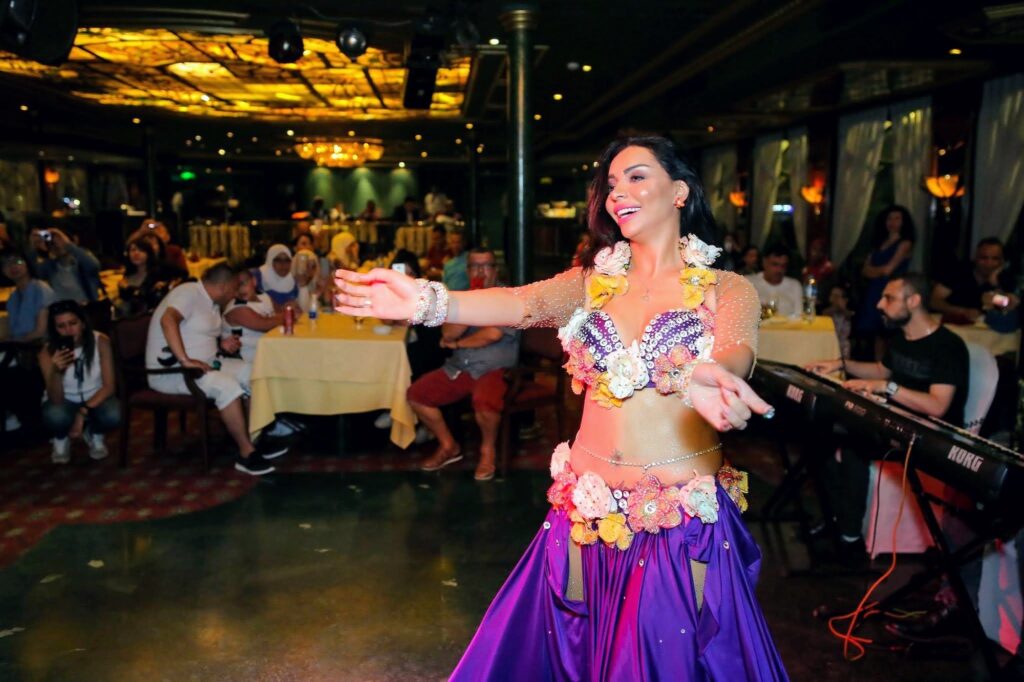
Evening departure times around 7:00 pm (19:00) allow comfortable post-dinner timing while return schedules accommodate most hotel locations. These cruises work particularly well for travelers with limited time who want cultural exposure without extensive planning. However, expect larger crowds and less intimate experiences compared to daytime felucca sailing.
Islamic and Coptic Cairo Walking Tours
Medieval Islamic Architecture
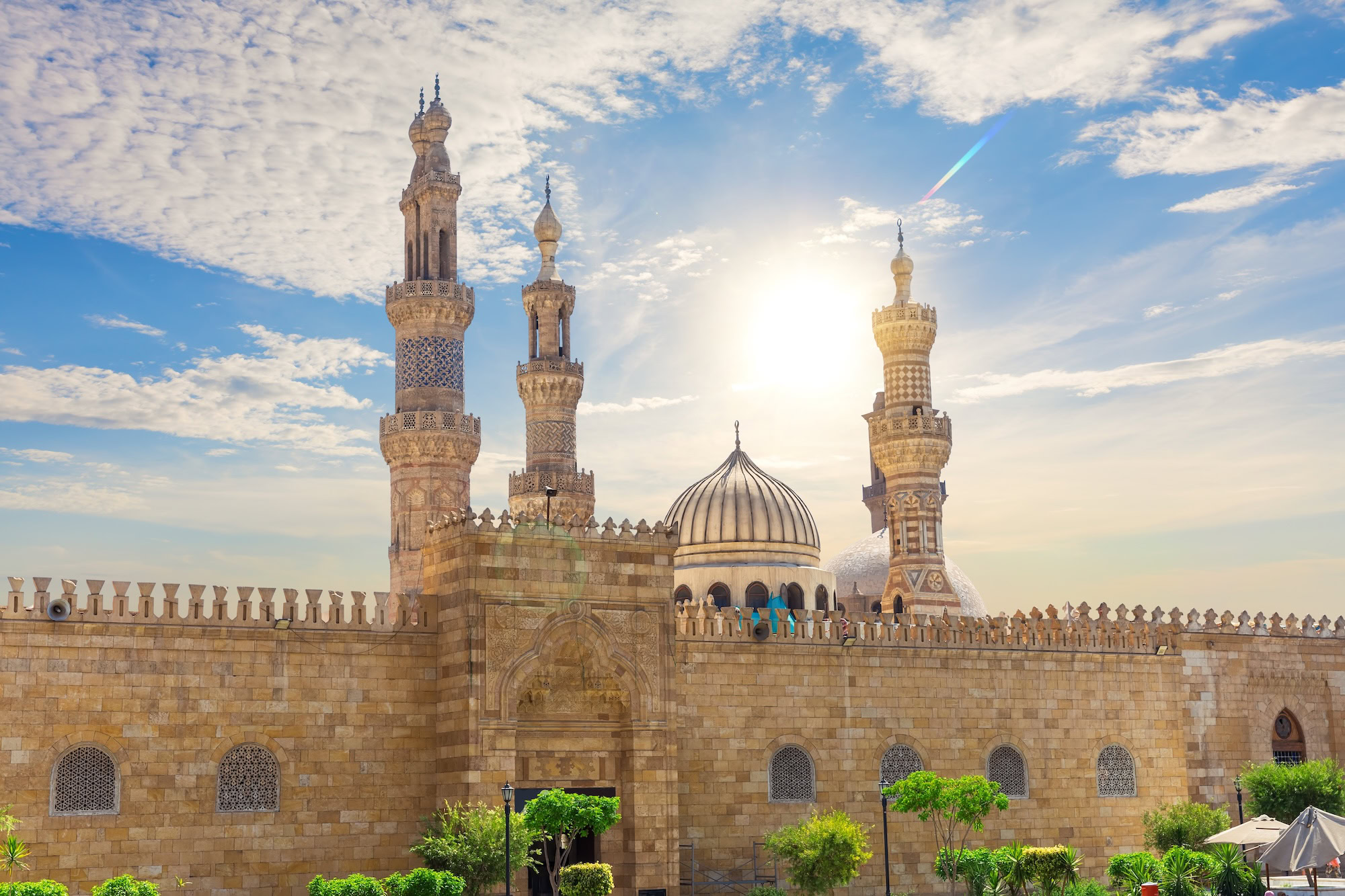
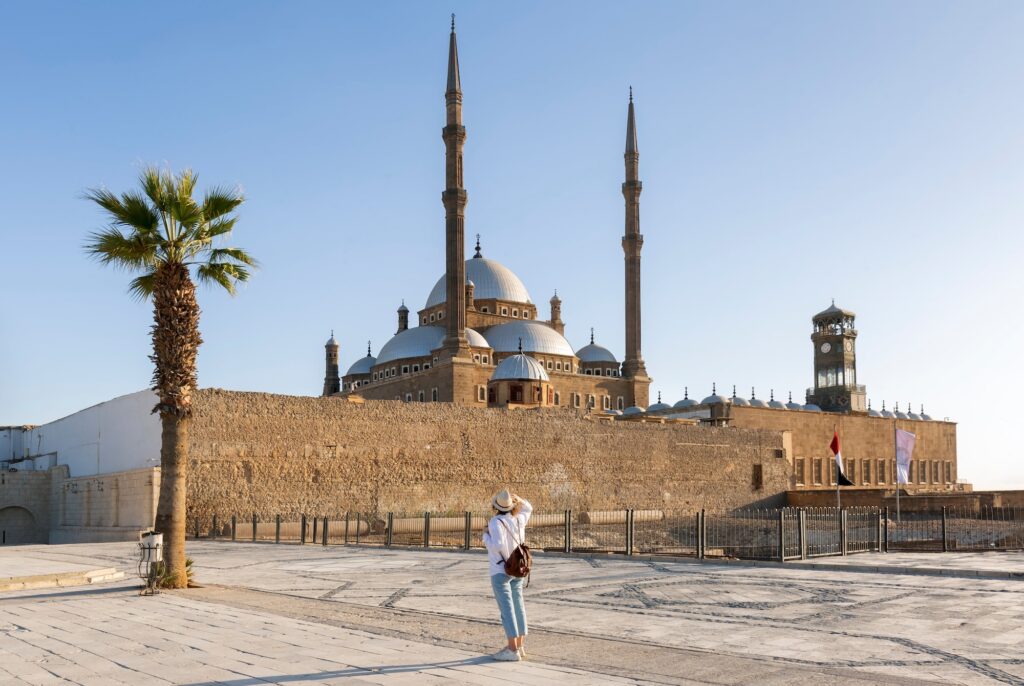
The Citadel of Salah El Din towers above eastern Cairo, offering panoramic views across the entire metropolitan area. Built in 1182 AD during the Crusades, this medieval fortress protected the city from foreign invasions while serving as the seat of Egyptian power for 700 years.
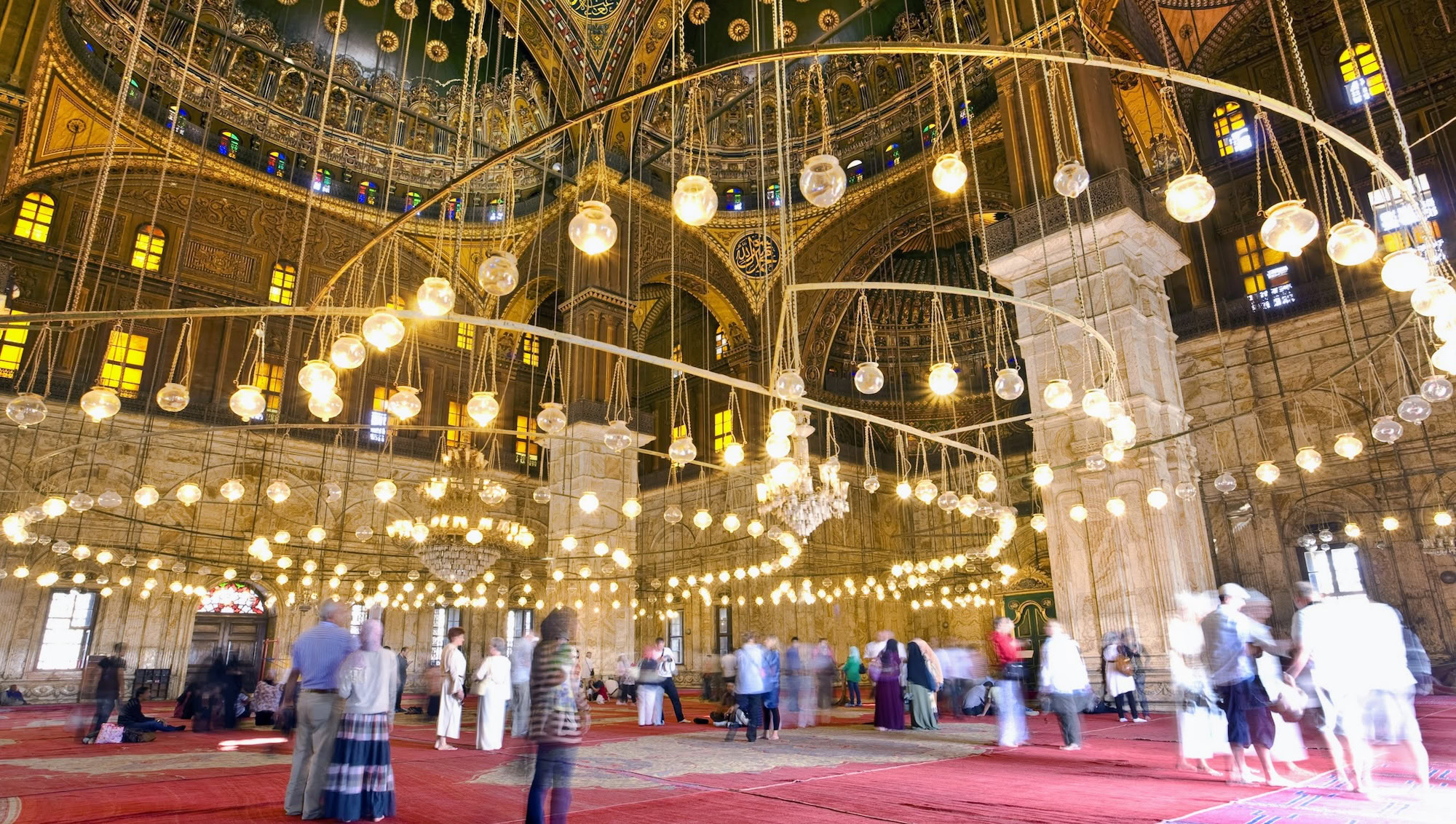
Within the citadel walls, the magnificent Mosque of Muhammad Ali showcases Ottoman architectural influence with its distinctive domes and minarets. The alabaster-clad structure, completed in 1857, represents Egypt’s attempt to rival Istanbul’s grand mosques. Interior decorations include intricate geometric patterns, calligraphy, and a massive central chandelier weighing over 1,000 kilograms.
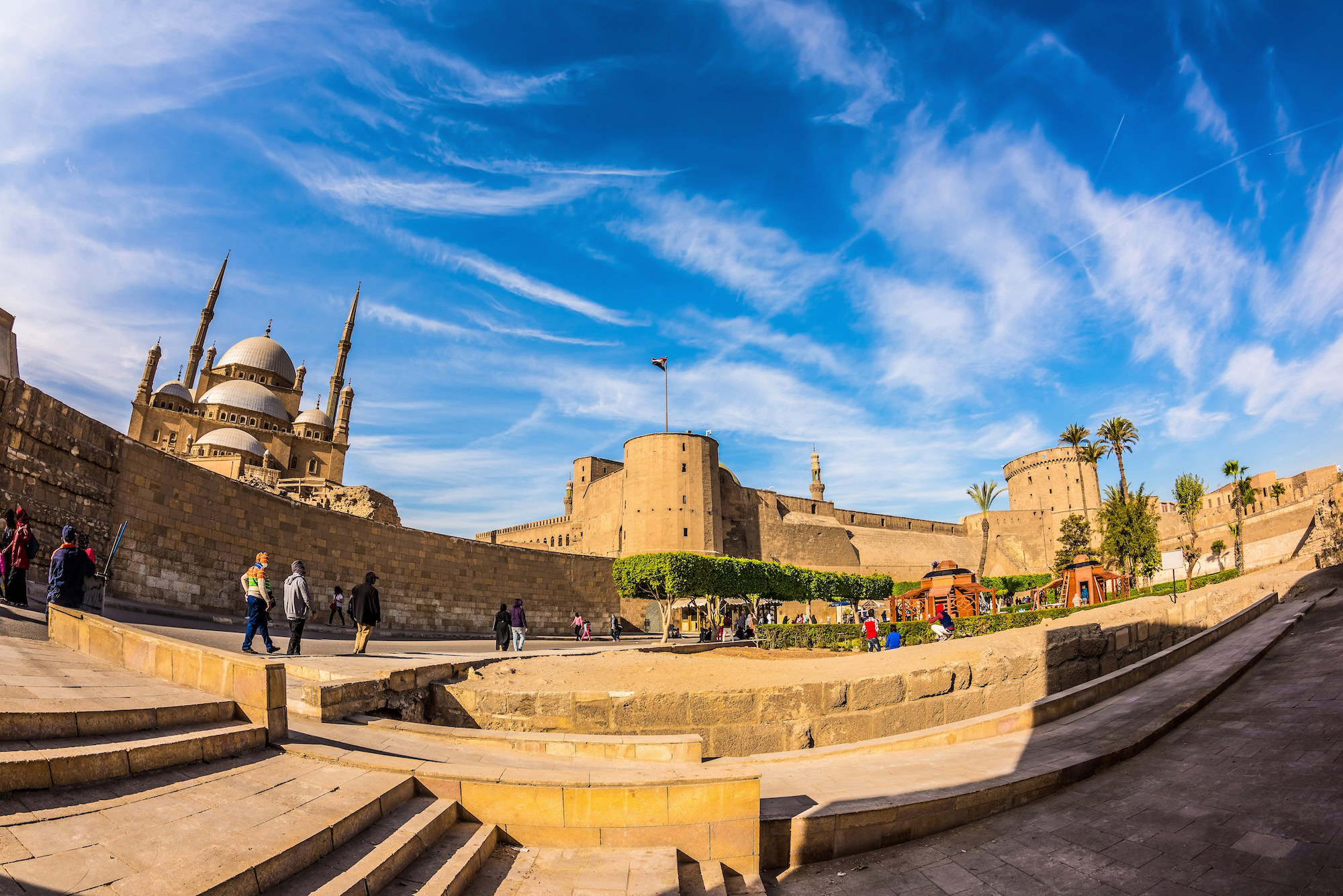
Guided tours explain the citadel’s strategic importance during various historical periods while highlighting architectural evolution from Ayyubid military construction to Ottoman decorative arts. The on-site museum displays medieval weapons, armor, and artifacts discovered during recent archaeological excavations.
Ancient Coptic Christian Heritage
Old Cairo’s Coptic Quarter preserves Christianity’s earliest presence in Egypt, dating back to the first century AD. The area houses multiple churches, a synagogue, and the Coptic Museum within walking distance of each other, creating a concentrated religious heritage zone.
The Hanging Church, suspended above Roman fortress ruins, features stunning wooden ceilings and ancient icons depicting biblical scenes. Saint Sergius Church marks the traditional site where the Holy Family sheltered during their flight to Egypt, attracting both Christian pilgrims and curious visitors interested in religious history.
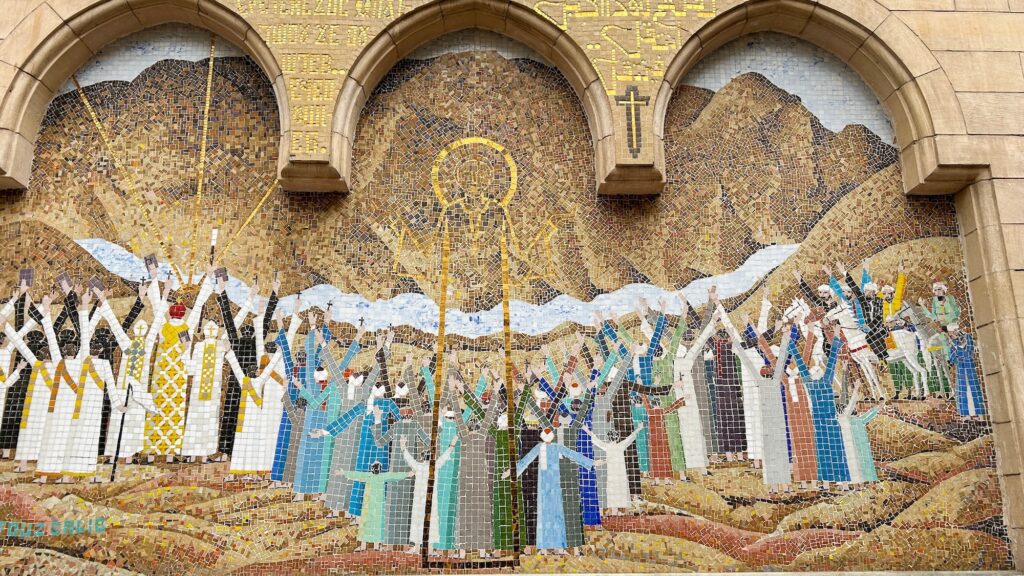
Recent restoration projects revealed original wall paintings and architectural details hidden for centuries under later additions. Professional guides explain how Coptic Christians maintained their faith through Islamic conquest, Ottoman rule, and modern challenges while preserving unique artistic and liturgical traditions.
The nearby Ben Ezra Synagogue demonstrates Cairo’s diverse religious heritage, though the Jewish community has largely emigrated since the mid-20th century. The synagogue’s geniza (storage room) yielded thousands of medieval documents providing unprecedented insights into Mediterranean trade networks and interfaith relations.
Choosing Your Ideal Cairo Tour Guide
Language skills top the priority list when selecting guides for complex historical sites. Native English speakers obviously communicate most clearly, but experienced multilingual guides often provide richer cultural insights. Test communication comfort during initial interactions—unclear explanations about meeting points usually indicate broader comprehension issues.
Specialist knowledge varies significantly between general city guides and trained Egyptologists. Licensed Egyptologists complete university degrees in archaeology, ancient languages, or Egyptian history before obtaining professional certification. These specialists answer technical questions about construction methods, religious beliefs, and historical controversies that general guides cannot address.
Group size preferences affect your experience quality dramatically. Private guides offer maximum flexibility and personalized attention but cost significantly more than small group alternatives. Groups exceeding eight participants struggle with crowd management and individual question time. We recommend private guidance for serious archaeology enthusiasts and small groups for budget-conscious families.
Female travelers often prefer female guides for cultural comfort and safety reasons. Cairo’s tourism industry includes many excellent female Egyptologists who provide unique perspectives on women’s roles in ancient Egyptian society. These guides also navigate cultural sensitivities more effectively in conservative neighborhoods and religious sites.
Review authenticity requires careful evaluation since fake testimonials proliferate online. Look for specific details about guide names, tour routes, and memorable moments rather than generic praise. Recent reviews carry more weight than older testimonials due to guide turnover and changing site conditions.
Professional credentials matter more than personality alone. Egypt’s Ministry of Tourism licenses legitimate guides after extensive training and examination. Unlicensed guides risk substantial fines and cannot access restricted areas within major attractions, limiting their effectiveness significantly.
Practical Planning for Maximum Enjoyment
Optimal timing can make or break your Cairo tour experience. Winter months from November through February offer comfortable temperatures ranging from 15-25°C (59-77°F) with minimal rainfall. Summer heat exceeds 35°C (95°F) regularly, making outdoor exploration exhausting despite lower tourist crowds.
Daily scheduling affects both comfort and photography quality. Early morning starts around 8:00 am (08:00) provide cooler temperatures and softer lighting for pyramid photographs. Late afternoon tours beginning at 3:00 pm (15:00) capture golden hour lighting but encounter larger crowds as tour buses arrive.

Physical preparation prevents disappointment at challenging sites. Pyramid interior chambers require crawling through narrow, sloped passages unsuitable for claustrophobic or mobility-impaired visitors. Walking tours through Islamic Cairo cover several kilometers on uneven cobblestone streets. Comfortable, closed-toe shoes are essential, and we always recommend bringing extra water.
Transportation logistics demand careful coordination in Cairo’s congested traffic. Private air-conditioned vehicles provide maximum comfort and flexibility but cost more than shared transportation. Modern vehicles feature GPS tracking and speed-limiting systems for safety, while professional drivers navigate efficiently between widely scattered attractions.
Cultural dress codes apply strictly at religious sites including mosques, churches, and the Citadel. Women must cover shoulders, arms, and legs while carrying headscarves for mosque visits. Men should avoid shorts and sleeveless shirts at religious locations. Modest dress also reduces unwanted attention in traditional neighborhoods.
Frequently Asked Questions
How long do Cairo guided tours typically last?
Half-day tours run 4-5 hours while full-day experiences extend 8-10 hours depending on sites visited.
What’s the best time of year to visit Cairo?
November through February offers ideal weather with temperatures between 15-25°C with minimal rainfall.
Are private tours worth the extra cost?
Private guides provide personalized attention, flexible scheduling, and access to restricted areas unavailable to group tours.
Can I enter the Great Pyramid’s interior chambers?
Yes, but space is limited to 300 visitors daily and requires advance booking through operators.
What should I wear for Cairo sightseeing?
Comfortable walking shoes, modest clothing covering shoulders and knees, and sun protection are essential year-round.
How much should I tip my tour guide?
Standard tipping ranges from $10-20 USD per person for half-day and $20-40 USD for full-day experiences.
Are Cairo tours safe for solo female travelers?
Professional guide services provide security and cultural navigation, making Cairo safe for independent women visitors.
What’s included in typical guided tour packages?
Most tours include licensed guide services, transportation, entrance fees, and bottled water during the experience.
Can tours accommodate dietary restrictions?
Reputable operators handle vegetarian, halal, kosher, and allergy requirements with advance notice during reservation.
How far in advance should I book Cairo tours?
Peak season requires 2-4 weeks advance booking while off-season allows more flexible scheduling.
What happens if weather affects my tour?
Professional operators reschedule outdoor activities for extreme weather but most attractions remain accessible year-round.
Are group tours suitable for children?
Small group tours work well for families with children over 8 years old.
Design Your Custom Tour
Explore Egypt your way by selecting only the attractions you want to visit