

Can US Citizens Travel to Jordan?
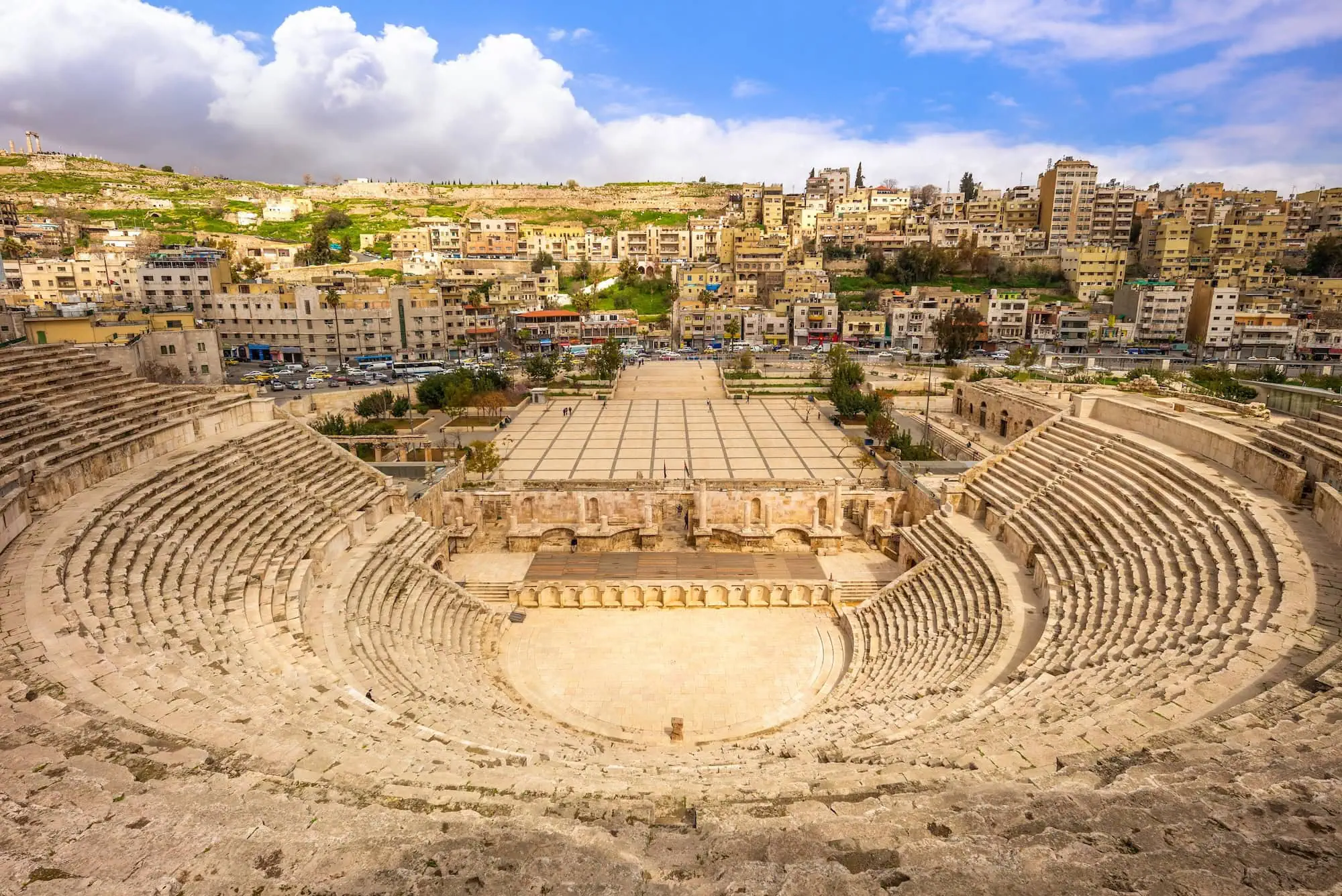
Yes, absolutely. US citizens can travel to Jordan with the proper documentation and preparation. Jordan welcomes American travelers with a straightforward visa process, modern infrastructure in major cities, and rich cultural experiences from Petra’s ancient wonders to the therapeutic waters of the Dead Sea.
While regional security concerns exist, millions of tourists visit Jordan safely each year, making it one of the Middle East’s most accessible destinations for US passport holders. Understanding current requirements, safety protocols, and practical travel tips ensures your Jordanian adventure proceeds smoothly from departure to return home.
Table of Contents
Essential Entry Requirements for US Travelers
Your passport must remain valid for at least six months beyond your planned departure date from Jordan. Jordanian immigration officials strictly enforce this six-month rule, and airlines often prevent boarding passengers whose passports don’t meet this requirement.
US Passport Documentation Standards
A standard US tourist passport provides entry to Jordan, but your passport should contain blank pages for entry and exit stamps. While one blank page technically suffices, immigration officials recommend having at least two available pages to avoid complications at busy border crossings. Passport cards, enhanced driver’s licenses, and other Real ID-compliant documents don’t qualify for international travel to Jordan.
Only traditional passport books grant entry rights for US citizens.
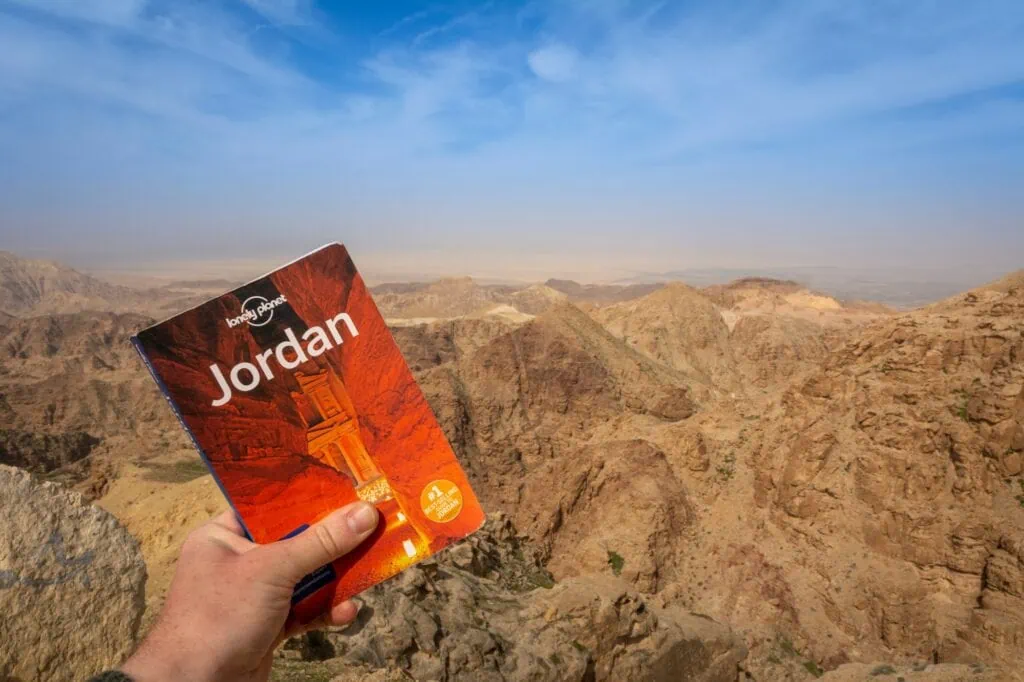
Jordan Visa Options
Jordan issues visas to US citizens upon arrival at Queen Alia International Airport and most land border crossings. The standard tourist visa costs 40 Jordanian dinars (approximately $56 USD) and grants 30 days of stay within Jordan’s borders.
E-Visa Processing Platform
The Jordanian Ministry of Interior offers e-visa services through their official platform at eservices.moi.gov.jo. Processing typically takes 3-5 business days, and approved e-visas eliminate airport queuing for visa-on-arrival services. The digital system accepts major credit cards and provides immediate confirmation emails upon approval.
Royal Jordanian passengers can access streamlined e-visa processing directly through the airline’s booking platform, often with discounted fees for ticket holders.
Security Situation and Travel Advisories
The US State Department maintains a Level 3 travel advisory for Jordan, recommending Americans “reconsider travel” due to terrorism risks and regional armed conflicts. Terrorist groups including ISIS and al-Qaeda maintain presence in the broader region, though Jordanian security forces actively monitor and combat extremist activities.
Tourist areas like Petra, Amman, and Aqaba receive enhanced security protection, with visible police presence and checkpoint protocols. Regional tensions affect border areas with Syria and Iraq. The State Department specifically advises against travel to Ma’an Governorate and areas within 3.5 km of the Syrian border.

Jordan’s eastern desert regions near the Iraqi border also present elevated risks due to smuggling activities and occasional cross-border incidents. Most terrorist incidents target security installations rather than tourist sites, but travelers should remain vigilant in crowded areas, transportation hubs, and during major public events.
The Jordanian government coordinates closely with US security agencies to monitor threats against American citizens.
Health Considerations and Medical Preparedness
Modern medical facilities operate throughout Amman, Irbid, and other major Jordanian cities. Private hospitals often provide care comparable to US standards, while public facilities maintain basic emergency services across the country.
Vaccinations and Health Precautions
The CDC recommends routine vaccinations including MMR, DPT, flu, and COVID-19 boosters before traveling to Jordan. Hepatitis A and typhoid vaccinations provide additional protection against foodborne illnesses, particularly for travelers venturing outside major tourist areas. Travelers visiting rural areas or planning outdoor activities should consider hepatitis B vaccination.

No yellow fever vaccination requirements exist for US citizens arriving directly from the United States.
Medical Insurance Services
US health insurance plans rarely cover medical treatment in Jordan. Travel medical insurance becomes essential for covering potential hospitalization, emergency evacuation, or prescription medications. Emergency services operate on European-style 112 systems, with English-speaking operators available in Amman and tourist zones.
Prescription medications should remain in original packaging with clear labeling. Controlled substances require additional documentation or may be prohibited entirely – consult Jordan’s embassy before traveling with prescription narcotics or controlled medications.
Regional Travel Complexities
Jordan’s location creates unique opportunities for multi-country Middle Eastern itineraries, but border crossings require careful planning and specific documentation.
Israel and West Bank Connections
The Allenby Bridge connects Jordan with the West Bank, while the King Hussein Bridge provides access to Israeli territory. These crossings require separate entry procedures and fees beyond your Jordan visa. Israeli immigration stamps can complicate future travel to certain Arab nations, so consider requesting loose-leaf stamping if continuing to other Middle Eastern destinations.
Jordan Pass holders receive discounted entry to Petra and other attractions but must purchase the pass before arrival. The pass doesn’t affect visa requirements but can reduce overall travel costs for visitors planning extensive sightseeing.

Syria and Iraq Border Restrictions
US citizens cannot legally cross into Syria from Jordan due to ongoing civil conflict and State Department prohibitions. The border remains officially closed to tourist traffic, with only humanitarian and diplomatic exceptions granted in extraordinary circumstances. Iraq’s border with Jordan remains technically open but requires extensive additional documentation and security clearances.
Most tourist travel to Iraq remains inadvisable due to security conditions and complex visa requirements. Saudi Arabia increasingly welcomes US tourists through its new visa programs, with direct flights from Amman to Riyadh and Jeddah providing convenient connections for travelers interested in exploring multiple Arab nations during extended regional visits.
Smart Traveler Enrollment Program
The State Department’s Smart Traveler Enrollment Program (STEP) provides crucial communication channels between US citizens abroad and embassy services. Registration takes minutes online and enables emergency contact during natural disasters, civil unrest, or family emergencies at home. STEP registration doesn’t guarantee evacuation services but ensures you receive security updates, weather warnings, and important policy changes affecting US citizens in Jordan.
The US Embassy in Amman uses STEP databases to locate Americans during emergencies and provide assistance when needed. Embassy services include passport replacement, emergency loans, and coordination with Jordanian authorities during arrests or legal issues. The embassy cannot provide bail money or legal representation but can recommend English-speaking attorneys and ensure fair treatment under local laws.
Registration information remains confidential and won’t be shared with Jordanian authorities unless you specifically request embassy intervention during legal difficulties or medical emergencies.
Arrival and Departure Procedures
Queen Alia International Airport serves as Jordan’s primary international gateway, located 30 km south of Amman. Airport Express buses connect the terminal with downtown Amman every 30 minutes, while licensed taxis charge fixed rates of approximately 25-30 JOD to central Amman hotels.
Airport Visa Processing
Visa-on-arrival counters operate 24 hours daily with English-speaking staff. Processing typically requires 15-30 minutes during normal periods but can extend during peak travel seasons or when multiple international flights arrive simultaneously. Cash payments in US dollars, Jordanian dinars, or major currencies are accepted, though credit cards aren’t consistently available.

Alternative Entry Points
Land crossings from Israel provide visa services but often involve longer processing times and additional security screening. The Sheikh Hussein Bridge (northern crossing) and Wadi Araba (southern crossing) charge similar visa fees but may have different operational hours or temporary closures during security situations.
Exit Requirements
Jordan charges exit fees at all departure points, typically included in airline tickets for air travel but paid separately at land borders. Overland departures to Israel require specific tax clearance procedures if you’ve made purchases exceeding certain thresholds during your stay. Airport departure procedures include standard security screening plus occasional random baggage inspections.
Arrive at Queen Alia Airport at least three hours before international departures to allow sufficient processing time during busy periods.
Cultural Awareness and Legal Compliance
Jordanian law applies to all visitors regardless of nationality, and penalties for violations can include deportation, fines, or imprisonment. Understanding basic legal frameworks prevents inadvertent violations that could complicate your stay.
Social Expectations
Conservative dress remains expected in religious sites, government buildings, and traditional neighborhoods. Women should cover shoulders and knees when visiting mosques or rural areas, while men should avoid shorts and sleeveless shirts in conservative settings. Tourist areas like Aqaba and resort zones maintain more relaxed standards.

Alcohol consumption is legal in licensed establishments and hotels but prohibited in public spaces. Purchasing alcohol requires identification, and public intoxication can result in arrest and legal complications.
Photography Restrictions
Military installations, government buildings, and security checkpoints prohibit photography. Always ask permission before photographing people, particularly women or religious figures. Tourist attractions generally welcome photography, but specific restrictions may apply in certain archaeological sites or museums.
Financial Considerations
The Jordanian dinar trades at approximately 0.71 JOD per US dollar, with exchange rates remaining relatively stable. ATMs accept major US bank cards, though foreign transaction fees apply through most American financial institutions. Credit cards work in hotels, restaurants, and tourist attractions throughout major cities.
Cash becomes necessary for local transportation, street vendors, and rural areas where electronic payment systems aren’t available.
Frequently Asked Questions
Yes, US citizens require a valid visa for entry.
Your passport must remain valid for at least six months beyond departure.
Jordan maintains Level 3 advisory but millions visit safely annually.
Most crossings issue visas on arrival except some specialized borders.
CDC recommends routine vaccinations plus hepatitis A and typhoid.
Most US health plans don’t cover Jordan treatment expenses.
Tourist visas cost 40 Jordanian dinars (approximately $56 USD).
Some tourist establishments accept dollars but Jordanian dinars preferred.
Respect local customs and avoid photographing military facilities.
Apply at least one week before travel for processing.
Yes, but each country has separate visa requirements.
Overstaying results in daily fines and potential departure complications.

Design Your Custom Tour
Explore Egypt and Jordan your way by selecting only the attractions you want to visit