

Casablanca Attractions – The Best of Casablanca Revealed
Morocco’s largest city surprises many first-time visitors.
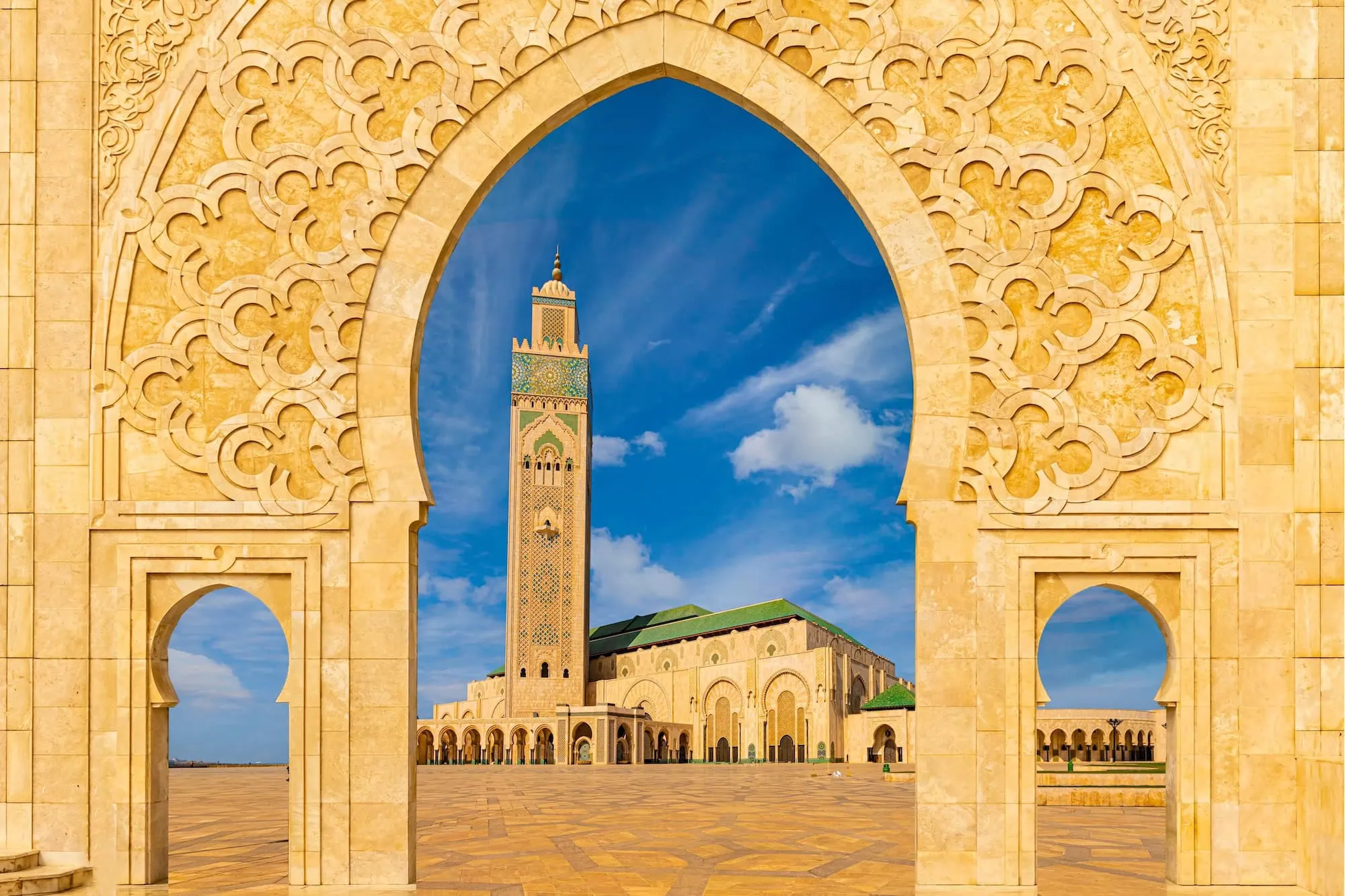
Unlike the romanticized images from classic films, modern Casablanca pulses with contemporary energy while preserving remarkable architectural treasures. This Atlantic coastal metropolis serves as Morocco’s economic center, where elegant Art Deco buildings stand alongside traditional souks, and the world’s tallest minaret rises dramatically above the ocean.
Casablanca can be included in our Egypt and Morocco tours, where Morocco’s vibrant cities are combined with Egypt’s ancient wonders to create a culturally rich and diverse travel experience.
We’ve spent years exploring every corner of this dynamic city—from the narrow streets of the Old Medina to the wide boulevards of the French colonial district. Whether you’re planning a short visit or a longer stay, Casablanca offers everything from cultural immersion to architectural discovery.
Our curated guide highlights both iconic landmarks and lesser-known local gems, helping you experience the city beyond the surface.
Hassan II Mosque: Architectural Marvel
The Hassan II Mosque dominates Casablanca’s skyline with its extraordinary 210-meter (689-foot) minaret, making it the tallest religious structure in the world. King Hassan II commissioned French architect Michel Pinseau to create this masterpiece, which took six years and 35,000 craftsmen to complete.
Engineering Wonder with Ocean Views
What sets this mosque apart is its stunning location perched on a rocky outcrop extending into the Atlantic Ocean. The building showcases incredible technical innovations, including a retractable roof over the central prayer hall that opens to reveal the sky during special occasions.
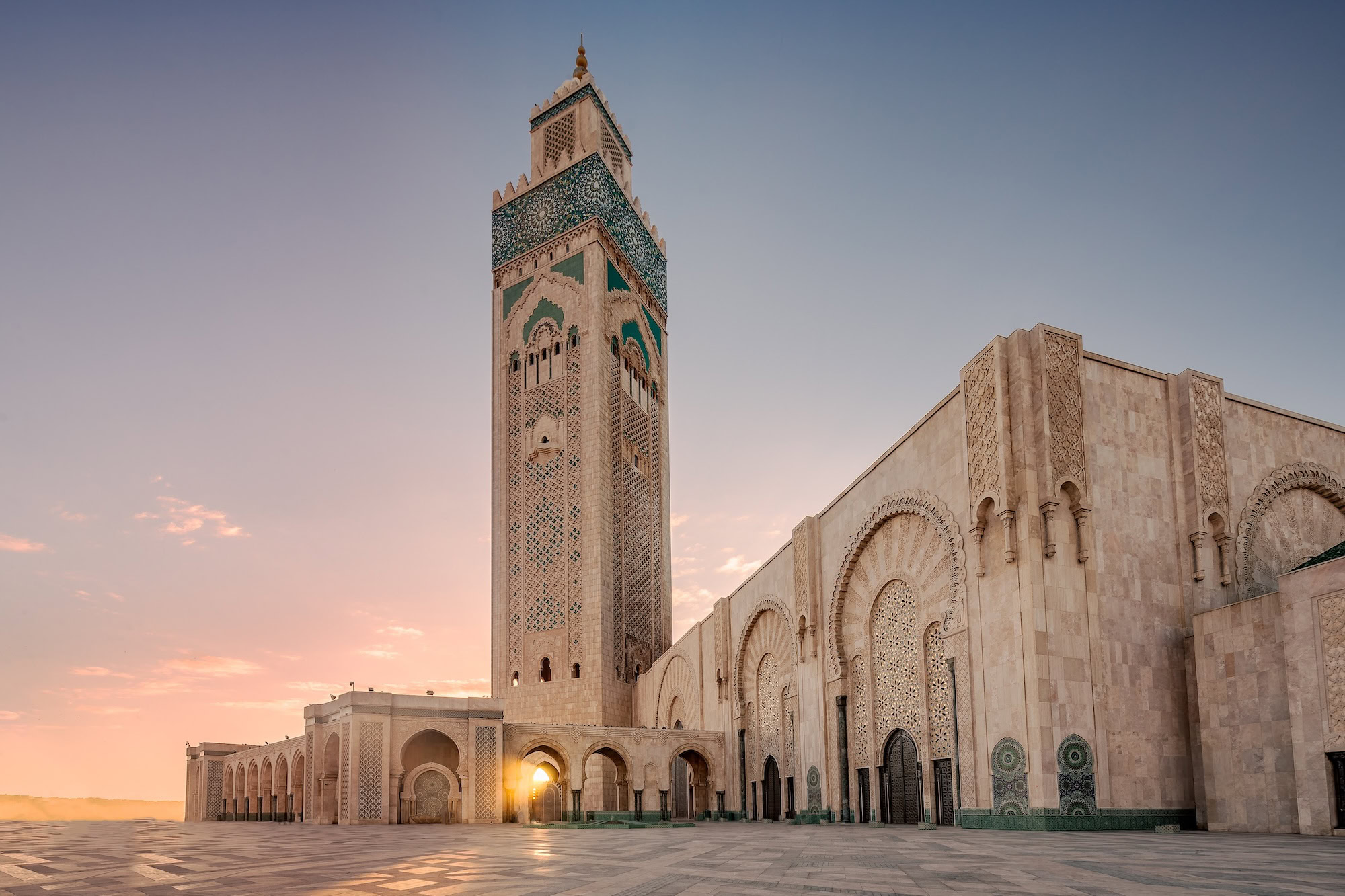
This feature, controlled by modern engineering systems, allows up to 25,000 worshippers to pray under the stars when weather permits. The mosque’s interior displays exceptional Moroccan craftsmanship through intricate geometric patterns, hand-carved cedar ceilings, and marble columns.
Italian artisans contributed granite and marble elements, while Moroccan artists created the elaborate mosaic work using traditional techniques passed down through generations.
Guided Tours and Cultural Significance
Mandatory guided tours provide the only way for non-Muslims to experience the mosque’s interior. Professional guides explain Islamic architectural principles, religious customs, and the mosque’s role in modern Moroccan society.
Tours operate several times daily except during prayer times and religious holidays. Admission costs 130 MAD for adults, with reduced rates for students and children. We recommend booking tours in advance, especially during peak tourist seasons from October through April.
Exploring Casablanca’s Architectural Heritage
French colonial planners transformed Casablanca into a living museum of early 20th-century architecture. The Ville Nouvelle district showcases the ambitious urban planning vision of General Hubert Lyautey, who implemented comprehensive development strategies during the French Protectorate period.
Art Deco enthusiasts discover an extraordinary collection of buildings dating from the 1930s, when French architects experimented with modernist designs adapted to North African climate conditions. The Bendahan Building and Imcama Building represent outstanding examples of this architectural fusion, combining European aesthetic principles with practical features like deep balconies and wind-catching elements.
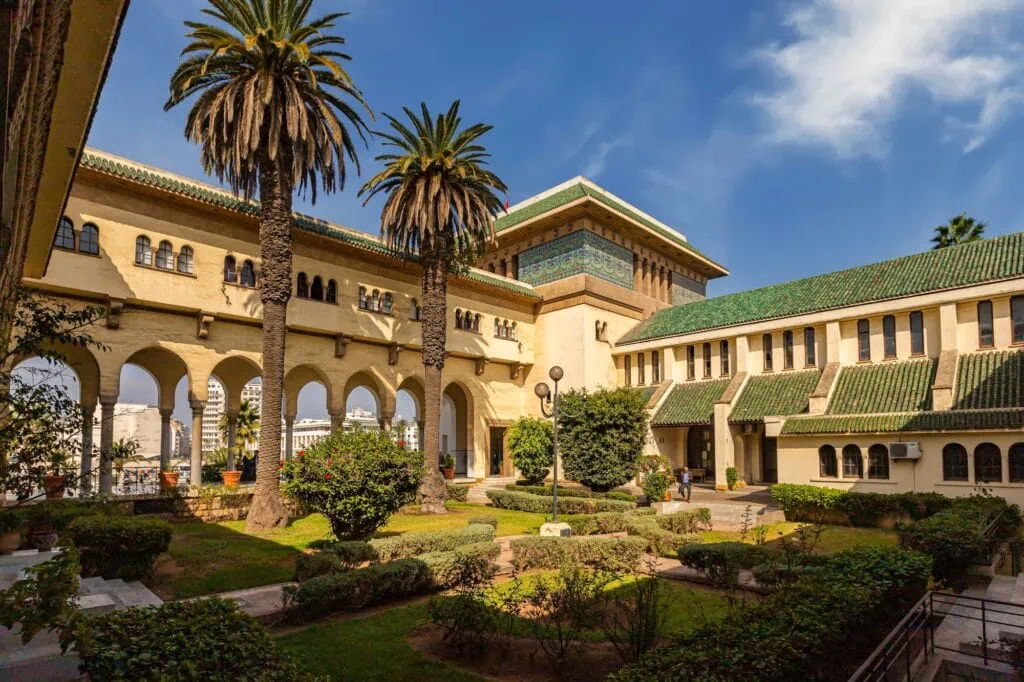
UNESCO has recognized these architectural treasures by placing Casablanca on its tentative World Heritage list. The nomination highlights how the city represents a unique example of colonial urban planning that respected local building traditions while introducing innovative construction techniques.
This recognition has sparked renewed interest in preserving and restoring many historically significant structures throughout the city center.
Discovering Art Nouveau Elements
Beyond Art Deco, keen observers notice subtle Art Nouveau influences throughout the French colonial quarter. Curved balconies, decorative ironwork, and flowing organic motifs appear on residential buildings and commercial establishments.
The organization Casamémoire works tirelessly to document and preserve these architectural details, offering specialized walking tours that reveal hidden artistic elements often overlooked by casual visitors.
Traditional Markets: Old Medina Experience
Casablanca offers two distinct medina experiences, each with its own character and appeal. The Old Medina represents authentic traditional commerce, while the Habous Quarter demonstrates planned urban development from the French colonial era.
Old Medina: Authentic Local Experience
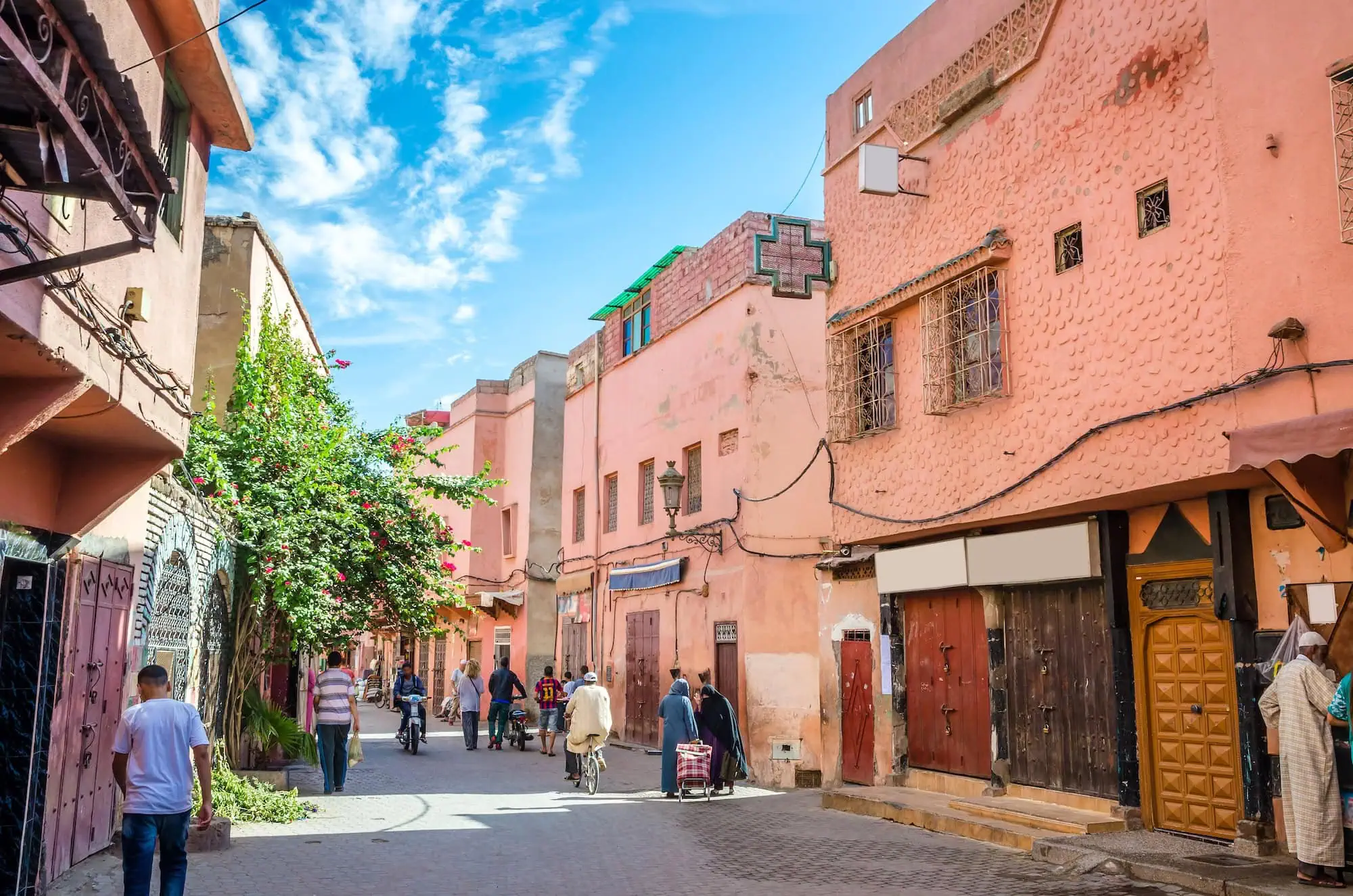
The compact Old Medina sits near the port area, where fishing boats still bring daily catches to local vendors. Unlike the larger medinas of Marrakech or Fez, Casablanca’s traditional quarter feels manageable and less overwhelming for first-time visitors.
Narrow whitewashed streets wind between residential areas and small workshops where artisans practice traditional crafts. Local vendors offer genuine Moroccan goods at fair prices, with less aggressive sales pressure than tourist-focused markets elsewhere.
Fresh mint tea flows freely in small cafes tucked between spice stalls and fabric shops. The Clock Tower marks the medina’s main entrance, providing an easy navigation landmark.
Small synagogues and mosques reflect the medina’s diverse religious heritage. The Ettedgui Synagogue and Ould el-Hamra Mosque demonstrate how different communities coexisted within the traditional urban fabric.
Habous Quarter: Planned Architecture
French colonial administrators created the Habous Quarter in the 1930s as a “New Medina” that combined traditional Moroccan architectural styles with modern urban planning principles. Wide pedestrian streets, planned squares, and standardized building heights create a more organized environment compared to organic traditional medinas.
This neighborhood showcases successful cultural fusion architecture, where French planning methods enhanced rather than replaced Moroccan building traditions. Traditional crafts shops, bookstores, and patisseries line the streets, creating an atmosphere that feels both historic and contemporary.
The Royal Palace complex borders the Habous Quarter, though it remains closed to public visits. The nearby Mahkamat al-Pasha courthouse represents an excellent example of Neo-Moorish architectural style adapted for modern governmental functions.
Culinary Scene and Cultural Attractions
Central Marketplace: Seafood Paradise
The Central Marketplace occupies a magnificent octagonal hall designed in Neo-Moorish style, where Pierre Bousquet’s architectural vision created one of Casablanca’s most atmospheric dining venues. Fresh seafood vendors display daily catches alongside the adjacent Hotel Lincoln, creating an authentic local dining experience.
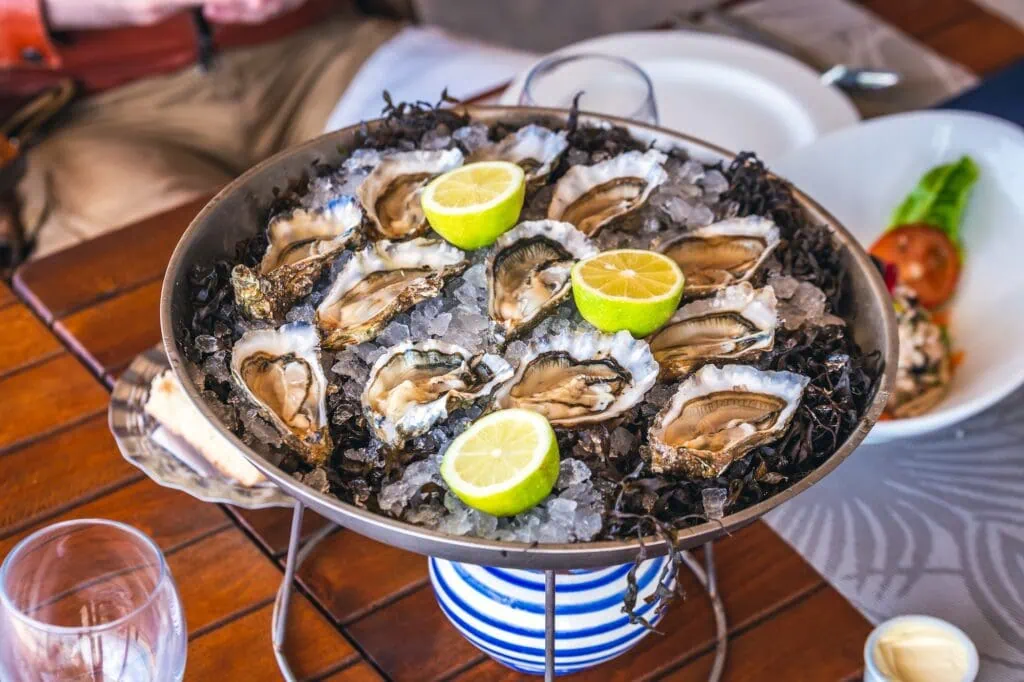
Oyster vendors shuck fresh bivalves throughout the day, served with traditional accompaniments and local white wines. The marketplace represents genuine Casablanca food culture, where business people, families, and visitors gather around communal tables sharing platters of grilled fish, tagines, and seasonal specialties.
Rick’s Café and Modern Dining
Rick’s Café recreates the famous bar from the Humphrey Bogart film “Casablanca,” though the original movie was actually filmed in Hollywood studios. This themed restaurant attracts film enthusiasts while serving excellent Moroccan and international cuisine in an elegant setting reminiscent of 1940s glamour.
Beyond tourist-oriented establishments, local restaurants like Le Kimmy’z offer contemporary Moroccan cuisine in relaxed atmospheres where residents gather for evening meals and weekend celebrations. Traditional tagine preparation methods combine with modern presentation techniques, creating dining experiences that honor culinary heritage while embracing innovation.
Coastal Recreation and Modern Attractions
La Corniche: Atlantic Coastline
The Corniche stretches along Casablanca’s Atlantic coastline, providing scenic walking paths with constant ocean breezes. Evening hours bring street performers, families enjoying sunset views, and couples taking romantic strolls along the waterfront promenade.
Ain Diab Beach offers swimming and water sports during warmer months, though Atlantic currents can be strong. Beach clubs provide comfortable lounging areas with food service and equipment rentals for various water activities.
Contemporary Shopping and Entertainment
Morocco Mall represents modern Casablanca’s commercial development, featuring international brands alongside Moroccan retailers. The complex includes restaurants, entertainment venues, and family-friendly activities that appeal to both residents and visitors seeking contemporary shopping experiences.
Evening entertainment options range from sophisticated cocktail lounges to traditional music venues. Live football viewing in local cafes creates energetic atmospheres during major matches, offering authentic glimpses into contemporary Moroccan social culture.
Unique Cultural Experiences
Moroccan Hammam Tradition
The Hassan II Hammam near the famous mosque offers luxurious traditional bathing experiences in beautifully appointed facilities. This represents the pinnacle of Moroccan wellness culture, where 90-minute treatments combine steam baths, exfoliation, and relaxation techniques passed down through generations.
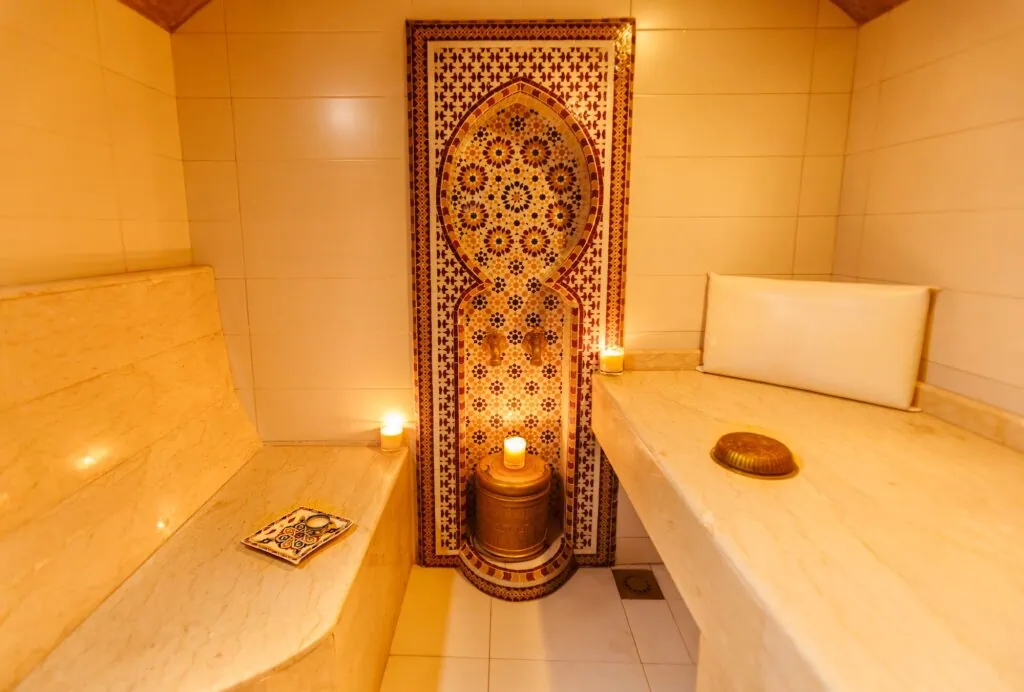
Experienced attendants guide visitors through traditional hammam protocols, explaining each step’s cultural significance and health benefits. Pricing ranges from 150-200 MAD depending on selected services and treatment duration.
Museum of Moroccan Judaism
This unique cultural institution stands as the only museum dedicated to Jewish heritage in the Arab world. Exhibits showcase Berber jewelry, religious artifacts, and reconstructed synagogue elements that document Morocco’s rich multicultural history.
The museum preserves important stories about Jewish communities that flourished in Morocco for centuries, displaying traditional crafts, ceremonial objects, and historical photographs. A reconstructed 1930s synagogue provides insight into religious architecture and community life during the French Protectorate period.
Transportation and Practical Information
Getting Around Casablanca
The modern tramway system provides efficient, clean transportation throughout the city center and to major attractions. Two main lines connect the airport, train stations, and primary tourist destinations with regular service from 6:00 am (06:00) to 11:00 pm (23:00).
Petit taxis accommodate up to three passengers for short urban journeys, while grand taxis handle longer distances and airport transfers. Mohammed V Airport lies 30 kilometers (19 miles) southeast of the city center, connected by train, bus, and taxi services.
Train connections link Casablanca to Rabat, Marrakech, and other major Moroccan cities through the reliable ONCF railway network. The Casa-Port station serves local routes, while Casa-Voyageurs handles long-distance travel.
When to Visit
Casablanca enjoys a Mediterranean climate with mild winters and warm summers. Spring months from March through May offer ideal weather conditions with comfortable temperatures around 22°C (72°F) and minimal rainfall.
Summer temperatures reach 28°C (82°F) with refreshing ocean breezes providing natural air conditioning along the coastal areas. Winter months see occasional rain but rarely experience temperatures below 10°C (50°F), making year-round visits comfortable.
Frequently Asked Questions
Two to three days allow sufficient time to see major attractions, explore different neighborhoods, and experience local culture without feeling rushed.
Absolutely. The mosque represents exceptional Islamic architecture and engineering, offering unique insights into Moroccan craftsmanship and religious culture through mandatory guided tours.
Old Medina feels more authentic and traditional, while Habous Quarter offers organized streets with planned architecture combining French and Moroccan styles.
Casablanca costs slightly more than Marrakech or Fez but remains very affordable for international visitors.
Yes, though Atlantic currents can be strong. Ain Diab Beach offers the best swimming conditions with lifeguard services.
Very safe. Standard travel precautions apply, but violent crime against tourists remains extremely rare in this modern city.
Arabic and French are primary languages, with English widely spoken in tourist areas.
Not necessary for most attractions, though guided tours enhance experiences at Hassan II Mosque.
Casual, modest clothing works well. Casablanca feels more liberal than rural areas, but respectful dress remains appreciated.
Rabat lies 87 kilometers northeast, Marrakech 240 kilometers south, both easily reached by train or car.
The airport train provides fast, comfortable service directly to Casa-Port station in 45 minutes.
Absolutely. Local neighborhoods offer excellent traditional restaurants with authentic cuisine at very reasonable prices.
Design Your Custom Tour
Explore Egypt & Morocco your way by selecting only the attractions you want to visit