

The Cave of the Seven Sleepers – An Often Overlooked Gem
Legends tell of seven young believers who sought refuge from persecution and fell into a miraculous sleep lasting centuries.
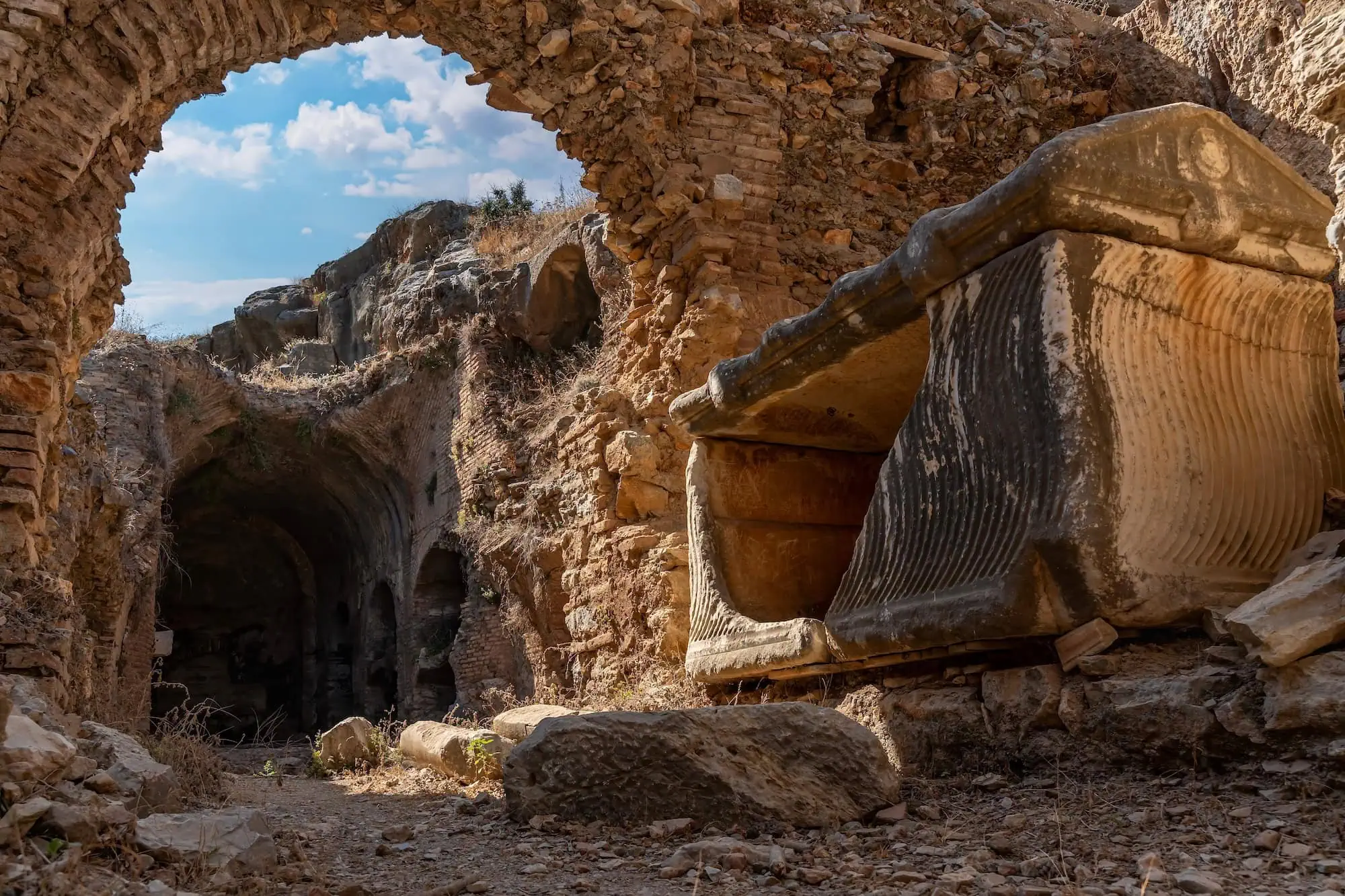
The story of the Seven Sleepers spans cultures and religions, appearing in Christian, Islamic, and wider folk traditions across different regions. In Jordan’s al-Rajib valley, one of the most recognized sites associated with this story offers visitors a unique blend of history, spirituality, and archaeological intrigue. Over the centuries, the tale has captured the imagination of both believers and scholars, reflecting how powerful narratives can transcend borders and generations.
Exploring this site provides insight into the cultural and religious heritage that continues to shape the region today. Whether you’re interested in ancient legends, spiritual journeys, or lesser-known historical locations, the Cave of the Seven Sleepers offers a meaningful and thought-provoking experience.
To include this hidden gem alongside Petra, Wadi Rum, and Egypt’s iconic highlights, explore our Egypt and Jordan multi-country tours.
Table of Contents
Historical Origins and Roman Persecution
The Seven Sleepers legend emerged during one of Christianity’s darkest periods under Roman Emperor Decius in the 3rd century CE. Young Christians faced systematic persecution as the empire sought to restore traditional Roman religious practices.
The Flight from Ephesus
Seven young men fled the ancient city of Ephesus around 250 CE to escape Decius’s brutal crackdown on Christian communities. Historical accounts describe these companions seeking refuge in a mountain cave, where they prayed for divine protection before falling into what they believed would be eternal rest. Archaeological evidence from Ephesus suggests the original story may have roots in actual events, though the miraculous elements developed through oral tradition.
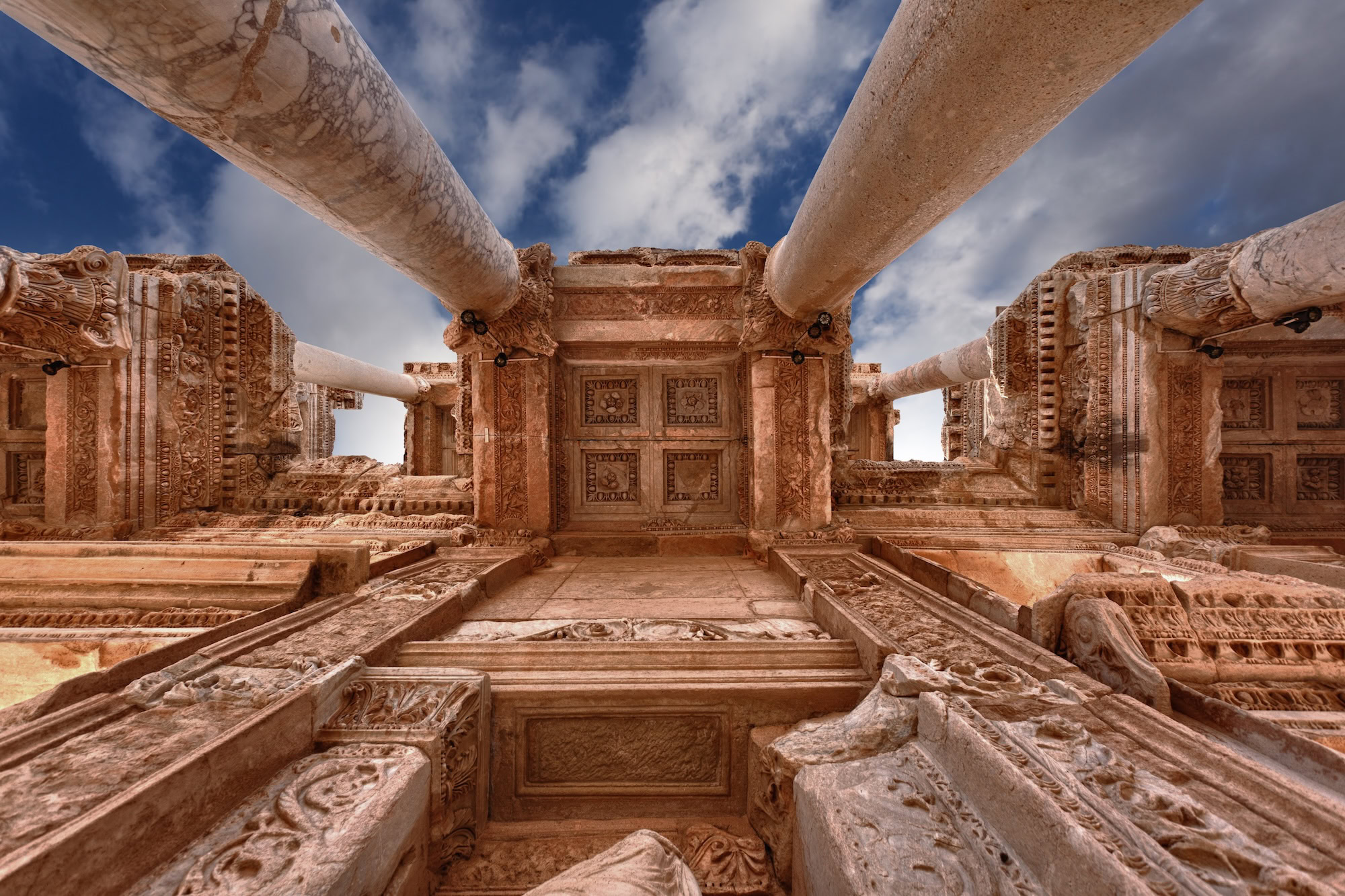
The persecution under Decius was particularly severe, targeting Christian clergy and requiring citizens to perform sacrifices to Roman gods. Those who refused faced imprisonment, torture, or death.
The Miraculous Awakening
According to tradition, the seven sleepers awakened during the reign of Emperor Theodosius II, roughly 150-200 years later. They discovered a transformed world where Christianity had become the empire’s official religion. This timing aligns with the Byzantine period when the legend gained widespread acceptance across both Eastern and Western Christian traditions.
The story served a powerful theological purpose, demonstrating God’s protection of the faithful and the eventual triumph of Christianity over persecution. Early church fathers like Gregory of Tours documented versions of this tale, cementing its place in Christian literature.
Jordan’s Cave of Seven Sleepers
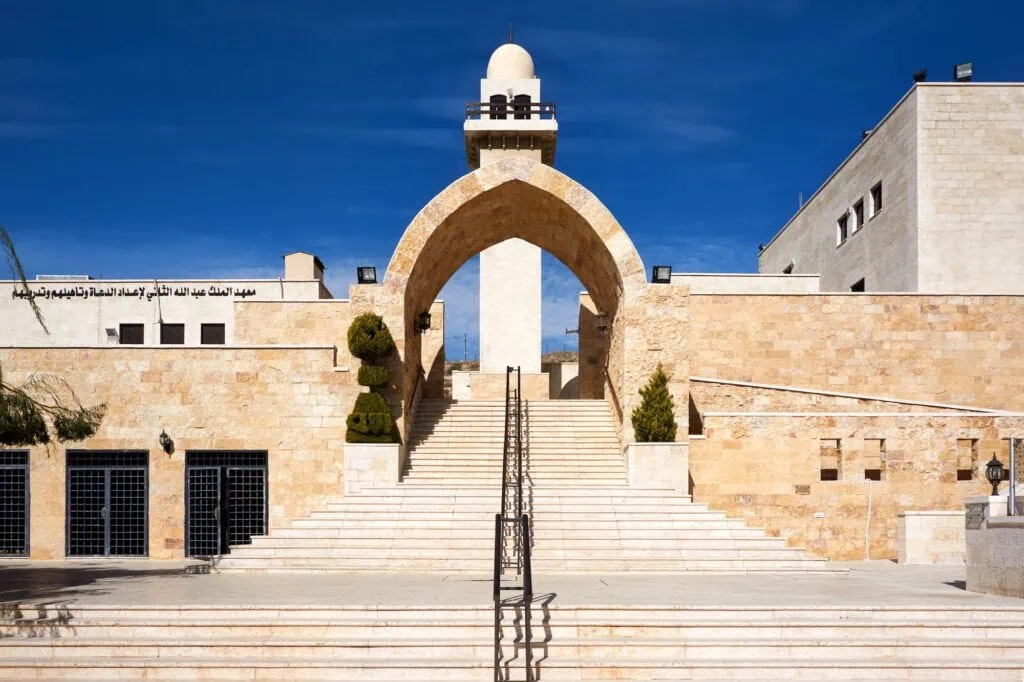
The most archaeologically significant site stands in Jordan’s al-Rajib valley, approximately 10 kilometers southeast of Amman. This location combines Byzantine Christian architecture with later Islamic additions, creating a unique interfaith pilgrimage destination.
Archaeological Evidence
The 1951 archaeological excavation revealed a complex containing eight ancient tombs within a natural cave system. The eighth tomb traditionally represents the faithful dog that accompanied the seven companions, a detail that appears in both Christian and Islamic versions of the story. Byzantine-era inscriptions and pottery fragments support the site’s early Christian origins.
Researchers discovered evidence of continuous religious activity spanning over 1,000 years. The cave complex includes remnants of a Byzantine church built around the burial site, demonstrating the story’s importance to early Christian communities in the region.
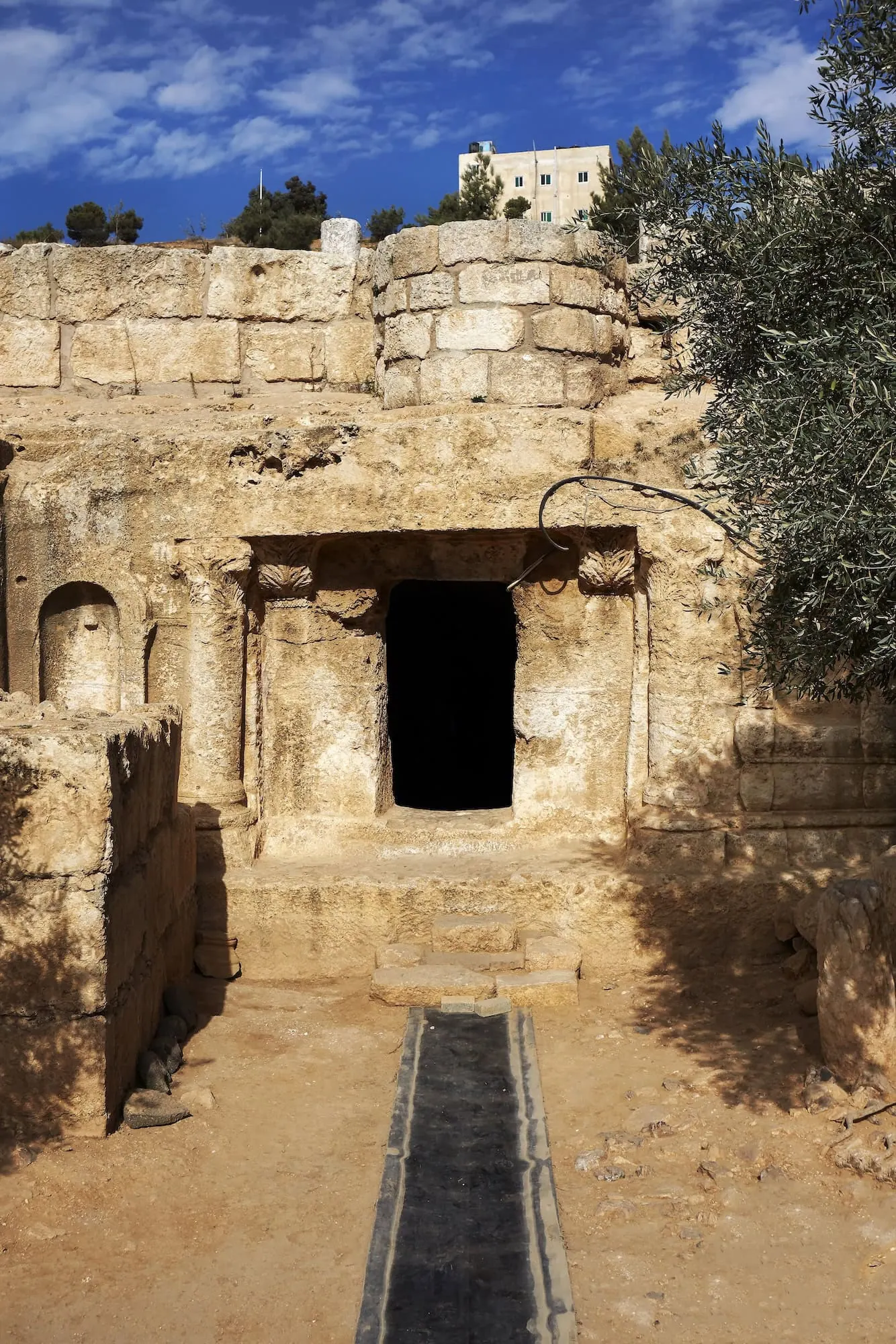
The site’s Arabic name, Kahf ar-Raqīm, directly references the Quranic account found in Surah al-Kahf. Islamic tradition identifies this location as the cave mentioned in the 18th chapter of the Quran, where the story appears as a test of faith.
Modern Pilgrimage and Accessibility
Today’s visitors find a carefully preserved archaeological site that welcomes pilgrims from both Christian and Muslim backgrounds. The cave remains free to access, with local guides available to explain the historical and religious significance. The Jordan Ministry of Tourism has maintained the site’s integrity while providing basic visitor facilities.
The location offers stunning views across the Jordanian landscape, adding to its spiritual atmosphere. Many pilgrims report a profound sense of peace within the cave chambers, regardless of their specific religious background.
Islamic Tradition and Quranic Account
The Quranic version in Surah al-Kahf presents the Seven Sleepers as “Companions of the Cave” (Ashab al-Kahf). This account emphasizes themes of faith, divine protection, and the relativity of time.
Islamic scholars have long debated the precise duration of the sleepers’ rest. The Quran mentions “309 years,” which Islamic astronomy explains as 309 lunar years equivalent to approximately 300 solar years. This calculation demonstrates the sophisticated mathematical knowledge of early Islamic scholars.
The story appears as part of several tales meant to test human understanding and faith. Unlike purely Christian versions, the Quranic account includes specific details about the dog’s position guarding the cave entrance and the way sunlight moved across the sleepers without disturbing them.
Cultural Impact Across Muslim Countries
Muslim pilgrims travel from across the world to visit potential Seven Sleepers sites. The story’s themes of persecution, faith, and eventual vindication resonate particularly strongly in regions where Muslims face contemporary challenges. The cave serves as a symbol of hope and divine protection.
Traditional Islamic art frequently depicts scenes from the Seven Sleepers story, with the faithful dog becoming an especially beloved element. This positive portrayal of dogs in Islamic tradition offers an interesting counterpoint to other religious texts.
Alternative Locations and Archaeological Claims
Multiple sites across the ancient world claim connections to the Seven Sleepers legend, each supported by archaeological evidence and local traditions.
Ephesus: The Original Setting
The Grotto of Seven Sleepers near Selçuk, Turkey, maintains the strongest historical claim as the legend’s birthplace. Extensive Roman and Byzantine ruins surround this cave system, supporting the story’s chronological framework. Archaeological layers confirm continuous religious activity from the late Roman period through the Ottoman era.
Turkish authorities have developed the Ephesus site as part of the broader ancient city complex, allowing visitors to experience the historical context where early Christians lived and faced persecution.
Eastern Interpretations in China
Remarkably, versions of the Seven Sleepers story appear in ancient Chinese Buddhist texts, where seven monks flee persecution and experience miraculous sleep. The cave site in Turpan demonstrates how this narrative transcended geographical and religious boundaries through Silk Road trade connections.
Chinese archaeological evidence suggests the story may have traveled eastward through Central Asian Buddhist communities who adapted the tale to local beliefs and circumstances.
North African Traditions
Tunisia’s Chenini region contains caves associated with a local version of the Seven Sleepers story. Berber oral traditions include similar narratives of righteous individuals protected through supernatural sleep during times of persecution.
These North African variants often include additional cultural elements specific to desert environments and nomadic lifestyles, showing how the core story adapted to different geographical contexts.
Planning Your Visit to Seven Sleepers Sites
We recommend starting with Jordan’s al-Rajib cave for the most comprehensive Seven Sleepers experience. The site’s accessibility and dual Christian-Islamic significance provide excellent context for understanding the legend’s broad appeal.
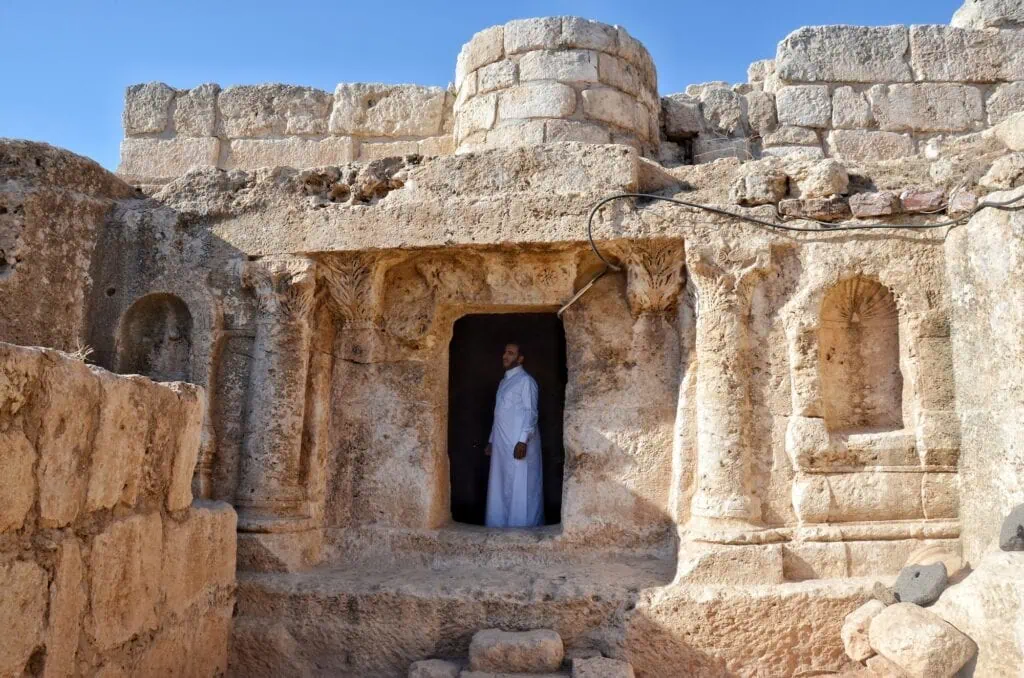
Visiting Al-Rajib Cave
The cave opens daily from sunrise to sunset with free admission. Local guides speak Arabic and English, offering detailed explanations of the archaeological findings and religious traditions. Photography is permitted throughout the complex.
Allow 2-3 hours for a thorough exploration, including time for reflection within the cave chambers. The site includes basic facilities but no dining options, so bring water and snacks for longer visits.
Transportation from Amman takes approximately 30 minutes by car. Public transportation options are limited, making private vehicles or organized tours the most practical choices.
Ephesus Grotto Experience
Turkey’s Seven Sleepers site requires separate admission from the main Ephesus archaeological complex. The grotto visit pairs excellently with broader Ephesus exploration, creating a full day of early Christian historical immersion.
Turkish tourism authorities provide multilingual information panels explaining both the archaeological evidence and various religious interpretations of the Seven Sleepers story.
Combining Multiple Sites
Dedicated pilgrims sometimes visit multiple Seven Sleepers locations across different countries. This approach offers fascinating insights into how the same story evolved within different cultural and religious contexts. We can arrange comprehensive tours that include Jordan’s al-Rajib cave alongside Turkey’s Ephesus grotto for the most complete Seven Sleepers experience.
Each site offers unique perspectives on this enduring legend, from archaeological evidence to contemporary pilgrimage traditions.
Religious Significance Across Faiths
The Seven Sleepers story demonstrates remarkable interfaith appeal, serving as a bridge between Christian, Islamic, and even secular historical interests.
Christian interpretations emphasize the triumph of faith over persecution and God’s protection of believers during difficult times. The story provided hope to early Christian communities facing Roman oppression and continues to inspire believers confronting contemporary challenges.
Islamic tradition views the Companions of the Cave as examples of unwavering faith rewarded by divine intervention. The Quranic account emphasizes themes of monotheism, trust in Allah, and the temporary nature of worldly persecution.
Scholars note how both traditions share core elements while adapting specific details to their theological frameworks. This convergence creates unique opportunities for interfaith dialogue and mutual understanding.
Modern pilgrims often report that visiting Seven Sleepers sites enhances their understanding of shared religious heritage between Christianity and Islam, promoting tolerance and respect across traditional boundaries.
Archaeological Insights and Historical Context
Recent archaeological work has revealed fascinating details about how ancient communities venerated the Seven Sleepers across different time periods.
Byzantine Church Architecture
The al-Rajib site’s Byzantine church remains demonstrate sophisticated 6th-century architectural techniques. Mosaic fragments and stone carving details reflect the period’s artistic standards while serving the practical needs of pilgrims visiting the sacred cave.
Archaeological layers show continuous maintenance and expansion of religious facilities over several centuries. This evidence supports the story’s enduring importance to Byzantine Christian communities throughout the empire’s later periods.
Islamic Period Additions
Islamic rulers added prayer facilities and improved pilgrimage infrastructure without disturbing the original Christian elements. This approach reflects Islam’s respect for “People of the Book” and shared reverence for certain biblical/Quranic figures.
Inscriptions in Arabic calligraphy complement rather than replace earlier Byzantine Christian symbols, creating a unique interfaith architectural heritage that survives today.
Preservation Challenges and Efforts
Modern conservation work addresses natural erosion and human impact from centuries of pilgrimage activity. International archaeological teams collaborate with Jordanian authorities to maintain site integrity while accommodating contemporary visitors.
Climate control measures protect ancient inscriptions and artwork from humidity and temperature fluctuations. These efforts ensure future generations can continue experiencing this remarkable historical and religious site.
Frequently Asked Questions
Jordan’s al-Rajib site has the strongest archaeological evidence and appears in both Christian and Islamic traditions.
Islamic sources specify 309 lunar years (approximately 300 solar years), while Christian accounts vary between 150-200 years.
Absolutely. The archaeological significance, historical context, and cultural heritage value attract visitors regardless of personal religious beliefs.
Jordan’s al-Rajib cave offers free admission, while Turkey’s Ephesus grotto requires tickets as part of the broader archaeological complex.
Water, comfortable walking shoes, modest clothing respecting religious significance, and cameras for documenting this unique historical experience.
Core elements remain consistent, but Islamic accounts include specific details about the faithful dog and precise sleep duration calculations.
Yes, we can arrange tours combining Jordan’s al-Rajib cave with Turkey’s Ephesus grotto for comprehensive Seven Sleepers exploration.
Most sites offer guides speaking Arabic, English, and local languages, ensuring international visitors receive detailed explanations.
Photography is generally permitted, but flash may be restricted to protect ancient artwork and inscriptions from damage.
Most sites require moderate walking on uneven surfaces, but are accessible to visitors with reasonable mobility levels.
Design Your Custom Tour
Explore Egypt and Jordan your way by selecting only the attractions you want to visit