

Cavusin In Cappadocia – Turkey’s Forgotten Churches
Cavusin transforms visitors with its thousand-year-old churches carved directly into volcanic cliffs.
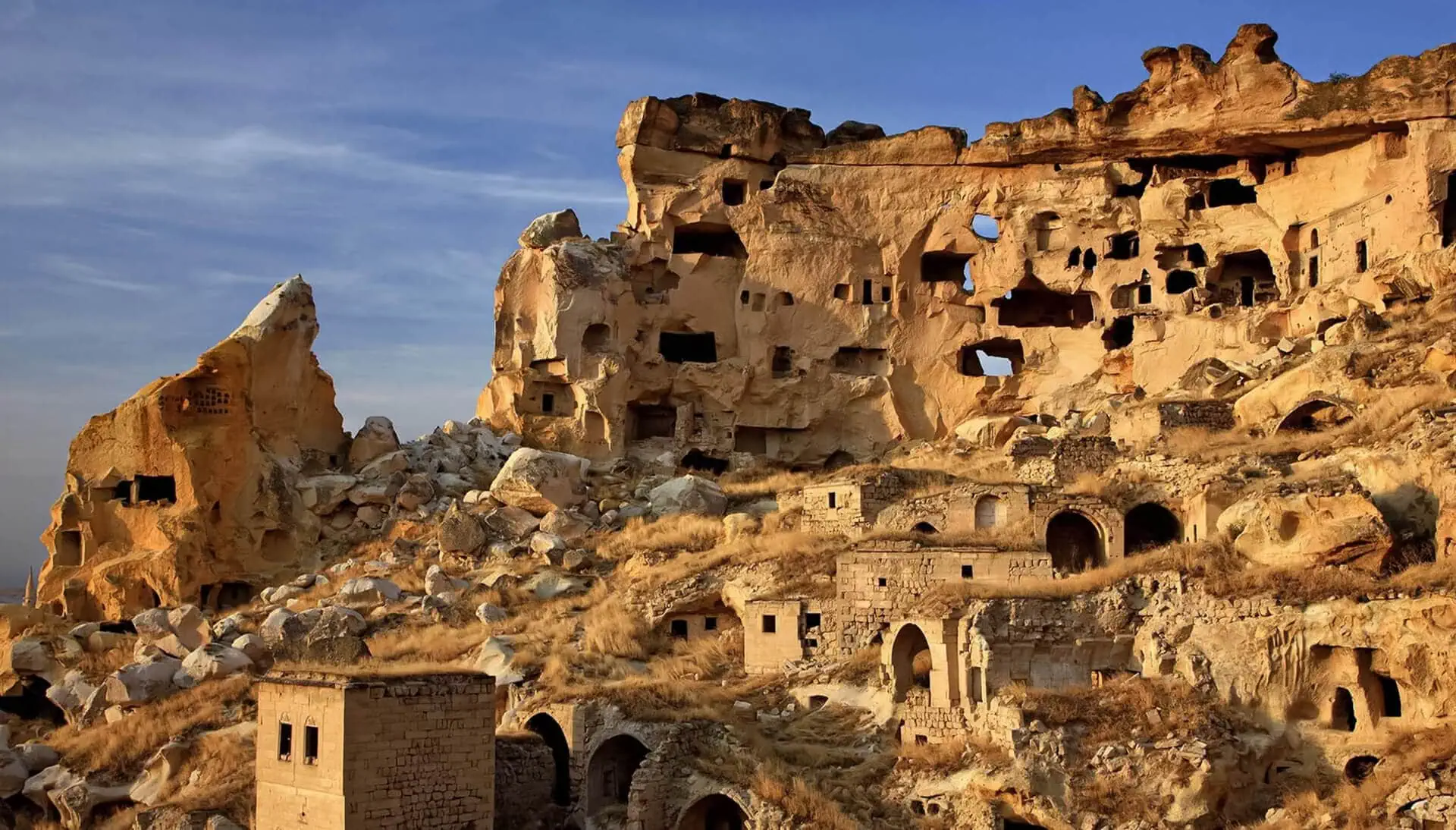
This ancient village stands as one of Cappadocia’s most atmospheric destinations, where Byzantine history meets dramatic geological formations. Abandoned cave houses tell the story of Greek Christian communities that once thrived here, while towering rock formations create a surreal landscape ideal for exploration and photography.
Cavusin can be included in our Egypt and Turkey Adventure Tours, where Cappadocia’s hidden gems are combined with Istanbul’s iconic landmarks and Egypt’s ancient wonders for a rich and immersive travel experience.
Walking through the village feels like stepping back in time, with carved facades and faded frescoes revealing layers of history. Located just a short drive from Göreme, Cavusin offers a quieter and more authentic alternative to the region’s busier sites.
With the right guidance, visitors can explore its ancient churches and pathways safely while gaining a deeper understanding of Cappadocia’s cultural and historical significance.
Table of Contents
Exploring Cavusin’s Rock-Cut Churches and Byzantine Heritage
The village centers around two magnificent rock-cut churches that showcase early Christian artistry at its finest. These sacred spaces represent some of Cappadocia’s most significant religious monuments, dating back over a millennium.
Church of St. John the Baptist
The larger of Cavusins two churches stands as a masterpiece of 10th-century Byzantine architecture. Built between 963-969 CE during Emperor Nicephorus Phocas’s reign, this three-aisled basilica features stunning frescoes depicting biblical scenes across its carved walls. The church’s dome reaches impressive heights, while intricate geometric patterns frame religious imagery that has survived centuries of weathering.
Visitors can observe detailed scenes from the life of Christ, including the Nativity and Crucifixion, painted with mineral pigments that still retain their earthy colors. The apse contains a beautiful image of the Pantocrator, surrounded by angels and saints that demonstrate the sophisticated artistic techniques of Byzantine craftsmen.
The Smaller Chapel
Adjacent to the main church, a second smaller chapel offers a more intimate spiritual experience. This structure likely served as a monastery chapel, with simple yet elegant frescoes covering its walls. The artwork here focuses on the Forty Martyrs of Sebaste, a popular subject in early Christian art that reflects the village’s deep religious connections.
Both churches remained active centers of worship until the 1920s, when the Greek population left following the Treaty of Lausanne population exchange. Today, visitors must exercise caution when exploring these sites due to ongoing structural concerns.
Historical Context and Cultural Significance
Cavusins Christian heritage extends back to the 4th century, when early believers sought refuge in Cappadocia’s remote valleys. The village’s original name, Kodessane, appears in ancient texts describing hermit settlements that flourished during the Byzantine period. These early Christian communities chose this location for its defensive advantages and the ease with which they could carve dwellings and churches from the soft volcanic tuff.
The area became a significant pilgrimage site, attracting visitors from across the Byzantine Empire who came to worship at its churches and seek blessings from its resident monks.
Cavusin Castle: Climbing to Spectacular Valley Views
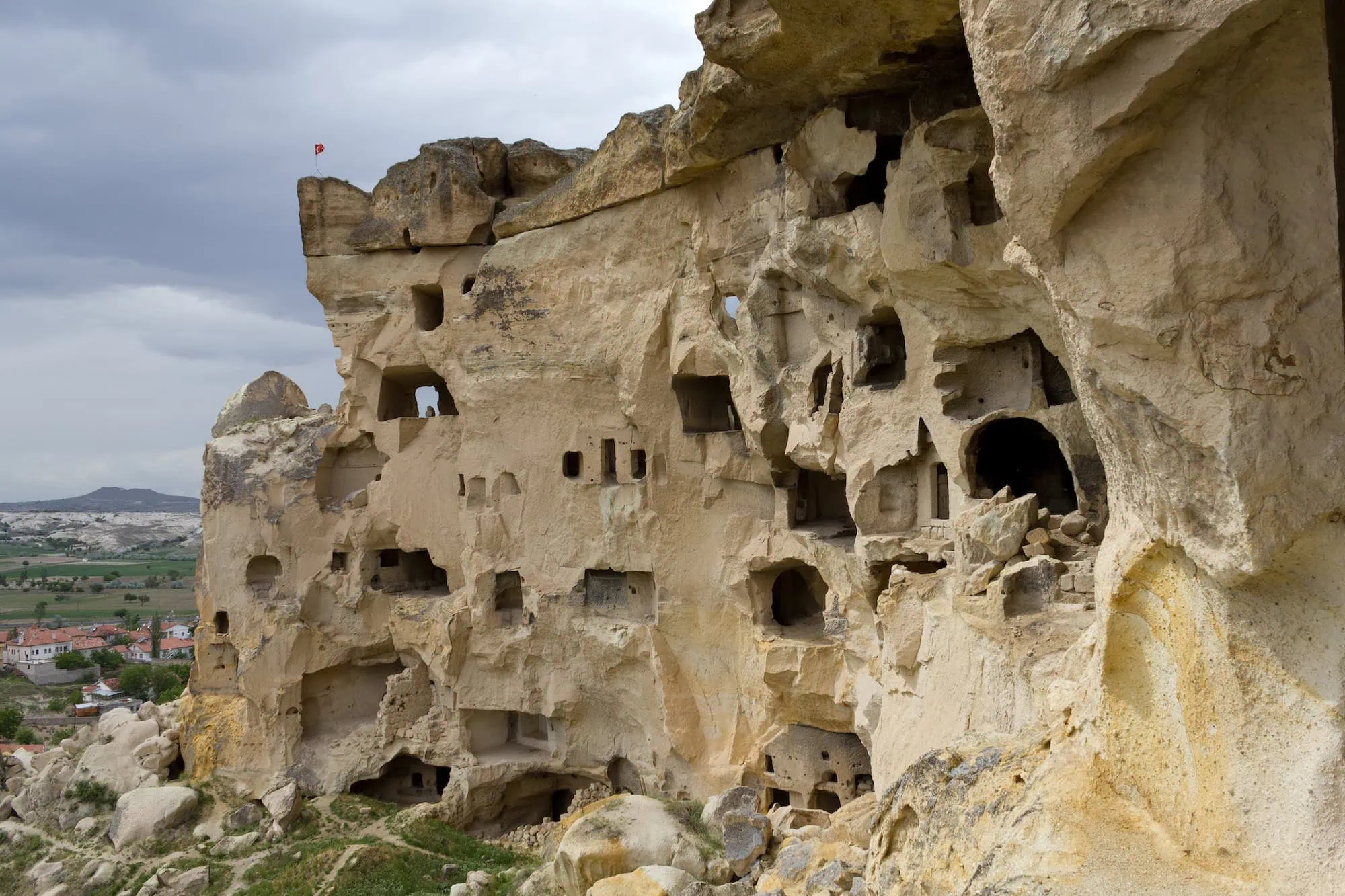
Perched dramatically on a cliff face above the village, Cavusin Castle represents one of Cappadocia’s most impressive fortress complexes. This multi-level structure contains hundreds of carved rooms, tunnels, and chambers that once housed entire families during times of conflict.
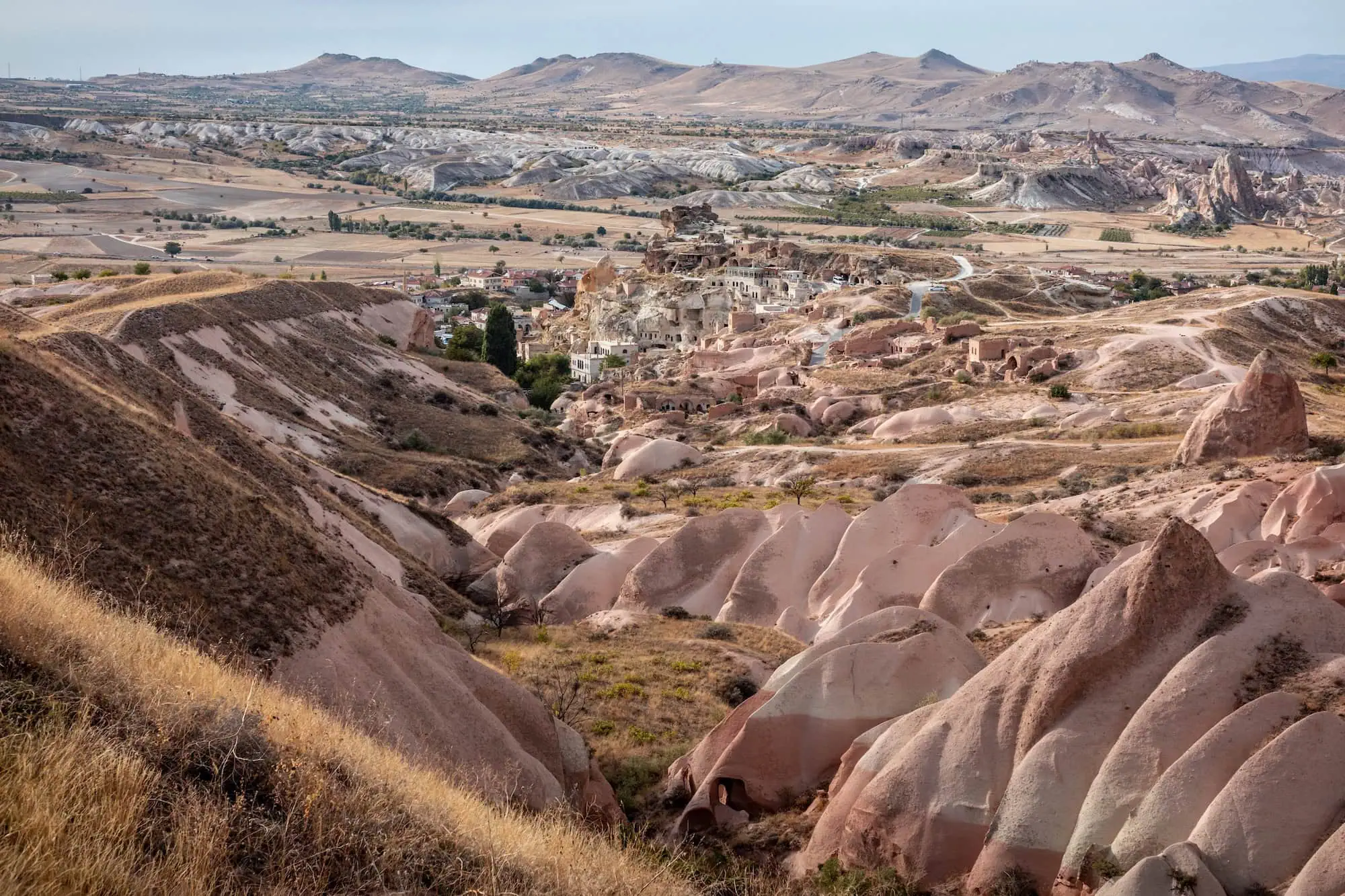
The castle’s strategic position provided early warning of approaching enemies while offering commanding views across the Rose Valley and Red Valley systems. Climbing to the upper levels requires careful navigation through narrow passages and steep stone steps, but the panoramic vistas reward every effort. From the highest accessible point, marked by a Turkish flag pole, visitors can photograph the entire Cappadocia landscape stretching toward distant mountains.
Safety Considerations for Castle Exploration
Recent geological assessments have identified structural risks throughout the castle complex. Falling rocks pose genuine dangers, particularly in areas where tourists previously climbed freely. Local authorities have closed certain sections while implementing safety measures to protect visitors.
We recommend staying on marked paths and avoiding areas with visible warning signs. The government continues working to stabilize dangerous sections while preserving access to the castle’s most spectacular viewpoints. Always inform someone of your climbing plans and carry a mobile phone for emergencies.
Current conditions allow exploration of the lower castle levels and several panoramic terraces, providing excellent photo opportunities without excessive risk. The views alone justify the visit, even without accessing the highest chambers.
Hiking Through Cavusin Valley and Surrounding Landscapes
The valley surrounding Çavuşin offers some of Cappadocia’s most diverse hiking experiences, connecting multiple geological and historical sites through well-established trail networks.
Main Valley Trail System
A 4-kilometer walking route connects Cavusin directly to Göreme, passing through spectacular fairy chimney formations and abandoned cave dwellings. This relatively easy hike takes approximately 90 minutes, following ancient paths that local residents used for centuries. The trail winds between towering rock pillars while providing constant visual interest through changing geological formations.
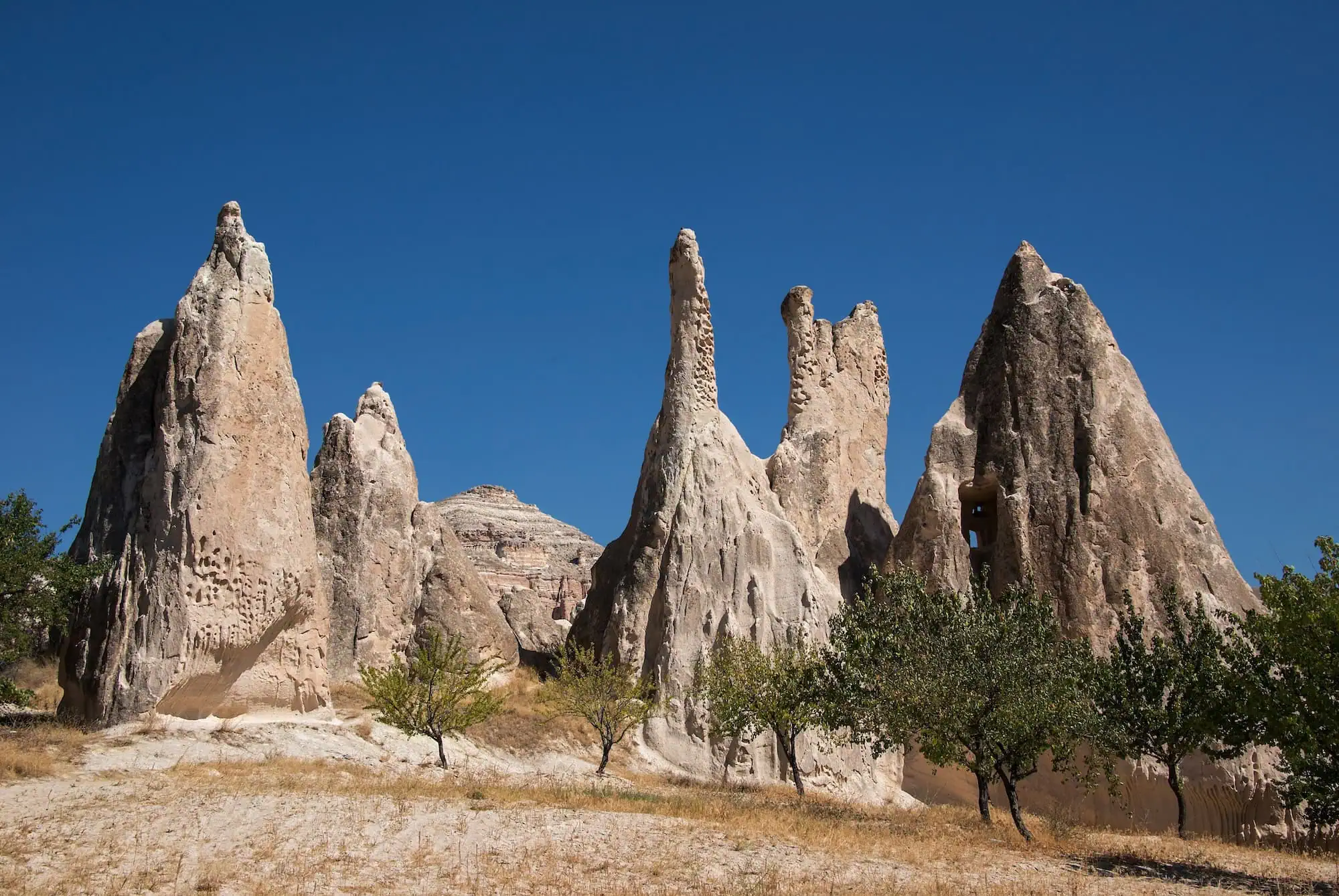
Early morning walks offer the best lighting conditions for photography, with soft golden light illuminating the colored rock layers. The path remains well-marked throughout, though some sections require careful footing over uneven terrain.
Red Valley Connection
Cavusin serves as an excellent starting point for exploring the famous Red Valley (Kızılçukur Valley), where iron oxide deposits create stunning color variations in the rock formations. The valley’s distinctive red and orange hues become particularly dramatic during sunset hours, making this a popular destination for evening photography sessions.
Several interconnected trails lead from Cavusin into the Red Valley system, ranging from easy 2-kilometer walks to more challenging 6-kilometer circuits. These routes pass numerous cave churches, abandoned settlements, and geological formations that showcase the region’s volcanic origins.
Pasabag Valley Access
From Cavusin northern edge, hikers can reach Pasabag Valley (Monks Valley) within 30 minutes of walking. This area features some of Cappadocia’s most distinctive three-headed fairy chimneys, along with hermit cells carved high into isolated rock pillars. The relatively short distance makes this an ideal addition to any Cavusin visit.
Village Life, Cultural Heritage, and Modern Development
Traditional Greek architecture still dominates Cavusin main street, where stone houses with carved facades reflect centuries of architectural evolution. Many of these structures now serve as boutique hotels, restaurants, and local businesses that cater to growing tourism while preserving the village’s authentic character.
The atmospheric quality of Cavusin attracts visitors seeking alternatives to Göreme’s busier tourist scene. Local establishments like Cavusin Han serve traditional Anatolian cuisine, specializing in grilled lamb and regional specialties prepared using time-honored recipes. The village maintains its peaceful rural atmosphere despite increased development, offering visitors genuine glimpses into traditional Cappadocian life.
Recent years have seen significant investment in tourism infrastructure, with new cave hotels opening to accommodate overnight visitors. These developments balance modern comfort with historical authenticity, often incorporating original cave rooms and traditional architectural elements into their designs.
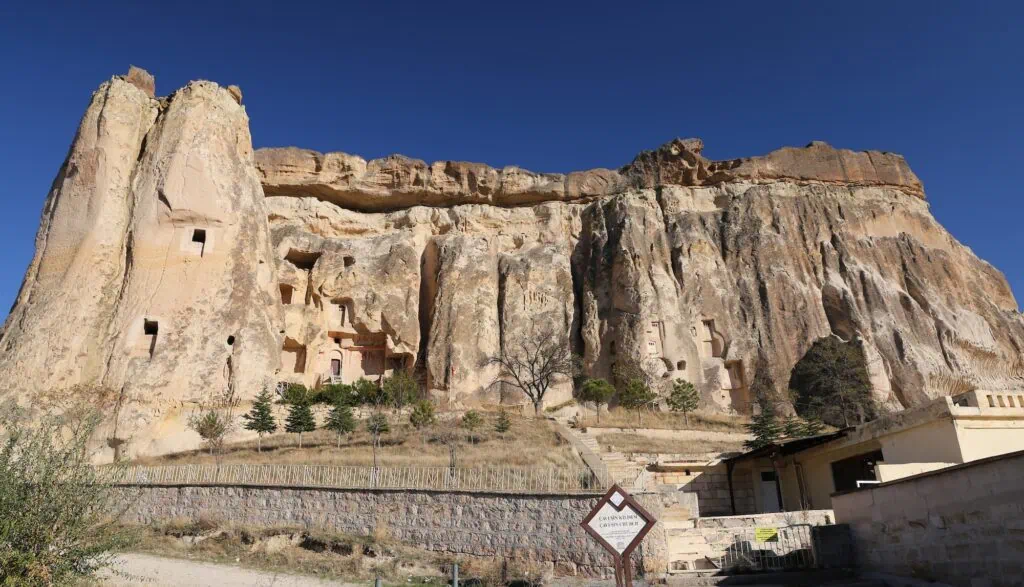
Property renovation projects continue throughout the village, as both Turkish investors and international buyers recognize Cavusin potential for sustainable tourism development. “For Sale” signs on cave houses reflect this growing interest, though local authorities maintain strict guidelines to preserve the village’s historical character.
Transportation and Practical Access Information
Cavusin sits approximately 4 kilometers from Göreme, easily accessible by rental car, taxi, or dolmuş (shared minibus). The village’s central location makes it an ideal base for exploring multiple Cappadocian attractions within short driving distances.
For navigation purposes, search for “St John’s Baptist Church Cavusin” in mapping applications to find the village center. Parking areas near the main attractions accommodate both private vehicles and tour buses, though spaces can become limited during peak visiting hours.
Public transportation runs regularly between major Cappadocian towns, with dolmuş services connecting Cavusin to Avanos, Ürgüp, and Nevşehir throughout the day. These affordable options provide convenient access for budget-conscious travelers without private transportation.
Where to Stay and Dine in Cavusin
Accommodation Options
Cavusin offers several boutique cave hotels that provide authentic experiences within historical settings. Design Cave Suites features traditionally carved rooms with modern amenities, while Sultan Cave Suites offers rooftop terraces with panoramic valley views. These properties typically include breakfast and can arrange regional tours for their guests.
The village’s smaller size means accommodation fills quickly during peak seasons (April-June and September-October). We recommend booking several months in advance, particularly for properties with the best valley-facing rooms.
Dining and Local Cuisine
Local restaurants focus on traditional Anatolian dishes prepared with regional ingredients. Cappa Gusto specializes in grilled meats and meze platters, while family-run establishments along the main street serve home-style cooking at reasonable prices.
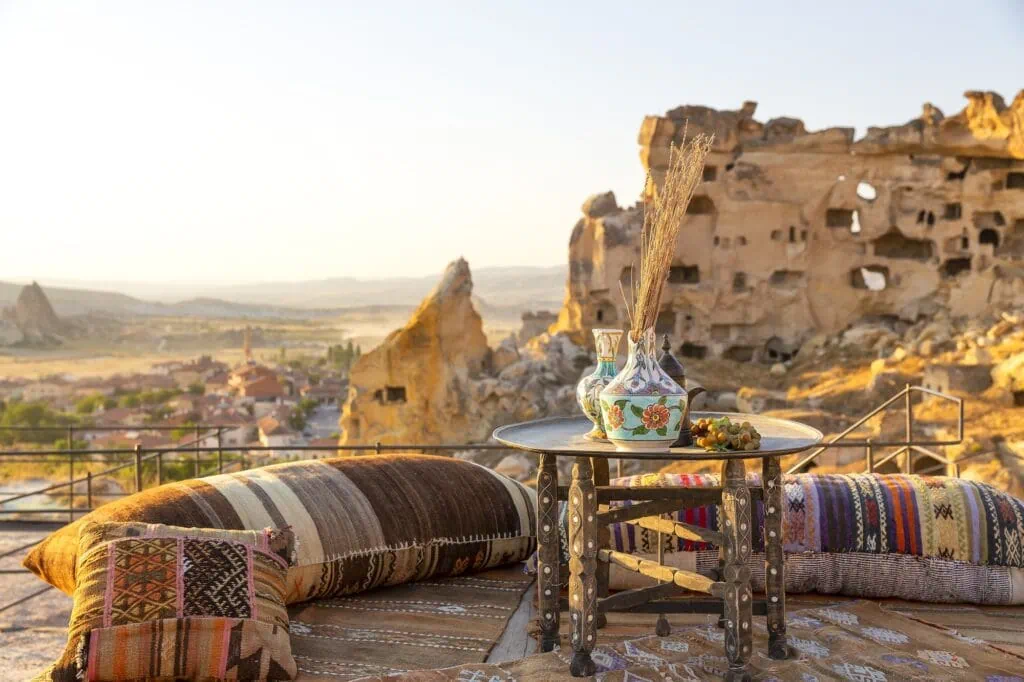
Most restaurants accommodate dietary restrictions with advance notice, offering vegetarian versions of traditional dishes and fresh salads made with locally grown vegetables. The village’s small scale means personalized service and opportunities to interact with local families who often run these businesses.
Planning Your Cavusin Visit: Timing and Logistics
Best Times to Visit
Spring (April-May) and autumn (September-October) provide ideal weather conditions for hiking and outdoor exploration. Summer temperatures can exceed 30°C (86°F), making midday activities uncomfortable, while winter brings occasional snow that affects trail accessibility.
Early morning visits (7:00 am – 09:00) offer the best lighting conditions for photography and fewer crowds at major attractions. Many tour groups arrive between 10:00 am (10:00) and 2:00 pm (14:00), making early or late visits more peaceful.
Suggested Itinerary Timing
A thorough Cavusin exploration requires 4-6 hours, allowing time for church visits, castle climbing, and valley hiking. Most visitors combine Cavusin with nearby attractions like Pasabag Valley or the Zelve Open Air Museum to create full-day itineraries.
Consider staying overnight to experience the village’s evening atmosphere and morning light conditions that day-trippers miss. Local hotels often arrange early morning hot air balloon viewings that showcase the region from above.
Frequently Asked Questions
Approximately 4 kilometers by road, or a 90-minute walk through the connecting valley trail system.
The churches remain accessible but require caution due to structural concerns and potential rock falls.
Partial access remains available to lower levels and viewing terraces, though upper sections are closed for safety reasons.
Early morning (7-9 am) provides optimal lighting conditions with fewer crowds and dramatic shadows across rock formations.
The village itself is free to explore, though some organized tours may include entrance fees.
Allow 4-6 hours for a comprehensive exploration including churches, castle, and valley hiking activities.
Several local establishments serve traditional Anatolian cuisine, including grilled meats, meze platters, and regional specialties.
Multiple boutique cave hotels offer accommodation, often featuring traditionally carved rooms and valley-view terraces.
Yes, though children require constant supervision near cliff edges and within the castle complex.
Comfortable walking shoes with good grip, sun protection, and layers for temperature changes throughout the day.
Local tour operators offer both group and private guided experiences, often combined with nearby attractions.
Yes, dolmuş services connect the village to major Cappadocian towns, though private transportation provides more flexibility.
Design Your Custom Tour
Explore Egypt and Turkey your way by selecting only the attractions you want to visit