

Covered Bazaar In Istanbul – Over 3,000 Shops Under One Roof
Step into one of the world’s oldest shopping experiences.
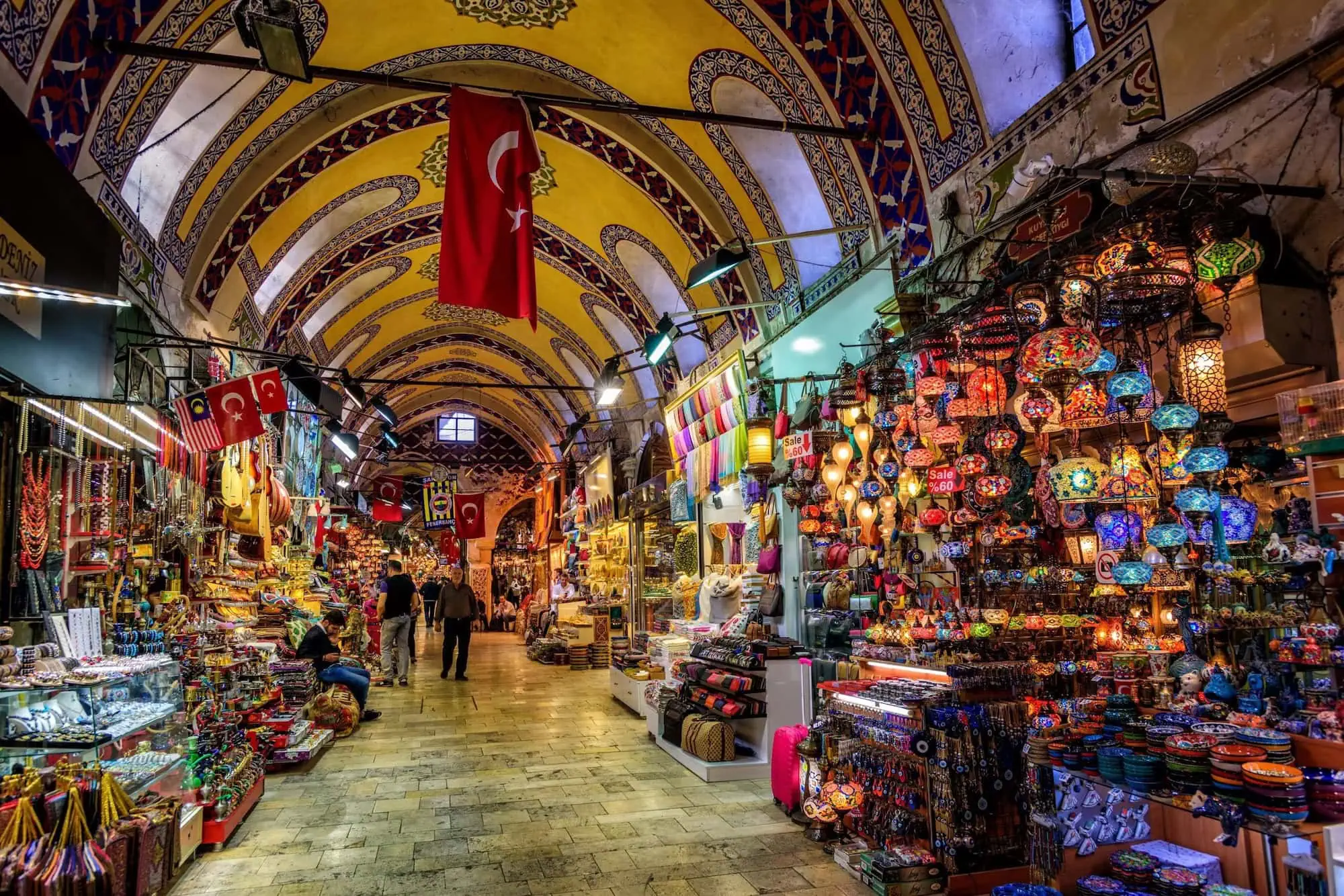
The Grand Bazaar stands as Istanbul’s most enduring commercial center, where centuries of trade have shaped a vast network of covered streets into a living museum of Turkish culture. With more than 4,000 shops spread across 61 streets, this historic marketplace has captivated visitors since 1461.
The Grand Bazaar can be included in our Luxury Egypt & Turkey Tours, where Istanbul’s vibrant markets are combined with its iconic landmarks and Egypt’s ancient wonders for a rich and immersive travel experience.
Walking through its corridors reveals a sensory world of colors, textures, and aromas—from handcrafted goods to traditional textiles and spices. While the scale can feel overwhelming at first, understanding how to navigate the bazaar transforms the experience into something both manageable and unforgettable.
Table of Contents
History and Architecture of the Grand Bazaar
Ottoman Sultan Mehmed II commissioned the first bedesten in 1455, just two years after conquering Constantinople.
The original structure consisted of two covered halls designed to house the most valuable goods – silk, jewelry, and precious metals. Over the following decades, merchants built additional shops around these central buildings, gradually creating the interconnected network we see today. Each expansion reflected the growing prosperity of the Ottoman Empire and Istanbul’s position as a bridge between Europe and Asia.
Evolution Through the Centuries
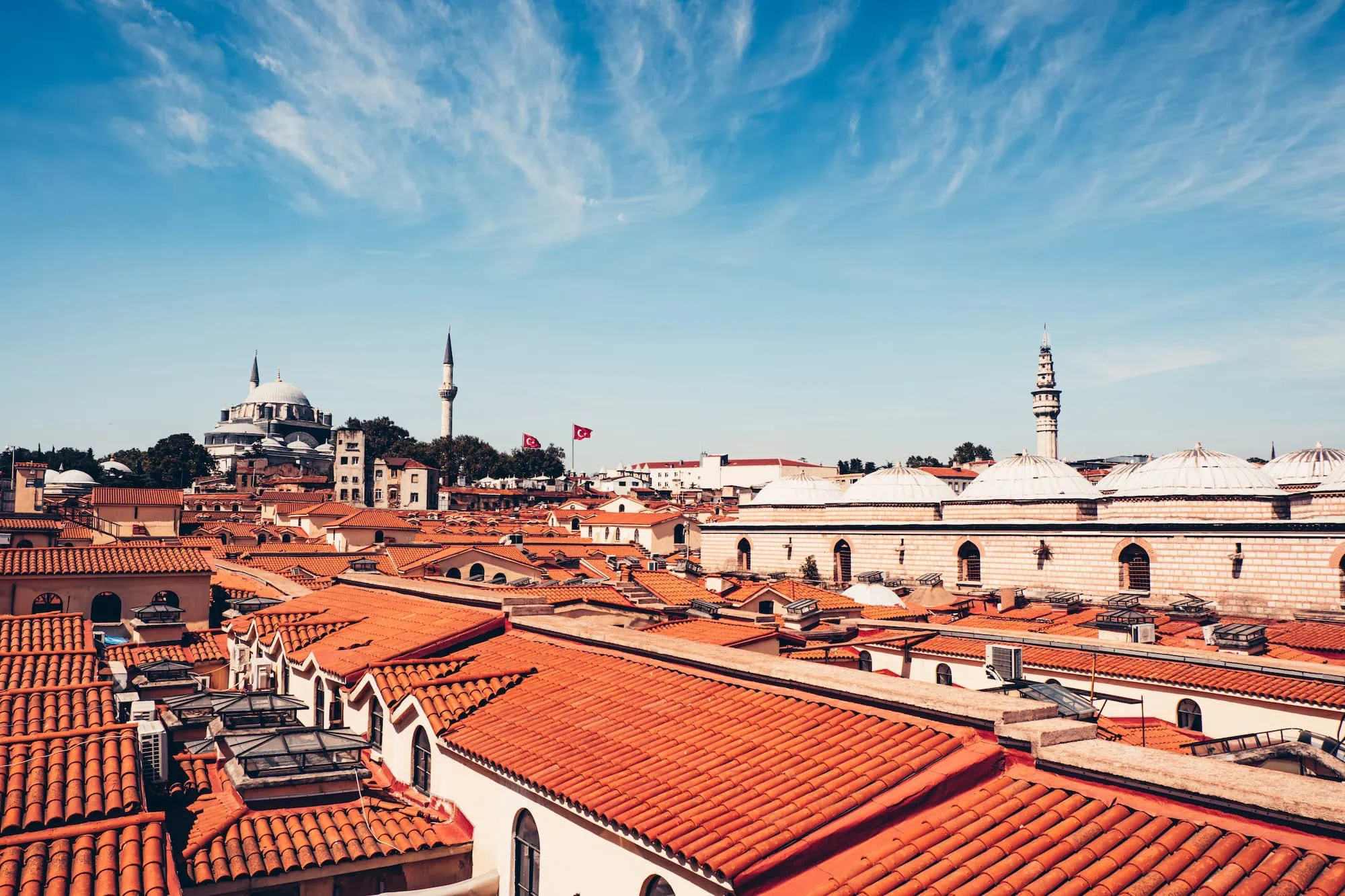
The bazaar survived multiple earthquakes and fires, with major reconstructions in 1701 and 1894 teaching architects valuable lessons about earthquake-resistant design. During each rebuilding, craftsmen incorporated stronger foundations and more flexible joint systems. The distinctive domed architecture you see today reflects both Islamic architectural principles and practical solutions for supporting heavy stone structures.
Architectural Features
Massive stone pillars support a series of small domes, creating natural air circulation that keeps the interior surprisingly cool even during summer heat. The traditional Islamic geometric patterns decorating the ceilings serve both aesthetic and acoustic purposes, helping to dampen the constant buzz of commerce below.
The Bedesten System
At the bazaar’s heart lie two original bedestens – secure, fortress-like structures where merchants once stored their most precious inventory. The Inner Bedesten still houses some of the finest antique shops, while the Sandal Bedesten specializes in carpets and textiles.
Shopping Experience and What to Expect
Walking through the Grand Bazaar requires strategy rather than spontaneous wandering. The maze-like layout means even experienced shoppers occasionally lose their bearings among the similar-looking corridors.
Each section traditionally focuses on specific goods – a system inherited from medieval guild structures. Gold and jewelry concentrate along Kalpakçılar Street, while carpet sellers dominate the areas around the Sandal Bedesten. Leather goods cluster near the Nuruosmaniye Gate, and traditional Turkish ceramics fill shops throughout the central areas. This organization helps visitors locate specific items, though modern tourism has blurred some traditional boundaries.
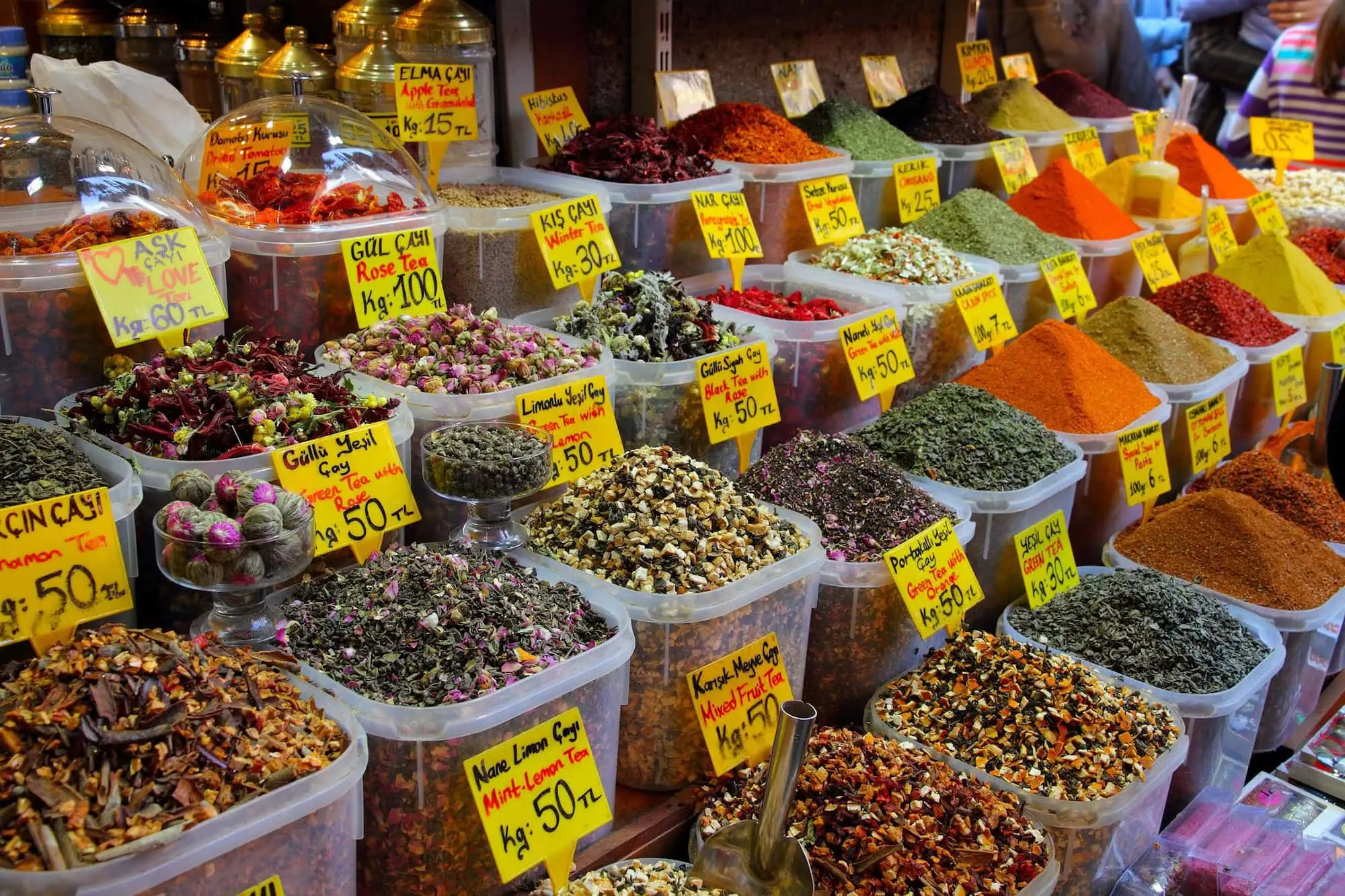
Bargaining remains standard practice, but successful negotiation requires understanding local customs. Start by showing genuine interest in an item, then expect the seller to quote a price significantly higher than what they’ll accept. Counter with roughly half their initial offer, then work toward a mutually acceptable middle ground. The process often includes tea or coffee – accepting these refreshments shows respect and can lead to better prices.
Best Times to Visit
Early morning visits between 9:00 am (09:00) and 11:00 am (11:00) offer the most authentic experience. Shop owners have time for conversation, crowds remain manageable, and the soft morning light filtering through the domes creates perfect photography conditions. Avoid Friday afternoons when local prayer times affect shop hours, and late afternoons when tour groups create bottlenecks in popular areas.
Cultural Significance and Local Traditions
The Grand Bazaar functions as more than a tourist attraction – it remains a working marketplace where Istanbul residents conduct daily business. Family-owned shops passed down through generations maintain centuries-old craft traditions, from hand-woven carpets to intricate metalwork.
Master craftsmen still practice traditional techniques in small workshops hidden throughout the bazaar. Watch goldsmiths shape delicate filigree jewelry using tools virtually unchanged since Ottoman times. Carpet weavers demonstrate knot-tying methods that create the complex patterns adorning Turkish rugs. These artisans represent direct links to the guilds that once controlled all commerce within these walls.
Tea culture permeates every transaction. Small glasses of çay appear during negotiations, creating opportunities for cultural exchange beyond simple buying and selling. This ritual reflects Turkish hospitality traditions and often leads to conversations about family, travel, and life that enrich the shopping experience far beyond the goods purchased.
The merchant language developed over centuries creates its own vocabulary mixing Turkish, Arabic, and Persian terms. Listen for phrases like “çok güzel” (very beautiful) or “indirim” (discount) that form the soundtrack of bazaar commerce.
Modern Challenges and Preservation
Tourism brings both opportunities and challenges. While international visitors provide essential income, the volume sometimes threatens the intimate atmosphere that makes the bazaar special. Local authorities work to balance preservation of traditional character with necessary modern safety and accessibility improvements.
Recent restoration projects focus on maintaining structural integrity while preserving historical authenticity. New lighting systems highlight architectural details without disrupting the traditional ambiance, and improved ventilation systems protect both visitors and the ancient buildings from humidity damage.
Practical Information for Visitors
Getting There and Navigation
The Grand Bazaar sits in Istanbul’s historic Fatih district, accessible via multiple transportation options. Take the metro to Vezneciler station, then walk 500 meters (0.3 miles) through neighborhood streets that offer glimpses of local life. Alternatively, the tram to Beyazıt-Kapalıçarşı station places you directly at the bazaar’s main entrance.
Four main gates provide entry points, each leading to different sections. The Nuruosmaniye Gate connects to the famous Blue Mosque area, while the Beyazıt Gate offers easiest access from public transportation. The Mahmutpaşa Gate leads toward the Spice Bazaar, and the Örücüler Gate provides a quieter entrance often missed by tour groups.
Operating Hours and Seasonal Considerations
The bazaar operates Monday through Saturday from 9:00 am (09:00) to 7:00 pm (19:00), closing on Sundays and major religious holidays. During Ramadan, hours may shift slightly to accommodate fasting schedules. Individual shop hours vary, with some opening as early as 8:30 am (08:30) and others not opening until mid-morning.
Summer brings peak tourist season with corresponding crowds and elevated temperatures inside the covered spaces. Spring and autumn offer ideal visiting conditions with comfortable temperatures and fewer tour groups. Winter visits provide opportunities for unhurried exploration, though some shops may close earlier due to reduced foot traffic.
Currency and Payment Methods
Most shops accept major credit cards, though cash payments often result in better prices during negotiations. Turkish lira remains the preferred currency, but euros and US dollars are widely accepted. Many vendors carry portable card readers, making transactions convenient even in small stalls.
ATMs located throughout the bazaar provide currency exchange, though rates at nearby banks typically offer better value. Keep small bills for tea purchases and tips – these gestures of appreciation often lead to memorable conversations and cultural insights.
What to Buy and Where
Traditional Textiles and Carpets
Turkish carpets represent the bazaar’s most famous merchandise, with quality ranging from machine-made souvenirs to museum-quality hand-knotted masterpieces. Genuine handmade carpets display irregular knot patterns visible from the back, while machine-made versions show perfectly uniform construction. Silk carpets command premium prices but offer unmatched durability and luster.
Kilims – flat-woven rugs without pile – provide more affordable options while maintaining authentic Turkish craftsmanship. These lightweight textiles work well as wall hangings or decorative accents. Shop around the Sandal Bedesten for the finest selections, where established dealers maintain reputations built over decades.
Jewelry and Precious Metals
Gold shops cluster along Kalpakçılar Street, displaying everything from traditional Ottoman designs to contemporary Turkish interpretations. Turkish gold jewelry typically contains 14 or 18 karats, with prices based on current gold market rates plus craftsmanship fees. Ask to see hallmarks indicating gold purity – reputable dealers willingly provide this information.
Silver jewelry incorporates traditional Turkish motifs like the evil eye, tulips, and geometric patterns. Many pieces feature semi-precious stones including turquoise, onyx, and amber. Quality silver carries “925” stamps indicating 92.5% silver content.
Ceramics and Turkish Delight
Traditional Turkish ceramics showcase distinctive blue and white patterns inherited from Ottoman palace workshops. Authentic pieces display hand-painted details with slight irregularities that distinguish them from mass-produced imitations. İznik-style tiles and bowls make excellent decorative items, though check shipping requirements for fragile goods.
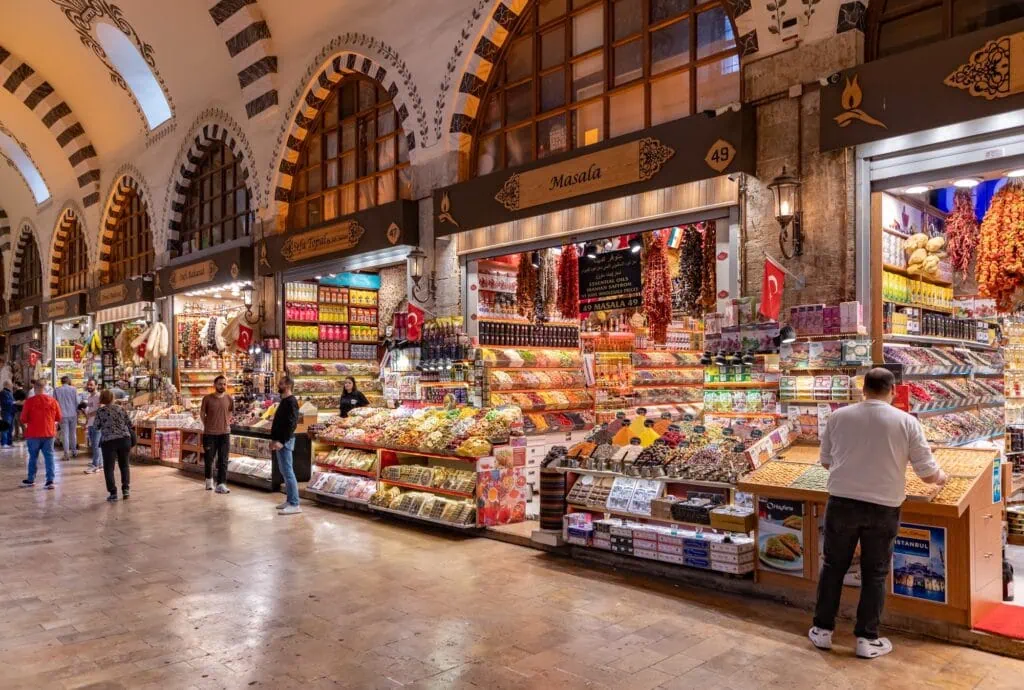
Turkish delight shops offer dozens of flavors beyond the rose and lemon varieties familiar to most visitors. Try pomegranate, pistachio, or hazelnut varieties for authentic local tastes. Quality lokum (Turkish delight) feels firm yet tender, without the sticky texture of lower-grade versions.
Leather Goods and Accessories
Turkish leather craftsmanship produces jackets, bags, and shoes often at prices significantly below European standards. Check stitching quality and leather suppleness before purchasing. Many shops offer custom tailoring services, creating fitted jackets within 24-48 hours.
Traditional accessories include pashmina scarves, decorative boxes, and brass items ranging from coffee sets to ornamental plates. Negotiate firmly but respectfully – starting prices often reflect expectations for tourist purchases rather than local market values.
Planning Your Visit
Duration and Route Planning
Allow minimum three hours for a comprehensive visit, though serious shoppers may easily spend an entire day exploring the maze-like corridors. First-time visitors benefit from guided tours that provide historical context and navigation assistance, helping identify quality merchandise and fair pricing.
Start near one main gate and work systematically through adjacent sections rather than random wandering. This approach ensures you don’t miss important areas and provides reference points for returning to shops that caught your interest. Many visitors mark smartphone locations of promising shops for later comparison shopping.
What to Bring and Wear
Comfortable walking shoes are essential given the uneven stone floors and extensive walking distances. Bring a small bag for purchases and keep valuables secure – while the bazaar maintains good security, crowded conditions create opportunities for pickpockets targeting distracted tourists.
Dress modestly out of respect for local customs. While the bazaar operates as a commercial space rather than religious site, conservative clothing demonstrates cultural awareness and often results in more friendly interactions with local merchants.
Combining with Other Attractions
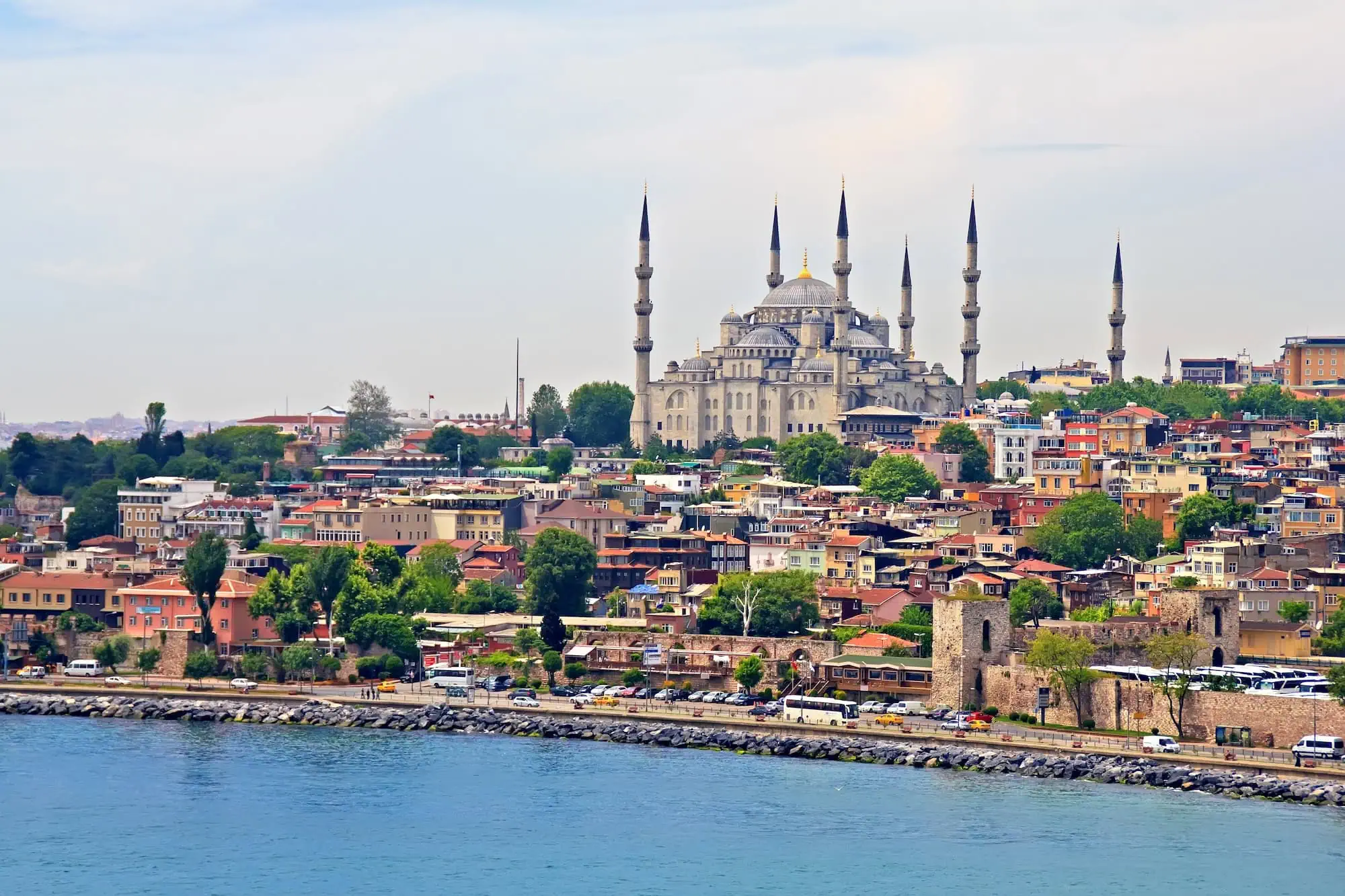
The Grand Bazaar’s location places it within walking distance of major Istanbul landmarks. The Blue Mosque lies just 400 meters (0.25 miles) southeast, while Hagia Sophia stands 600 meters (0.37 miles) in the same direction. The Basilica Cistern requires only a 10-minute walk through historic neighborhood streets.
Plan bazaar visits for mid-afternoon after morning mosque visits when lighting conditions inside religious sites are optimal. This timing also avoids the midday heat that can make extended walking uncomfortable during summer months.
We recommend purchasing a Turkish tea glass set as a practical souvenir that brings daily reminders of your bazaar experience. These small glasses, often decorated with traditional patterns, make perfect gifts while taking minimal luggage space.
Frequently Asked Questions
Allow 3-4 hours minimum for a thorough exploration. Serious shoppers often spend 6-8 hours.
Bargaining is expected and part of the cultural experience. Initial prices start 50-100% above final selling prices.
Early morning between 9:00 am and 11:00 am provides the most relaxed atmosphere.
Most shops accept major credit cards, but cash payments often result in better negotiated prices.
Quality varies significantly. Look for handmade details and shop at established stores with good reputations.
Use smartphone GPS, stick to main streets, and note landmark shops near major gates.
The Grand Bazaar focuses on textiles and crafts, while the Spice Bazaar specializes in food products.
Research quality indicators beforehand and compare prices at multiple shops before making significant purchases.
Yes, the bazaar maintains good security. Keep valuables secure and remain aware of your surroundings.
Many established shops offer shipping services, but verify insurance coverage and customs procedures.
Browse respectfully and consider purchasing small items like tea or Turkish delight as cultural appreciation gestures.

Design Your Custom Tour
Explore Egypt and Turkey your way by selecting only the attractions you want to visit