Egypt Diving Holidays
Warm waters meet pristine coral reefs where diving dreams come true.
Egypt’s Red Sea stands as one of the world’s premier diving destinations, offering year-round diving conditions that attract underwater enthusiasts from across the globe. With water temperatures rarely dropping below 22°C (72°F) and visibility often exceeding 30 meters (98 feet), this marine paradise provides exceptional diving experiences for both beginners and advanced divers.
The combination of accessible resort locations, world-class liveaboard vessels, and diverse marine ecosystems makes Egypt an unrivaled choice for diving holidays. Our decades of expertise in organizing Red Sea diving adventures ensures you’ll experience the very best this underwater wonderland has to offer, from the vibrant coral gardens of Sharm El Sheikh to the pristine reefs of Marsa Alam.
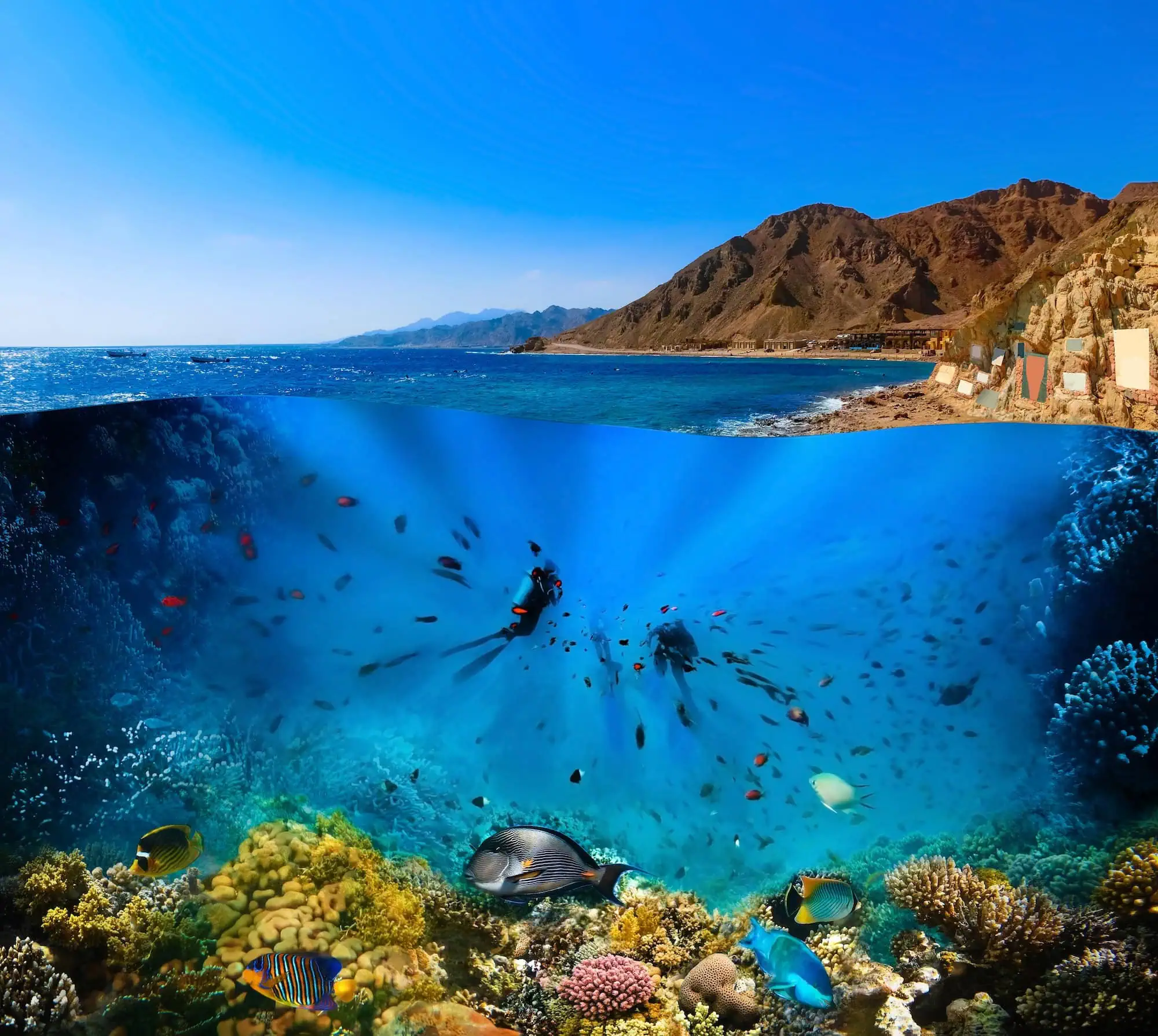
Northern Red Sea: Sharm El Sheikh and Beyond
The Northern Red Sea region centers around Sharm El Sheikh, a diving mecca that has welcomed underwater explorers for over four decades. This area boasts some of the most famous dive sites on the planet, including the legendary Thistlegorm wreck and the pristine coral formations of Ras Mohammed National Park.
World-Famous Wreck Diving
The SS Thistlegorm remains the crown jewel of Red Sea wreck diving. Sunk during World War II, this British cargo ship sits at 30 meters (98 feet) and offers an extraordinary underwater museum experience. The wreck contains motorcycles, trucks, and wartime supplies, creating an haunting yet beautiful diving experience that attracts photographers and history enthusiasts alike.
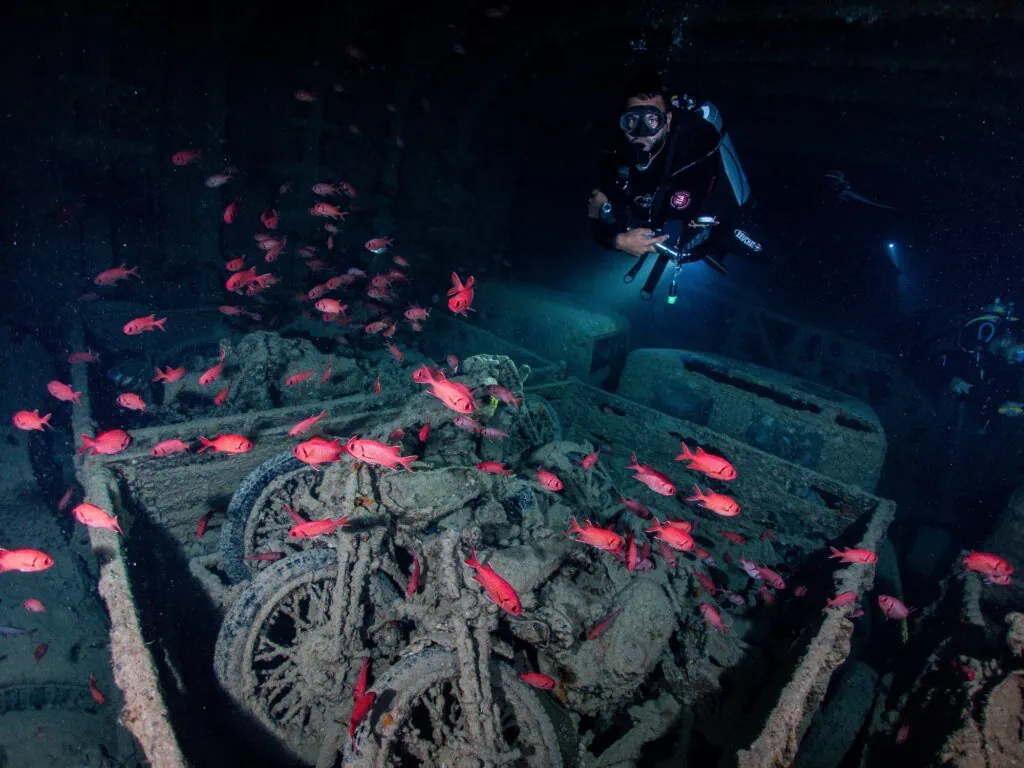
Beyond the Thistlegorm, the Dunraven and Rosalie Moller provide additional wreck diving opportunities, each offering unique penetration possibilities and marine life encounters.
Ras Mohammed Marine Wonders
Ras Mohammed National Park protects some of the Red Sea’s most pristine coral reef systems. The park’s dive sites feature dramatic wall diving, colorful soft coral gardens, and encounters with large pelagic species including sharks, rays, and schools of barracuda.
Shark Reef and Yolanda Reef combine to create one of the most spectacular dive experiences in Egypt, where strong currents bring nutrient-rich waters that support abundant marine life.
Resort-Based Diving Options
Sharm El Sheikh’s resort infrastructure provides excellent access to daily diving adventures. Most dive centers offer convenient packages that include equipment rental, boat transfers, and guided diving services. The town’s compact layout means divers can easily walk between accommodations, restaurants, and dive operators.
Southern Red Sea: Marsa Alam and Pristine Reefs
Marsa Alam represents Egypt’s newest diving frontier, offering access to untouched coral reefs and unique marine encounters that remain largely undiscovered by mass tourism. This region provides a more intimate diving experience with smaller groups and pristine underwater environments.
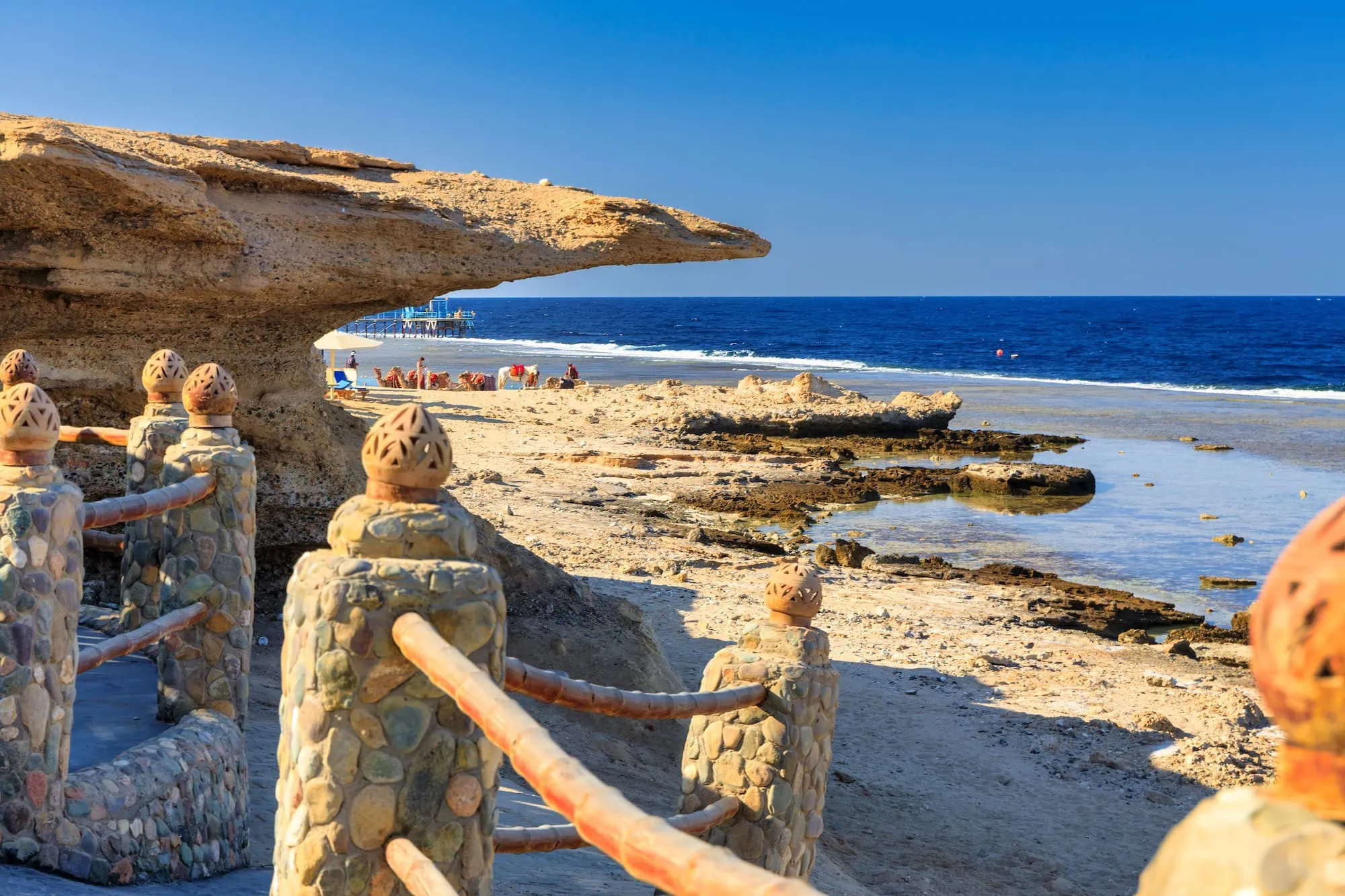
The area stretches along Egypt’s southeastern coast, encompassing numerous dive sites accessible both by daily boat trips and specialized liveaboard itineraries. Water conditions here rival anywhere in the world, with crystal-clear visibility and healthy coral ecosystems that support diverse marine communities. Marsa Alam’s remote location means dive sites experience less pressure from tourism, resulting in more natural underwater experiences and better opportunities for rare species encounters.
Dugong and Dolphin Encounters
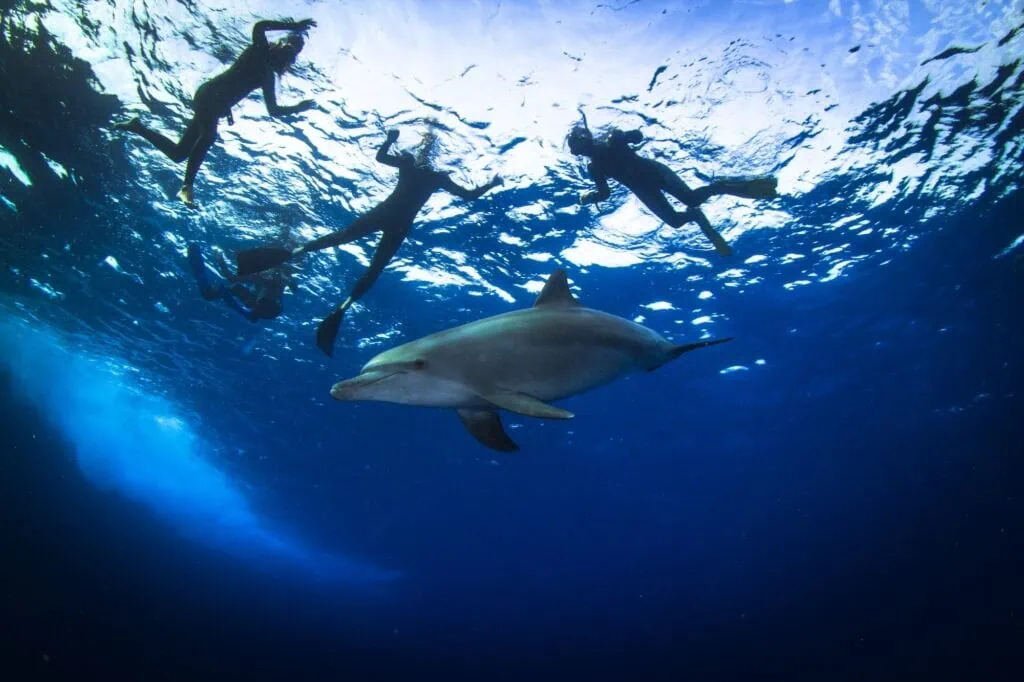
Marsa Alam’s protected bays provide critical habitat for the endangered dugong, offering divers rare opportunities to encounter these gentle marine mammals in their natural environment. Samadai Reef, known locally as Dolphin House, hosts a resident pod of spinner dolphins that frequently interact with respectful divers.
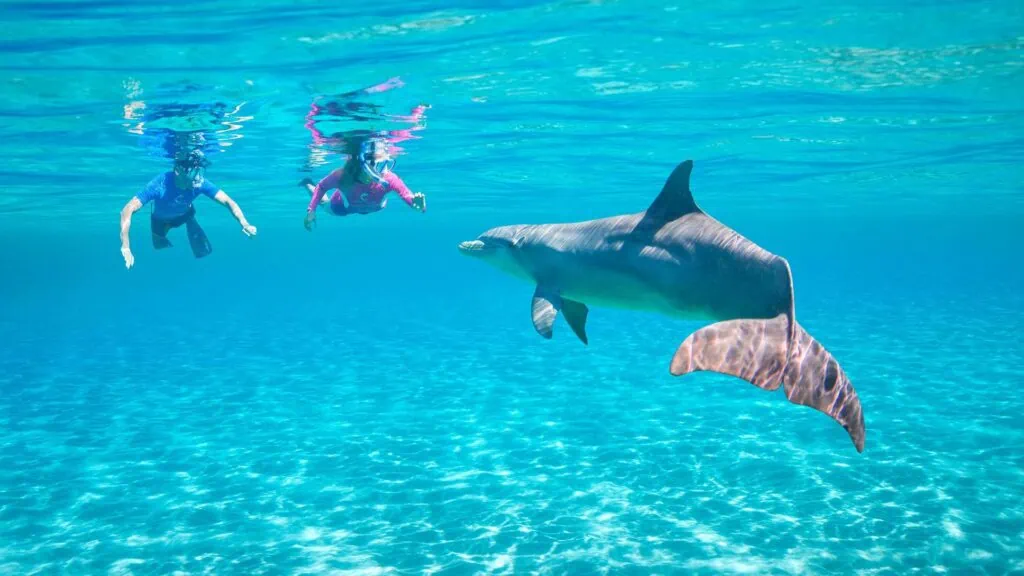
These encounters require careful planning and adherence to marine protection guidelines, ensuring sustainable tourism practices that protect these vulnerable species for future generations.
Elphinstone Reef Adventures
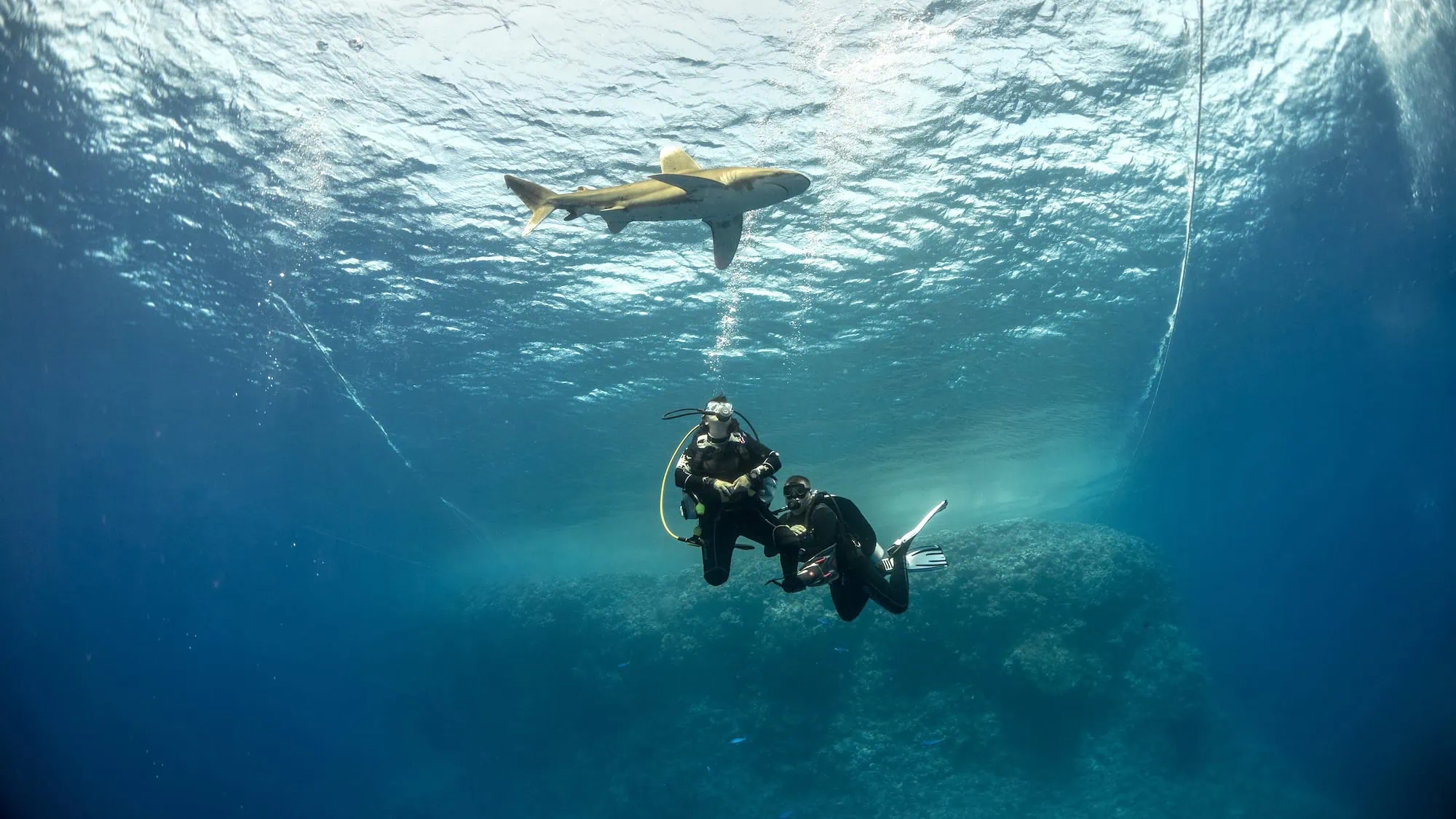
Elphinstone Reef stands as one of Egypt’s most challenging and rewarding dive sites. This offshore pinnacle attracts large pelagic species, including oceanic whitetip sharks, hammerheads, and manta rays. The reef’s exposed location means strong currents and advanced diving skills are essential.
Liveaboard Diving: Ultimate Red Sea Exploration
Liveaboard diving vessels provide the most comprehensive way to explore Egypt’s underwater treasures, offering access to remote dive sites that remain beyond the reach of daily boat trips.
Modern liveaboard fleets operate throughout the Red Sea, ranging from budget-friendly options to luxury vessels equipped with nitrox systems, spacious cabins, and professional dive guides. These floating dive centers typically operate week-long itineraries that visit multiple regions, maximizing diving opportunities while providing comfortable accommodations between dives. Most vessels maintain strict safety standards with emergency oxygen, first aid equipment, and communication systems that ensure diver safety in remote locations.
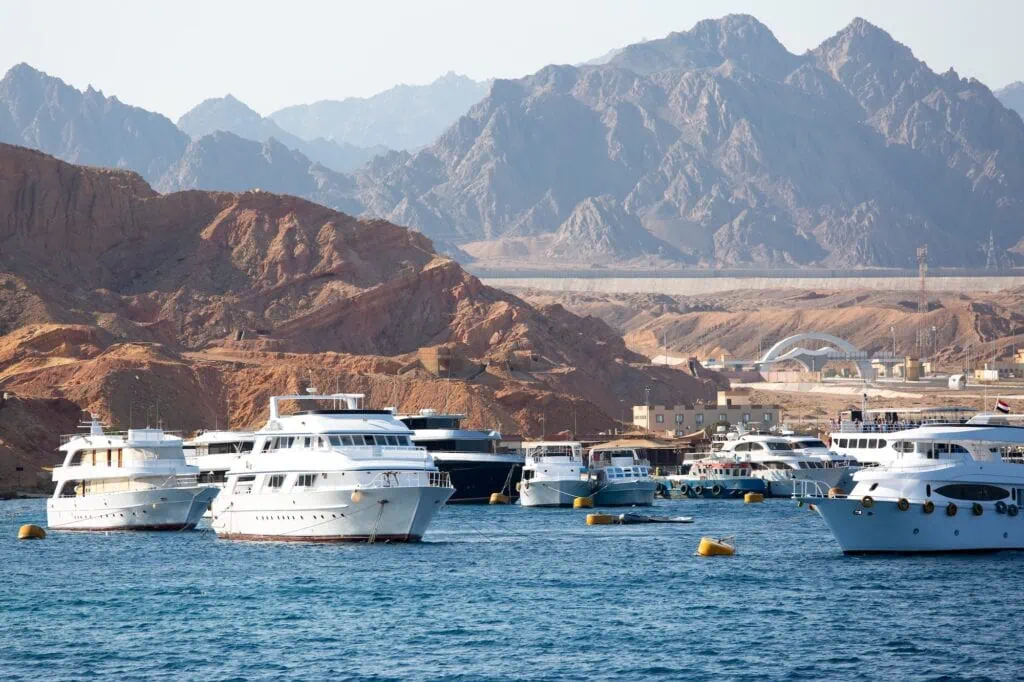
The Far South itinerary explores Egypt’s most pristine dive sites, including the legendary Brothers Islands and Daedalus Reef. These remote locations feature dramatic wall diving, shark encounters, and coral formations that remain largely untouched by tourism pressure. The isolation of these sites means marine life displays natural behaviors, creating exceptional photographic opportunities and unforgettable underwater experiences.
Brothers Islands Expedition
The Brothers Islands rise from deep water as isolated coral pinnacles that attract large pelagic species year-round. These remote reefs feature dramatic drop-offs, historic shipwrecks, and regular shark encounters that make them among Egypt’s most coveted dive destinations.
North Brother hosts the impressive Numidia wreck, while South Brother provides pristine coral gardens and opportunities to encounter grey reef sharks, hammerheads, and occasional manta ray visits.
Daedalus and Rocky Island Adventures
Daedalus Reef’s lighthouse marks one of the Red Sea’s most isolated dive sites, where strong currents create perfect conditions for large pelagic encounters. The reef’s vertical walls support pristine hard and soft coral formations, while the surrounding blue water regularly produces encounters with hammerhead schools and oceanic whitetip sharks.
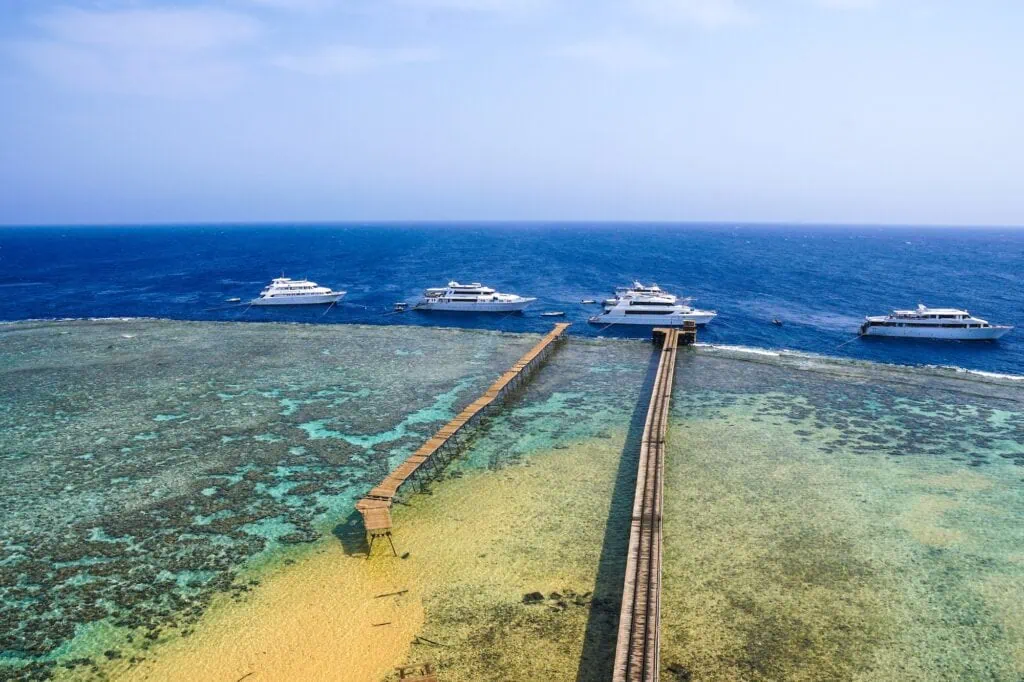
Rocky Island complements Daedalus with its own unique topography and marine life, creating diverse diving experiences within the same liveaboard itinerary.
PADI Training and Certification Programs
Egypt’s diving infrastructure includes numerous PADI dive centers offering comprehensive training programs from beginner Open Water courses to advanced technical diving certifications. The Red Sea’s calm conditions and excellent visibility create ideal learning environments for new divers.
Professional dive instructors guide students through confined water training in resort pools before progressing to open water certification dives on protected reefs. Advanced courses including Nitrox certification, wreck diving specialties, and rescue diver training take advantage of Egypt’s diverse diving environments to provide practical experience in real-world conditions.
Many visitors combine vacation diving with continuing education, earning new certifications while exploring Red Sea dive sites. This approach maximizes both learning opportunities and vacation enjoyment, allowing divers to expand their skills while experiencing world-class underwater environments.
Marine Life and Conservation
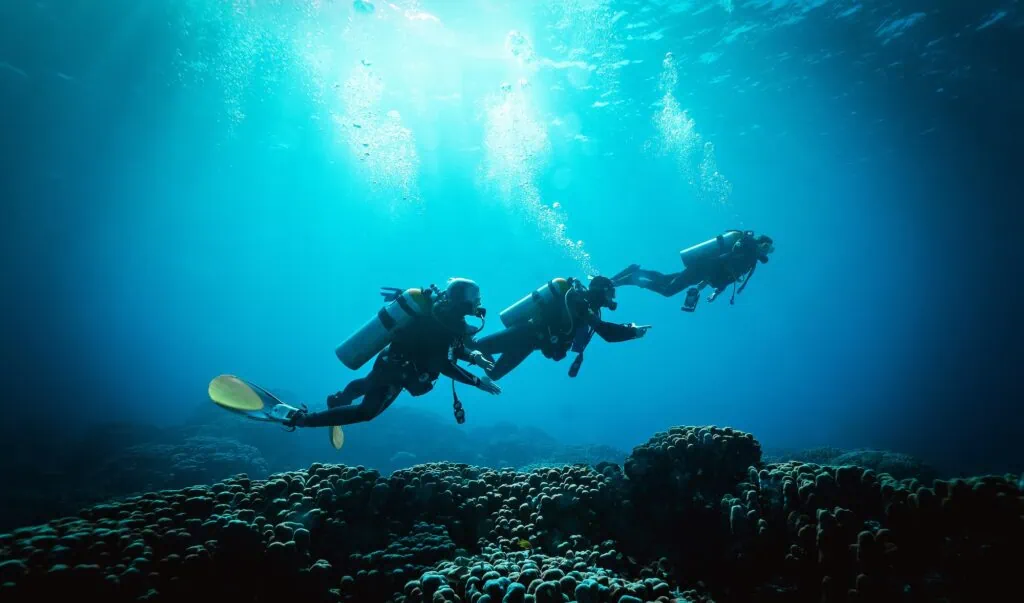
The Red Sea supports over 1,200 fish species and 200 coral species, creating one of the world’s most biodiverse marine ecosystems. This underwater paradise hosts everything from tiny nudibranchs to massive whale sharks, with seasonal migrations bringing additional species diversity throughout the year.
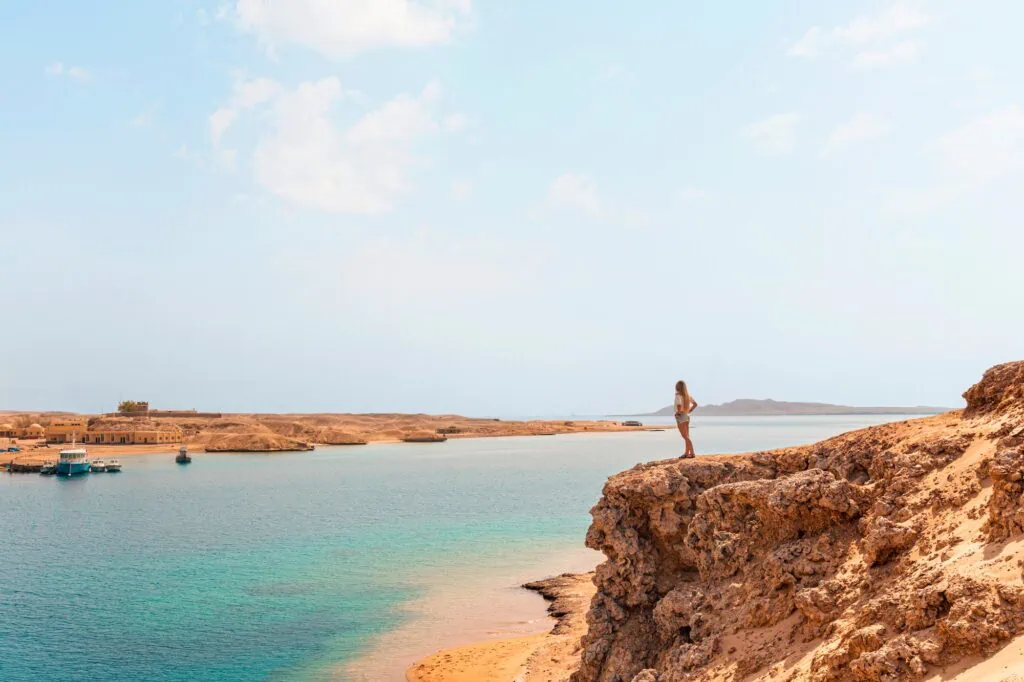
Conservation efforts focus on protecting critical habitats while supporting sustainable diving tourism. Marine protected areas including Ras Mohammed National Park and the Red Sea Marine Protected Area network help preserve sensitive coral reef ecosystems for future generations. Responsible diving practices, including proper buoyancy control and no-touch policies, ensure these fragile environments continue supporting diverse marine communities.
Climate change and human activities pose ongoing challenges to Red Sea marine ecosystems. Supporting responsible dive operators and following sustainable tourism practices helps protect these underwater treasures while ensuring continued access for diving enthusiasts. Our commitment to environmental stewardship includes partnering with dive operators who prioritize conservation and education alongside exceptional diving experiences.
Planning Your Egypt Diving Holiday
Timing plays a crucial role in optimizing your Red Sea diving experience. Water temperatures remain comfortable year-round, ranging from 22°C (72°F) in winter to 28°C (82°F) during summer months. Visibility typically exceeds 20 meters (66 feet) throughout the year, with optimal conditions often reaching 40 meters (131 feet) during calmer periods.
Peak diving season runs from March through May and September through November, when weather conditions provide the most comfortable surface intervals and the best chances for large pelagic encounters. Summer months offer the warmest water temperatures but can bring stronger winds that may limit access to exposed dive sites. Winter diving remains excellent, though slightly cooler water temperatures may require thicker exposure suits.
Visa requirements vary by nationality, with most visitors able to obtain tourist visas upon arrival in Egypt. U.S. citizens can purchase single-entry visas valid for 30 days at Egyptian airports for approximately $25. European visitors follow similar procedures, while some nationalities may require advance visa applications through Egyptian consulates. Always verify current requirements before traveling, as regulations can change.
Our tailored itinerary planning ensures your diving holiday matches your experience level, interests, and available time. Whether you prefer resort-based diving with comfortable accommodations or adventurous liveaboard expeditions, we’ll customize your Red Sea experience to create lasting underwater memories.
Equipment and Safety Considerations
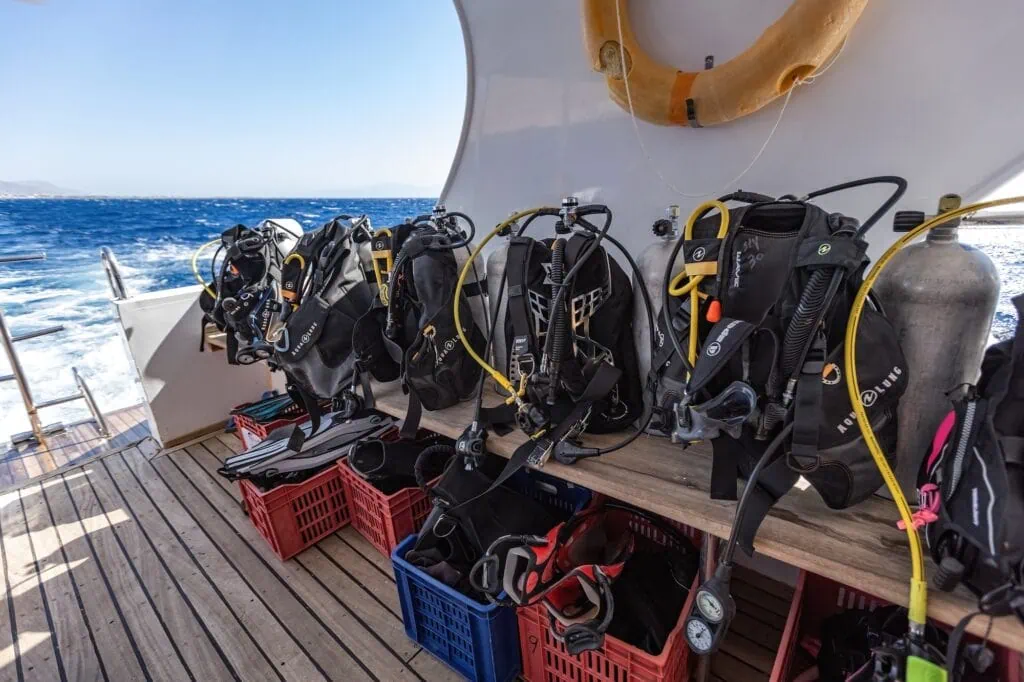
Modern dive centers throughout Egypt maintain high equipment standards with regularly serviced rental gear including regulators, BCDs, and exposure suits. Many facilities offer nitrox fills and technical diving equipment for advanced divers seeking extended bottom times or deeper exploration opportunities.
Safety protocols follow international standards with emergency oxygen available on all dive boats, qualified dive masters leading groups, and communication equipment for emergency situations. Most operators maintain conservative dive profiles and provide thorough briefings covering site conditions, marine life encounters, and safety procedures.
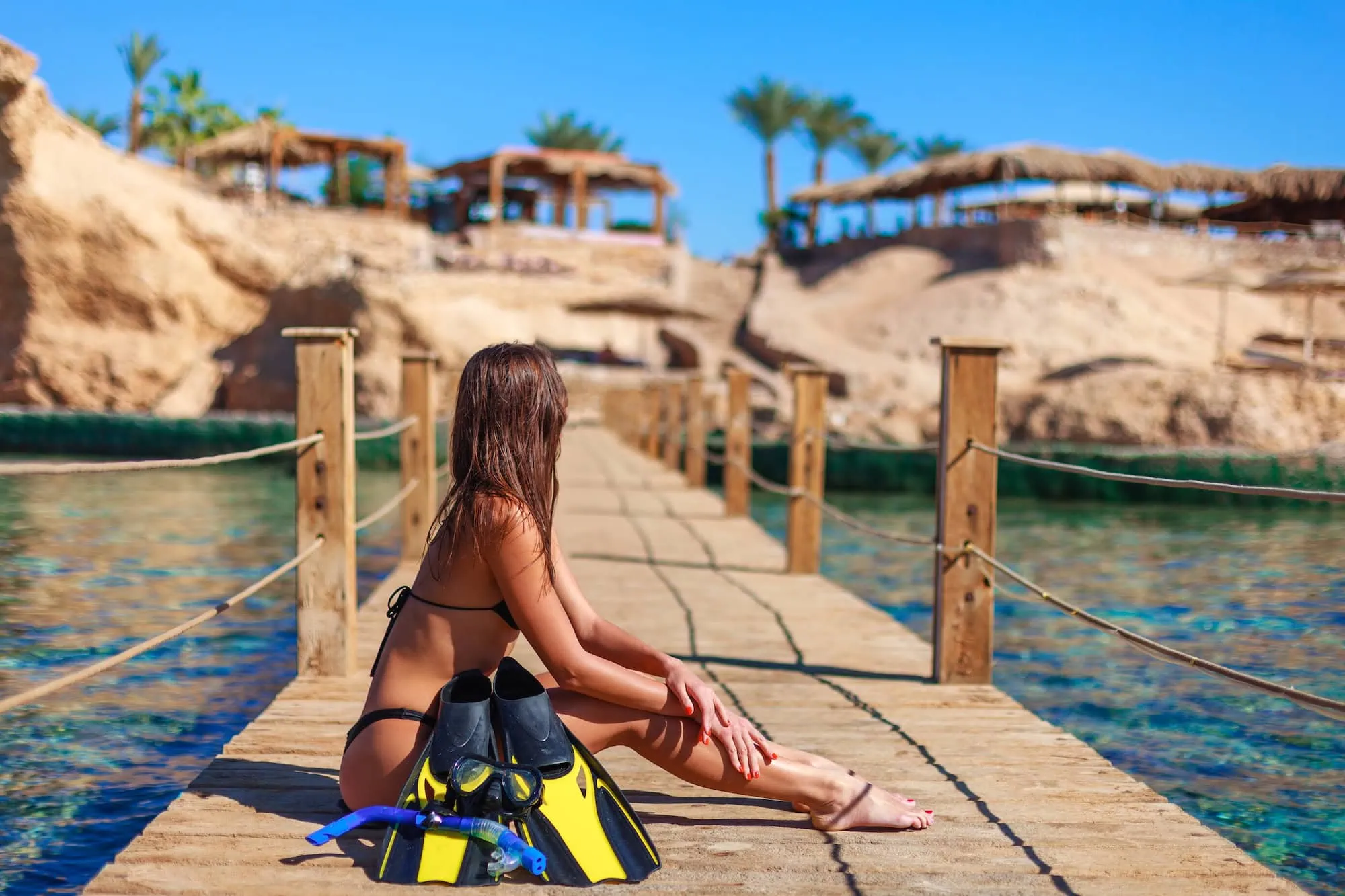
Consider bringing personal mask, fins, and snorkel for the best fit and comfort, while rental equipment handles other gear needs. Many experienced divers prefer traveling with their own regulators and computers for familiarity and reliability during multiple daily dives.
Frequently Asked Questions
March through May and September through November offer optimal conditions with comfortable temperatures, calm seas, and excellent visibility for diving.
Open Water certification allows access to most Red Sea dive sites, while Advanced Open Water enables deeper wrecks and drift diving experiences.
Prices range from $800-2000 depending on accommodation level, diving package inclusions, and whether you choose resort or liveaboard options.
Most liveaboards welcome Advanced Open Water divers, though some northern routes accept Open Water certified divers with recent experience and good buoyancy skills.
Red Sea diving features colorful reef fish, coral formations, sharks, rays, dolphins, and seasonal visits from whale sharks and manta rays.
Yes, a 3mm wetsuit works for summer diving, while 5mm suits provide comfort during winter months when water temperatures drop to 22°C (72°F).
Absolutely – many visitors earn Open Water or Advanced certifications while exploring Red Sea dive sites under professional instruction.
Northern sites around Sharm El Sheikh offer famous wrecks and established infrastructure, while Southern locations near Marsa Alam provide pristine reefs and fewer crowds.
Most operators offer 2-3 boat dives daily, plus unlimited shore diving at many resort locations, allowing 3-4 dives per day for experienced divers.
Excellent visibility, diverse marine life, and dramatic coral formations make the Red Sea one of the world’s premier underwater photography destinations.
Reputable operators maintain PADI or SSI safety standards with emergency oxygen, first aid training, and conservative dive profiles for guest safety.
Discover Scuba programs allow beginners to try diving in controlled conditions, while Open Water courses provide full certification for independent diving adventures.
Design Your Custom Tour
Explore Egypt your way by selecting only the attractions you want to visit