3 Days in Egypt – What to see in Egypt in 3 Days
Egypt calls to travelers with an irresistible blend of ancient wonders and modern discoveries.
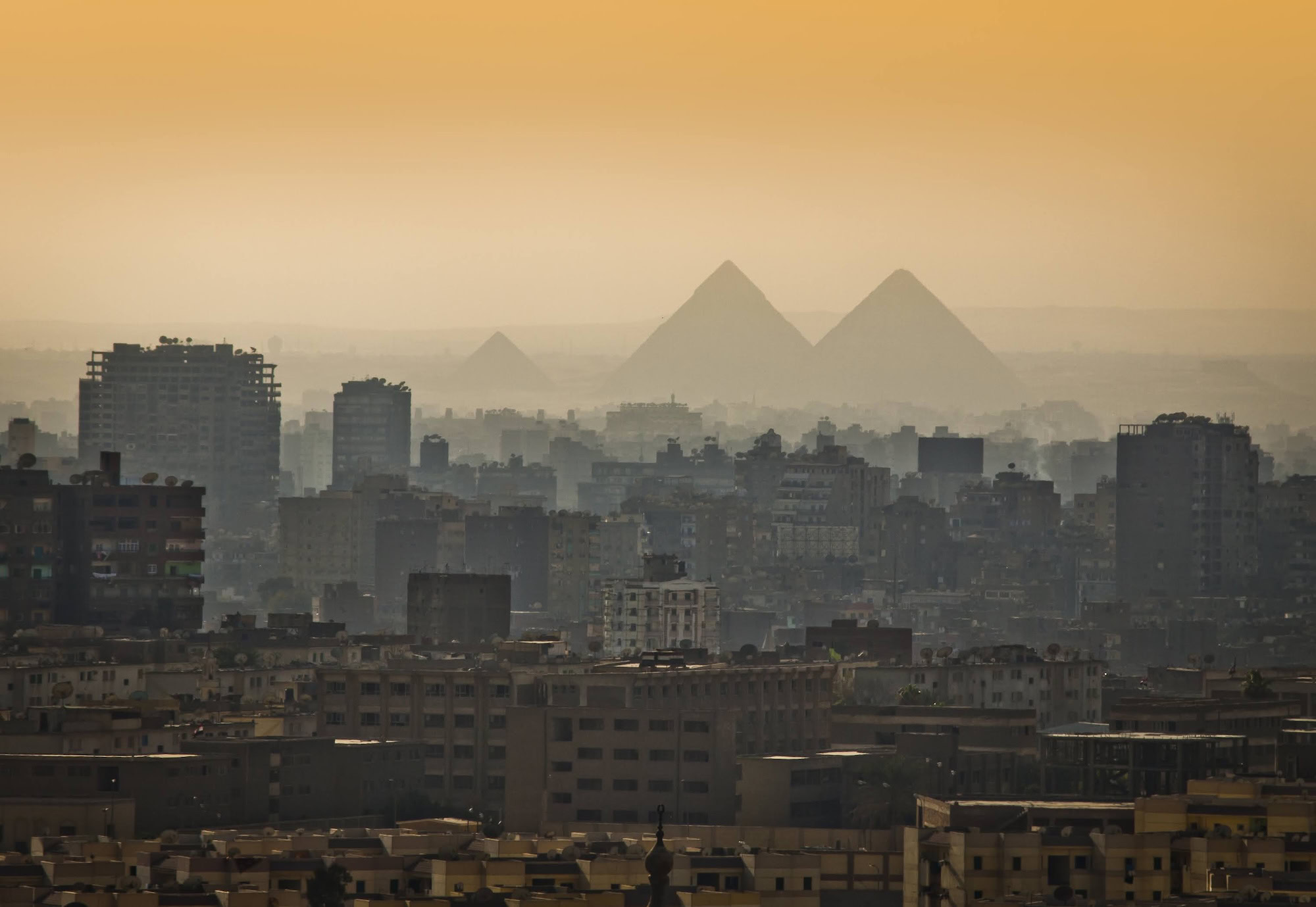
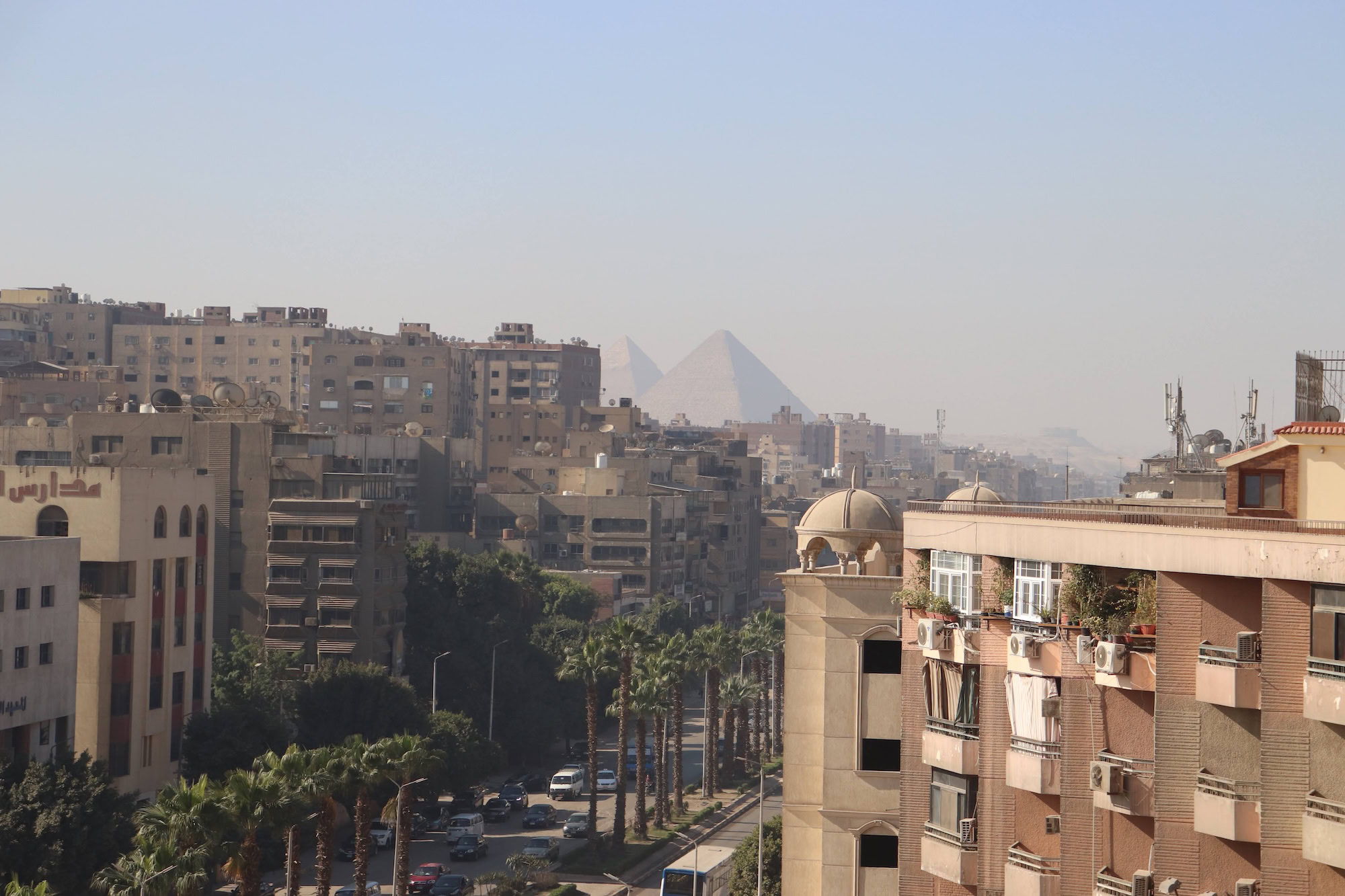
Planning just three days in this remarkable country might seem rushed, but with smart planning, you’ll experience the highlights that have captivated visitors for centuries. Cairo offers an incredible concentration of historical sites, world-class museums, and cultural experiences within a compact area. The pyramids at Giza stand just 30 minutes from downtown, while Islamic Cairo’s medieval streets reveal layers of history at every turn.
Our decades of expertise guiding travelers through Egypt has taught us that three focused days create lasting memories when you prioritize the must-see attractions and allow time for spontaneous discoveries.
Table of Contents
Day One: The Great Pyramids and Sphinx at Giza
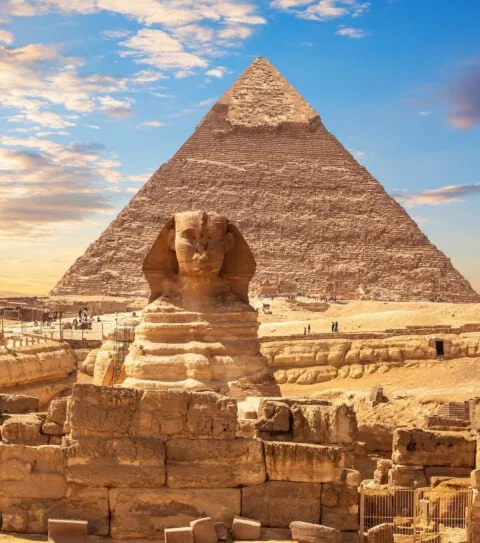
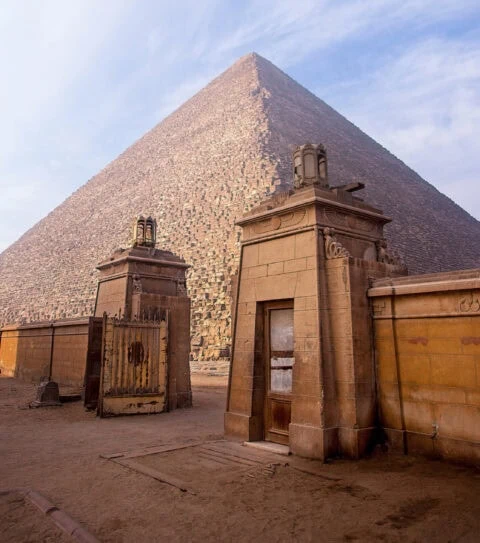
Start your Egyptian adventure at 8:00 am (08:00) with the Great Pyramid of Giza, the last surviving Wonder of the Ancient World. This massive structure took over 20 years to complete and contains approximately 2.3 million stone blocks. The pyramid’s base covers 13 acres (5.3 hectares), while its original height reached 146 meters (479 feet).
Exploring the Pyramid Complex
The Giza plateau houses three major pyramids, each telling a different chapter of ancient Egyptian architectural evolution. The Great Pyramid of Khufu dominates the landscape, followed by the pyramids of Khafre and Menkaure. Walking around these monuments reveals the incredible precision of ancient Egyptian engineering.
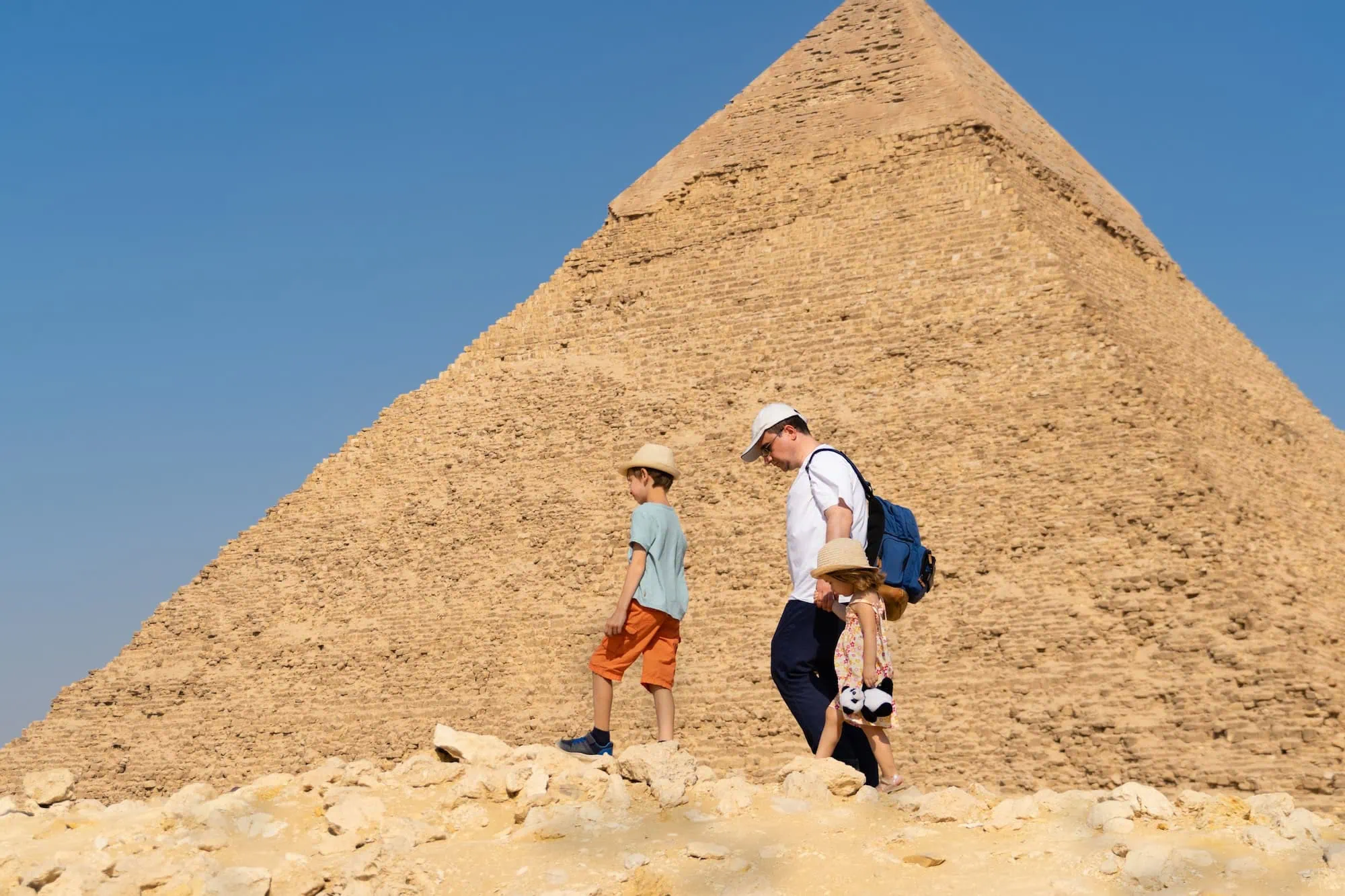
Consider entering the Great Pyramid’s interior chambers, though space is limited to 300 visitors daily. The narrow passages lead to the King’s Chamber, where Pharaoh Khufu’s sarcophagus remains. Temperatures inside stay around 20°C (68°F) year-round.
The Great Sphinx
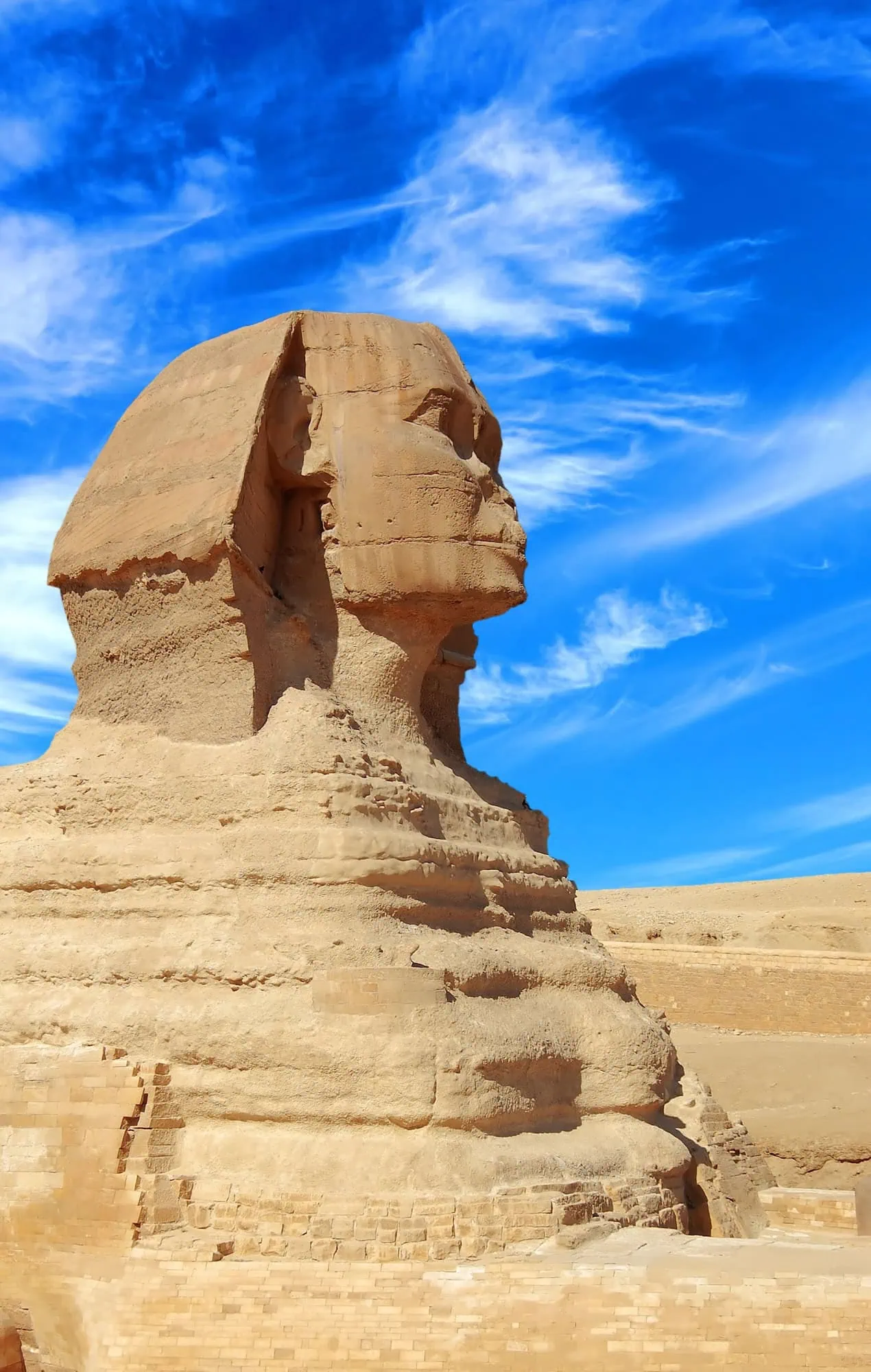
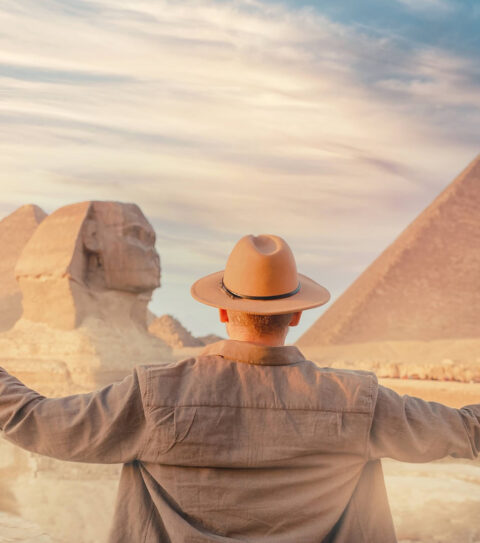
The enigmatic Sphinx guards the pyramid complex with its human head and lion’s body carved from a single limestone block. This ancient guardian measures 73 meters (240 feet) long and 20 meters (66 feet) high. Recent archaeological discoveries suggest the Sphinx may be older than previously thought, adding another layer of mystery to your visit.
Day Two: Grand Egyptian Museum and Islamic Cairo Discovery
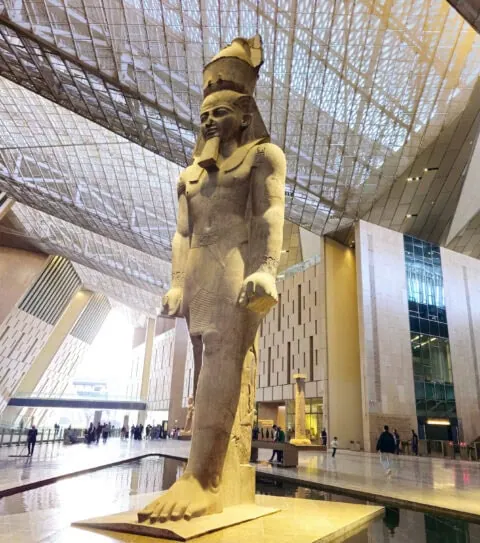
The Grand Egyptian Museum (GEM), located near the Giza Plateau, is the world’s largest museum dedicated to a single civilization and represents a new benchmark in presenting ancient Egyptian heritage. The museum typically opens in the morning and is designed with clear, chronological pathways, making even its vast collections easy to navigate.
Begin with the Tutankhamun galleries, where the complete contents of the tomb are displayed together for the first time. Highlights include the iconic golden funerary mask, jewelry, chariots, and daily-life objects, all presented in spacious, state-of-the-art galleries. The Grand Hall and Grand Staircase create a powerful introduction, dominated by colossal statues, including an impressive figure of Ramesses II.
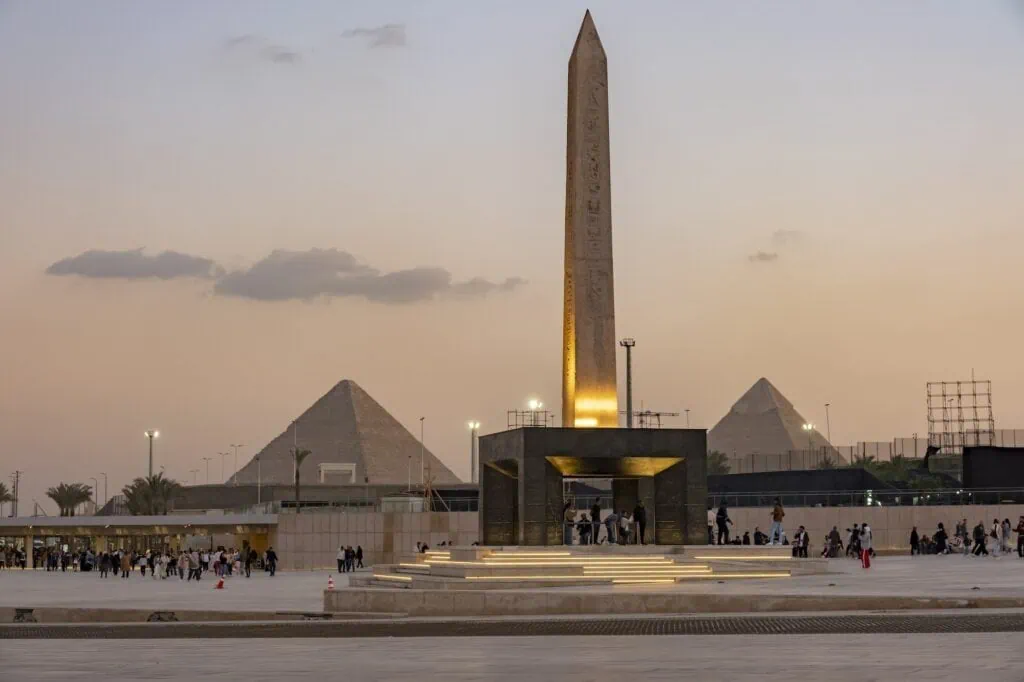
The exhibition route continues chronologically from the earliest dynasties through the Greco-Roman period, combining monumental artifacts with modern interpretive displays that provide context without overwhelming the visitor.
In the afternoon, shift focus to Islamic Cairo Discovery for a contrasting cultural experience. This historic district is home to some of Cairo’s most remarkable mosques, madrasas, and traditional streets. Visits often include the Sultan Hassan Mosque and Al-Rifa’i Mosque, where grand architecture, intricate stonework, and refined Islamic art reveal Egypt’s medieval and Ottoman heritage.
Khan el-Khalili Bazaar
After lunch, explore Khan el-Khalili, Cairo’s famous bazaar that has operated continuously since the 14th century. These narrow alleyways contain hundreds of shops selling everything from handcrafted jewelry to traditional perfumes. The bazaar’s architecture reflects Mamluk and Ottoman influences, with carved stone doorways and wooden mashrabiya screens.
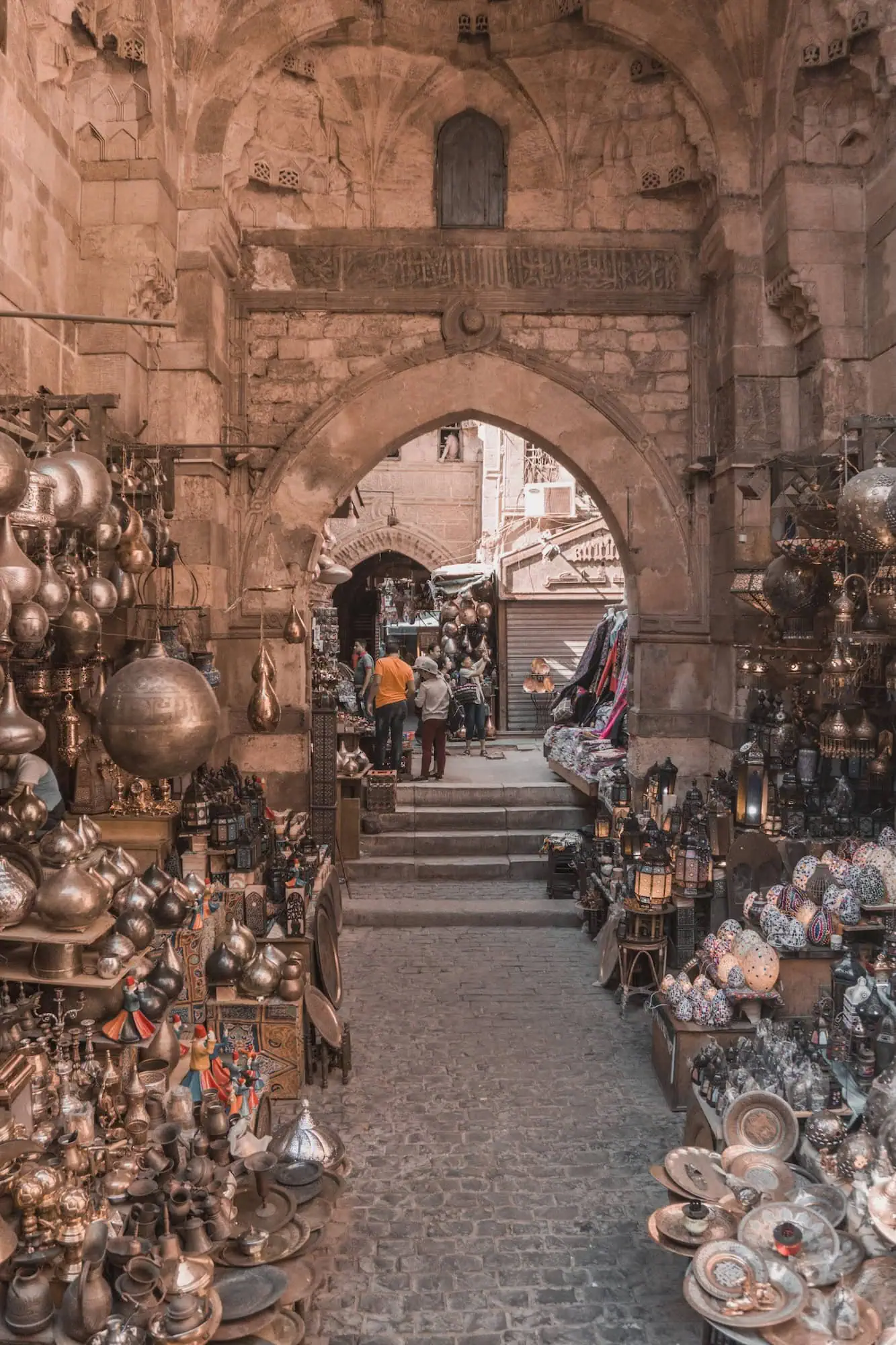
Haggling is expected and part of the cultural experience. Start negotiations at roughly one-third of the initial asking price. Popular purchases include papyrus artwork, silver jewelry, spices, and traditional galabiya robes.
Al-Azhar Mosque
Visit Al-Azhar Mosque, founded in 970 CE as both a place of worship and the world’s second-oldest continuously operating university. The mosque’s multiple courtyards and prayer halls showcase different architectural periods. Non-Muslim visitors are welcome outside prayer times, typically from 9:00 am to 11:00 am (09:00-11:00) and 1:00 pm to 3:00 pm (13:00-15:00).
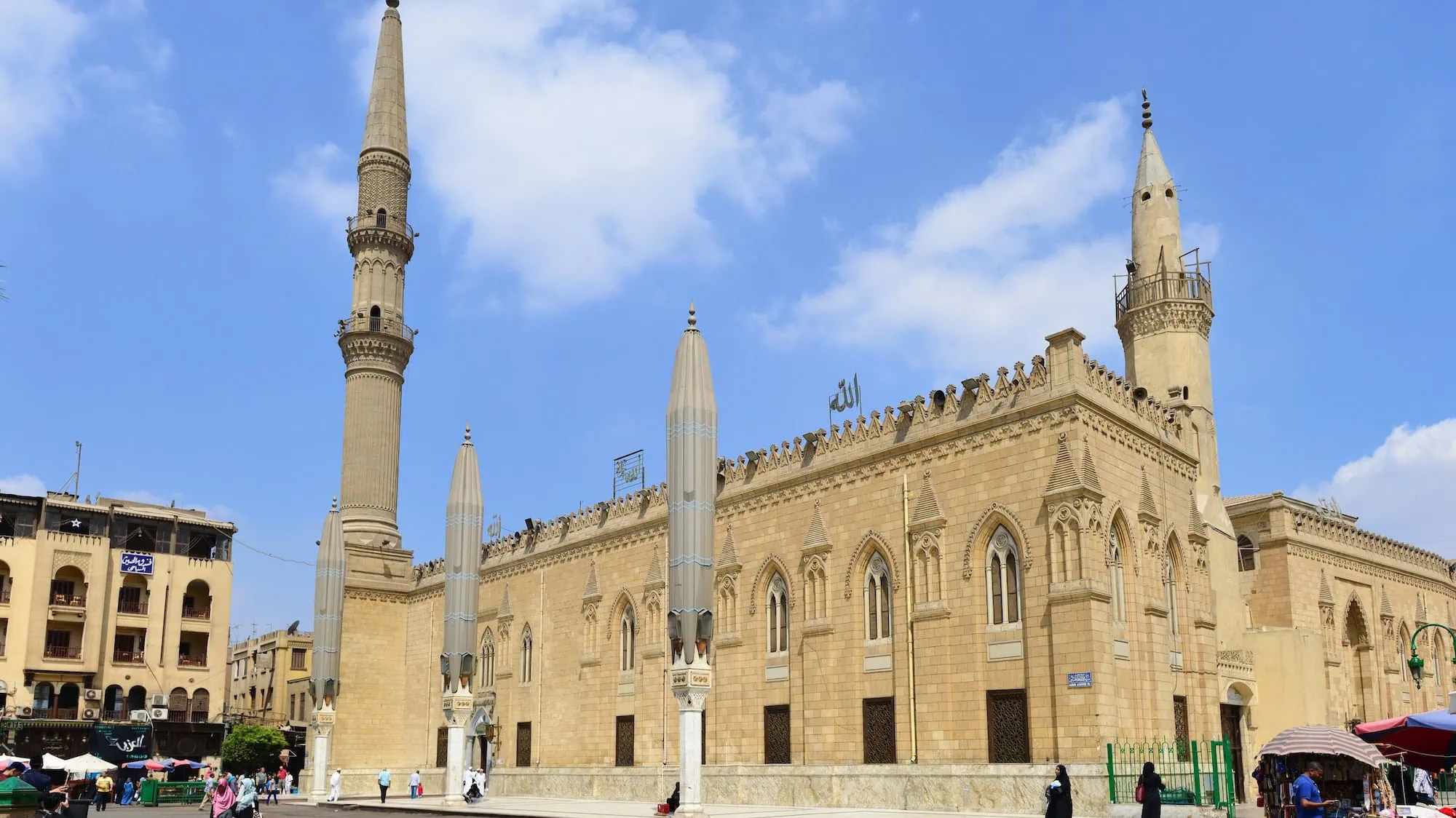
The mosque’s library contains over 400,000 manuscripts, making it one of the most important Islamic scholarly institutions globally. Students from around the world still study here, continuing a tradition spanning over 1,000 years.
Day Three: Saqqara and Memphis Historical Journey
Venture beyond Cairo to Saqqara, home to Egypt’s first pyramid and the ancient capital of Memphis. This UNESCO World Heritage site sits 32 kilometers (20 miles) south of Cairo and offers a more intimate pyramid experience compared to Giza’s crowds.
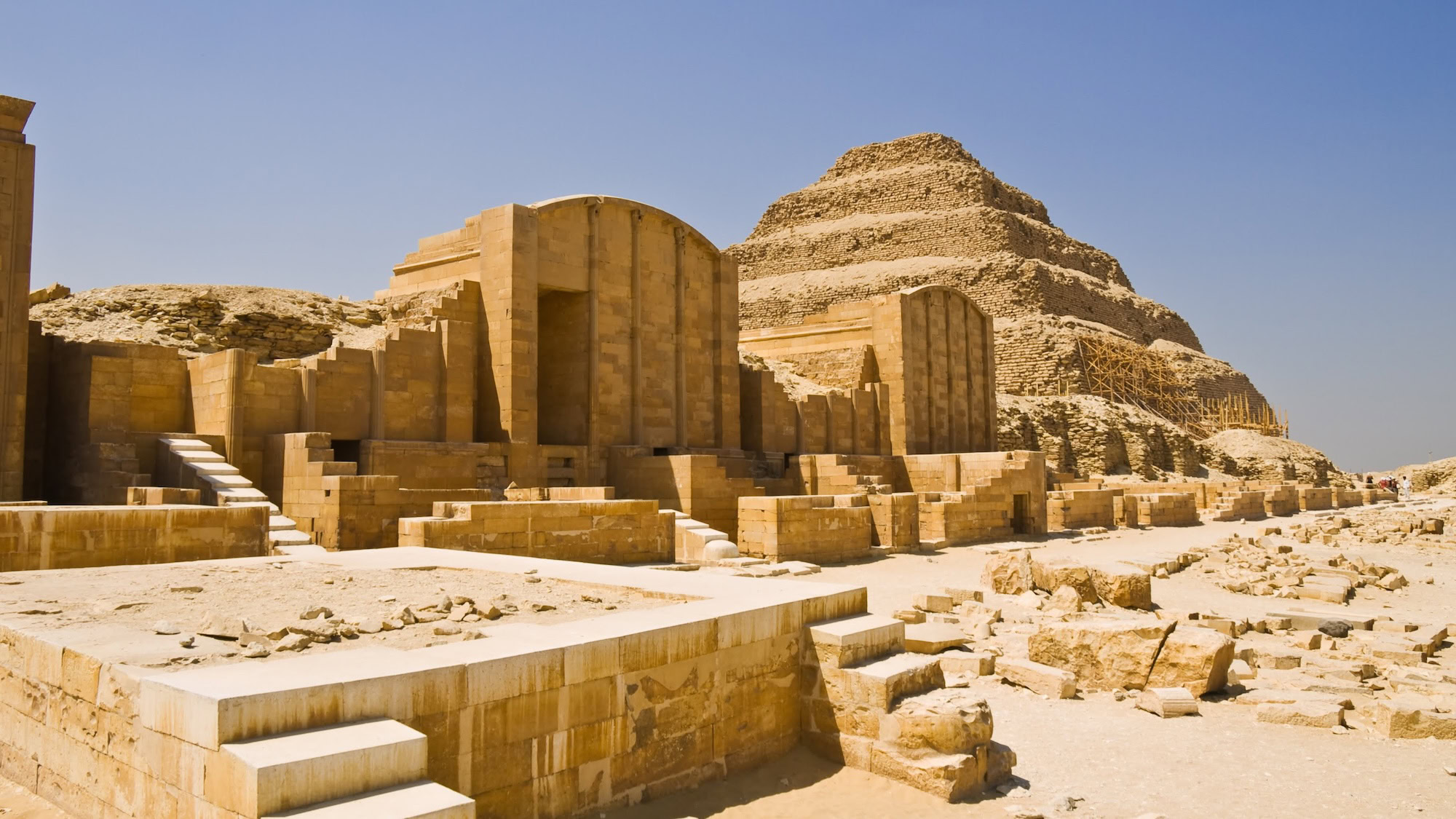
The Step Pyramid of Djoser represents a revolutionary moment in ancient Egyptian architecture. Built around 2650 BCE by architect Imhotep, this six-tiered structure introduced stone construction on a monumental scale. The pyramid reaches 62 meters (203 feet) high and originally stood within a complex of ceremonial buildings surrounded by a limestone wall. Recent restoration work has opened new areas to visitors, including decorated chambers with hieroglyphic texts. The Pyramid Texts found here are among the oldest religious writings in the world, predating the famous Book of the Dead by centuries. Walking through the complex reveals intricate details about ancient Egyptian burial practices and religious beliefs. The nearby mastaba tombs of nobles feature colorful wall paintings depicting daily life in ancient Egypt. These private tombs often preserve better artwork than royal monuments, showing scenes of hunting, farming, and religious ceremonies.
The Serapeum contains the underground burial chambers of the sacred Apis bulls, massive granite sarcophagi weighing up to 80 tons each. This mysterious site demonstrates the complexity of ancient Egyptian animal worship and engineering capabilities.
Memphis Open-Air Museum
Memphis served as Egypt’s capital for over eight dynasties, though little remains of the once-mighty city. The open-air museum preserves significant artifacts, including a colossal statue of Ramesses II lying on its back. This limestone sculpture originally stood 13 meters (43 feet) tall and weighs approximately 120 tons.
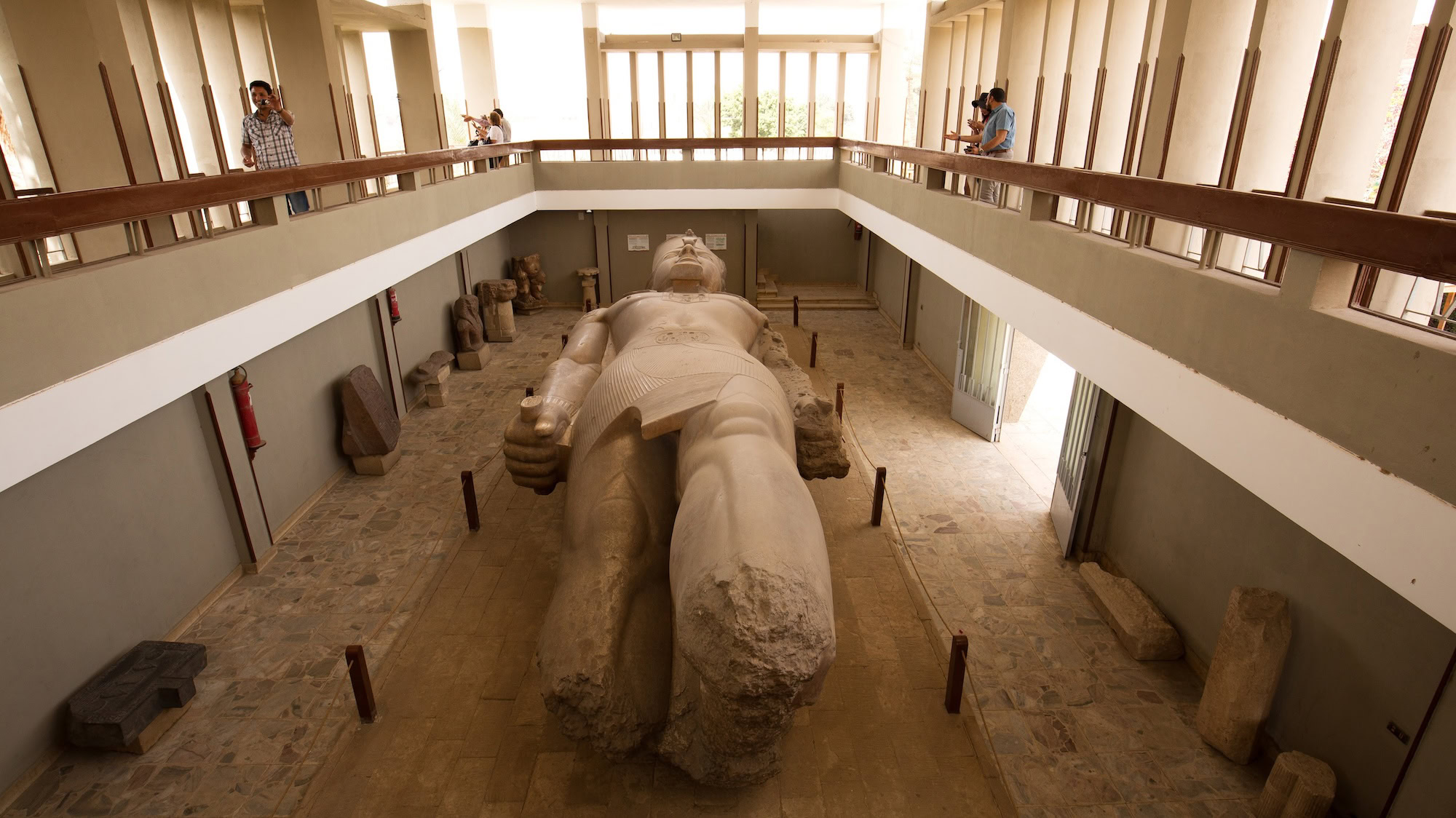
The museum’s highlight is an alabaster sphinx dating to the New Kingdom period. Unlike the famous Giza Sphinx, this smaller version showcases the fine craftsmanship possible with softer stone materials. Archaeologists continue excavating Memphis, regularly uncovering new artifacts that shed light on ancient Egyptian daily life.
Essential Practical Information for Your Egypt Adventure
Visa Requirements and Entry Process
U.S. visitors need a tourist visa for Egypt, available as an e-visa online for $25 or upon arrival for $25 cash. The e-visa process takes 5-7 business days and requires a passport valid for at least six months from entry date. European Union citizens follow the same process, while some nationalities including Jordan and Bahrain receive visa-free entry for up to 90 days.
Airport arrival typically takes 45-60 minutes including visa processing and customs. Keep your passport and completed arrival card readily accessible.
Transportation Between Sites
Private transportation offers the most efficient way to maximize your three-day itinerary. Our modern air-conditioned vehicles include experienced drivers familiar with all historical sites and current traffic patterns. This eliminates navigation stress and ensures punctual arrivals at each location.
Uber operates in Cairo but may face restrictions near tourist sites. Local taxis require negotiation and may not provide the reliability needed for a tight schedule.
Weather and Clothing Considerations
Cairo’s climate varies significantly by season, affecting your daily touring comfort. Winter months (December – February) see temperatures ranging from 14°C to 22°C (57°F to 72°F), perfect for extended outdoor exploration. Summer temperatures often exceed 35°C (95°F), making early morning starts essential.
Dress modestly when visiting religious sites, covering shoulders and knees. Comfortable walking shoes are crucial, as most sites involve considerable walking on uneven surfaces. Bring sunscreen and a wide-brimmed hat regardless of season.
Currency and Tipping Customs
The Egyptian pound (EGP) is the local currency, with most tourist sites accepting both cash and cards. Bring small bills for tipping, which is expected for guides, drivers, and service staff. Standard tips range from 10-20 EGP for short services to 100-200 EGP for full-day guides.
ATMs are widely available in Cairo but may be limited near rural sites like Saqqara. Exchange rates are generally better at banks than hotels or airports.
Frequently Asked Questions
Plan 3-4 hours at the Giza Plateau and 2-3 hours at Saqqara for a thorough visit. Giza includes the Great Pyramid of Khufu, the pyramids of Khafre and Menkaure, the Great Sphinx, and optional interior access, all spread across a large archaeological zone. Saqqara’s Step Pyramid complex covers extensive tombs and monuments dating back to Egypt’s Third Dynasty. Arriving early allows more time for exploration before crowds and midday heat increase.
Bottled water is the safest and most widely recommended choice for visitors in Cairo. While municipal water is treated and used by local residents, differences in mineral content and local bacteria can cause stomach discomfort for travelers unfamiliar with it. Bottled water is inexpensive and readily available at hotels, restaurants, convenience stores, and tourist attractions throughout the city. Carry a bottle whenever sightseeing, especially during warmer months when dehydration can occur quickly.
Visiting the Grand Egyptian Museum when it opens in the morning typically offers the most enjoyable experience, with lighter crowds and more comfortable temperatures. Early arrivals can explore the museum’s vast galleries, including world-renowned artifacts from ancient Egypt, before peak visitor numbers later in the day. A morning visit also provides ample time to enjoy the museum’s impressive architecture, panoramic views of the Giza Pyramids, and additional attractions in the surrounding area. For the quietest experience, aim to arrive within the first hour of opening.
Photography policies inside Egypt’s pyramids can change periodically, so visitors should confirm current rules and fees at the ticket office before entering. Interior photography is often more restricted than photography on the Giza Plateau itself because of conservation concerns and limited space within burial chambers. Flash photography is generally discouraged or prohibited to help protect ancient surfaces. Always follow instructions provided by site staff and ticketing authorities on the day of your visit.
Booking pyramid interior tickets at least 2-3 days in advance is advisable during the busy season from October through April. Access to chambers inside monuments such as the Great Pyramid is limited to help preserve the structures and manage visitor numbers. Demand increases significantly during winter holidays and school vacation periods. Travelers with fixed schedules should secure tickets early to avoid disappointment, especially if interior access is a priority.
Professional Egyptian tour guides commonly speak English and Arabic, with many also offering services in French, German, Spanish, Italian, and other major languages. Licensed guides complete official training and often specialize in Egyptology, archaeology, or history. Multilingual guides are especially common in Cairo, Luxor, Aswan, and Red Sea destinations. When booking a tour, request your preferred language in advance to ensure the most informative and engaging experience.
Dining options are available near major sites, but they can be more limited around archaeological areas such as Saqqara than in central Cairo. The Giza area offers restaurants, cafés, and hotel dining venues, while visitors to Saqqara often return to Cairo or nearby hotels for broader choices. Many travelers prefer eating a substantial breakfast before touring and carrying snacks or water during excursions. Planning meals in advance helps maximize sightseeing time.
Haggling is a normal part of shopping culture in many Egyptian markets, including Cairo’s famous Khan el-Khalili Bazaar. Initial prices are often set with negotiation in mind, and buyers commonly negotiate down from the first quoted amount. Friendly, respectful bargaining is generally expected and viewed as part of the experience rather than a confrontation. If a price feels too high, politely decline and continue browsing, as vendors often remain flexible.
Cairo traffic can be extremely busy, particularly during weekday rush hours between approximately 7:00-10:00 am and 4:00-7:00 pm. As one of Africa’s largest metropolitan areas, Cairo experiences heavy vehicle volumes that can significantly affect travel times. A journey that takes 30 minutes in light traffic may take more than an hour during peak periods. Allow extra time for transfers and sightseeing schedules, especially when traveling to Giza or Cairo International Airport.
Yes, you can visit Egypt’s major archaeological sites independently, but a qualified guide adds valuable historical and cultural context. Monuments such as the Great Pyramid, Saqqara, and the Egyptian Museum contain layers of history that are not always obvious from signage alone. Guides explain hieroglyphs, royal lineages, construction techniques, and archaeological discoveries that deepen understanding. Visitors interested in ancient Egyptian history often find guided tours significantly more rewarding than self-guided visits.
Standard entry tickets generally include access to the main archaeological site and exterior monument viewing areas. Special attractions such as pyramid interiors, royal tombs, restricted chambers, and certain museum exhibits often require separate admission tickets. Photography privileges may also involve additional fees depending on the location and current regulations. Reviewing ticket options before arrival helps visitors prioritize the experiences that matter most to them.
Respecting local customs at religious sites begins with modest clothing that covers shoulders and knees for both men and women. Visitors should remove shoes when required, speak quietly, avoid interrupting worshippers, and follow posted photography restrictions. Mosques, churches, and active religious spaces are places of worship first and tourist attractions second. Carrying a lightweight scarf or shawl can be helpful when visiting religious sites throughout Egypt.
Explore our most popular guides and expert tips to make your trip safe, smooth, and unforgettable.
Plan Your Egypt Adventure with Confidence
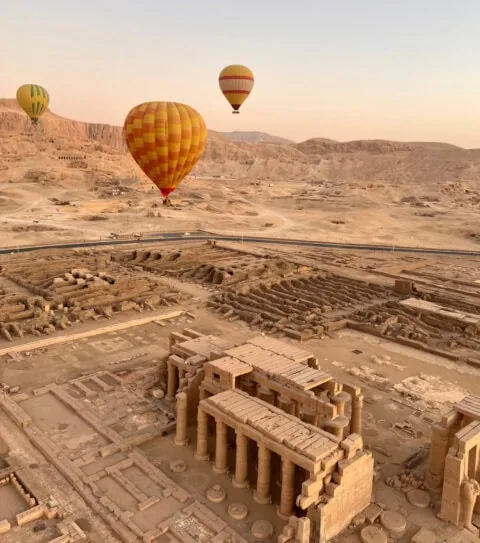
How to Plan a Trip Egypt
Step-by-step guide to help you plan the perfect Egypt trip — from routes and budget to booking.
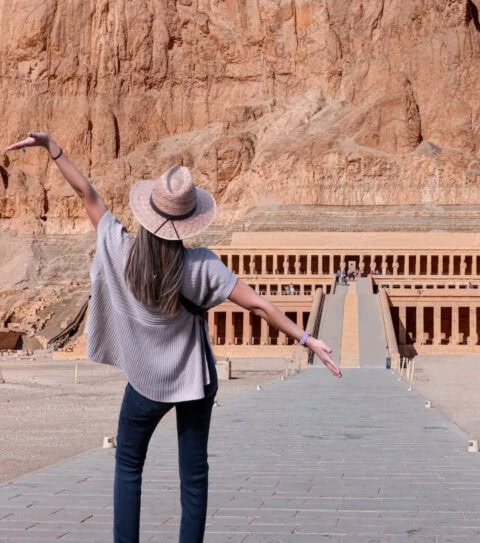
Best Time to Visit Egypt
Learn the best months to visit Egypt based on weather, crowds, and local travel experiences.
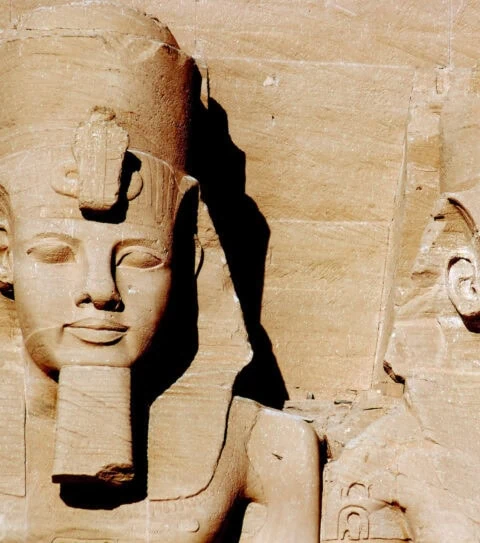
Must Visit Places in Egypt
Explore Egypt’s top sights — from pyramids to temples — and hidden gems worth seeing.
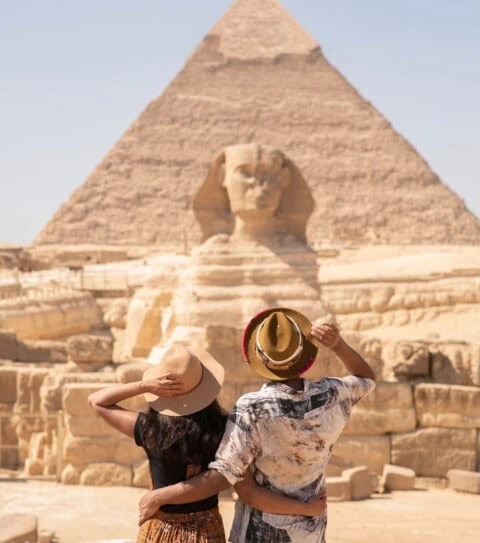
Top-Rated Egypt Tours
Handpicked private tours with local guides — our most loved and best-reviewed experiences.
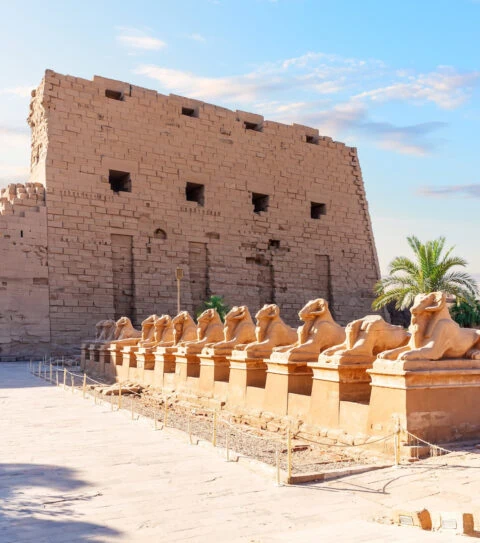
How Many Days to Visit Egypt?
Find out how many days you need in Egypt — from quick trips to full itineraries.
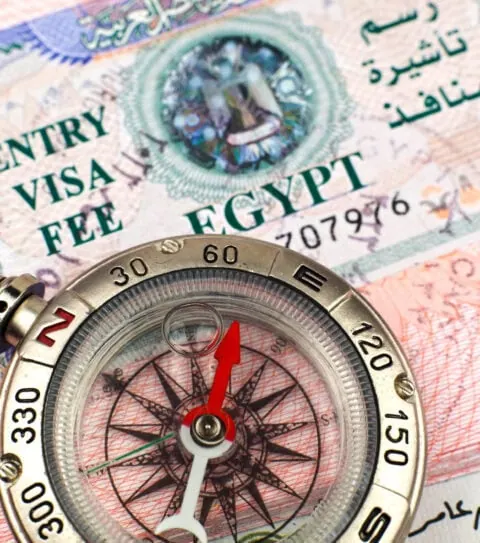
Egypt Visa Requirements
Check if you need a visa and get simple, up-to-date entry info based on your nationality.
Is it Safe to Travel to Egypt?
Is Egypt safe? Get honest safety tips, area advice, and what to know before you travel.
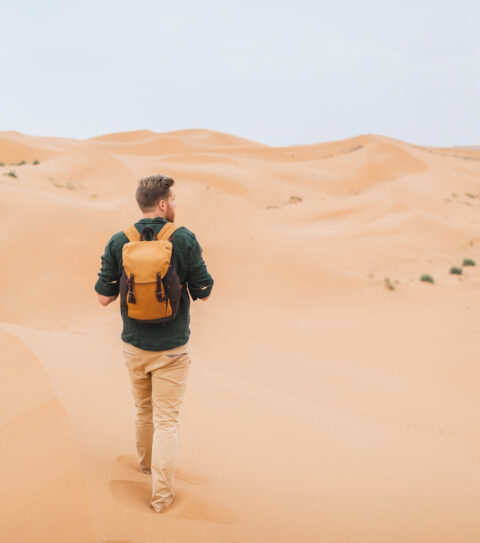
What to Pack for Egypt
A quick packing guide with essentials, cultural tips, and clothing advice for your Egypt trip.
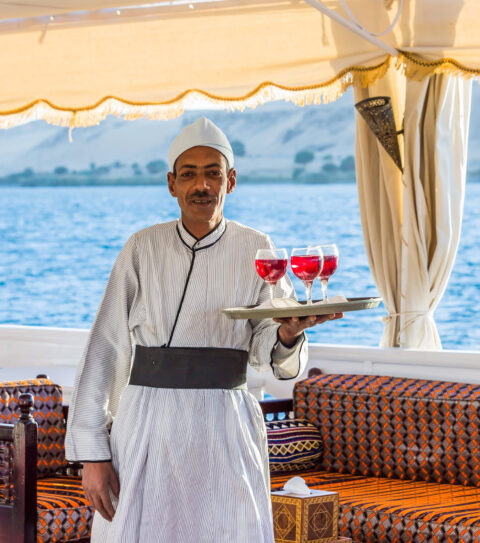
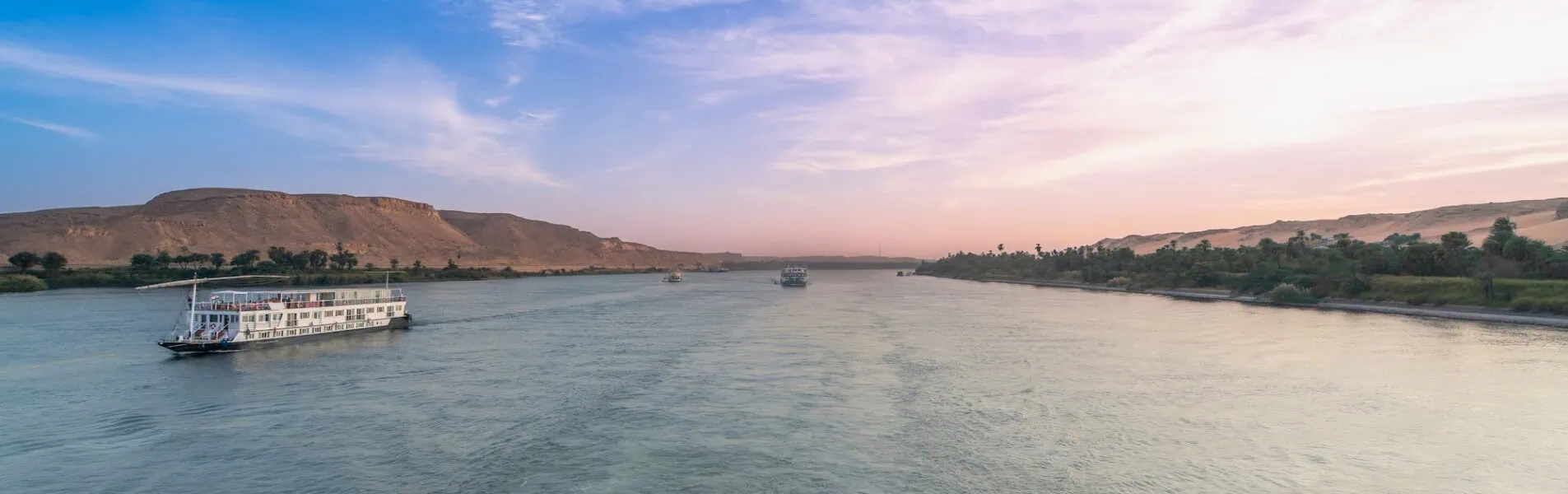
Design Your Custom Tour
Explore Egypt your way by selecting only the attractions you want to visit