Egypt Small Group Tours
Traveling to Egypt changes everything you thought you knew about ancient civilizations.
We’ve guided thousands of travelers through Egypt’s most captivating destinations over the past two decades. Small group tours offer the perfect balance between personal attention and shared discovery. You’ll explore alongside 6-16 fellow travelers while receiving expert guidance from qualified Egyptologists. Our intimate group sizes mean better access to archaeological sites, more time for questions, and deeper cultural connections than standard mass tourism allows.
This approach transforms your Egyptian adventure into something truly memorable. Private moments at iconic locations, personalized explanations of hieroglyphics, and flexible scheduling based on group interests create experiences impossible on larger tours.
Why Small Group Tours Transform Your Egypt Experience
Our small group format creates natural advantages from the moment you arrive. Groups of 6-16 people move efficiently through airport customs and hotel check-ins. Your Egyptologist guide learns individual interests quickly, tailoring explanations to match your curiosity about archaeology, history, or photography.
Most travelers discover unexpected friendships within these intimate settings. Shared meals become cultural exchanges. Fellow explorers offer photography tips at the pyramids of Giza. Evening discussions about the day’s temple visits deepen everyone’s understanding.
We maintain these smaller numbers deliberately. While budget operators pack 30-40 people onto buses, our groups board comfortable, air-conditioned vehicles with plenty of space. Restaurant reservations accommodate your preferences. Hotel arrangements ensure quality rooms for every traveler. Site visits avoid the chaos of massive tour groups competing for photos.
Enhanced Access to Archaeological Sites
Small groups receive priority treatment at major attractions. Temple guards appreciate manageable visitor numbers. Museum curators provide extended explanations when groups show genuine interest. Photography opportunities multiply when you’re not competing with crowds.
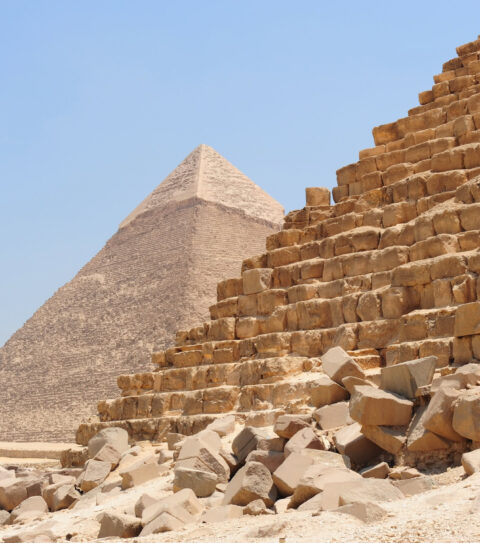
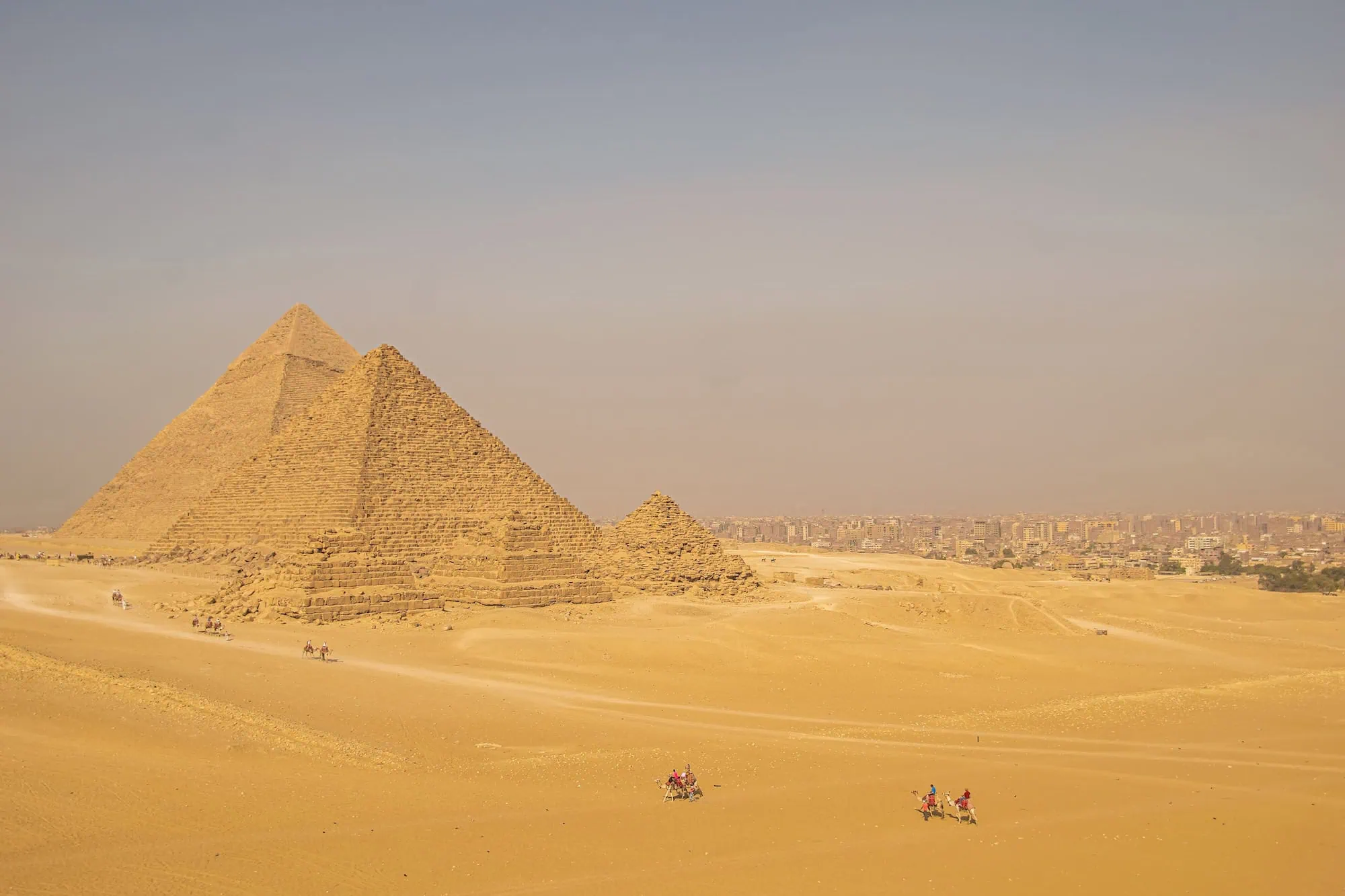
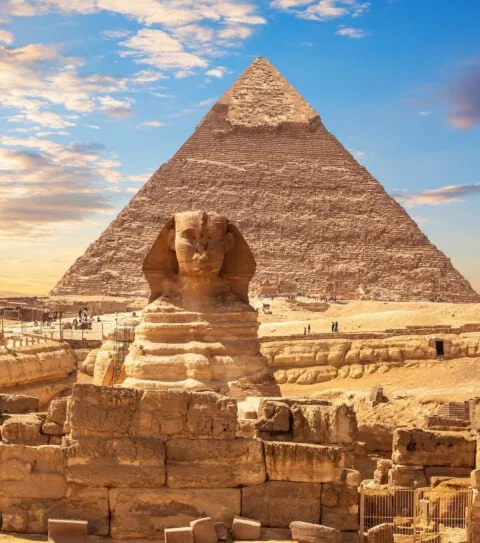
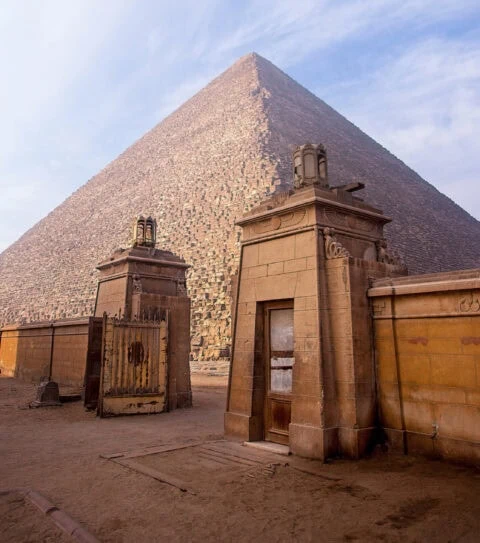
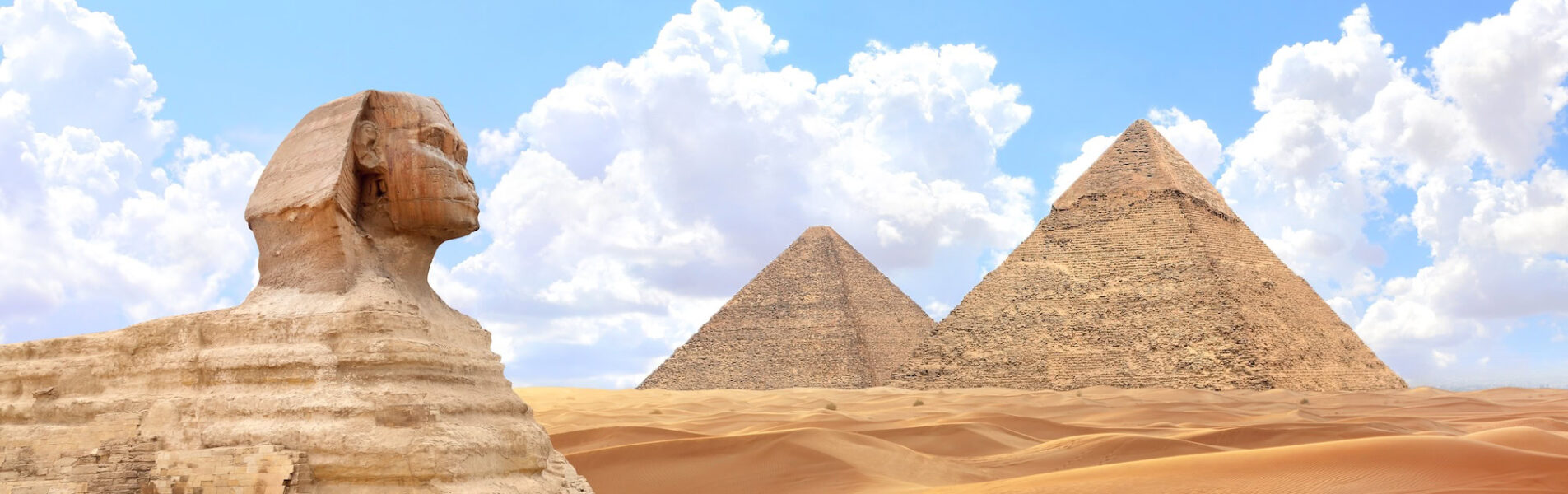
The pyramids complex demonstrates this advantage perfectly. Our groups enter during optimal lighting conditions while massive tours wait in lines. Your guide positions everyone for unobstructed Sphinx photos. Private moments inside pyramid chambers become possible when timing aligns with smaller visitor flows.
Expert Egyptologists Provide Personalized Attention
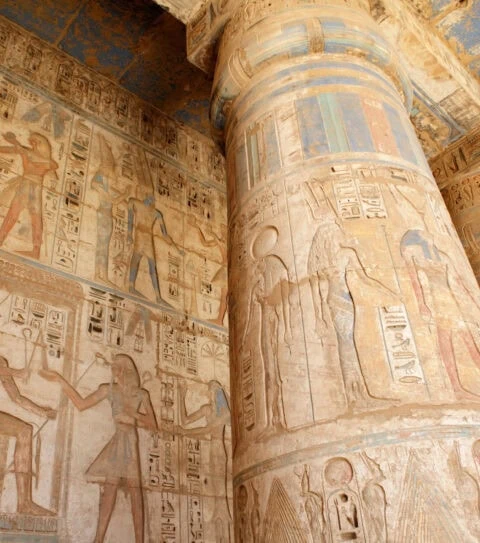
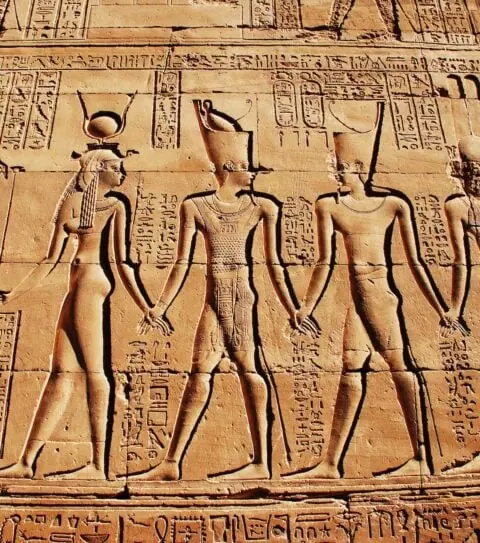
Professional guides modify presentations based on group dynamics and interests. Archaeology enthusiasts receive detailed explanations of construction techniques. History lovers explore political intrigue between pharaohs. Art appreciators focus on symbolic meanings in temple decorations.
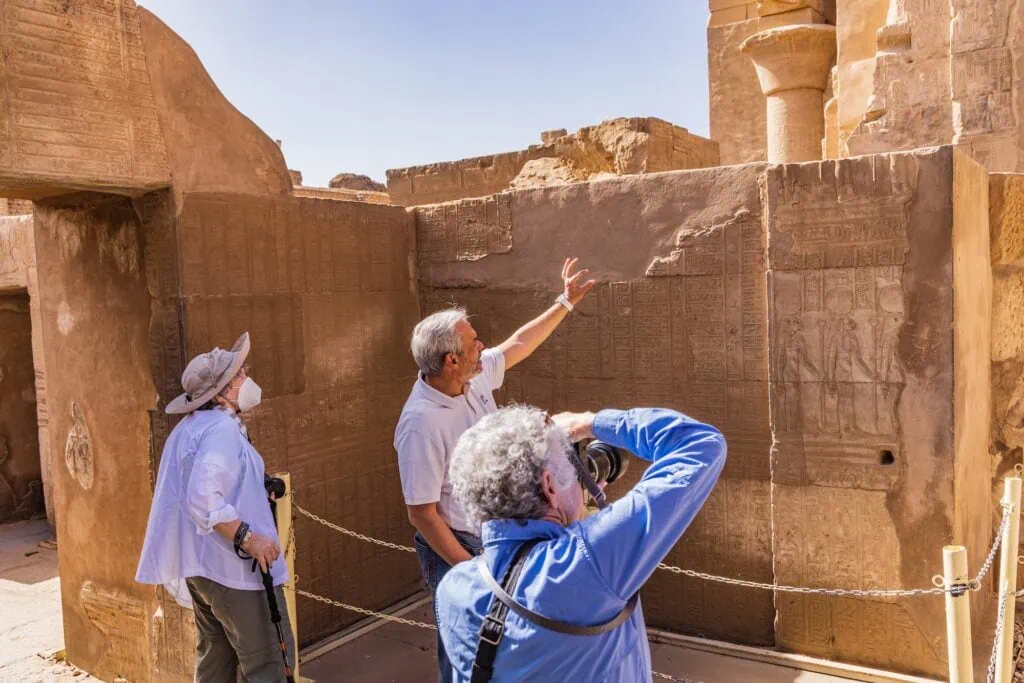
Questions receive immediate, comprehensive answers. Your Egyptologist draws connections between different sites throughout the journey. Personal recommendations for additional reading or future visits reflect individual conversations and observed interests.
Planning Your Perfect Egypt Small Group Adventure
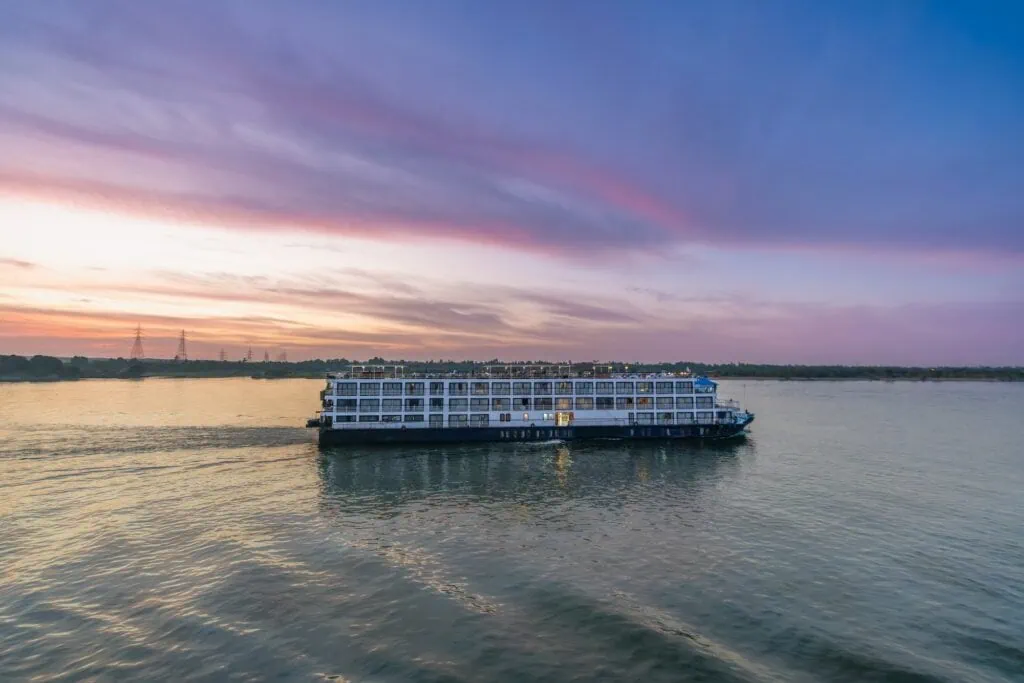
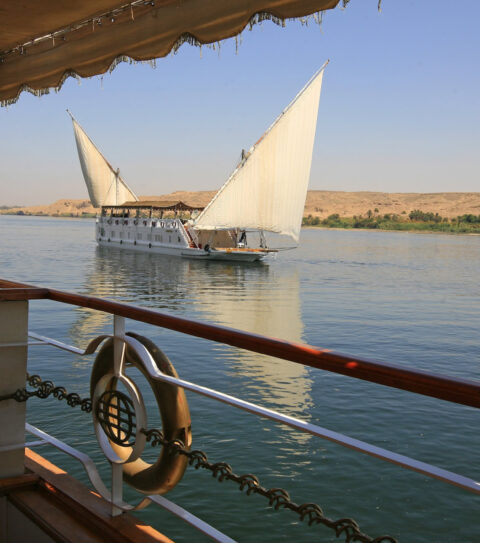
The most rewarding Egypt journeys blend iconic landmarks with meaningful, lesser-known discoveries. A Nile cruise remains the centerpiece of many itineraries, sailing between Luxor and Aswan with guided visits to the great temple complexes along the riverbanks. Modern luxury vessels are designed for small groups, offering spacious cabins, refined dining, and attentive, personalized service.
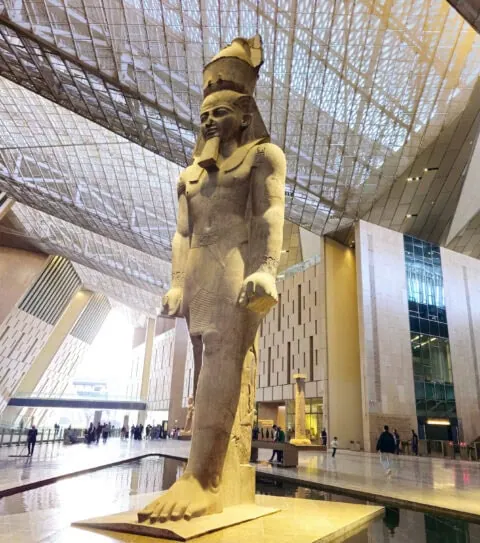
Cairo deserves dedicated time and expert guidance. The Grand Egyptian Museum presents the world’s most comprehensive collection of ancient Egyptian treasures, including the full Tutankhamun collection displayed together for the first time.
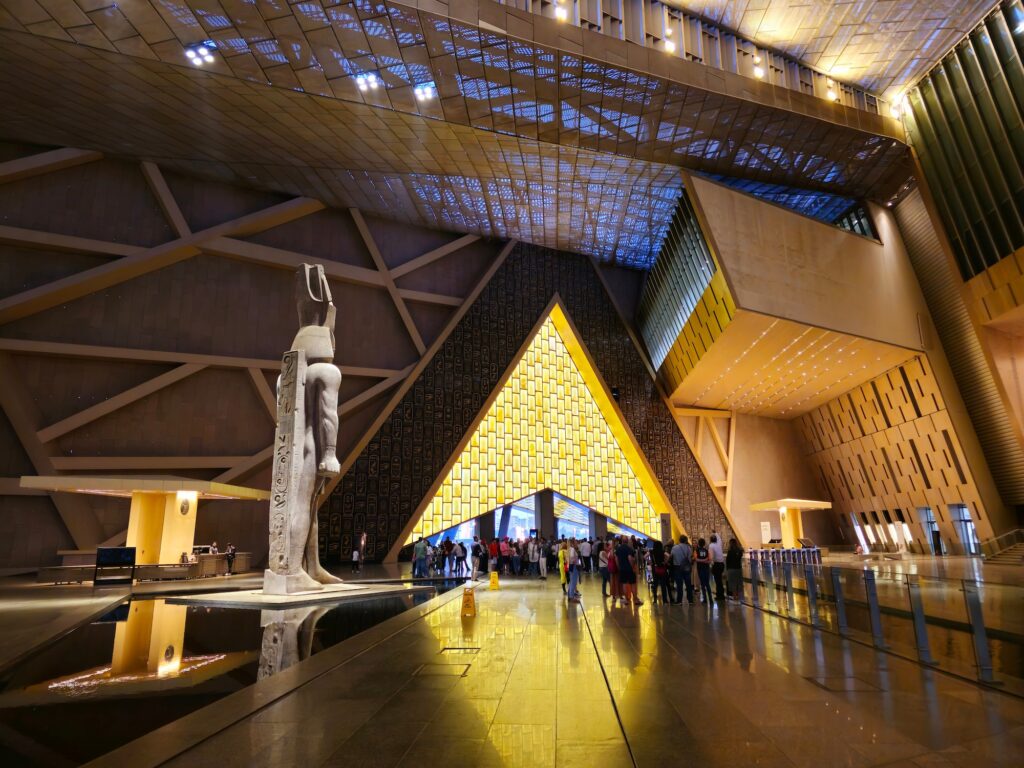
The Civilization Museum (NMEC) offers a powerful chronological narrative of Egypt’s history, highlighted by the Royal Mummies Hall. Together, these museums provide essential context that elevates every temple and monument you will see throughout the country.
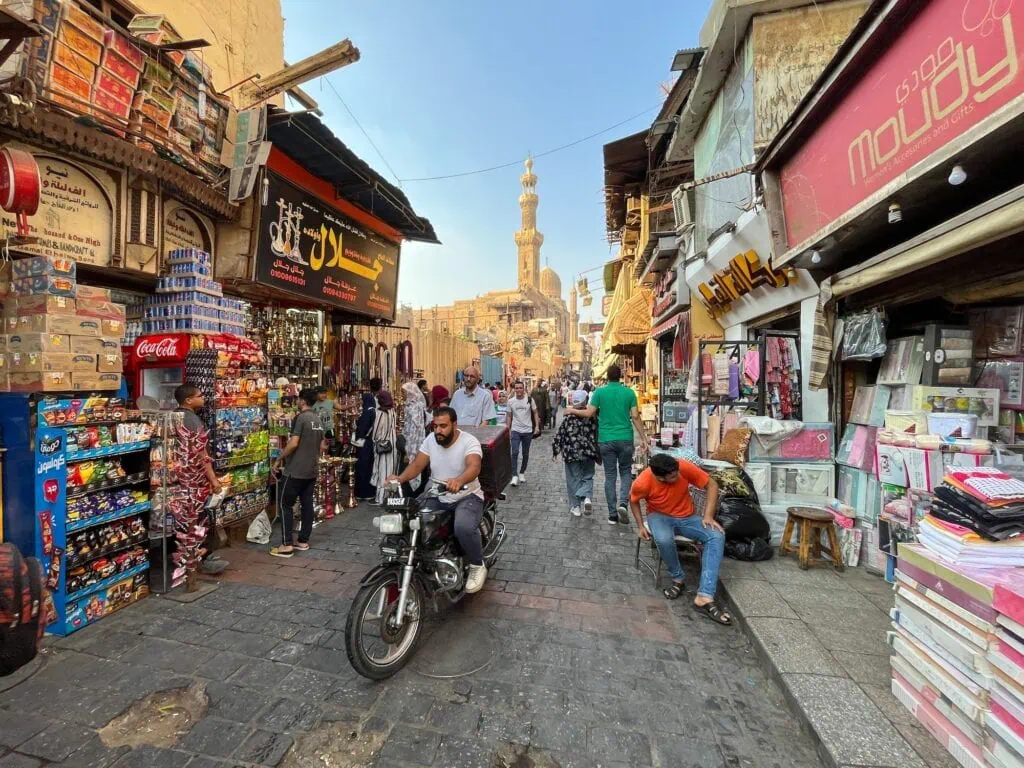
Beyond the museums, Cairo’s layered heritage unfolds in Islamic Cairo’s historic streets, where mosques, markets, artisan workshops, and traditional cafés create an immersive cultural experience. A well-designed small group itinerary ensures you experience Egypt not just as a visitor, but with genuine understanding and perspective.
Choosing the Right Duration and Destinations
Eight-day tours typically cover essential highlights without rushing. Travelers visit the Giza pyramids, explore Valley of the Kings tombs, cruise the Nile between Luxor and Aswan, and experience Cairo’s vibrant culture. This timeframe allows rest days and flexible scheduling.
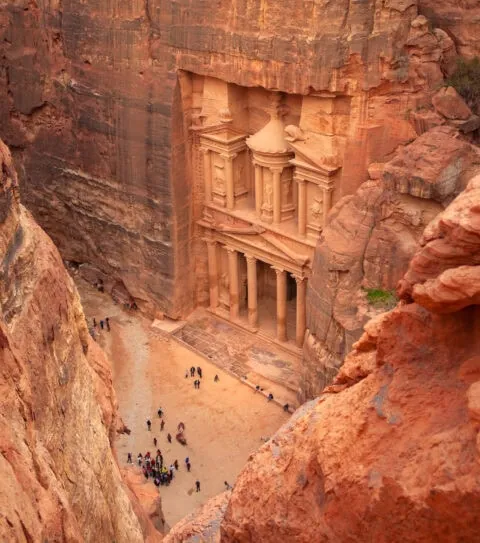
Twelve-day adventures add Alexandria’s Mediterranean coast, Abu Simbel’s magnificent temples, or Red Sea relaxation. Extended itineraries incorporate lesser-known gems like Dendera Temple or Abydos. Some travelers combine Egypt with Jordan, visiting Petra and Wadi Rum desert camps.
Budget considerations vary significantly. Basic small group tours start around $1,200 per person for eight days. Luxury experiences with five-star accommodations, premium Nile cruise vessels, and private vehicle transfers range $3,500-$5,500 per person. Most travelers find excellent value in mid-range options ($2,000-$3,000) featuring quality hotels, professional guides, and comprehensive itineraries.
Understanding Group Dynamics and Compatibility
Age ranges typically span 35-70 years, with shared interests in history, culture, and adventure. Physical fitness requirements remain moderate for most attractions. Climbing inside pyramids requires basic mobility. Temple visits involve walking on uneven stones. Nile cruise excursions include moderate walking distances.
Solo travelers integrate easily into established groups. Couples appreciate meeting like-minded peers. Multi-generational families find common ground through shared discoveries. Professional backgrounds vary widely, creating interesting evening conversations.
Nile Cruise: The Heart of Small Group Egypt Travel
River cruising between Luxor and Aswan transforms travel into floating luxury. Modern vessels feature spacious decks for pyramid viewing, comfortable lounges for evening discussions, and quality restaurants serving international and Egyptian cuisine. Small groups occupy entire sections, creating intimate communities aboard ship.
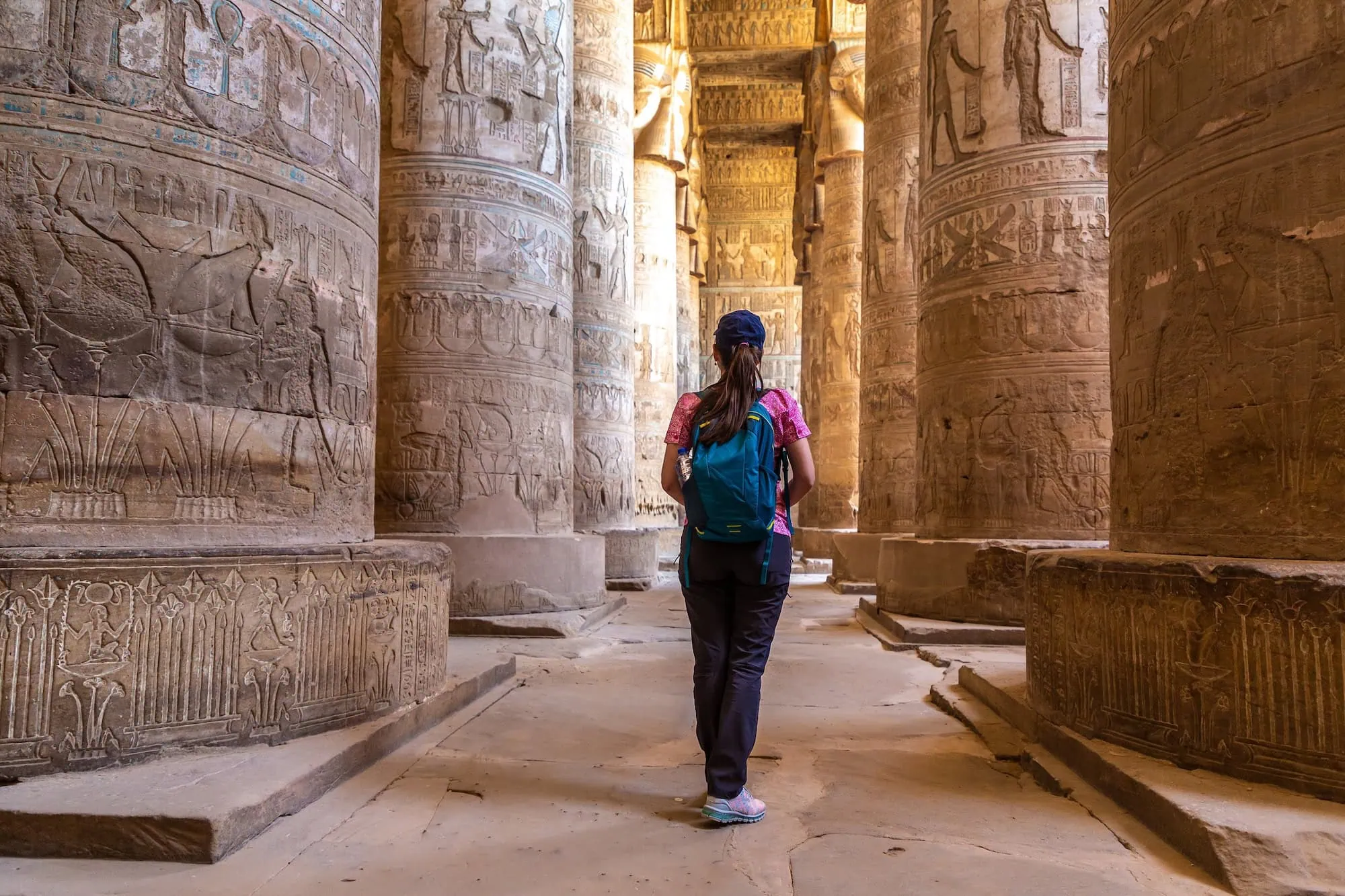
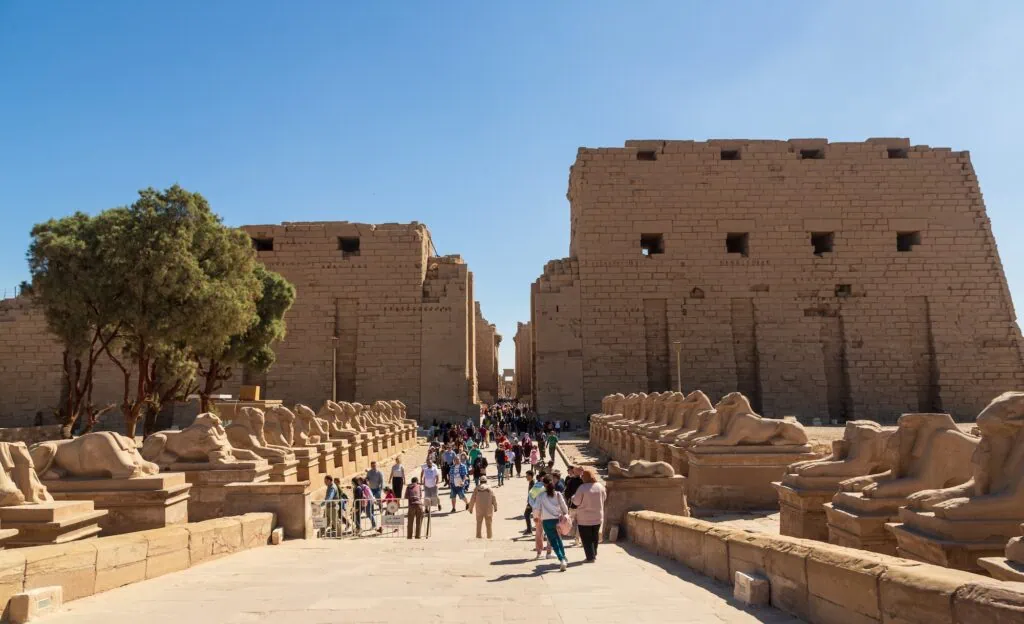
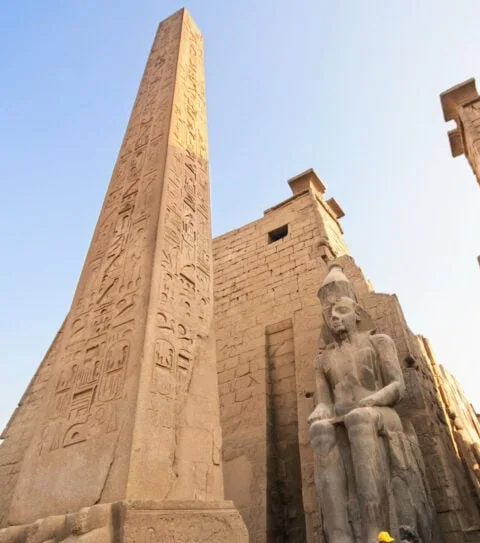
Daily excursions explore temples that defined ancient Egyptian civilization. Karnak Temple’s massive columns inspire awe in every visitor. Philae Temple’s island setting provides stunning photography opportunities. Kom Ombo’s crocodile mummies fascinate travelers interested in ancient religious practices. Edfu Temple showcases some of Egypt’s best-preserved hieroglyphics.
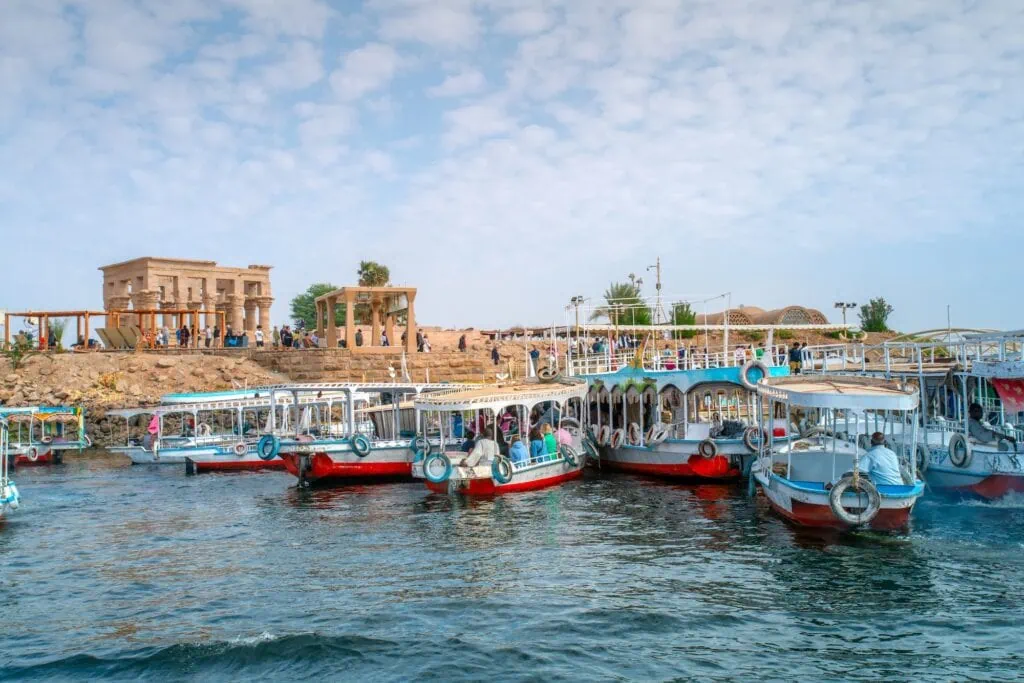
Your Egyptologist accompanies all shore excursions, explaining architectural details and historical contexts impossible to appreciate independently. Religious ceremonies, burial practices, and daily life in ancient Egypt come alive through expert narration. Fellow travelers share perspectives and questions that enhance everyone’s understanding.
Evening entertainment aboard cruise vessels ranges from traditional Nubian music performances to costume parties themed around ancient Egypt. These social activities strengthen group bonds while providing cultural education. Many travelers cite shipboard friendships as trip highlights equal to archaeological discoveries.
Shore excursions operate as small group experiences with up to 12 participants, maintaining intimate settings even during temple visits. This approach ensures personal attention from guides while preserving the social dynamics that make group travel enjoyable. Private dinner cruises in Cairo offer separate experiences for couples seeking romantic evenings.
Beyond the Pyramids: Hidden Gems with Expert Guides
Egypt extends far beyond Giza’s famous monuments. Small groups access locations overlooked by standard tourism. Saqqara’s Step Pyramid predates Giza by centuries, demonstrating architectural evolution through expert explanation. Memphis reveals pharaonic capital city foundations with minimal crowds.
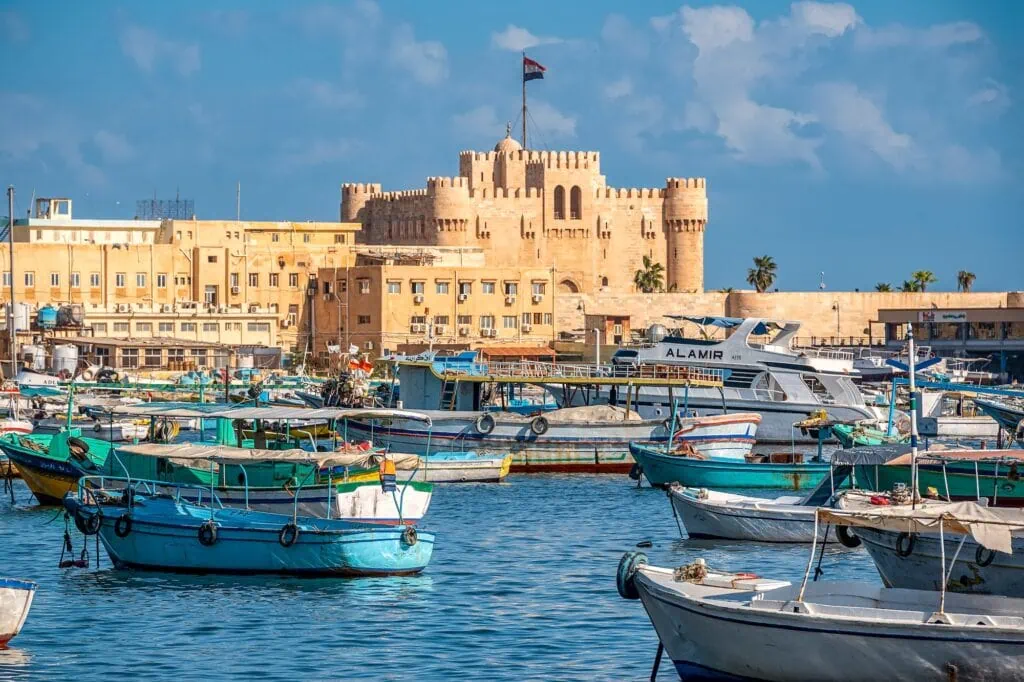
Alexandria’s Mediterranean atmosphere contrasts sharply with Upper Egypt’s desert landscapes. The reconstructed Library of Alexandria houses manuscripts and exhibits explaining Egypt’s intellectual heritage. Pompey’s Pillar stands amid Roman ruins requiring archaeological context for full appreciation. Catacombs of Kom el Shoqafa blend Egyptian, Greek, and Roman burial traditions.
Exclusive Experiences Only Small Groups Enjoy
We arrange private access to restricted archaeological areas when permits allow. Behind-scenes museum tours reveal conservation laboratories and storage facilities. Traditional craft workshops demonstrate papyrus making, perfume creation, and jewelry techniques using ancient methods.
Local family visits provide authentic cultural exchanges impossible with larger tour groups. Home-cooked meals introduce regional specialties beyond hotel restaurants. Traditional coffee ceremonies explain social customs while building genuine connections.
Understanding Egypt’s Rich Cultural Tapestry
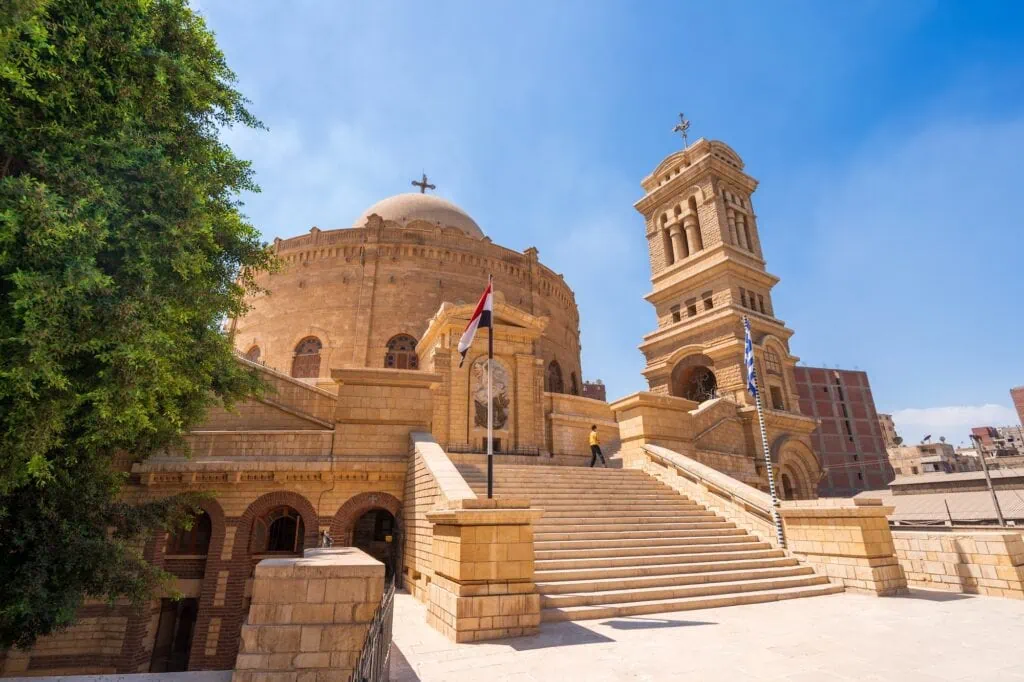
Contemporary Egypt blends pharaonic heritage with Islamic traditions and Coptic Christian influences. Your guide explains religious coexistence evident in Cairo’s neighborhoods. Medieval Islamic architecture showcases mathematical precision rivaling ancient temples. Coptic monasteries preserve Christian traditions dating to early centuries after Christ.
Modern Egyptian life incorporates ancient customs unconsciously. Agricultural techniques along the Nile follow seasonal patterns established millennia ago. Traditional boats called feluccas maintain designs unchanged since pharaonic times. Local markets sell products using trade routes established by ancient civilizations.
Practical Considerations for Small Group Travel
Entry requirements differ by nationality, though most visitors need visas obtained on arrival or electronically before departure. U.S. citizens can purchase 30-day tourist visas at Cairo airport for $25 USD. European visitors from EU countries enjoy similar visa-on-arrival privileges. Latin American travelers should verify specific requirements with Egyptian consulates before departure, as policies vary by country.
Weather significantly impacts travel comfort and clothing choices. December through February offers ideal temperatures averaging 20°C (68°F) with minimal rainfall. March and November provide warm days around 25°C (77°F) with cool evenings. Summer months exceed 35°C (95°F) consistently, making outdoor activities challenging during midday hours.
Currency exchange occurs easily throughout Egypt. Egyptian pounds (EGP) are preferred for local purchases, though U.S. dollars are widely accepted at hotels and tourist sites. Credit cards work reliably in major establishments. We recommend carrying cash for smaller vendors and tipping guides, drivers, and service staff.
Health and Safety in Small Groups
Small group travel enhances safety through shared awareness and professional guide supervision. Your Egyptologist monitors group health and addresses concerns immediately. Medical facilities in Cairo and major cities provide Western-standard care. Travel insurance covering medical evacuation proves worthwhile for peace of mind.
Water safety requires attention throughout Egypt. Bottled water costs less than $1 USD and prevents digestive issues. Hotel restaurants and tour-included meals follow international hygiene standards. Street food adventures should wait until your digestive system adjusts to local conditions.
Altitude sickness rarely affects Egypt travelers since most attractions sit near sea level. Physical challenges include walking on uneven temple stones and climbing pyramid steps. Heat management becomes crucial during summer visits, requiring frequent water consumption and shade breaks.
Photography and Cultural Sensitivity
Photography policies vary by location and require respect for local customs. Interior pyramid photos often require separate tickets costing $10-30 USD. Museum photography may be restricted for flash or tripod use. Temple complexes generally allow photography with some exceptions for decorated tomb interiors.
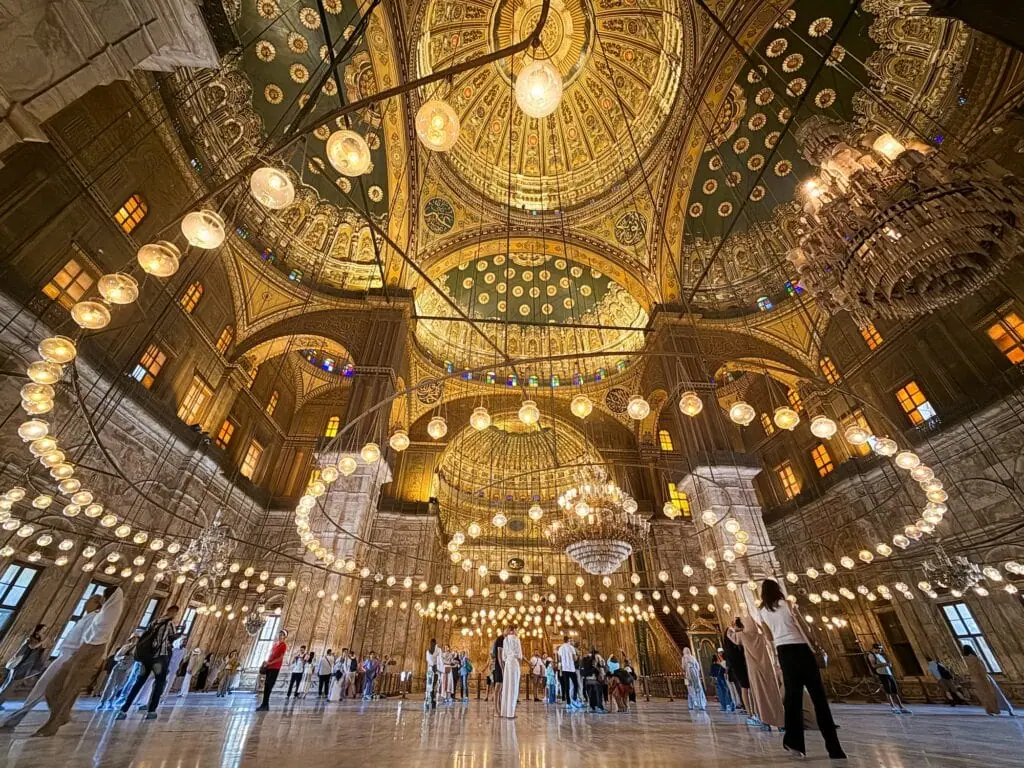
Religious sites demand modest dress regardless of external temperatures. Long pants and sleeve coverage show respect in mosques and churches. Women should carry scarves for head covering when entering religious buildings. These requirements apply to all group members and enhance cultural appreciation.
Local people appreciate polite requests before portrait photography. Small tips (5-10 Egyptian pounds) are customary when photographing individuals. Children often pose enthusiastically for photos but expect small rewards. These interactions create memorable connections beyond standard tourist photography.
Maximizing Your Investment in Egypt Small Group Tours
Quality tour operators provide comprehensive packages eliminating planning stress. Accommodations range from comfortable four-star hotels to luxury properties exceeding international standards. Transportation includes modern, air-conditioned vehicles with experienced drivers familiar with archaeological sites.
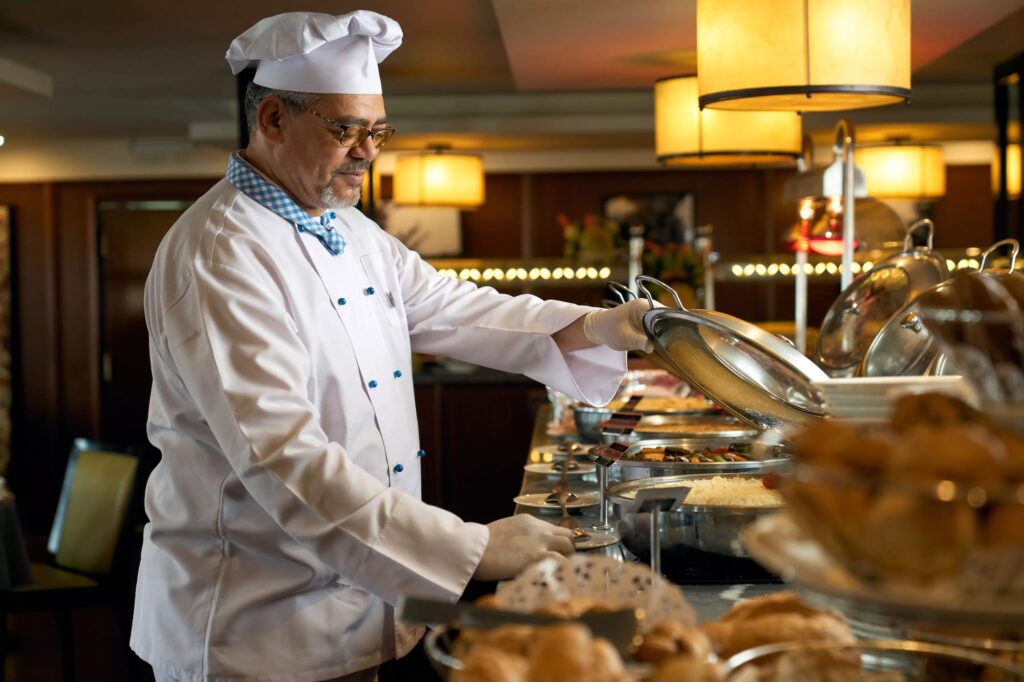
Meal inclusions vary by tour operator and price point. Full-board packages provide breakfast, lunch, and dinner throughout your stay. Half-board options include breakfast and one additional meal daily. Independent dining allows cultural exploration while requiring budget management for restaurants and local specialties.
Guide qualifications separate premium operators from budget alternatives. Licensed Egyptologists complete university degrees in archaeology, history, or related fields. Language skills extend beyond basic English to include cultural interpretation and storytelling abilities. Professional development includes ongoing training in new archaeological discoveries.
Comparing Tour Operators and Value Propositions
Established operators maintain relationships with quality hotels, restaurants, and local suppliers. These partnerships ensure consistent service standards and competitive pricing. Newer companies may offer lower prices but lack experience handling logistics complications.
Group composition reflects operator marketing and pricing strategies. Luxury operators attract travelers prioritizing comfort and exclusivity. Adventure-focused companies appeal to active explorers seeking authentic experiences. Cultural specialists cater to serious history enthusiasts wanting scholarly depth.
Customer service quality becomes evident during booking processes and pre-departure communications. Professional operators provide detailed itineraries, packing suggestions, and cultural preparation materials. Emergency contact systems ensure 24/7 support throughout your journey.
Understanding Inclusions and Hidden Costs
Entry fees to major attractions should be included in tour prices. Pyramid interior access, museum special exhibitions, and optional activities may require additional payments. Clarify these costs during booking to avoid budget surprises.
Tipping represents a significant cultural expectation throughout Egypt. Guides typically receive $8-12 USD per day from each traveler. Drivers earn $4-6 USD daily per person. Hotel staff, restaurant servers, and cruise ship personnel expect smaller amounts for quality service. Budget $15-20 USD daily per person for appropriate tipping.
Shopping opportunities abound throughout Egypt, from papyrus workshops to spice markets. Quality varies dramatically, making guide recommendations valuable. Negotiation is expected and enjoyable when approached respectfully. Budget travelers should allocate $200-500 USD for souvenirs, while serious collectors may spend considerably more.
Frequently Asked Questions
What is the ideal group size for Egypt tours?
Groups of 8-12 people provide optimal balance between personal attention and social interaction.
When is the best time to visit Egypt?
December through February offers ideal weather, while March and November provide excellent conditions with fewer crowds.
How much should I budget for 8-day Egypt tours?
Quality tours range $2,000-3,500 USD per person, with luxury options reaching $4,500-5,500 USD.
Do I need special vaccinations for Egypt travel?
No special vaccinations required, though hepatitis A and typhoid immunizations are recommended.
What physical fitness level is required?
Moderate fitness allows participation in all activities, including pyramid interiors and temple exploration.
Are Egypt small group tours safe for solo travelers?
Egypt maintains excellent safety records with small groups providing additional security through shared awareness.
What should I pack for Egypt tours?
Lightweight covering clothing, comfortable walking shoes, sun protection, and modest religious site attire.
Can dietary restrictions be accommodated?
Professional operators accommodate vegetarian, vegan, and allergy requirements when notified during booking.
How much time for major attractions?
Plan 3-4 hours for Giza pyramids, 2-3 hours for Egyptian Museum, full days for Luxor complexes.
What makes small group tours worth the premium?
Personalized expert attention, priority attraction access, quality accommodations, and intimate cultural experiences.
Do tours include Nile cruise experiences?
Most comprehensive Egypt tours include 3-4 night Nile cruises between Luxor and Aswan.
How to choose between tour operators?
Research guide qualifications, accommodation standards, group sizes, and compare total inclusions over base prices.
Design Your Custom Tour
Explore Egypt your way by selecting only the attractions you want to visit