Private. Custom. Since 1955.
Egypt Tours from Malaysia
Egypt Tours Plus has designed private Egypt tours from Malaysia since 1955. Your itinerary is 100% customisable, built around your dates and your interests, with an expert Egyptologist guide and a personal driver throughout. Tell our specialists what you want from Egypt, and that is exactly what they will plan.
Your Guide to Egypt Tours from Malaysia
Everything Malaysian travellers need to plan a private Egypt tour sits below: the one-stop flight routes from KLIA, the months when Egypt’s weather is at its kindest, how many days the trip deserves, what a package costs and covers, the entry rules for Malaysian passport holders, and the practical details that matter once you land, from money to halal dining.
Table of Contents
Why Malaysian Travellers Choose Egypt Tours Plus
Egypt holds a special pull for travellers from Malaysia, and the trip is more within reach than many expect: one connection from KLIA, a time difference of just five to six hours, and a destination where Malaysian visitors tend to feel at home faster than almost any other group.
What decides the quality of the trip is the team running it. Egypt Tours Plus has planned private journeys since 1955, and every part of the service exists to make Egypt easy.
Fully Private Tours, No Fixed-Departure Groups
Every Egypt itinerary we design belongs to your party alone, and all touring on land is fully private with your own guide and driver. The one shared element is the small-group shore excursions on a Luxury Nile Cruise, taken with fellow guests from your vessel.
Everything else runs entirely on your terms: no coach, no fixed departure dates, no schedule written for strangers. A family can give the Pyramids a whole unhurried morning, friends can linger in Khan El Khalili until the bargaining is done, and the plan can change mid-trip whenever a better idea comes along.
Egyptologist Guides Who Make Egypt Make Sense
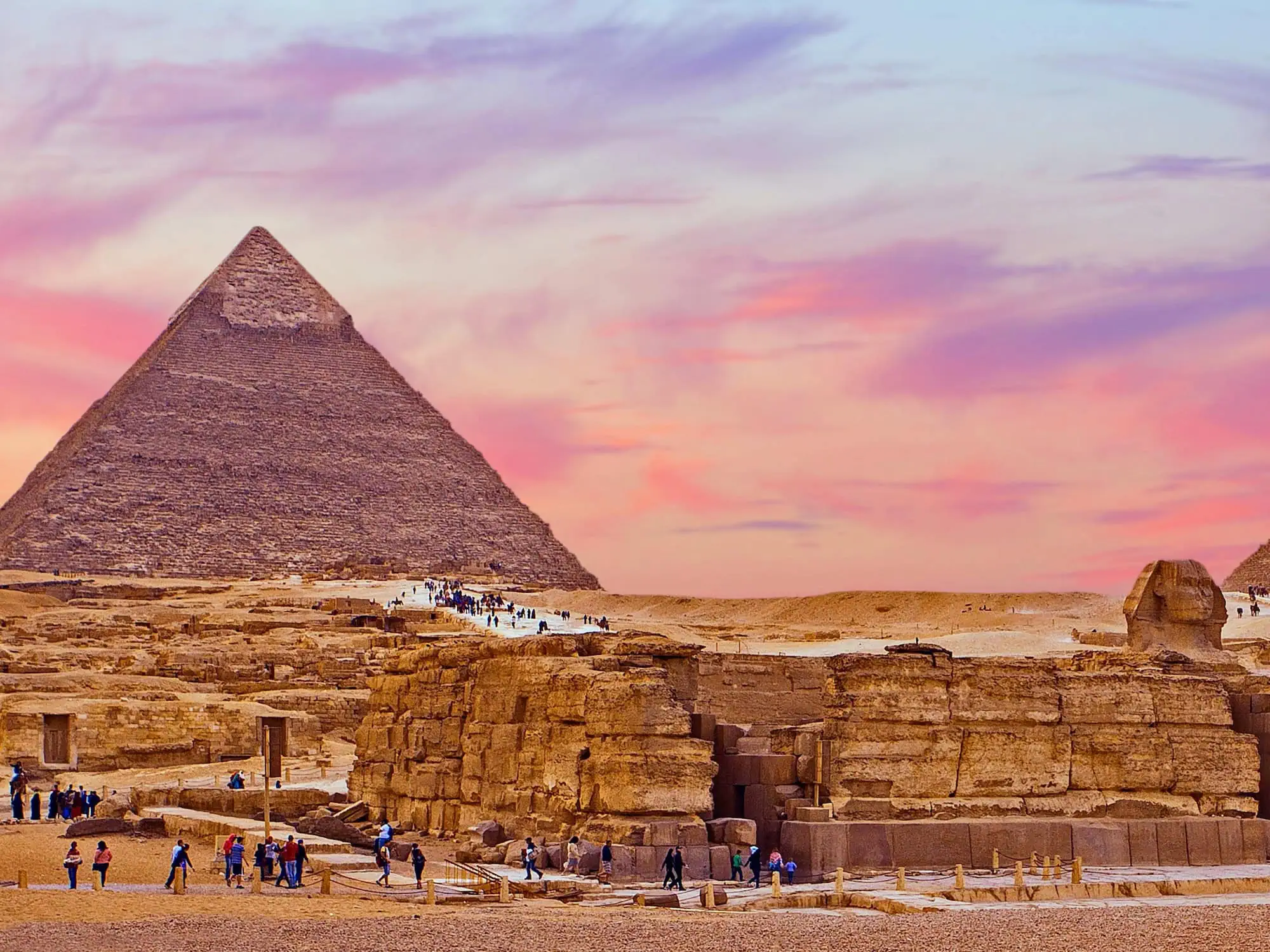
Every touring day pairs you with a qualified Egyptologist who has studied the monuments you are walking through, in clear, fluent English, with guides in Mandarin and other languages available on request. Just as valuably for many Malaysian travellers, your guide is a local who navigates daily practicalities without being asked, from where to find a good halal meal near the sites to timing the afternoon around prayers for those who wish it. Egypt starts to make sense quickly with someone like that beside you.
A Dedicated Travel Concierge and 24/7 Support
One dedicated Travel Concierge takes your trip from first enquiry to final farewell: they draft the itinerary, refine it with you, and remain your contact while you travel. With Malaysia just five to six hours ahead, your questions land in Egypt’s working day and come back answered before your evening.
Once you arrive, support runs 24/7 for the whole stay, so a delayed flight or a change of plan is resolved on the ground, immediately.
Awarded TripAdvisor Travelers’ Choice Every Year Since 2020
The TripAdvisor Travelers’ Choice award has gone to Egypt Tours Plus every year from 2020 through 2025, earned review by review from travellers who took these trips. Awards bought with advertising are easy; six consecutive years of traveller-voted recognition is not. For Malaysian visitors weighing up an operator from 7,000 kilometres away, that record answers the question that matters most: do they actually deliver? Year after year, travellers say yes.
Flights from Malaysia to Egypt: Routes and Logistics
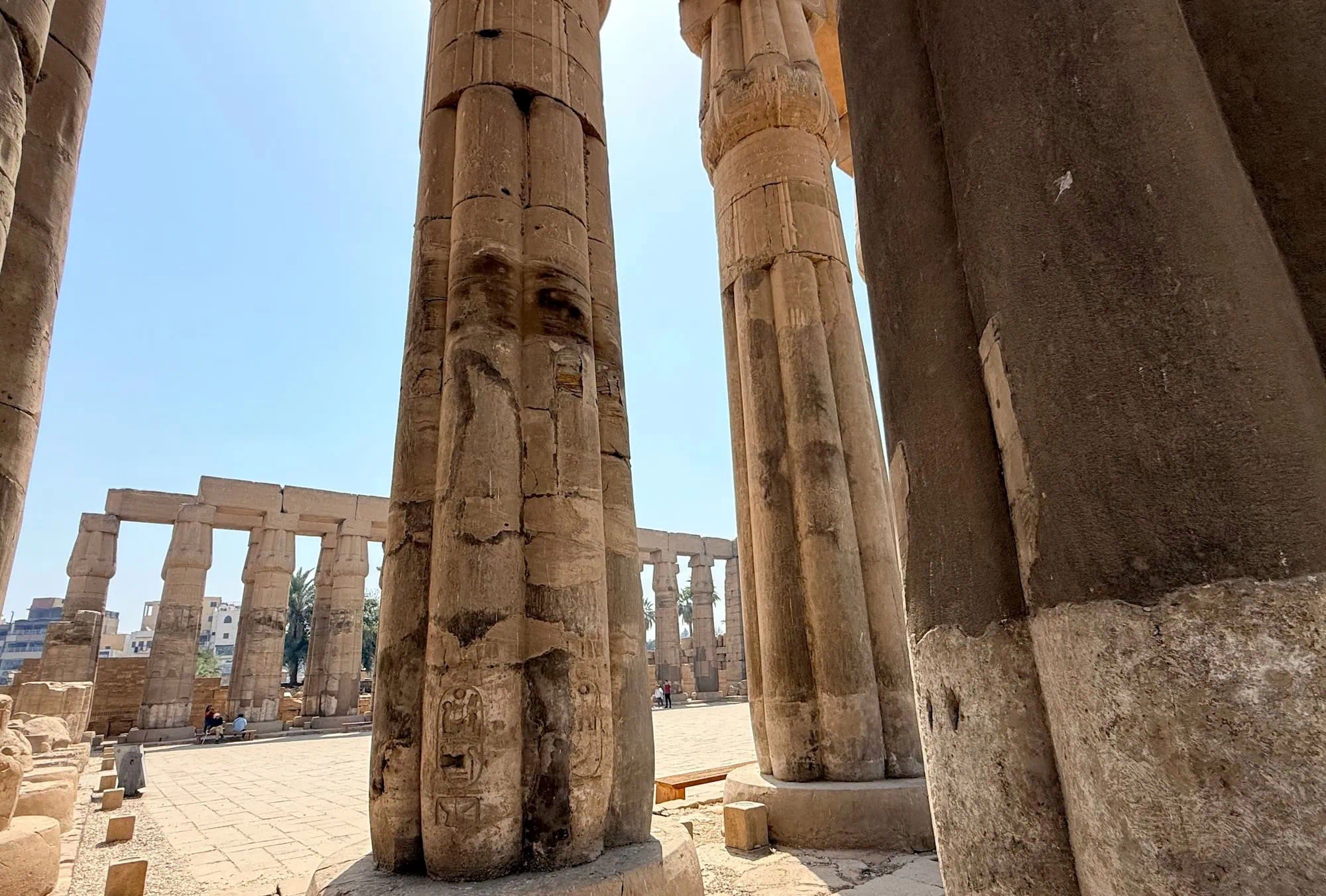
Getting from Malaysia to Egypt is a one-stop journey of around 13 to 16 hours all-in, depending on the connection. No carrier flies the route non-stop, but the choice of hubs between KLIA and Cairo is wide, the fares are competitive, and overnight departures mean most of the distance passes while you sleep. Here is how the routings stack up.
No Direct Flights from Malaysia
There are currently no non-stop flights between Kuala Lumpur and Cairo, so every routing connects once, almost always in the Gulf or Istanbul. That single stop is less of a burden than it sounds: the fastest combinations complete the journey in around 13 hours, the final leg from the Gulf into Cairo takes only three and a half to four hours, and evening departures from KLIA arrive in Cairo with most of the day ahead.
Travellers from Penang, Johor Bahru, or East Malaysia typically connect through KLIA first, though Gulf carriers’ regional links can sometimes skip the double-back.
Main Connecting Hubs and Airlines
- Doha (DOH): Qatar Airways offers among the fastest overall timings, and as a oneworld partner it pairs naturally with Malaysia Airlines feeds and Enrich members’ plans.
- Dubai (DXB): Emirates runs multiple daily departures from KLIA with a broad choice of onward Cairo timings, making it the most flexible option on dates.
- Abu Dhabi (AUH): Etihad matches the Gulf pace closely and often prices keenly.
- Istanbul (IST): Turkish Airlines swings the route north, a comfortable alternative when Gulf fares climb, with daily connections into Cairo.
- Sharjah (SHJ): Air Arabia covers the same journey at the lowest fares, around 13 hours all-in, a solid pick for travellers prioritising budget over frills.
Most pairings ticket as a single booking with luggage checked through from KLIA to Cairo, and your Travel Concierge can point you to the routing that fits your dates, while the international ticket itself is one you book directly with the airline.
Combining Egypt with Umrah
A meaningful number of Malaysian travellers pair an Egypt tour with Umrah, and the geography cooperates: Jeddah sits roughly on the way, with Saudia connecting Kuala Lumpur to Cairo through it, and short direct flights linking Jeddah and Cairo in both directions.
The pilgrimage itself runs under its own visa and arrangements with your Umrah operator, and we plan the Egypt leg to fit around it, timing your arrival in Cairo for whichever side of the journey suits.
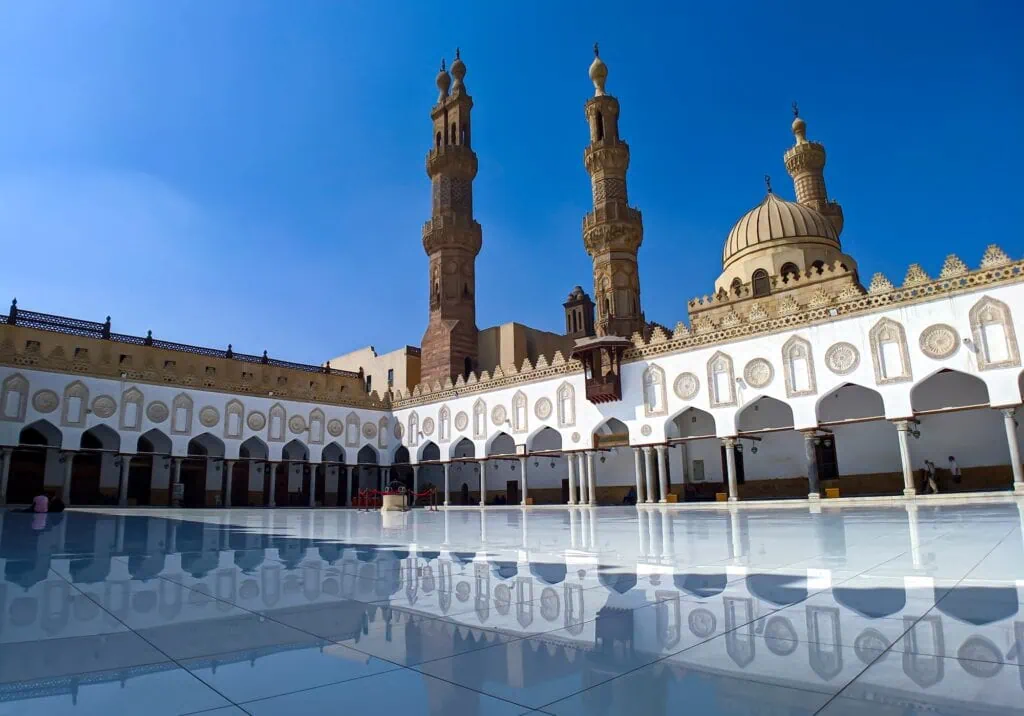
Many find that pairing deeply fitting, moving between the holy cities and the Egypt of Al-Azhar and a thousand minarets in a single journey.
Time Zone and Jet Lag
Egypt sits five hours behind Malaysia from late April to late October, during Egyptian daylight saving, and six hours behind otherwise. That is a mild gap by long-haul standards, and most travellers shake it off inside a day. It also keeps communication easy in both directions, since Egypt’s morning is Malaysia’s mid-afternoon, so neither family at home nor the office ever hears from you at strange hours. With a private itinerary, the first day can be kept deliberately light while the body clock catches up.
Routings and fares between Malaysia and Cairo move through the year, and the best connections fill early around school holidays, Hari Raya, and Chinese New Year. Confirming flights early keeps both the timing and the price on your side.
Popular Egypt Tour Package Options from Malaysia
Most journeys we plan from Malaysia grow out of one of four shapes. None of them is fixed, and all of them stretch, shrink, and combine, so treat these as the clay rather than the finished sculpture.
Classic 8 to 10-Day Egypt Tour
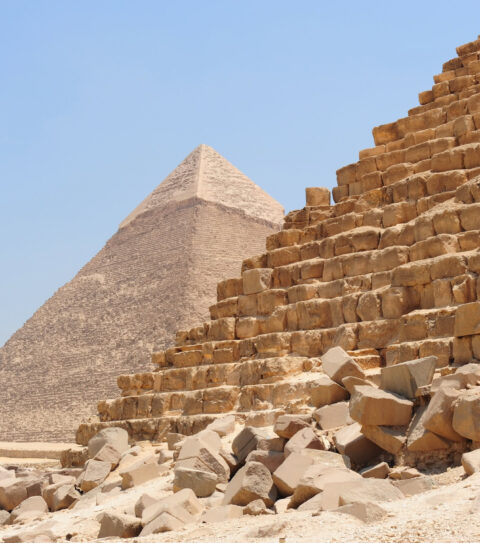
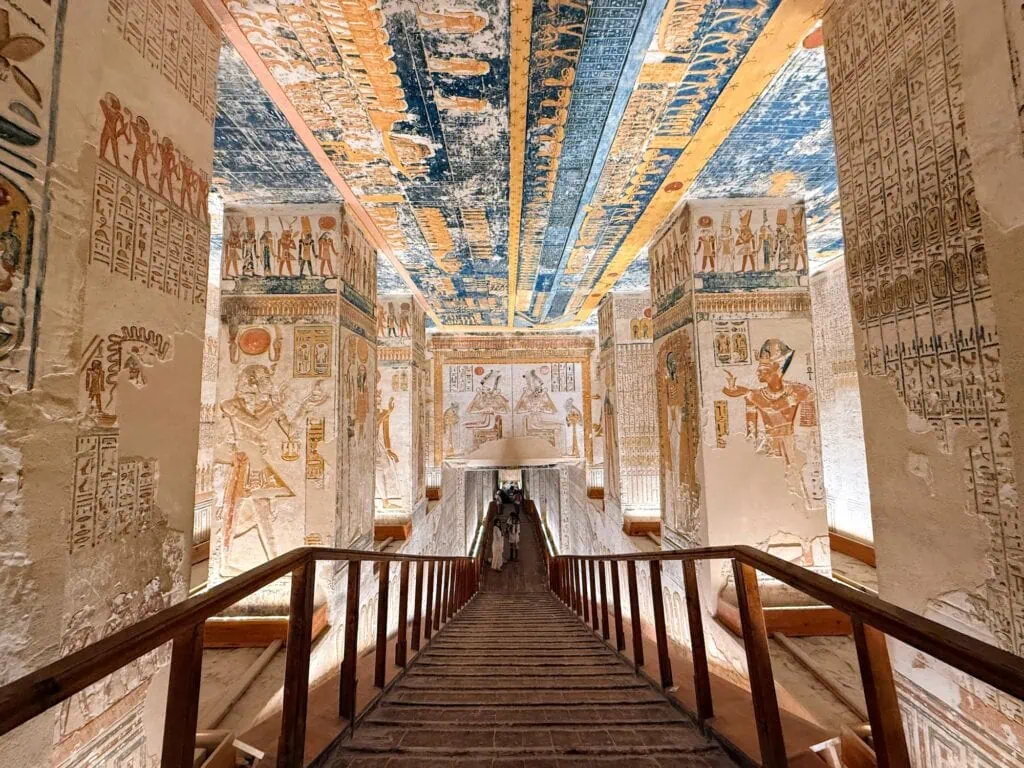
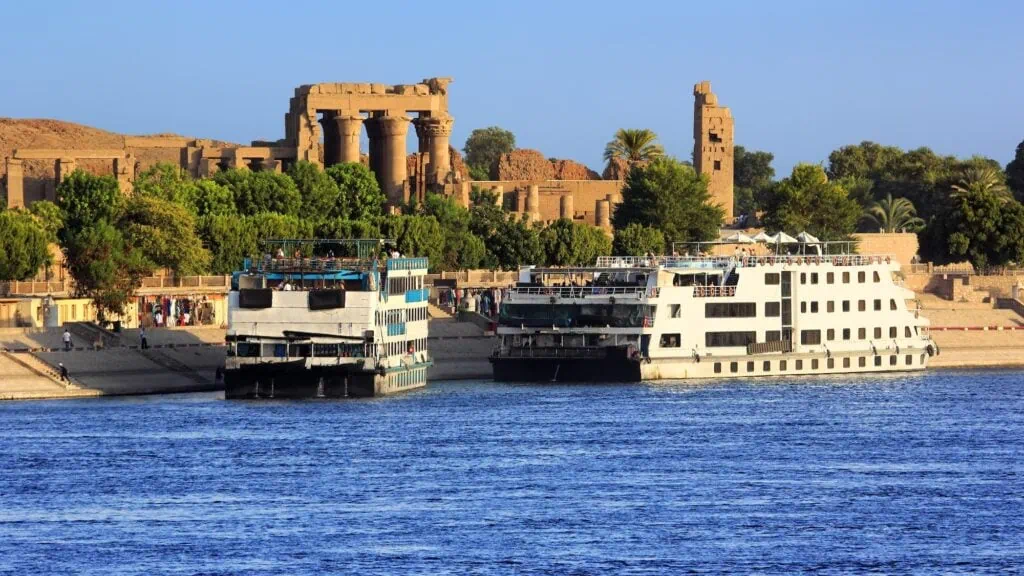
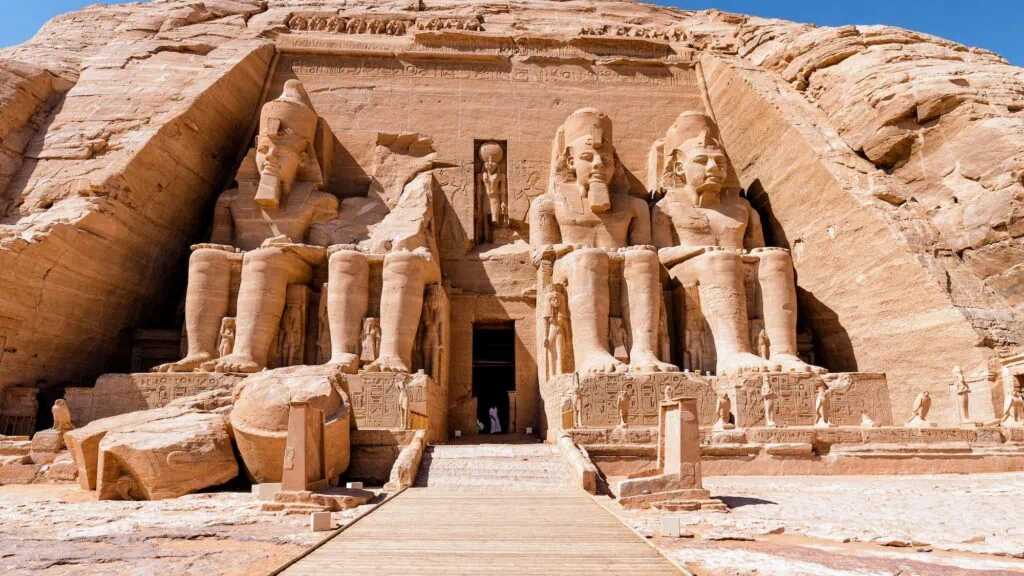
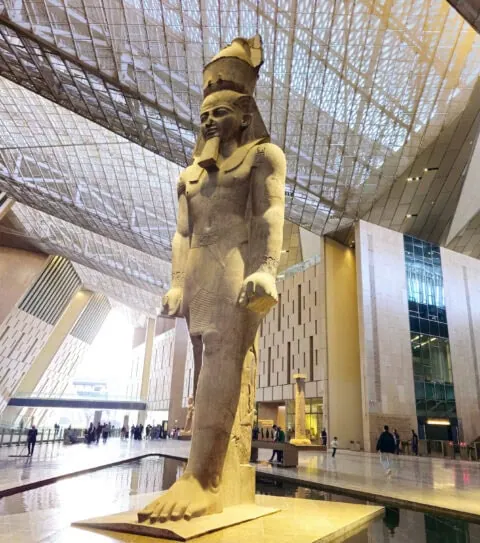
The route nearly every first-time visitor starts from: Cairo for the Pyramids and the Grand Egyptian Museum, then south to a Luxury Nile Cruise vessel sailing between Luxor and Aswan, with your private Egyptologist guide and driver through it all. It is a generous first taste of Egypt that fits a school-holiday window, and at this length Malaysian passport holders typically enter visa-free, which keeps the paperwork delightfully short. Eight days covers the essentials well; ten adds Abu Simbel or breathing room in Cairo.
Egypt Tour with Dahabiya Cruise
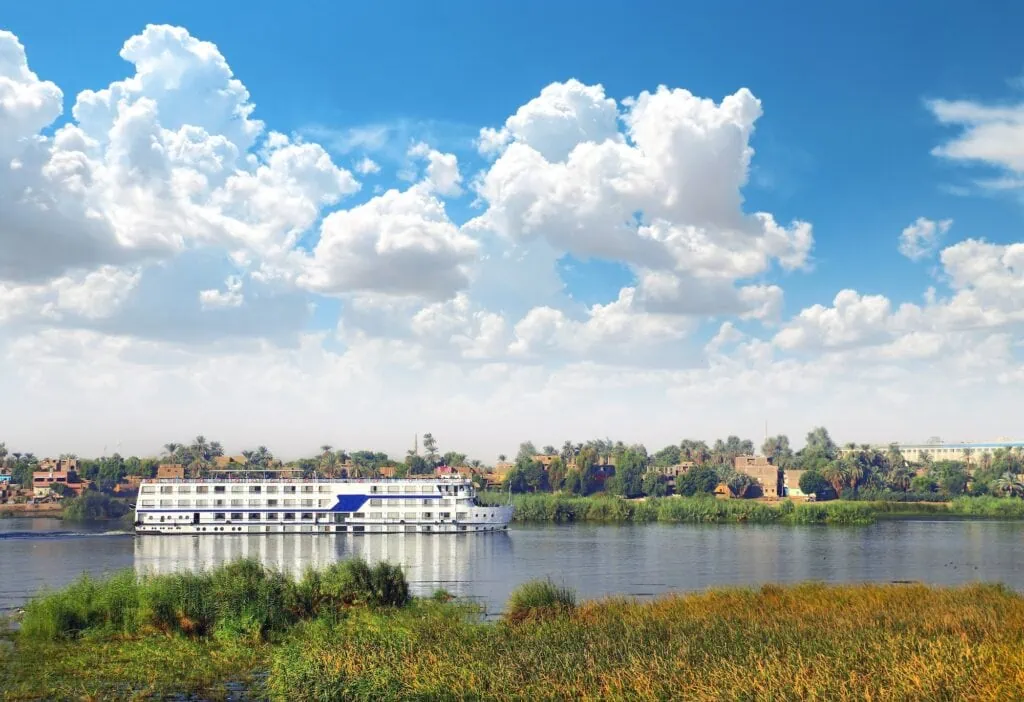
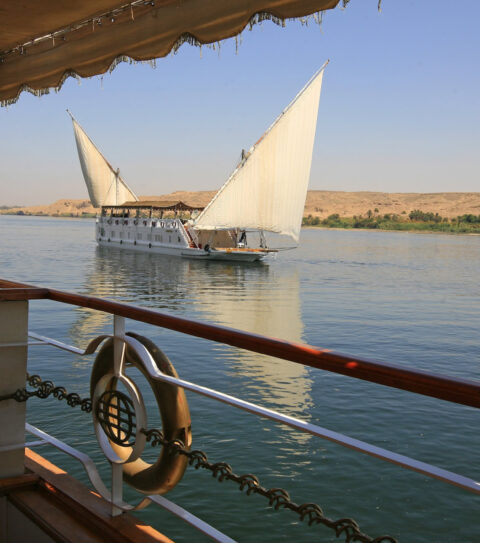
Where the Luxury Nile Cruise vessels offer five-star life on the water, a dahabiya Nile cruise offers the river itself. These twin-masted sailing boats take no more than 8 to 16 guests along the gentle stretch between Esna and Aswan, calling at islands and villages too small for the big vessels to visit. There is no engine hum, no programme of activities, just sails, current, fresh cooking, and time.

Egypt and Red Sea Combination
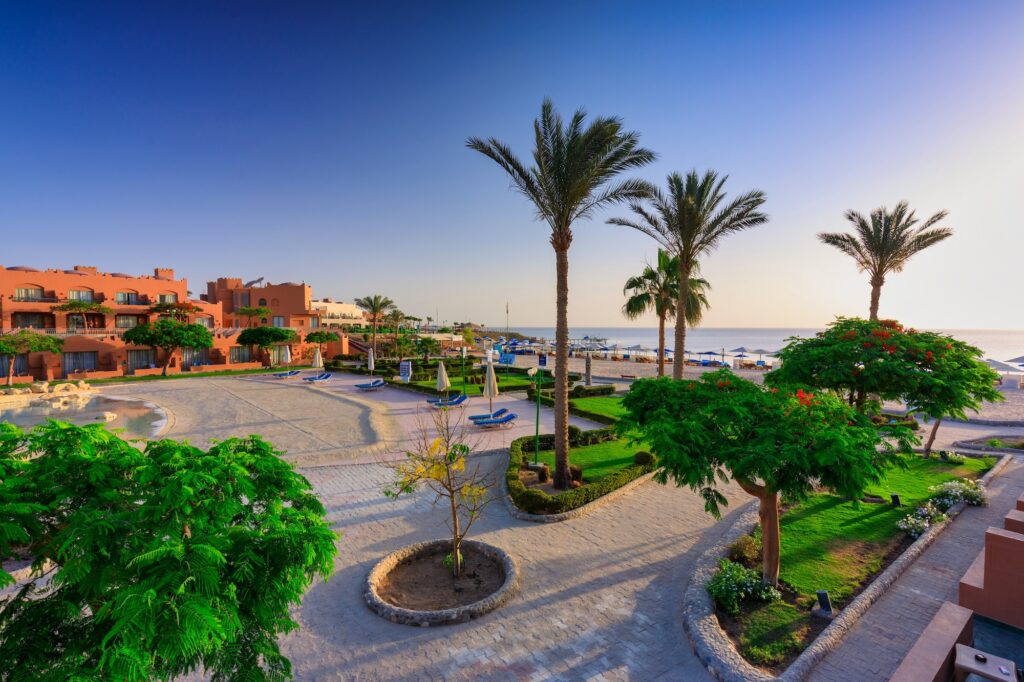
After the temples, Egypt’s Red Sea coast does the unwinding. The water is calm, warm, and so clear that snorkellers see as much as divers do elsewhere, over reefs counted among the world’s finest. Hurghada has the widest choice of resorts, Marsa Alam to the south trades crowds for pristine house reefs, and Sharm El Sheikh sets its dive sites against the bare mountains of Sinai.
Malaysian guests will find the coast easy in the practical ways too, with halal dining standard across Egyptian resort kitchens. A Red Sea finish typically brings the full itinerary to between 10 and 15 days.
Egypt with Multi-Country Extension
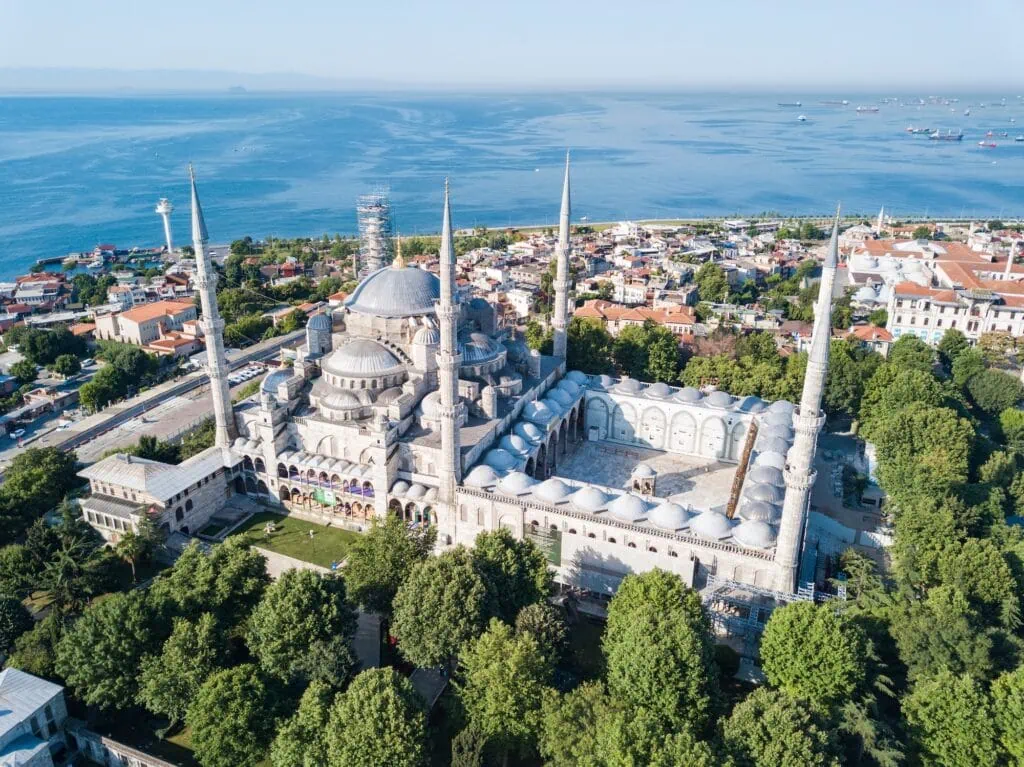
Egypt pairs naturally with its neighbours, and for Malaysians one pairing almost suggests itself: Turkey. Many KUL routings already connect through Istanbul, so breaking the journey there turns a layover city into a destination, with the Hagia Sophia, the Blue Mosque, and Cappadocia added for no extra flying logic at all.
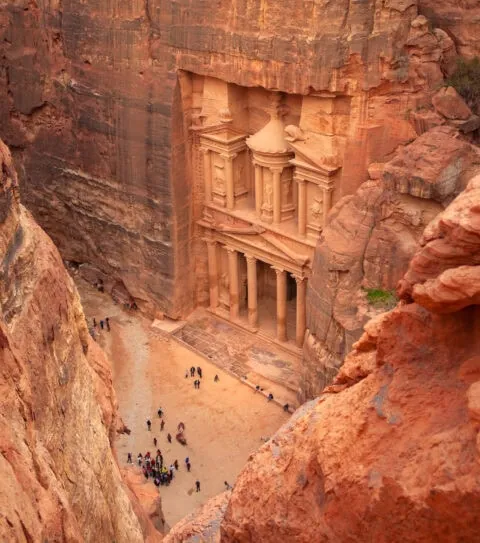
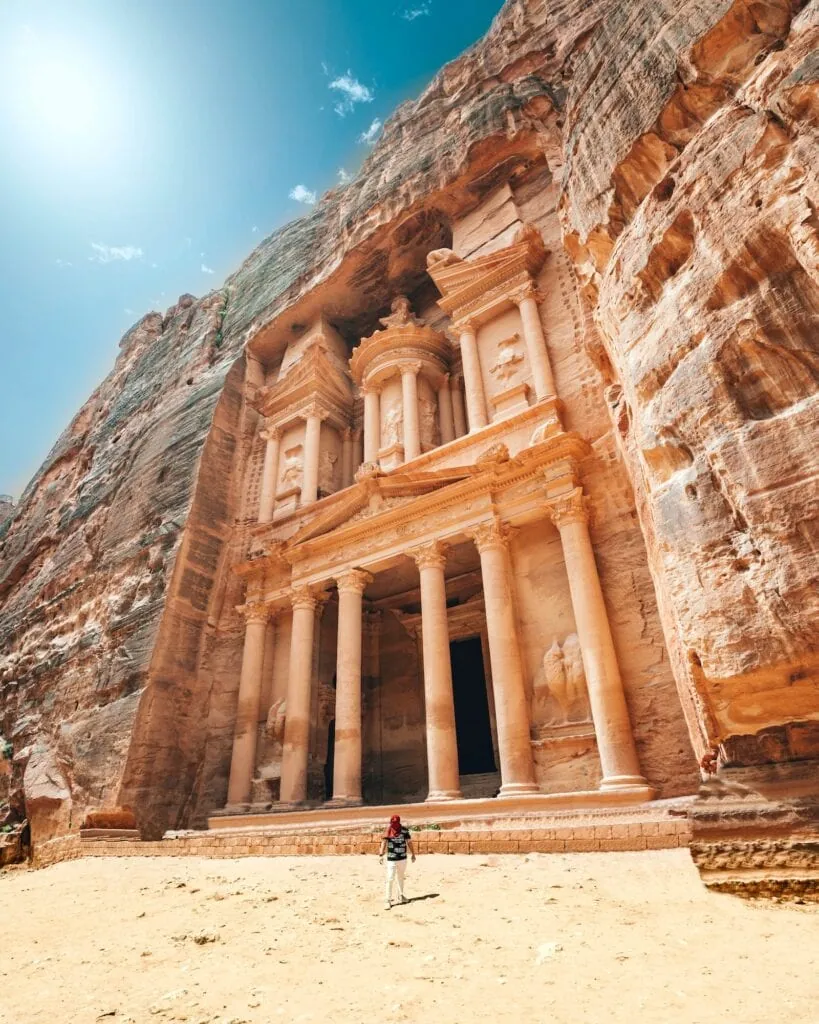
Jordan is the shortest add-on, with Petra and Wadi Rum one quick flight from Cairo, while Greece extends the ancient world across the Aegean and Dubai makes an easy modern finale. For travellers combining the trip with Umrah, the Jeddah routing covered earlier folds the journey together naturally.
Most two-country trips run 14 to 23 days, and your Travel Concierge balances the days so each country is given its due.
- Egypt and Turkey Tours
- Egypt and Jordan Tours
- Egypt and Dubai Tours
- Egypt and Greece Tours
- Egypt and Saudi Arabia Tours
Best Times to Travel to Egypt from Malaysia
Malaysia’s weather barely changes through the year, so the timing question is really about Egypt’s calendar, not yours. Egypt does have seasons, and its golden window runs October to April: dry air, daytime temperatures around 20 to 25°C, and evenings cool enough to want a light jacket, a kind of weather Malaysia simply never serves.
Conveniently, that window overlaps the long year-end school holidays, Chinese New Year, and in the coming years Hari Raya as well. Here is the year, month by month.
Peak Season: December and January
These are Egypt’s headline months: crisp mornings at the Pyramids, warm golden afternoons in Luxor, and the Nile at its most pleasant. They land squarely inside Malaysia’s year-end school break, which makes December the single most natural slot for family trips, with Chinese New Year following close behind as a second window in equally fine weather. Demand follows quality, though.
Christmas through New Year is the busiest stretch on the Egyptian travel calendar, the leading Luxury Nile Cruise vessels and hotels sell out months ahead, and CNY departures go nearly as fast. Book this period early and everything else becomes easy.
Sweet-Spot Months: October, November, February, March and April
If your dates are flexible, these months are the connoisseur’s choice: the same superb weather with thinner crowds and friendlier rates. October and November carry a bonus for Malaysian travellers, since Deepavali often creates a long weekend to build around, and late November already opens the year-end school break before the December rush.
February and March are calm, warm, and ideal for unhurried touring. With Hari Raya Aidilfitri currently falling around March, the festive break doubles as a travel window in some of Egypt’s best weather, and April holds the standard until Easter week briefly spikes demand.
A Note on Ramadan
Ramadan shifts earlier each year, and travelling in Egypt during the holy month is something Malaysian visitors are uniquely placed to appreciate. The major sites stay open, often with slightly adjusted hours that your guide plans around, daytime crowds thin noticeably, and the evenings transform: streets fill after sunset, mosques glow, and the iftar atmosphere in Cairo is unlike anywhere else on earth.
For fasting travellers, a private itinerary helps enormously, with touring paced for energy and iftar arranged wherever the day ends. For non-fasting travellers, restaurants in hotels and tourist areas serve through the day as usual.

Shoulder Season: May and September
These two months flank the summer heat and reward flexibility with real value. Cairo and the coast remain comfortable while Luxor and Aswan build toward hot afternoons, which a private tour absorbs easily: monuments in the morning, pool or sun deck after lunch. The mid-year school holidays open in late May, so families using that break often aim for its first half. September behaves the same way in reverse, cooling week by week as the month runs on.
Off-Peak: June, July and August
Egypt’s high summer is genuinely hot, regularly beyond 35°C and more in the south, and it overlaps the June school holidays. It remains very doable with the right architecture: dawn starts, the Grand Egyptian Museum and other indoor treasures through midday, air-conditioning everywhere in between, and ideally a Red Sea ending where the sea breeze and the water carry the heat. In exchange, you get the year’s lowest prices and the monuments at their emptiest. Your Travel Concierge builds summer itineraries this way as standard practice.
Egypt’s highest-demand stretches are Christmas through New Year and Easter week, with Chinese New Year and, in these years, the Hari Raya period adding strong demand from Southeast Asia. The best vessels and hotels close out four to six months ahead, so early confirmation protects choice and price alike.
How Many Days for an Egypt Tour from Malaysia?
With the flight at a manageable 13 to 16 hours each way, the length of a Malaysian Egypt trip is set by your calendar, not by the journey.
One clarification before the options: the day counts below are days in Egypt. International flights sit on top, so an 8-day tour means eight days on the ground plus a travel day at each end.
Worth knowing as you plan: Malaysian passport holders can currently enter Egypt visa-free for stays up to 14 days, which happens to cover every option here except the longest, with the full details in the practical section below.
8-Day Egypt Tour from Malaysia
Eight days delivers the essential Egypt with no corners cut: Cairo and the Grand Egyptian Museum, then the classic Nile cruise between Luxor and Aswan. With the travel days added it sits inside a ten-day block, the shape of a school-holiday window or a modest stretch of annual leave, and the whole stay falls comfortably within the visa-free limit.
Our 8-day Egypt tours show what the week holds.
10 to 12-Day Egypt Tour from Malaysia
The range most travellers land on once they look closely. Ten days removes the hurry and adds Abu Simbel or unrushed Cairo time; twelve brings a genuine second act, whether that is Red Sea days after the temples, a Lake Nasser cruise south into Nubia, or simply deeper time in each place. Still visa-free, still one straightforward booking, and noticeably more Egypt for only a little more leave.
Browse our 10-day Egypt tours and 12-day Egypt tours for the shapes this takes.
14-Day Egypt Tour from Malaysia
A full fortnight, and the last stop inside the visa-free window, opens two distinct directions. Inward: the Western Desert oases, a longer Lake Nasser cruise, and the quieter temples that shorter trips never reach. Outward: Egypt as the anchor with a neighbour added, most often Jordan, where Petra and Wadi Rum sit one short flight from Cairo. Two very different fortnights, both unhurried.
Our 14-day Egypt tours cover them both.
15+ Days: Multi-Country Routes
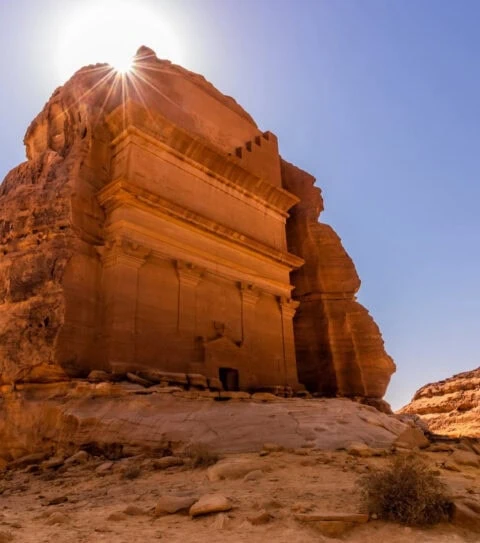
Past the fortnight, the journey becomes a small grand tour, and the e-visa that longer stays require is a quick online step your Travel Concierge will flag at the right moment. Turkey leads naturally from Malaysia, with Istanbul already on so many routings that the stopover practically asks to become a stay. Greece extends the ancient thread, Dubai adds a modern coda, and for travellers weaving in Umrah, the Jeddah leg slots into the longer itineraries best of all, and Saudi Arabia itself, with AlUla and Hegra, is an emerging pairing in its own right.
Two-country trips run 14 to 23 days as a rule, three countries longer again.
Our 15-day Egypt tours and multi-country tours show how they fit together.

Egypt Tour Package Inclusions and Pricing
When Egypt Tours Plus quotes a trip, the figure covers the whole Egypt stay, start to finish, with nothing essential left to buy later. Your hotels in the category you select, every internal flight within Egypt, the Nile cruise or dahabiya leg with full board on the water, and the heart of the service: a private Egyptologist guide on every touring day, your own driver and air-conditioned vehicle, every transfer along the way, and entry tickets to the headline monuments. Each hotel night includes breakfast, and the in-country support line answers around the clock for the duration of your trip.
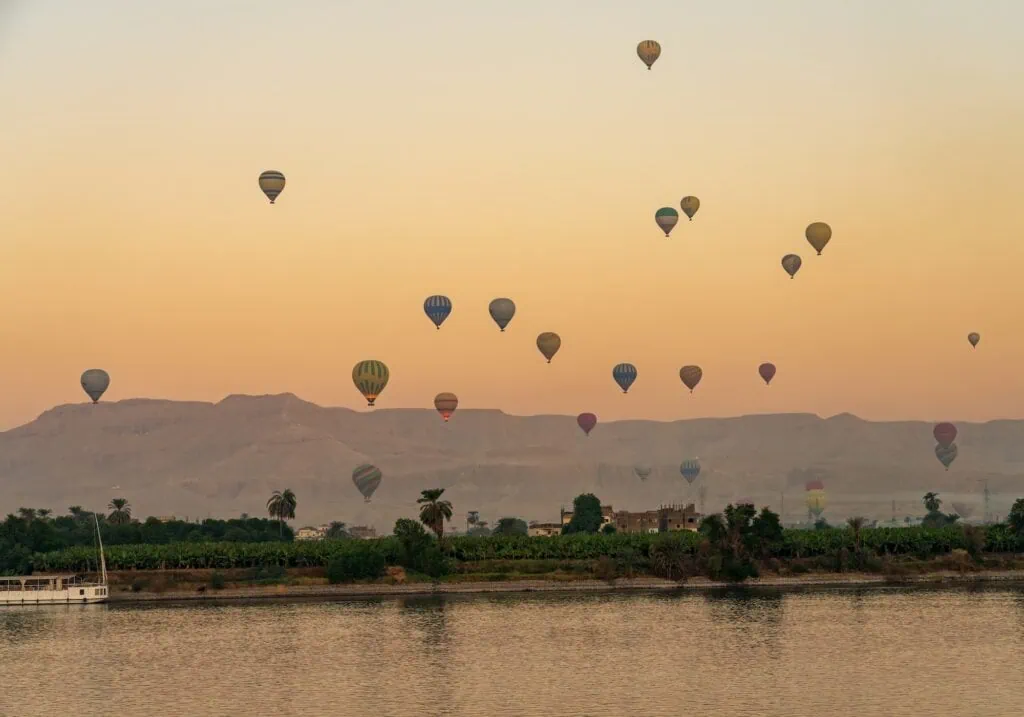
What the quote leaves out is deliberately short. International flights between Malaysia and Cairo sit with you, and beyond those, budget for travel insurance, lunches and dinners off the cruise, drinks, the customary tipping for guide, driver, and crew, and the e-visa fee (US$25) if your stay runs past the visa-free fortnight. Extras like a sunrise balloon flight over Luxor or special-entry tombs are quoted upfront when you want them, never added quietly.
What an Egypt Tour Costs
Since every itinerary is purpose-built, prices come as ranges rather than a menu. Per person per day, two sharing:
- Mid-range: US$200 to US$350 per person per day. Quality four-star hotels, a standard Luxury Nile Cruise vessel, and the complete private guide-and-driver service.
- Premium: US$400 to US$600 per person per day. Five-star properties, superior vessels or a dahabiya, and finer dining and experiences throughout.
- Luxury: US$600 to US$1,000 and up per person per day. Egypt’s finest suites and vessels, private charters, and the most exclusive access there is.
In ringgit terms, those ranges sit at roughly RM800 to RM1,450, RM1,600 to RM2,450, and RM2,450 to RM4,100 and up per person per day at recent exchange rates. The ringgit figures are orientation only, since the rate moves; your Travel Concierge prices your actual itinerary to the dollar.
Budget timing matters more than most travellers expect: over Christmas through New Year, Easter week, and the Chinese New Year and Hari Raya periods, the leading hotels and vessels run 25 to 50 percent above mid-season and sell out months ahead. The sweet-spot months earlier on this page buy the same Egypt for noticeably less.
Malaysia-Specific Practical Information
Egypt Entry Rules for Malaysian Citizens
Malaysia enjoys one of the friendliest entry arrangements Egypt offers: Malaysian passport holders can currently enter visa-free for tourist stays of up to 14 days, which covers most of the itineraries on this page with no paperwork at all.
For longer stays, an e-visa (US$25, single entry, up to 30 days) is applied for online before departure, or the same visa is available on arrival at Cairo airport. Carry a passport with at least six months’ validity beyond your dates and a blank page for the stamp.
Entry rules can change, so confirm the current arrangement when booking; your Travel Concierge will flag exactly what your itinerary needs.
Halal Dining and Prayer
For Muslim travellers, Egypt is among the easiest destinations anywhere. As a Muslim-majority country, halal food is the default rather than the exception, from hotel restaurants and cruise dining rooms to street-side koshary and grilled kofta, and your guide will know the best options near every site.
Mosques are everywhere, and prayer can be folded into the touring day wherever you wish; many visitors make a point of praying at Al-Azhar, a centre of Islamic scholarship for over a thousand years.
During Ramadan, iftar on a Nile cruise deck or in old Cairo is an experience in itself. Non-Muslim travellers will find every cuisine and convenience equally at hand.
Malaysian Embassy in Cairo
Malaysia maintains an embassy in Cairo at 10, Street 261 in the Maadi district, open Sunday to Thursday, with current contact details and consular hours published at kln.gov.my. Wisma Putra encourages Malaysians abroad to register their travel with the nearest mission, which takes minutes online.
Keep the embassy’s details saved as a precaution, though in any day-to-day matter your Egypt Tours Plus team on the ground is the faster first call.
Time Zone
Egypt runs five hours behind Malaysia during Egyptian daylight saving from late April to late October, and six hours behind otherwise. The gap is mild: jet lag usually clears within the first day, and since Egypt’s morning is Malaysia’s mid-afternoon, calls home never need odd hours at either end.
Travel Insurance for Malaysian Travellers
Travel insurance is strongly recommended, with overseas medical treatment and emergency evacuation as the essentials alongside cancellation and baggage cover. Malaysian travellers have familiar options, including Allianz Travel, AIG, Etiqa, and Tune Protect, with takaful-based plans available for those who prefer them.
If the Red Sea is on your route, check that snorkelling or diving sits inside the policy rather than as an add-on, and the same goes for desert excursions.
Credit Cards and Currency
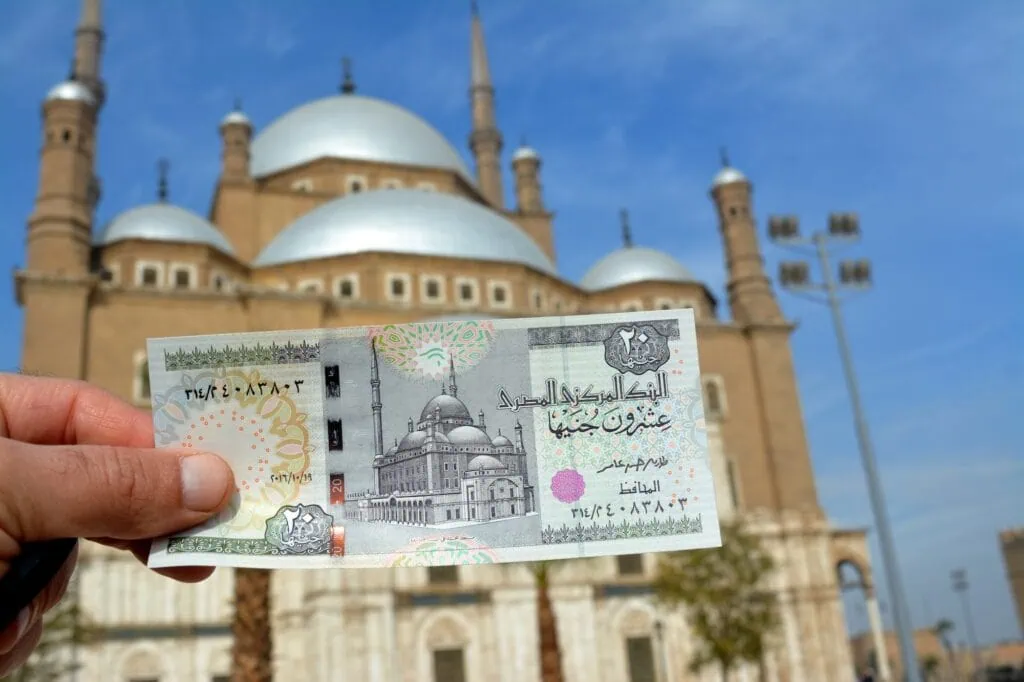
Egypt’s currency is the Egyptian pound (EGP), and daily life runs on more cash than Malaysians are used to at home, where an e-wallet covers nearly everything.
Visa and Mastercard work at hotels, established restaurants, and with Egypt Tours Plus itself, but tips, bazaars, and small purchases are cash territory, and US dollars are welcome for larger buys. ATMs are common in Cairo and the tourist centres.
There is no advantage to buying Egyptian pounds in Malaysia, as the rate is better on arrival; carrying roughly RM900 to RM1,700 per person, exchanged as you go or spent as dollars, comfortably covers tips and incidentals.
Tell your bank your travel dates so the cards stay open.
Health and Vaccinations
No vaccinations are required for entry from Malaysia, though staying current on routine immunisations is sensible, and a travel clinic can advise on hepatitis A or typhoid based on your plans.
Drink bottled or filtered water only, which hotels and cruise vessels supply as standard, and ease into street food over the first days.
Bring regular medication in original packaging for the full trip. For official guidance, check the Ministry of Health and your clinic before departure.
Phone and Internet
Maxis, CelcomDigi, and U Mobile all offer roaming passes that cover Egypt, fine for a short trip though costly over two weeks. Better value comes from an eSIM bought before you fly or a local SIM from Vodafone Egypt, Orange, or Etisalat, picked up at the airport in minutes with your passport. Hotels and cruise vessels nearly always include Wi-Fi.
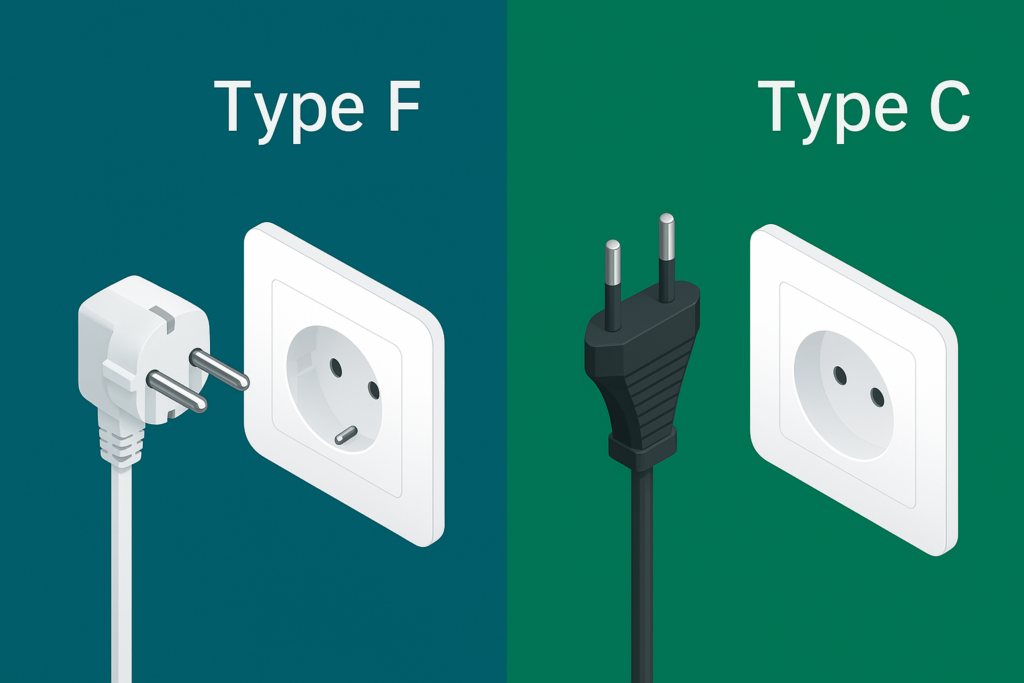
One packing note: Egypt uses Type C and F sockets at 220 volts, so Malaysian Type G plugs need a universal adapter, while your chargers themselves handle the voltage with no converter needed.
Your Egypt Tour from Malaysia, Designed Around You
Every journey we plan from Malaysia starts the same way: with what you want, not with a brochure. A year-end family trip built around the school holidays, a fortnight that adds Istanbul on the way home, a honeymoon on a dahabiya, or an Egypt leg timed around Umrah. Whatever the shape, a dedicated Travel Concierge designs it for your party alone.
Share your rough dates and what draws you to Egypt, and your first-draft itinerary arrives within 1 to 12 hours. The shaping happens together from there, usually over two to four rounds of changes, sometimes more, with nothing committed and nothing owed while we refine. The plan is only final when you are 100% happy with it.
Egypt Tours Plus has earned the TripAdvisor Travelers’ Choice award every year from 2020 through 2025 and has designed private journeys since 1955, for travellers from Malaysia and across the world.
Frequently Asked Questions
Most first-time visitors from Malaysia settle on ten to twelve days. That covers Cairo, the Grand Egyptian Museum, and a Nile cruise between Luxor and Aswan without rushing, and leaves room for Abu Simbel or a slower day where you want one.
Eight days works well too, especially inside a school-holiday window, since the flight is short enough that a compact trip still rewards the journey.
For a Red Sea finish, plan from around twelve days; for a second country such as Turkey or Jordan, fourteen and up lets both halves breathe.
No. The package covers everything inside Egypt, including all domestic flights between Egyptian cities, while the international tickets between Kuala Lumpur and Cairo are yours to book.
Most travellers prefer it that way: you choose the airline, use Enrich miles where they fit, and pick the hub timing that suits you. Your Travel Concierge will gladly point out the routings that work best for your dates.
From the moment you land, everything is arranged: transfers, hotels, your private guide and driver, the cruise, entrance tickets, and 24/7 support.
There are no non-stop flights between Kuala Lumpur and Cairo, so every routing makes one stop, usually in the Gulf or Istanbul. All-in journey times run around 13 to 16 hours.
The quickest combinations come in near 13 hours, with Qatar Airways via Doha among the fastest, Emirates via Dubai the most frequent, and Air Arabia via Sharjah the budget pick at a similar total time.
Most departures leave KLIA in the evening, so the long leg passes overnight and you reach Cairo with the day ahead of you.
For most trips, no. Malaysian passport holders can currently enter Egypt visa-free for tourist stays of up to 14 days, which covers the majority of itineraries with no paperwork at all.
For stays beyond 14 days, apply for the e-visa online before departure (US$25, single entry, up to 30 days) or obtain the same visa on arrival at Cairo airport. Your passport needs six months’ validity beyond your dates and a blank page for the stamp.
Entry rules can change, so confirm the current arrangement when you book. Your Travel Concierge flags exactly what your itinerary requires.
Egypt’s main tourist regions, Cairo, the Nile valley, Luxor, Aswan, and the Red Sea coast, are well organised for visitors, with tourist police at the major sites and millions of travellers passing through safely each year.
Our itineraries stay within these established regions and do not include North Sinai, which carries official travel warnings. Travelling privately with your own guide and driver, rather than on public transport, adds a further layer of comfort.
Check Wisma Putra’s latest advice before departure and register your trip with the Embassy of Malaysia in Cairo via kln.gov.my. Our in-country team is also reachable around the clock throughout your stay.
On land, fully private. Through Cairo, Luxor, Aswan, and everywhere else, it is your party alone with your own Egyptologist guide and personal driver: no fixed departures, no strangers, no coach.
The single exception is the Nile cruise: shore excursions from a Luxury Nile Cruise vessel run as small-group visits of around 12 guests per Egyptologist, shared with fellow passengers from your ship. Fully private excursions can be arranged at extra cost, and on a dahabiya, with 8 to 16 guests aboard, excursions feel essentially private as they are.
We draw that line clearly because it is the honest picture, and everything beyond the cruise stops runs entirely on your terms.
Egypt is five hours behind Malaysia from late April to late October, during Egyptian daylight saving, and six hours behind for the rest of the year.
That is a gentle gap for a trip of this distance. Most travellers are on local time within their first day, far quicker than adjusting to Europe.
It also makes keeping in touch simple: Egypt’s morning is Malaysia’s mid-afternoon, so a call home fits the day naturally at both ends.
October to April is Egypt’s finest stretch: dry air, days of 20 to 25°C, and evenings cool enough for a light jacket, weather Malaysia never offers, and a genuine part of the trip’s appeal.
The year-end school holidays land inside that window, making December the natural family slot, with Chinese New Year close behind and, in these years, Hari Raya falling in excellent weather too. All three are high-demand periods, so book early.
June to August is Egypt’s hottest stretch, overlapping the mid-year break. It still works well with dawn starts, indoor sites at midday, and a Red Sea finish, and it brings the year’s lowest prices.
Every itinerary is built to order, so prices come as ranges. Per person per day, two sharing: mid-range runs US$200 to $350, premium US$400 to $600, and luxury US$600 to $1,000 and up.
In ringgit, that is roughly RM800 to RM1,450, RM1,600 to RM2,450, and RM2,450 to RM4,100 per person per day at recent rates, though the exchange rate moves.
The tier mainly sets your hotel category, the cruise vessel, and how exclusive the experiences run. Your Travel Concierge prices the actual itinerary precisely in your quote.
Three to six months ahead is comfortable for most trips. It secures the hotels and cruise vessel you actually want while flights from KLIA still price well.
For the year-end holidays, Chinese New Year, Hari Raya, or Easter week, aim for six months or more, since Egypt’s best vessels and properties close out well ahead of all of them.
Shorter notice often still works, so it costs nothing to ask. Your Travel Concierge will tell you plainly what your dates allow.
Yes, without hesitation. The essentials are overseas medical treatment and emergency evacuation, alongside the usual cancellation and baggage cover.
Malaysian travellers have familiar options, including Allianz Travel, AIG, Etiqa, and Tune Protect, with takaful-based plans available for those who prefer them.
If your route includes Red Sea snorkelling or diving, or a desert excursion, check those activities sit inside the policy rather than as paid add-ons.
Yes. Malaysian-issued Visa and Mastercard are accepted for tour payment, and your Travel Concierge walks you through the secure steps when you confirm.
In Egypt, cards work at hotels and established restaurants, but daily spending leans on cash far more than at home, where an e-wallet covers everything. Tips, bazaars, and small buys are cash territory. Tell your bank your dates so the cards stay open.
Around RM900 to RM1,700 per person, exchanged into Egyptian pounds on arrival or spent as US dollars, covers tips and incidentals comfortably.
Completely: it is one of the easiest destinations in the world for Muslim travellers. Egypt is a Muslim-majority country, so halal food is the default everywhere, from hotel kitchens and cruise dining rooms to street food, with no hunting for certification required.
Prayer fits naturally into the day: mosques are everywhere, your guide can pace touring around prayer times on request, and many visitors make a point of praying at Al-Azhar. For mosque visits, modest dress applies: shoulders and knees covered, with headscarves for women inside prayer halls.
Non-Muslim Malaysian travellers will find every cuisine, drink, and convenience equally available, particularly in hotels and resort areas.
Entirely: customisation is the starting point, since every itinerary is private and built from a blank page.
From Malaysia that has recently meant Ramadan-paced touring with iftar arranged each evening, an Egypt leg timed around Umrah, photography-led routes, dive-focused Red Sea stays, honeymoons on a dahabiya, and multi-generation family trips with the pacing tuned for everyone. Istanbul and Jordan add-ons fold in just as easily.
Tell your Travel Concierge what matters most, and the trip is built around exactly that.
Design Your Custom Tour
Explore Egypt your way by selecting only the attractions you want to visit