

Gebel el Silsila – Ancient Egypt’s Monumental Sandstone Quarry
Ancient Egypt’s greatest building projects shared a remarkable secret.
For over 3,000 years, the pharaohs drew their construction materials from a single extraordinary site along the Nile. Here, at Gebel el Silsila, skilled workers carved sandstone blocks that would rise into some of history’s most magnificent temples. The quarry provided stone for Karnak Temple, Kom Ombo, and countless other monuments that still inspire wonder today. More than 100 individual quarries line both banks of the river, creating Egypt’s largest ancient stone extraction site.

Visiting this archaeological wonder requires careful planning, but the experience connects you directly to Egypt’s master builders and their incredible legacy.
Discover the ancient quarries of Gebel el Silsila as part of an unforgettable Aswan experience. From Nile-side temples to hidden archaeological gems, explore the highlights with expert-guided tours and seamless travel planning. Start your journey through Aswan’s most remarkable attractions today.
The Sandstone Capital of Ancient Egypt
Gebel el Silsila transformed Egyptian architecture forever when pharaohs shifted from limestone to sandstone construction during the 18th Dynasty.
Why Egyptian Builders Made the Switch
Traditional limestone quarries at Gebelein became exhausted by Amenhotep III’s reign. Architects needed stronger, more abundant stone for their increasingly ambitious temple projects. Sandstone offered superior durability and easier extraction than limestone, revolutionizing how monuments were built.
The transition marked more than practical necessity. Sandstone allowed for larger architectural elements and more intricate carvings. Talatat blocks, standardized units measuring 27x27x54 centimeters, emerged during Akhenaten’s period as master sculptor Bek refined construction techniques.
The Scale of Ancient Operations
Over 100 active quarries operated simultaneously at peak production periods. Workers carved extraction chambers directly into cliff faces, creating vast underground galleries. Administrative inscriptions detail the complex logistics required to coordinate thousands of laborers, transport crews, and skilled stonemasons.
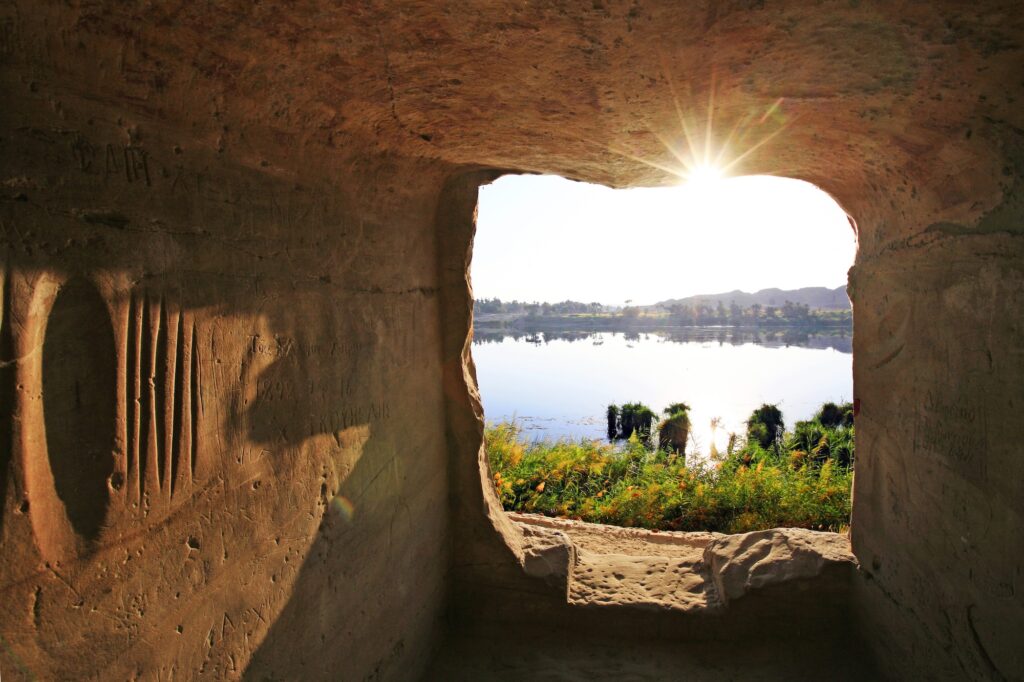
Modern archaeological surveys reveal tool marks, worker graffiti, and transport channels that illuminate daily operations. These quarries supplied building materials for projects hundreds of miles away, demonstrating the sophisticated supply chains that powered Egypt’s golden age.
Strategic River Location
The site occupies the Nile’s narrowest point between Edfu and Aswan, creating perfect conditions for stone transport. Ancient Egyptians called this location “Khenu” – the place of rowing – acknowledging its challenging navigation. Ships loaded with massive sandstone blocks required expert pilots to navigate the rocky channels safely.
This geographic advantage made Gebel el Silsila irreplaceable. No other quarry offered comparable stone quality with such efficient river access for heavy cargo transport.
Royal Temples Carved into Living Rock
Pharaohs didn’t simply extract stone from Gebel el Silsila – they carved permanent monuments directly into the quarry walls.
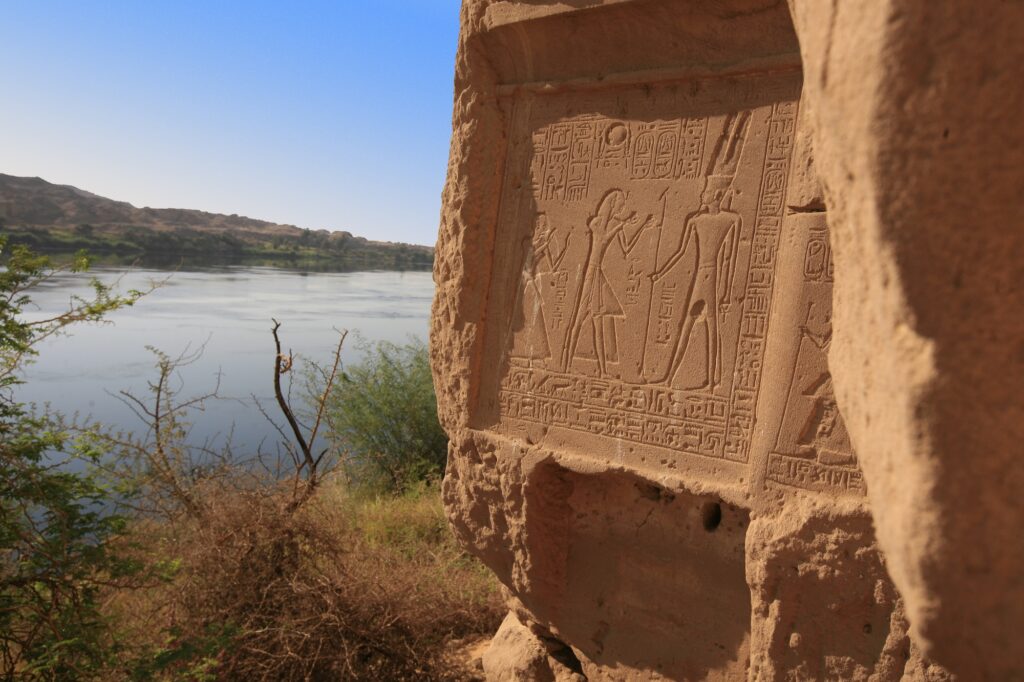
Horemheb commissioned the most impressive rock-cut temple around 1300 BCE, creating a speos dedicated to seven major Egyptian deities. The temple’s interior chambers preserve original painted reliefs showing the pharaoh making offerings to Sobek, Horus, Isis, and other protective gods. Preserved statues still occupy their original niches within the sanctuary.
Later rulers expanded these religious installations. Ramses II added his characteristic colossal monuments, while Sety I contributed administrative buildings. These weren’t temporary worker shrines but permanent royal installations that functioned for centuries.
The recently rediscovered Kheny Temple, found by archaeologist Maria Nilsson in 2012, features sophisticated astronomical ceiling paintings. Its dedication to Sobek, the crocodile god particularly revered in this Nile region, demonstrates how local religious practices influenced royal building programs. The temple’s solar orientation connects it to broader religious traditions while maintaining distinctly local character.
Life and Work in the Ancient Quarries
Daily operations required massive workforce coordination across multiple excavation sites.
Administrative Infrastructure
Thirty-two rock-cut chambers housed officials who managed quarry operations during the New Kingdom. These administrative centers controlled worker assignments, tool distribution, and transport scheduling. Inscriptions name specific officials like Djehutmose and Panehesy who supervised different aspects of the complex enterprise.
Hatshepsut and Thutmose III period records detail the bureaucratic systems that kept operations running smoothly. Quality control measures ensured consistent stone grades for different architectural applications.
Worker Communities and Conditions
Thousands of skilled craftsmen, general laborers, and transport specialists worked here during major construction campaigns. Archaeological evidence reveals permanent settlements with workshops, storage facilities, and living quarters. Worker inscriptions provide rare glimpses into their daily experiences and personal concerns.
The social hierarchy ranged from master stonemasons who selected premium blocks to boat crews who navigated treacherous river passages. Seasonal workers arrived during optimal Nile conditions when heavy transport became feasible.
Religious Life Among the Workers
Sobek worship dominated local religious practices, reflecting the site’s Nile River setting. Workers carved devotional inscriptions appealing for protection during dangerous quarrying operations. The crocodile god’s association with both fertility and danger made him particularly relevant for communities whose livelihood depended on the unpredictable Nile.
Hapi, god of the Nile flood, received special veneration through stele erected by Ramses II and Merenptah. These monuments served dual purposes – religious devotion and royal propaganda – reminding workers of their pharaoh’s divine connections.
Visiting Gebel el Silsila Today
Modern access remains challenging, making this one of Egypt’s most exclusive archaeological experiences.
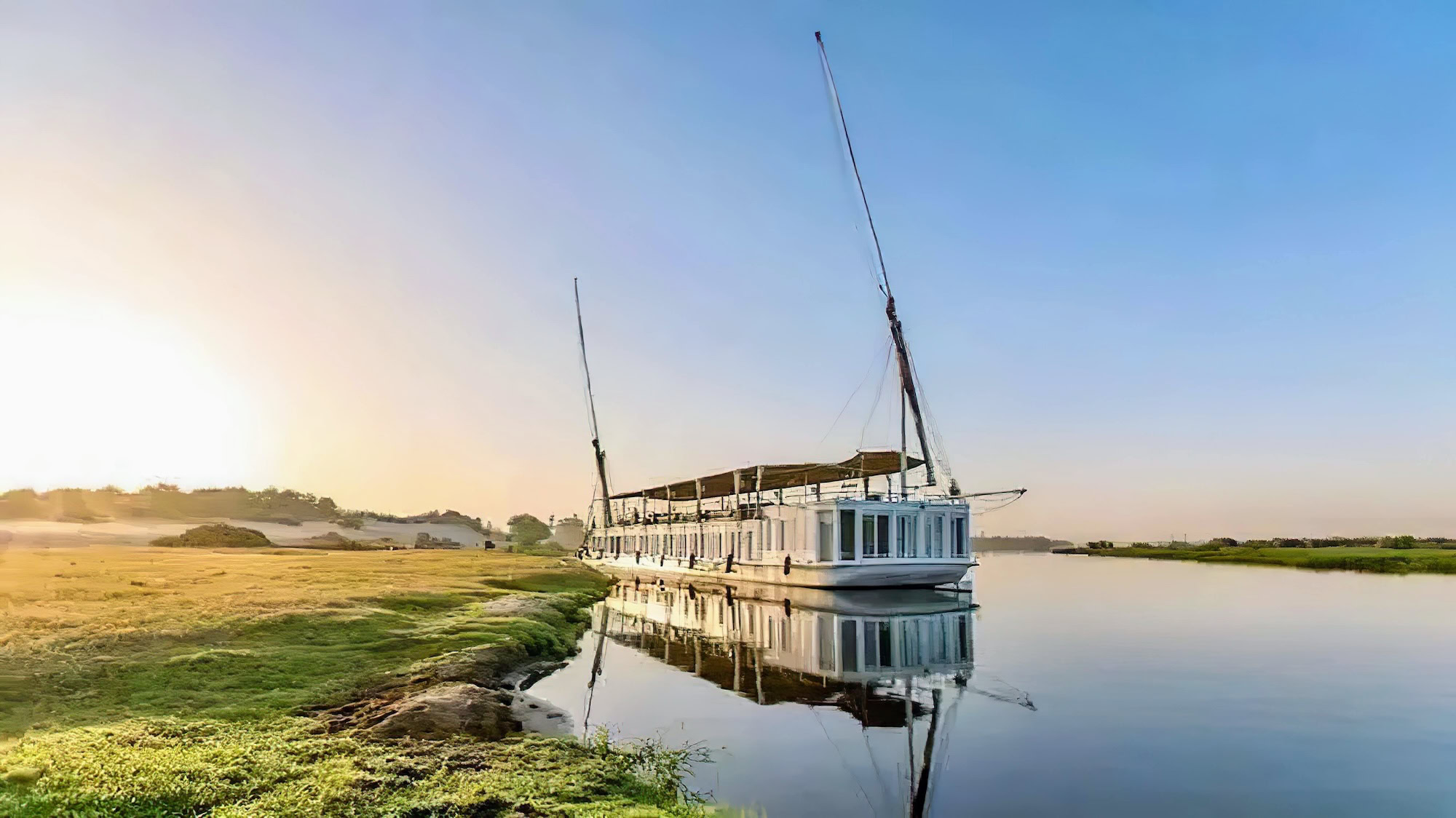
The quarries sit 26 miles south of Edfu, accessible primarily through specialized dahabiya cruises. These traditional sailing vessels offer intimate access that large cruise ships cannot provide. Standard Luxor-Aswan routes typically bypass the site, requiring dedicated planning for visits.
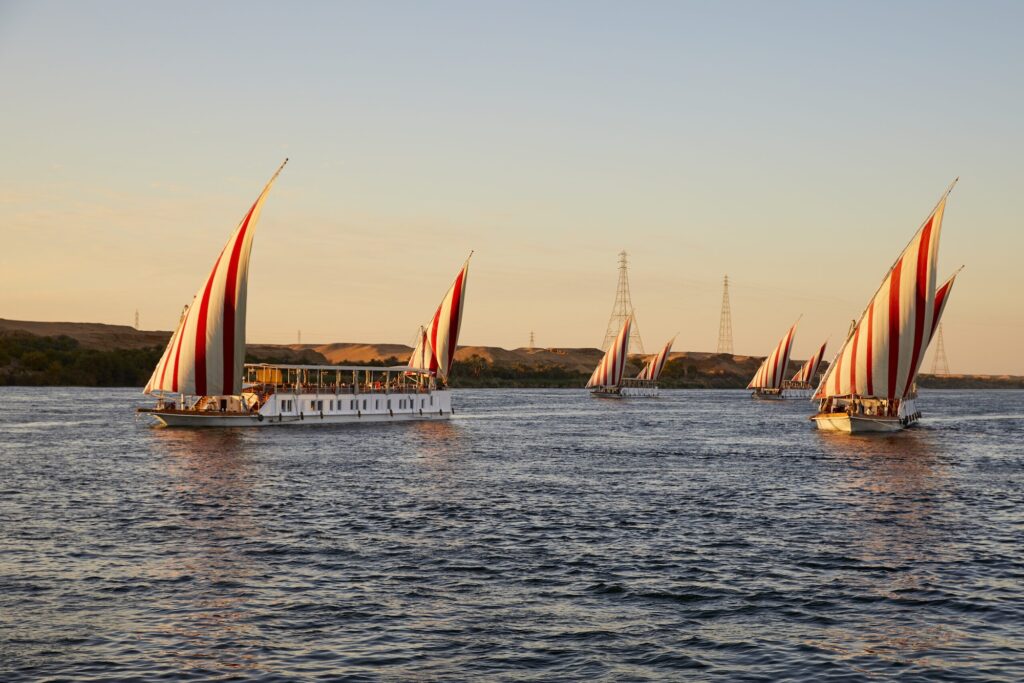
We arrange private excursions using smaller boats capable of navigating the narrow channels safely. Our experienced guides understand both the archaeological significance and practical challenges of reaching the site. River conditions determine optimal visiting times, generally from October through April when water levels favor small boat navigation.
The contrast with mainstream Egyptian tourism is dramatic. While Karnak and Luxor Temple receive thousands of daily visitors, Gebel el Silsila offers solitary exploration among monuments that shaped those famous sites. Visitors often experience complete isolation among the ancient quarries and temples.
Recent conservation efforts led by archaeologist John Ward focus on protecting fragile inscriptions and unstable rock faces. Digital documentation projects preserve details threatened by natural erosion and occasional flooding.
Archaeological Discoveries Continue
Modern technology reveals new secrets within the ancient quarry complex.
Digital Documentation Revolution
Epigraphic teams use 3D scanning and photogrammetry to record inscriptions with unprecedented accuracy. These techniques capture details invisible to earlier archaeologists, revealing previously unknown administrative texts and worker graffiti. Digital archives preserve information threatened by ongoing erosion and weathering.
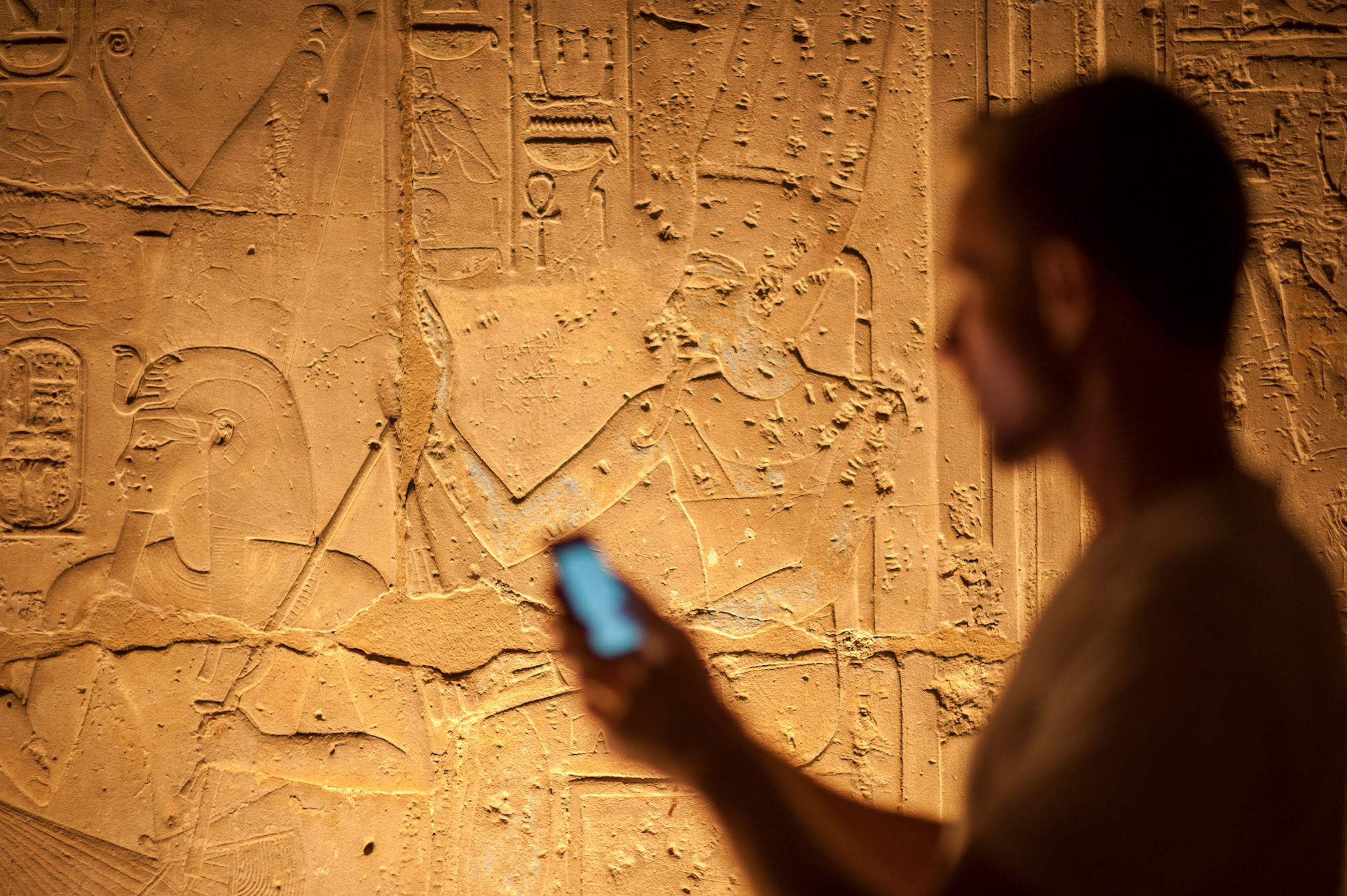
High-resolution imaging uncovers faded paintings in temple chambers that appeared blank to earlier visitors. Advanced lighting techniques reveal layered inscriptions showing how different pharaohs modified existing monuments.
Recent Temple Discoveries
The 2012 Kheny Temple discovery demonstrates how much remains hidden within the sprawling quarry complex. Ground-penetrating radar indicates additional structures buried beneath accumulated sand and debris. Systematic excavation continues revealing new chambers and installations.
Each discovery adds complexity to our understanding of the site’s long operational history. Evidence suggests continuous use from early New Kingdom through Ptolemaic periods, making this one of Egypt’s longest-operating industrial sites.
Carbon dating of organic materials found in sealed chambers provides precise chronologies for different construction phases. These scientific methods confirm historical records while revealing previously unknown periods of intensive activity.
The Legacy in Stone
Every major temple in southern Egypt bears Gebel el Silsila’s mark through its sandstone construction.
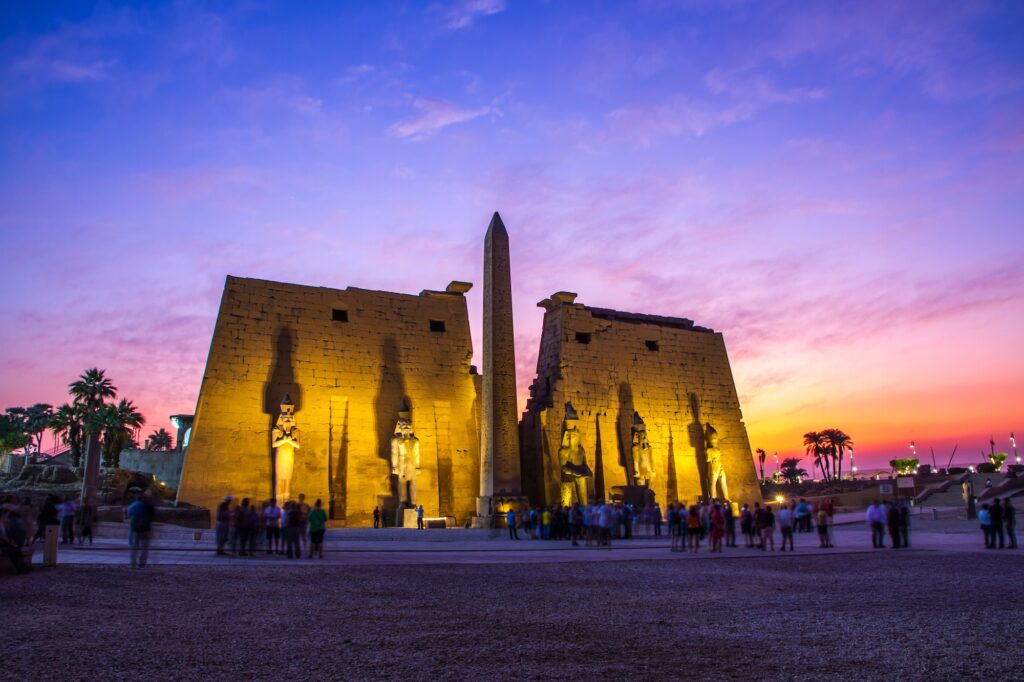
When you visit Karnak Temple, you walk among stones quarried here over 3,000 years ago. The Ramesseum’s massive columns began as raw blocks extracted from these cliff faces. Kom Ombo‘s elegant reliefs were carved from sandstone that traveled this same Nile route to reach their destination.
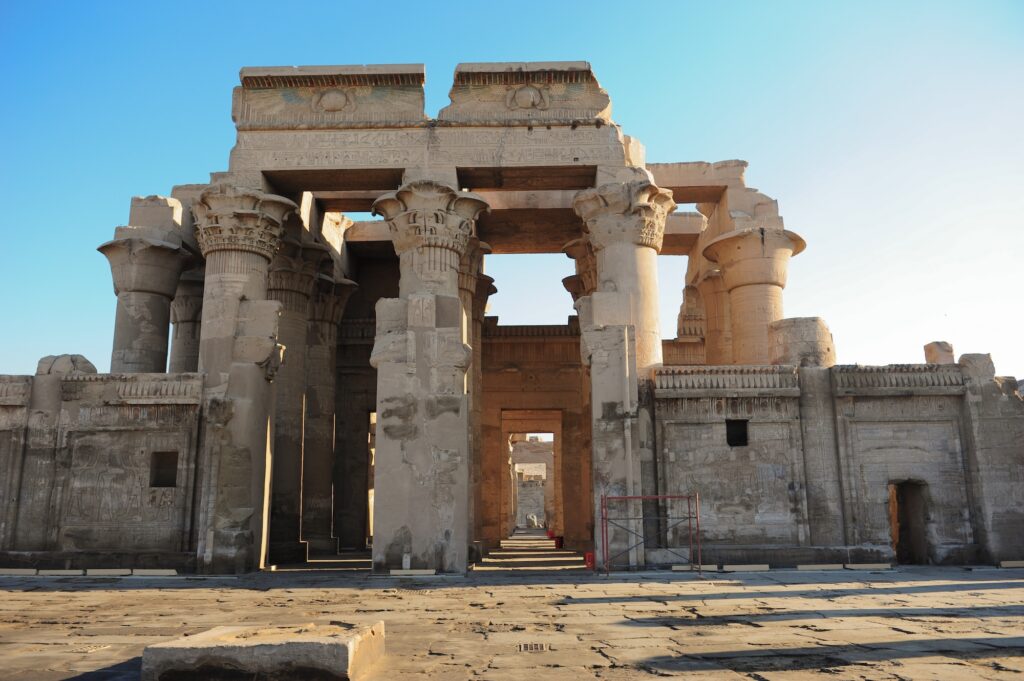
This connection transforms how we understand Egyptian monument building. Rather than isolated construction projects, temples formed part of an integrated system linking quarries, transport networks, and religious sites across hundreds of miles.
The architectural revolution that sandstone enabled shaped Egyptian temple design for over a millennium. Larger columns, more elaborate decorative programs, and grander scales became possible because of the superior building materials extracted here.
Understanding Gebel el Silsila illuminates the practical foundations underlying Egypt’s spiritual achievements, revealing how human organization and natural resources combined to create lasting monuments to divine power.
Frequently Asked Questions
How do I reach Gebel el Silsila from popular tourist destinations?
Access requires specialized transportation, typically via dahabiya sailing vessels departing from Edfu or Aswan during guided excursions.
Can I visit the quarries on a standard Nile cruise?
Most large cruise ships cannot navigate the narrow channels. Private boat arrangements or dahabiya cruises provide the only practical access.
What makes this site archaeologically significant?
Over 3,000 years of continuous stone extraction supplied materials for Egypt’s greatest temples, including Karnak and the Ramesseum.
Which pharaohs built monuments directly at the quarries?
Horemheb created the main rock-cut temple, with later additions by Ramses II, Sety I, and other New Kingdom rulers.
When is the best time to visit Gebel el Silsila?
October through April offers optimal river conditions for small boat navigation and comfortable weather for exploration.
How long does a typical visit last?
Site exploration requires 2-3 hours minimum, with full-day excursions providing comprehensive coverage of major quarries and temples.
Are the quarries still active today?
Ancient extraction ended centuries ago. The site now serves as a protected archaeological zone with ongoing research and conservation projects.
What should I expect regarding tourist facilities?
Minimal infrastructure exists. Visitors must bring water, sun protection, and sturdy walking shoes for rocky terrain exploration.
Can I see the administrative chambers mentioned in historical records?
Yes, many of the 32 rock-cut administrative chambers remain accessible, containing original inscriptions detailing quarry operations.
What wildlife might I encounter during the visit?
Nile crocodiles inhabit surrounding waters, making boat-based viewing safe while adding authentic atmosphere to the Sobek worship sites.
How do modern archaeological teams study the site?
Advanced techniques including 3D scanning, photogrammetry, and ground-penetrating radar reveal new discoveries while preserving fragile ancient evidence.
What connection does this site have to Akhenaten’s building projects?
Standardized talatat blocks developed here during Akhenaten’s reign revolutionized construction techniques used in his capital at Amarna.
Ancient Wonders of Aswan, Modern Comfort
Sail the Nile Through Aswan Like a Pharaoh


Design Your Custom Tour
Explore Egypt your way by selecting only the attractions you want to visit