

How Far is Jordan from Egypt: Distances and Travel Options
Planning a Middle Eastern adventure? Jordan and Egypt sit surprisingly close to each other.

The distance between Jordan and Egypt varies significantly depending on your starting and ending points. At their closest border crossing, these two countries are separated by just 4 km (2.5 miles) at the Aqaba-Taba crossing. However, traveling between major cities like Amman and Cairo covers approximately 375 km (233 miles), while the journey from Petra to the Giza Pyramids stretches about 300 km (186 miles).
Most travelers find crossing between these neighboring countries straightforward, with multiple transportation options available. Whether you’re planning a multi-country itinerary or simply curious about Middle Eastern geography, understanding the distances involved helps you make informed travel decisions.
Table of Contents
Distance Between Major Cities
Cairo to Amman represents the most common route for travelers moving between Egypt’s capital and Jordan’s administrative center. This journey spans approximately 375 km (233 miles) when traveling by road through the Sinai Peninsula and across the Taba-Aqaba border crossing.
Flying Between Capitals
Direct flights between Cairo International Airport and Queen Alia International Airport in Amman take roughly 1 hour and 15 minutes. Flight distances measure approximately 355 km (220 miles), making this one of the shortest international flights in the Middle East. Multiple airlines operate this route daily, including EgyptAir, Royal Jordanian, and several regional carriers.

Overland Travel Time
Driving from Cairo to Amman typically requires 6-8 hours, including border crossing procedures. The route takes you through the Sinai Peninsula, past Mount Sinai and Saint Catherine’s Monastery, before reaching the Red Sea coast at Taba.
Alternative City Combinations
Alexandria to Amman covers roughly 450 km (280 miles), while the distance from Hurghada to Petra measures about 280 km (174 miles). These alternative routes offer different perspectives on both countries’ diverse landscapes.
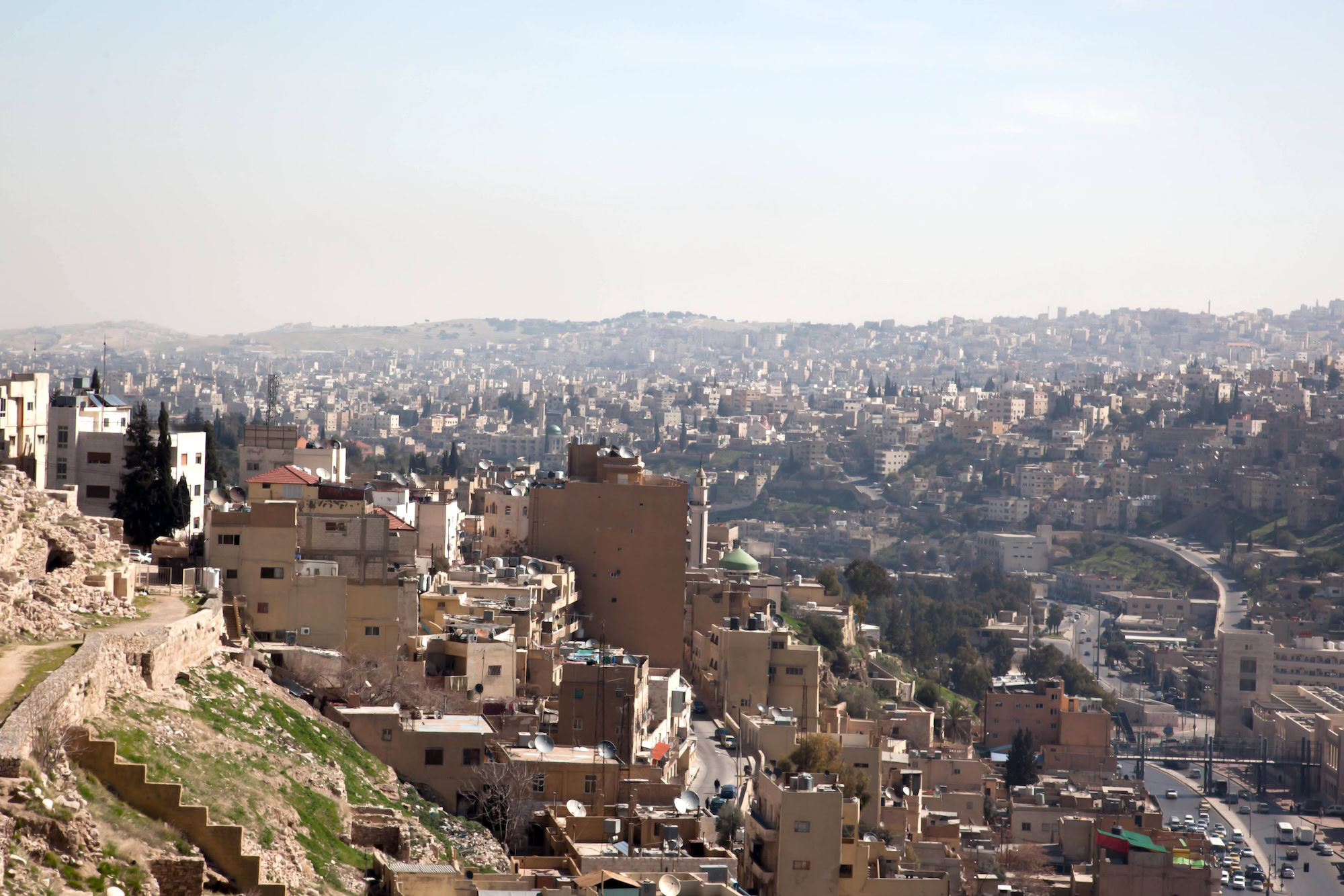
Border Crossings and Geographic Proximity
The Taba-Aqaba crossing serves as the primary gateway between Egypt and Jordan. Located where both countries meet the Red Sea, this border represents their closest point of contact at just 4 km (2.5 miles) apart.
Red Sea coastlines of both nations create a natural meeting point. Taba Beach on Egypt’s side faces Aqaba’s beaches across a narrow strip of water, allowing visitors to literally see from one country to the other. The Gulf of Aqaba extends northward, providing both countries access to this strategic waterway.

Processing Times and Procedures
Border crossing typically takes 30-90 minutes depending on season and time of day. Peak crossing times occur during morning hours (8:00 am to 11:00 am or 08:00-11:00) and early evening (4:00 pm to 7:00 pm or 16:00-19:00). Both countries require valid passports, and most nationalities need visas for entry.
U.S. citizens can obtain Egyptian visas on arrival or through e-visa systems, while Jordan offers visa-free entry for stays up to 30 days when arriving through Queen Alia Airport. Europeans typically receive similar visa arrangements, though Latin Americans and other nationalities should verify specific requirements before traveling.
Geographic Context
The shared border stretches along the northeastern tip of the Red Sea. This positioning places both countries within the same geographic region while maintaining distinct cultural and historical identities. Desert landscapes dominate both sides of the border, creating visual continuity between the two nations.

Transportation Options
Traveling between Egypt and Jordan offers several transportation methods, each with distinct advantages depending on your schedule, budget, and preferred travel style.
Bus services operate regularly between major cities, with companies like East Delta Travel Company and JETT Transport providing comfortable coaches equipped with air conditioning and reclining seats. Journey times range from 8-12 hours depending on your departure and arrival cities, including border crossing delays.
Rental cars provide maximum flexibility for exploring both countries at your own pace. International driving permits are required, along with comprehensive insurance coverage for cross-border travel. Road conditions remain generally good on major highways, though desert driving requires preparation and caution.
Ferry services connect Aqaba and Nuweiba, offering a scenic alternative to overland travel. These ferries operate several times per week, taking approximately 3-4 hours to cross the Gulf of Aqaba. Vehicle transportation is available on certain ferry services, allowing travelers to bring rental cars or personal vehicles.
Private transfers and tour operators offer door-to-door service between hotels in both countries. We arrange comfortable, air-conditioned vehicles with professional drivers familiar with border procedures and local regulations. These services eliminate the stress of navigating unfamiliar routes while ensuring smooth border transitions.
Planning Multi-Country Itineraries
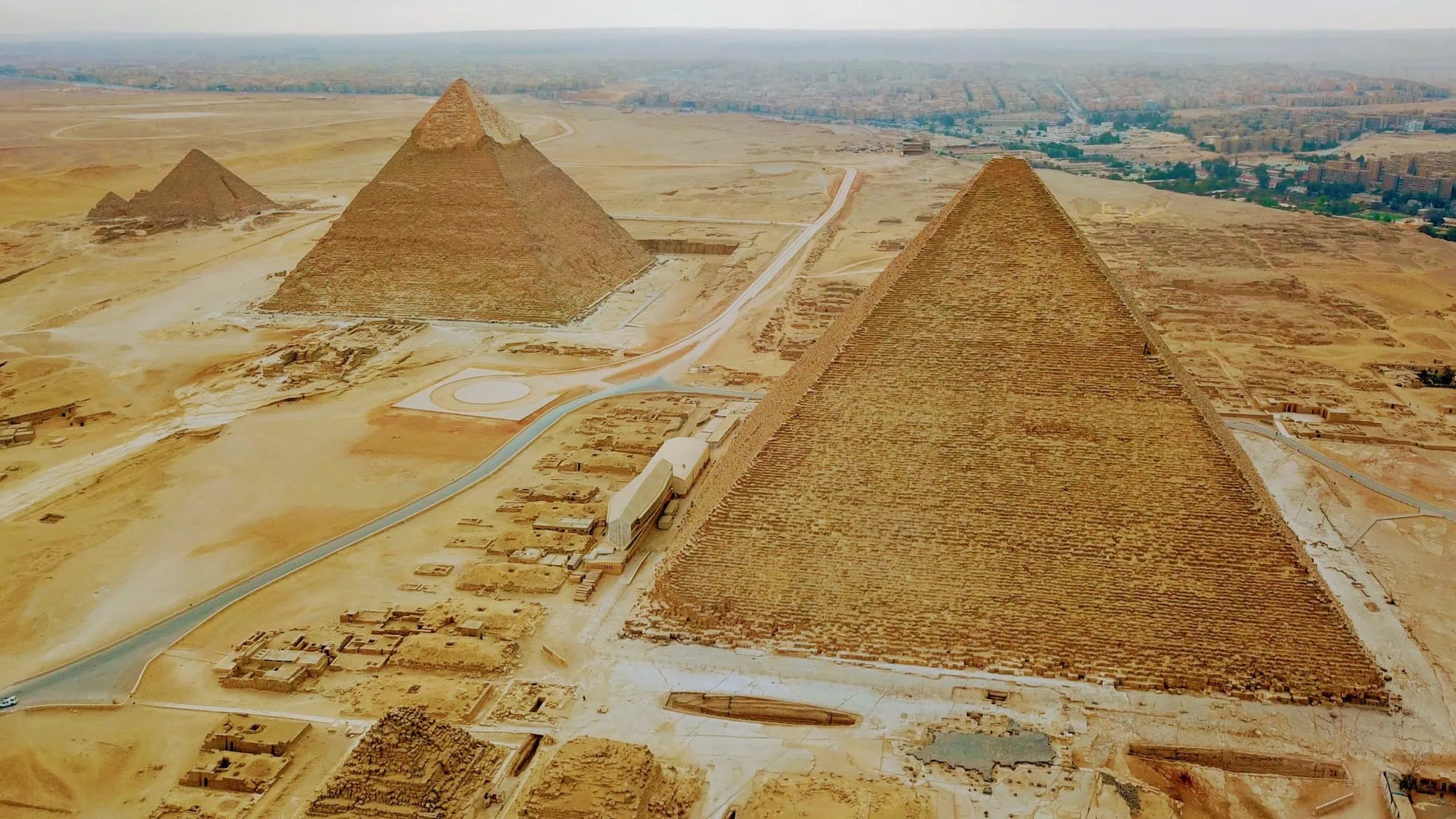
Egypt and Jordan complement each other perfectly for multi-country Middle Eastern adventures. Their proximity allows travelers to experience diverse archaeological sites, from Egypt’s pyramids and temples to Jordan’s ancient Nabataean city of Petra.
Optimal Duration Recommendations
Seven days minimum provides adequate time to explore highlights in both countries. Ten to fourteen days allows for more comprehensive experiences, including time for relaxation along the Red Sea coast. Extended three-week itineraries accommodate deeper cultural immersion and off-the-beaten-path discoveries.
Most successful multi-country itineraries begin in Cairo, allowing travelers to experience Egypt’s capital and nearby Giza Pyramids before heading south through the Nile Valley. Luxor and Aswan showcase ancient Egyptian temple complexes and provide opportunities for Nile cruise experiences.
Crossing Into Jordan
From Aswan, travelers typically return to Cairo or fly directly to Jordan, though overland routes through the Sinai Peninsula offer scenic desert landscapes. Once in Jordan, Amman serves as an excellent base for exploring nearby attractions like the Roman ruins at Jerash or the Byzantine mosaics in Madaba.
Petra requires at least two full days for proper exploration, while Wadi Rum desert offers unique camping experiences under star-filled skies. The journey from Petra to Wadi Rum covers approximately 115 km (71 miles), taking about 1.5 hours by car.
Logistical Considerations
Currency exchange becomes important when crossing borders, as Egypt uses pounds while Jordan operates with dinars. ATMs are widely available in both countries, though having some cash on hand helps with border fees and small purchases.
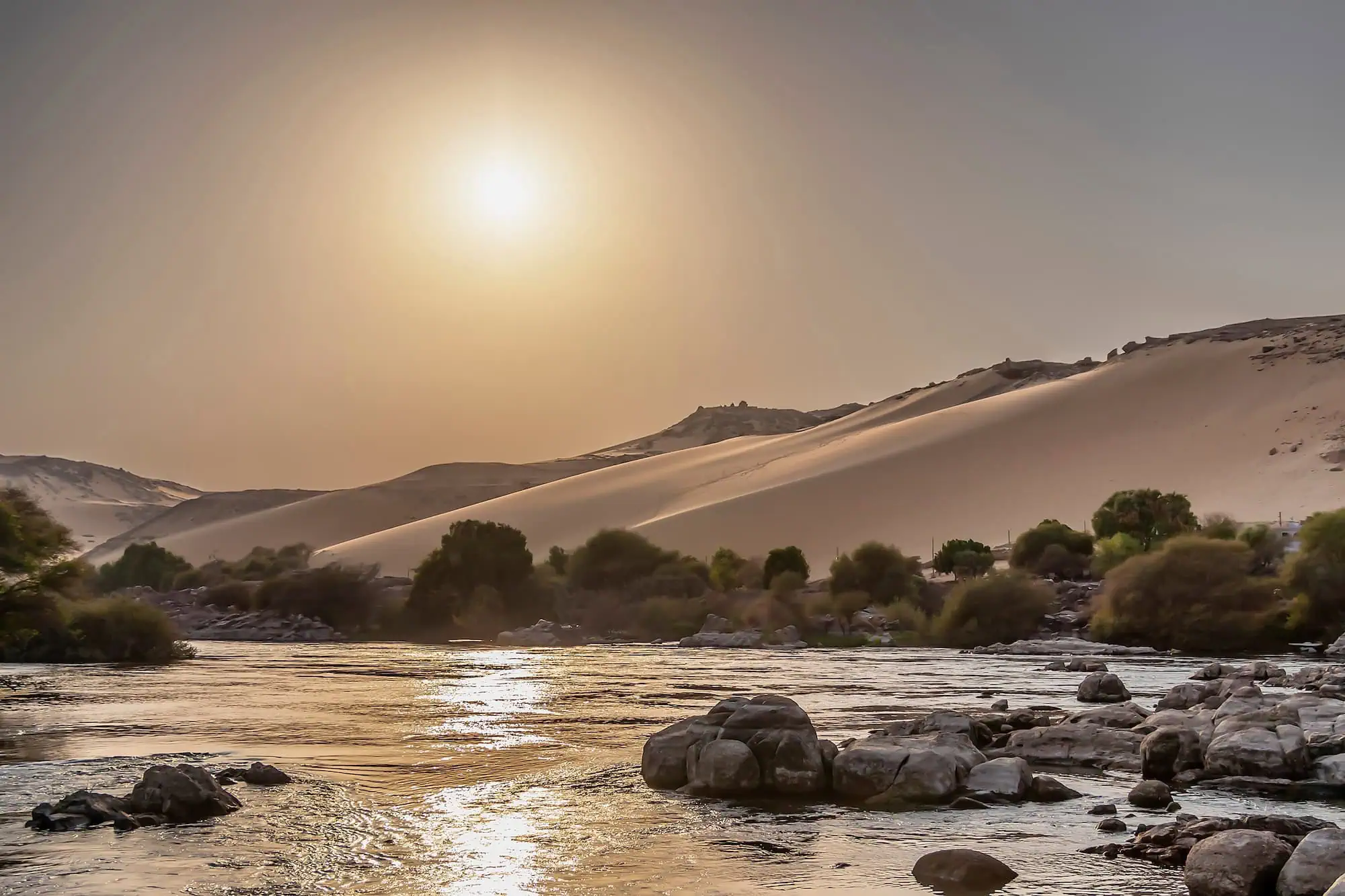
Climate variations between regions affect packing decisions. Egypt’s Nile Valley can be significantly hotter than Jordan’s higher elevation areas around Amman, where temperatures drop notably during winter months. Red Sea coastal areas in both countries maintain warm temperatures year-round, perfect for beach activities and water sports.
Cultural and Historical Connections
Ancient trade routes connected Egypt and Jordan for millennia, creating lasting cultural exchanges between these neighboring civilizations. The Nabataeans who built Petra maintained extensive trading relationships with Egyptian merchants, facilitating commerce in frankincense, spices, and precious goods.
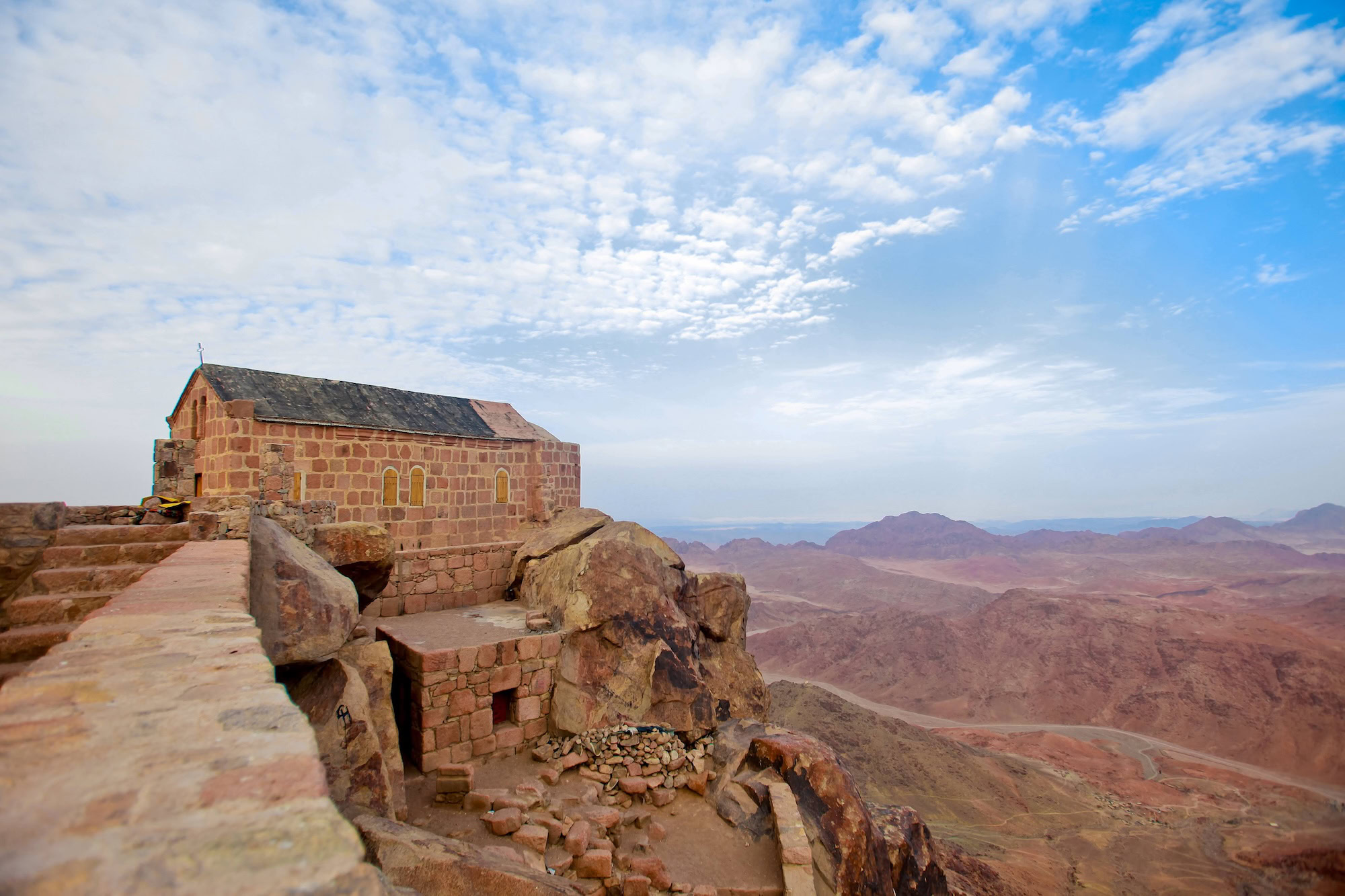
Biblical connections link both countries through shared religious heritage. Moses reportedly received the Ten Commandments on Mount Sinai in Egypt’s Sinai Peninsula, while Mount Nebo in Jordan offers views of the Promised Land. These sites attract pilgrims from around the world seeking spiritual experiences.
Archaeological evidence reveals continuous interaction between ancient Egyptian and Jordanian cultures. Egyptian artifacts discovered in Jordan demonstrate trade relationships, while Jordanian influence appears in certain Egyptian archaeological sites. This historical interconnection enhances the experience of visiting both countries together.
Modern diplomatic relations between Egypt and Jordan remain strong, facilitating easier travel procedures and promoting tourism cooperation. Both countries recognize the mutual benefits of encouraging visitors to explore their shared heritage and complementary attractions.
Frequently Asked Questions
Driving from Cairo to Amman typically takes 6-8 hours under favorable conditions, including the Taba-Aqaba border crossing and necessary rest stops. The route combines highway driving across Egypt’s Sinai Peninsula with entry into Jordan near Aqaba before continuing north toward Amman. Actual travel times vary depending on border processing, traffic, and transportation arrangements. Travelers should allow extra time during holidays and peak tourism periods when crossings can become busier.
The shortest distance between Egypt and Jordan is approximately 4 km (2.5 miles) across the Gulf of Aqaba near the Taba-Aqaba border region. This narrow stretch of water separates Egypt’s Sinai Peninsula from Jordan’s Red Sea coastline. Although geographically close, travelers still need to complete border and immigration procedures when crossing between the two countries. The proximity makes combining Egypt and Jordan in a single itinerary both practical and popular.
Yes, direct flights operate regularly between Cairo International Airport and Amman’s Queen Alia International Airport, with flight times typically around 1 hour and 15 minutes. Several airlines serve this route throughout the year, making it the fastest way to travel between Egypt and Jordan. Direct flights eliminate border-crossing logistics and are especially useful for travelers with limited time. Booking several weeks in advance often provides the best fares and schedule options.
Visa requirements for Egypt and Jordan are separate, and travelers should verify eligibility based on their nationality before departure. Egypt generally requires a tourist visa for most visitors, while Jordan offers visa-free entry or visa-on-arrival access for many nationalities arriving through Queen Alia International Airport. Requirements can change, so checking official government sources before travel is essential. Ensure your passport has sufficient validity, typically at least six months beyond arrival.
Yes, the main travel routes between Egypt and Jordan are generally considered safe, with modern highways connecting major destinations and border crossings. Travelers driving through desert regions should ensure their vehicle is in good condition and carry water, fuel, and navigation tools. Border procedures are straightforward when documentation is prepared correctly. Many visitors prefer organized transfers or private drivers to simplify logistics and reduce travel-related stress.
Flying is generally the fastest and most efficient way to travel between Petra and the Pyramids of Giza, particularly via Aqaba and Cairo. The journey combines a short transfer from Petra to Aqaba with a direct or connecting flight to Cairo. Overland travel is possible and offers views of desert landscapes, but it requires significantly more time. Travelers with limited vacation days usually find air travel the most practical option.
Travelers should generally allow between 30 and 90 minutes for border formalities between Egypt and Jordan, although processing times can occasionally be longer. Factors such as public holidays, group arrivals, and seasonal demand influence waiting times. Having visas, passports, and supporting documents ready can speed up the process considerably. Morning crossings are often smoother than peak midday periods when passenger volumes tend to be higher.
Yes, bus services connect Egypt and Jordan, with journey times typically ranging from 8 to 12 hours depending on the route, border procedures, and ferry schedules. These services are a budget-friendly alternative to flying and are commonly used by regional travelers. However, they require more flexibility and patience than air travel. Travelers prioritizing convenience and time efficiency usually prefer flights between Cairo and Amman.
Egypt uses the Egyptian pound (EGP), while Jordan uses the Jordanian dinar (JOD), so travelers should be prepared to use both currencies during their trip. Credit cards are widely accepted in major hotels, restaurants, and tourist sites, but cash remains useful for tips, taxis, and smaller purchases. ATMs are readily available in Cairo, Amman, Aqaba, Luxor, and Petra. Carrying a small amount of local currency in each country is recommended.
Yes, ferry services operate between Nuweiba in Egypt and Aqaba in Jordan, crossing the Gulf of Aqaba in approximately 3-4 hours. Ferry schedules vary throughout the year and can be affected by weather conditions, operational changes, and seasonal demand. This route provides an alternative to flying and allows travelers to experience both countries overland. Advance schedule confirmation is advisable before planning a ferry-based itinerary.
The distance between Luxor and Petra is approximately 450 km (280 miles) in a straight-line measurement, although actual travel distances are considerably longer due to road networks, border crossings, and transportation routes. Most travelers combine flights, road transfers, or ferry services to complete the journey efficiently. Because the route crosses international borders, travel time matters more than geographic distance when planning an itinerary.
Yes, some international rental companies offer cross-border vehicle arrangements between Egypt and Jordan, provided travelers obtain the required permissions, insurance, and documentation. Availability varies by company, vehicle type, and border crossing location. Additional fees often apply for international travel and insurance coverage. Because procedures can be complex, many visitors choose private transfers or organized tours instead of self-driving between the two countries.

Design Your Custom Tour
Explore Egypt and Jordan your way by selecting only the attractions you want to visit