Is It Safe to Visit Cairo Egypt?
Tourism in Egypt continues despite international concerns.
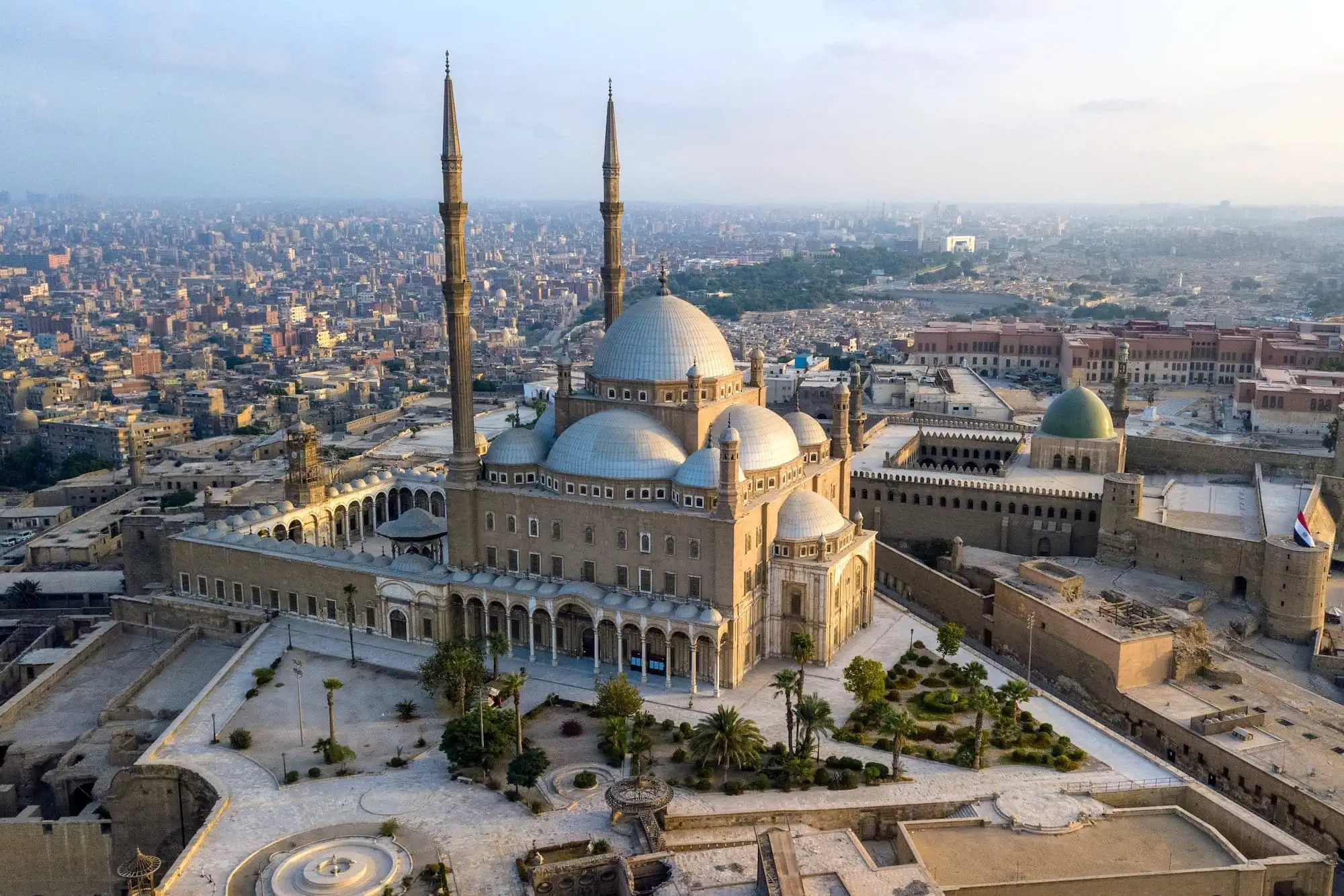
Official government advisories paint a cautious picture, yet millions of travelers explore Cairo and surrounding areas each year without incident. The reality sits somewhere between media headlines and tourist board promotions, requiring a balanced understanding of actual conditions on the ground. Travel experts consistently report that tourist areas maintain enhanced security protocols, while personal experiences vary significantly based on preparation and awareness.
We’ve analyzed current security assessments, traveler reports, and regional developments to provide you with practical insights for planning your Cairo visit safely and confidently.
Table of Contents
Understanding Current Security Classifications
The US State Department maintains a Level 2 advisory for Egypt, recommending increased caution primarily due to terrorism concerns and crime in certain areas. This classification sits between the lowest advisory level and more restrictive warnings, indicating manageable risks with proper precautions.
Regional Risk Variations
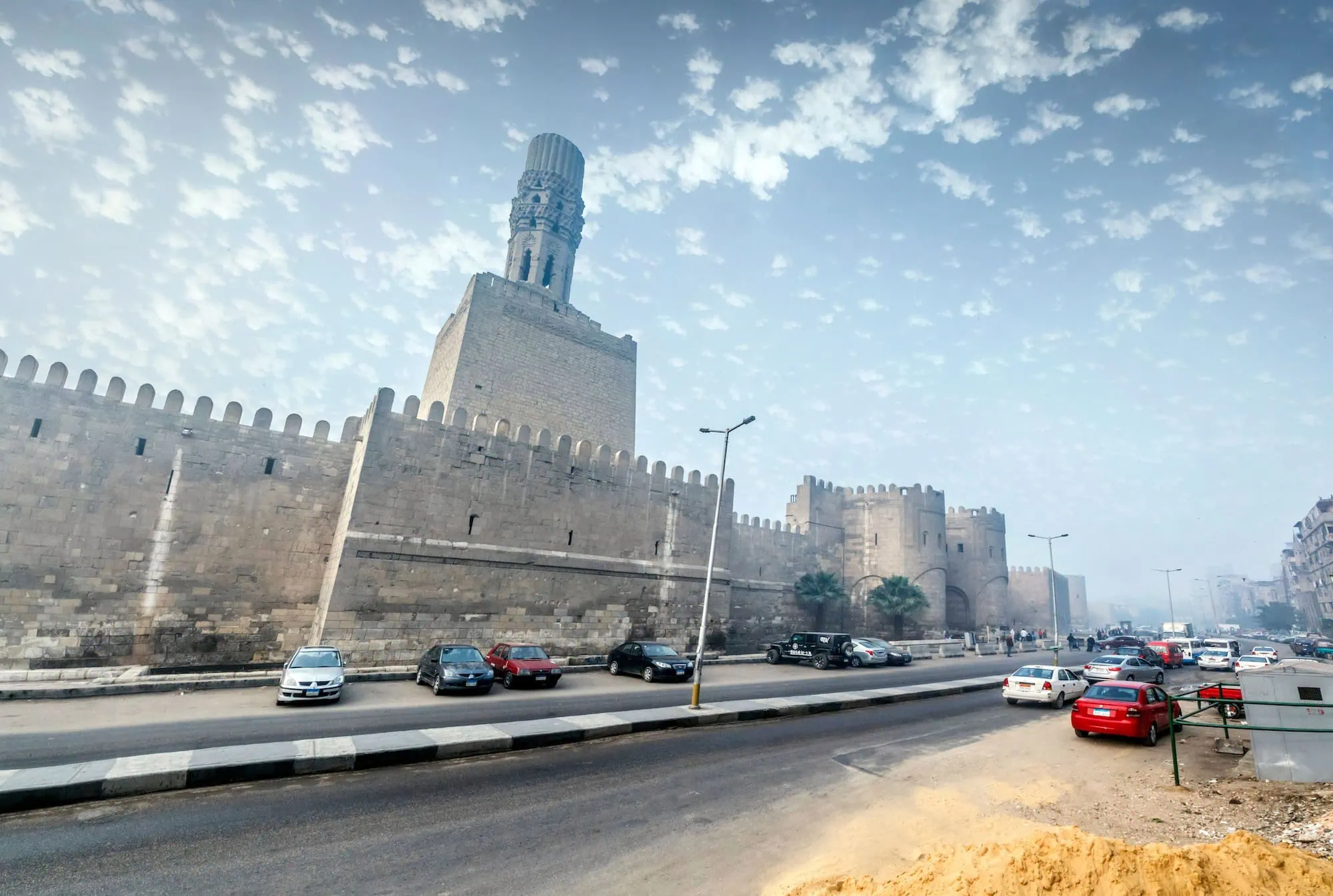
Northern and Middle Sinai Peninsula remain under “Do not travel” advisories due to ongoing security operations. However, popular tourist destinations including Cairo, Luxor, Aswan, and South Sinai resorts like Sharm El Sheikh operate under standard security protocols.
The Western Desert near Libya requires careful consideration for independent travelers, though organized tours continue operating with appropriate security measures.
Recent Security Improvements
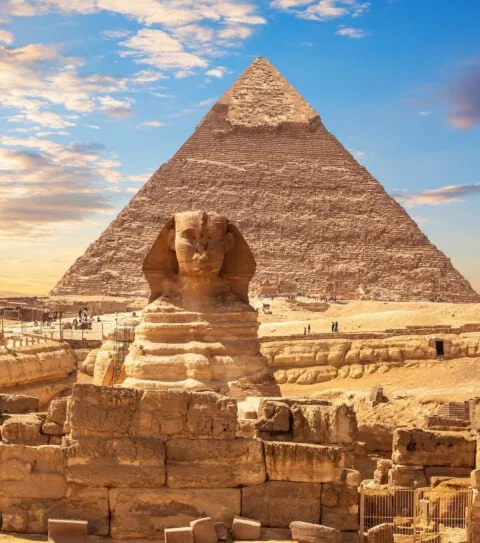
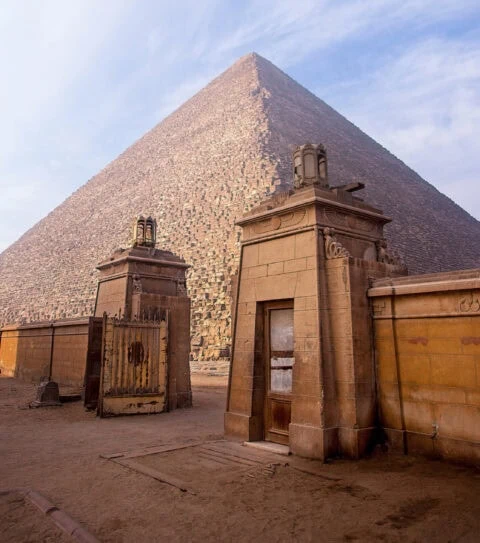
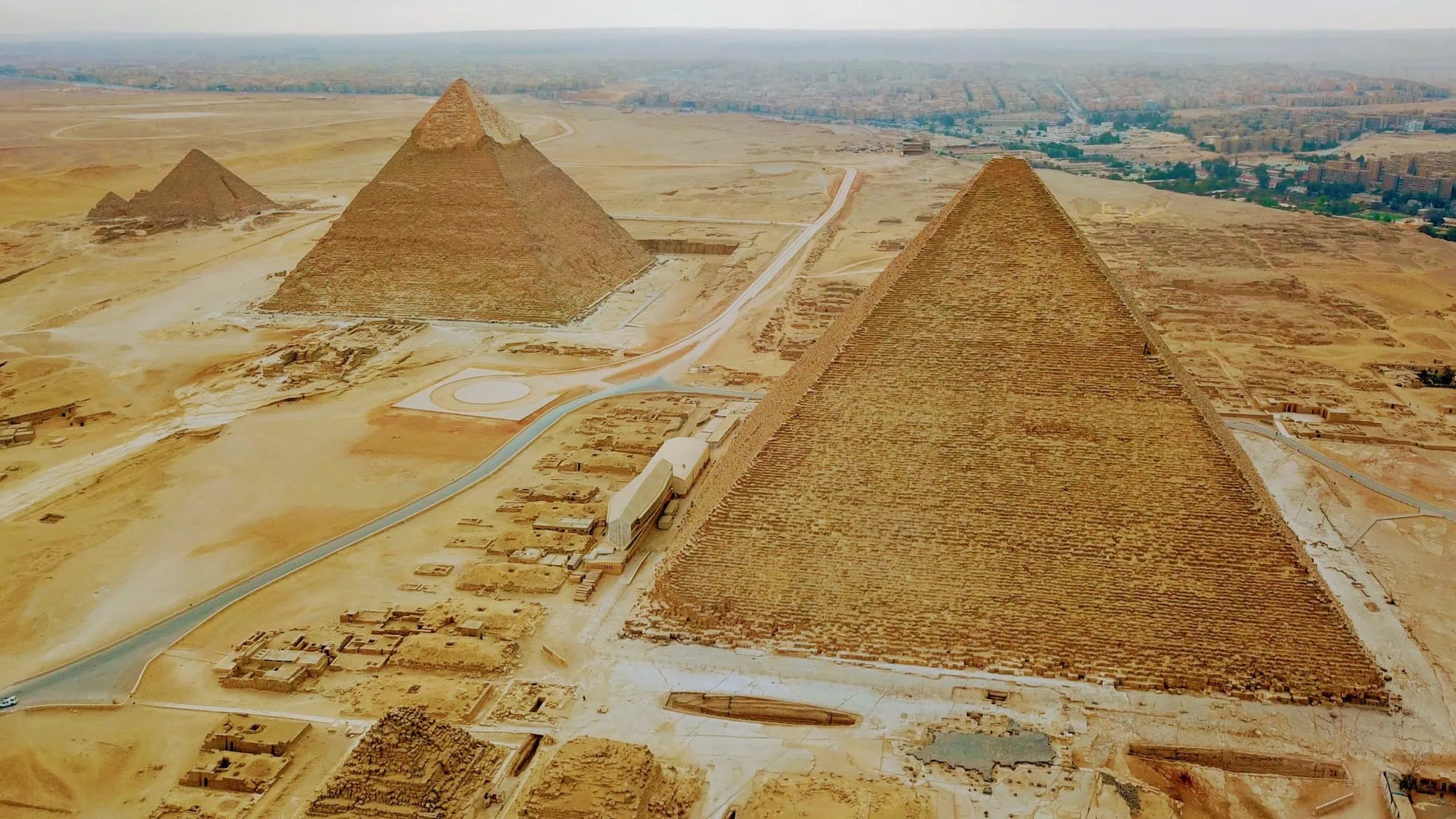
Egyptian authorities have significantly enhanced tourist protection since 2016. Tourist police presence increased dramatically around major attractions, airports, and hotel districts. Security checkpoints now operate systematically throughout Cairo, particularly near the Pyramids of Giza, Egyptian Museum, and Islamic Cairo.
Hotel security standards have improved across all categories, with most establishments implementing metal detectors and luggage screening. Tour operators work closely with security forces to maintain updated safety protocols.
Real Traveler Experiences and Common Concerns
Personal safety experiences in Cairo vary considerably between different traveler types and preparation levels. Female travelers report more frequent harassment, particularly in crowded markets and public transportation, though serious incidents remain uncommon with basic precautions.
Independent backpackers face different challenges than organized tour participants. Street harassment, persistent vendors, and navigation difficulties top the concern list for solo travelers. However, most visitors report feeling physically safe despite occasional inconveniences.
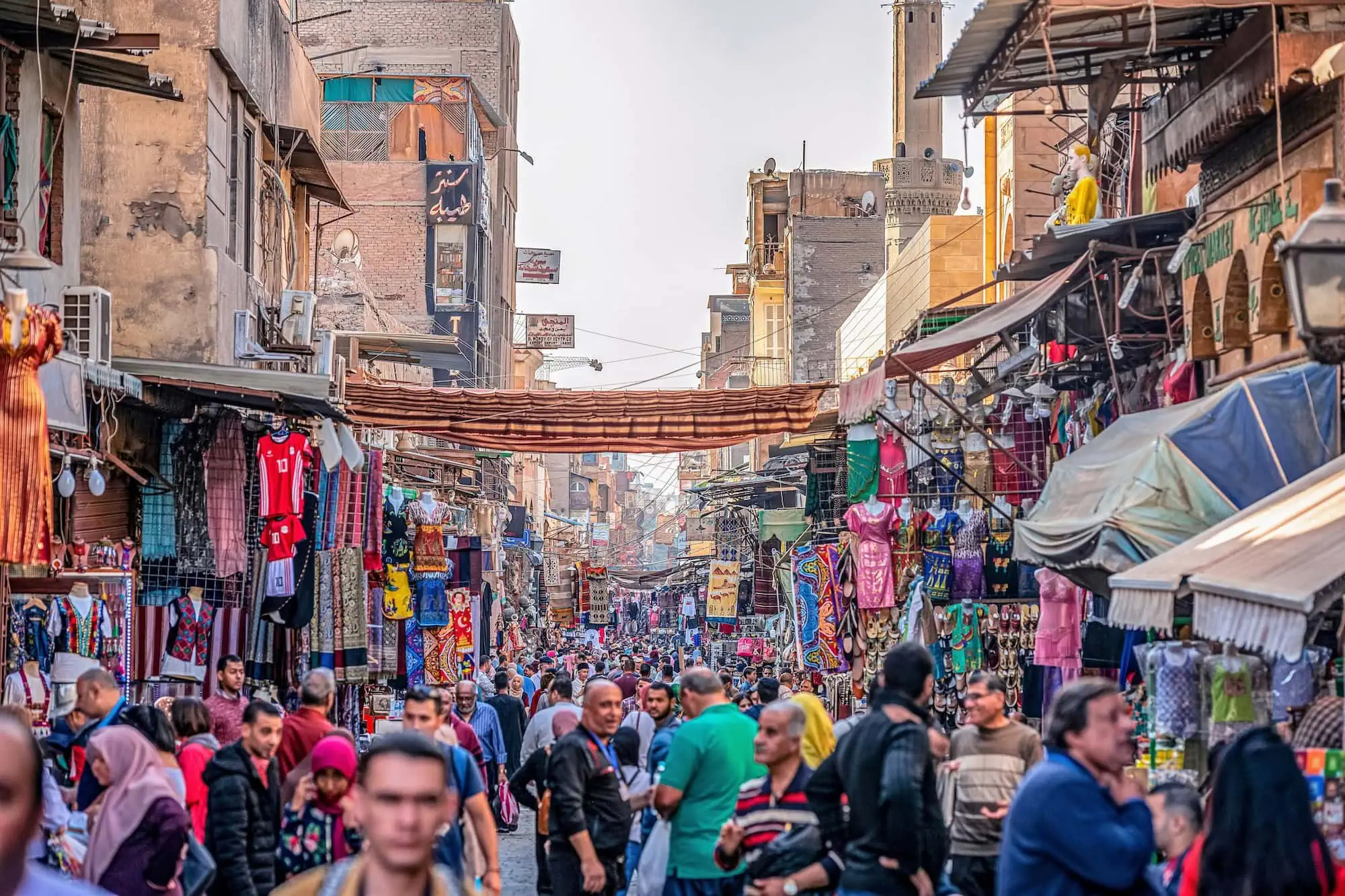
Scams targeting tourists occur regularly but rarely involve physical threats. Common schemes include overcharging for services, fake antiquities, and unsolicited guide services. Egyptian tourism police actively combat these practices around major attractions.
The overwhelming majority of visitors complete their Cairo trips without security incidents. Preparation and cultural awareness significantly impact overall experience quality.
Practical Security Measures for Your Visit
Tourist areas maintain visible security presence throughout daylight hours. The Pyramids complex, Khan el-Khalili bazaar, and Coptic Cairo all feature dedicated tourist police stations with English-speaking officers.
Airport security follows international standards, though arrival procedures can be lengthy during peak seasons. Currency declaration requirements apply for amounts exceeding $10,000 USD, and certain electronics require registration.
Transportation Safety
Official taxi services and ride-sharing apps provide safer alternatives to street taxis. Hotel transfers remain the most secure option for airport connections, particularly during late evening or early morning hours. Public transportation requires extra vigilance regarding personal belongings.
Metro systems maintain security checkpoints, though pickpocketing occurs during rush hours. Women-only carriages provide additional comfort for female travelers.
Accommodation Security
International hotel chains generally maintain higher security standards than budget accommodations. Gated resorts in New Cairo and Zamalek districts offer enhanced protection, though they limit authentic cultural interaction.
Budget travelers should verify accommodation security features, including 24-hour reception and secure luggage storage. Hostels in tourist areas typically maintain good safety records.
Health and Medical Considerations
Medical facilities in Cairo meet international standards for routine care, though serious emergencies may require evacuation to European facilities. Travel insurance covering medical evacuation is strongly recommended for all visitors.
Water quality varies significantly across the city. Bottled water remains the safest option for drinking and teeth brushing. Most hotels provide complimentary bottled water, and it’s widely available for purchase throughout tourist areas.
Food safety requires attention to preparation methods and vendor hygiene. Hotel restaurants and established establishments generally maintain good standards. Street food, while culturally significant, carries higher risks for travelers unaccustomed to local bacteria.
Pharmaceutical availability is generally good for common medications, though prescription drugs should be brought in sufficient quantities. Embassy registration allows for medical assistance coordination if needed.
Climate-Related Health Factors
Cairo’s dry climate can cause dehydration more quickly than expected. Air pollution levels frequently exceed WHO recommendations, particularly during winter months. Visitors with respiratory conditions should monitor air quality reports and consider protective measures.
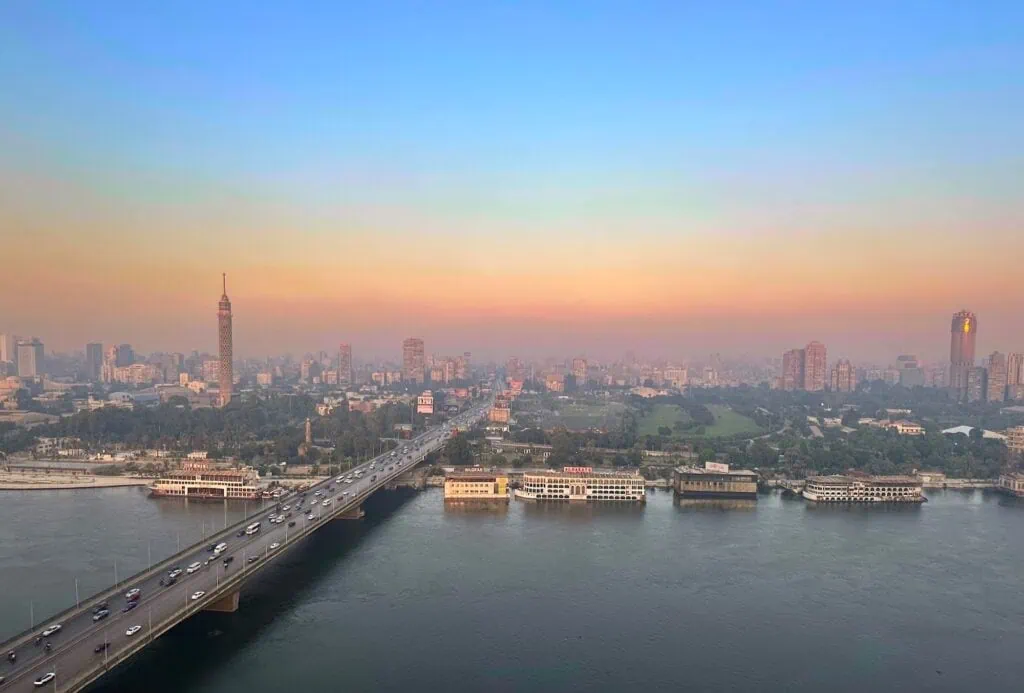
Heat exhaustion occurs commonly among tourists during summer months. Temperatures regularly exceed 35°C (95°F) between June and September, requiring careful scheduling of outdoor activities.
Navigating Cultural and Legal Differences
Egyptian law differs significantly from Western legal systems, particularly regarding public behavior, photography restrictions, and religious sensitivities. Ramadan periods require additional cultural awareness, though tourist areas remain accommodating.
Photography restrictions apply near military installations, government buildings, and some religious sites. Tourist police can provide specific guidance about acceptable photography locations. Drone usage requires special permits and is generally prohibited in tourist areas.
Alcohol availability is limited compared to Western countries, though tourist hotels and restaurants typically serve alcoholic beverages. Public intoxication carries serious legal consequences and cultural offense.
Cultural Sensitivity Guidelines
Conservative dress codes apply when visiting religious sites, including covering arms and legs for both men and women. Headscarves are required for women entering mosques, though they’re often provided at entrances.
Public displays of affection should be minimal, as they can cause offense and unwanted attention. Hand-holding is generally acceptable, but kissing and embracing in public are discouraged.
Religious sites have specific visiting hours and behavior expectations. Friday prayers (12:00 pm to 2:00 pm / 12:00 to 14:00) often restrict tourist access to mosques.
Tipping culture is pervasive and expected for most services, including restroom attendants, hotel staff, and tour guides. Small denominations of Egyptian pounds facilitate these interactions.
When Professional Guidance Adds Value
Tour operators with established security relationships can provide enhanced protection and insider knowledge. We work directly with Egyptian authorities to maintain current security assessments and adjust itineraries based on developing conditions.
Private guides offer personalized safety briefings and can navigate cultural situations that might challenge independent travelers. Our English-speaking guides undergo background checks and regular security training to ensure your protection and peace of mind.
Group tours provide safety in numbers while maintaining access to attractions that might be challenging for independent visitors. Small group experiences (maximum 12 participants) offer the perfect balance between security and authentic cultural interaction.
24/7 support services become invaluable during unexpected situations or emergency circumstances. Our local team maintains direct communication with tourist police and medical facilities throughout your stay.
Frequently Asked Questions
Yes, Cairo is generally safe for solo female travelers who take sensible precautions such as dressing modestly, using reputable transportation, and avoiding isolated areas after dark. Millions of visitors pass through Cairo each year, including many women traveling independently. Unwanted attention can occur in crowded areas, but serious incidents involving tourists are uncommon. Ride-hailing apps, guided tours, and centrally located accommodations can make navigating the city easier and more comfortable.
Most tourists should avoid poorly lit outskirts, informal settlements, and unfamiliar neighborhoods far from Cairo’s established visitor areas. Popular districts such as Downtown Cairo, Zamalek, Garden City, Giza, and areas around major museums and attractions are regularly visited by international travelers. The vast majority of sightseeing takes place in well-patrolled zones. Visitors unfamiliar with the city should avoid wandering into residential districts without a clear purpose or local guidance.
Yes, comprehensive travel insurance is strongly recommended for Egypt, particularly coverage that includes medical treatment, emergency evacuation, trip interruption, and lost luggage. While Egypt does not require insurance for entry, private medical care can be expensive, especially in Cairo. Policies with at least $50,000 in medical coverage and emergency assistance services provide a useful safety net. Review exclusions carefully before departure, especially for adventure activities.
Cairo’s Metro system and official public buses are generally safe during daylight hours and are used by millions of residents every day. The Metro is often the fastest way to avoid Cairo’s heavy traffic, particularly on routes connecting central districts. Many visitors, however, prefer ride-hailing services or licensed taxis because they offer greater convenience and easier navigation. Solo travelers may find private transportation particularly useful during evening hours.
Yes, Egypt’s tourist police are specifically assigned to assist international visitors and are commonly stationed at major attractions, museums, airports, and archaeological sites. Many officers have experience dealing with foreign travelers and can assist with directions, safety concerns, lost property, or reporting incidents. Their presence is particularly visible at locations such as the Pyramids of Giza and the Egyptian Museum. Contacting tourist police is often the first step when assistance is needed.
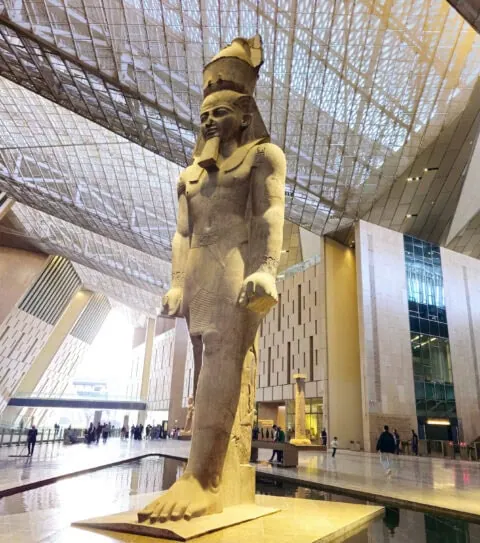
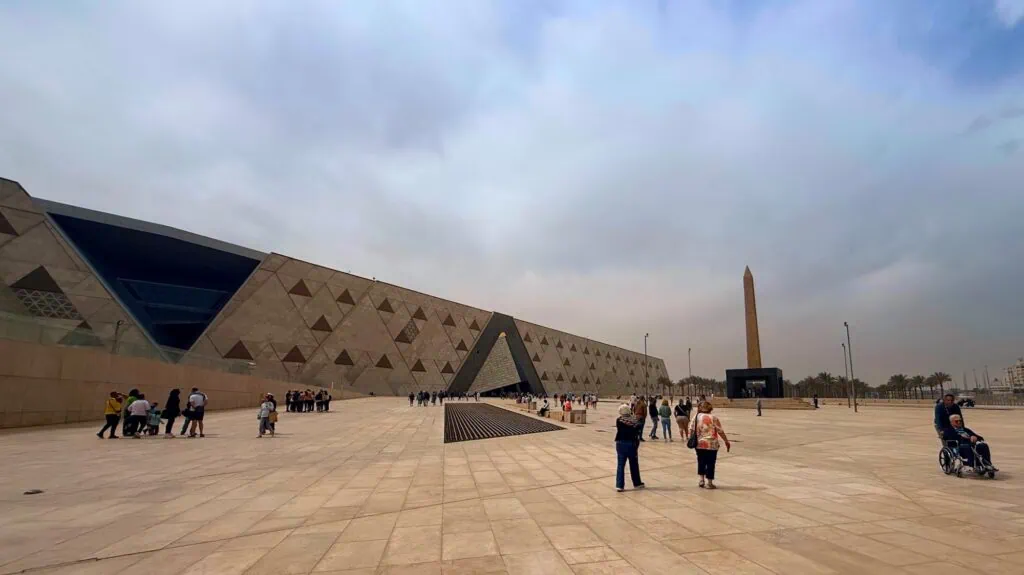
The terrorism risk for tourists in Cairo’s main visitor areas remains relatively low due to extensive security measures, visible police presence, and screening procedures at major attractions. Sites such as the Pyramids of Giza, Grand Egyptian Museum, and major hotels operate under enhanced security protocols. Governments still advise travelers to remain aware of their surroundings and monitor official travel advisories. Most tourist visits to Cairo take place without security-related incidents.
No, most visitors are advised to drink bottled or properly filtered water while in Cairo. Although Cairo’s municipal water is treated and generally safe by local standards, differences in mineral content and bacterial exposure can cause digestive discomfort for international travelers. Bottled water is inexpensive and widely available in supermarkets, hotels, and convenience stores. Using bottled water for drinking and, if preferred, brushing teeth can help reduce the risk of stomach issues.
Yes, Egypt’s major attractions are generally safe and operate with extensive security measures designed to protect visitors. Locations such as the Pyramids of Giza, Saqqara, the Grand Egyptian Museum, and the Citadel of Saladin have controlled entry points, security screenings, and a regular tourist police presence. These sites welcome thousands of visitors daily. Arriving early in the morning can provide a more comfortable experience with cooler temperatures and smaller crowds.
If you feel unsafe in Cairo, move immediately to a busy public place such as a hotel, museum, restaurant, or shopping center and seek assistance. Tourist police, hotel staff, and licensed tour operators can help resolve most situations quickly. Keep important contact information readily available, including your embassy, travel insurance provider, and accommodation details. Having both digital and printed copies of key documents is a useful precaution.
Credit and debit cards are widely accepted in Cairo’s hotels, upscale restaurants, shopping malls, and many tourist-oriented businesses. However, cash remains important for smaller purchases, local markets, tips, and some transportation services. For security, use ATMs located inside banks, hotels, or major shopping centers rather than isolated street machines. Carrying a combination of cards and Egyptian pounds provides the greatest flexibility while traveling.
The best way to avoid scams in Cairo is to use licensed guides, agree on prices before accepting services, and decline unsolicited offers from strangers. Common issues involve overpriced souvenirs, unofficial guides, and requests for unexpected tips rather than serious criminal activity. Purchasing tickets from official counters and booking tours through reputable operators reduces risk considerably. Confidence, patience, and clear communication are usually the most effective defenses.
A local SIM card from providers such as Vodafone Egypt, Orange Egypt, or Etisalat is usually the most reliable and cost-effective way to stay connected in Cairo. Mobile data coverage is strong throughout most tourist areas, and prepaid packages are inexpensive. Avoid conducting sensitive financial transactions over unsecured public Wi-Fi networks. Using mobile data or a trusted VPN provides additional protection when accessing banking, email, or travel accounts.
Explore our most popular guides and expert tips to make your trip safe, smooth, and unforgettable.
Plan Your Egypt Adventure with Confidence
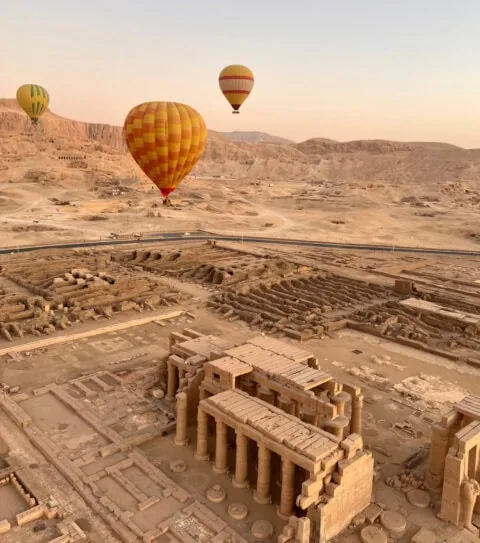
How to Plan a Trip Egypt
Step-by-step guide to help you plan the perfect Egypt trip — from routes and budget to booking.
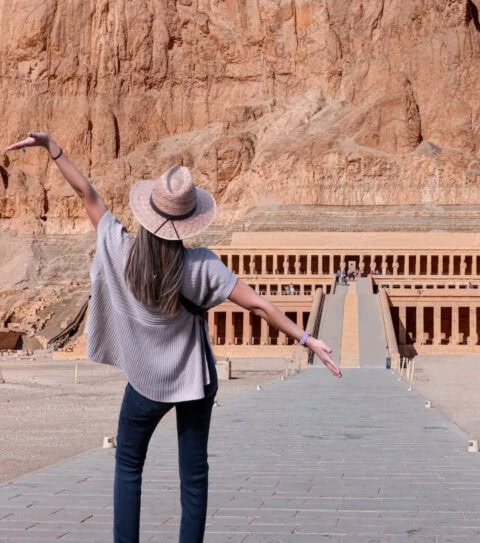
Best Time to Visit Egypt
Learn the best months to visit Egypt based on weather, crowds, and local travel experiences.
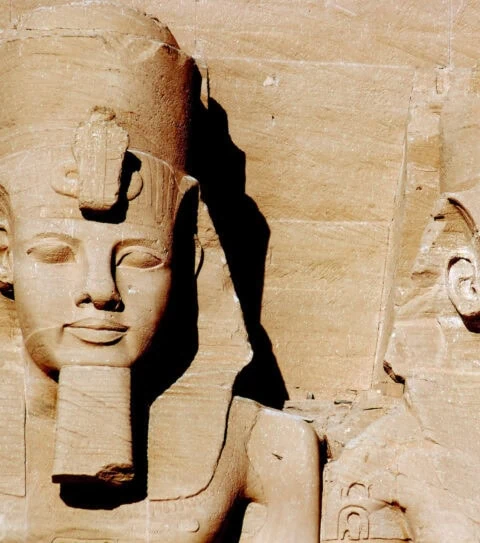
Must Visit Places in Egypt
Explore Egypt’s top sights — from pyramids to temples — and hidden gems worth seeing.
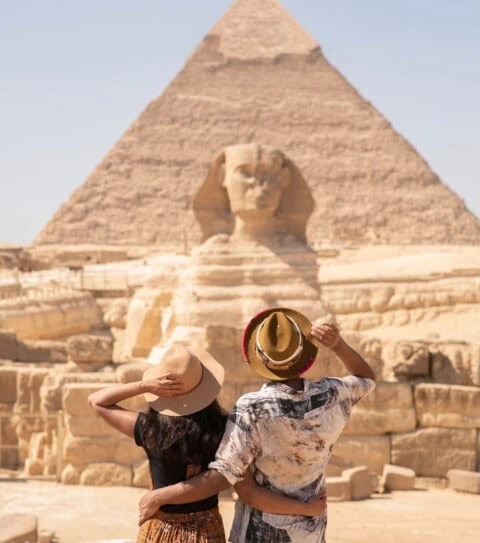
Top-Rated Egypt Tours
Handpicked private tours with local guides — our most loved and best-reviewed experiences.
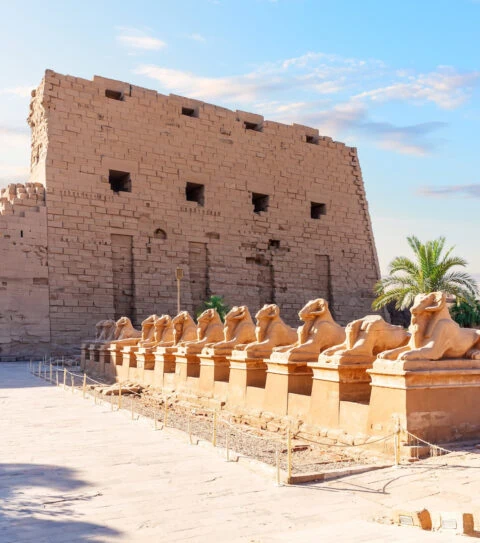
How Many Days to Visit Egypt?
Find out how many days you need in Egypt — from quick trips to full itineraries.
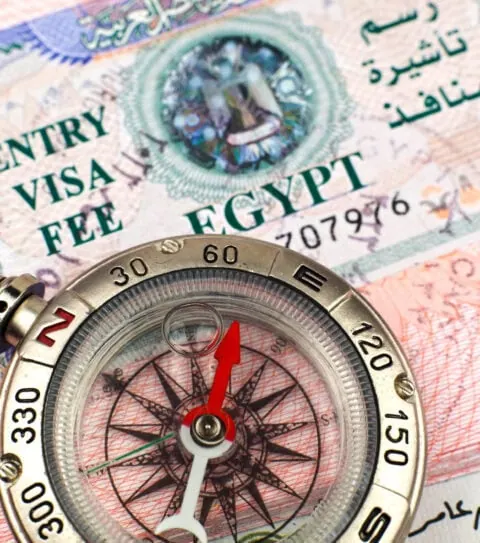
Egypt Visa Requirements
Check if you need a visa and get simple, up-to-date entry info based on your nationality.
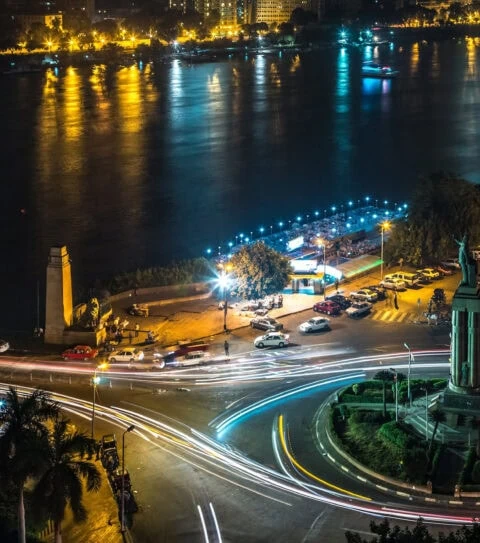
Is it Safe to Travel to Egypt?
Is Egypt safe? Get honest safety tips, area advice, and what to know before you travel.
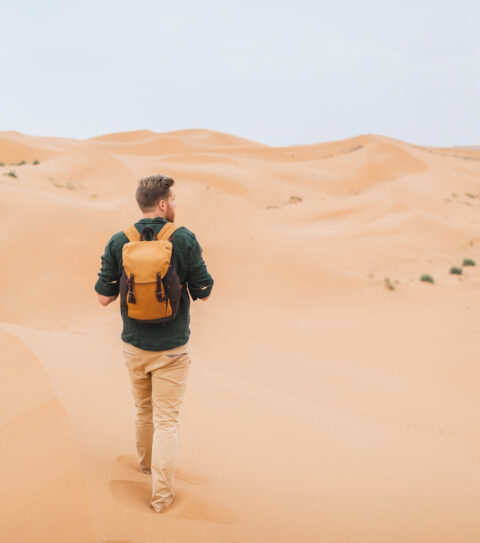
What to Pack for Egypt
A quick packing guide with essentials, cultural tips, and clothing advice for your Egypt trip.
Design Your Custom Tour
Explore Egypt your way by selecting only the attractions you want to visit