

Islamic Cairo – Discover the True Charm of Medieval Cairo
Step into one of the world’s most remarkable time capsules. Islamic Cairo stands as the largest medieval Islamic city in the world, where centuries of history unfold through narrow cobblestone alleys and towering minarets.
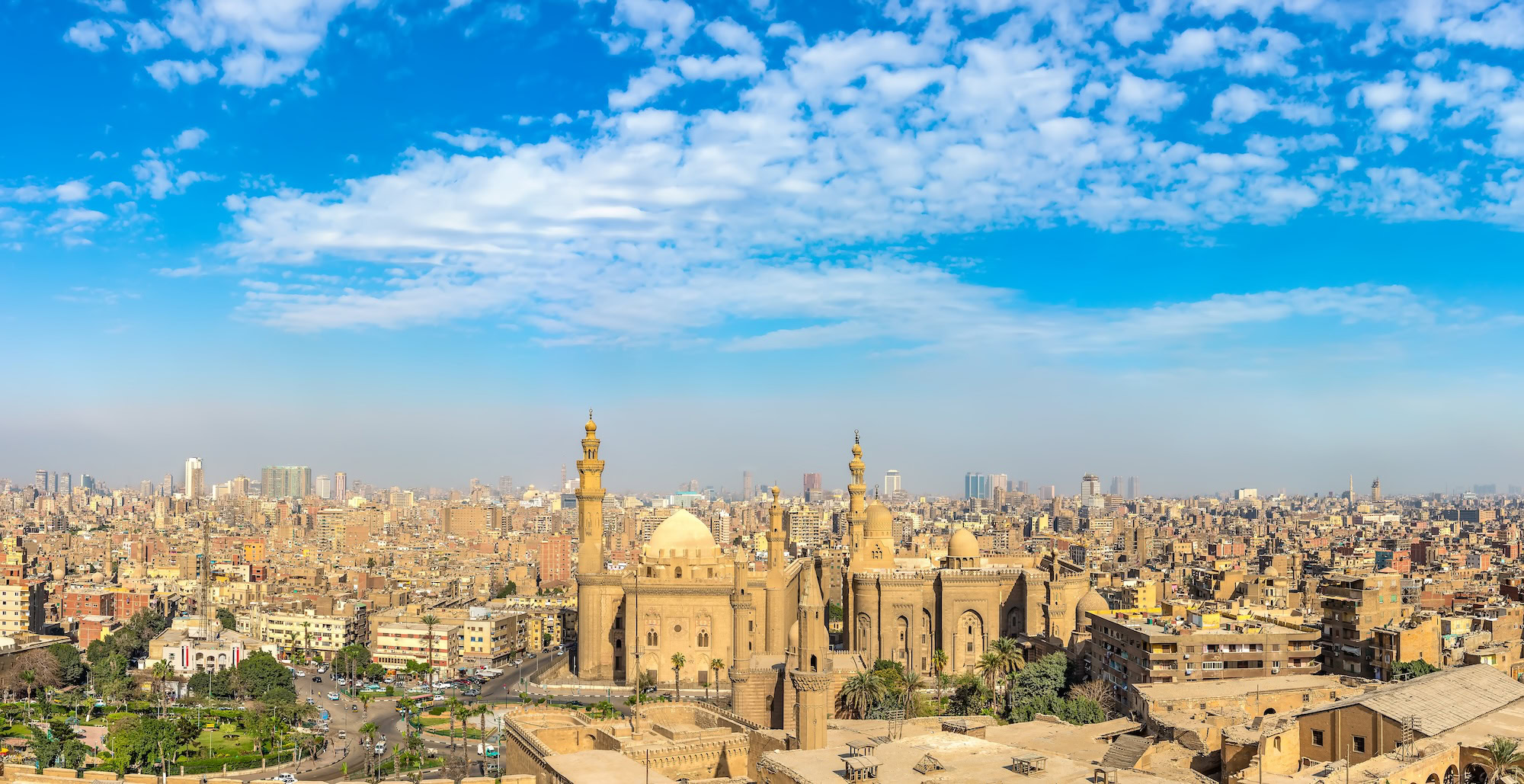
This UNESCO World Heritage site preserves more than 600 classified monuments from the Fatimid, Ayyubid, and Mamluk periods, creating an architectural tapestry that has remained virtually unchanged since the 14th century. Walking these ancient streets feels like traveling back through time, where every corner reveals masterpieces of Islamic art and architecture.
Our decades of expertise guiding travelers through Egypt’s cultural treasures ensures you’ll experience the true essence of this historic district, not just its surface attractions.
Table of Contents
Historic Heart of Cairo
Islamic Cairo emerged during the Fatimid dynasty in 969 AD when the city of Al-Qahirah was established. The area represents over a millennium of continuous Islamic civilization, earning its designation as a UNESCO World Heritage site in 1979.
Fatimid Foundation
The Fatimids transformed Cairo into a center of Islamic learning and culture. Al-Azhar Mosque, built in 970 AD, became the spiritual heart of the Islamic world. This architectural marvel continues to serve as one of Islam’s most important centers of learning, where scholars have studied for over a thousand years.
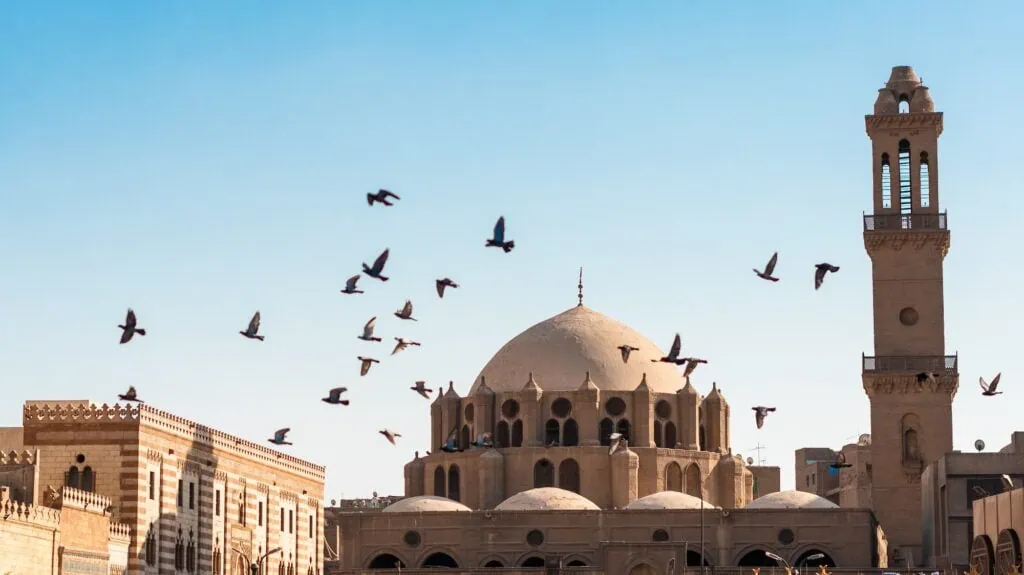
The Fatimid period established the urban layout that defines Islamic Cairo today. Streets follow the same patterns medieval merchants once walked, creating an authentic maze of commerce and spirituality.
Mamluk Architectural Mastery
The Mamluk period (1250-1517) brought Islamic Cairo to its architectural zenith. Magnificent mosques, madrasas, and mausoleums rose throughout the district. These rulers invested heavily in religious and educational buildings, creating the dense concentration of monuments visible today.
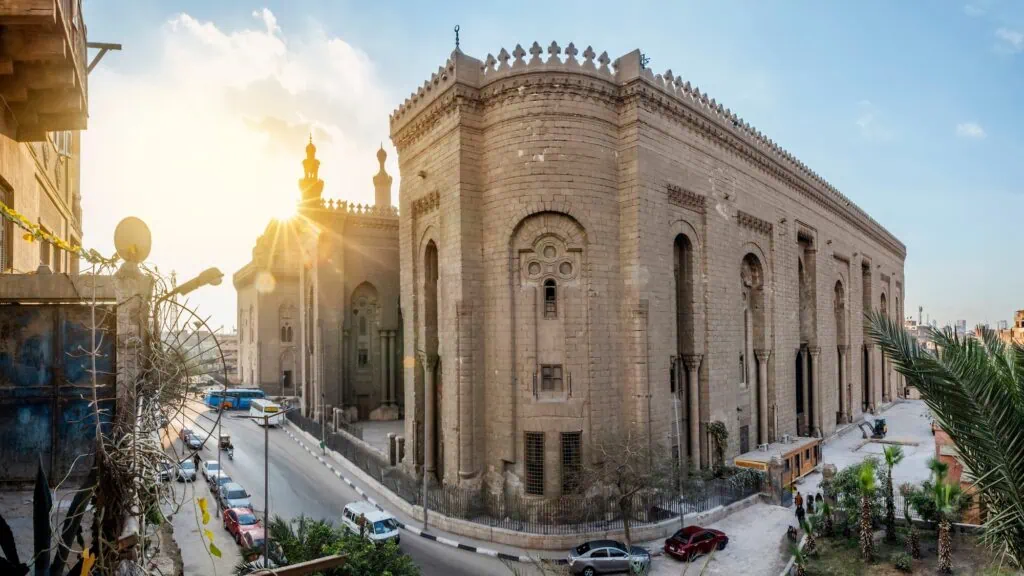
Sultan Hassan Mosque exemplifies Mamluk grandeur with its massive scale and intricate stone carving. Built in the 14th century, this architectural masterpiece demonstrates the period’s sophisticated engineering and artistic achievement.
UNESCO Recognition
UNESCO’s recognition acknowledges Islamic Cairo as having “Outstanding Universal Value” for humanity. The site contains the world’s largest collection of Islamic architectural treasures, representing authentic medieval urban fabric.
Modern preservation efforts balance conservation with the needs of 500,000 residents who still call this historic district home. International collaboration supports restoration projects that maintain the area’s authenticity while addressing contemporary challenges.
Architectural Wonders and Monuments
Islamic Cairo’s architectural landscape tells stories of different dynasties, each leaving distinctive marks on the cityscape. From humble neighborhood mosques to grand royal complexes, these buildings showcase the evolution of Islamic architectural styles over seven centuries.
The district contains approximately 600 registered historic monuments, though many smaller architectural gems remain uncatalogued. Walking through the area reveals layer upon layer of history, where Fatimid foundations support Mamluk additions, and Ottoman modifications blend seamlessly with medieval stonework.
Great Mosques
Ibn Tulun Mosque stands as Cairo’s oldest surviving mosque in its original form. Built in 879 AD, its simple geometric beauty and massive courtyard create a sense of timeless tranquility. The mosque’s unique spiral minaret, inspired by Mesopotamian architecture, offers panoramic views across medieval Cairo.
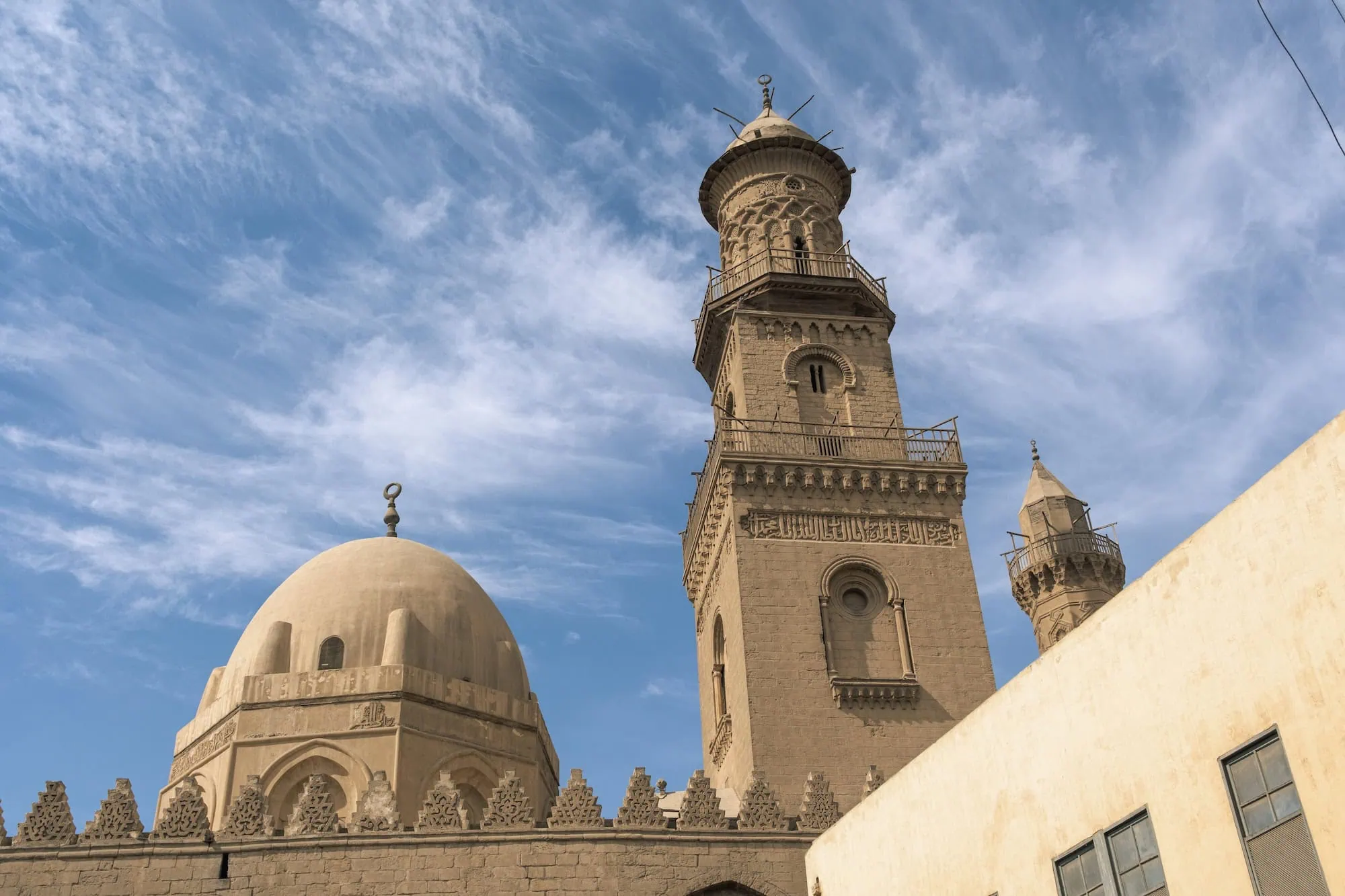
Al-Hakim Mosque presents a more austere Fatimid style with its imposing stone facades and twin minarets. This 11th-century structure has witnessed centuries of political change while maintaining its spiritual significance.
Educational Institutions
Medieval madrasas in Islamic Cairo combined religious education with architectural innovation. These institutions featured specialized layouts with study halls, student quarters, and libraries arranged around central courtyards.
The Madrasa of Sultan Barquq demonstrates how educational buildings doubled as royal mausoleums. Its elegant proportions and detailed stonework reflect the Mamluk commitment to both learning and artistic expression.
Planning Your Visit
Islamic Cairo requires thoughtful preparation to fully appreciate its treasures. The area covers approximately 150 hectares of densely packed historic buildings, making strategic planning essential for meaningful exploration.
We recommend dedicating at least a full day to explore the main monuments, though serious history enthusiasts often spend several days discovering hidden architectural gems. The district’s labyrinthine street pattern means guided expertise proves invaluable for maximizing your time and understanding.
Best Times
Early morning hours (8:00 am to 10:00 am) offer the most comfortable temperatures and fewer crowds. The soft morning light enhances the limestone facades of mosques and madrasas, creating ideal conditions for photography and contemplation.
Late afternoon visits (3:00 pm to 5:00 pm) provide opportunities to witness the call to prayer echoing through the medieval streets. This spiritual experience adds profound depth to architectural appreciation.
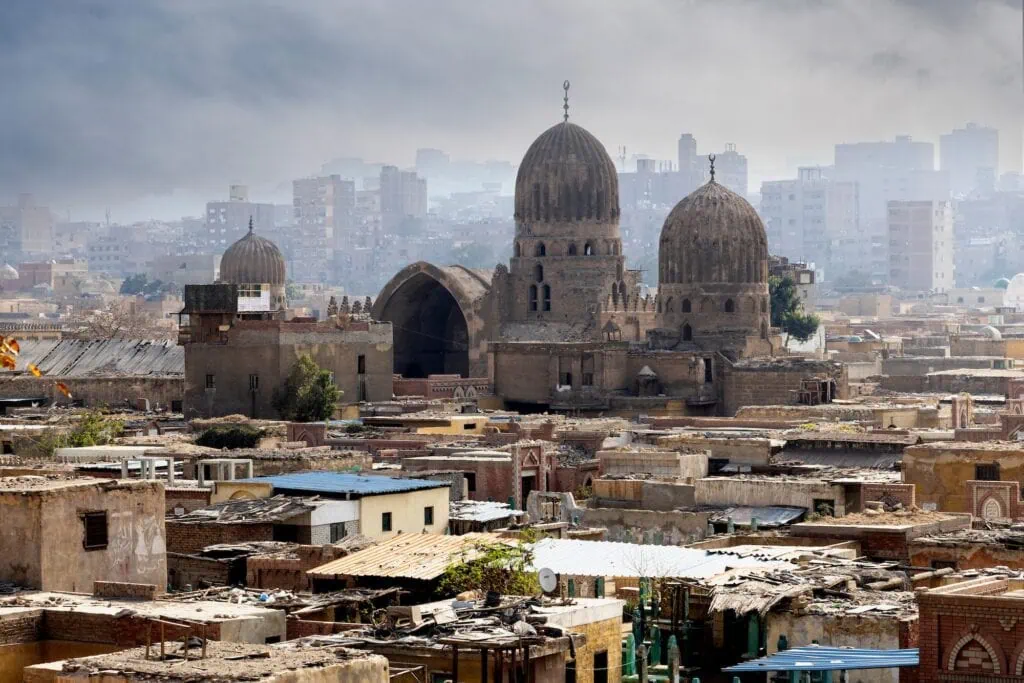
Avoid midday visits during summer months when temperatures can reach 35°C (95°F). The narrow streets provide some shade, but the intensity of Cairo’s summer heat makes morning or late afternoon timing essential.
Transportation and Access
The closest metro station is Bab al-Shaaria, approximately 1 km (0.6 miles) from the main monument area. Walking from the station provides a gradual transition from modern Cairo into the medieval atmosphere.
Taxis can navigate to major entrances, though the narrow medieval streets prohibit vehicle access to many monuments. We arrange private transportation that drops you at strategic entry points while avoiding the congested areas.
Khan el-Khalili Bazaar
Khan el-Khalili bazaar has operated continuously since the 14th century, making it one of the world’s oldest active marketplaces. This commercial heart of Islamic Cairo demonstrates how medieval trade patterns continue to shape daily life.
The bazaar’s architecture reflects its commercial purpose. Covered passages protect goods and shoppers from weather while creating intimate spaces for negotiation and social interaction. Stone and timber construction has withstood centuries of use while maintaining the authentic atmosphere merchants knew 600 years ago.
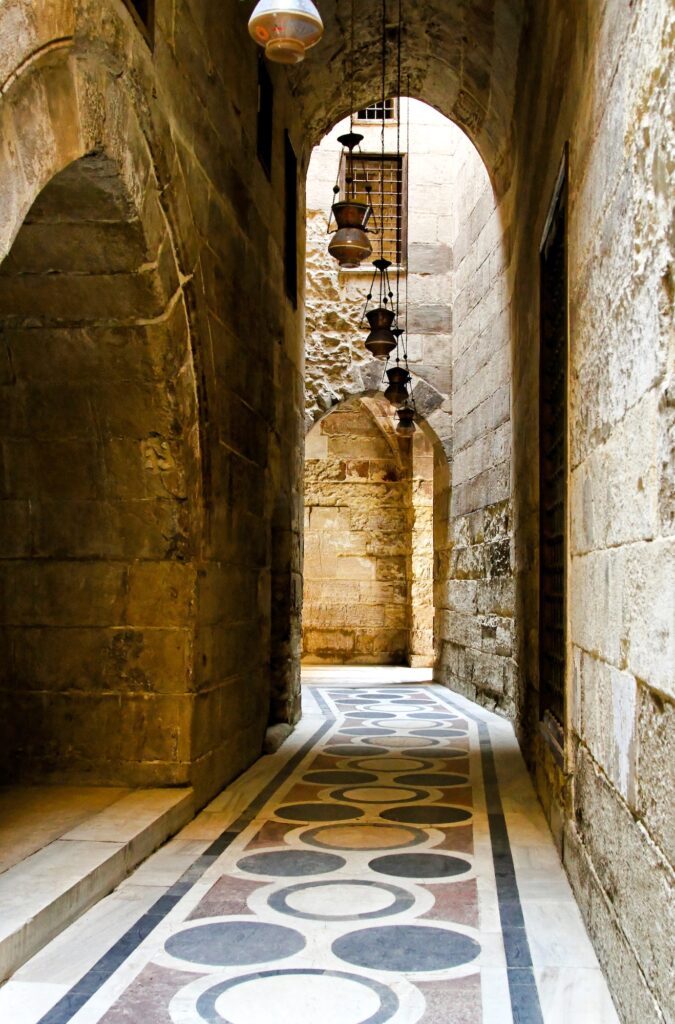
Traditional Crafts
Master craftsmen still practice techniques passed down through generations. Metalworkers hammer intricate patterns into brass and copper using methods unchanged since Mamluk times. Wood carvers create mashrabiya screens with geometric precision that requires years to master.
Textile merchants display fabrics that echo medieval trade connections. Silk from China, cotton from Egypt’s Delta region, and wool from desert tribes create a tapestry of materials that once traveled ancient trade routes.
Bazaar Experience
Khan el-Khalili rewards patient exploration rather than hurried shopping. Each alley specializes in different crafts, from jewelry making to spice trading. Understanding these traditional organization patterns helps visitors appreciate the bazaar’s cultural significance beyond its commercial function.
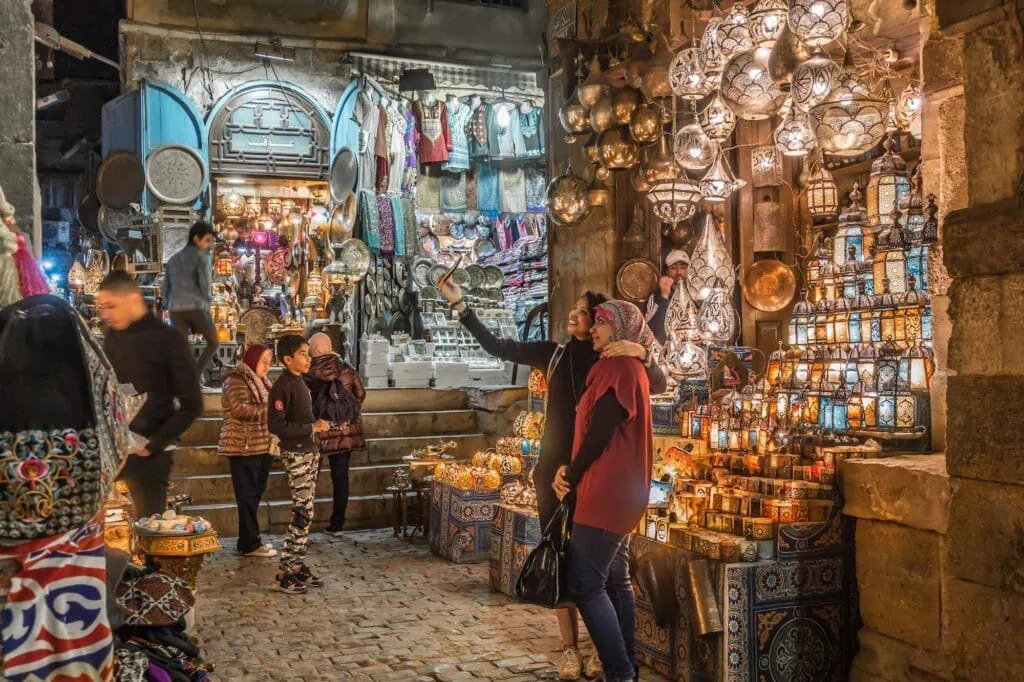
Coffee houses within the bazaar maintain social traditions dating to Ottoman times. These gathering places offer rest while providing glimpses into local social customs that complement the architectural discoveries of Islamic Cairo.
Al-Azhar Mosque
Al-Azhar Mosque represents more than architectural achievement – it embodies the intellectual heart of the Islamic world. For over a thousand years, this institution has produced Islamic scholars whose influence extends across continents.
The mosque’s architecture evolved through different periods, creating a living museum of Islamic building techniques. Fatimid foundations support later additions that demonstrate how religious architecture adapted to changing needs while maintaining spiritual essence.
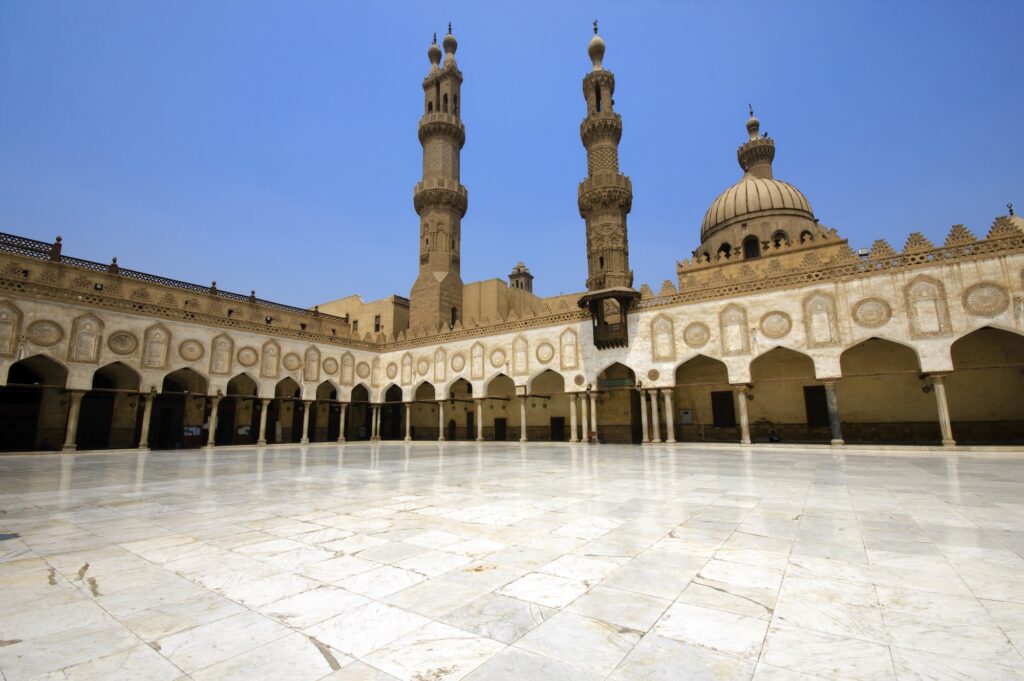
Students from across the Islamic world still study here, continuing educational traditions established in medieval times. This ongoing academic function distinguishes Al-Azhar from purely historic monuments, creating a unique atmosphere where past and present merge.
Architectural Evolution
Original Fatimid construction emphasized geometric purity and mathematical harmony. Clean lines and proportional relationships create spaces conducive to contemplation and study. The prayer hall’s forest of columns demonstrates sophisticated engineering that maximizes capacity while maintaining intimacy.
Mamluk additions introduced more elaborate decorative elements without compromising the original design’s clarity. Marble panels, carved stone, and intricate woodwork enhanced beauty while preserving functionality.
Ottoman modifications adapted the complex to new administrative needs. Additional study halls and residential quarters reflected the mosque’s growing importance as an educational center.
Citadel of Saladin
Saladin’s Citadel commands Cairo’s skyline from its position atop the Mokattam Hills. This massive fortress complex demonstrates medieval military architecture while housing some of Islamic Cairo’s most magnificent monuments.
Built in the late 12th century, the Citadel served as Egypt’s seat of power for over 700 years. Successive rulers modified and expanded the complex, creating architectural layers that tell the story of changing dynasties and evolving defensive needs.
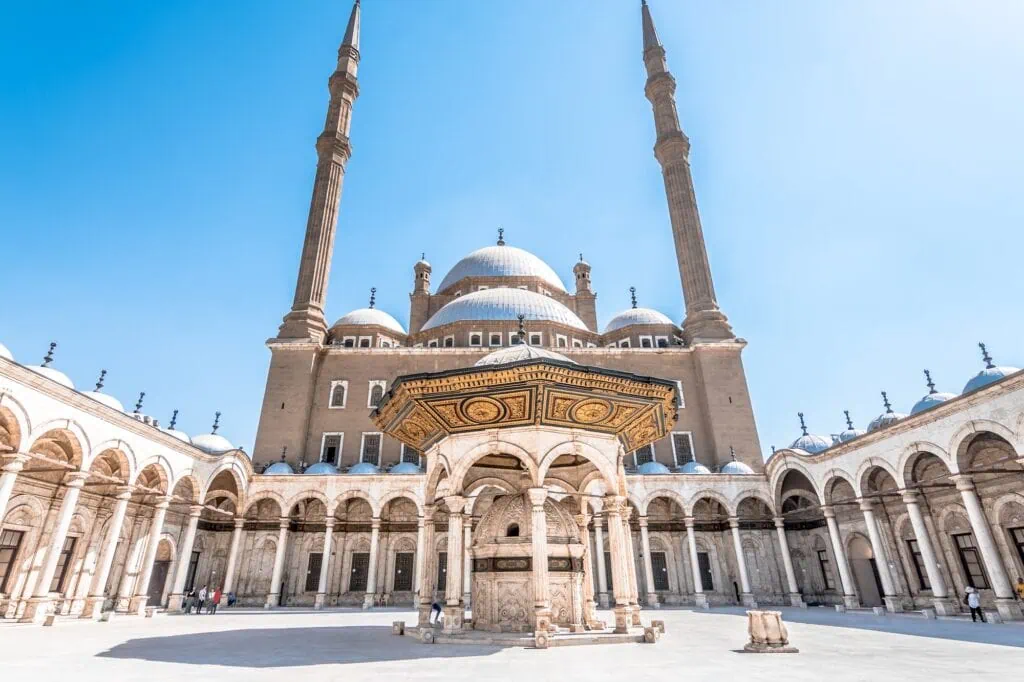
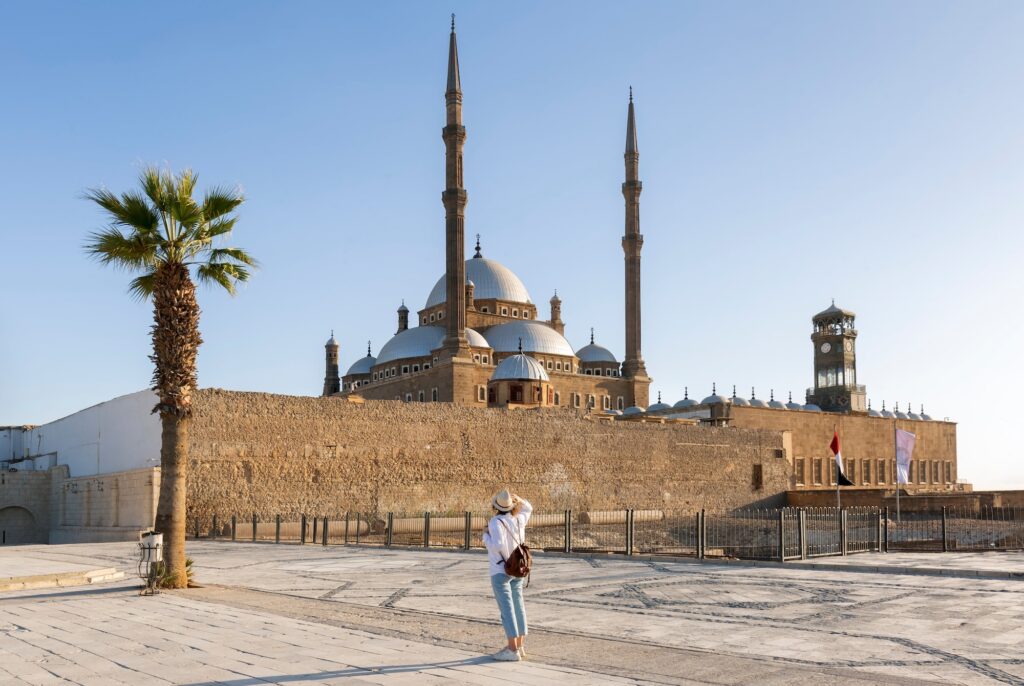
The Mohammed Ali Mosque dominates the Citadel’s interior with its Ottoman-inspired design. While built in the 19th century, this mosque demonstrates how Islamic architectural traditions continued to evolve even in modern times. Its alabaster walls and commanding position create one of Cairo’s most recognizable landmarks.
Military Architecture
The Citadel’s walls and towers showcase advanced medieval fortification techniques. Massive stone blocks and strategic positioning created an impregnable fortress that protected Egypt’s rulers for centuries.
Defensive features include multiple gates, overlapping fields of fire, and sophisticated water storage systems. These practical elements demonstrate how military necessity shaped architectural form in medieval Islamic civilization.
Panoramic Views
The Citadel offers unparalleled views across Islamic Cairo and beyond. From this elevated position, visitors can appreciate the district’s urban layout and understand how geography influenced the city’s development. The view encompasses both medieval monuments and modern Cairo, illustrating the continuity of urban life across centuries.
Practical Information
Exploring Islamic Cairo requires preparation that balances respect for living religious and cultural traditions with practical tourism needs. The district functions as both a historic monument and an active community where daily life continues much as it has for centuries.
Dress modestly when visiting mosques and religious sites. Long pants and shirts covering shoulders show respect while ensuring access to all monuments. Women should carry a headscarf for mosque visits, though many sites provide coverings at entrances.
Photography policies vary by location. Most mosques allow photography of architectural features but prohibit pictures of people praying. Some monuments charge additional fees for camera use, typically 10-20 Egyptian pounds.
Currency and Payment
Entry fees are collected in Egyptian pounds only. ATMs are available near major tourist entrances, but carrying cash prevents delays during your exploration.
Bazaar purchases involve negotiation, with initial prices often 3-4 times the expected final amount. Understanding this cultural practice as part of the experience rather than pressure helps visitors enjoy the interaction.
Health and Comfort
Walking on uneven medieval cobblestones for extended periods requires appropriate footwear. Comfortable walking shoes with good ankle support prevent fatigue and reduce risk of stumbling on irregular surfaces.
Cairo’s climate demands sun protection and hydration. The narrow streets provide some shade, but wide-brimmed hats and sunscreen remain essential, especially during spring and summer visits.
Why Choose Expert Guidance
Our private guides bring Islamic Cairo to life through stories that connect architectural details with human experiences. With decades of expertise in Egyptian cultural heritage, we provide context that transforms monument visits into meaningful encounters with living history.
Personal drivers ensure comfortable transportation between widely scattered monuments while avoiding the challenges of navigating narrow medieval streets. Our modern, air-conditioned vehicles provide relief from Cairo’s intense climate while maintaining easy access to all major sites.
Tailored itineraries accommodate your specific interests, whether focusing on architectural photography, religious history, or artisan traditions. We understand that every traveler brings unique perspectives to Islamic Cairo’s treasures.
Step Into The Soul Of Historic Cairo
Islamic Cairo is a journey through centuries of architecture, culture, and daily life—where grand mosques, bustling streets, and timeless details create an atmosphere unlike anywhere else in Egypt. With EgyptToursPlus, we seamlessly connect this rich experience with the country’s iconic landmarks, designing a journey that feels both immersive and perfectly balanced.
You choose your travel dates, your pace, and the experiences that shape your itinerary. From private guided exploration and curated cultural moments to premium stays and smooth logistics, we tailor every detail around you—ensuring a seamless, enriching, and deeply personal Egypt experience.
Frequently Asked Questions
A full day is the minimum recommended for exploring Islamic Cairo because the district contains hundreds of medieval monuments spread across several historic neighborhoods. Major sites such as Al-Azhar Mosque, Sultan Hassan Mosque, Ibn Tulun Mosque, Khan el-Khalili, and the Citadel each require meaningful time to appreciate properly. Travelers interested in architecture, photography, or Islamic history often divide visits across two days to avoid rushing. Start early around 9:00 am to experience cooler temperatures and quieter streets before tour groups arrive.
Entry fees for major Islamic Cairo monuments typically range from 30 to 60 Egyptian pounds per site for international visitors, while the Museum of Islamic Art generally costs around 100 Egyptian pounds. Some active mosques remain free during prayer hours but may restrict tourist access during services or religious events. Combination tickets are occasionally available for clusters of historic sites managed by Egypt’s Ministry of Tourism and Antiquities. Carrying small cash denominations in Egyptian pounds is helpful because card payment facilities remain inconsistent in older districts.
Yes, Islamic Cairo is generally considered safe for tourists, particularly in well-visited areas such as Al-Muizz Street, Khan el-Khalili, and the Citadel district. The neighborhood’s strong local community presence, active shops, and regular tourism activity contribute to a secure environment during normal visiting hours. Standard urban precautions still apply, especially in crowded markets or late at night. Guided tours are especially useful for first-time visitors because the medieval street network can become confusing away from main landmarks.
Yes, visiting Islamic Cairo during Ramadan can be especially rewarding because the district becomes more vibrant after sunset with lanterns, communal iftar meals, and extended evening activity. Historic streets around Khan el-Khalili and Al-Muizz Street often remain lively well past midnight during the holy month. Some monuments adjust opening hours or temporarily close during prayer periods, particularly near iftar time at sunset. Evening visits during Ramadan offer a very different atmosphere compared to quieter daytime sightseeing outside the fasting season.
Visitors to mosques in Islamic Cairo should wear modest clothing that covers shoulders, knees, and upper arms, with women also carrying a headscarf for mosque entry. Lightweight long sleeves and breathable fabrics work best because Cairo temperatures frequently exceed 35°C (95°F) during summer months. Shoes are removed before entering prayer halls, so comfortable slip-on footwear is practical for multi-site walking tours. Respectful dress is especially important at active religious sites such as Al-Azhar Mosque and Sultan Hassan Mosque.
Islamic Cairo’s medieval street network can be difficult to navigate independently because many lanes date back more than 1,000 years and were designed long before modern city planning. Major areas such as Khan el-Khalili and Al-Muizz Street are walkable, but smaller alleys often lack clear signage and GPS accuracy can be inconsistent. Professional guides help visitors avoid getting lost while explaining architectural details and hidden historical sites that casual tourists usually miss. Comfortable walking shoes are essential because uneven stone surfaces are common throughout the district.
Yes, Islamic Cairo contains numerous traditional restaurants, rooftop cafes, and historic coffee houses serving classic Egyptian dishes such as koshary, grilled meats, molokhia, and fresh bread. Areas around Khan el-Khalili and Al-Muizz Street are especially popular for dining because many establishments occupy restored Ottoman or Mamluk-era buildings. Historic cafes such as El Fishawy have operated for generations and remain cultural landmarks in their own right. Evening dining is particularly atmospheric when the district’s monuments are illuminated after sunset.
Yes, Khan el-Khalili still contains workshops where artisans produce handmade brassware, silver jewelry, wood inlay, textiles, and traditional lanterns using techniques passed down through generations. However, the market also contains mass-produced souvenirs, so identifying genuinely handcrafted items often requires careful comparison and negotiation. Experienced guides or reputable local merchants can help visitors distinguish authentic artisanal work from imported replicas. Prices vary widely depending on craftsmanship quality, and bargaining remains a normal part of the purchasing process throughout the bazaar.
Islamic Cairo primarily refers to the medieval Islamic districts founded after the Arab conquest in 641 AD, while Old Cairo focuses on earlier Christian and Roman heritage sites centered around Coptic Cairo. Islamic Cairo includes mosques, madrasas, caravanserais, and Mamluk architecture, whereas Old Cairo contains landmarks such as the Hanging Church, Babylon Fortress, and Ben Ezra Synagogue. The two areas are geographically separate but easily combined within one Cairo itinerary. Together, they illustrate more than 2,000 years of religious and urban history.
Most mosques in Islamic Cairo permit architectural photography, although restrictions commonly apply during prayer times and around worshippers. Flash photography may also be discouraged inside older mosques with delicate woodwork, painted ceilings, or historic inscriptions vulnerable to repeated light exposure. Visitors should always remain quiet and respectful while photographing active religious spaces such as Al-Azhar Mosque or Sultan Hassan Mosque. Early morning visits usually provide the best interior lighting and the fewest interruptions from crowds or organized tour groups.
Design Your Custom Tour
Explore Egypt your way by selecting only the attractions you want to visit