

Jumeirah Mosque – A Unique Opportunity For Non-Muslim Visitors
Dubai opens one door that’s truly extraordinary.
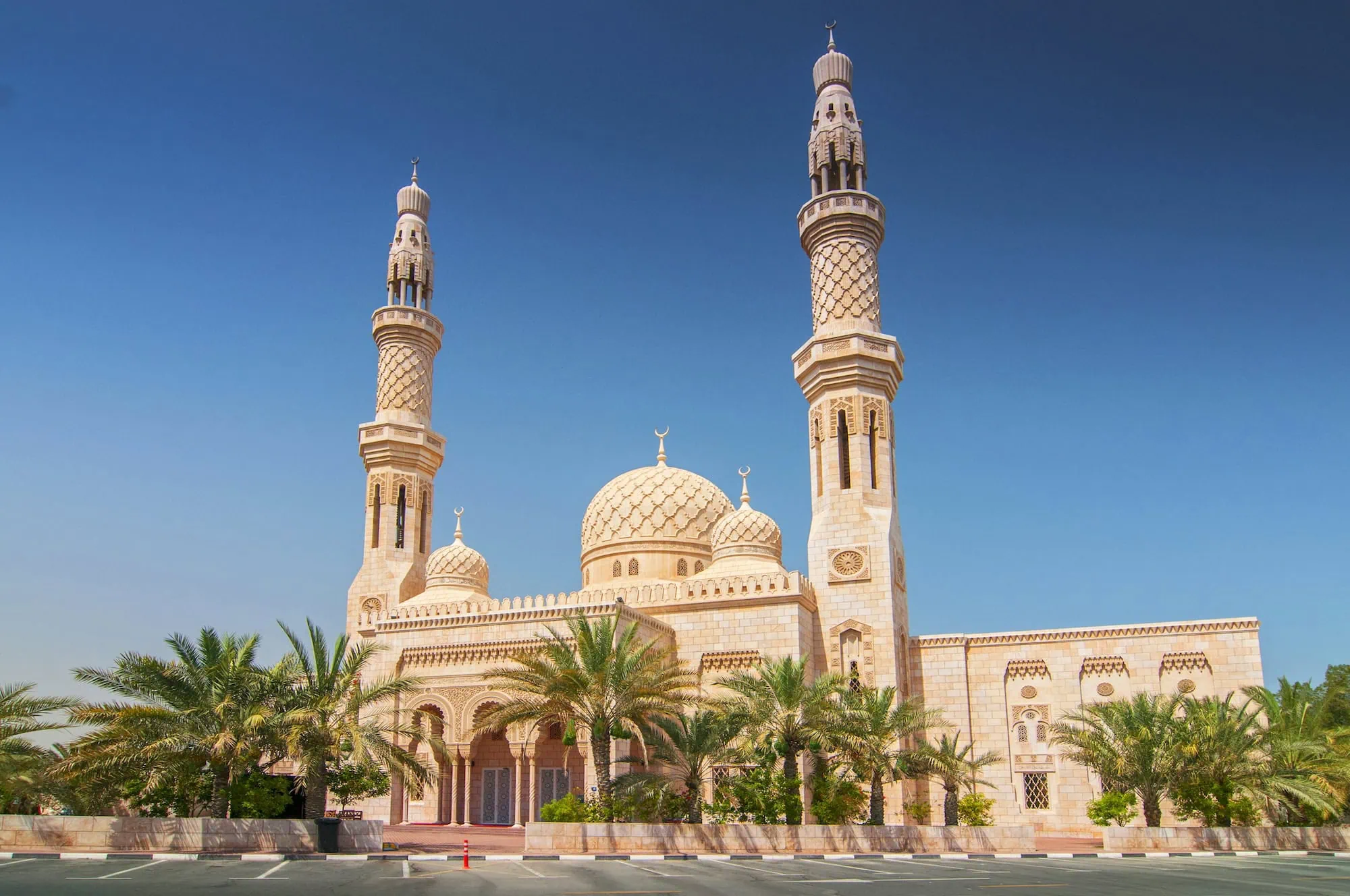
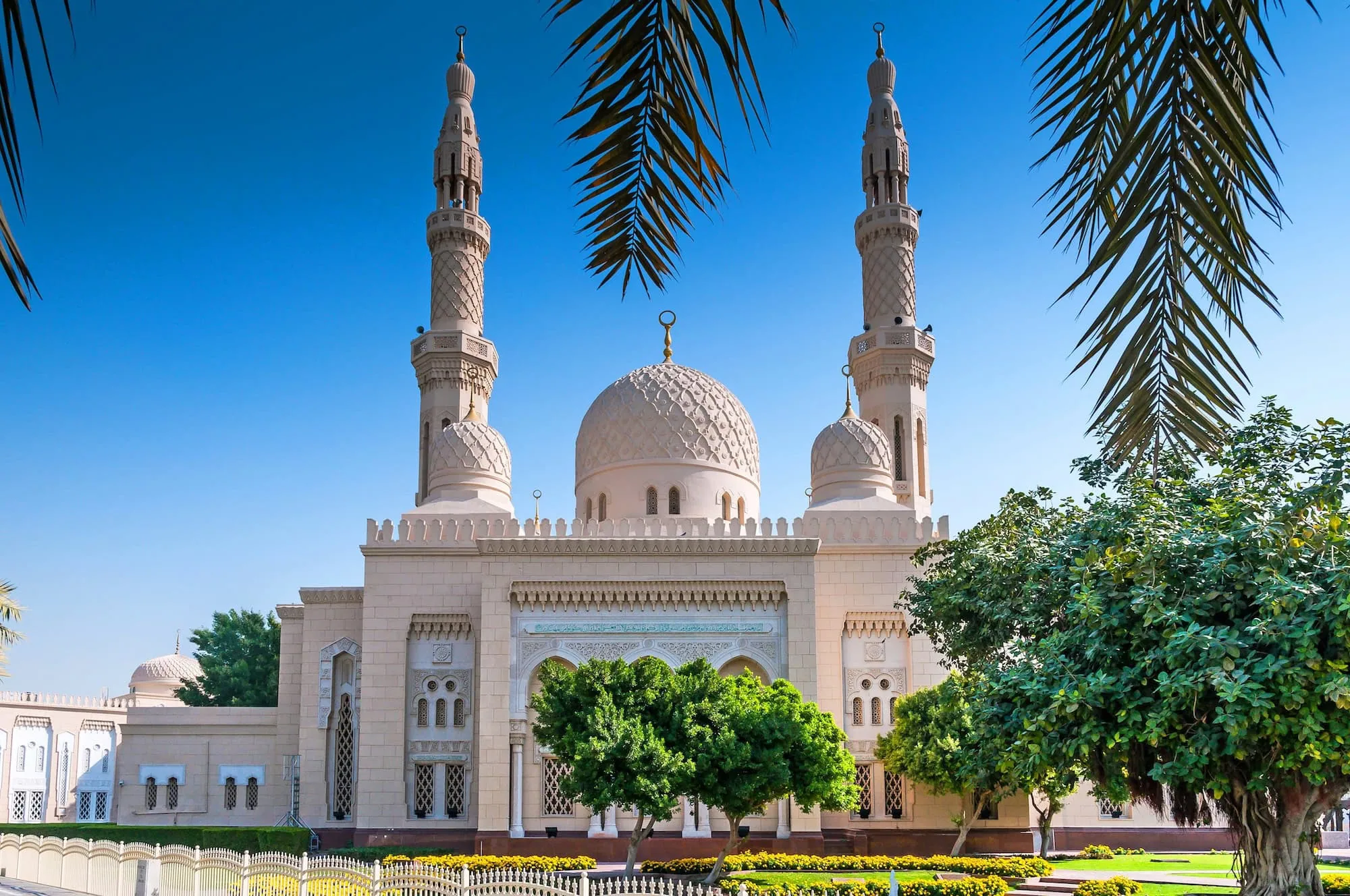
The Jumeirah Mosque stands as the only mosque in Dubai where non-Muslims can step inside, learn, and connect with Islamic culture through the renowned “Open Doors. Open Minds” program. Built in 1975 as a gift from Sheikh Rashid bin Saeed Al Maktoum, this architectural masterpiece combines Fatimid and Mamluk design elements with a welcoming and educational approach.
Jumeirah Mosque can be included in our Egypt and Dubai luxury tours, where cultural experiences in Dubai are combined with Egypt’s rich historical and religious heritage.
Whether you’re seeking architectural beauty, cultural insight, or a deeper understanding of Islamic traditions, this site offers a unique experience unlike any other attraction in Dubai.
Table of Contents
Cultural Education Through Open Doors Program
The Sheikh Mohammed Centre for Cultural Understanding transforms every mosque visit into an educational journey that goes far beyond sightseeing.
Daily Guided Tours and Interactive Learning
Tours run twice daily at 10:00 am and 2:00 pm, except Fridays, with no advance booking required. Each 75-minute session begins with an introduction to Islamic practices, including the Five Pillars of Islam, prayer rituals, and the mosque’s role in Muslim daily life.
The interactive format encourages genuine dialogue. Guides share personal stories about Emirati culture while addressing common misconceptions about Islam. Photography is welcome throughout the tour, allowing you to capture both the stunning architecture and memorable cultural moments.
Traditional Experiences and Cultural Immersion
Following the educational portion, guests enjoy traditional Emirati refreshments served in an authentic majlis setting. The experience includes hands-on activities like henna art demonstrations and opportunities to try traditional Emirati clothing.
The Once Upon a Time Museum, integrated into the visit, showcases artifacts and displays that illustrate Dubai’s transformation from fishing village to global metropolis. This historical context helps visitors understand how Islamic traditions have adapted and thrived in modern Dubai.
Architectural Heritage and Design Significance
Two distinct Islamic architectural styles merge seamlessly in the mosque’s design, creating visual poetry in yellow-pink sandstone.
The Fatimid influence appears in the mosque’s geometric patterns and proportional harmony, while Mamluk elements shine through the intricate minaret details and decorative arches. Construction materials were carefully chosen – the warm-toned sandstone not only withstands Dubai’s climate but also creates stunning visual effects as light changes throughout the day.
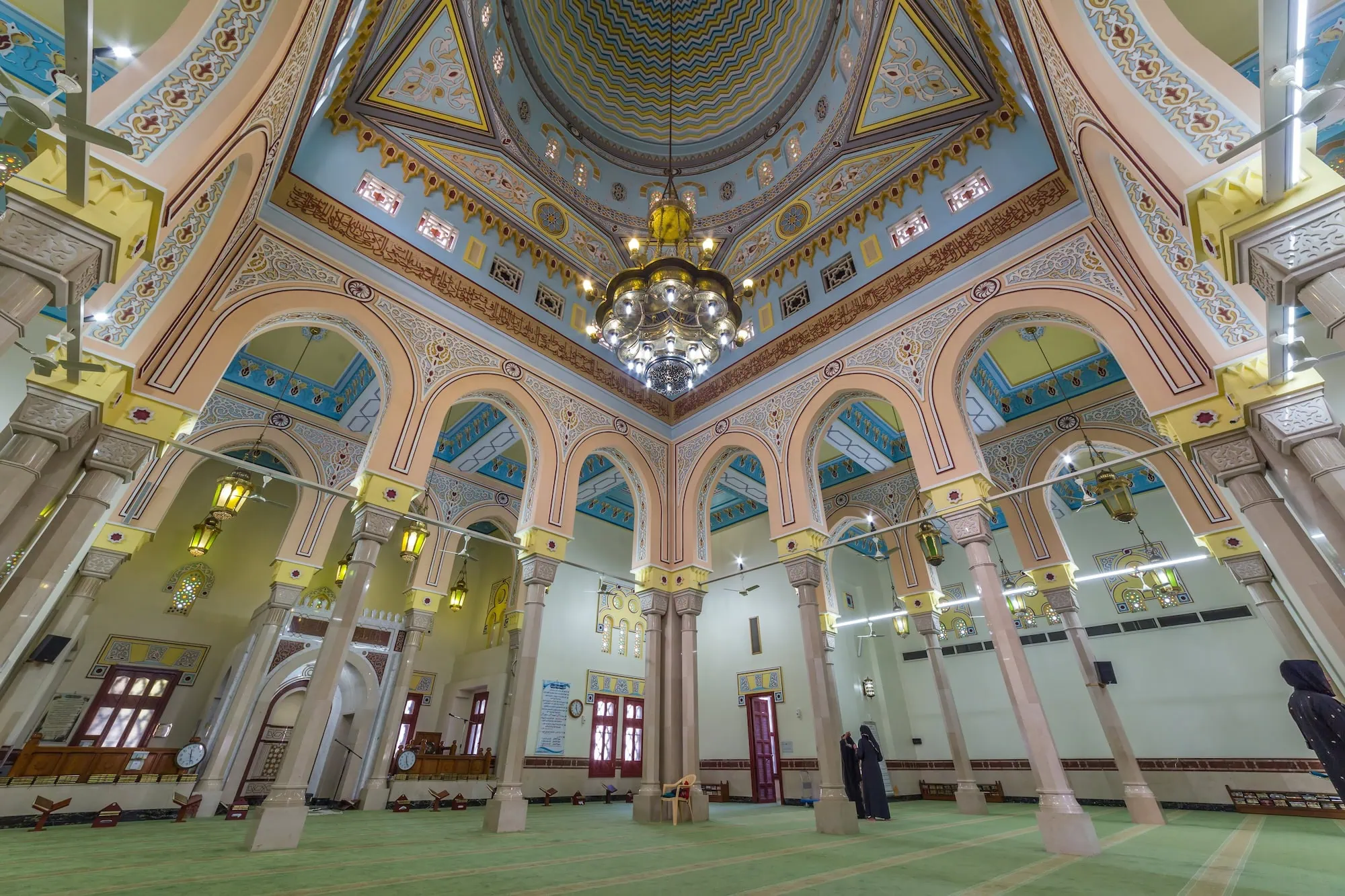
This isn’t just architectural beauty for its own sake. Every design element serves both aesthetic and functional purposes, from the acoustics that carry the call to prayer to the orientation that ensures proper direction toward Mecca. The mosque accommodates over 1,200 worshippers during peak times, yet maintains an intimate atmosphere that encourages reflection and prayer.
Royal patronage elevated this mosque beyond typical religious architecture. Sheikh Rashid’s gift to his son Sheikh Mohammed created a lasting symbol of the Al Maktoum family’s commitment to both Islamic heritage and cultural openness.
Practical Visitor Information and Guidelines
Scheduling and Access Details
We recommend arriving 15 minutes early to allow time for registration and preparation. Tours accommodate approximately 50 visitors per session, ensuring personal attention from guides.
No advance booking is necessary, but arriving early during Dubai’s peak tourist season (November through March) ensures your spot. The mosque provides air-conditioned waiting areas and restroom facilities for visitor comfort.
Dress Requirements and Cultural Respect
Modest clothing is essential – long pants and sleeves covering shoulders for all visitors. Women receive complimentary head coverings if needed, though bringing your own ensures the best fit.
These requirements aren’t restrictions but opportunities to participate respectfully in Islamic culture. Many visitors find wearing traditional clothing enhances their understanding of daily Muslim practices and creates more meaningful photo opportunities.
Cost and Value Considerations
Tours cost AED 45 per person (approximately $12 USD), including refreshments, museum access, and all cultural activities. Children under 12 receive discounted admission.
Payment is accepted in cash or card at the entrance. The fee supports the Sheikh Mohammed Centre’s broader cultural programs throughout Dubai, making your visit part of a larger mission to promote understanding between cultures.
Regional Context and Dubai Integration
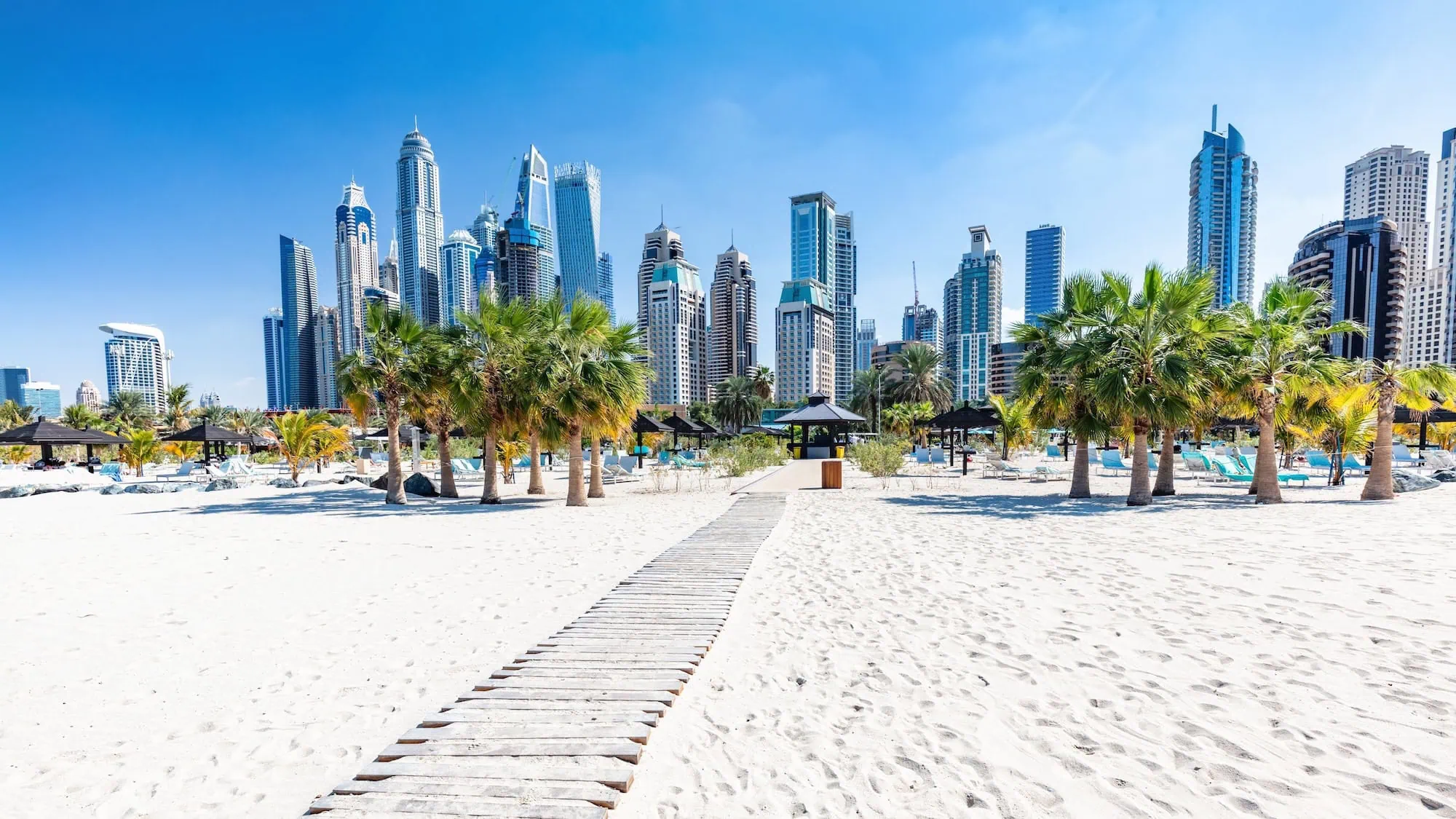
The mosque sits strategically in Jumeirah district, surrounded by luxury hotels and beaches along the Persian Gulf coast. This location symbolizes Dubai’s approach to balancing tradition with tourism development.
Jumeirah Beach Road provides easy access, with parking available on-site. The neighborhood context enhances the visit – you can combine mosque tours with beach time, shopping at nearby souks, or dining at traditional Emirati restaurants.
Public transportation reaches the area via bus routes connecting to major hotels and Dubai Metro stations. Taxi drivers universally know the mosque location, making navigation simple for independent travelers.
Dubai’s commitment to religious tolerance finds its clearest expression here. While the city hosts diverse religious communities, Jumeirah Mosque specifically bridges understanding between Islamic culture and international visitors.
Enhanced Cultural Programs and Experiences
Beyond standard tours, the Sheikh Mohammed Centre offers specialized programs that deepen cultural understanding through focused activities.
Authentic Emirati Buffet Experiences
Selected tours include traditional Emirati meals featuring local specialties like machboos (spiced rice with meat), luqaimat (sweet dumplings), and Arabic coffee served in traditional dallah pots.
Food culture reveals surprising insights about Islamic principles and Emirati hospitality. Meals begin with dates and water, following Prophet Muhammad’s example, while the communal dining style reflects Islamic values of equality and sharing.
Cultural Ambassador Stories
Guides share untold stories from their personal experiences as cultural ambassadors, creating connections that go beyond textbook explanations of Islamic practices.
The personal approach transforms abstract cultural concepts into relatable human experiences. Visitors learn how young Emiratis balance traditional values with international education, how families adapt religious practices to modern life, and how Islamic principles guide business practices in contemporary Dubai.
Frequently Asked Questions
Yes, this is the only mosque in Dubai specifically designed for interfaith visits, with guides trained to welcome questions about all aspects of Islamic culture and practices.
Tours last approximately 75 minutes, including the guided mosque visit, cultural activities, refreshments, and museum exploration.
Photography is encouraged throughout the tour, including inside the prayer hall and during cultural activities, making this unique among mosque visits worldwide.
The tour is designed specifically for visitors with no prior Islamic knowledge – guides start with basics and adapt explanations to your background and interests.
Children of all ages are welcome, though content is most engaging for those over 8 years old who can participate in discussions and activities.
No, individual visits aren’t possible – the mosque only opens to non-Muslims during scheduled Open Doors program sessions.
Inform guides at the beginning of your tour – they accommodate most dietary needs including vegetarian, vegan, and common allergies.
Yes, the mosque provides full wheelchair access including ramps, accessible restrooms, and seating arrangements during the tour.
This program offers uniquely comprehensive access for non-Muslims – most mosques worldwide don’t provide guided tours with cultural education components.
Professional photography equipment is welcome, though guides may ask you to be mindful of other visitors and prayer times if applicable.
Tours are scheduled to avoid interfering with daily prayers, but you may hear the call to prayer, which guides explain as part of the cultural education.
The mosque offers a small selection of books about Islamic culture and traditional items, with proceeds supporting the cultural center’s programs.
Design Your Custom Tour
Explore Egypt and Dubai your way by selecting only the attractions you want to visit