

Le Jardin Secret – A Stately Reminder of the Saadian Dynasty
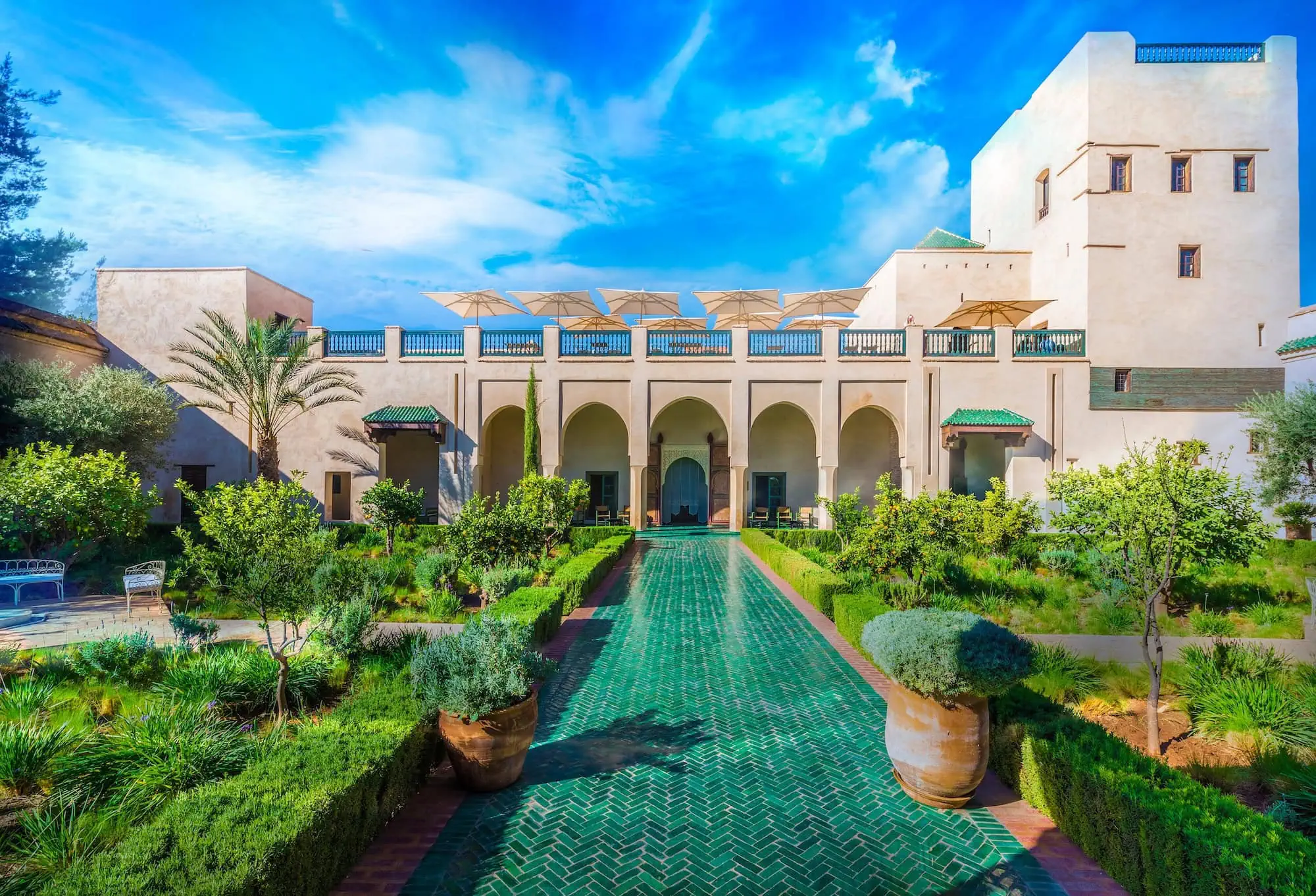
Gardens hold secrets. Deep in Marrakech’s bustling medina, Le Jardin Secret offers a calm retreat from the intensity of the surrounding souks while showcasing centuries of Islamic garden design.
Le Jardin Secret can be included in our Egypt and Morocco luxury tours, where Morocco’s refined cultural experiences are combined with its historic cities and Egypt’s ancient wonders for an exclusive and immersive journey.
This beautifully restored 400-year-old riad complex highlights how traditional Moroccan architecture creates serene, inward-facing spaces that feel completely removed from the outside world. Water features, geometric layouts, and carefully curated النباتات reflect the principles of Islamic garden design.
Originally owned by the influential qaid U-Bihi, the site now functions as both a heritage landmark and a peaceful sanctuary for visitors seeking a deeper and more authentic experience of Marrakech.
The Two Gardens: Traditional Islamic Design Meets Exotic Botanicals
Le Jardin Secret features two distinct garden spaces that showcase different aspects of Moroccan horticultural tradition.
The Islamic Garden
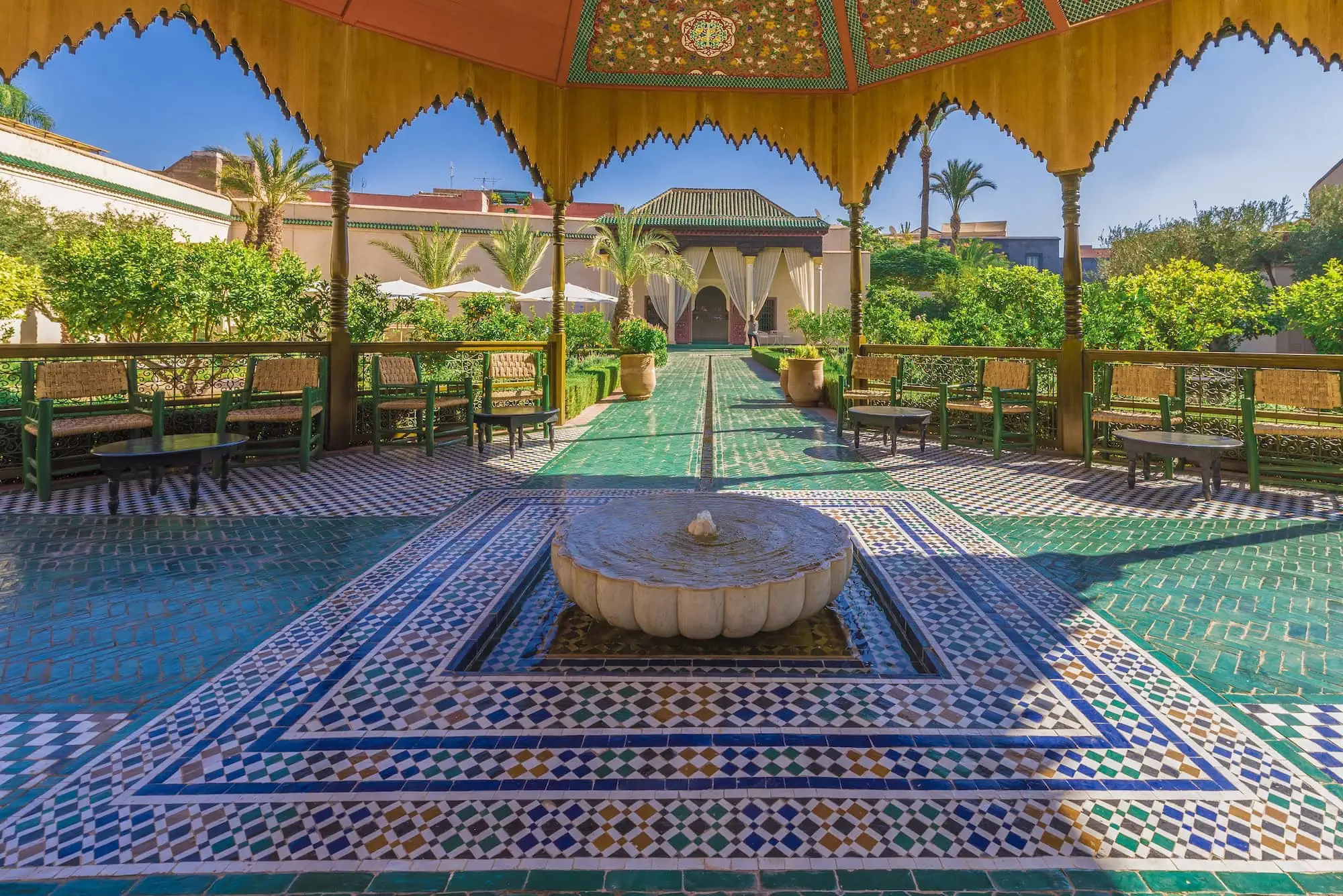
The traditional Islamic garden follows geometric principles that have guided Moroccan garden design for over a millennium. Water channels create precise patterns through carefully arranged plantings of pomegranates, figs, and date palms. These trees provide both shade and symbolic meaning in Islamic culture, representing abundance and divine blessing.
The garden’s layout reflects the four-part chahar bagh design, with water serving as the central organizing element. Stone pathways guide visitors along routes that reveal different perspectives of the plantings and architectural details.
The Exotic Garden
This second space showcases plants from around the Mediterranean and beyond. Olive trees, citrus varieties, and aromatic herbs create sensory experiences through varied textures, colors, and fragrances. The Atlas Mountains provide a dramatic backdrop, visible from several elevated viewing points throughout this garden section.
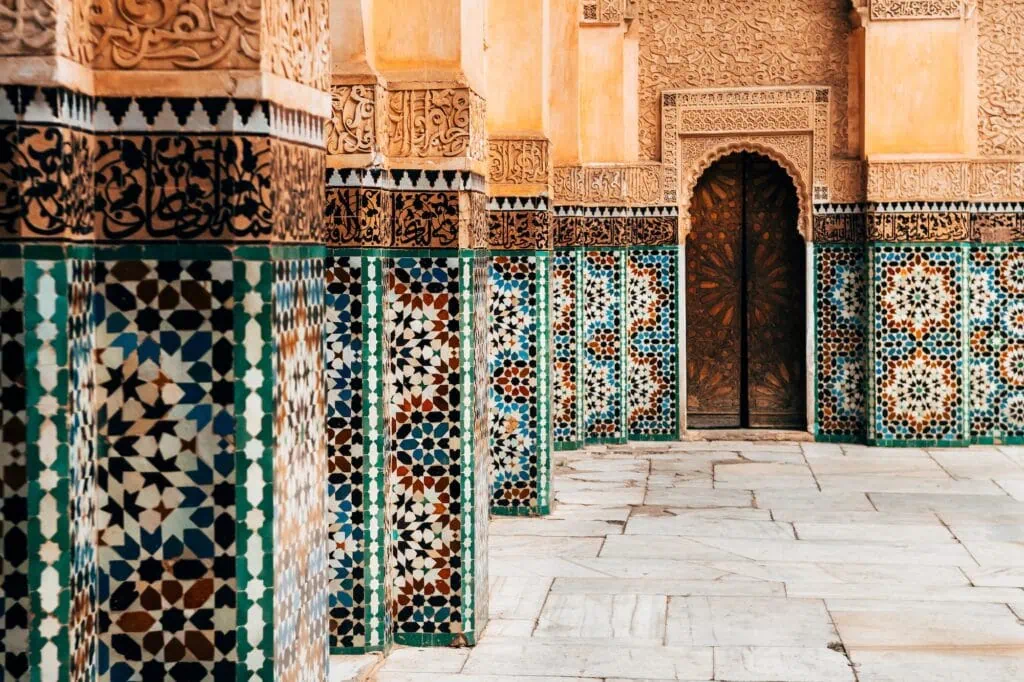
Zellij tilework and traditional wood carvings frame the planting beds, demonstrating how Moroccan craftsmen integrate decorative arts with horticultural design.
Water Systems and Irrigation
Both gardens rely on an ancient khettara irrigation system that channels water from underground sources. Information panels explain how this technology sustained gardens across North Africa for centuries. The restoration project carefully preserved original water channels while adding modern elements needed for current maintenance requirements.
Planning Your Visit: Entry, Timing, and Tours
Most visitors spend 90 minutes to two hours exploring both garden areas and the museum displays. The site opens at 9:30 AM (09:30) and closes at 7:30 PM (19:30) daily, with last entry accepted one hour before closing.
Entry tickets cost approximately 50 dirhams for adults, with discounts available for students and children under 12. We recommend purchasing tickets online through official platforms to guarantee availability, especially during peak tourist seasons from October through April.
The garden welcomes independent exploration, though guided tours provide deeper cultural context about Islamic garden philosophy and the restoration process. Small group tours typically include 8-12 participants and last approximately one hour.
Best Times to Visit
Early morning visits between 9:30 AM and 11:00 AM offer cooler temperatures and fewer crowds. Late afternoon light between 4:00 PM and 6:00 PM creates ideal conditions for photography, especially in the exotic garden where Atlas Mountain views are most dramatic.
Weekday visits generally provide more peaceful experiences than weekends, when local families often include the garden in their medina explorations.
Historical Heritage: From Qaid U-Bihi to Living Museum
The complex dates to the 11th century during the Almoravid period, though its current form reflects 16th and 17th-century additions. Qaid U-Bihi, a powerful political figure, transformed the space into a private residence that showcased both wealth and refined taste through elaborate garden design.
For centuries, the property remained in private hands before falling into disrepair during the mid-20th century. The current restoration began in 2008, requiring extensive research into traditional building techniques and authentic plant varieties. Craftsmen used period-appropriate materials including handmade tiles, carved cedar wood, and traditional lime plaster to recreate original architectural details.
Today, Le Jardin Secret functions as a living museum that demonstrates how wealthy Moroccan families created private paradises within medina walls. Documentary films and CGI displays help visitors understand the property’s evolution through different historical periods.
Architecture and Craftsmanship: Traditional Techniques in Modern Restoration
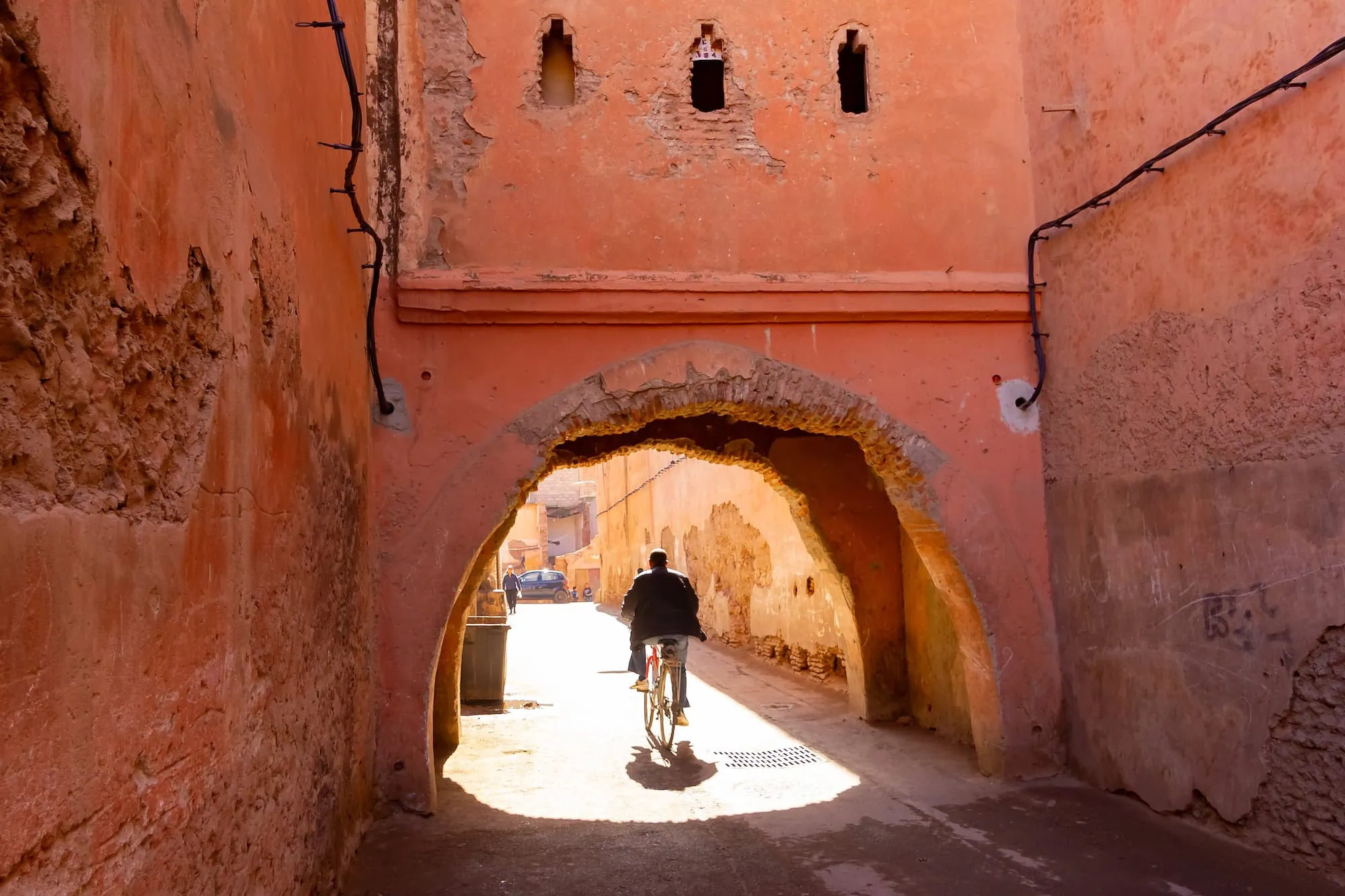
Traditional Moroccan architecture transforms small urban spaces into surprisingly spacious environments through careful planning and decorative elements. Le Jardin Secret showcases these principles through restored riads that frame the garden spaces.
Visitors enter through a traditional wooden door carved with geometric patterns. Interior courtyards feature fountain systems that cool the air while providing pleasant background sounds. Rooms surrounding the courtyards display period furniture, textiles, and decorative objects that illustrate daily life in wealthy Moroccan households.
The restoration team consulted historical documents and consulted master craftsmen to ensure authenticity in every detail. Zellij tile patterns follow traditional color schemes using natural pigments. Cedar wood carvings recreate original designs documented in historical photographs and architectural surveys.
Architectural Highlights
Upper-level terraces provide elevated views across both gardens and toward the Atlas Mountains. These spaces demonstrate how Moroccan builders created private outdoor rooms that captured breezes while maintaining privacy from neighboring properties.
Traditional screens called mashrabiya filter light while allowing air circulation. The restoration preserved original examples while creating new pieces using identical techniques and materials.
Practical Information: Location, Access, and Combined Experiences
Le Jardin Secret sits in the northern section of Marrakech’s medina, approximately 10 minutes’ walk from Jemaa el-Fnaa square. The entrance on Rue Mouassine is marked with discrete signage in Arabic, French, and English.
Getting There
Most visitors approach through the main souk areas, following signs toward the Mouassine Mosque. The garden entrance sits on a relatively quiet street, providing a calm transition from the busier market areas.
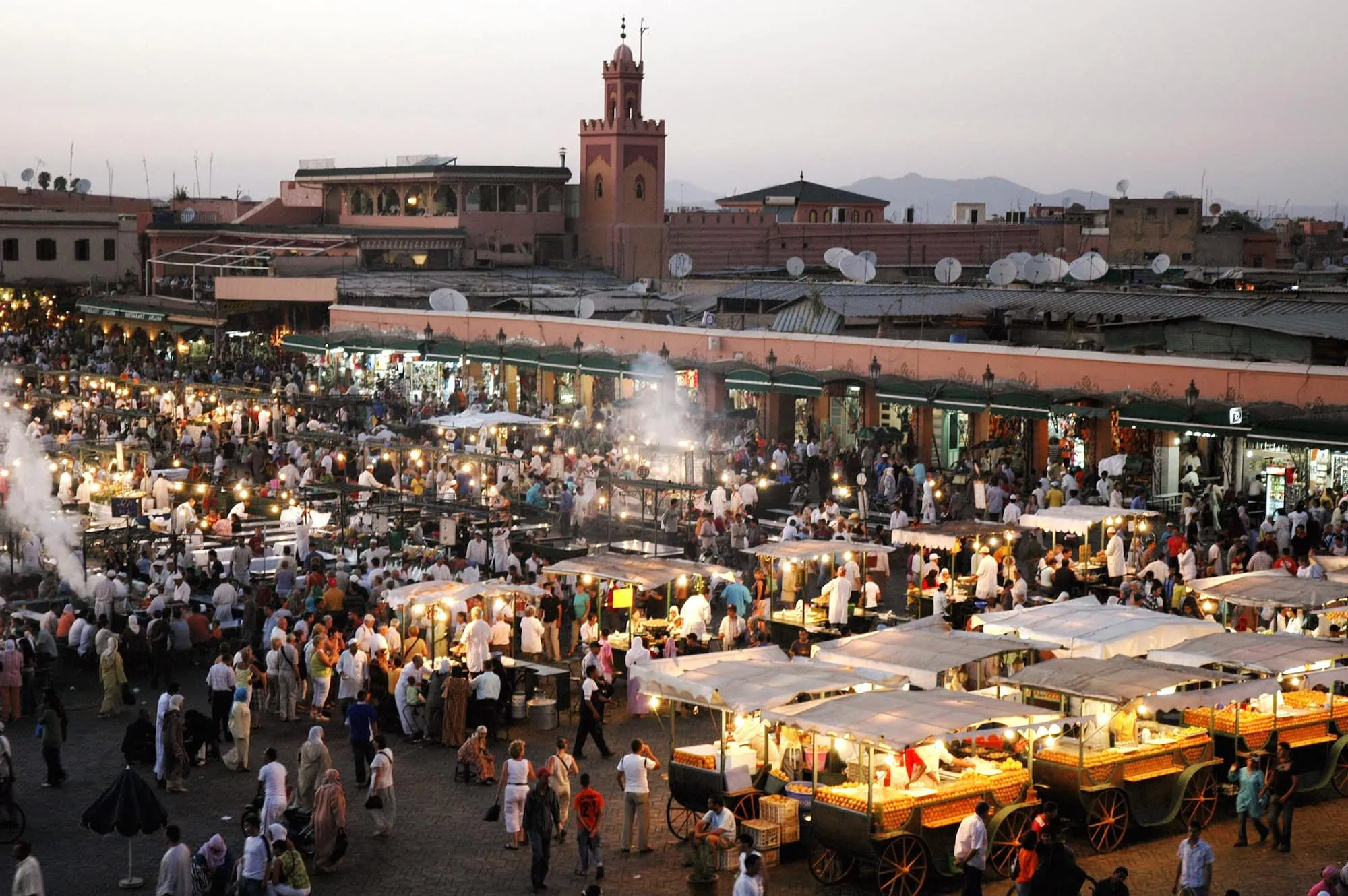
Taxis can reach within two blocks of the entrance, though the final approach requires walking through narrow medina streets not accessible to vehicles.
Combined Experiences
Many visitors combine Le Jardin Secret with other nearby attractions. The Ben Youssef Mosque lies 5 minutes away on foot, while the Bahia Palace requires approximately 15 minutes through the southern medina. Several tour operators offer half-day packages that include multiple sites with transportation between locations.
The on-site café serves traditional Moroccan mint tea and light refreshments. This provides a natural rest point during medina exploration, especially for visitors combining multiple cultural sites in a single day.
Photography and Cultural Etiquette
The gardens welcome photography for personal use, though professional shoots require advance permission and additional fees. Early morning and late afternoon provide optimal lighting conditions for capturing architectural details and mountain views.
Visitors should dress modestly out of respect for local cultural norms. This means covering shoulders and knees, especially when moving between the garden and surrounding medina streets where local residents live and work.
The peaceful atmosphere deserves protection through considerate behavior. Quiet conversation and gentle movement through the spaces allow all visitors to appreciate the tranquil environment that makes Le Jardin Secret special.
Seasonal Considerations
Spring visits from March through May showcase flowering plants at their peak. Summer temperatures can exceed 40°C (104°F), making early morning or late afternoon visits most comfortable. Autumn offers pleasant weather with clear mountain views, while winter provides crisp air and bright sunlight ideal for photography.
Frequently Asked Questions
Most visitors need 1.5 to 2 hours to explore both gardens and museum displays comfortably.
Online booking guarantees availability during peak seasons, though walk-in visitors can usually purchase tickets.
The garden opens daily from 9:30 AM to 7:30 PM, with last entry at 6:30 PM.
Yes, the gardens welcome families, though young children should be supervised near water features.
English-speaking guides offer scheduled tours, or you can arrange private tours through the entrance desk.
Dress modestly with covered shoulders and knees, plus comfortable walking shoes for uneven pathways.
Personal photography is welcome, though professional shoots require advance permission and additional fees.
The garden sits within walking distance of Ben Youssef Mosque, Bahia Palace, and major souk areas.
Le Jardin Secret uniquely combines authentic restoration, educational displays, and peaceful atmosphere away from crowds.
The on-site café serves traditional mint tea, coffee, and light snacks in a garden setting.
Ground-level areas accommodate wheelchairs, though upper terraces require climbing stairs and may not be accessible.
Early morning (9:30-11:00 AM) and late afternoon (4:00-6:00 PM) provide optimal lighting and fewer crowds.
Design Your Custom Tour
Explore Egypt & Morocco your way by selecting only the attractions you want to visit