

Luxor Temple – An Ancient Temple of Pharoah Amenophis III
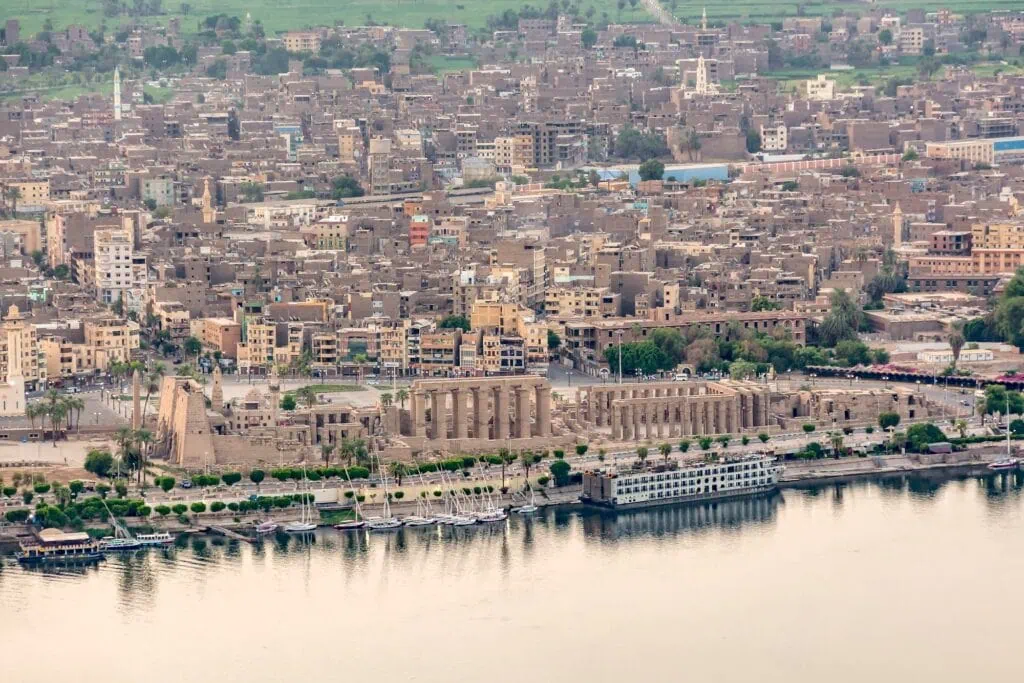
Standing majestically on the banks of the Nile, Luxor Temple remains one of the most perfectly preserved monuments from ancient Egypt.
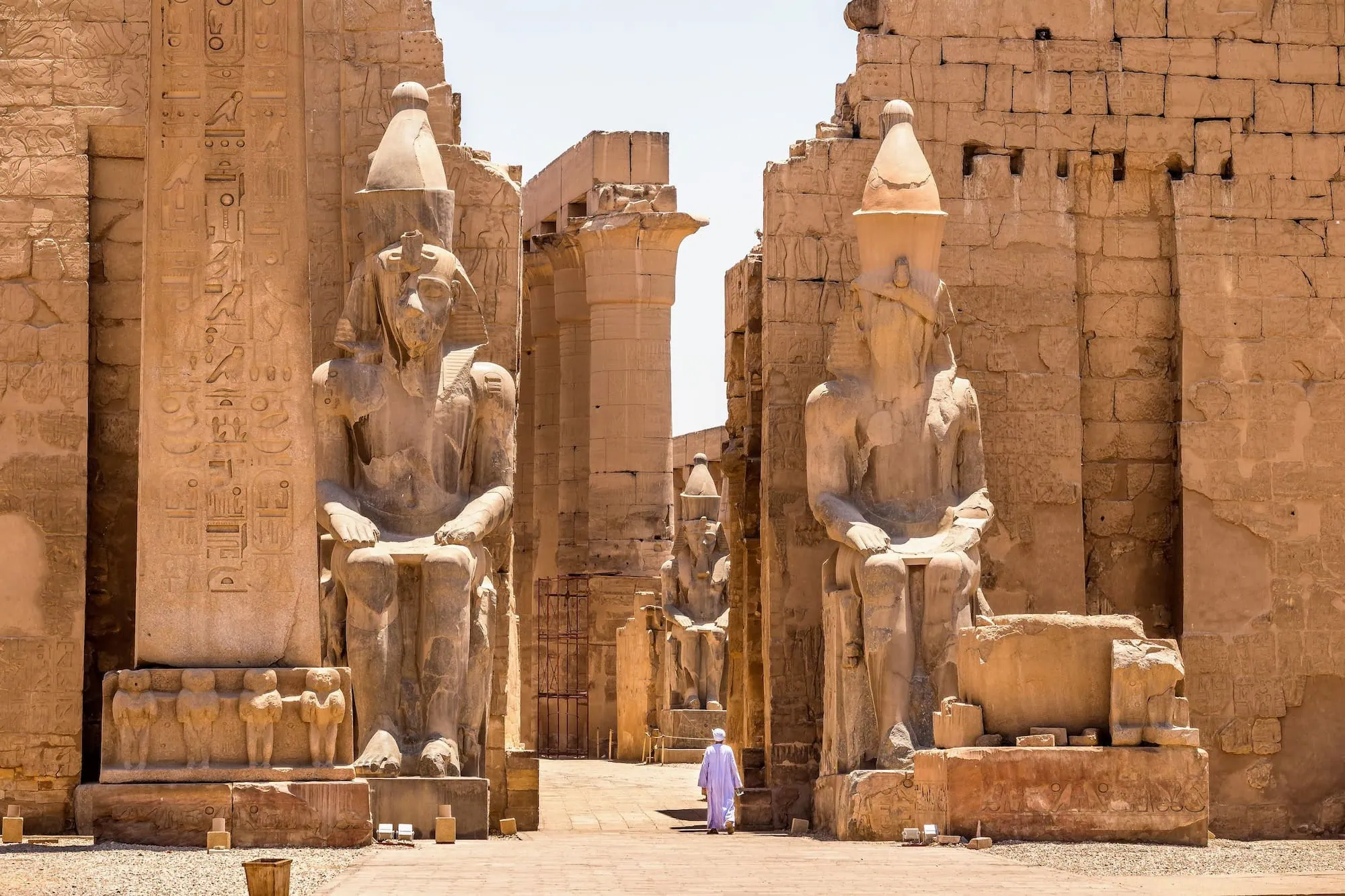
Built around 1400 BCE by Amenhotep III and later enhanced by Ramesses II, this magnificent temple complex served as the spiritual heart of Thebes for over three millennia. Unlike other Egyptian temples dedicated to specific deities, Luxor Temple was designed for the rejuvenation of kingship through elaborate coronation ceremonies and the annual Opet Festival. Its towering columns, intricate hieroglyphic reliefs, and sacred chambers continue to captivate visitors who walk the same sandstone pathways once traversed by pharaohs.
Today, this UNESCO World Heritage site offers an unparalleled window into ancient Egyptian civilization. We’ll guide you through everything you need to know about visiting this remarkable temple, from its fascinating history to practical travel tips for your Egyptian adventure.
Table of Contents
The Sacred History Behind Luxor Temple
Ancient Thebes served as Egypt’s capital from the twelfth dynasty, earning the nickname “City of Hundred Gates” from Greek sources. Luxor Temple emerged during this golden age as a unique religious center unlike any other in the Egyptian empire.
Construction Through the Ages
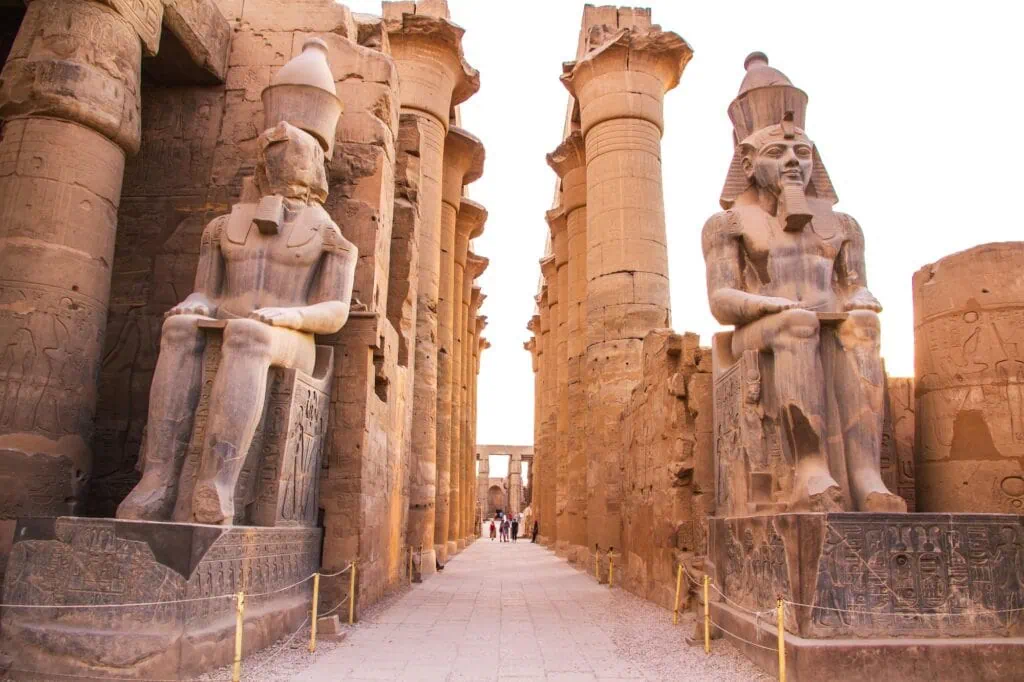
Amenhotep III initiated construction around 1400 BCE, creating the temple’s core structure with the magnificent Grande Colonnade Hall. This architectural marvel features 28 papyrus-shaped columns, each measuring six meters in diameter and rising majestically toward the sky. The pharaoh envisioned this space as the setting for divine ceremonies that would legitimize royal power through religious ritual.
Ramesses II later expanded the complex, adding the massive First Pylon and the expansive Court of Rameses II. His additions transformed the temple into an even grander ceremonial space, decorated with colossal statues and detailed reliefs celebrating his military victories and divine connection.
The Sacred Opet Festival
Every year during the flood season, Luxor Temple became the focal point for ancient Egypt’s most important religious celebration. The Opet Festival brought together thousands of worshippers who lined the Avenue of Sphinxes connecting Luxor Temple to Karnak Temple, creating a 2.7-kilometer processional route that buzzed with spiritual energy.
During these ceremonies, sacred barges carrying statues of the Theban Triad – Amun, Mut, and Khonsu – traveled from Karnak to Luxor Temple. The pharaoh participated in elaborate rituals that symbolically renewed his divine mandate to rule, ensuring the prosperity of Egypt for another year. These celebrations lasted for weeks, involving music, dancing, and offerings that strengthened the bond between the earthly and divine realms.
Religious Significance and the Place of First Occasion
Luxor Temple earned the designation “Place of First Occasion” in ancient Egyptian religious texts. Here, the god Amun was believed to be reborn during annual coronation reenactments, a process that legitimized each pharaoh’s divine right to rule Egypt. The temple’s innermost sanctuaries housed the most sacred rituals, where only the highest priests and the pharaoh himself could enter.
Architectural Wonders That Define Ancient Egyptian Mastery
The temple’s design represents the pinnacle of ancient Egyptian architectural achievement. Built primarily from Nubian sandstone quarried at Gebel el-Silsila, the structure demonstrates remarkable engineering precision that has withstood over three millennia of floods, earthquakes, and human conflicts.
The Monumental Entrance and First Pylon
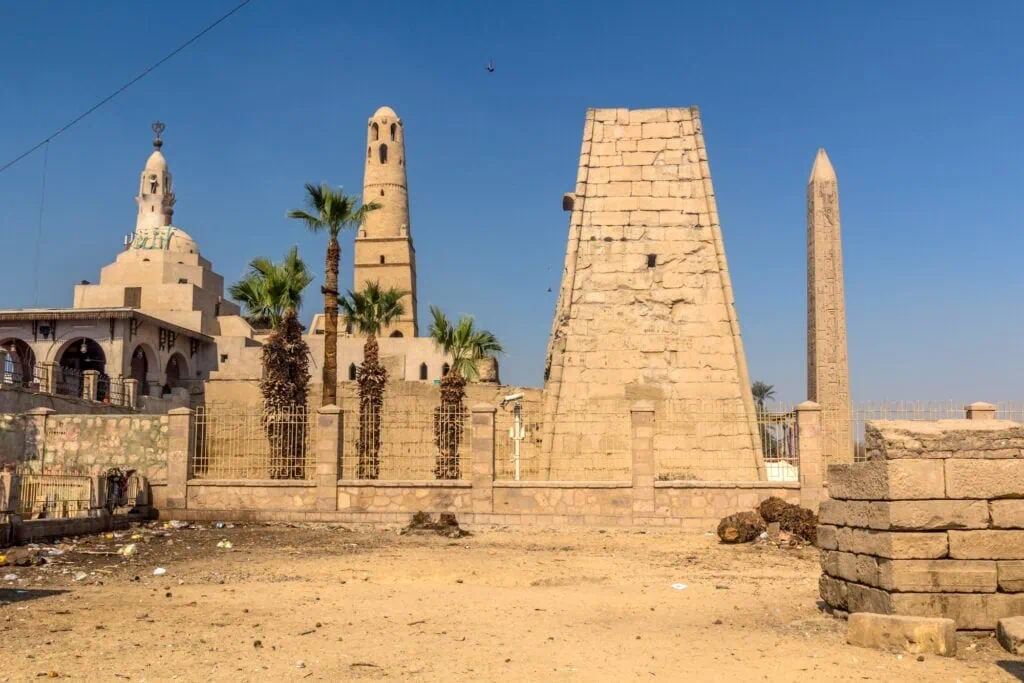
Visitors approach Luxor Temple through the imposing First Pylon, a massive gateway that rises 25 meters high and spans 65 meters wide. Two pink granite obelisks originally flanked this entrance, though one now stands in Paris at Place de la Concorde. The remaining obelisk towers 25 meters skyward, its hieroglyphic inscriptions celebrating Ramesses II’s military campaigns and divine authority.
Colossal statues of Ramesses II, carved from black granite, guard the pylon’s entrance. These seated figures, each measuring 15.6 meters in height, showcase the pharaoh in traditional ceremonial regalia, emphasizing his role as Egypt’s divine protector.
The Court of Rameses II
Beyond the pylon lies the magnificent Court of Rameses II, an open-air space surrounded by a double row of papyrus columns. This courtyard measures 57 meters in length and demonstrates the ancient Egyptians’ mastery of proportion and symmetry. The surrounding colonnade features 74 columns, each adorned with intricate carvings depicting religious scenes and royal achievements.
A small mosque, built in the 13th century CE and dedicated to Abu al-Hajjaj, sits within this courtyard. This Islamic structure represents the temple’s continuous religious significance, as worship has continued at this sacred site across different civilizations and faiths.
The Grande Colonnade Hall
The temple’s architectural centerpiece remains the Grande Colonnade Hall created by Amenhotep III. This breathtaking space features 14 massive papyrus columns arranged in two rows, creating a natural cathedral effect that channels visitors toward the inner sanctuaries. Each column rises 16 meters high, with capitals carved to resemble blooming papyrus plants, symbols of rebirth and renewal in ancient Egyptian mythology.
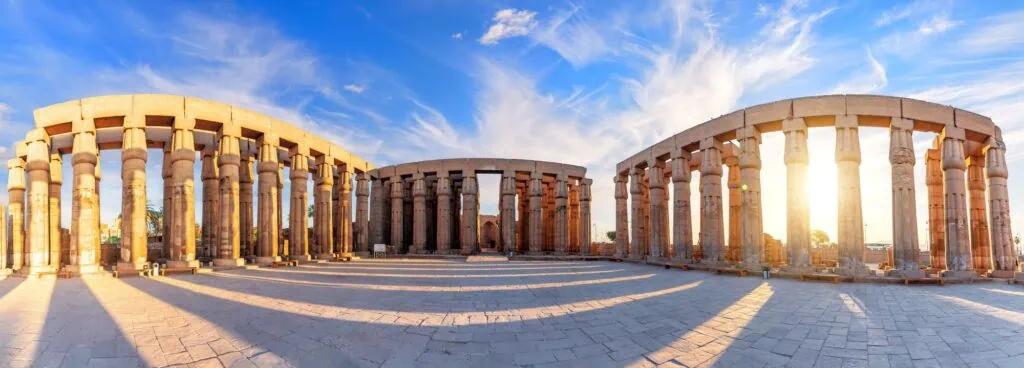
The walls surrounding this hall display some of Egypt’s finest relief carvings, completed during Tutankhamun’s reign around 1330 BCE. These festival scenes depict the Opet celebrations in remarkable detail, showing musicians, dancers, priests, and the royal barque processions that brought the temple to life during ancient ceremonies.
Planning Your Visit to Luxor Temple
Modern Luxor makes visiting this ancient wonder surprisingly accessible, though timing and preparation can significantly enhance your experience. We recommend planning at least two to three hours for a thorough exploration, allowing time to appreciate both the architectural details and historical significance.
Best Times to Experience the Temple
Early morning visits between 7:00 am (07:00) and 9:00 am (09:00) offer the most comfortable temperatures and optimal lighting for photography. During these hours, temperatures typically range from 20°C to 25°C (68°F to 77°F) in winter months, making exploration much more pleasant than the intense midday heat.
Sunset visits provide equally spectacular experiences, especially between 4:00 pm (16:00) and 6:00 pm (18:00). The setting sun casts golden light across the sandstone structures, creating dramatic shadows that highlight the intricate relief carvings. Many visitors find this timing particularly magical for capturing the temple’s romantic atmosphere.
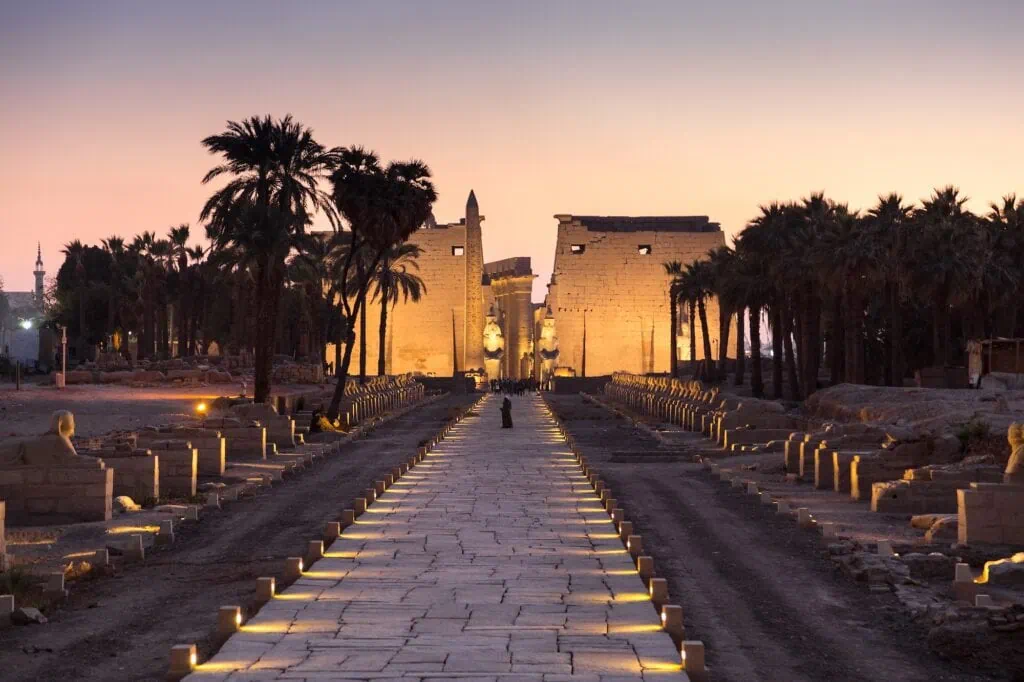
Evening illumination transforms Luxor Temple into an entirely different experience. The sophisticated lighting system, installed in recent years, dramatically highlights architectural features while creating an mystical ambiance. Night visits are possible until 10:00 pm (22:00) during peak season, offering a unique perspective on this ancient wonder.
Practical Information for International Visitors
U.S. visitors need a tourist visa, available upon arrival at Luxor Airport for $25 or through Egyptian consulates before travel. European Union citizens follow the same process, while visitors from most Latin American countries can obtain visas on arrival. Entry tickets cost 200 Egyptian pounds (approximately $6.50 USD) for the main temple area.
The temple opens daily at 6:00 am (06:00) and closes at 10:00 pm (22:00), though hours may vary during Ramadan or special events. We recommend purchasing tickets at the entrance rather than through third-party vendors to ensure authenticity and current pricing.
Luxor Temple sits in the heart of Luxor city, directly parallel to the Nile’s east bank. Most hotels in central Luxor are within walking distance, typically 1-2 kilometers (0.6-1.2 miles) from the temple entrance. Horse-drawn carriages, locally called “caleches,” provide traditional transportation for those preferring not to walk.
Conservation Efforts and Preservation Challenges
The World Monuments Fund has played a crucial role in preserving Luxor Temple for future generations. Since the 1990s, conservation teams have worked tirelessly to combat the serious threats facing this ancient structure.
Groundwater exposure presents the most significant challenge to the temple’s stability. Rising water tables, caused by modern irrigation and urban development, carry salt-laden moisture that gradually deteriorates the sandstone foundations. This process has accelerated in recent decades, requiring constant monitoring and intervention.
Professional conservators have stabilized over 1,000 stone blocks through the Wilson Challenge Initiative, stopping deterioration that threatened to damage irreplaceable reliefs and architectural elements. These efforts involve carefully cleaning salt deposits, stabilizing loose stones, and applying specialized treatments that protect against future moisture damage.
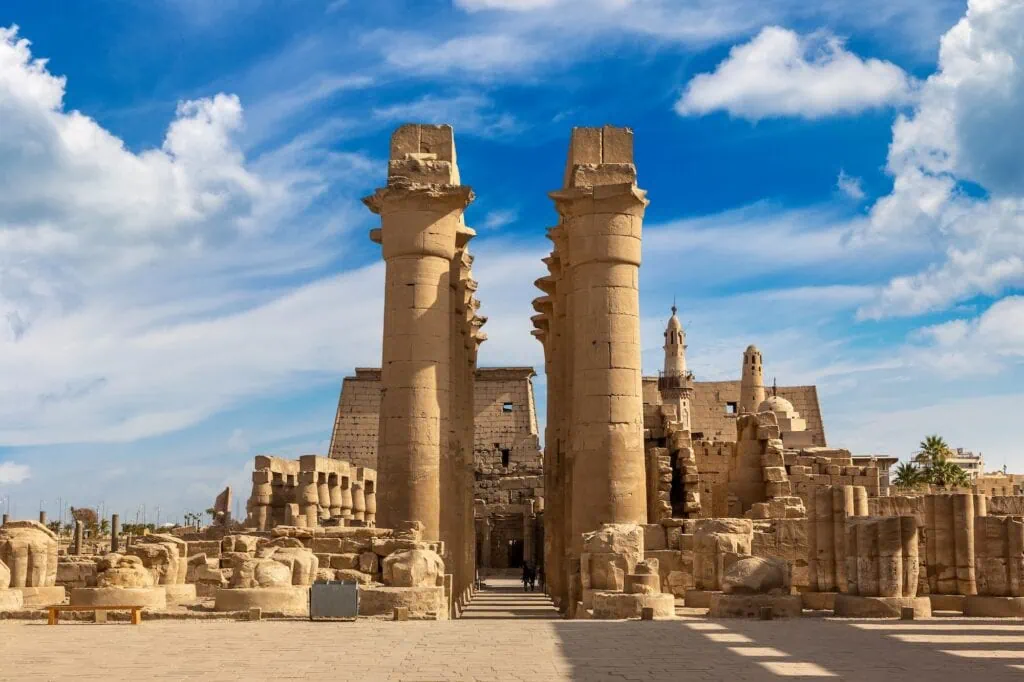
Excavation work, which began under Gaston Maspero after 1884, continues to reveal new insights about the temple’s past. Recent archaeological projects have uncovered additional chambers, refined our understanding of construction timelines, and discovered artifacts that shed light on daily religious practices.
Modern preservation techniques balance tourist access with conservation needs. Walkways protect ancient floors from foot traffic, while controlled lighting systems minimize heat damage to painted reliefs. These measures ensure that millions of annual visitors can experience Luxor Temple while preserving it for future generations.
The Avenue of Sphinxes Connection
One of Luxor Temple’s most remarkable features extends far beyond its walls. The Avenue of Sphinxes, recently restored and reopened to the public, creates a magnificent 2.7-kilometer (1.7-mile) processional route connecting Luxor Temple directly to Karnak Temple.
This ancient pathway once featured over 1,300 sphinx statues, each carved from sandstone and arranged in precise rows along the ceremonial route. During the Opet Festival, thousands of worshippers lined this avenue to witness the sacred barque processions that carried divine statues between the two temple complexes.
Egyptian authorities completed a massive restoration project in 2021, uncovering and restoring hundreds of sphinx statues that had been buried for centuries. Visitors can now walk portions of this ancient route, experiencing the same pathway used by pharaohs and priests over three millennia ago.
The restoration involved moving modern buildings, excavating buried sections, and carefully reassembling fragmented statues. This project represents one of Egypt’s most ambitious archaeological undertakings, reconnecting these two magnificent temples through their original ceremonial link.
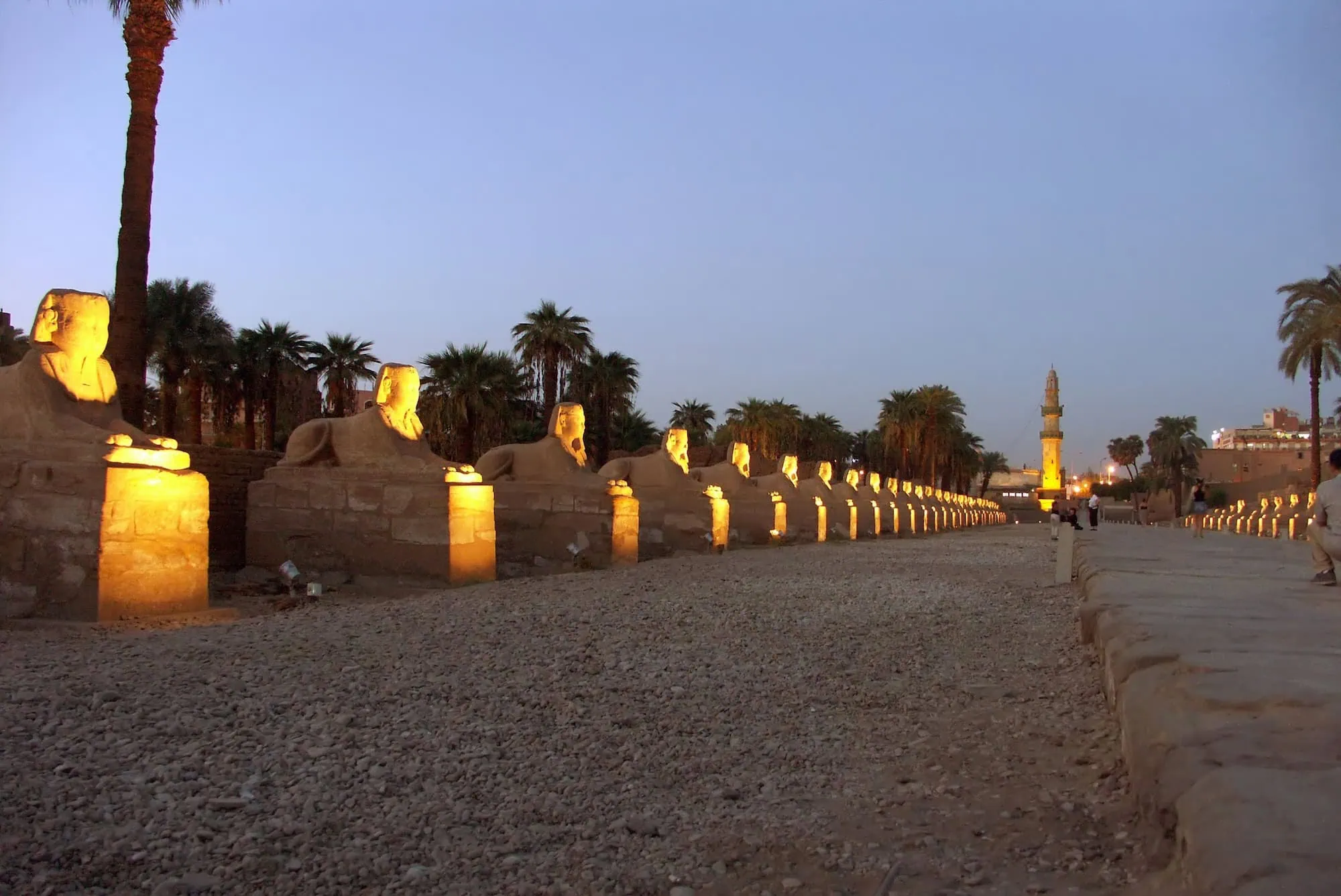
The newly illuminated Avenue of Sphinxes creates a spectacular evening experience. LED lighting highlights individual statues while creating a dramatic pathway that seems to stretch endlessly toward Karnak Temple. Walking this ancient route at sunset provides an unforgettable connection to Egypt’s pharaonic past.
Why Choose Egypt Tours Plus for Your Luxor Temple Experience
Our decades of expertise in Egyptian tourism ensure you experience Luxor Temple with the depth and understanding it deserves. Our certified Egyptologist guides bring this ancient wonder to life through detailed explanations of hieroglyphic texts, architectural significance, and historical context that transforms a simple visit into an educational journey.
We provide private, tailored itineraries that allow you to explore Luxor Temple at your preferred pace, whether you want to focus on photography, archaeology, or spiritual significance. Our modern, air-conditioned vehicles ensure comfortable transportation, while our 24/7 customer support guarantees assistance whenever needed.
Our award-winning service includes access to areas often missed by large group tours. We arrange optimal visit timing to avoid crowds, provide professional photography assistance, and offer detailed pre-visit briefings that enhance your understanding of what you’ll see.
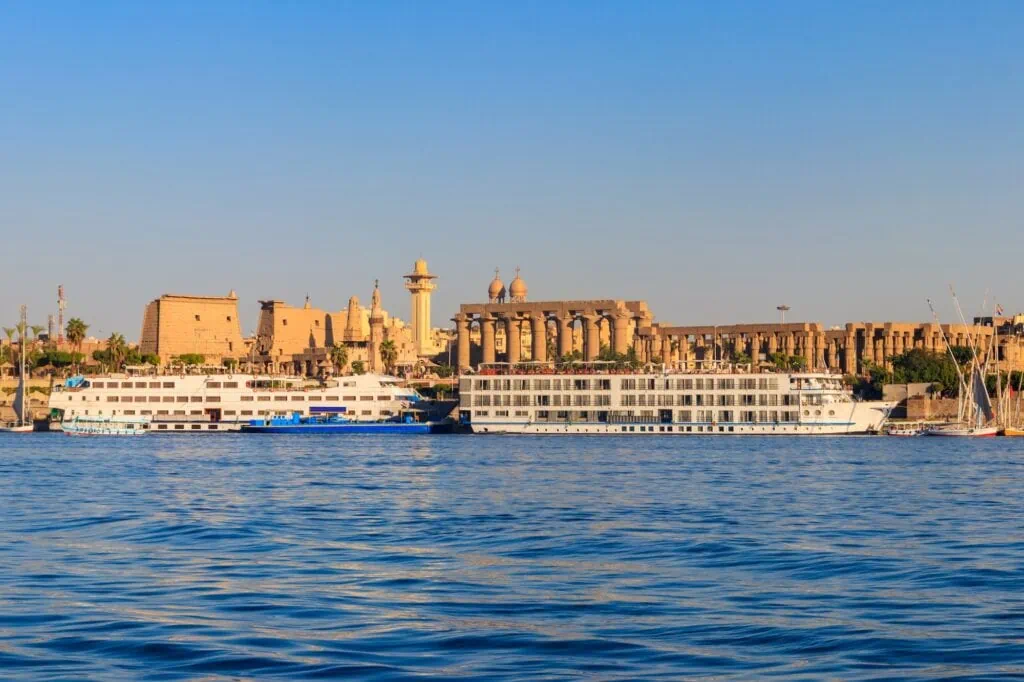
For multi-day Nile cruise experiences between Luxor and Aswan, we organize small group excursions with up to 12 participants, ensuring intimate exploration while maintaining the social aspect of shared discovery. This approach provides personalized attention while keeping costs reasonable for extended Egyptian adventures.
Experience The Timeless Beauty Of Luxor Temple
Luxor Temple comes alive in a way few places can—especially as the sun sets and its illuminated columns and statues create an unforgettable atmosphere. With EgyptToursPlus, we seamlessly include this iconic landmark in a private journey that connects Luxor’s living history with Egypt’s most extraordinary experiences.
You choose your travel dates, your pace, and the experiences that shape your route. From evening temple visits and Nile cruises to cultural highlights and refined comfort throughout, we tailor every detail around your preferences—ensuring a smooth, immersive, and deeply personal travel experience.
Frequently Asked Questions
Early morning between 7:00 am and 9:00 am offers the best combination of cooler temperatures, softer sunlight, and lighter crowds at Luxor Temple. During Upper Egypt’s hotter months, midday temperatures often exceed 95°F (35°C), making early visits far more comfortable for walking and photography. Sunset and evening visits are also popular because the temple becomes dramatically illuminated after dark. Photographers usually prefer morning light for clearer sandstone detail and fewer shadows across the colonnades.
Most visitors need 2-3 hours to explore Luxor Temple properly, including the courtyards, colossal statues, relief carvings, and the Avenue of Sphinxes connection to Karnak. Built primarily by Amenhotep III and Ramesses II, the temple contains over 3,000 years of layered history including Roman and Islamic additions. Travelers interested in photography or detailed hieroglyphic interpretation often stay longer. Evening visits may require extra time because the illuminated atmosphere encourages slower exploration and additional photo stops.
Luxor Temple is relatively accessible compared to many ancient Egyptian sites because its main courtyards and broad processional areas are mostly flat and open. Wheelchair users can navigate substantial sections of the complex, although some interior chambers, raised platforms, and uneven ancient stone surfaces remain difficult to access independently. The temple’s central axis extends approximately 260 meters, so comfortable pacing is important for visitors with limited mobility. Early morning visits are especially helpful because cooler temperatures reduce physical strain.
Luxor Temple focused primarily on royal kingship ceremonies and the annual Opet Festival, while Karnak Temple functioned as Egypt’s largest religious complex dedicated mainly to the god Amun-Ra. Karnak covers more than 100 hectares with massive sanctuaries and priestly structures, whereas Luxor Temple offers a more concentrated ceremonial layout in central Luxor. The two temples were historically connected by the 3 km Avenue of Sphinxes. Many visitors prefer Luxor Temple for its atmospheric nighttime illumination and easier navigation.
Yes, most travelers comfortably visit both Luxor Temple and Karnak Temple in a single full day, especially since the sites sit only about 3 km apart on Luxor’s East Bank. A typical itinerary includes Karnak early in the morning to avoid heat and crowds, followed by Luxor Temple in the late afternoon or evening. Combined visits provide a clearer understanding of ancient Thebes’ religious and political structure during the New Kingdom. Private guides help streamline logistics and reduce repetitive transit time.
Standard admission to Luxor Temple generally includes basic personal photography using mobile phones or standard cameras, although professional equipment and certain filming setups may require separate permits or additional fees. Flash photography is sometimes restricted in decorated or sensitive areas to help preserve ancient surfaces and pigments. Tripods and commercial filming equipment often need advance approval from Egyptian antiquities authorities. Evening photography is especially popular because dramatic temple lighting highlights columns, statues, and relief carvings against the night sky.
Lightweight modest clothing, comfortable walking shoes, sunglasses, and sun protection are recommended for visiting Luxor Temple throughout the year. Temperatures in Luxor regularly exceed 100°F (38°C) during summer afternoons, and the sandstone flooring reflects significant heat. Covering shoulders and knees is not mandatory for tourists but is considered culturally respectful in Egypt, especially near religious or historic sites. Closed shoes with good grip work best because some ancient surfaces are uneven and polished smooth by centuries of foot traffic.
The Avenue of Sphinxes is generally open daily, connecting Luxor Temple and Karnak Temple along a ceremonial route stretching nearly 3 km through central Luxor. Originally lined with hundreds of sphinx statues, the avenue served as the processional pathway for the Opet Festival during the New Kingdom. Some sections occasionally face temporary closures or controlled access because of restoration and archaeological work. Early morning and evening walks provide the most comfortable conditions and the best opportunities for uninterrupted photography.
Luxor International Airport sits approximately 7 km east of Luxor Temple, with taxi transfers usually taking 15-20 minutes depending on traffic conditions. The route passes directly through modern Luxor city, making the temple one of Egypt’s most conveniently located major archaeological sites. Private transfers arranged through Egypt Tours Plus or local hotels often reduce waiting time and simplify arrival logistics. Travelers arriving during peak afternoon heat may prefer evening temple visits when temperatures become significantly more comfortable.
Luxor Temple is unique because it was designed primarily as a royal ceremonial temple focused on kingship renewal rather than daily worship of a single deity. The complex played a central role in the annual Opet Festival, during which statues of Amun, Mut, and Khonsu traveled from Karnak to Luxor Temple in elaborate processions. Unlike many Egyptian temples, Luxor also contains visible Roman frescoes, a functioning mosque, and evidence of continuous use across multiple civilizations. Its layered history makes it exceptionally distinctive.
Guided tours add significant value at Luxor Temple because many of the site’s most important details, including political symbolism, erased cartouches, and ceremonial reliefs, are difficult to interpret independently. Professional Egyptologists explain how rulers such as Amenhotep III, Tutankhamun, Alexander the Great, and Ramesses II altered the temple over centuries. Guides also help visitors navigate efficiently between major sections without missing key features. Travelers interested in ancient religion and royal propaganda usually benefit most from expert interpretation.
Yes, Luxor Temple remains open during Ramadan, although operating hours and nearby restaurant schedules may adjust slightly around fasting and evening prayer times. Visiting during Ramadan often creates a calmer atmosphere during daylight hours, while evenings become especially lively after sunset when local families gather along the Nile Corniche. The illuminated temple is particularly atmospheric during this period because nighttime activity increases across Luxor. Visitors should dress respectfully and remain mindful of local customs during fasting hours.
Design Your Custom Tour
Explore Egypt your way by selecting only the attractions you want to visit