

Montazah Palace and Royal Gardens – A Real Mediterranean Gem
Alexandria’s royal crown jewel welcomes you with Mediterranean elegance.
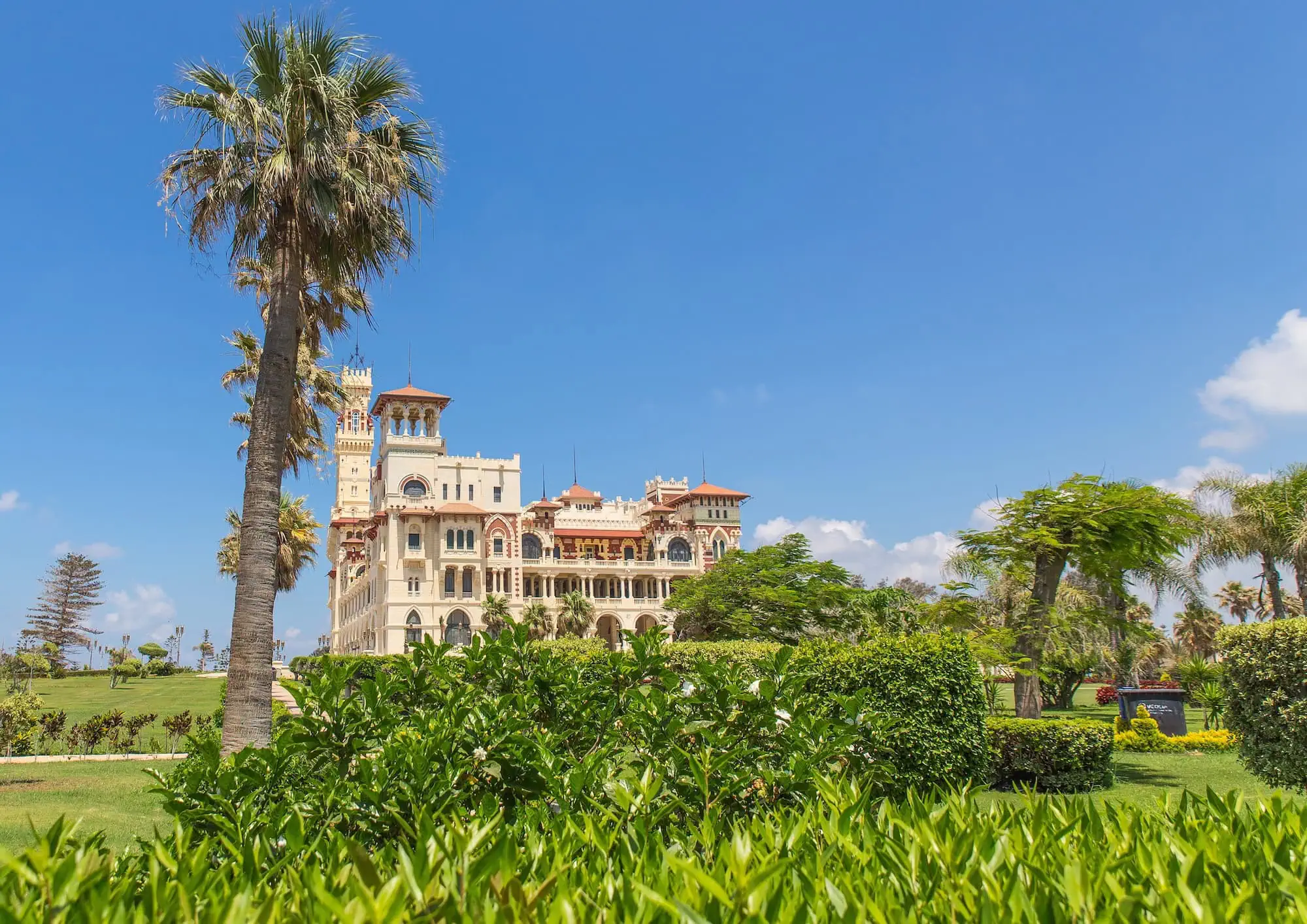
Built in 1892 by Khedive Abbas II as a hunting retreat, Montazah Palace has evolved into one of Egypt’s most captivating destinations. The sprawling complex combines two distinct palaces with 150 acres of meticulously maintained gardens that stretch to the Mediterranean coastline. What started as a royal escape transformed into a public treasure that showcases the architectural brilliance of the Muhammad Ali Dynasty. We’ve guided countless visitors through these magnificent grounds, and each tour reveals new layers of Egypt’s rich royal heritage.
Today, the palace complex serves as both a living museum and recreational paradise, offering visitors an intimate glimpse into Egypt’s noble past alongside modern amenities and stunning natural beauty.
Table of Contents
Royal History and Palace Heritage
The story begins with vision and ambition. Khedive Abbas Hilmi II commissioned the original Salamlek Palace in 1892, creating a Mediterranean sanctuary far from Cairo’s intense heat. The smaller hunting lodge reflected his desire for a private retreat where royalty could enjoy the coastal climate.
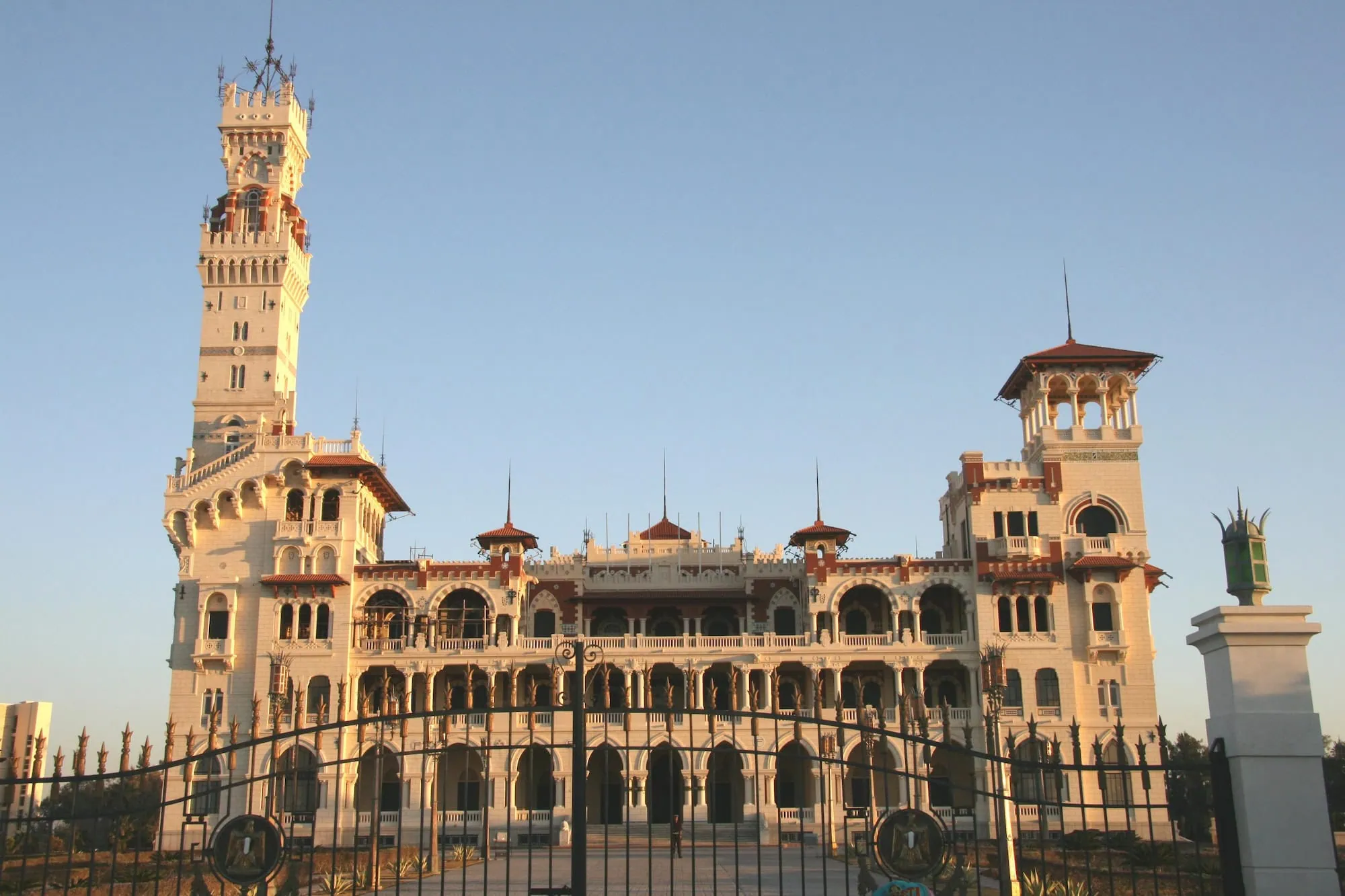
King Fuad I expanded the vision dramatically in the 1920s. He added the grander Al-Haramlik Palace, transforming the estate into a proper royal residence. The king’s additions created a complex worthy of state functions and extended royal stays. Each building tells a different chapter of Egypt’s royal evolution.
From Royal Residence to Presidential Retreat
Following the 1952 revolution, the palace took on new political significance. President Anwar El-Sadat selected Montazah Palace as his preferred summer residence, recognizing its strategic location and symbolic importance. The complex hosted diplomatic meetings and state functions throughout the Sadat era.
Public Access and Modern Usage
The gardens opened to the public in the 1960s, creating El-Montaza Park. This decision allowed Egyptians and visitors to experience the royal grounds firsthand. Today, families gather for picnics while couples stroll the romantic pathways that once hosted kings and queens.
Parts of the Salamlek Palace now operate as a luxury hotel, giving guests the unique opportunity to sleep within actual royal quarters. The Al-Haramlik Palace remains closed to general public access but continues to serve governmental functions.
Architectural Marvel and Design Elements
Two architectural philosophies merge harmoniously across the palace grounds.
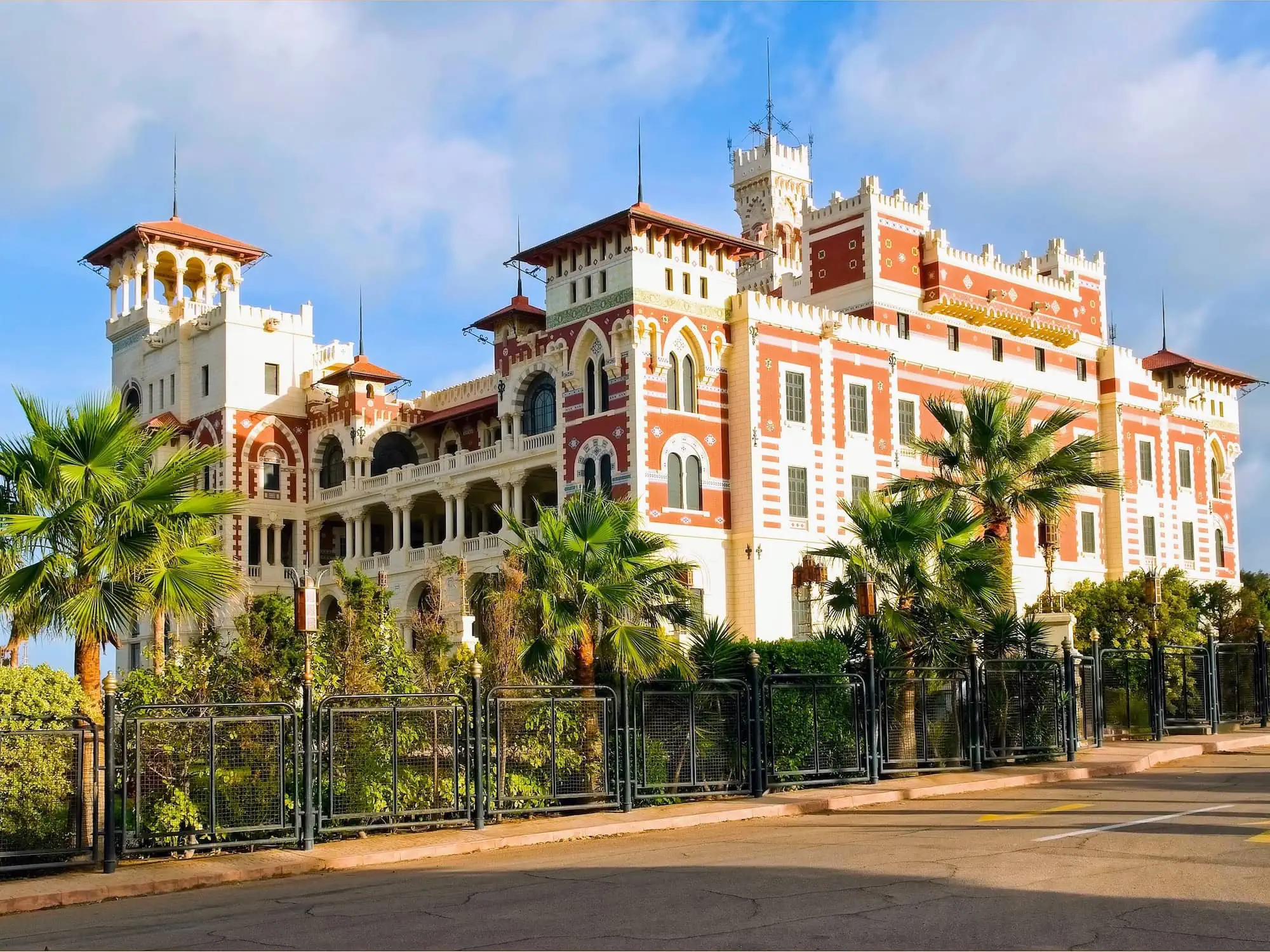
The Salamlek Palace embodies pure Ottoman elegance with traditional Islamic design elements. Its distinctive towers and arched windows create a silhouette that has become synonymous with Alexandria’s royal quarter. The building materials, imported specifically for royal construction, have weathered decades while maintaining their original character. Intricate woodwork and geometric patterns throughout the interior spaces demonstrate the exceptional craftsmanship of the era. The palace’s positioning captures cooling Mediterranean breezes while providing panoramic sea views from multiple levels. Restored sections reveal the original color schemes and decorative details that once impressed international dignitaries.
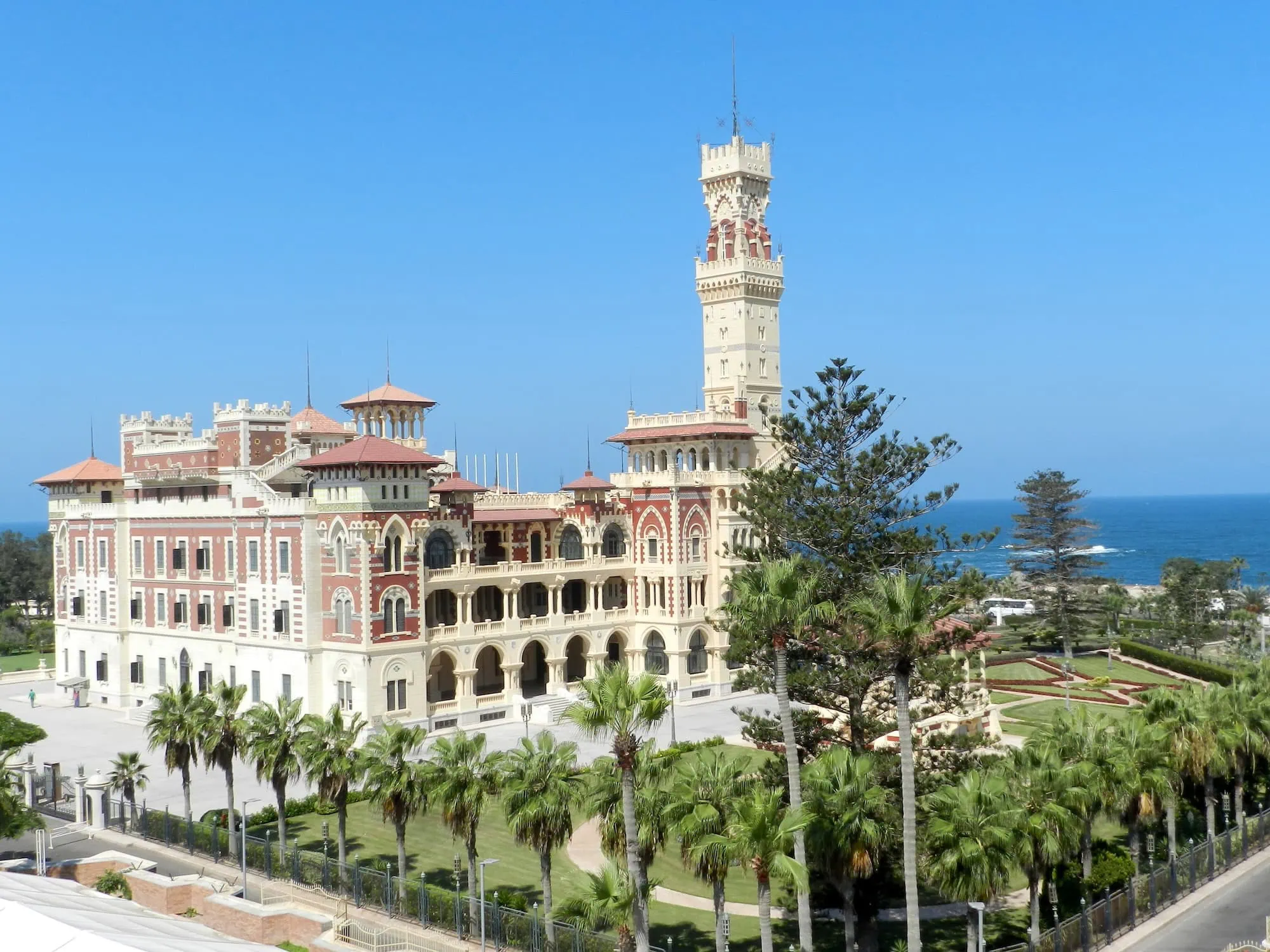
The Al-Haramlik Palace presents a completely different aesthetic vision. King Fuad I chose Italian Renaissance styling with distinctive Florentine influences. The larger palace incorporates Renaissance arches, classical columns, and symmetrical facades that wouldn’t look out of place in Florence or Venice.
This architectural diversity creates a unique experience where visitors can appreciate two distinct European influences adapted for Mediterranean Egypt. The contrast between buildings highlights how different rulers expressed their personal tastes through architectural choices. Walking between the palaces feels like traveling between different centuries and cultures, all within the same royal compound.
Gardens and Recreational Paradise
Forty-six hectares of landscaped perfection await exploration.
Mediterranean Botanical Wonderland
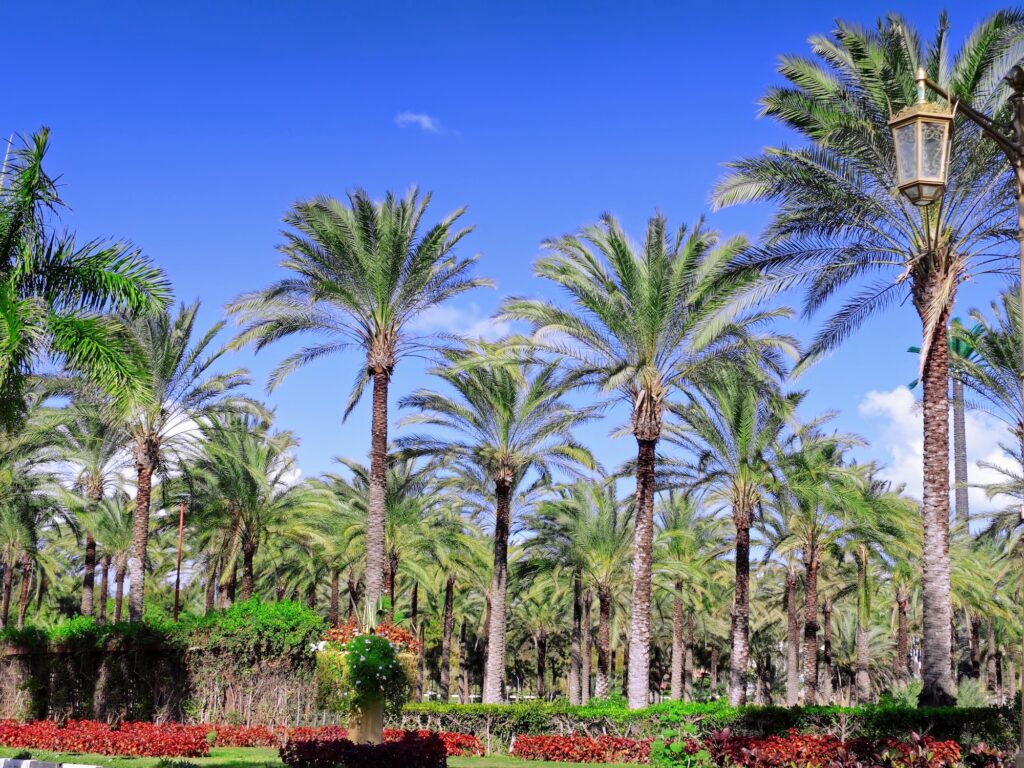
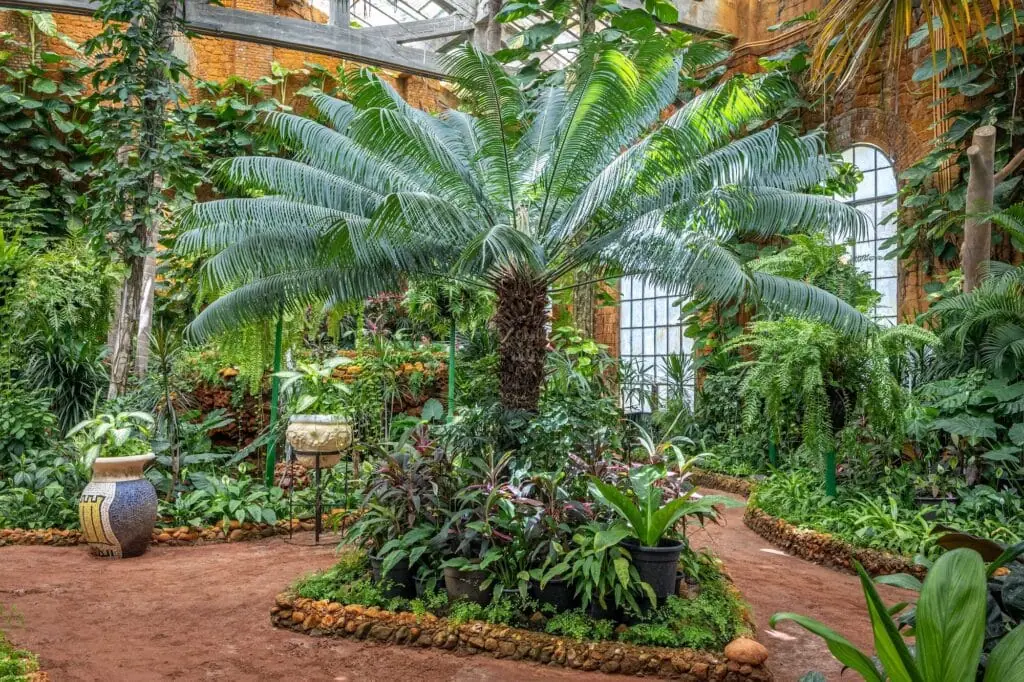
The Royal Gardens showcase plant species from across the Mediterranean basin and beyond. Ancient palm trees provide shade for walking paths that wind through carefully planned sections. Rose gardens bloom throughout the year, creating photo opportunities that capture the romance of royal life. Exotic trees from various continents create a botanical education experience alongside pure aesthetic pleasure.
Recreational Facilities and Beach Access
Multiple swimming pools cater to different preferences and ages. The wading pools provide safe water play for families with young children. Direct beach access allows visitors to combine garden exploration with Mediterranean swimming and sunbathing.
The gardens include designated picnic areas with tables and shaded seating. Food vendors operate within the park boundaries, offering refreshments and light meals. Walking trails accommodate different fitness levels, from casual strolls to more energetic hikes through the entire property.
Scenic Views and Photography Spots
Strategic viewpoints throughout the gardens offer spectacular photo opportunities. The elevated sections provide panoramic views of Alexandria’s coastline and the Mediterranean Sea. Sunset viewing from the gardens ranks among Alexandria’s most romantic experiences, particularly from the areas closest to the palace buildings.
Planning Your Montazah Palace Visit
Entry costs 25 Egyptian pounds per person for garden access. The palaces themselves require separate arrangements and higher fees. Opening hours typically run from 9:00 am (09:00) to 5:00 pm (17:00), though seasonal variations may apply.
Most Alexandria day tours include Montazah Palace as a highlight destination. We recommend allowing minimum three hours for a comprehensive garden exploration combined with palace exterior viewing. Photography enthusiasts often spend entire days capturing the changing light on both architecture and landscapes.
Transportation options include private vehicles, taxis, or public buses from central Alexandria. The location approximately 15 km (9.3 miles) east of Alexandria’s city center makes it easily accessible from most hotels and accommodations.
Best Visiting Times and Seasonal Considerations
Spring months (March through May) offer the most comfortable weather and peak garden blooming. Summer brings intense heat but longer daylight hours for extended exploration. Winter visits provide cooler temperatures ideal for walking, though some garden areas may appear less vibrant.
Early morning visits avoid crowds and capture the gardens in pristine condition. Late afternoon light enhances architectural photography, particularly of the palace facades facing the Mediterranean.
Cultural Significance and Royal Legacy
The Muhammad Ali Dynasty’s influence permeates every corner of the palace complex. From Abbas II’s original vision through King Fuad I’s expansions, each royal addition reflected Egypt’s evolving relationship with European culture and architectural trends.
The palace complex represents more than royal indulgence—it demonstrates Egypt’s strategic position between East and West during the late 19th and early 20th centuries. The architectural choices reflect deliberate cultural statements about Egypt’s modern identity while maintaining connections to Islamic traditions.
Presidential usage during the Sadat era added contemporary political significance to the royal heritage. This layering of historical periods creates a rich narrative that extends beyond typical tourist attractions into Egyptian national identity and political evolution.
Modern preservation efforts maintain the delicate balance between public access and historical integrity. The challenge of protecting royal artifacts while allowing thousands of annual visitors requires constant attention and significant resources.
Nearby Attractions and Day Trip Planning
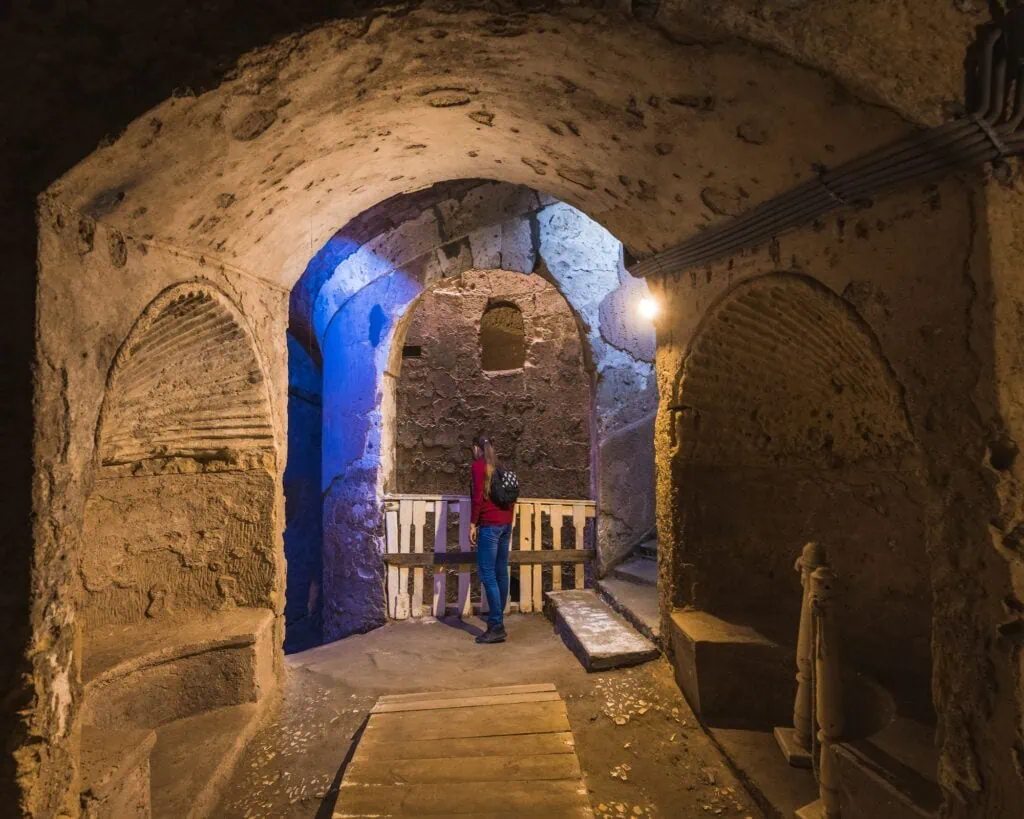
Alexandria offers numerous complementary attractions within easy reach of Montazah Palace. The Alexandria Library provides intellectual contrast to the palace’s royal focus. The Roman amphitheater and catacombs add ancient historical context to the more recent royal period.
Coastal roads connecting these attractions offer scenic driving experiences with Mediterranean views. Many visitors combine Montazah Palace with beach time at nearby resorts or traditional seafood dining in Alexandria’s waterfront restaurants.
We often recommend full-day Alexandria itineraries that balance historical exploration with relaxation time. Starting with early morning palace and garden visits allows afternoon flexibility for other attractions or simply enjoying the Mediterranean atmosphere that makes Alexandria unique among Egyptian destinations.
The city’s coffee culture provides perfect breaks between attraction visits. Traditional ahwas (coffeehouses) near the palace offer authentic local atmosphere and opportunities to observe daily Egyptian life beyond the tourist attractions.
Unwind In The Royal Elegance Of Montazah Palace
Montazah Palace offers a refreshing blend of royal history, lush gardens, and Mediterranean views—an elegant escape within Alexandria’s vibrant setting. With EgyptToursPlus, we seamlessly incorporate this coastal gem into a private journey that connects relaxed moments by the sea with Egypt’s most iconic cultural and historical experiences.
You choose your travel dates, your pace, and the experiences that shape your route. From city highlights and seaside relaxation to ancient wonders and refined comfort, we tailor every detail around your preferences—ensuring a smooth, personalized, and effortlessly planned journey.
Frequently Asked Questions
Most visitors should plan at least 3 to 4 hours for Montazah Palace and Royal Gardens, while a full half-day or 6-hour visit allows time for beach access, cafés, and leisurely garden walks. The landscaped grounds cover roughly 150 acres along Alexandria’s Mediterranean coastline and include royal-era pathways, palm gardens, and sea viewpoints. Travelers combining the gardens with lunch or swimming often stay significantly longer. Morning arrivals usually provide cooler temperatures and more relaxed sightseeing conditions.
Public access inside the Montazah palace buildings is limited because the Salamlek Palace operates as a heritage hotel, while the larger Al-Haramlik Palace is generally closed to regular interior tours. Visitors can still admire both royal residences from the extensive gardens and coastal promenades surrounding the complex. Built during the late 19th and early 20th centuries, the palaces combine Ottoman, Florentine, and European architectural influences. Exterior photography and garden exploration remain the main highlights for most travelers.
The best time to visit Montazah Royal Gardens is typically between 9:00 am and 11:00 am, when Mediterranean temperatures are cooler and visitor crowds remain lighter. Late afternoon visits near sunset also provide excellent coastal lighting for photography, especially around the palace exteriors and seaside promenades. Alexandria’s summer humidity becomes noticeably stronger around midday, particularly from June through September. Early visits also make walking the large garden grounds more comfortable before peak local weekend traffic arrives.
Yes, Montazah Palace and Royal Gardens include several food options ranging from casual snack vendors to restaurants and hotel dining facilities inside the Salamlek Palace area. Visitors can find cafés, ice cream stands, seafood options, and light meals distributed throughout the gardens and near the Mediterranean waterfront. Dining availability may vary seasonally and becomes busiest during Egyptian holidays and summer weekends. Travelers planning a longer stay often combine garden exploration with lunch overlooking the sea or palace grounds.
General admission to Montazah Gardens typically includes access to the palace beachfront areas along the Mediterranean coast, although certain private beach sections or resort facilities may charge additional fees. The coastal setting is one of the site’s defining features and distinguishes Montazah from most historical attractions in Egypt. Visitors can walk along the shoreline, relax near the water, or access designated swimming zones depending on seasonal conditions. Summer weekends tend to attract significantly larger local crowds than weekday mornings.
Visitors should wear comfortable walking shoes at Montazah Palace because the gardens cover a large coastal area with long pathways, uneven surfaces, and seaside promenades. Lightweight clothing, sunglasses, sunscreen, and a hat are strongly recommended, especially during Alexandria’s warmer months between May and September. Modest casual attire is appropriate for both the public gardens and palace-adjacent areas. Travelers planning beach access may also want to bring swimwear, towels, and an extra layer for cooler Mediterranean evenings.
Photography is generally permitted throughout Montazah Royal Gardens and around the palace exteriors, making the complex one of Alexandria’s most photogenic coastal attractions. Visitors regularly photograph the Mediterranean shoreline, landscaped gardens, royal architecture, and palm-lined walkways dating back to the reign of Khedive Abbas II in the late 19th century. Some restricted or security-sensitive areas may prohibit photography, particularly near hotel operations or official zones. Early morning and sunset usually provide the best natural lighting conditions.
Montazah Palace and Royal Gardens are located approximately 15 km (9.3 miles) east of central Alexandria, with travel times typically ranging from 25 to 45 minutes depending on traffic conditions. The complex sits directly on the Mediterranean coast in the Montazah district and is easily reached by taxi, rideshare services, or organized tours. Coastal traffic along Alexandria’s Corniche can become heavily congested during evenings, weekends, and summer holidays. Morning departures usually provide the fastest and most comfortable access.
Yes, guided tours of Montazah Palace and Royal Gardens are widely available and help visitors understand the site’s royal history, architecture, and coastal significance. Expert guides explain how the complex evolved under Khedive Abbas II and later Egyptian monarchs during the late 19th and early 20th centuries. Many tours also combine Montazah with Alexandria landmarks such as the Bibliotheca Alexandrina or Catacombs of Kom El Shoqafa. Guided visits are especially useful because interior palace access remains limited for most visitors.
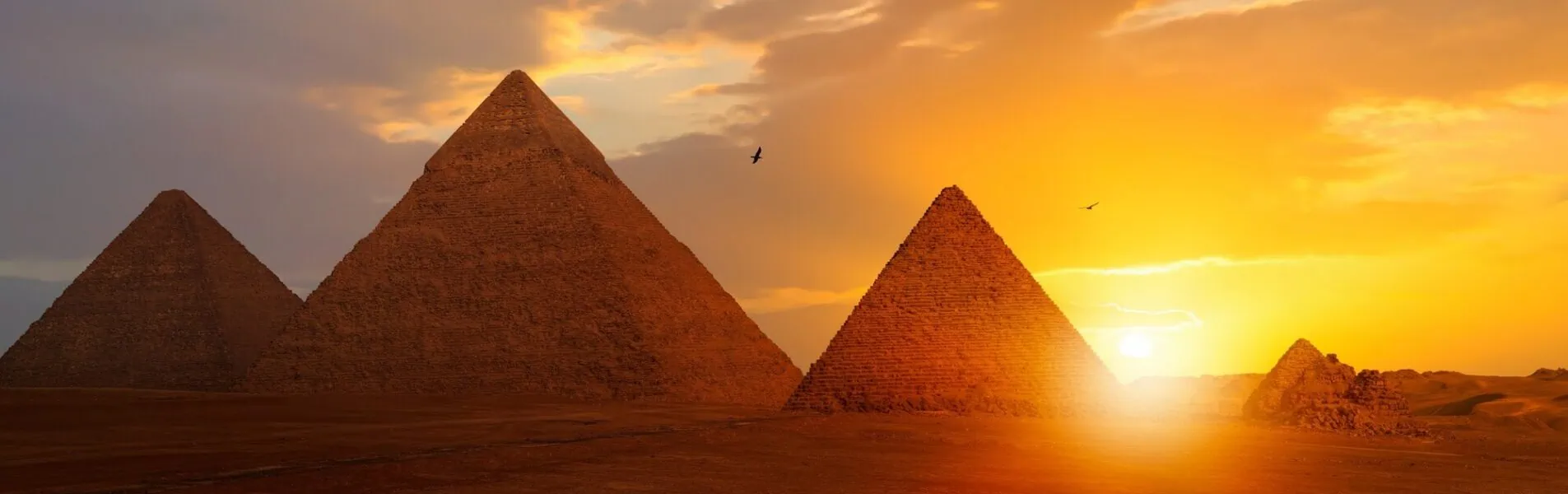
Montazah Palace stands apart from most Egyptian attractions because it combines royal palaces, Mediterranean beaches, and landscaped botanical gardens within one coastal complex. Unlike Egypt’s primarily Pharaonic monuments, Montazah reflects late Ottoman and European royal architecture from the 19th and early 20th centuries. The site offers palm-lined avenues, sea views, royal pavilions, and beach access across roughly 150 acres of waterfront grounds. Its relaxed atmosphere feels very different from the desert temple and pyramid experiences found elsewhere in Egypt.
Yes, Montazah Palace and Royal Gardens are highly suitable for families because the grounds include open walking areas, seaside spaces, playgrounds, cafés, and beach access appealing to multiple age groups. Children typically enjoy the large green spaces and coastal atmosphere more than traditional museum-style attractions. The gardens are spacious enough for relaxed family exploration without the intense crowds often found at major archaeological sites. Weekday mornings usually provide the safest and calmest conditions for families with younger children.
Yes, visitors can stay overnight at the historic Salamlek Palace Hotel, which occupies part of the Montazah royal complex overlooking the Mediterranean Sea. Originally built as a royal hunting lodge during the reign of Khedive Abbas II, the property now operates as a luxury heritage hotel with modern amenities and preserved royal-era design elements. Staying overnight allows guests to experience the gardens during quieter evening and early morning hours. Advance reservations are strongly recommended during Alexandria’s summer travel season.
Design Your Custom Tour
Explore Egypt your way by selecting only the attractions you want to visit