

Morocco Desert Tours – Discovering the Magic of Sahara
The golden dunes stretch endlessly, promising an adventure unlike any other. Morocco desert tours offer travelers the chance to experience one of the world’s most magnificent landscapes.
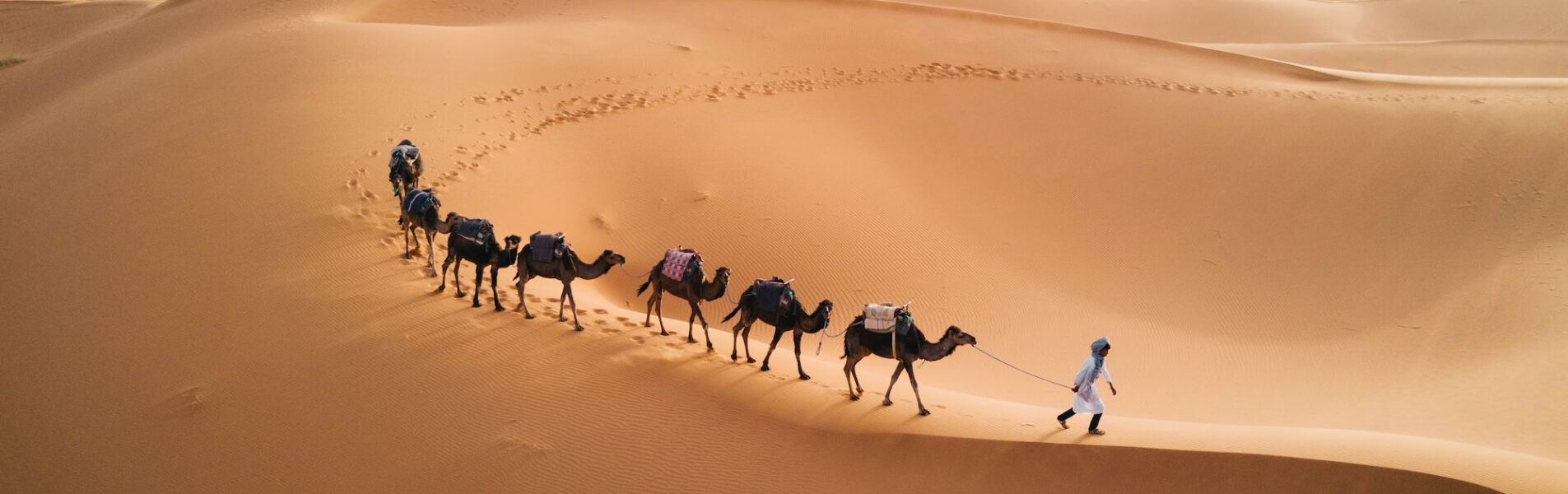
From camel treks across towering sand dunes to sleeping under brilliant stars in traditional desert camps, the Sahara provides memories that last a lifetime. Whether you’re departing from bustling Marrakech or historic Fes, these journeys take you deep into Morocco’s most iconic terrain, where Berber culture thrives and the silence of the desert speaks volumes.
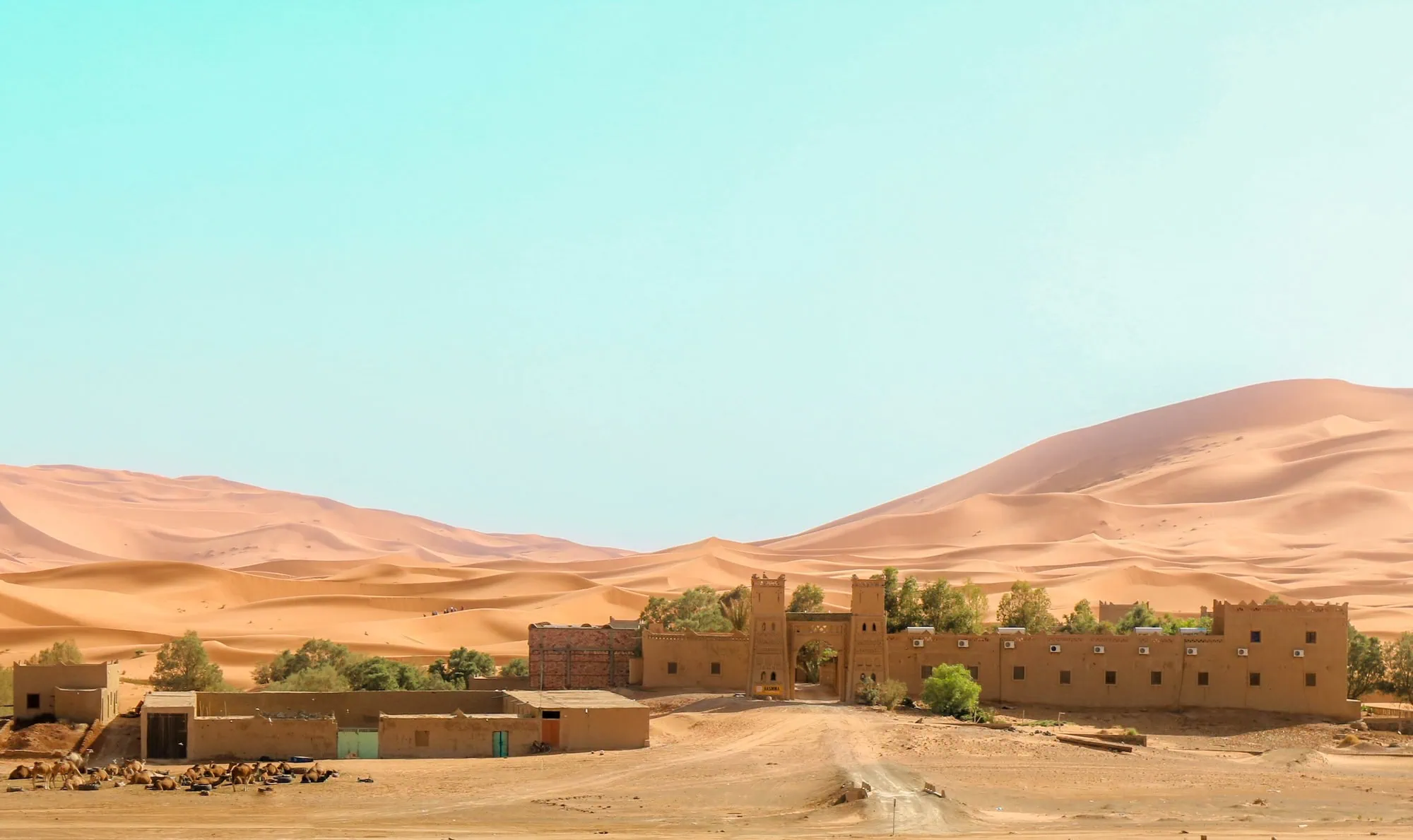
We’ve designed our desert expeditions to showcase the very best of Morocco’s southeastern regions, combining authentic cultural encounters with comfortable accommodations that respect both tradition and modern traveler expectations.
Essential Desert Destinations and Routes
Most Morocco desert tours follow established routes that maximize both scenic beauty and cultural immersion. The journey typically begins in either Marrakech or Fes, two cities that serve as perfect gateways to the Sahara.
Marrakech to Merzouga Route
This classic path takes travelers southeast through the Atlas Mountains, past ancient kasbahs and palm-filled oases. The drive covers approximately 560 km (348 miles) and includes stops at Ouarzazate, known as Morocco’s Hollywood for its film studios. Along the way, you’ll witness dramatic landscape changes as green valleys give way to increasingly arid terrain.
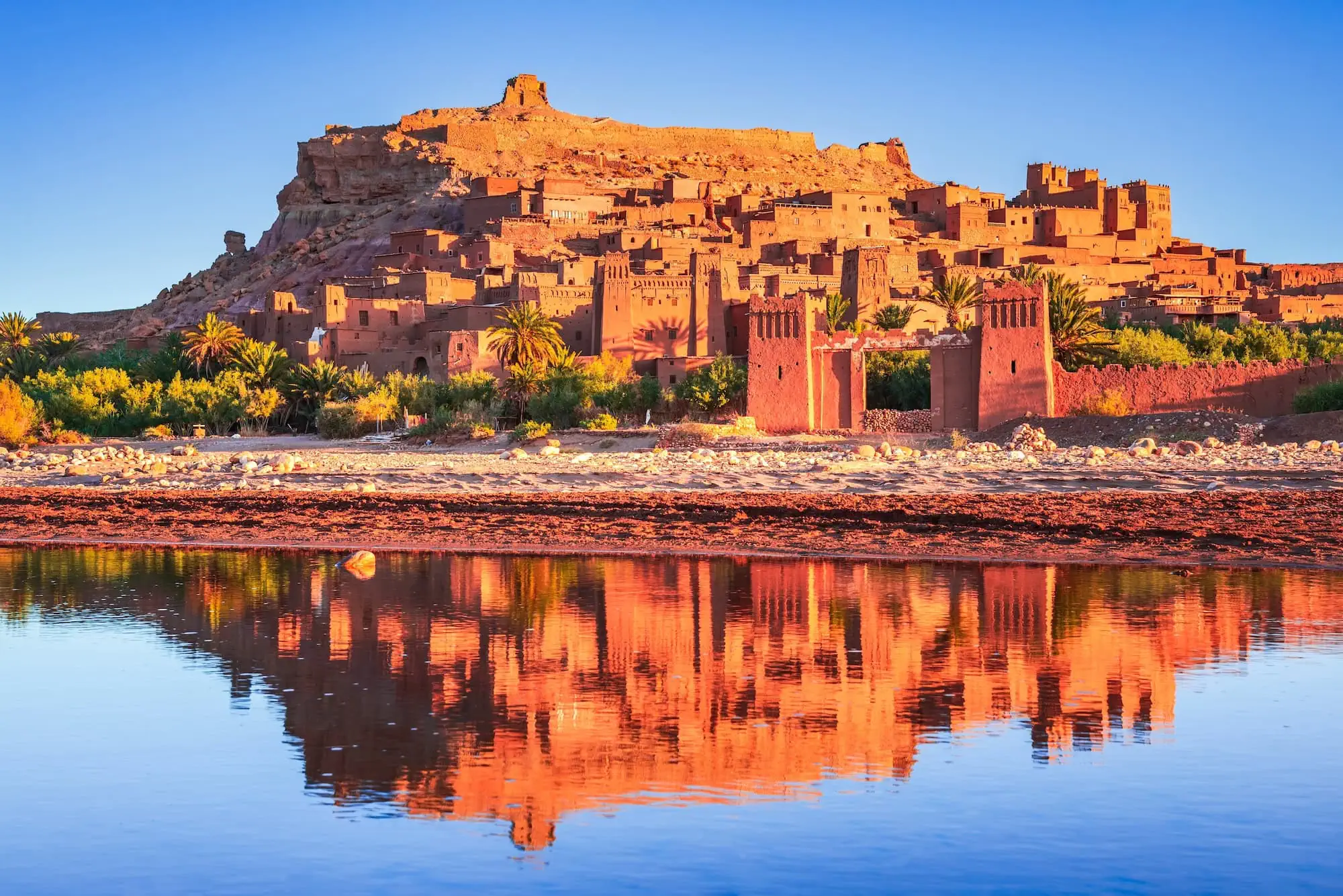
Our guides ensure you experience highlights like the UNESCO World Heritage site of Ait Benhaddou, where countless movies have been filmed. The final approach to Merzouga reveals the magnificent Erg Chebbi dunes, some reaching heights of 150 meters (492 feet).
Fes to Sahara Journey
Starting from Morocco’s spiritual capital, this route spans roughly 460 km (286 miles) through the Middle Atlas Mountains. The journey passes through cedar forests near Ifrane, often called “Little Switzerland” for its Alpine-style architecture.
Traditional stops include the town of Midelt and the Ziz Valley with its millions of date palms. This approach offers a more gradual transition from Morocco’s green northern regions to the desert landscape.
Alternative Desert Areas
While Merzouga and Erg Chebbi dominate most itineraries, some tours venture to Erg Chigaga near M’hamid. These dunes are larger but more remote, requiring longer travel times but offering greater isolation and pristine desert experiences.
Multi-Day Tour Options and What to Expect
Desert adventures vary significantly in duration and luxury level, each offering distinct advantages for different traveler preferences.
2-Day Express Tours
Perfect for travelers with limited time, these condensed experiences focus on essential highlights. You’ll travel to the desert edge, enjoy a camel trek at sunset, spend one night in a desert camp, and return the following day. While rushed, these tours still capture the magic of Sahara sunsets and starlit nights.
The pace is intensive but manageable. Most tours depart early morning around 7:00 am (07:00) from Marrakech, arriving at the dunes by late afternoon for camel trekking.
3-Day Classic Adventures
Our most popular option strikes an ideal balance between experience depth and time commitment. Day one covers the journey to the desert with cultural stops. Day two focuses entirely on desert activities including extended camel treks, sandboarding, and cultural exchanges with local Berber families.
The third day allows for sunrise camel rides before the return journey, with different route options to see new landscapes.
4-Day Premium Expeditions
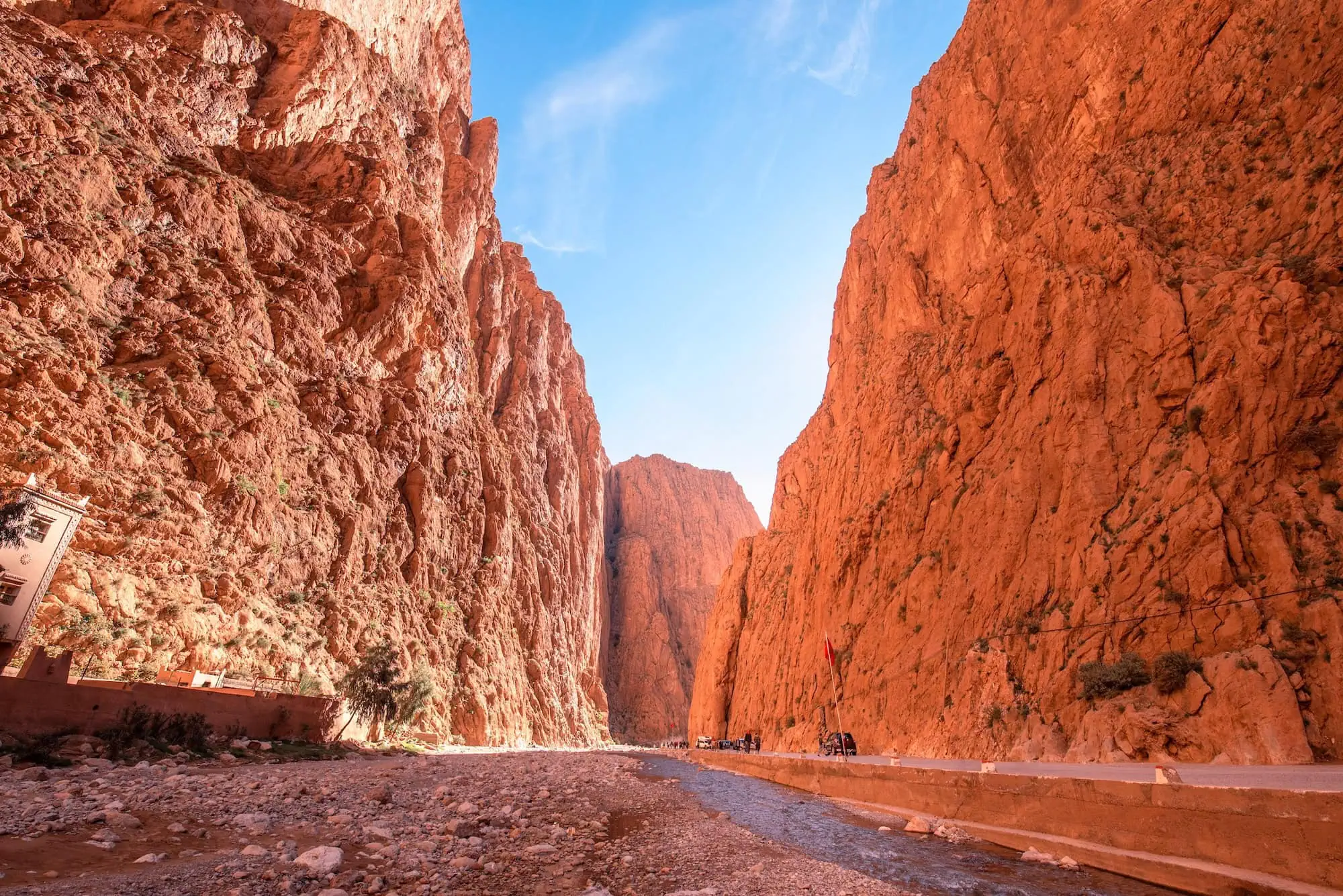
These extended tours include additional destinations like the Dades Valley and Todra Gorge, famous for their dramatic rock formations and traditional villages. Extra time allows for hiking, photography workshops, and deeper cultural immersion.
Accommodation options range from standard desert camps with shared facilities to luxury camps featuring private bathrooms, comfortable beds, and gourmet dining. Some premium camps even include swimming pools, though these are typically located at the desert’s edge rather than deep in the dunes.
Desert Camp Experiences and Accommodations
The type of desert camp significantly impacts your overall experience, with options ranging from basic Berber tents to luxury accommodations rivaling fine hotels.
Traditional Berber Camps
These authentic experiences use traditional nomad tents made from camel or goat hair. Sleeping arrangements typically involve mattresses on the ground with shared bathroom facilities located separately. Meals are prepared over open fires, creating aromatic tagines and bread baked in sand ovens.
Evening entertainment often includes traditional Berber music around campfires, with local musicians playing drums and singing ancient songs passed down through generations. The atmosphere emphasizes authenticity over comfort.
Standard Tourist Camps
Most organized tours use these mid-level facilities that blend traditional aesthetics with basic modern amenities. Tents feature proper beds, clean linens, and nearby bathroom blocks with running water and flush toilets.
Meals are more varied and accommodate dietary restrictions better than traditional camps. Evening programs typically include music performances but with more structured timing suitable for diverse international groups.
Luxury Desert Camps
High-end options feature spacious tents with private bathrooms, comfortable furnishings, and sometimes air conditioning powered by solar panels. Some camps offer spa services, fine dining with multiple course meals, and premium bedding.
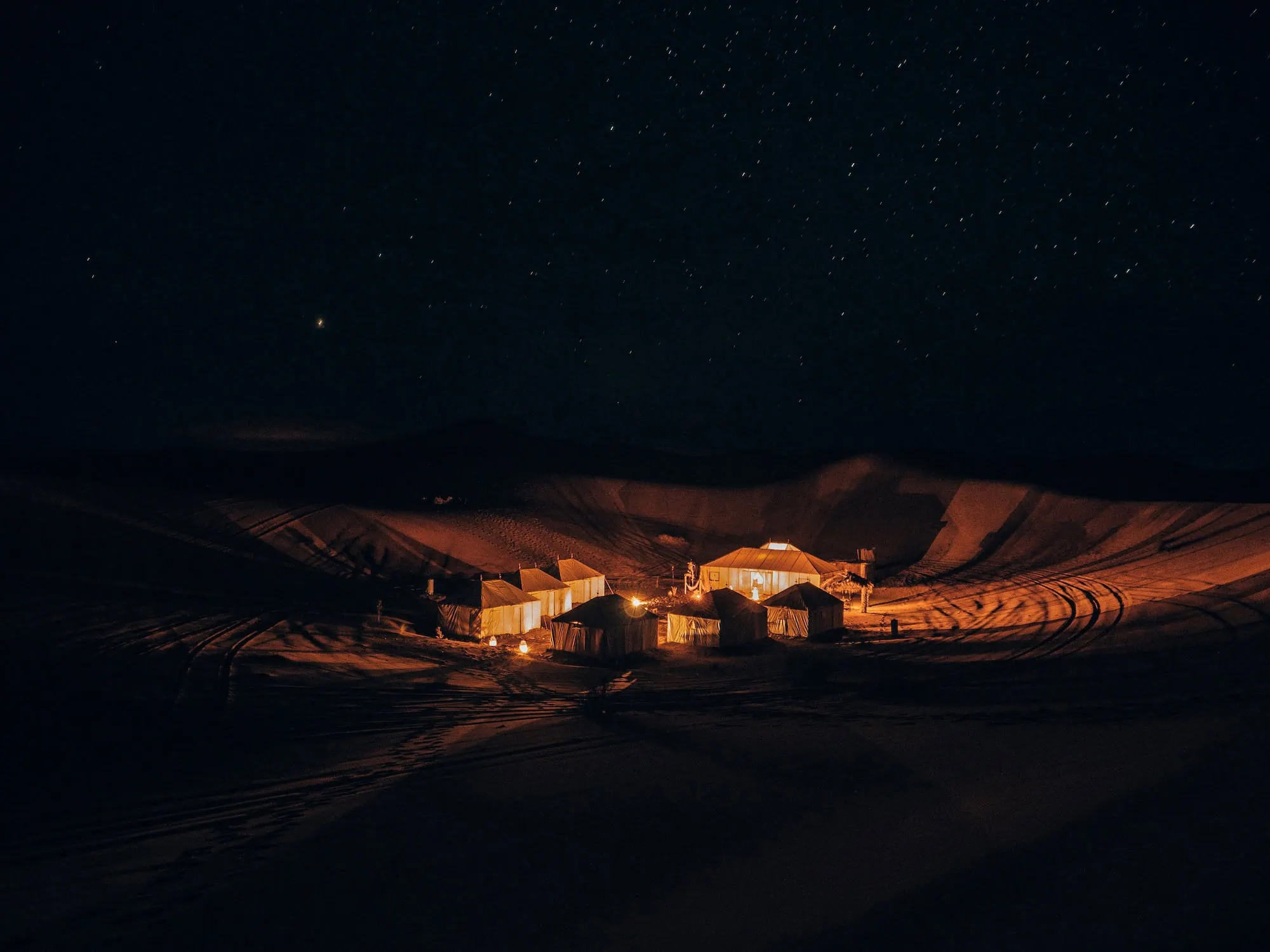
The Desert Luxury Camp concept has evolved significantly, with some facilities featuring swimming pools, lounges with panoramic dune views, and dedicated staff ratios that ensure personalized service throughout your stay.
Camel Trekking and Desert Activities
Camel rides represent the quintessential Sahara experience, but modern desert tours offer much more than transportation on these remarkable animals.
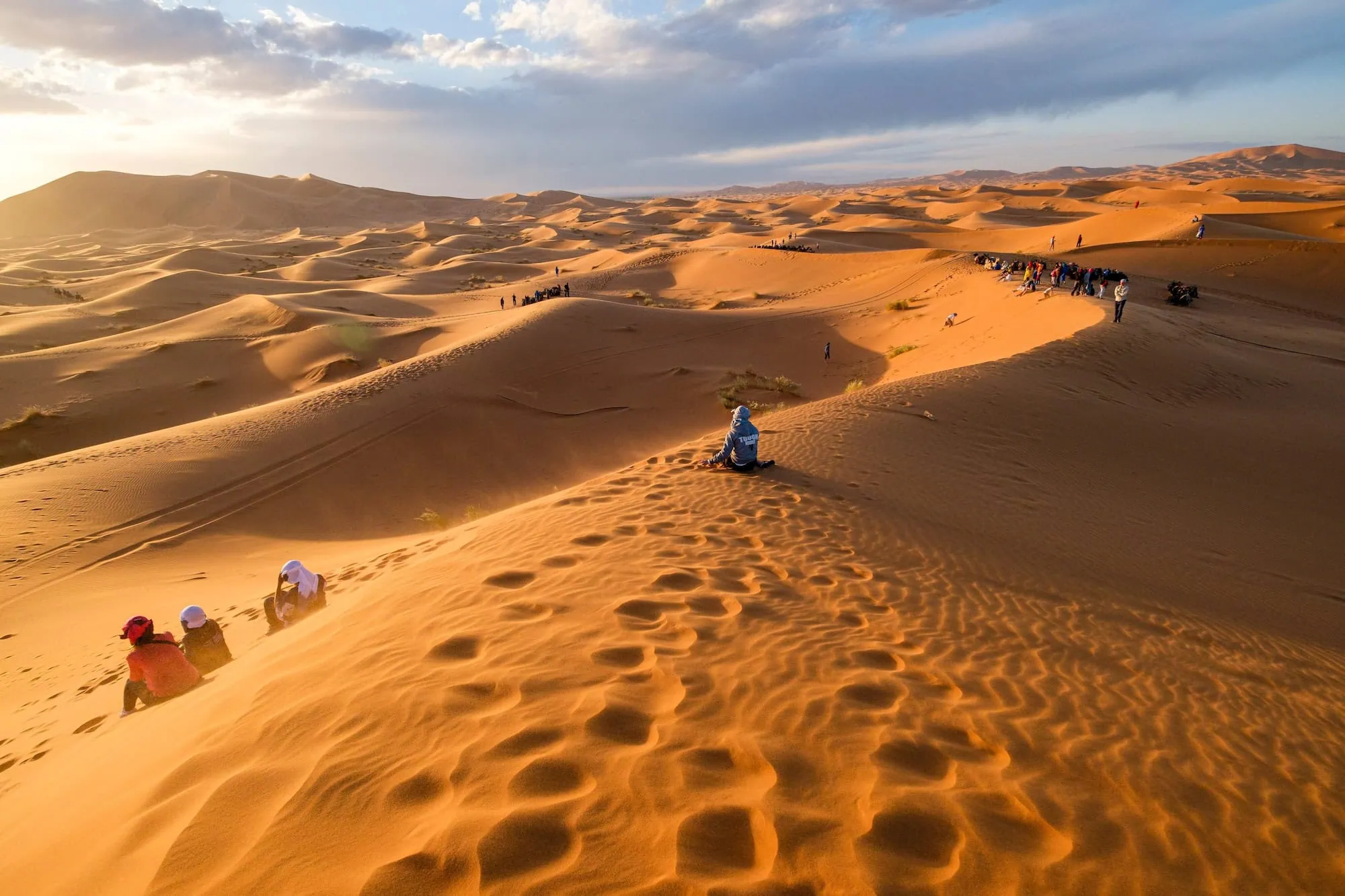
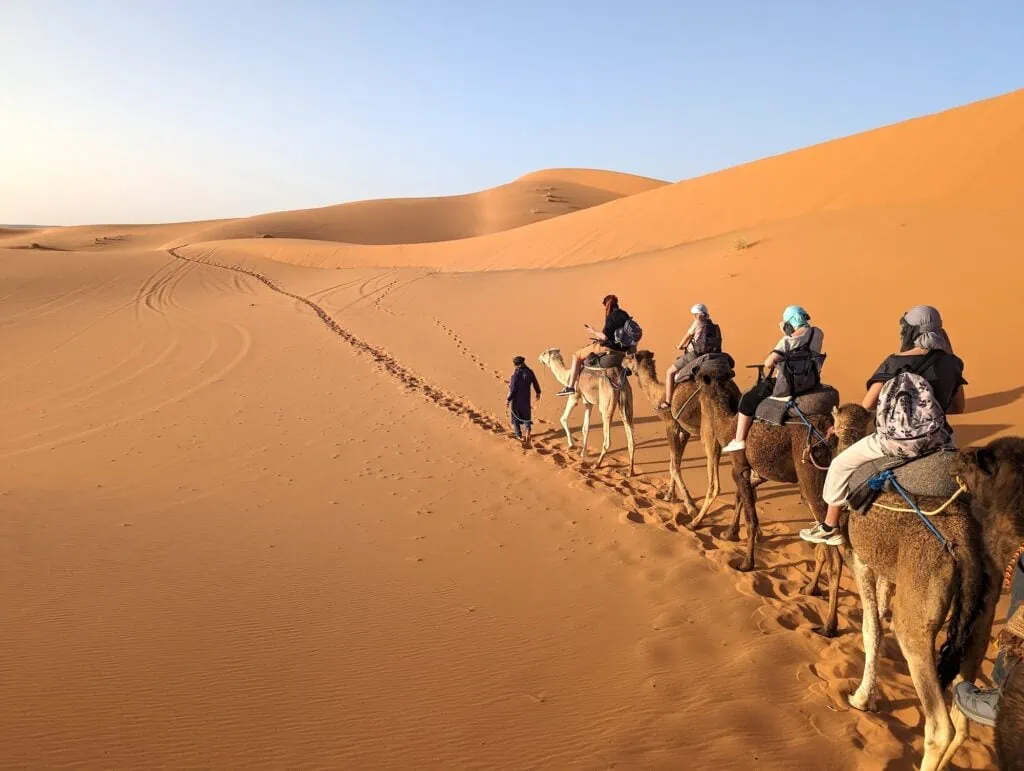
Camel trekking typically occurs during cooler parts of the day, particularly late afternoon before sunset and early morning after sunrise. The gentle swaying motion takes adjustment, but most travelers find the experience meditative and enjoyable. Treks usually last 1-2 hours each direction, covering 8-12 km (5-7.5 miles) depending on your camp’s location.
Professional camel handlers, known as cameliers, guide each trek and share knowledge about desert survival, camel behavior, and local traditions. These experienced guides often come from families who have worked with camels for generations.
Sandboarding down steep dune faces provides an adrenaline rush similar to snowboarding but on warm, golden sand. Most camps provide boards, though the sport requires different techniques than snow sports due to sand’s unique properties.
Sunset and sunrise viewing from high dune peaks offers photographers incredible opportunities. The changing light creates dramatic color shifts from deep purples and oranges to brilliant golds and reds. Professional photography workshops are available on some premium tours.
Traditional games and cultural activities fill evening hours. Learn to play traditional Berber games, try henna painting, or participate in bread-making demonstrations using traditional sand oven techniques.
Planning Your Morocco Desert Tour
Successful desert adventures require careful consideration of timing, packing, and tour operator selection to ensure safety and enjoyment.
Best Times to Visit
Morocco’s desert climate varies dramatically between seasons. Winter months from December through February offer pleasant daytime temperatures around 20°C (68°F) but can drop to 5°C (41°F) at night. Spring and autumn provide ideal conditions with warm days and comfortable evenings.
Summer temperatures often exceed 40°C (104°F) during the day, making outdoor activities challenging. However, some travelers prefer this season for its dramatic temperature contrasts and intense desert experience.
Essential Packing Considerations
Desert environments demand specific clothing and equipment. Pack layers for dramatic temperature swings, including warm jackets for cold desert nights. Sun protection is critical – bring high SPF sunscreen, wide-brimmed hats, and sunglasses.
Comfortable walking shoes are essential for sand hiking, while sandals work well around camps. Bring a headlamp or flashlight for nighttime camp navigation, as desert areas have minimal artificial lighting.
Personal hygiene items should include wet wipes, as shower facilities may be limited. A small daypack allows you to carry water, snacks, and cameras during activities.
Health and Safety Preparations
Desert tours generally pose minimal health risks for reasonably fit travelers. However, the dry environment can cause dehydration quickly, so consistent water consumption is vital. Most reputable operators provide bottled water throughout tours.
Travelers with mobility issues should discuss limitations with tour operators beforehand, as camel mounting and dismounting can be challenging. Alternative transportation options are usually available.
We maintain comprehensive insurance coverage and employ guides trained in desert first aid. Our modern 4WD vehicles are regularly serviced and equipped with communication devices for emergency situations.
Cultural Encounters and Berber Heritage
Desert tours provide unique opportunities to engage with Morocco’s indigenous Berber culture, which has thrived in these harsh environments for millennia.
Local Berber families often welcome tour groups into their homes, sharing traditional mint tea and discussing their nomadic heritage. These encounters offer insights into sustainable desert living practices developed over centuries.
Music and storytelling traditions come alive around evening campfires. Berber musicians use traditional instruments like the bendir drum and oud to perform songs that chronicle tribal history and desert legends.
Textile weaving demonstrations showcase skills passed down through generations. Berber women create intricate carpets and clothing using wool from their livestock, with patterns that vary by tribe and region.
Traditional cooking methods using tagines and sand ovens demonstrate ingenious adaptations to desert conditions. Participate in bread-making sessions where dough is buried in hot sand to bake slowly throughout the day.
Our cultural programs respect local customs while providing meaningful exchanges. We work directly with Berber communities to ensure tourism benefits local families directly rather than just large operators.
Desert navigation techniques taught by experienced guides reveal how Berber nomads traverse vast distances using star patterns, wind directions, and subtle landscape markers invisible to untrained eyes.
Frequently Asked Questions
Most tours involve moderate walking on sand, camel riding, and basic camping activities suitable for average fitness levels.
Transportation, meals, accommodation, camel trekking, and guided activities are standard inclusions with most reputable operators.
While possible, day trips only reach desert edges near Ouarzazate, missing the true Sahara experience at Merzouga.
Yes, children often love camel rides and desert camps, though parents should consider comfort levels and tour lengths.
Erg Chebbi near Merzouga is more accessible with better infrastructure, while Erg Chigaga offers more remote, pristine experiences.
Tour operators provide all essential camping equipment, though personal items like headlamps and extra layers are recommended.
Professional operators use modern 4WD vehicles specifically maintained for desert conditions with experienced drivers.
Most operators can handle vegetarian, vegan, and common allergy requirements with advance notice.
Tours typically continue unless severe sandstorms occur, with indoor alternatives available at camps during harsh conditions.
Yes, private tours offer customized itineraries and personalized experiences, though they cost more than group options.
Peak season bookings should be made 4-6 weeks ahead, while off-season tours can often be arranged within days.
Most camps have limited or no WiFi, encouraging digital detox experiences, though some luxury camps offer connectivity options.
Design Your Custom Tour
Explore Egypt & Morocco your way by selecting only the attractions you want to visit