Most Famous Pharaohs of Ancient Egypt and Their Lasting Legacy
Cleopatra’s name echoes through history louder than most world leaders. Yet she was just one of over 300 pharaohs who ruled Egypt across three millennia.
From pyramid builders to warrior kings, from religious revolutionaries to diplomatic masterminds, these ancient rulers created a civilization that continues to captivate us today. Archaeological discoveries like Howard Carter’s unearthing of Tutankhamun’s tomb have brought their stories into vivid focus, while monuments like Abu Simbel and the pyramids of Giza stand as eternal testaments to their power.
Let’s explore the pharaohs whose legacies transcended their earthly reigns to become immortal legends.
Foundation Builders: The Pharaohs Who Established Egyptian Civilization
The earliest dynasties produced rulers whose innovations would define Egyptian culture for thousands of years. Narmer, often considered Egypt’s first pharaoh, unified Upper and Lower Egypt around 3100 BCE. His famous Narmer Palette depicts this momentous achievement, showing the king wearing the crowns of both regions.
Djoser: The Step Pyramid Pioneer
Djoser revolutionized royal burial practices during the Third Dynasty. Working with his architect Imhotep, he created the first pyramid at Saqqara around 2670 BCE. This step pyramid represented a dramatic departure from traditional mastaba tombs, rising 200 feet into the sky as a stairway to the heavens.
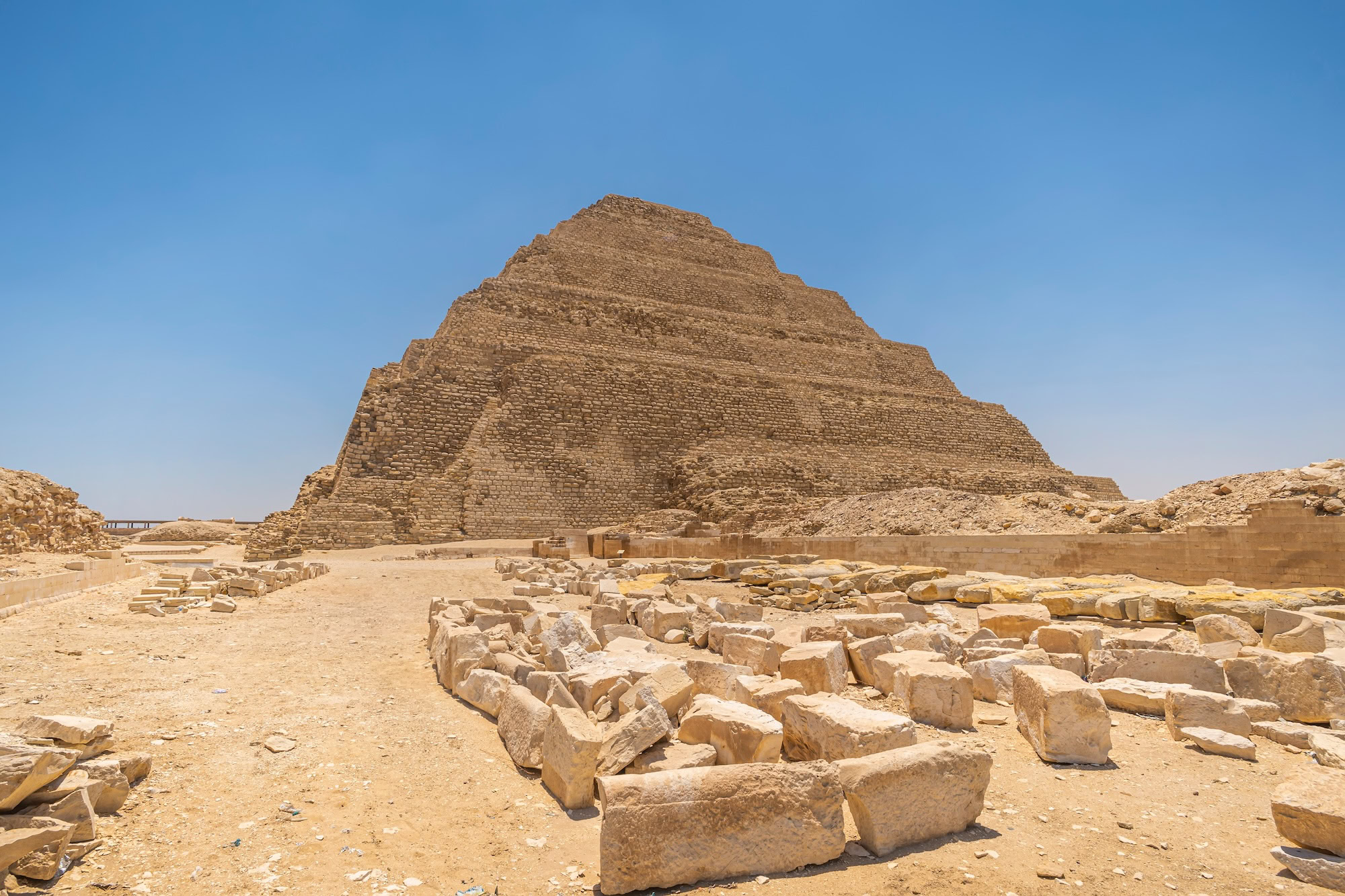
The complex included temples, courtyards, and storage chambers. Modern visitors can still explore these underground galleries, experiencing the same awe that inspired ancient pilgrims.
Sneferu: Master of Monumental Architecture
Sneferu built not one but three pyramids, perfecting the techniques his son Khufu would use at Giza. His Red Pyramid at Dahshur stands as the first successful true pyramid. The Bent Pyramid, with its distinctive change in angle, reveals the trial-and-error process behind these architectural marvels.
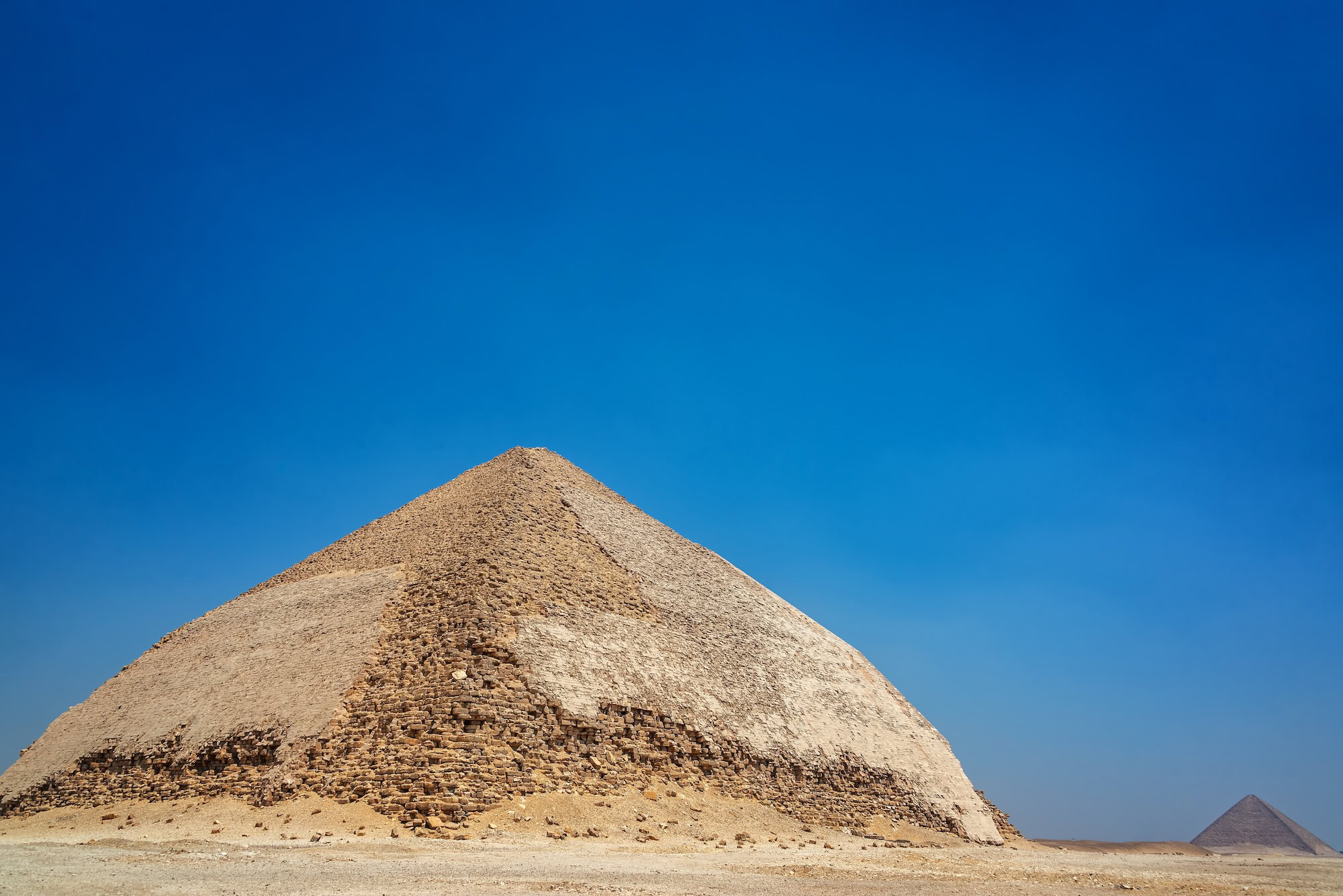
These early pharaohs established the divine kingship concept that would endure throughout Egyptian history. Their monuments declared to the world that Egypt’s rulers were gods among mortals.
Pyramid Builders of the Fourth Dynasty
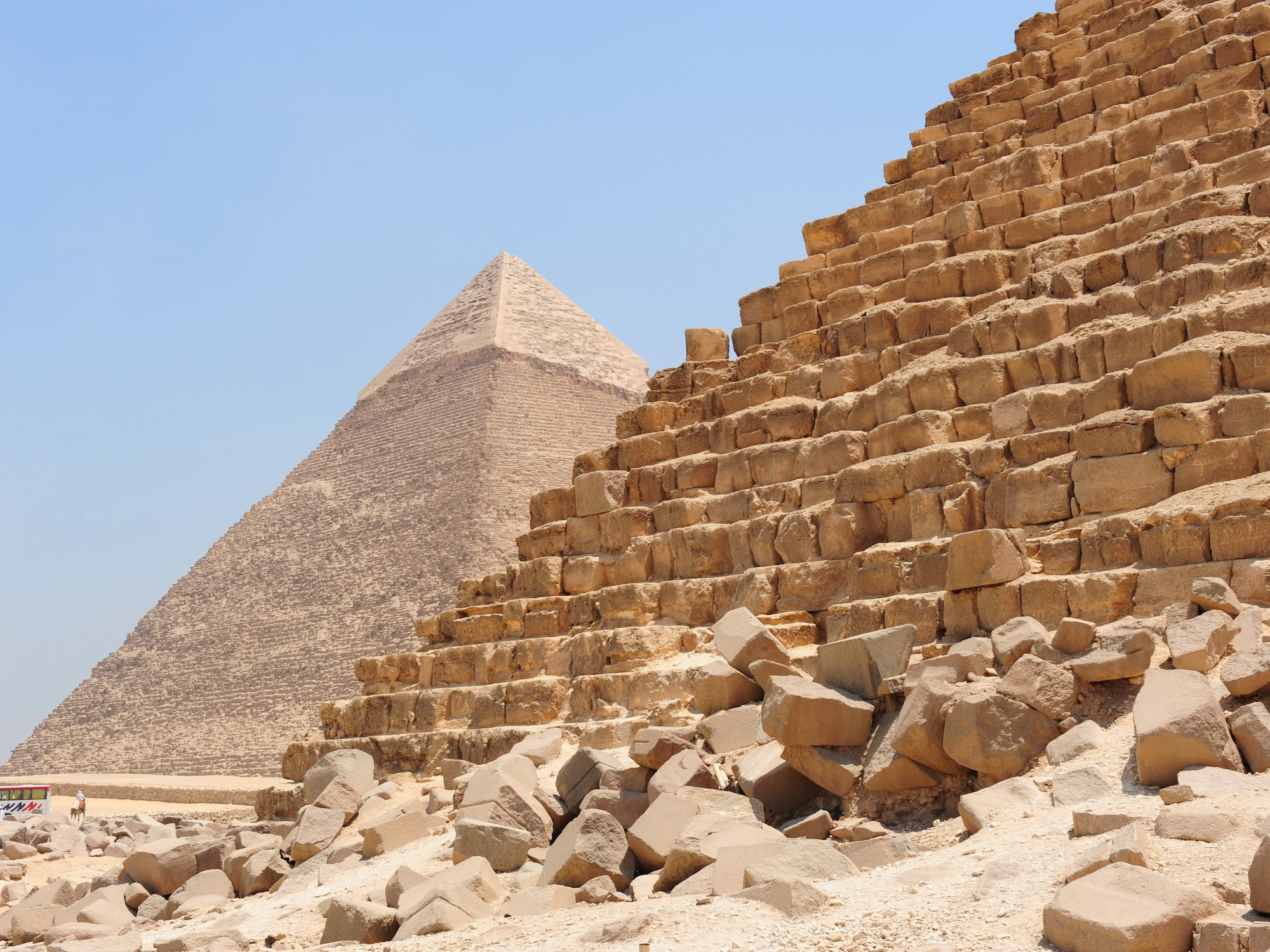
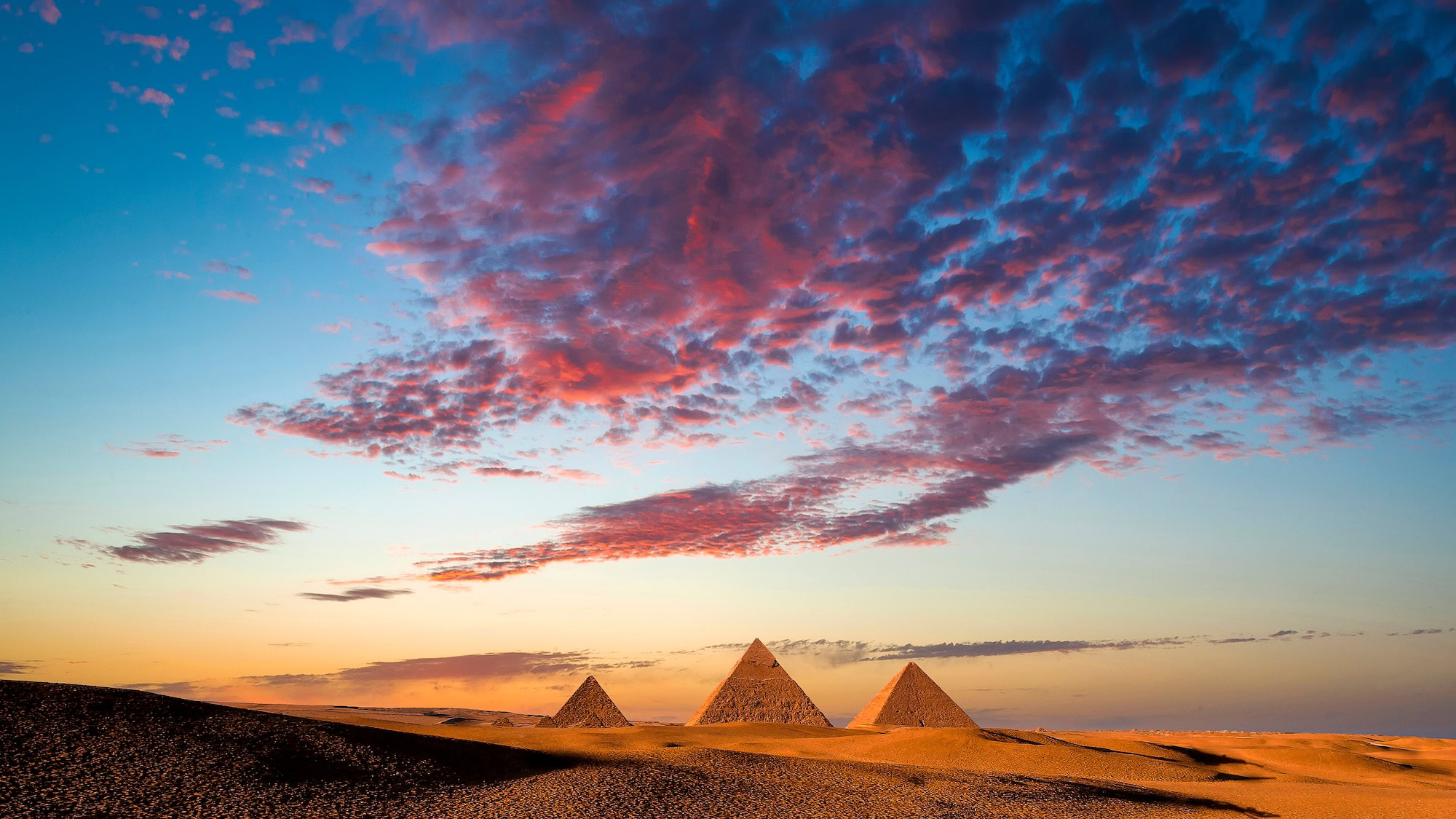
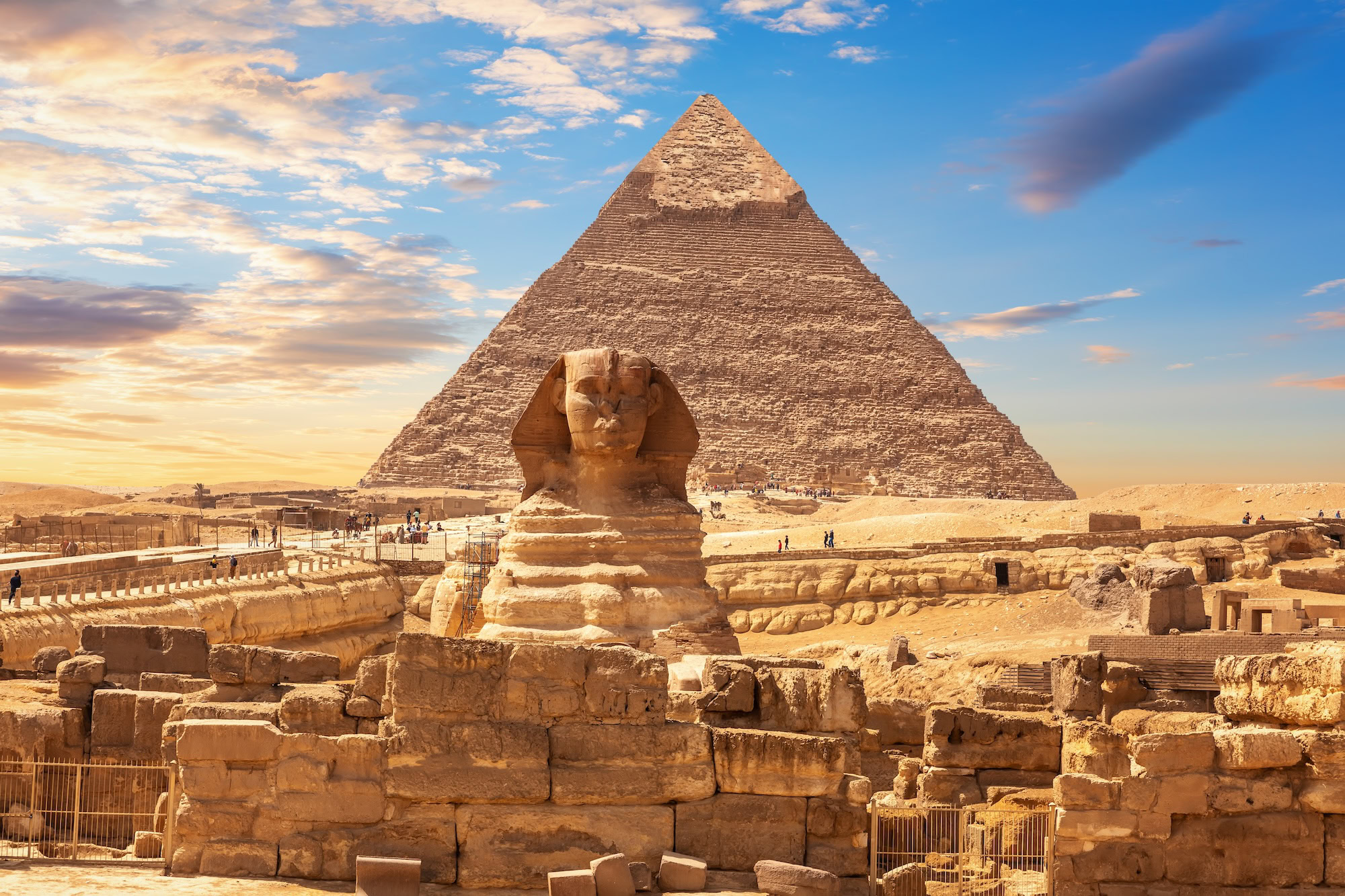
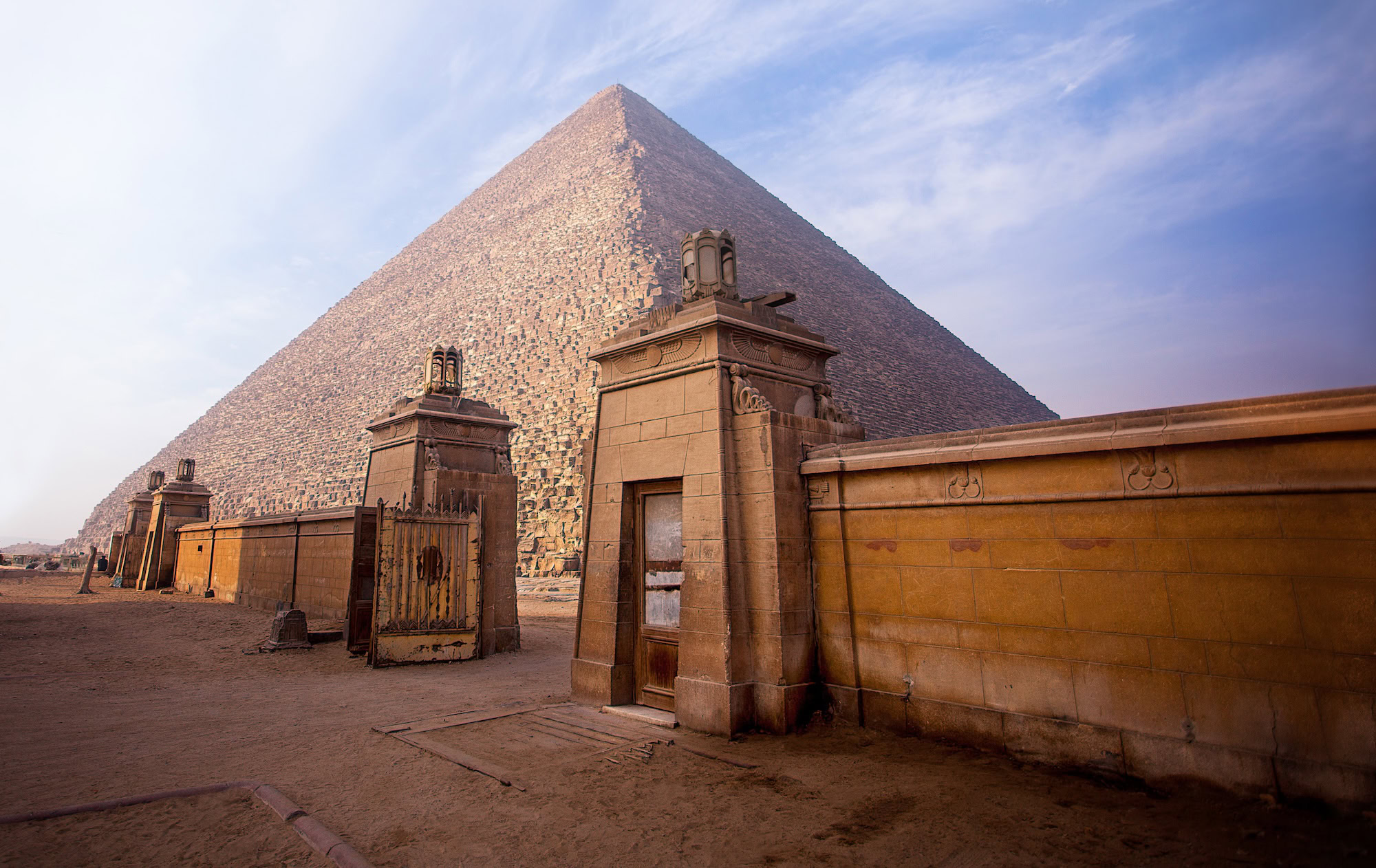
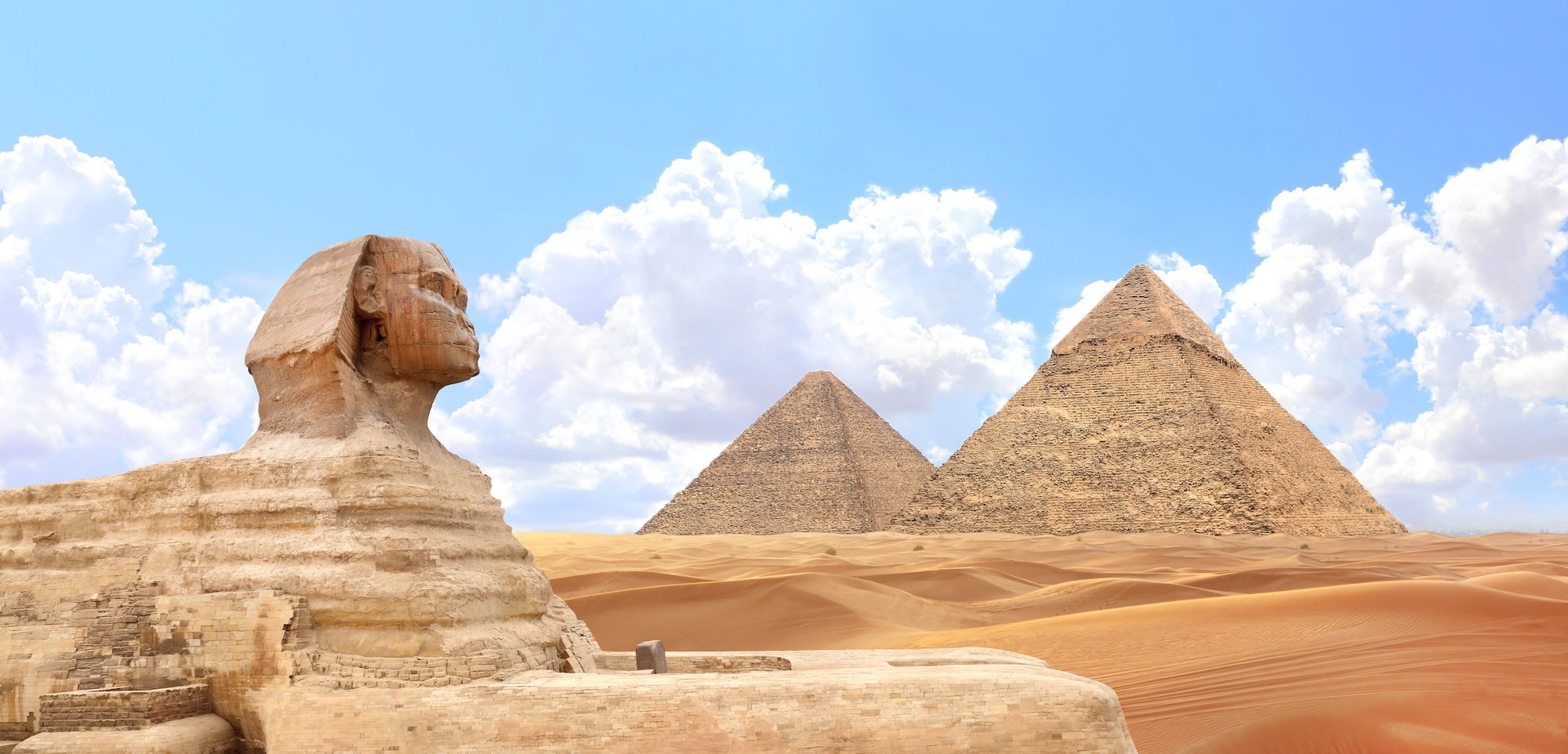
Khufu’s name became synonymous with ancient wonder when he commissioned the Great Pyramid of Giza. Standing 481 feet tall originally, this monument held the record as the world’s tallest building for over 3,800 years. The precision of its construction continues to amaze engineers today.
Recent discoveries using cosmic ray imaging have revealed hidden chambers within the Great Pyramid. These findings prove that even after millennia of study, Khufu’s pyramid still guards its secrets. We organize private pyramid tours that include access to the burial chamber, where visitors can stand where this legendary pharaoh once rested.
Khafre followed his predecessor’s example with his own pyramid at Giza, slightly smaller but positioned to appear taller due to its elevated location. He also commissioned the Great Sphinx, carved from a single piece of limestone and bearing his likeness. The Sphinx guards the pyramid complex with a lion’s body and human head, symbolizing royal power and divine wisdom.
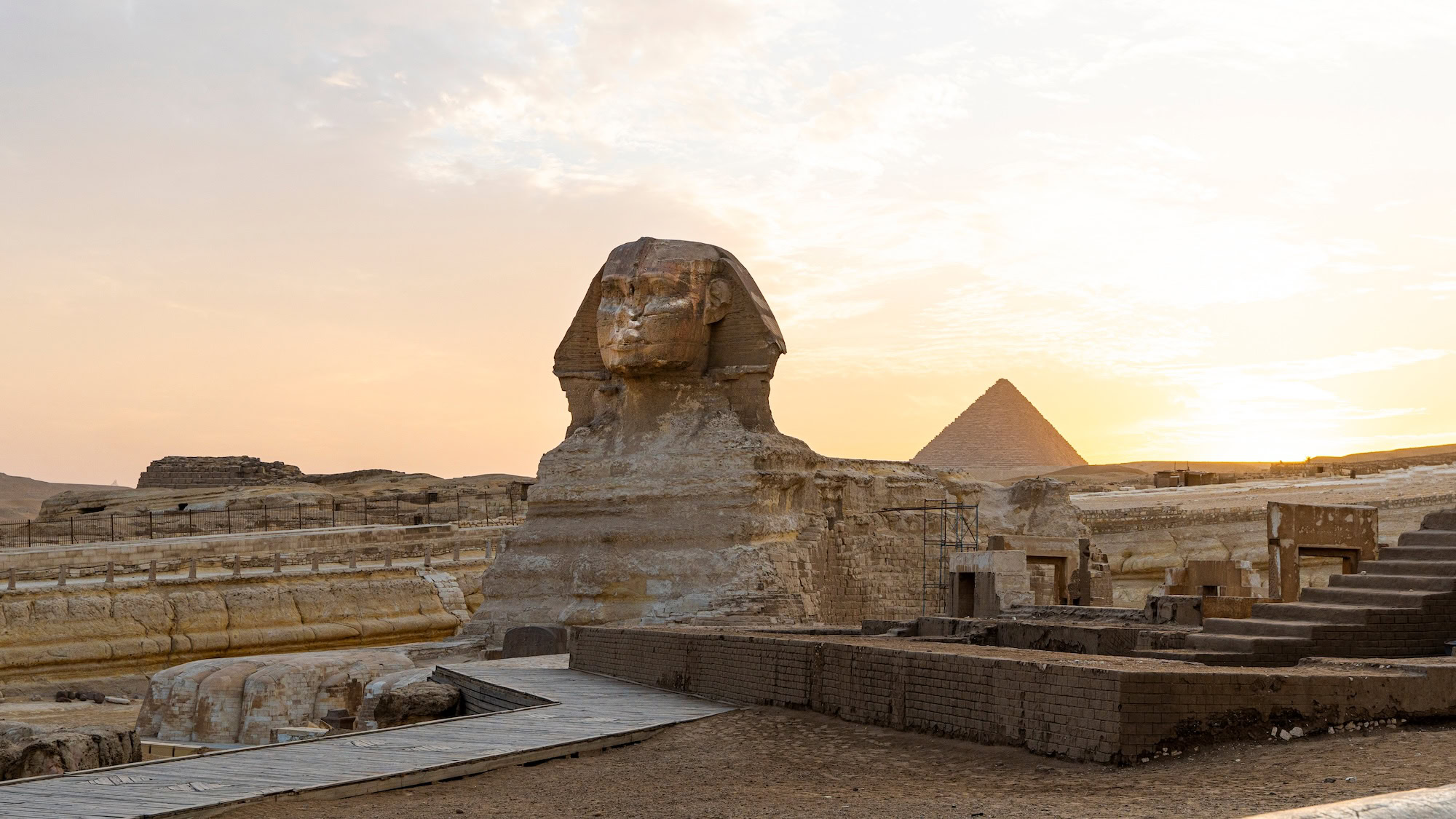
These fourth dynasty pharaohs transformed the Giza plateau into humanity’s most enduring architectural achievement. Their pyramids served as more than tombs—they were resurrection machines designed to ensure the pharaoh’s eternal life.
Middle Kingdom Expansion: Senusret I
The Middle Kingdom brought a new type of pharaoh—empire builders who expanded Egypt’s borders through military conquest and diplomatic skill.
Senusret I: The Warrior-Administrator
Senusret I combined military prowess with administrative genius during his 45-year reign. His armies pushed south into Nubia, securing gold mines and trade routes that would enrich Egypt for centuries. He established a series of fortresses along the Nile’s second cataract, creating a defensive network that protected Egyptian interests.
His domestic achievements matched his military success. Senusret I launched massive irrigation projects that increased agricultural productivity across the Nile Valley. He rebuilt temples throughout Egypt, standardizing religious practices and strengthening pharaonic authority.
The pharaoh’s propaganda portrayed him as Egypt’s protector and provider. Surviving texts describe him as “he who makes the Two Lands live” and “the sun god’s son on earth.”
Infrastructure and Imperial Administration
Middle Kingdom pharaohs developed sophisticated bureaucracies to govern their expanded territories. They created provincial governors, standardized weights and measures, and established trade agreements with neighboring kingdoms. These innovations laid the groundwork for the New Kingdom’s later imperial expansion.
Archaeological evidence from this period reveals increasing contact with Mediterranean civilizations. Egyptian artifacts appear in Minoan palaces, while foreign luxury goods fill Egyptian tombs.
The Golden Age: New Kingdom Pharaohs
The Eighteenth Dynasty marked Egypt’s transformation into a world superpower. These pharaohs commanded vast armies, accumulated enormous wealth, and built monuments that proclaimed Egyptian dominance across the ancient world.
Ahmose: Liberator and Empire Founder
Ahmose expelled the Hyksos rulers who had controlled northern Egypt for over a century. His victory reunited the country and launched the New Kingdom period around 1550 BCE. Military innovations, including horse-drawn chariots and bronze weapons, gave Egyptian forces decisive advantages over their enemies.
The pharaoh pursued the fleeing Hyksos into Palestine, marking Egypt’s first major military campaign beyond its traditional borders. This expansion set the stage for centuries of Egyptian imperial dominance.
Hatshepsut: The Female King
Hatshepsut challenged gender conventions by ruling as pharaoh rather than queen regent. She wore the traditional false beard and masculine regalia of kingship, declaring herself “daughter of Ra” and “king of Upper and Lower Egypt.”
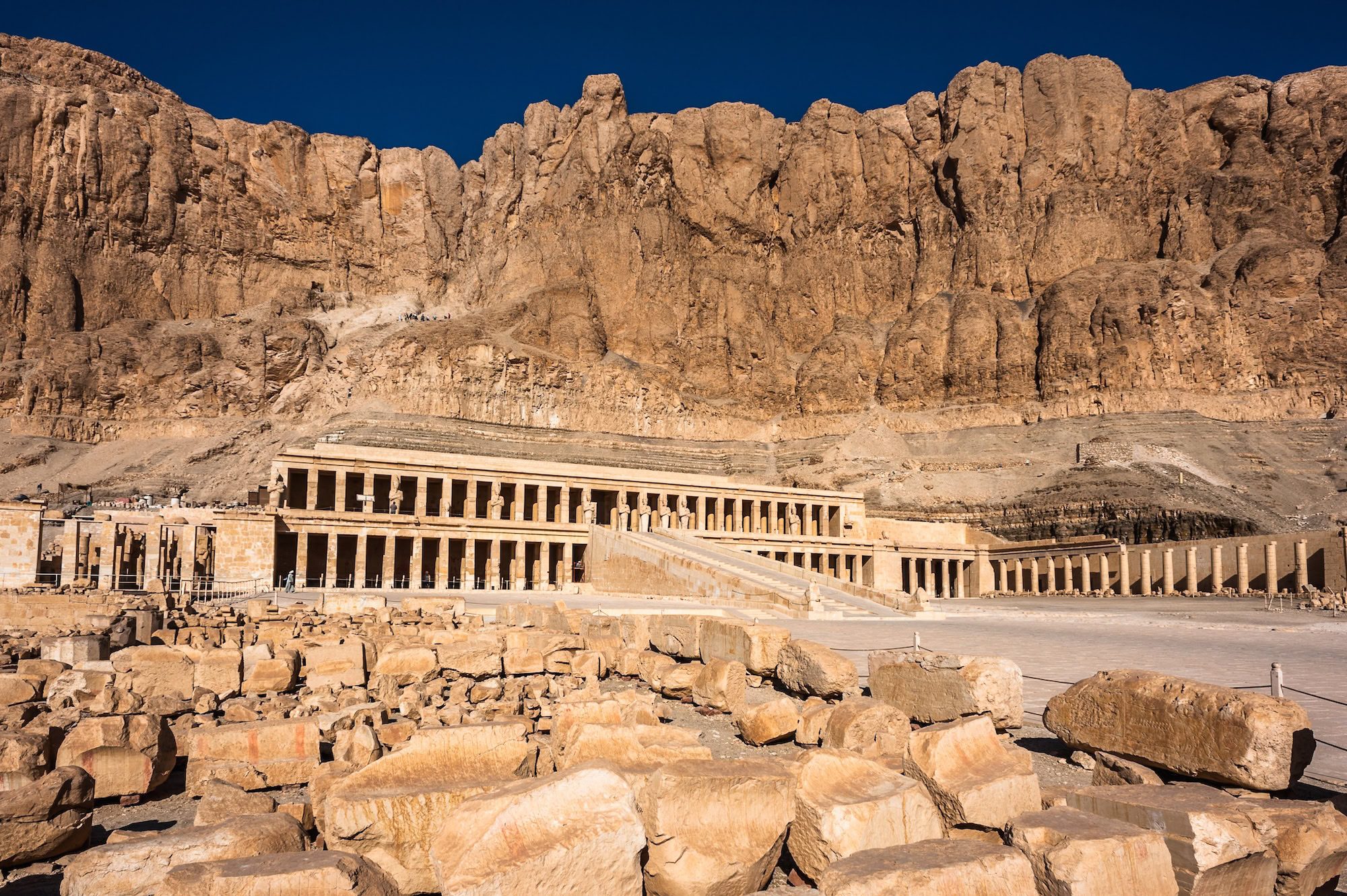
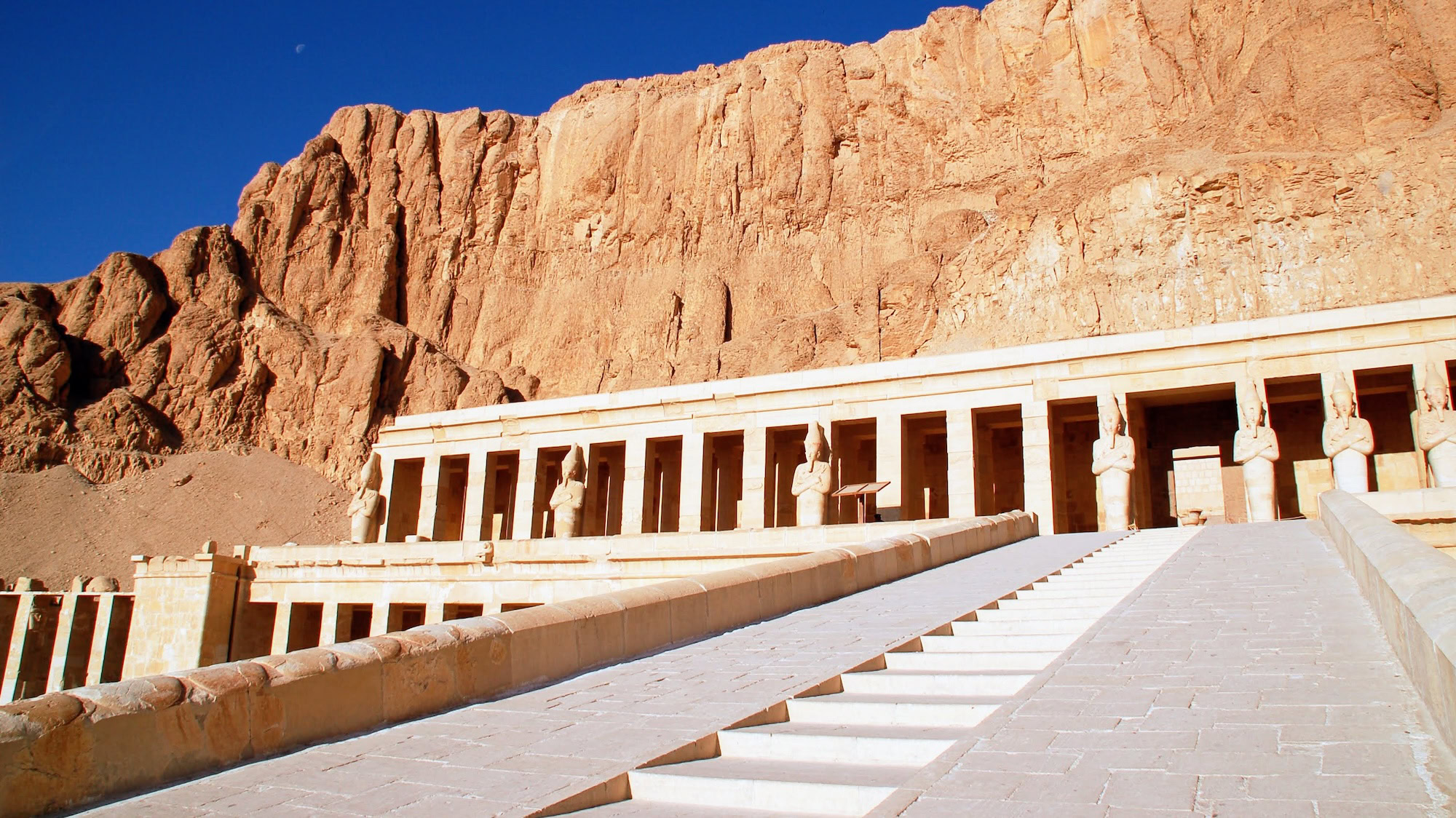
Her reign brought unprecedented prosperity. Hatshepsut launched trading expeditions to the mysterious land of Punt, returning with gold, ivory, exotic animals, and incense trees. These successful ventures are depicted in detailed reliefs at her mortuary temple at Deir el-Bahari.
Rather than conquest, Hatshepsut chose construction. Her architectural projects included the magnificent temple complex at Karnak and her revolutionary terraced mortuary temple. The latter’s innovative design influenced temple architecture for centuries.
Thutmose III: Egypt’s Napoleon
Following Hatshepsut’s death, Thutmose III emerged as Egypt’s greatest military pharaoh. He launched seventeen military campaigns, extending Egyptian control from Nubia to the Euphrates River. His tactical genius at the Battle of Megiddo became legendary, with later pharaohs studying his strategies.
The pharaoh established Egyptian vassal states throughout the Levant, creating a tribute system that enriched Egypt for generations. Captured foreign princes were educated in Egyptian courts, ensuring loyalty when they returned to rule their homelands.
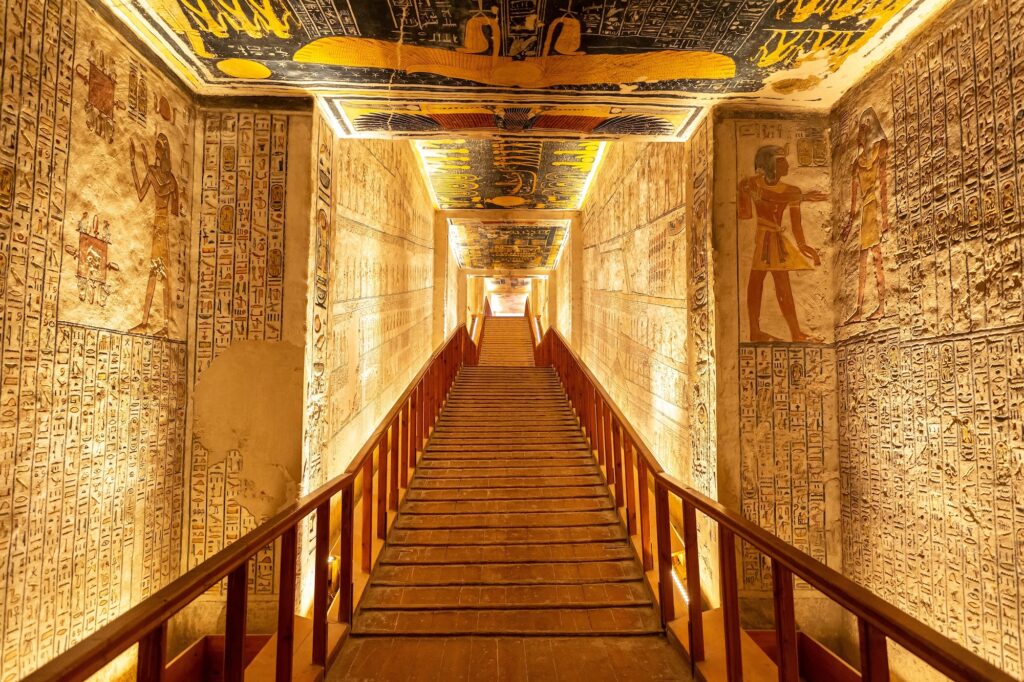
Thutmose III’s tomb in the Valley of the Kings features the complete Amduat, an ancient Egyptian funerary text describing the sun god’s nightly journey through the underworld.
The Heretic King: Akhenaten’s Religious Revolution
Akhenaten attempted the ancient world’s most radical religious reformation. Around 1350 BCE, he abandoned Egypt’s traditional polytheism in favor of worshipping Aten, the sun disk, as the sole deity.
The pharaoh founded a new capital city, Akhetaten (modern Amarna), dedicated entirely to his revolutionary theology. He moved the royal court and government bureaucracy to this purpose-built metropolis, isolating Egypt’s traditional priesthood.
Amarna Period art broke completely with Egyptian conventions. Instead of idealized royal portraits, artists depicted Akhenaten with elongated features and feminine characteristics. Family scenes showed the pharaoh, his wife Nefertiti, and their daughters in intimate, naturalistic poses previously forbidden in royal art.
The Collapse of Revolutionary Rule
Akhenaten’s religious experiment created economic and political chaos. Traditional temples lost their funding, while foreign territories rebelled against neglectful Egyptian administration. The Amarna Letters, diplomatic correspondence from this period, reveal desperate pleas for military assistance from Egyptian vassals facing invasion.
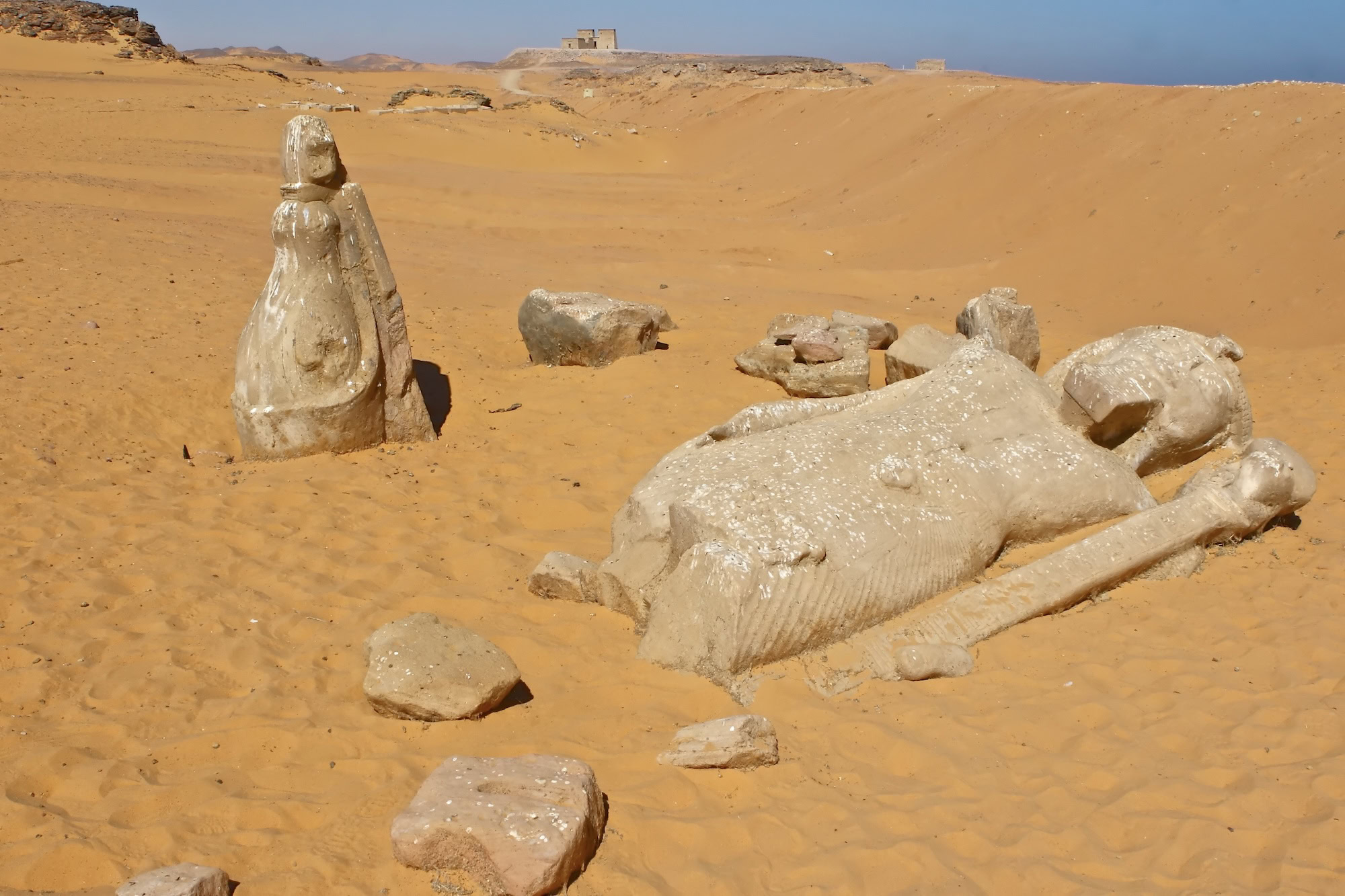
After Akhenaten’s death, subsequent pharaohs systematically destroyed his monuments and erased his name from official records. Egypt returned to traditional religious practices, but the brief Amarna Period left an indelible mark on art and theology.
The Boy King: Tutankhamun’s Eternal Fame
Tutankhamun ruled for only nine years and died at approximately eighteen years old. His historical importance pales compared to empire-builders like Thutmose III or cultural innovators like Hatshepsut. Yet Howard Carter’s 1922 discovery of his intact tomb made Tutankhamun the most famous pharaoh in modern times.
The tomb contained over 5,000 artifacts, including the iconic golden burial mask that has become synonymous with ancient Egypt. Chariots, weapons, furniture, jewelry, and clothing provided unprecedented insights into royal life during the Eighteenth Dynasty.
Restoration and Religious Return
Tutankhamun’s reign marked Egypt’s return to traditional religion following Akhenaten’s revolutionary period. The young pharaoh moved the capital back to Memphis and restored funding to traditional temples. His name, originally Tutankhaten (living image of Aten), was changed to Tutankhamun (living image of Amun) to signal this religious restoration.
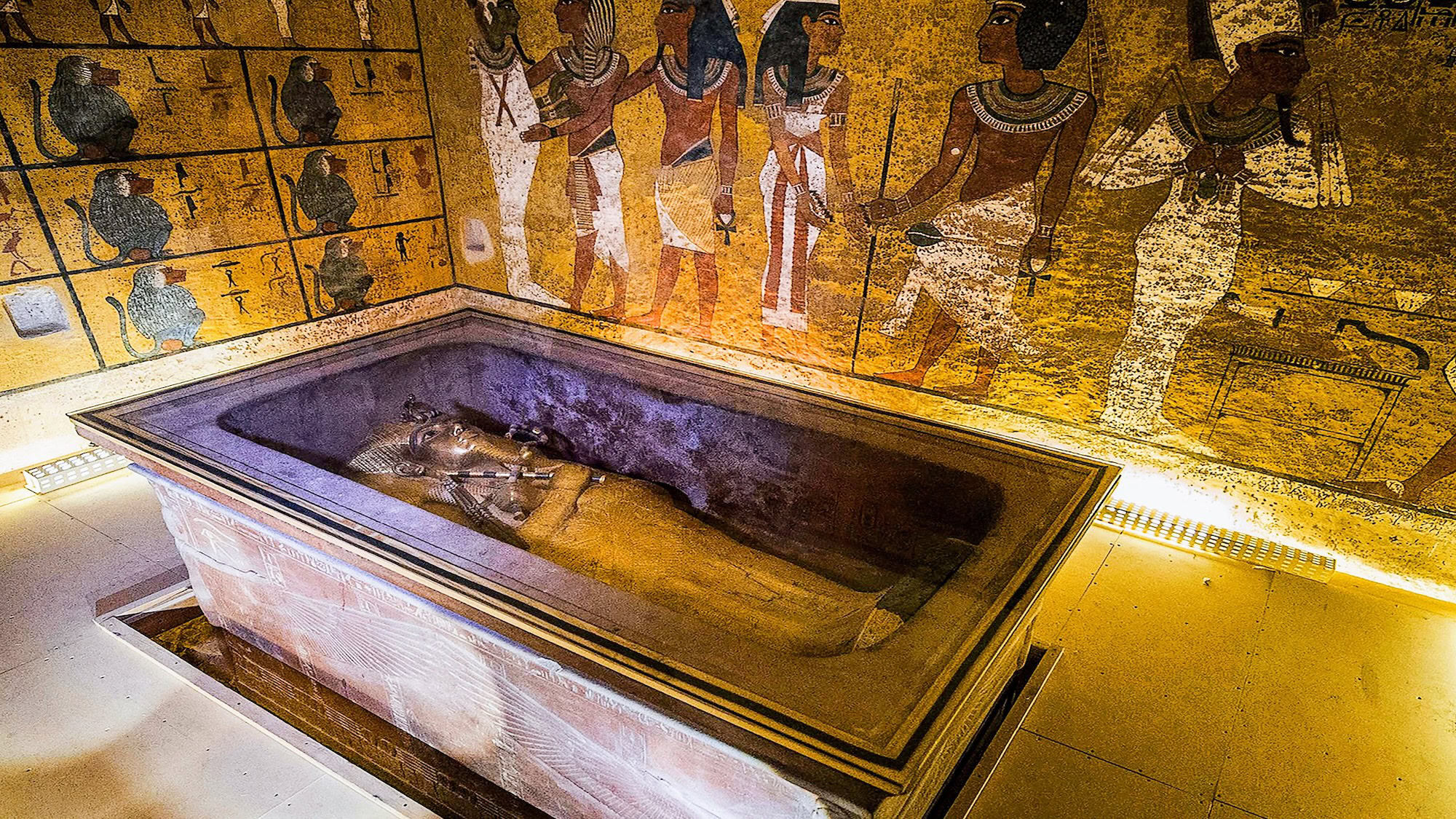
Recent scientific analysis of Tutankhamun’s mummy suggests he died from complications following a leg fracture, possibly sustained in a chariot accident. His death ended the direct royal line of the Eighteenth Dynasty, leading to political instability.
We include visits to Tutankhamun’s tomb in our Valley of the Kings tours, where travelers can view the pharaoh’s mummy and experience the burial chamber where he lay undisturbed for over 3,000 years.
Ramesses the Great: The Ultimate Pharaoh
Ramesses II embodied everything the ancient world expected from divine kingship. During his 66-year reign, he launched massive military campaigns, built monuments throughout Egypt, and fathered over 100 children.
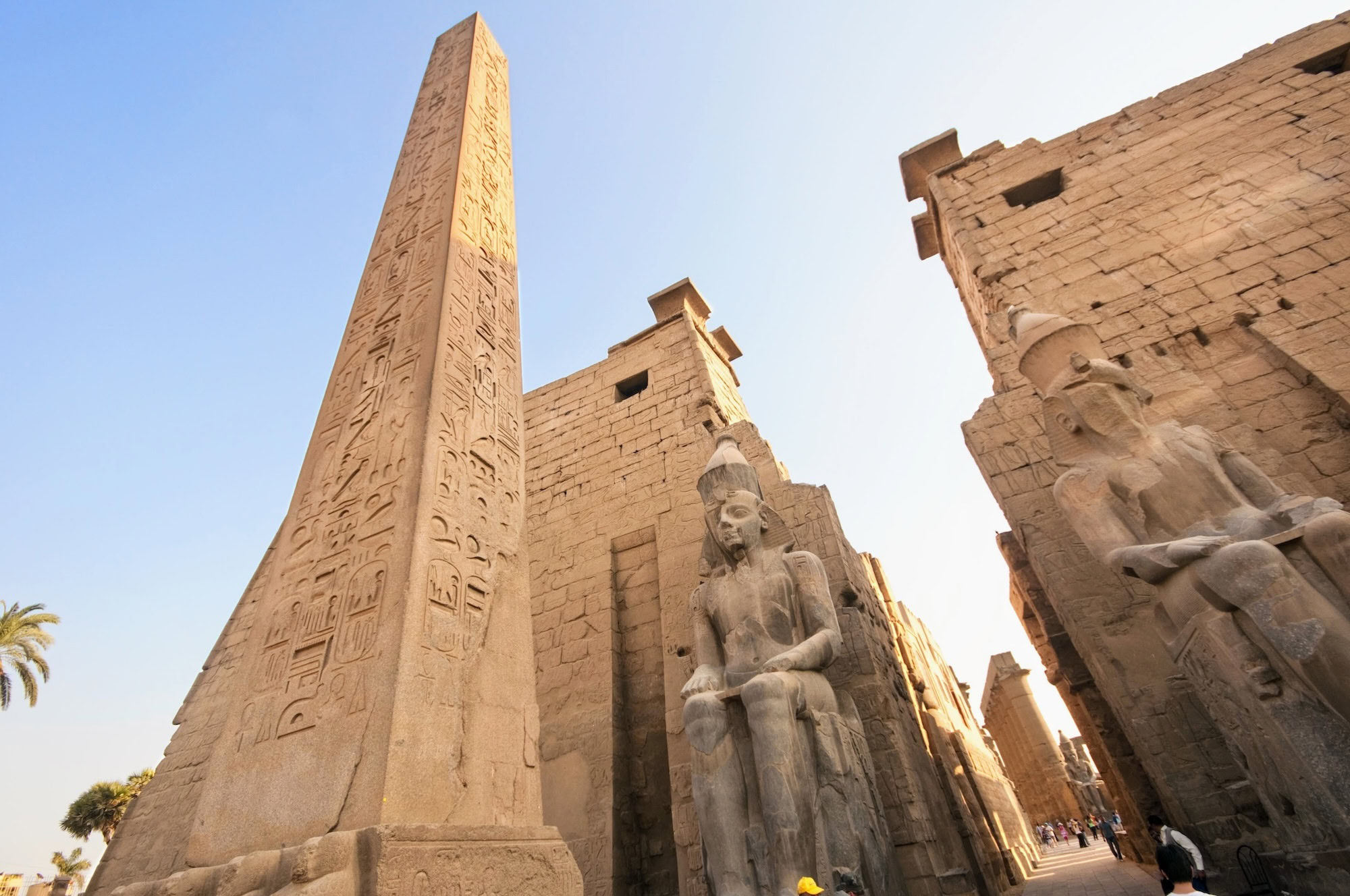
The pharaoh’s propaganda machine was unmatched in the ancient world. He covered temple walls with accounts of his military victories, commissioned colossal statues of himself, and ensured his name appeared on monuments throughout Egypt. Even temples built by earlier pharaohs received Ramesses II’s cartouches.
Abu Simbel: Monument to Megalomania
Abu Simbel represents the pinnacle of Ramesses II’s architectural ambitions. Four colossal seated statues of the pharaoh, each 65 feet tall, guard the temple entrance. The inner sanctuary contains the only known representation of a pharaoh worshipping himself alongside the gods.
The temple’s orientation allows sunlight to illuminate the pharaoh’s statue in the innermost sanctuary twice yearly—on his birthday and coronation day. This astronomical alignment demonstrates the sophisticated engineering knowledge available to Egyptian architects.
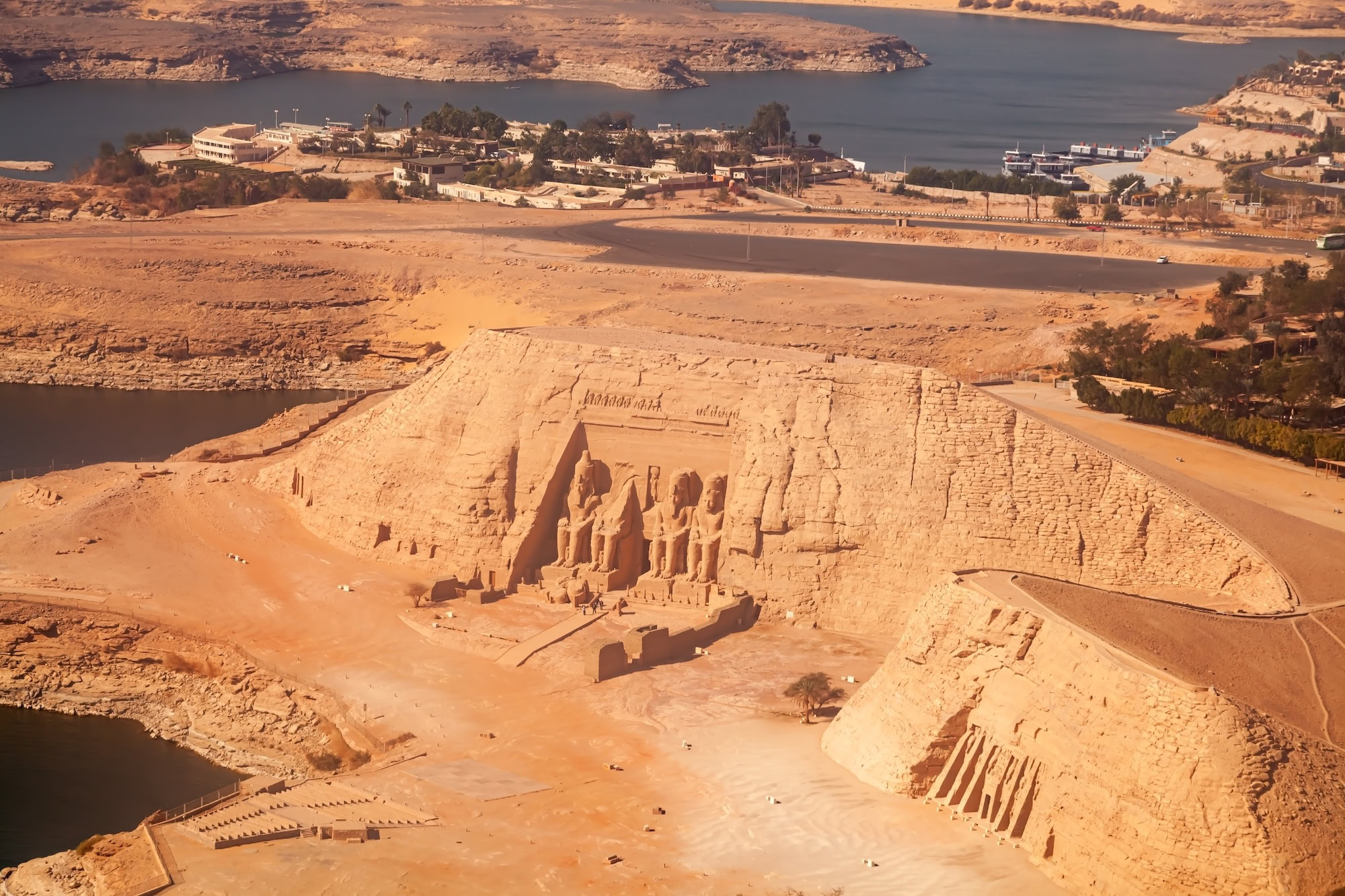
When the Aswan High Dam threatened to flood Abu Simbel, UNESCO launched an unprecedented rescue operation. The entire temple complex was cut into blocks and reconstructed on higher ground, preserving Ramesses II’s masterpiece for future generations.
Military Campaigns and Diplomacy
Ramesses II fought the Hittite Empire for control of Syria and Palestine. The Battle of Kadesh, though tactically indecisive, became the subject of extensive royal propaganda. Temple reliefs show the pharaoh single-handedly routing enemy forces, though diplomatic correspondence reveals a more complex reality.
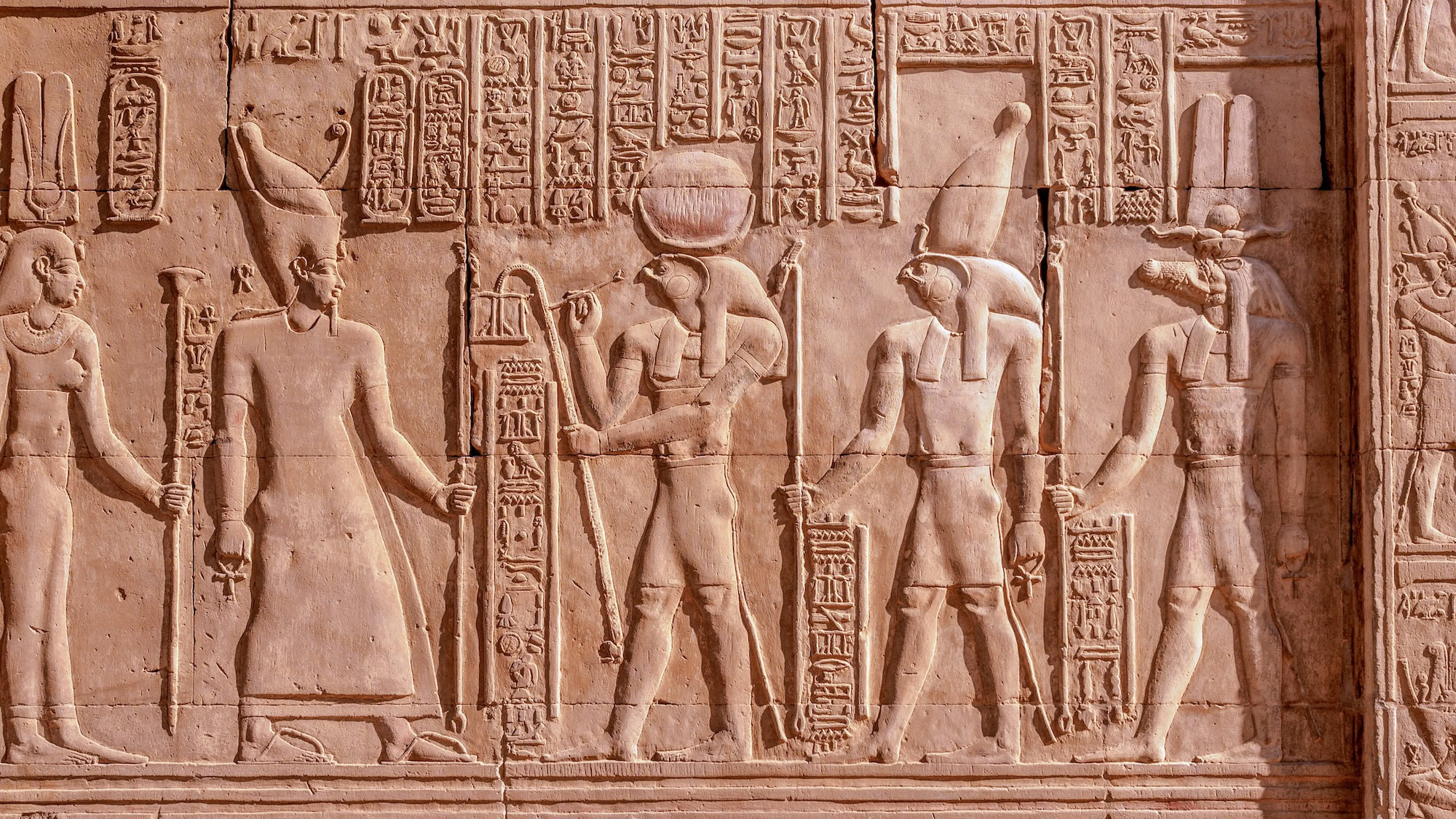
The eventual peace treaty between Egypt and the Hittites represents history’s first documented international peace agreement. Copies carved in hieroglyphs and cuneiform established principles of mutual defense and prisoner exchange that influenced diplomatic practices for millennia.
Cleopatra VII: The Last Pharaoh
Cleopatra’s reign marked the end of pharaonic Egypt and the beginning of Roman dominance in the Mediterranean. Far from the seductive beauty of Hollywood imagination, historical sources describe her as an intellectual and skilled politician who spoke nine languages.
Her relationships with Julius Caesar and Marcus Antonius were strategic alliances designed to preserve Egyptian independence against Roman expansion. She allied with Caesar during his civil war against Pompey, then supported Antonius in his conflict with Octavian.
The Final Dynasty
The Ptolemaic dynasty, founded by Alexander the Great’s general Ptolemy I, ruled Egypt for three centuries. These Macedonian pharaohs adopted Egyptian religious practices while maintaining Greek cultural traditions. Alexandria became the ancient world’s greatest center of learning, housing the famous library and museum.
Cleopatra was the first Ptolemaic ruler to learn Egyptian, demonstrating her connection to native traditions. She participated in religious ceremonies and presented herself as the reincarnation of the goddess Isis.
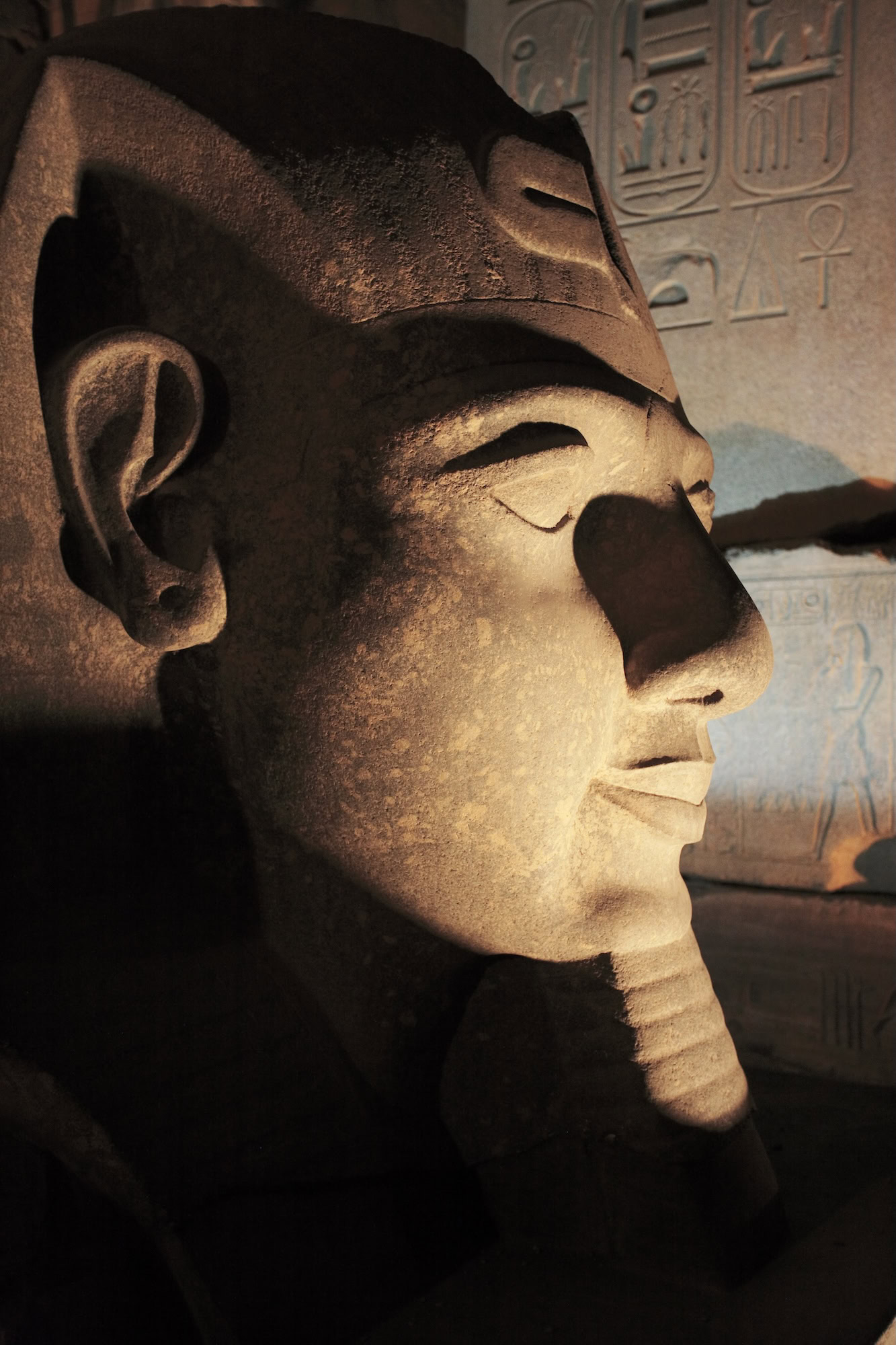
Her defeat at the Battle of Actium in 31 BCE ended pharaonic Egypt. Octavian (later Augustus) annexed Egypt as a Roman province, transforming the ancient kingdom into the personal property of Roman emperors.
Legacy of the Pharaohs
These remarkable rulers created a civilization that endured for over three millennia. Their monuments continue to inspire wonder, their artistic innovations influence modern design, and their political systems influenced governance structures throughout the ancient Mediterranean.
From Narmer’s unification of Egypt to Cleopatra’s final stand against Roman conquest, the pharaohs demonstrated that exceptional leadership could create lasting legacies. Their tombs and temples remind us that human ambition, when combined with divine authority and unlimited resources, could achieve seemingly impossible goals.
Our carefully crafted Egypt tours allow modern travelers to walk in the footsteps of these legendary rulers. With expert guides who bring ancient stories to life, we help visitors understand how these pharaohs shaped not just Egypt, but the entire course of human civilization.
Frequently Asked Questions
Who was the most powerful pharaoh in ancient Egypt?
Ramesses II ruled for 66 years and built more monuments than any other pharaoh.
Which pharaoh built the Great Pyramid of Giza?
Khufu commissioned the Great Pyramid around 2580 BCE during the Fourth Dynasty.
Was Cleopatra actually Egyptian?
Cleopatra was ethnically Macedonian Greek but culturally Egyptian, being the first Ptolemaic ruler to learn Egyptian.
Why was Tutankhamun so famous if he was a minor pharaoh?
Howard Carter’s 1922 discovery of Tutankhamun’s intact tomb made him famous in modern times.
Did Akhenaten really worship only one god?
Yes, Akhenaten abandoned traditional Egyptian polytheism to worship Aten exclusively for 17 years.
Which pharaoh was the best military commander?
Thutmose III earned the title “Egypt’s Napoleon” through seventeen successful military campaigns.
How long did ancient Egyptian civilization last?
Ancient Egyptian civilization lasted approximately 3,100 years, from 3100 BCE to 30 BCE.
Were there female pharaohs besides Cleopatra?
Yes, Hatshepsut reigned for 22 years and built magnificent temples that still stand today.
Which pharaoh built Abu Simbel?
Ramesses II built Abu Simbel in the 13th century BCE, featuring four colossal statues.
What happened to the pharaohs’ mummies?
Many royal mummies are displayed in the National Museum of Egyptian Civilization in Cairo.
How were pharaohs chosen?
Usually the throne passed from father to eldest son, though succession involved complex palace politics.
Why did pharaohs build such massive monuments?
Pharaohs built monuments to demonstrate divine power and ensure eternal life through resurrection machines.
Design Your Custom Tour
Explore Egypt your way by selecting only the attractions you want to visit