

Musee Boucharouite – A Museum Dedicated to a Timeless Berber Tradition
Your journey through Marrakech isn’t complete without stepping inside this extraordinary small museum.
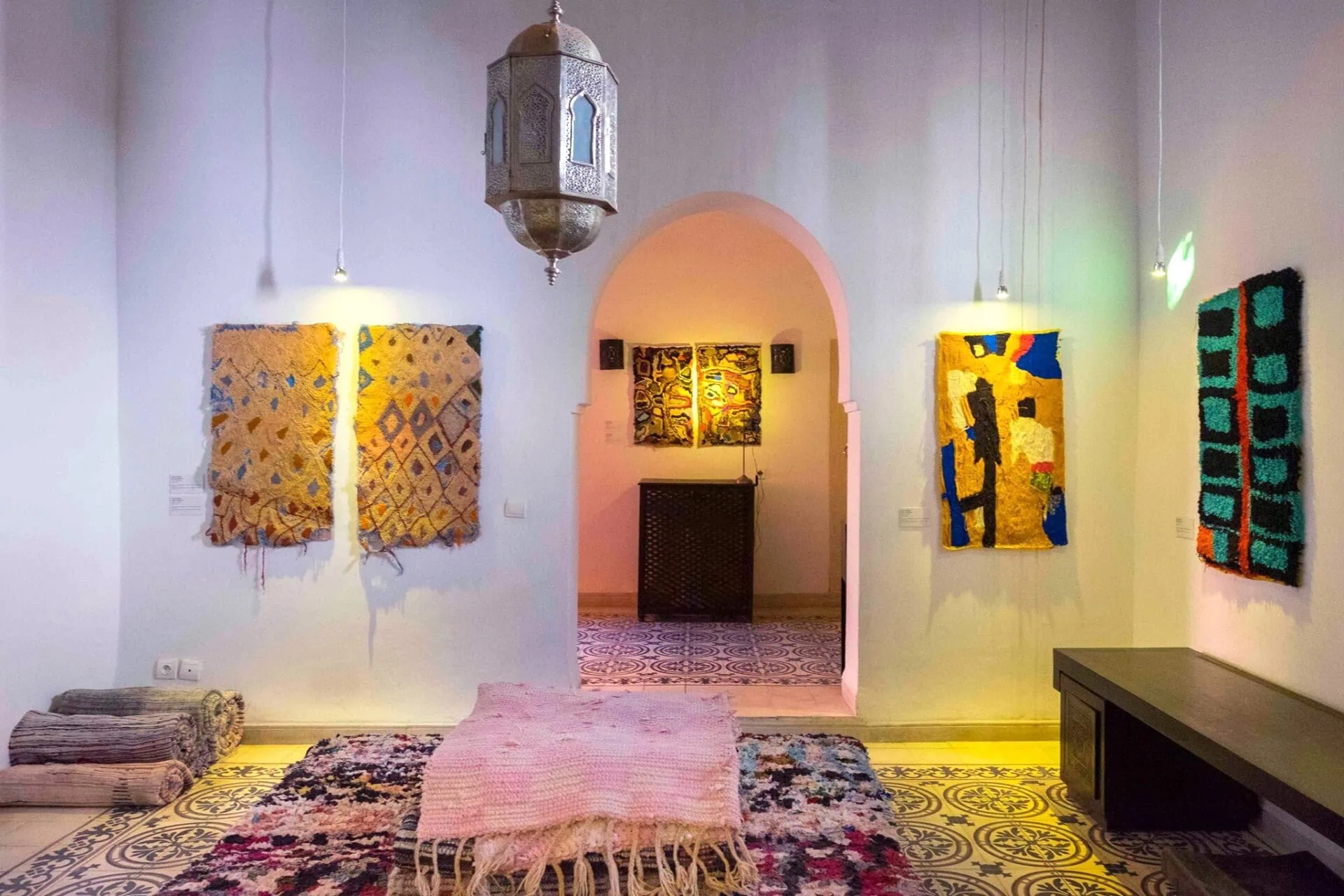
Hidden within the winding streets of Derb El Cadi in the historic medina, the Musee Boucharouite houses one of Morocco’s most fascinating yet underappreciated textile collections. This intimate cultural space celebrates the artistry of Berber women who transformed recycled materials into vibrant boucharouite rugs—each piece reflecting personal stories, traditions, and everyday life.
Musee Boucharouite can be included in our Egypt and Morocco vacation packages, where Morocco’s unique cultural experiences are combined with its historic cities and Egypt’s ancient wonders for a rich and immersive journey.
The collection represents years of dedicated work by French collector Patrick de Maillard, whose passion for preserving this distinctive craft has ensured its legacy for future generations.
For travelers seeking something beyond the typical highlights, this museum offers an authentic and meaningful insight into Morocco’s living artistic traditions.
Understanding the Boucharouite Tradition
Boucharouite carpets emerged from necessity and creativity in Berber communities across Morocco’s Atlas Mountains. Unlike the famous jewel-toned Berber rugs that grace luxury hotels and international markets, boucharouite rugs were born from practicality. Berber women used whatever materials they could find – old clothing, plastic bags, fabric scraps, even candy wrappers – as the base for their creations.
This resourcefulness transformed everyday waste into vibrant floor coverings that served both functional and artistic purposes in traditional homes. The technique represents a remarkable example of sustainable art practice that predates contemporary environmental movements by generations. These textiles demonstrate how creativity and necessity combined to produce works of genuine artistic merit from the most humble materials.
The Zindekh Weaving Technique
Each rug tells a story through its construction method. The Zindekh technique involves weaving strips of recycled fabric into geometric patterns that often carry deep symbolic meaning. Berber women incorporated personal messages, family histories, and cultural symbols into their designs, making every piece a unique narrative work. The process requires remarkable skill to balance disparate materials while maintaining structural integrity and aesthetic coherence.

Personal Expression Through Art
What makes these textiles extraordinary is their individual character. No two boucharouite rugs are identical because each weaver brought her own experiences, available materials, and creative vision to the loom. The geometric signs and color combinations often reflected the maker’s worldview, family circumstances, and regional traditions.
The act of creation provided women with a form of personal expression within traditional social structures. Through their choice of colors, patterns, and materials, they could communicate complex ideas about identity, spirituality, and community relationships that might be difficult to express through other means.
Exploring the Museum Collection
Patrick de Maillard’s carefully curated exhibition showcases the remarkable diversity and artistic merit of boucharouite textiles. The museum occupies a restored traditional riad, where the intimate setting allows visitors to appreciate the intricate details and craftsmanship of each piece up close. Natural light filters through traditional windows, illuminating the vibrant colors and complex patterns that make each rug a masterpiece of folk art.
Walking through the collection, you’ll discover carpets that incorporate everything from plastic shopping bags to strips of vintage clothing, all woven together with traditional wool or cotton threads. The visual impact is stunning – what might seem like humble materials transforms into sophisticated artistic statements that rival any contemporary textile art. Each room presents different themes and regional variations, allowing you to understand how geography, available materials, and local traditions influenced the development of this craft.
What to Expect
The collection fills several rooms within the historic riad building. Each space focuses on different aspects of boucharouite tradition, from purely functional pieces to highly decorative examples that showcase advanced weaving techniques. The intimate scale of the museum means you’ll rarely encounter large crowds, creating a peaceful environment for contemplating the artistry on display.
Detailed descriptions accompany many pieces, explaining the historical context and cultural significance of different patterns and techniques. The museum provides insights into the daily lives of Berber women who created these works, helping visitors understand the social and economic factors that shaped this unique art form. Most areas welcome photography, allowing you to capture the intricate details and vibrant colors that make each piece distinctive.
Planning Your Visit
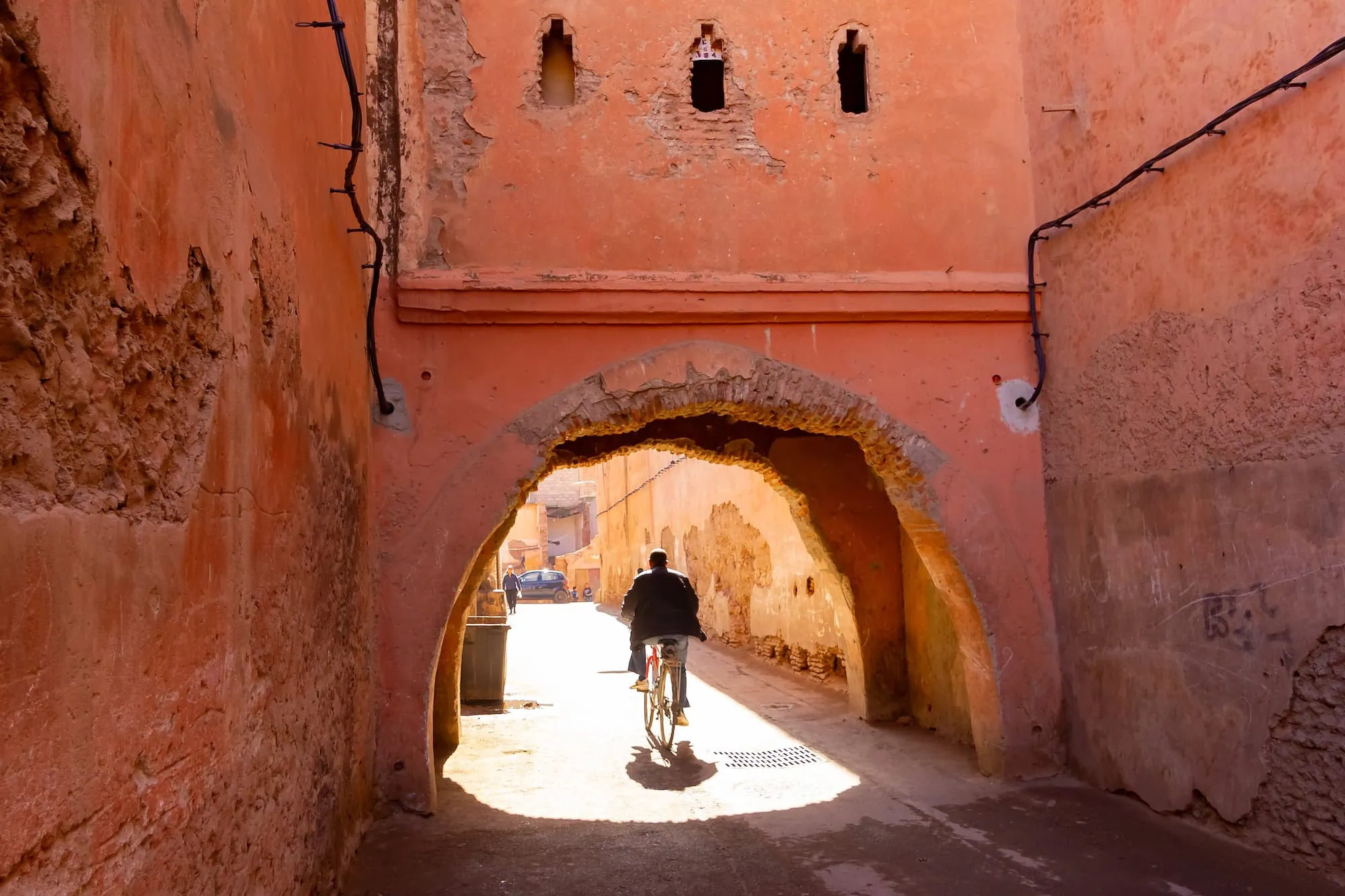
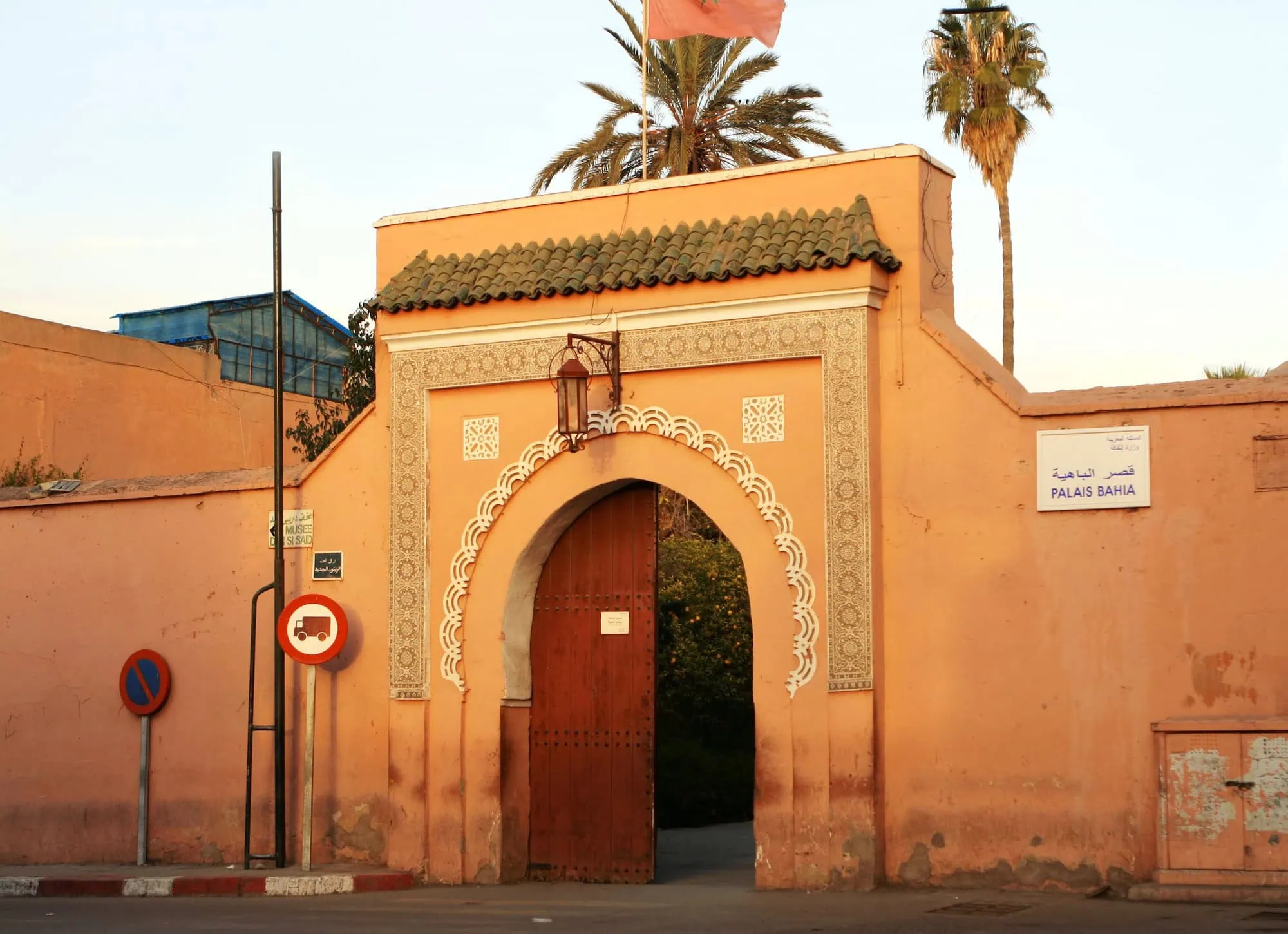
Finding the Musee Boucharouite requires navigating the narrow streets of the medina, but the journey adds to the authentic experience. Located on Derb El Cadi, the museum sits within walking distance of major landmarks like the Bahia Palace and Saadian Tombs. We recommend allowing extra time for navigation, as the medina’s winding passages can be challenging for first-time visitors.
The museum typically operates Tuesday through Sunday, with afternoon hours being most reliable for visits. Admission fees remain modest, reflecting the museum’s commitment to cultural accessibility rather than commercial tourism. However, recent visitor reports suggest checking current operating status before making the trip, as small museums in Marrakech sometimes adjust their schedules seasonally.
The Collector’s Vision
Patrick de Maillard’s passion for preserving boucharouite traditions goes far beyond simple collection. His decades-long commitment to documenting and presenting this underappreciated art form has created an invaluable cultural resource. The museum represents years of building relationships with Berber communities, understanding the historical significance of different pieces, and creating a space where visitors can appreciate the artistic merit of these humble yet sophisticated textiles.
The collection includes pieces spanning several decades, showing how the tradition evolved as new materials became available and social conditions changed. This historical perspective helps visitors understand boucharouite weaving as a living tradition that adapted to circumstances while maintaining its essential character and cultural significance.
Cultural Heritage and Significance
Every rug in the collection carries the personal history of its creator. The choice of colors, patterns, and materials reflects individual circumstances, family traditions, and regional influences that shaped each woman’s artistic expression. Understanding these personal narratives transforms viewing the collection from simple aesthetic appreciation into cultural dialogue across time and space.
The geometric patterns found throughout the collection aren’t merely decorative – they carry symbolic weight within Berber culture. Triangular motifs might represent mountains or tents, while diamond patterns could signify protection or fertility. Repeated elements often reference natural phenomena like stars, water, or seasonal cycles that governed traditional Berber life. The vibrant color palettes resulted from creative use of available materials rather than traditional dye techniques.
Contemporary Artistic Recognition
Modern textile artists and designers increasingly recognize boucharouite traditions as sophisticated examples of sustainable art practice and cultural expression. The technique of transforming waste materials into beautiful, functional objects resonates with contemporary concerns about environmental responsibility and creative resourcefulness. Art historians and anthropologists study these pieces as important examples of women’s artistic traditions that operated outside formal art world recognition.
The museum plays a crucial role in elevating these textiles from ethnographic curiosities to recognized art forms worthy of serious study and appreciation. By presenting boucharouite rugs in a museum context, the collection encourages visitors to consider the artistic merit and cultural significance of folk traditions that might otherwise remain invisible to international audiences.
Practical Visitor Tips
Comfortable walking shoes are essential for navigating medina streets and the traditional floors within the riad. A small flashlight or phone light can help illuminate details in darker corners of the exhibition spaces. Bringing a notebook allows you to record interesting information about techniques or patterns that catch your attention.
While photography is generally permitted, the museum’s traditional lighting can create challenging conditions. Natural light from traditional windows provides the best illumination, but shadows and reflections require careful positioning. Taking time to observe pieces carefully often proves more rewarding than rushing to photograph everything. Remember that you’re viewing the artistic heritage of living communities rather than historical artifacts.
Frequently Asked Questions
Most visitors spend 45 minutes to an hour exploring the collection thoroughly.
Yes, the colorful textiles and intimate scale appeal to children and families.
The museum focuses on preservation rather than sales but provides guidance about authentic pieces.
Afternoon visits typically offer the most reliable access and best natural lighting.
No reservations are needed, but checking current operating status beforehand is recommended.
The medina location requires navigation skills but adds to the authentic cultural experience.
While formal tours aren’t standard, museum staff often provide informal information when present.
The intimate scale and focus on women’s artistic traditions offer a more personal cultural experience.
Yes, the medina contains numerous traditional workshops where you can observe contemporary artisans.
Most areas welcome photography, but checking with staff about specific restrictions is recommended.
Design Your Custom Tour
Explore Egypt & Morocco your way by selecting only the attractions you want to visit