

Mut Ethnographic Museum – A Fitting Tribute to Desert Life
Hidden within Dakhla Oasis lies one of Egypt’s most intimate cultural experiences.
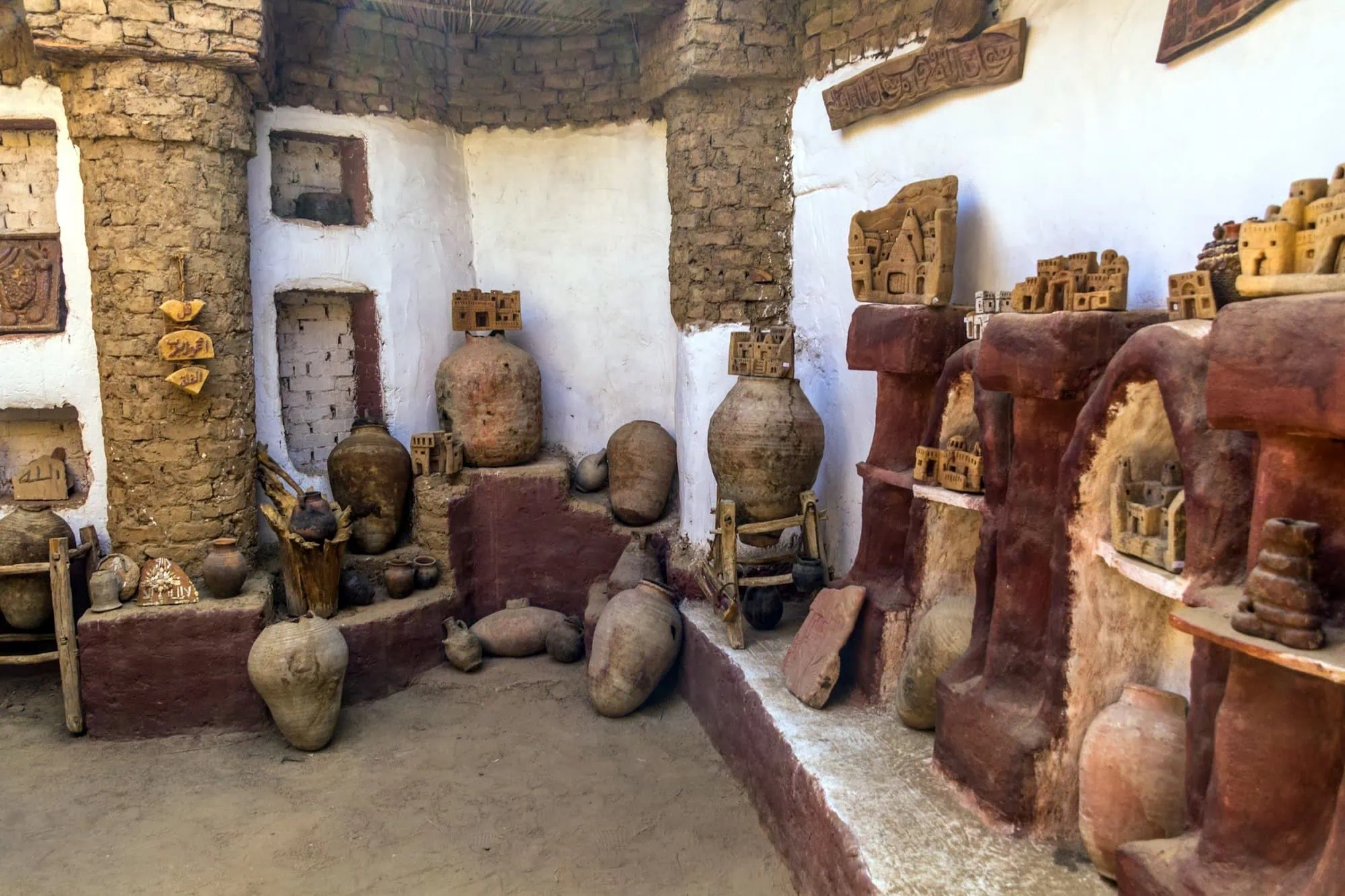
The Mut Ethnographic Museum offers visitors an authentic glimpse into traditional oasis life, housed within an 18th-century residence that once belonged to Sherif Ahmed. Unlike the grand archaeological sites that Egypt is famous for, this small museum focuses entirely on the everyday rhythms and customs of desert communities. Located in the heart of Mut town, the museum preserves centuries-old traditions through carefully curated displays of clothing, household items, and regional artifacts.
We’ve helped countless travelers discover this hidden gem during their Egypt Western Desert Tours. The museum’s unique setting and specialized focus make it an essential stop for understanding how communities thrived in Egypt’s challenging desert environment.
Table of Contents
Planning Your Visit to the Mut Ethnographic Museum
The museum operates exclusively by appointment, requiring advance coordination through the local tourist office on Sharia As Salam. This personalized approach ensures visitors receive proper attention and context for the displays.
Making Reservations
Contact the tourist office during regular hours, the local coordinators, typically arrange visits within 24 hours of your request. We recommend booking at least two days ahead during peak winter months when Dakhla Oasis sees increased tourism.
The admission fee remains remarkably affordable at just three Egyptian pounds per person. This modest cost reflects the museum’s community-focused mission rather than commercial tourism goals.
Best Times to Visit
Morning appointments work best, allowing you to explore the museum before afternoon desert heat intensifies. Plan for 45 minutes to one hour inside, depending on your interest in the detailed explanations provided by museum staff.
Getting to Mut
Regular bus service connects Cairo to Mut, though the journey requires patience – expect approximately 10 hours of travel time. The route typically includes a transfer in Kharga, the capital of New Valley Governorate. Private transportation offers more flexibility and comfort, especially when combined with other Western Desert destinations.
From Aswan, the drive takes roughly 6 hours through scenic desert landscapes. We often incorporate the museum into multi-day Western Desert itineraries that include the White Desert, Bahariya Oasis, and other remote locations.
Inside the Traditional Desert Home
Step through the museum’s entrance and you’re immediately transported to 1785, when this building served as Sherif Ahmed’s family residence.
The layout follows traditional gender-separated spaces common in oasis communities. Men’s areas occupy the front sections, featuring seating arrangements for business discussions and community meetings. These rooms display traditional robes, leather goods, and tools used in date palm cultivation – the economic foundation of oasis life.
Women’s quarters reveal the intricate domestic world that sustained desert families. Hand-woven textiles showcase remarkable craftsmanship, while cooking utensils and food storage containers demonstrate how families preserved scarce resources. Jewelry displays highlight both decorative and practical aspects – silver pieces often served as portable wealth in nomadic communities.
Everyday Objects Tell Bigger Stories
Each room contains dozens of carefully labeled artifacts. Baskets woven from palm fronds show multiple weaving techniques passed down through generations. Clay water vessels demonstrate ingenious cooling methods that made desert survival possible.
The museum’s strength lies in these intimate details rather than spectacular showpieces. Visitors learn how families organized daily routines around water conservation, food preservation, and protection from sandstorms.
Cultural Context and Regional Significance
The Dakhla Oasis supported human habitation for thousands of years, creating unique cultural traditions distinct from Nile Valley communities. Geographic isolation fostered self-reliant communities that developed specialized skills for desert survival.
Traditional clothing displays reveal how residents adapted to extreme temperature variations. Lightweight fabrics provided sun protection while allowing air circulation. Headwear designs protected against sand while maintaining visibility during desert travel.
Social customs reflected the cooperative spirit essential for oasis survival. Community water management, shared agricultural labor, and collective defense against desert hazards created strong social bonds. The museum’s displays illustrate these connections through family photographs, ceremonial objects, and community tools.
Women played crucial economic roles beyond household management. Their textile production, food processing, and medicinal plant knowledge contributed significantly to family income and community health. Several displays highlight female entrepreneurship within traditional social structures.
Architectural Heritage
The building itself represents traditional oasis architecture perfectly adapted to desert conditions. Thick mud-brick walls provide natural insulation, keeping interiors cool during scorching summer days and warm during cold desert nights. Small windows minimize heat transfer while allowing necessary light.
Flat rooftops served multiple functions – food drying, storage, and sleeping areas during hot nights. The museum preserves these architectural features, helping visitors understand how building design supported daily life in harsh environments.
Comparing Oasis Life Across Egypt’s Western Desert
Dakhla’s Unique Character
While all Egyptian oases share certain survival strategies, Dakhla developed distinctive cultural elements. The museum’s comparative displays show how local traditions differed from Siwa, Bahariya, and Farafra communities.
Agricultural techniques varied based on local water sources and soil conditions. Dakhla’s relatively abundant underground springs supported more diverse crop cultivation than other oases. This agricultural diversity influenced social structures, trade relationships, and artistic traditions displayed throughout the museum.
Trade Route Influences
Dakhla’s position along ancient caravan routes brought external cultural influences that shaped local customs. Persian, Roman, and Islamic elements blended with indigenous traditions, creating the unique cultural mix preserved in museum displays.
Imported goods – fabrics, spices, and metalwork – show how desert communities maintained connections with distant civilizations. Local adaptations of foreign styles reveal the creativity that characterizes successful desert cultures.
Beyond the Museum: Exploring Mut and Dakhla Oasis
Your museum visit connects naturally with other Dakhla attractions. Qarat Al Muzawwaqa contains Roman-era tombs with exceptional wall paintings. Deir Al Hagar showcases a well-preserved sandstone temple from Egypt’s Roman period.
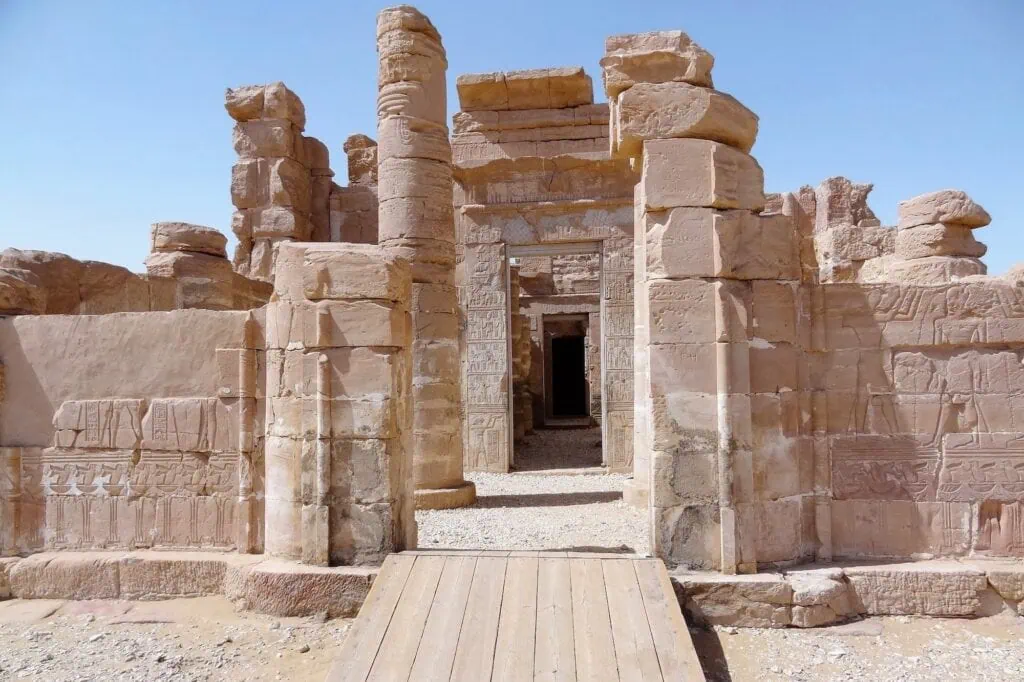
We typically combine the ethnographic museum with these archaeological sites during full-day Dakhla explorations. The cultural context provided by the museum enhances appreciation for the historical monuments scattered throughout the oasis.
Modern Mut retains traditional elements alongside contemporary developments. Local markets still sell many items similar to those displayed in the museum. Date palm groves continue providing economic sustenance just as they did centuries ago.
Extended Western Desert Adventures
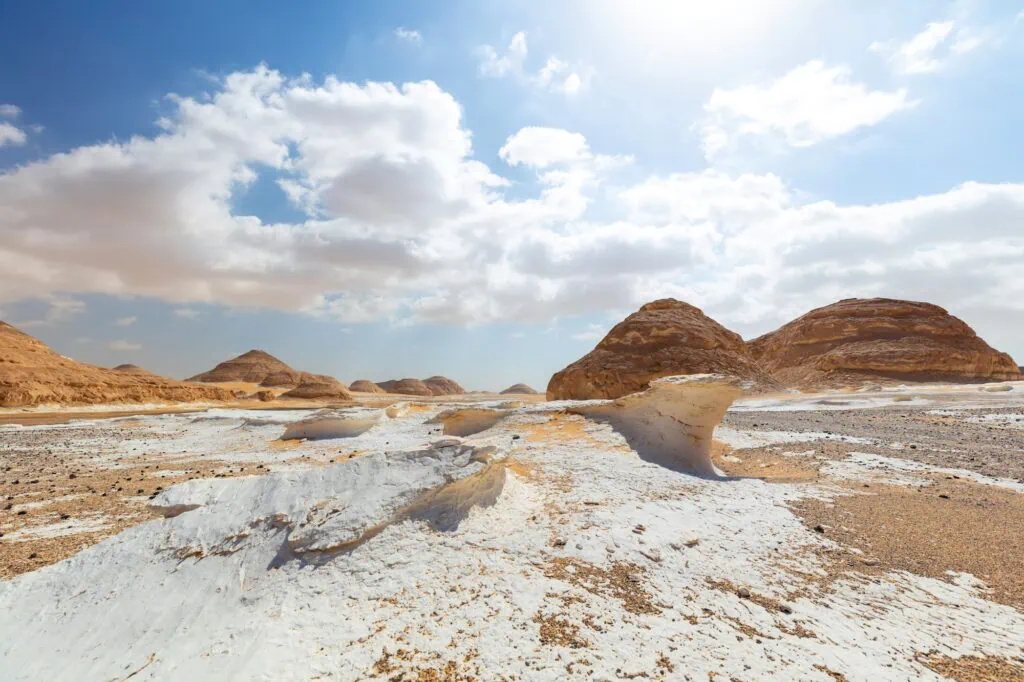
The ethnographic museum serves as an excellent introduction to broader Western Desert culture. Many visitors use Dakhla as their base for exploring the White Desert National Park, with its distinctive chalk rock formations and desert camping opportunities.
Bahariya Oasis offers different perspectives on desert life, including the famous Black Desert and Crystal Mountain. Each oasis developed unique adaptations to local environmental conditions, making comparative visits particularly rewarding.
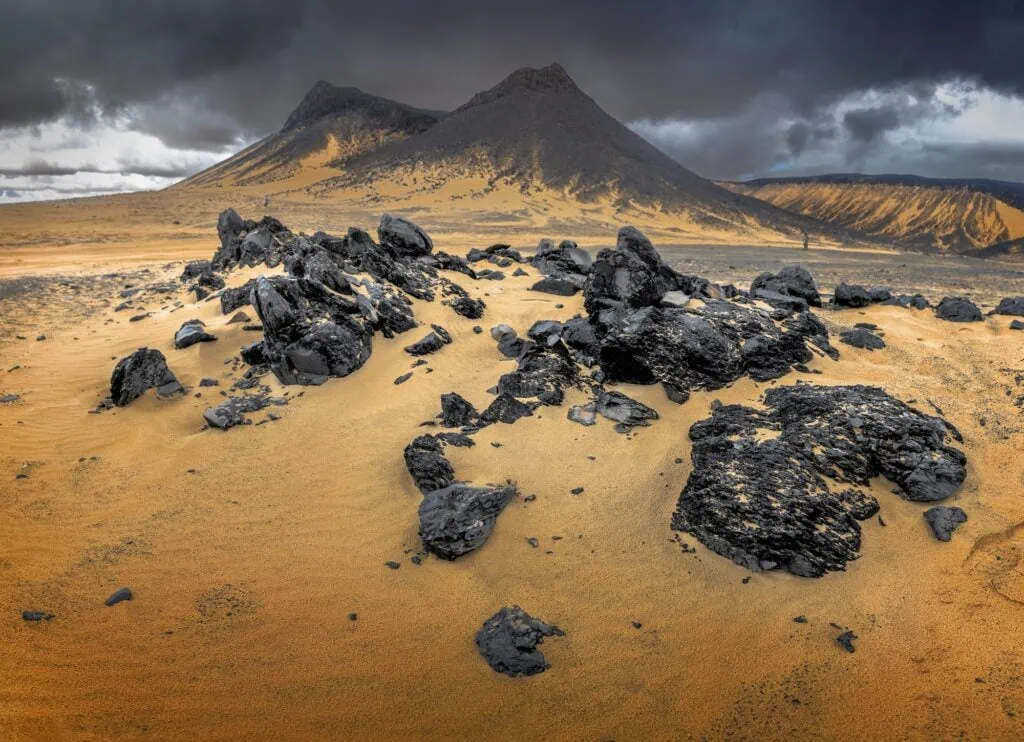
Our Western Desert expeditions often span multiple oases over 7-10 days, providing comprehensive exposure to Egypt’s desert heritage. The ethnographic museum typically features early in these itineraries, establishing cultural foundations for understanding the broader region.
Add Authentic Culture At The Mut Ethnographic Museum
The Mut Ethnographic Museum offers a rare, personal insight into daily life in Egypt’s Western Desert—where traditions, craftsmanship, and local heritage come alive in an intimate setting. With Egypt Tours Plus, we seamlessly weave this cultural experience into a private journey that connects authentic encounters with Egypt’s most iconic destinations.
You choose your travel dates, set your pace, and shape your route and experiences exactly as you wish. From meaningful cultural stops to comfortable stays and smooth logistics, we handle every detail with care—creating a refined, personalized journey designed entirely around you.
Frequently Asked Questions
The museum opens only by appointment through the local tourist office or by calling 010-1484-4100 directly.
Entry costs three Egyptian pounds per person, making it one of Egypt’s most affordable museum experiences.
Allow 45 minutes to one hour for a thorough exploration of all rooms and displays.
Yes, the museum welcomes families and provides engaging displays that help children understand traditional desert life.
Most displays include Arabic and English labels, with guides available to provide additional context in multiple languages.
Photography policies vary; ask your guide upon arrival for current restrictions regarding interior photos.
Regular bus service runs from Cairo to Mut, taking approximately 10 hours with a transfer in Kharga.
Qarat Al Muzawwaqa tombs and Deir Al Haggar temple are within easy driving distance of the museum.
Absolutely – the museum works perfectly as part of broader Western Desert expeditions including the White Desert and other oases.
While not required, local guides significantly enhance the experience by explaining cultural contexts behind the displays.
Modest clothing is appropriate, and comfortable walking shoes are recommended for exploring the traditional building layout.
The intimate setting works best for small groups; larger parties may need to arrange split visits through advance coordination.
Design Your Private Western Desert Adventure
Travel with your own expert guide, private 4×4 vehicle, and a route tailored to you.