

Qasr Al-Abd – One of Jordan’s Most Mysterious Monuments
Ancient stones whisper stories of power, artistry, and unfinished ambition.
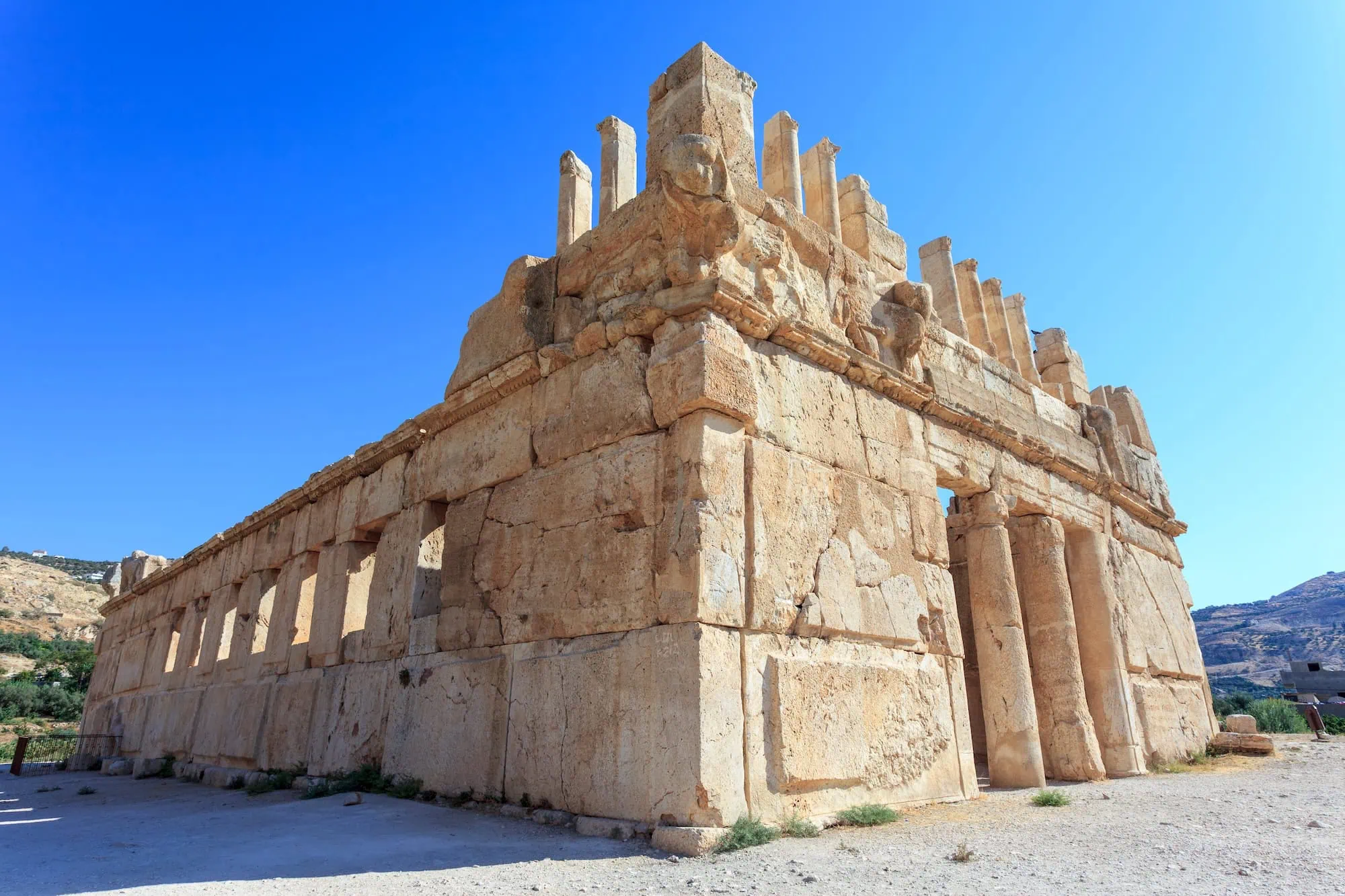
Set in the tranquil valley of Iraq al-Amir, just 17 kilometers west of Amman, Qasr Al-Abd stands as one of the most unique examples of Hellenistic architecture in Jordan. Built in the early 2nd century BCE by the influential Tobiad family, this monumental palace reflects a level of engineering and craftsmanship that rivals the finest constructions of the ancient Mediterranean. Its massive limestone blocks—some measuring up to seven by three meters—form imposing walls that have endured earthquakes, conflict, and over two thousand years of natural erosion.
Despite its scale and sophistication, Qasr Al-Abd remains an architectural mystery. The structure was never fully completed, leaving behind a site that captures both extraordinary ambition and an abrupt, unexplained halt in its story.
What makes the palace especially compelling is its fusion of cultural influences—blending Jewish political history, Hellenistic artistic expression, and advanced construction techniques that pushed the limits of ancient engineering.
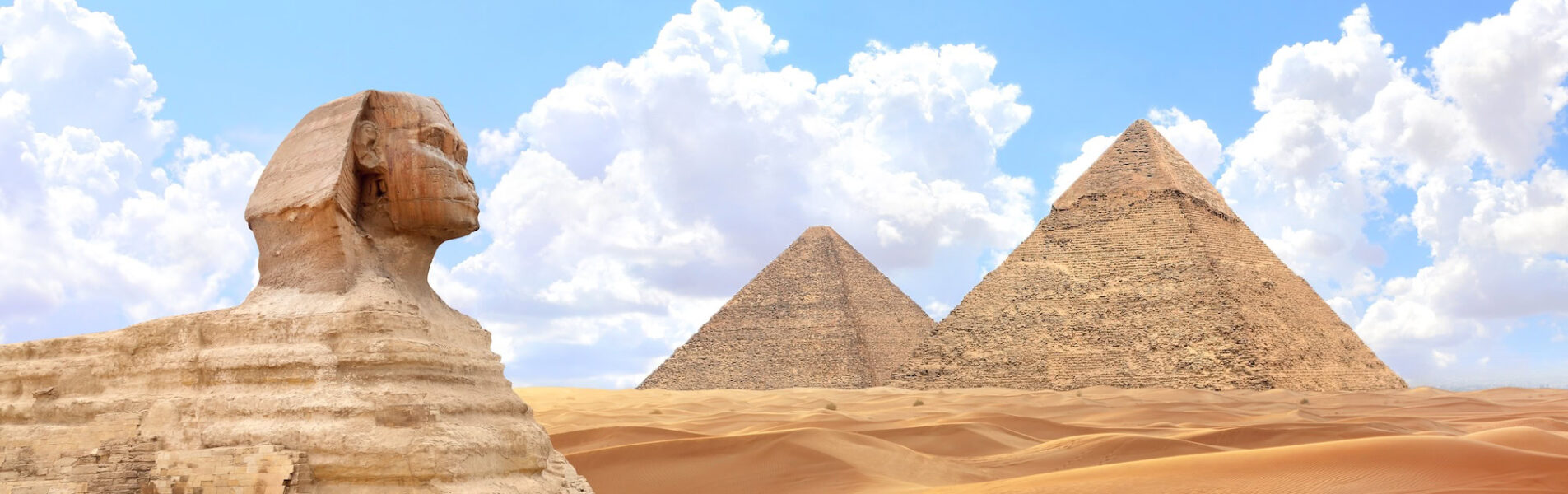
To explore hidden gems like Qasr Al-Abd alongside Petra, Wadi Rum, and Egypt’s iconic landmarks, discover our Egypt and Jordan tour packages.
Table of Contents
The Tobiad Dynasty and Political Power
The palace’s origins trace back to one of the most powerful Jewish families of the Hellenistic period. Hyrcanus of the Tobiad family commissioned this ambitious project as both a statement of wealth and a fortress-like retreat for his extensive estate.
Jewish Aristocracy in Hellenistic World
The Tobiads wielded considerable influence during the tumultuous period following Alexander the Great’s conquests. Operating from their power base in Transjordan, this family navigated the complex political landscape between the Ptolemaic and Seleucid empires. Hyrcanus, the last prominent member of the dynasty, accumulated vast wealth through tax collection and trade relationships that extended across the eastern Mediterranean.
Historical sources, particularly Flavius Josephus in his *Antiquitates Judaicae*, document how the Tobiads maintained their position through diplomatic skill and strategic alliances. Their influence peaked during the 2nd century BCE, when competing Hellenistic kingdoms sought local allies to strengthen their territorial claims.
The Ambitious Building Project
Hyrcanus envisioned his palace as more than a residence. The structure served multiple functions: administrative center, defensive stronghold, and symbol of cultural sophistication. Archaeological evidence suggests the complex included extensive gardens, artificial water features, and supporting buildings that created a self-sufficient estate.
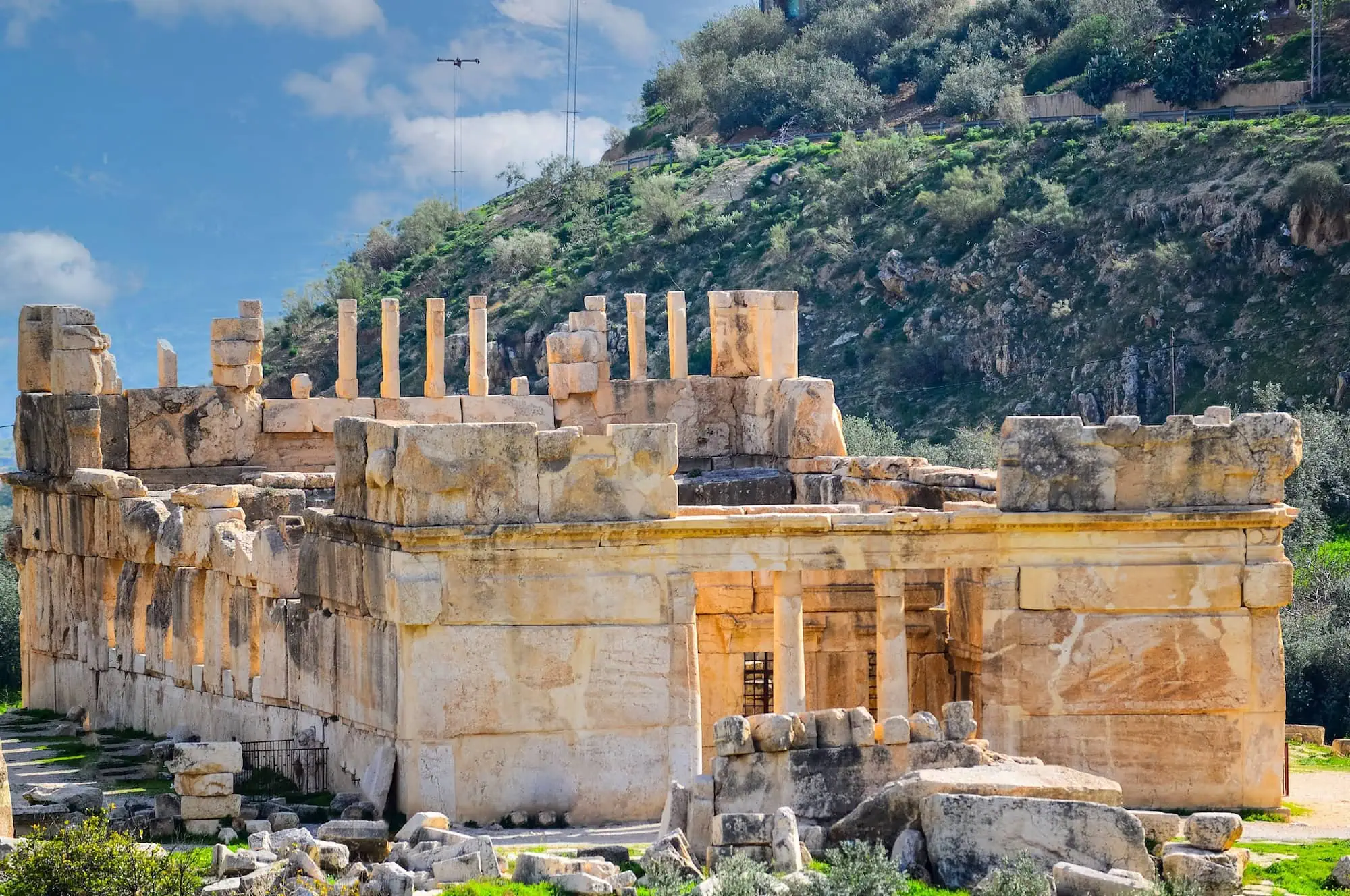
Construction required enormous resources and skilled craftsmen familiar with both local building traditions and Hellenistic architectural principles. The project’s scope reflected Hyrcanus’s wealth and his desire to create a lasting monument to Tobiad power.
Architectural Marvel of Massive Proportions
Qasr Al-Abd represents engineering ambition on a scale rarely seen in the ancient world. The palace measures approximately 40 meters by 20 meters, rising to a height of 13 meters above its artificial platform.
The structure’s most striking feature lies in its construction technique. Builders used limestone blocks of extraordinary size – the largest single blocks found in any Middle Eastern building from this period. These massive stones, some weighing several tons, were quarried locally and transported to the building site using methods that remain partially mysterious to modern archaeologists.
Each block was cut with precision that allowed for tight joints without mortar. This technique, combined with the sheer weight of the materials, created walls capable of withstanding significant seismic activity. The 747 CE earthquake that damaged much of the region left Qasr Al-Abd partially standing, testament to its builders’ skill.
Decorative Stone Carvings
Artists decorated the palace exterior with intricate relief carvings that rank among the finest examples of decorative stonework from the Hellenistic period. Lions and leopards prowl across the facade in dynamic poses that capture both power and grace. These animal figures served both decorative and symbolic purposes, likely representing the political strength of the Tobiad family.
Carved fountains positioned around the building were designed to channel water from nearby sources, creating both practical and aesthetic benefits. The hydraulic system included channels that fed an artificial lake surrounding the palace platform, transforming the entire complex into an impressive water garden.
The Unfinished Legacy
Construction abruptly ceased in 175 BCE following Hyrcanus’s suicide. Political pressures from Antiochus Epiphanes and internal Jewish factional conflicts had made the Tobiad position untenable.
This sudden halt left portions of the palace incomplete. Missing elements include roof structures, upper-level floors, and decorative details that would have completed the building’s intended appearance. Archaeological investigation reveals construction materials abandoned in place, suggesting workers left immediately after receiving news of Hyrcanus’s death.
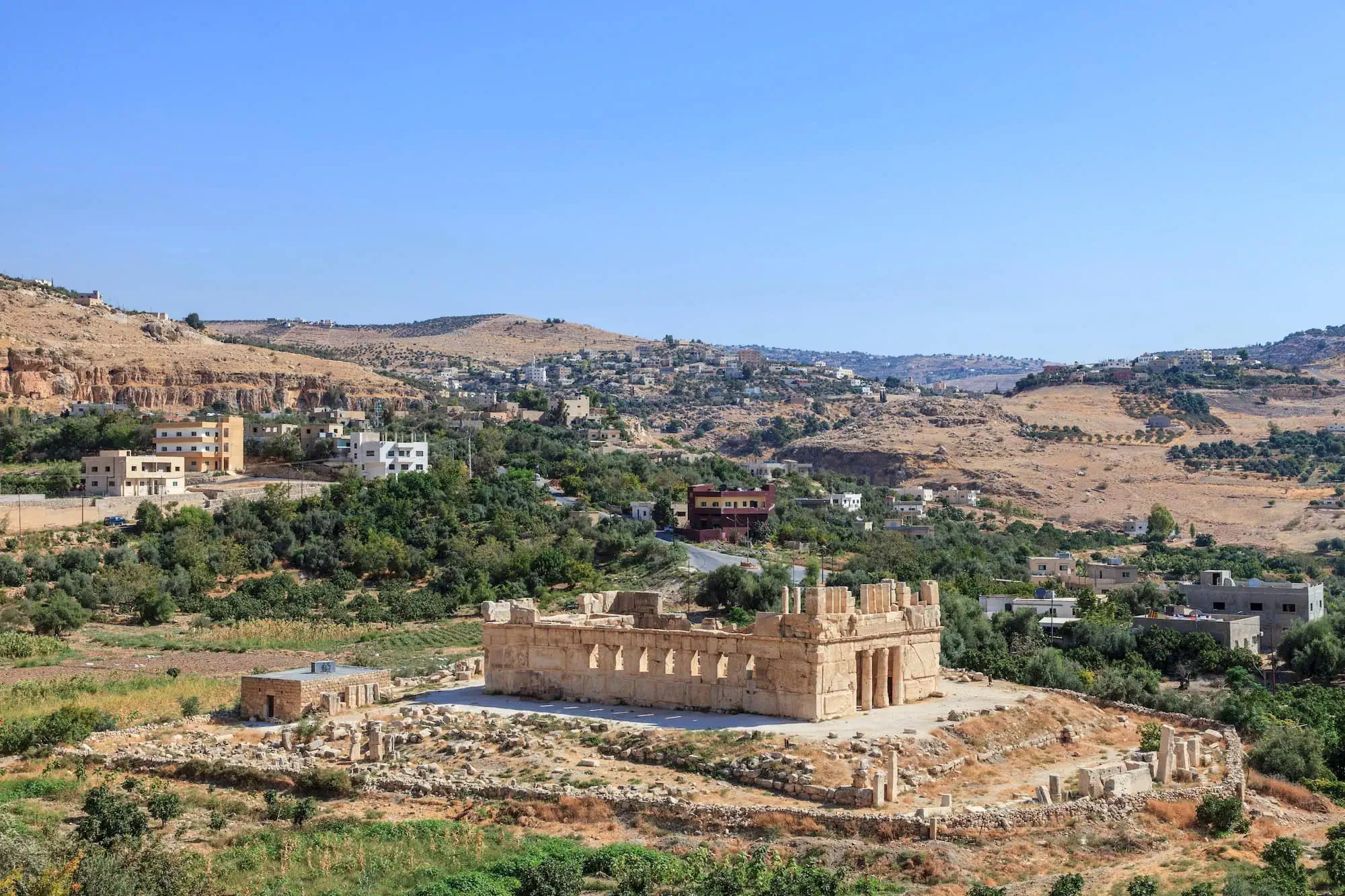
The incomplete state paradoxically contributes to the site’s archaeological value. Unfinished construction techniques remain visible, providing insights into ancient building methods that completed structures often conceal.
Byzantine Transformation
During the Byzantine period, Christian communities repurposed sections of the palace as a church. Stone altars and religious symbols carved into existing walls demonstrate how later inhabitants adapted the space for worship. This religious phase lasted several centuries before the site was eventually abandoned.
Exploring the Archaeological Site Today
Modern visitors can explore both the main palace structure and surrounding features that comprised the original estate. The site opens daily with free admission, making it accessible to anyone interested in Jordan’s ancient heritage.
The Tobiah Caves Experience
Adjacent to the palace, a series of caves contain Aramaic inscriptions identifying them as burial spaces for the Tobiah family. These underground chambers feature carved decorations and architectural details that complement the main building’s artistic program.
The caves provide intimate contrast to the palace’s monumental scale. Visitors can examine close-up examples of ancient carving techniques and see how the same craftsmen adapted their skills to different spatial requirements.
Practical Visitor Information
Located 30 minutes by car from central Amman, Qasr Al-Abd makes an excellent half-day excursion. The site includes parking facilities and walking paths suitable for most fitness levels. Early morning visits offer the best lighting for photography and more comfortable temperatures during summer months.
We recommend combining your visit with exploration of the broader Iraq al-Amir valley, which contains additional archaeological sites and offers scenic views of the surrounding landscape.
Photography and Documentation
The palace’s dramatic setting and well-preserved architectural details create excellent photography opportunities. Side lighting during morning and late afternoon hours emphasizes the three-dimensional quality of the stone carvings and highlights the massive scale of the construction blocks.
Professional archaeological photography has extensively documented the site, but personal photography helps visitors appreciate details that might otherwise go unnoticed during a casual visit.
Cultural Significance and Modern Research
Archaeological investigation continues to reveal new aspects of the palace’s construction and use. Recent studies focus on understanding the hydraulic systems, analyzing construction sequences, and documenting the full extent of the original estate.
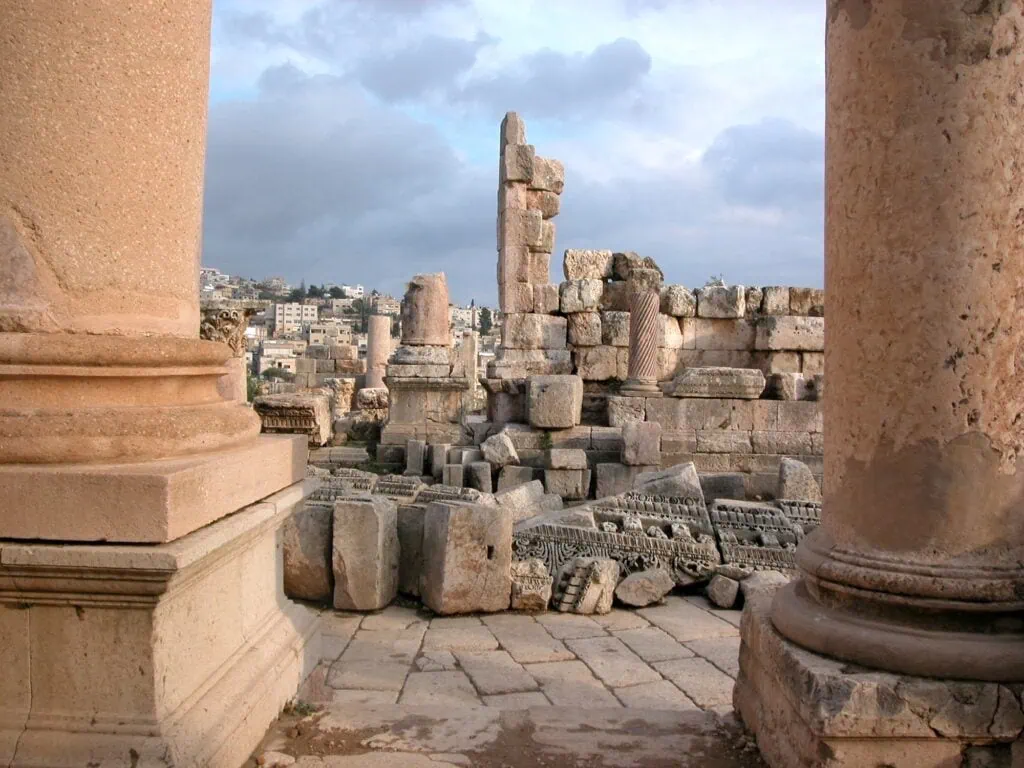
The site represents a unique intersection of Jewish political history, Hellenistic architectural traditions, and innovative engineering solutions. Few other buildings demonstrate such clear evidence of cultural interaction during this pivotal period in Middle Eastern history.
Preservation Efforts
Concerted conservation work has stabilized threatened sections of the palace and restored access to previously dangerous areas. These efforts balance historical accuracy with visitor safety, ensuring the site remains both educational and accessible.
Modern preservation techniques protect the ancient stonework while allowing continued archaeological investigation. Digital documentation creates permanent records of architectural details that natural weathering gradually erodes.
Legends and Local Memory
Local tradition preserves stories that explain the site’s Arabic name, Qasr al-Abd (Palace of the Slave). One popular legend describes a slave who fell in love with his master’s daughter, leading to tragic consequences that supposedly inspired the palace’s construction.
While historically inaccurate, these folk narratives demonstrate how communities create meaning around ancient monuments. The stories connect contemporary residents with their landscape’s deep past, even when specific historical details become lost over time.
Cultural Continuity
Despite periods of abandonment, the site has never completely disappeared from local memory. Bedouin communities continued to use the area for seasonal grazing, maintaining awareness of the ruins’ existence through oral traditions passed between generations.
This continuity helped preserve the site from destructive quarrying that eliminated many other ancient structures in the region. Local protection proved more effective than any official conservation program until modern archaeological work began.
Frequently Asked Questions
Most visitors spend 1-2 hours exploring the main palace, caves, and surrounding area comfortably.
No, admission to Qasr Al-Abd is completely free for all visitors.
Yes, the caves are accessible without a guide, though a flashlight helps illuminate the interior details and inscriptions.
Early morning (8:00 am – 10:00 am) offers cooler temperatures and excellent lighting for photography.
The site is located approximately 17 kilometers west of Amman, requiring about 30 minutes by car.
Basic parking is available, but visitors should bring water and snacks as no commercial facilities operate on-site.
The Iraq al-Amir valley contains several smaller archaeological sites and offers scenic hiking opportunities.
Yes, though parents should supervise children carefully around the cave entrances and uneven stone surfaces.
Construction began during the first quarter of the 2nd century BCE, around 187-175 BCE.
Construction stopped abruptly in 175 BCE following the suicide of Hyrcanus, the project’s patron.
Yes, evidence of damage from the 747 CE earthquake remains visible in several areas of the structure.
The limestone blocks are among the largest used in any ancient Middle Eastern building, with some measuring up to 7 by 3 meters.
Design Your Custom Tour
Explore Egypt and Jordan your way by selecting only the attractions you want to visit