Sinai Peninsula: Egypt’s Mystical Land of Desert, Mountains, and Faith
Egypt’s Sinai Peninsula holds stories that have shaped civilizations for millennia. From the biblical narrative of Moses receiving the Ten Commandments to modern beach resorts along the Red Sea, this extraordinary region bridges ancient spirituality with contemporary adventure. The peninsula spans over 23,000 square miles, creating a landscape so diverse it feels like multiple countries within one border.

Sacred Mountains and Ancient Revelations
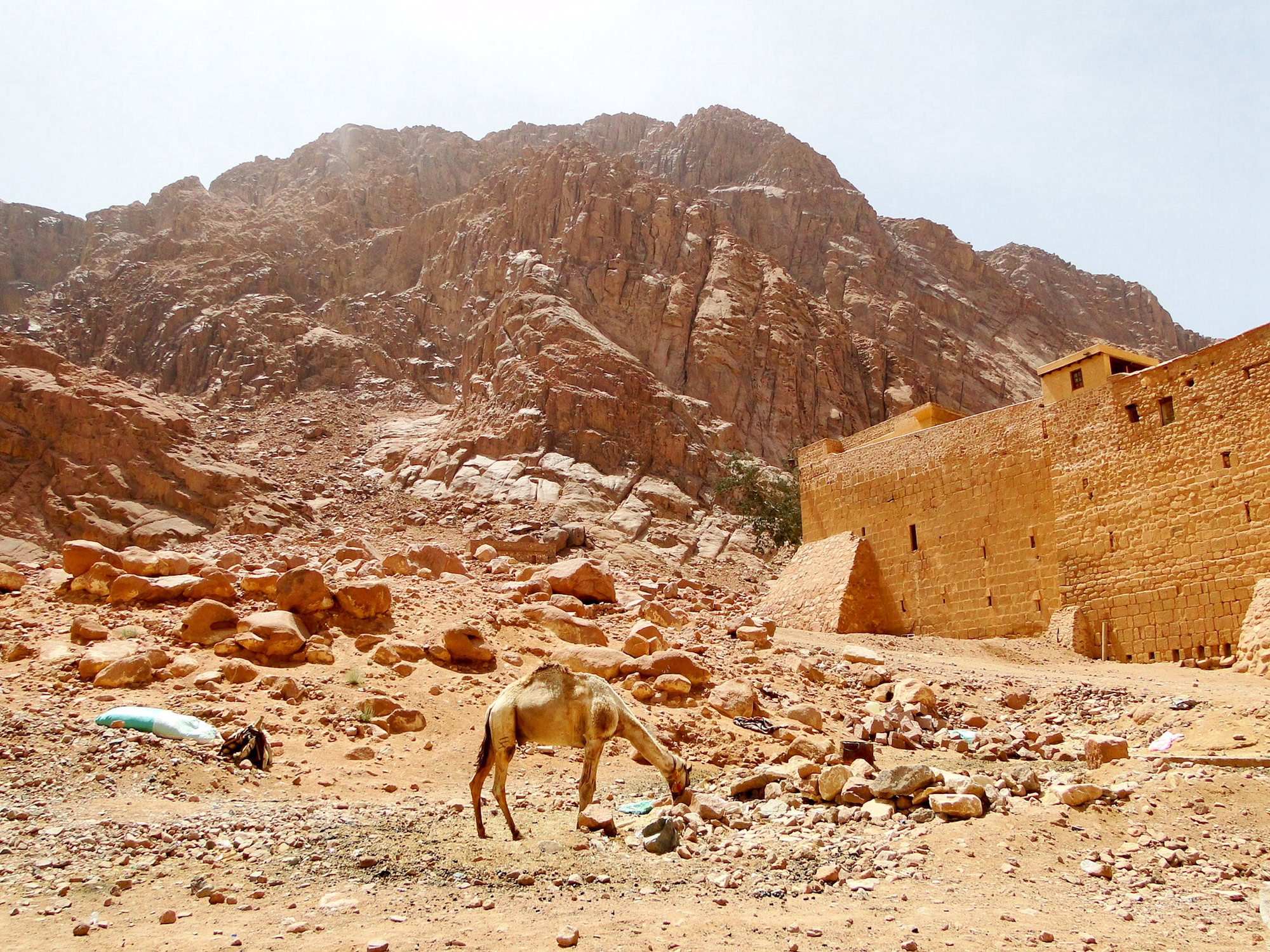
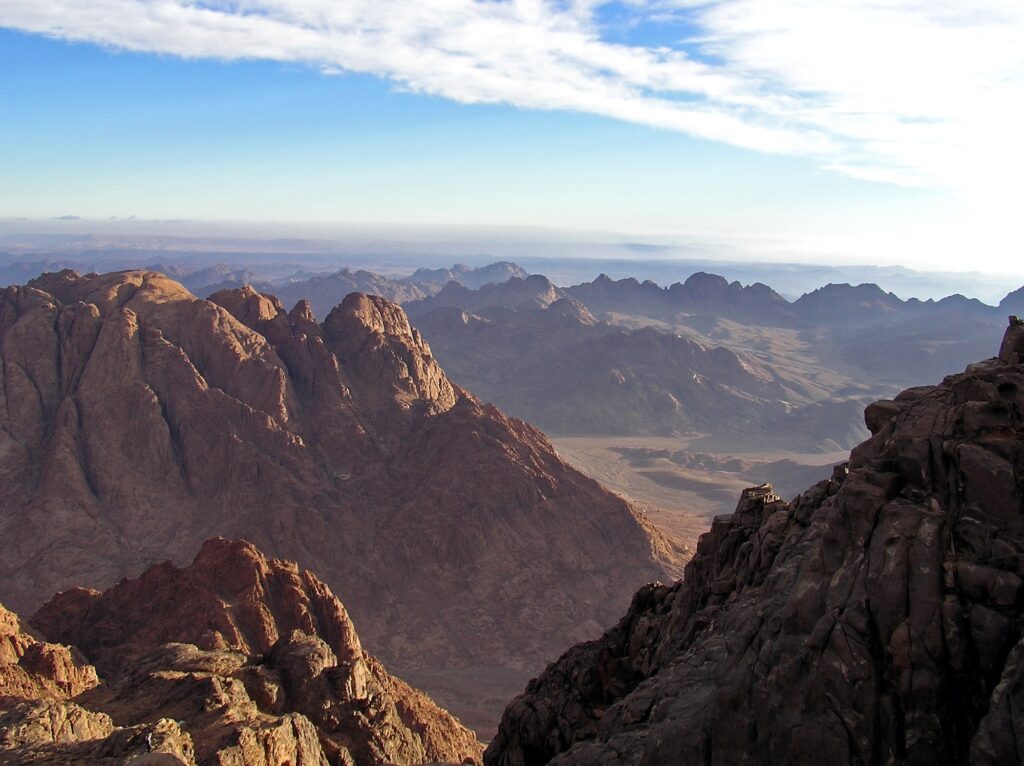
The towering peaks of southern Sinai have drawn pilgrims for centuries. Mount Sinai, known locally as Jabal Musa (Mountain of Moses), rises 7,497 feet above sea level and remains the peninsula’s most spiritually significant location. Thousands of visitors climb its rocky pathways each year, many beginning their ascent in darkness to witness sunrise from the summit where Moses allegedly received the Ten Commandments.
The Path to Enlightenment
Two routes lead to Mount Sinai’s peak. The camel path offers a gentler three-hour climb, winding gradually through desert terrain with opportunities to rest at Bedouin tea stops along the way.
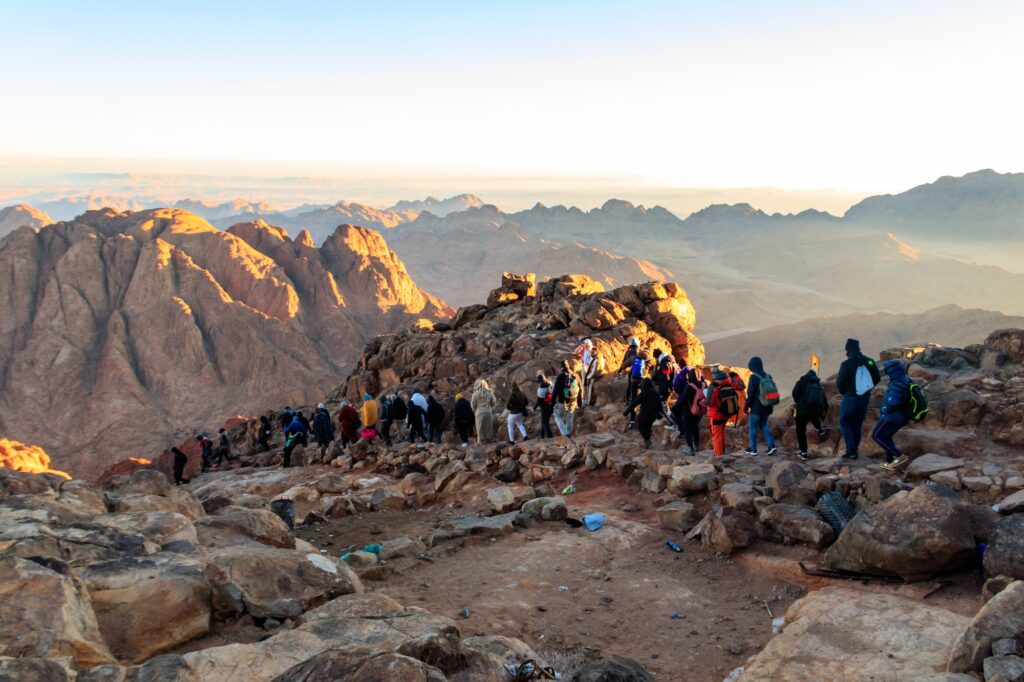
The more challenging Steps of Repentance consists of 3,750 stone steps carved by monks centuries ago, providing a steeper but more direct route that takes roughly two hours to complete. Both paths converge near the summit, where a small chapel marks the traditional site of divine revelation.
Saint Catherine’s Monastery
Nestled at Mount Sinai’s base, Saint Catherine’s Monastery represents one of Christianity’s oldest continuously operating monastic communities. Built in the 6th century by Byzantine Emperor Justinian I, this UNESCO World Heritage site houses an incredible collection of religious manuscripts, icons, and artifacts.
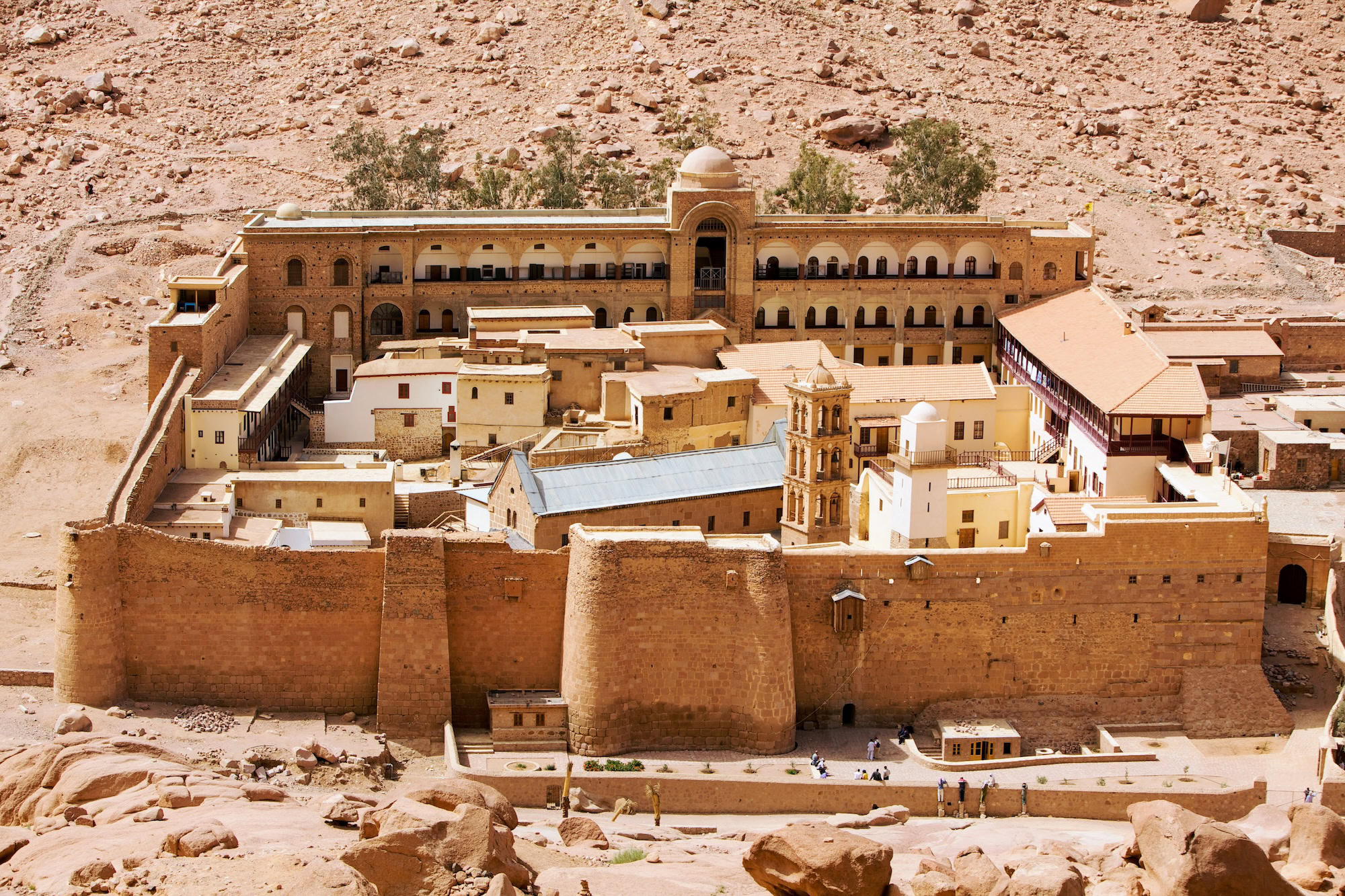
The monastery’s library contains the world’s second-largest collection of ancient manuscripts after the Vatican, with texts in Greek, Arabic, Armenian, and other languages spanning over 1,500 years.
Spiritual Tourism Today
Modern pilgrims arrive from every continent to experience the Sinai’s sacred atmosphere. Many visitors combine their Mount Sinai climb with stays at nearby Saint Catherine village, where small guesthouses offer simple accommodations and traditional Bedouin hospitality.
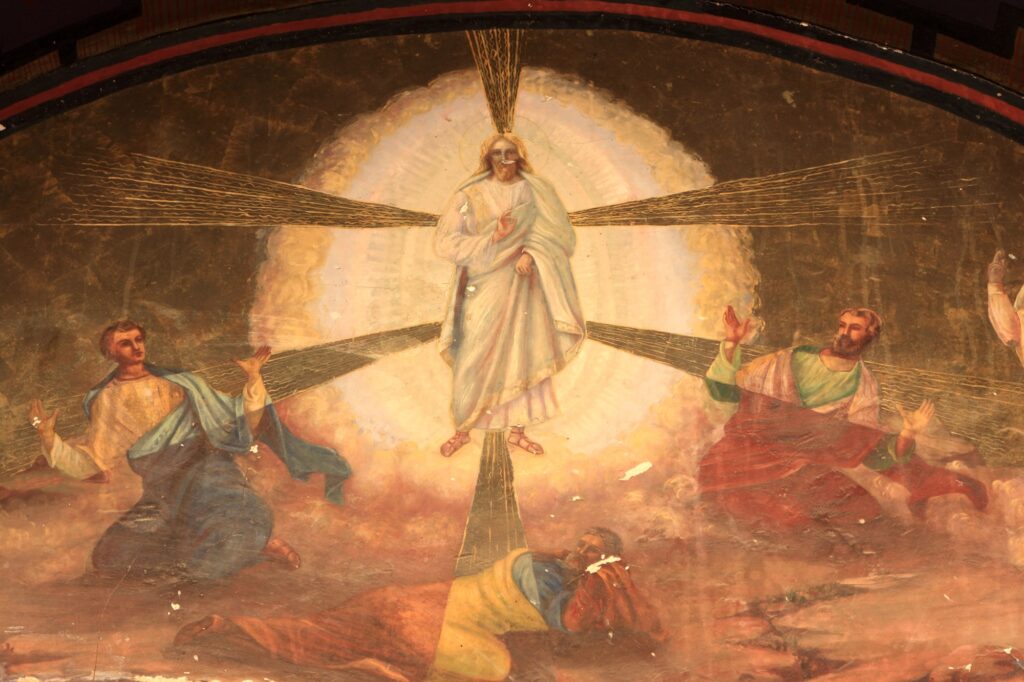
The spiritual journey extends beyond Christianity, as the peninsula holds significance for Judaism and Islam as well, making it a unique interfaith destination where different religious traditions converge in mutual respect.
Where Desert Meets Crystal Waters
Beyond its religious importance, the Sinai Peninsula offers some of the world’s most spectacular marine environments. The Red Sea coastline stretches for hundreds of miles, creating underwater ecosystems that rival any tropical paradise.
Sharm El Sheikh stands as the peninsula’s premier resort destination, combining luxury accommodations with direct access to pristine coral reefs. This former fishing village transformed into an international playground while maintaining its authentic Egyptian character through local markets, traditional restaurants, and friendly community atmosphere.
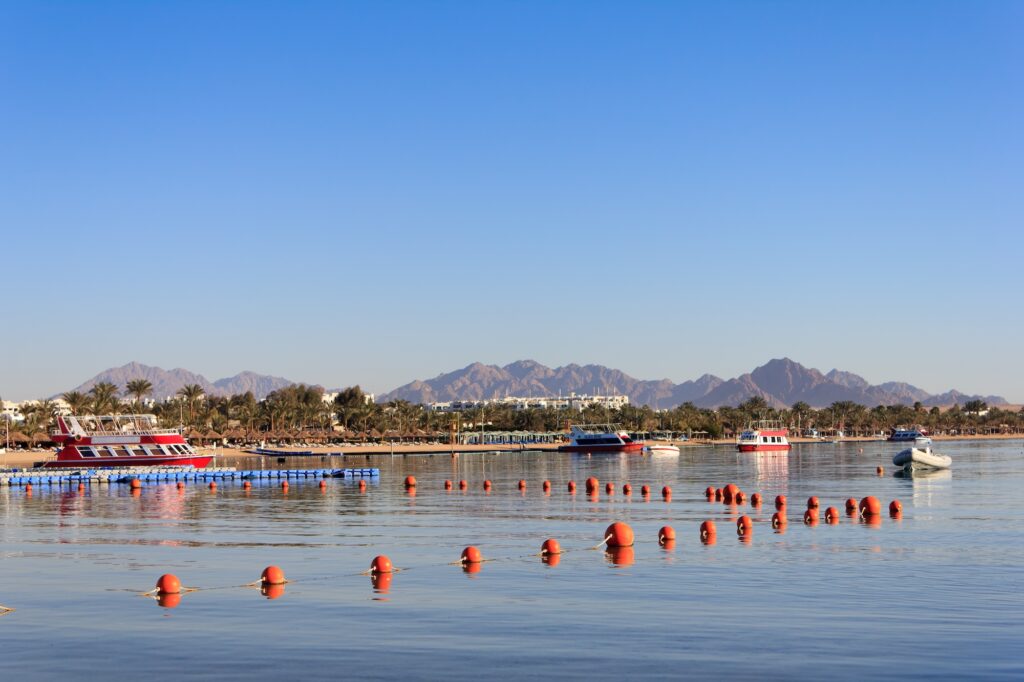
The resort town serves as headquarters for world-class diving operations, with over 30 dive sites accessible within a short boat ride. Coral gardens bloom in shallow waters perfect for snorkeling, while dramatic drop-offs and underwater canyons challenge experienced divers with encounters featuring reef sharks, moray eels, and schools of tropical fish.
Dahab provides a completely different coastal experience. This laid-back town attracts budget-conscious travelers and adventure seekers who prefer authentic local culture over resort amenities. Dahab’s famous Blue Hole diving site draws technical divers from around the globe, while windsurfing conditions remain ideal year-round thanks to consistent thermal winds.
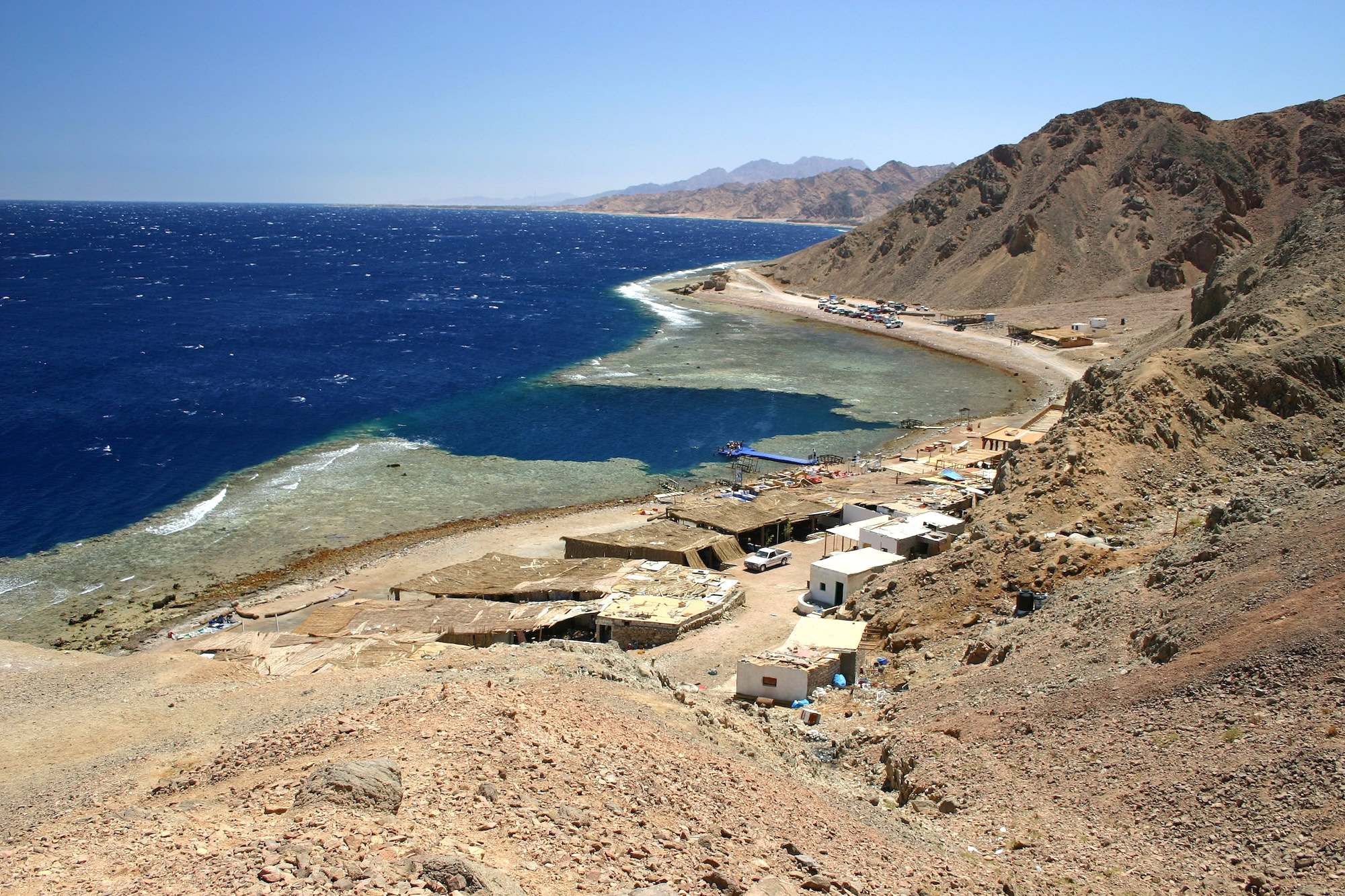
The town’s beachfront cafes serve fresh seafood and traditional Egyptian dishes while guests lounge on colorful cushions, creating the perfect setting for sunset conversations about the day’s underwater discoveries.
Strategic Crossroads Through History
Geographic location has always defined the Sinai Peninsula’s importance. This land bridge between Africa and Asia witnessed countless civilizations pass through its borders, each leaving cultural imprints that remain visible today.
Ancient Egyptians established turquoise mining operations at Serabit el-Khadem, where hieroglyphic inscriptions still mark extraction sites used over 3,000 years ago. These mines produced precious stones for pharaonic jewelry and religious artifacts, making the Sinai economically vital to ancient Egyptian prosperity. Archaeological evidence suggests that proto-alphabetic writing may have developed here, as Semitic workers adapted Egyptian hieroglyphs to represent their own language, potentially creating humanity’s first alphabet.
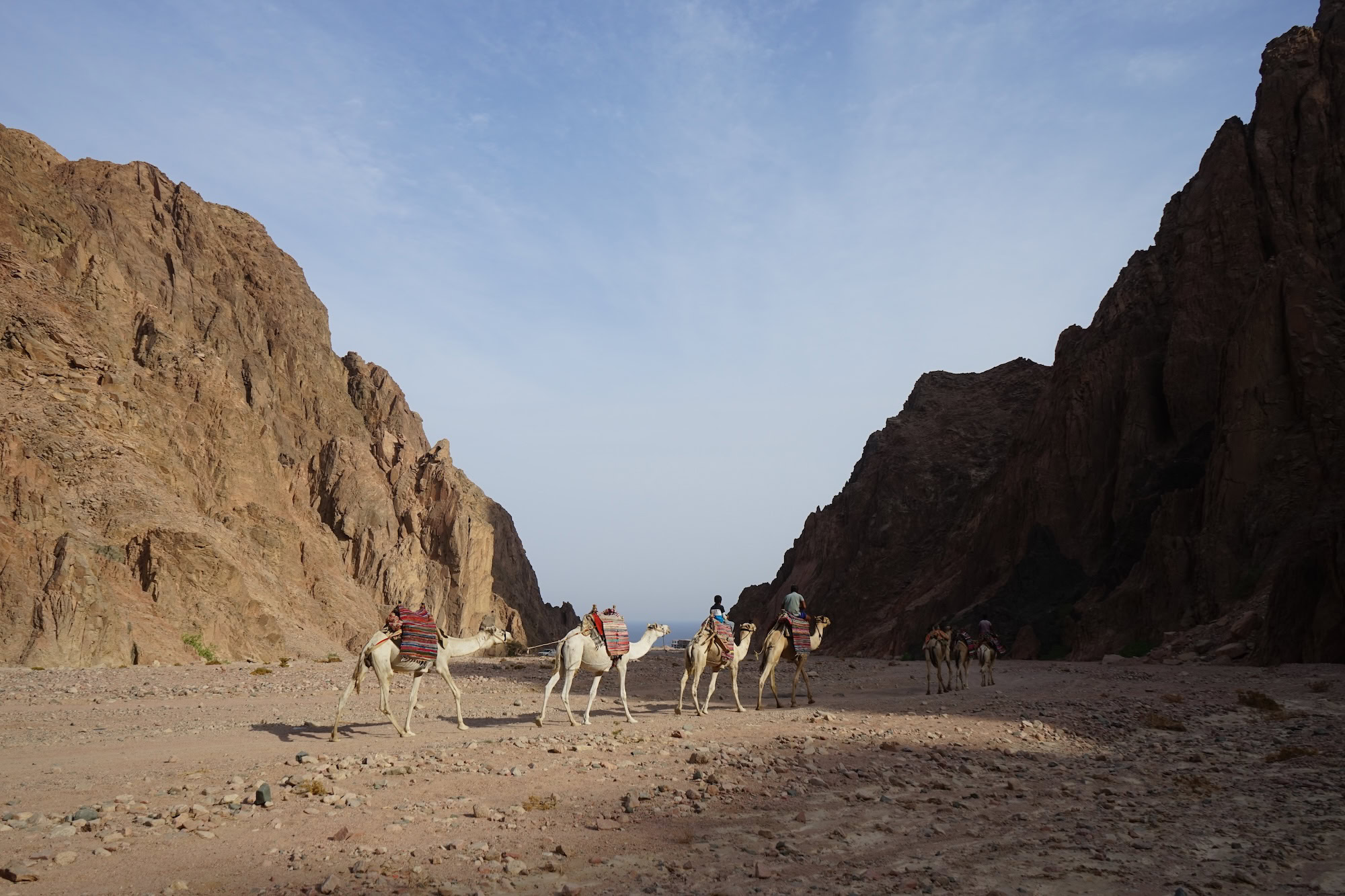
The Nabataeans, master traders of the ancient world, controlled crucial Sinai trade routes that connected Arabian incense producers with Mediterranean markets. Their sophisticated understanding of desert survival allowed them to establish rest stations and water collection systems that supported massive commercial caravans. Roman legions later occupied strategic positions throughout the peninsula, building roads and fortifications that facilitated imperial administration and military campaigns.
Modern Political Transformations
The 20th century brought dramatic changes to Sinai’s political landscape. After the 1967 Six-Day War, Israel occupied the entire peninsula until the Camp David Accords of 1978 established a framework for its return to Egyptian control. The 1982 withdrawal marked the end of 15 years of Israeli administration and the beginning of renewed Egyptian development efforts focused on tourism, infrastructure, and resource extraction.

Today, the peninsula is divided into two governorates: North Sinai, with its capital at Arish, focuses on agriculture and industry, while South Sinai, administered from Tur, emphasizes tourism and environmental conservation. This administrative structure reflects the region’s geographical diversity and economic opportunities.
Natural Wonders Beyond the Beaches
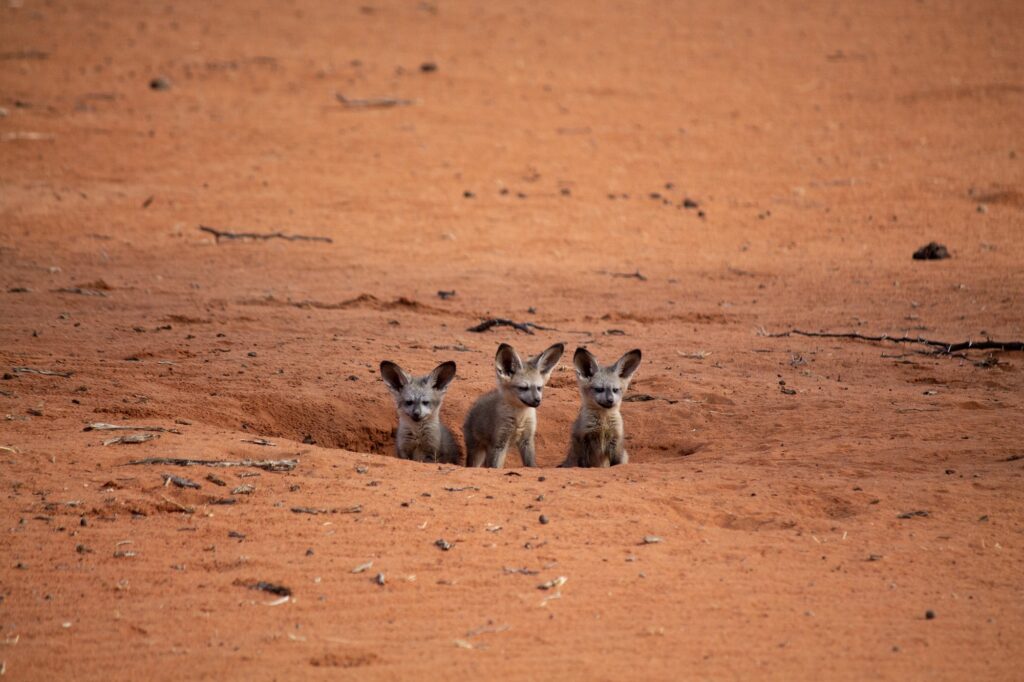
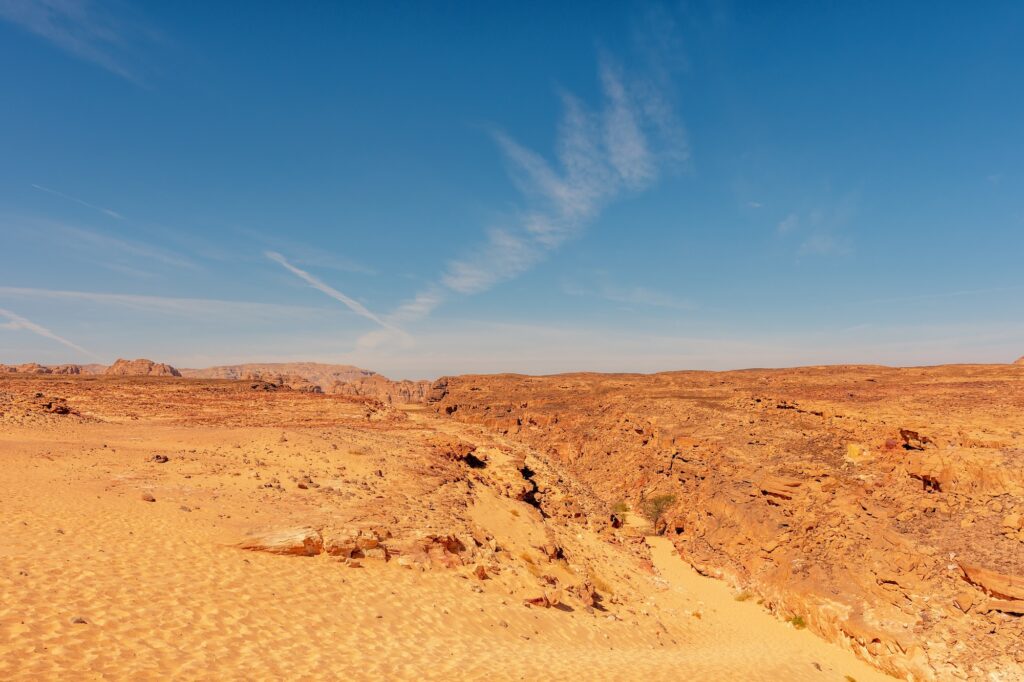
Desert landscapes dominate the Sinai’s interior, creating ecosystems unlike anywhere else on Earth. The peninsula receives minimal rainfall, yet supports surprising biodiversity through specialized plant and animal adaptations. Spring wildflowers transform barren valleys into temporary gardens, while desert foxes, ibex, and numerous bird species thrive in seemingly inhospitable terrain.
Mountain Ecosystems
The southern mountain ranges create unique microclimates that support endemic species found nowhere else. Mount Catherine, the peninsula’s highest peak at 8,625 feet, harbors relict plant communities that survived ice age climate changes. These high-altitude gardens contain species more closely related to Mediterranean flora than typical desert vegetation, suggesting ancient connections between the Sinai and distant mountain ranges.
Geological Treasures
Mining operations continue to extract valuable minerals from Sinai bedrock. Turquoise deposits that attracted ancient pharaohs still yield gemstones, while manganese, copper, and other industrial minerals support modern Egyptian economy. Oil and natural gas reserves discovered along the Red Sea coast provide additional revenue streams, though development must balance economic benefits with environmental protection of marine ecosystems.
Conservation Challenges
Protected areas throughout the peninsula attempt to preserve fragile desert and marine environments while accommodating growing tourism demands. Saint Catherine National Protectorate encompasses nearly 2,500 square miles around the sacred mountain, protecting both cultural sites and natural habitats.
Marine protected zones along the Red Sea coast regulate diving activities and fishing practices to maintain coral reef health for future generations.
Planning Your Sinai Adventure
The peninsula offers experiences suited to every travel style and budget. Luxury resorts in Sharm El Sheikh provide international amenities with Egyptian hospitality, while eco-lodges in the interior mountains offer authentic desert experiences guided by local Bedouin families.
Best Times to Visit
Coastal areas remain pleasant year-round, with water temperatures averaging 75°F (24°C) in winter and 84°F (29°C) in summer. Mountain regions experience greater temperature variations, with cool nights even during hot summer days. Spring months from March through May offer ideal conditions for both desert trekking and coastal activities, while autumn provides excellent diving visibility and comfortable hiking temperatures.
Transportation and Access
Sharm El Sheikh International Airport receives direct flights from major European cities, making resort areas easily accessible for international visitors. Overland travel from Cairo takes approximately six hours by modern highway, passing through the Suez Canal tunnel that connects the peninsula to mainland Egypt. Internal transportation relies on buses, taxis, and tour vehicles, with our private drivers providing comfortable, air-conditioned transfers between destinations.
We specialize in creating personalized itineraries that combine spiritual journeys with adventure activities. Our experienced guides understand both the historical significance of sacred sites and the technical requirements of outdoor pursuits, ensuring safety while maximizing each moment of your Sinai experience. After decades of operation in this remarkable region, we’ve developed relationships with local communities that provide authentic cultural exchanges alongside world-class service.
Frequently Asked Questions
When is the best time to climb Mount Sinai?
Early morning hours between 2:00 am (02:00) and 4:00 am (04:00) allow hikers to reach the summit for sunrise, avoiding afternoon heat and crowds.
How difficult is the Mount Sinai hike?
The camel path requires moderate fitness, while the stone steps demand good physical condition due to steep, uneven terrain.
What should I wear for desert activities?
Lightweight, long-sleeved clothing protects against sun exposure, while sturdy hiking boots provide ankle support on rocky terrain.
Are diving certifications required for Red Sea activities?
Certified divers access deeper sites, but snorkeling and introductory diving programs welcome beginners with professional instruction.
Can I visit Saint Catherine’s Monastery?
Yes, the monastery welcomes visitors during specific hours, though modest dress and respectful behavior are required at all times.
What languages are spoken in the Sinai?
Arabic is primary, but English is widely understood in tourist areas, with many guides fluent in multiple European languages.
How safe is travel in the Sinai Peninsula?
Tourist areas maintain high security standards, and our local expertise ensures safe, enjoyable experiences throughout your visit.
What currency is used in Sinai?
Egyptian pounds are standard, though US dollars and euros are accepted at hotels and major tourist establishments.
Are there ATMs available?
Banking facilities operate in Sharm El Sheikh and other resort towns, though cash is recommended for desert excursions and small purchases.
What medical facilities are available?
Coastal resorts maintain modern medical centers, while our guides carry emergency communication equipment during desert activities.
Can I see other Egyptian attractions from Sinai?
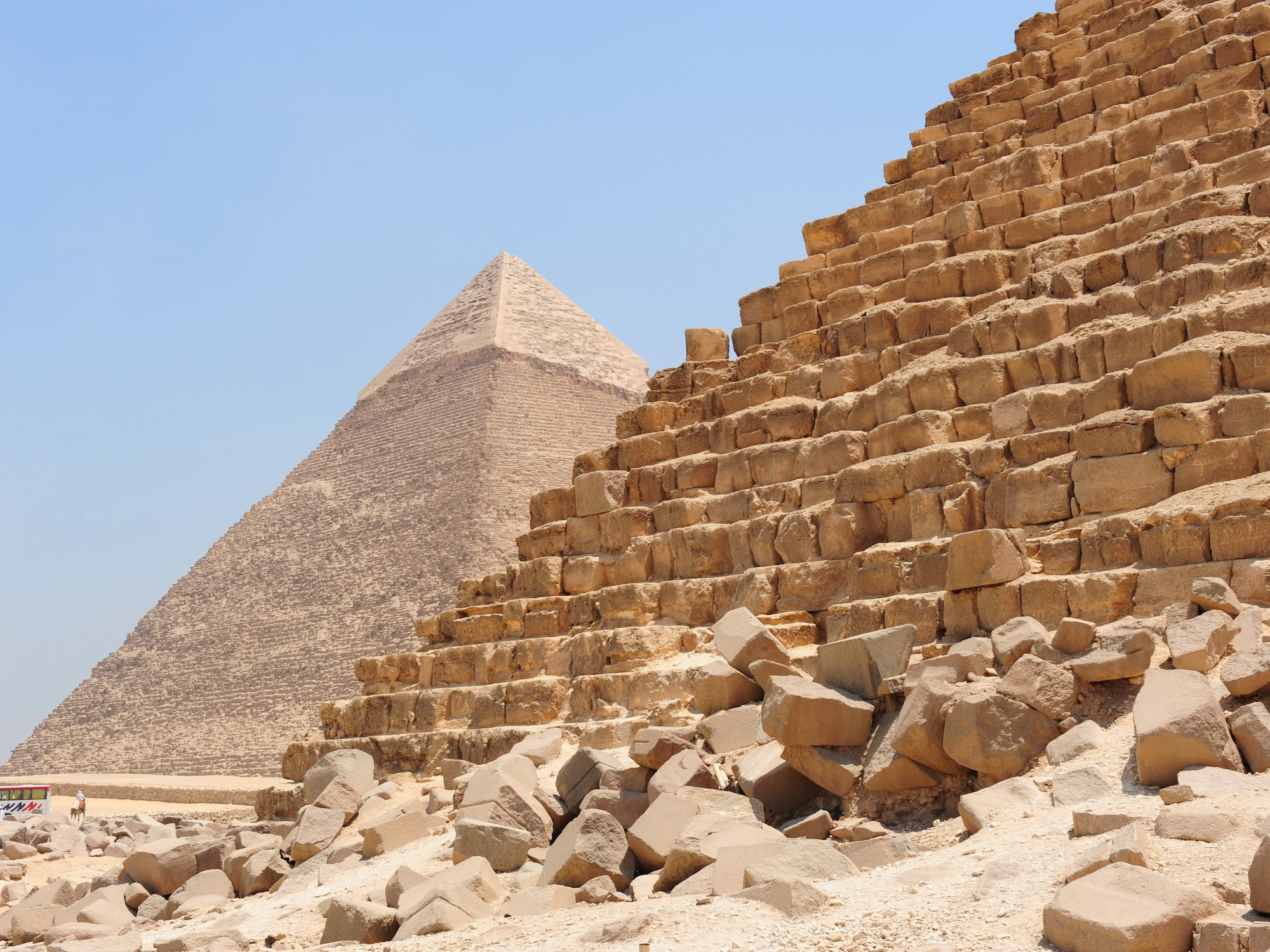
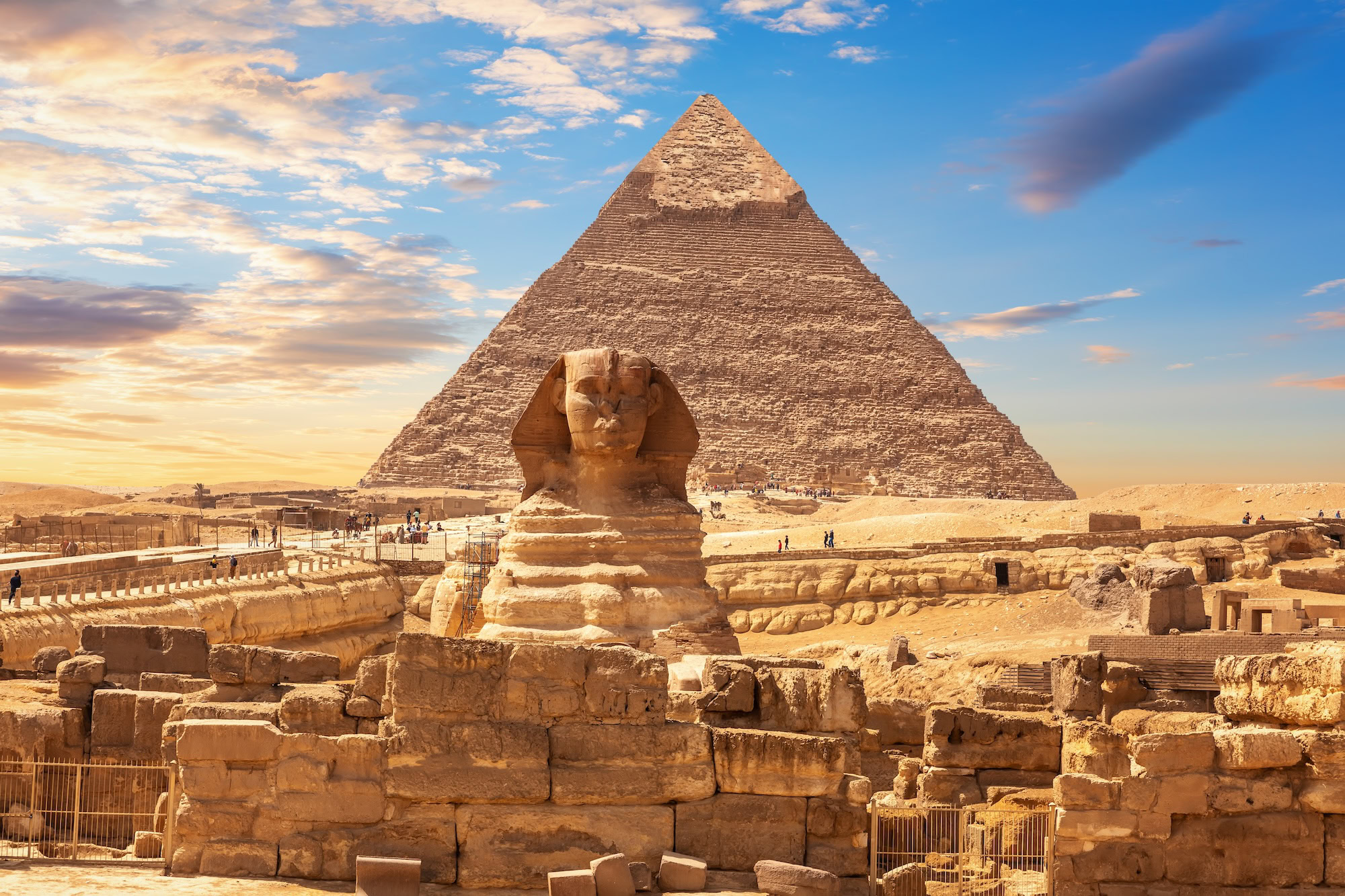
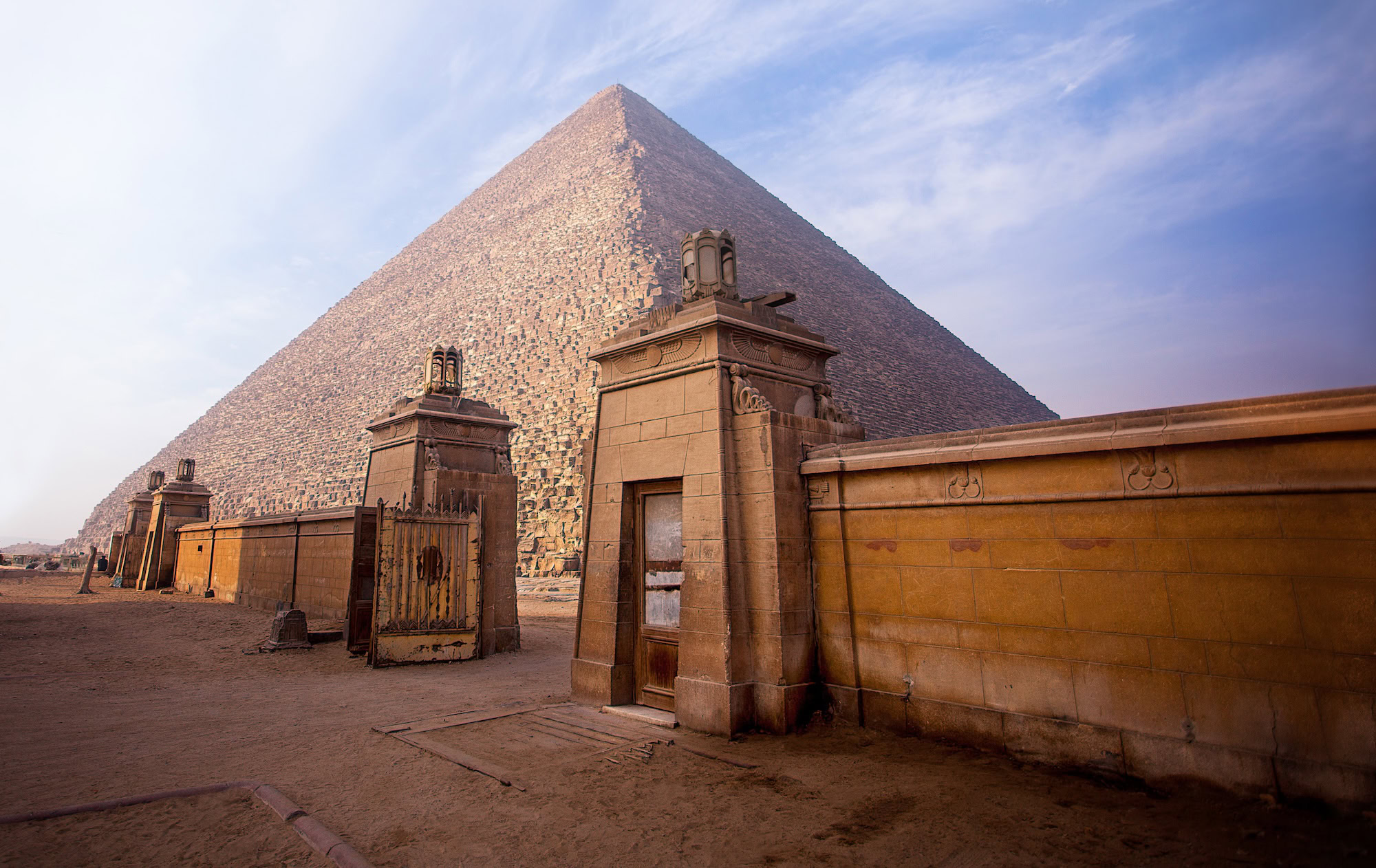
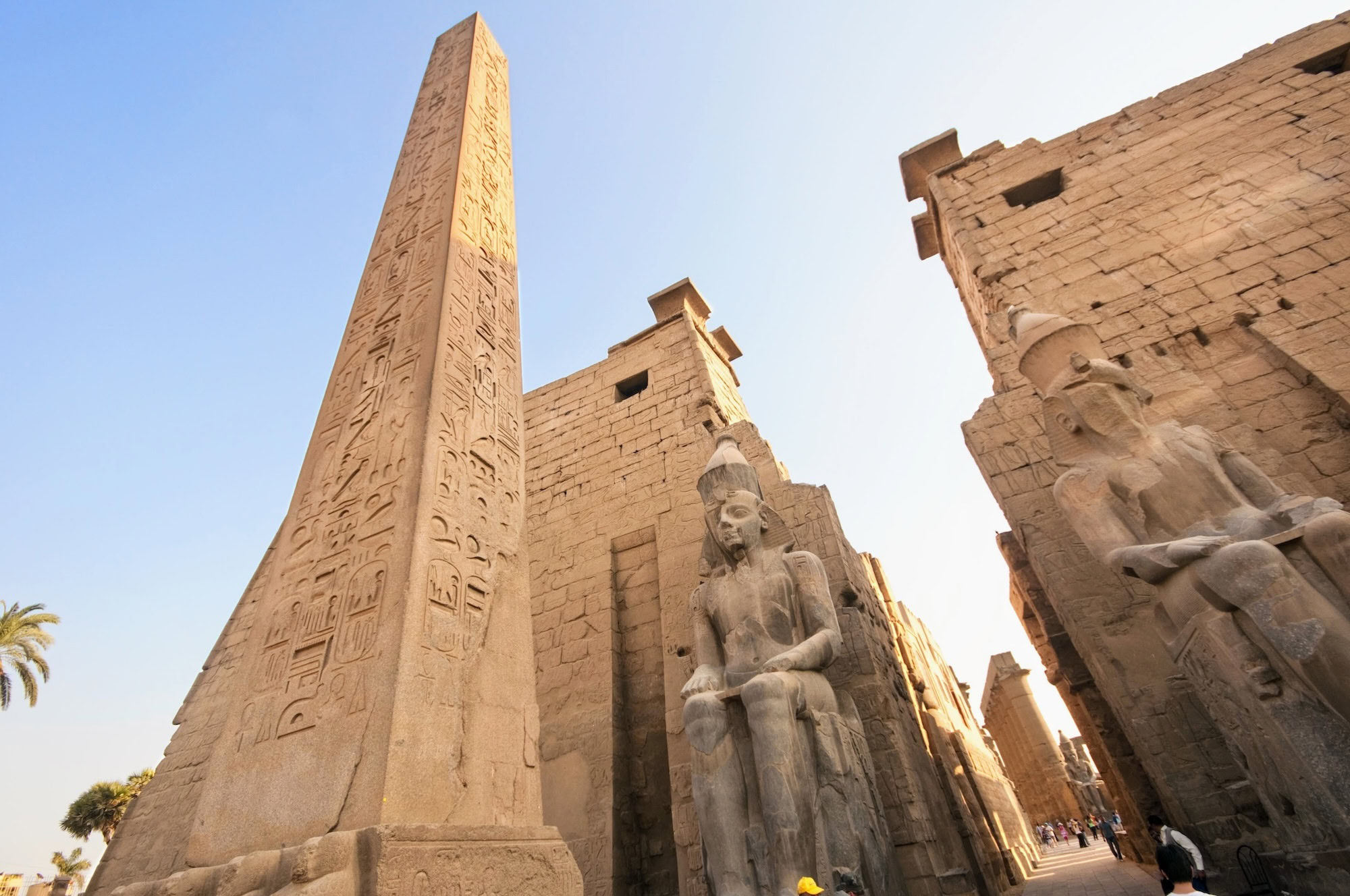
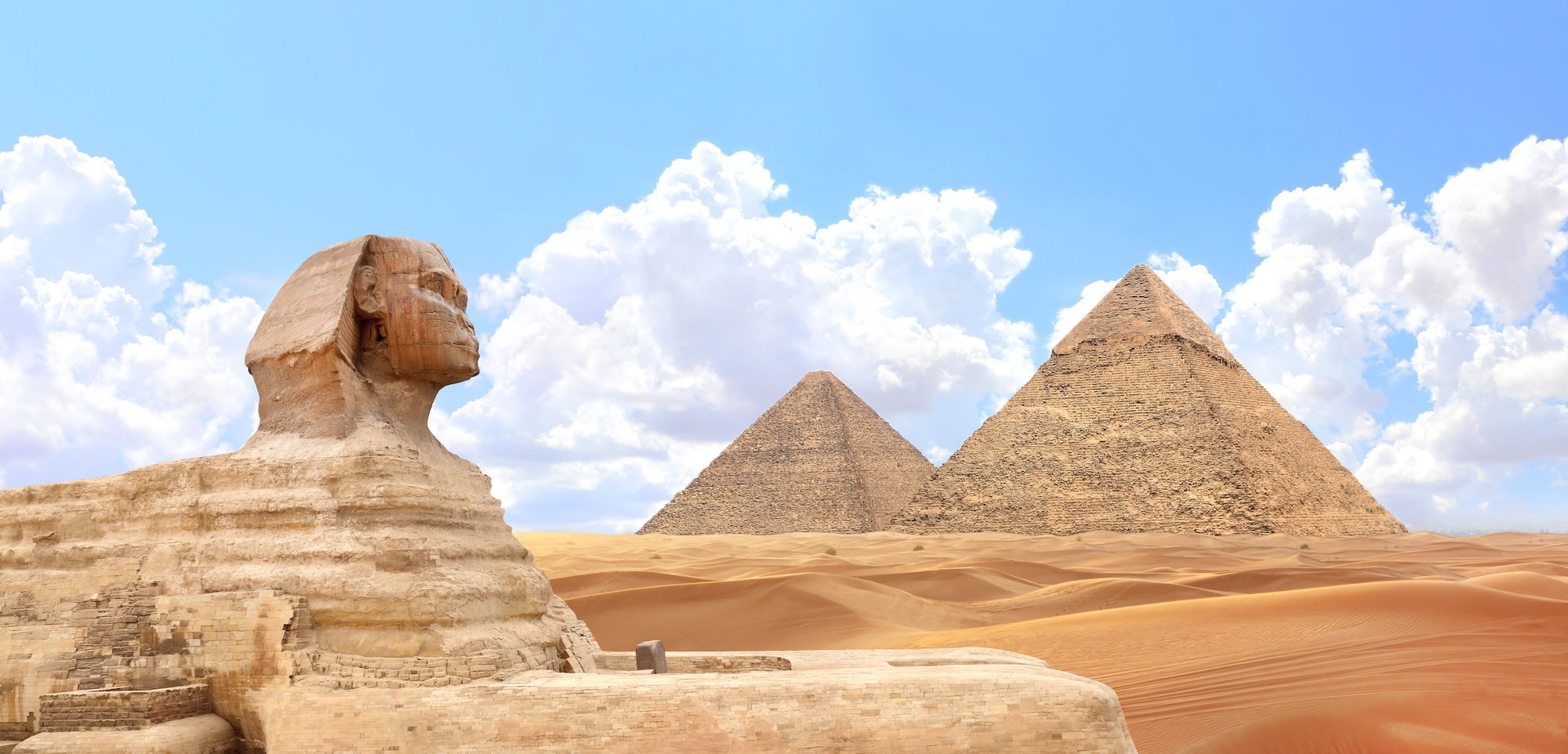
Day trips to Cairo’s pyramids or Luxor’s temples are possible by air, and we arrange seamless connections for comprehensive Egypt experiences.
What unique souvenirs can I find in Sinai?
Bedouin jewelry, traditional textiles, and locally-mined turquoise offer authentic mementos of your peninsula adventure.
Design Your Custom Tour
Explore Egypt your way by selecting only the attractions you want to visit