Souks and Bazaars in Egypt: A Guide to Markets, Crafts & Culture
Markets have pulsed with life in Egypt for over a thousand years.
Our decades of guiding travelers through Egypt’s most authentic experiences have taught us that visiting souks and bazaars isn’t just shopping – it’s stepping into living history. From the legendary Khan El-Khalili to hidden Nubian markets in Aswan, these bustling marketplaces offer glimpses into Egypt’s soul that no museum can match. The sounds of vendors calling, the scent of exotic spices, and the skilled hands of artisans creating treasures before your eyes create memories that last lifetimes.
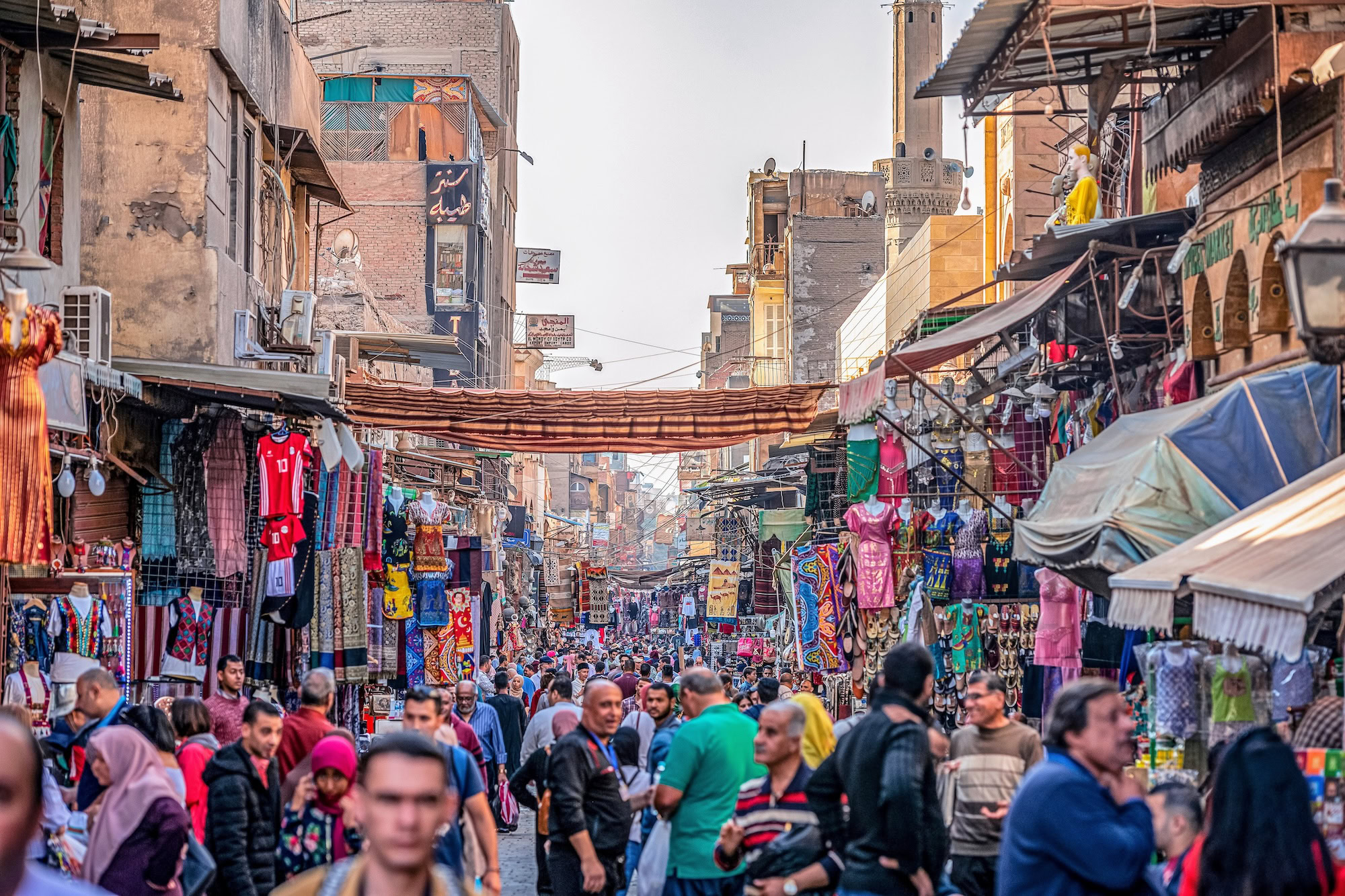
We’ve explored every corner of Egypt’s trading culture to bring you insider knowledge that transforms ordinary tourists into cultural explorers. These markets tell stories of ancient trade routes, preserve centuries-old crafts, and connect you directly with Egyptian warmth and hospitality.
Khan El-Khalili: Cairo’s Crown Jewel
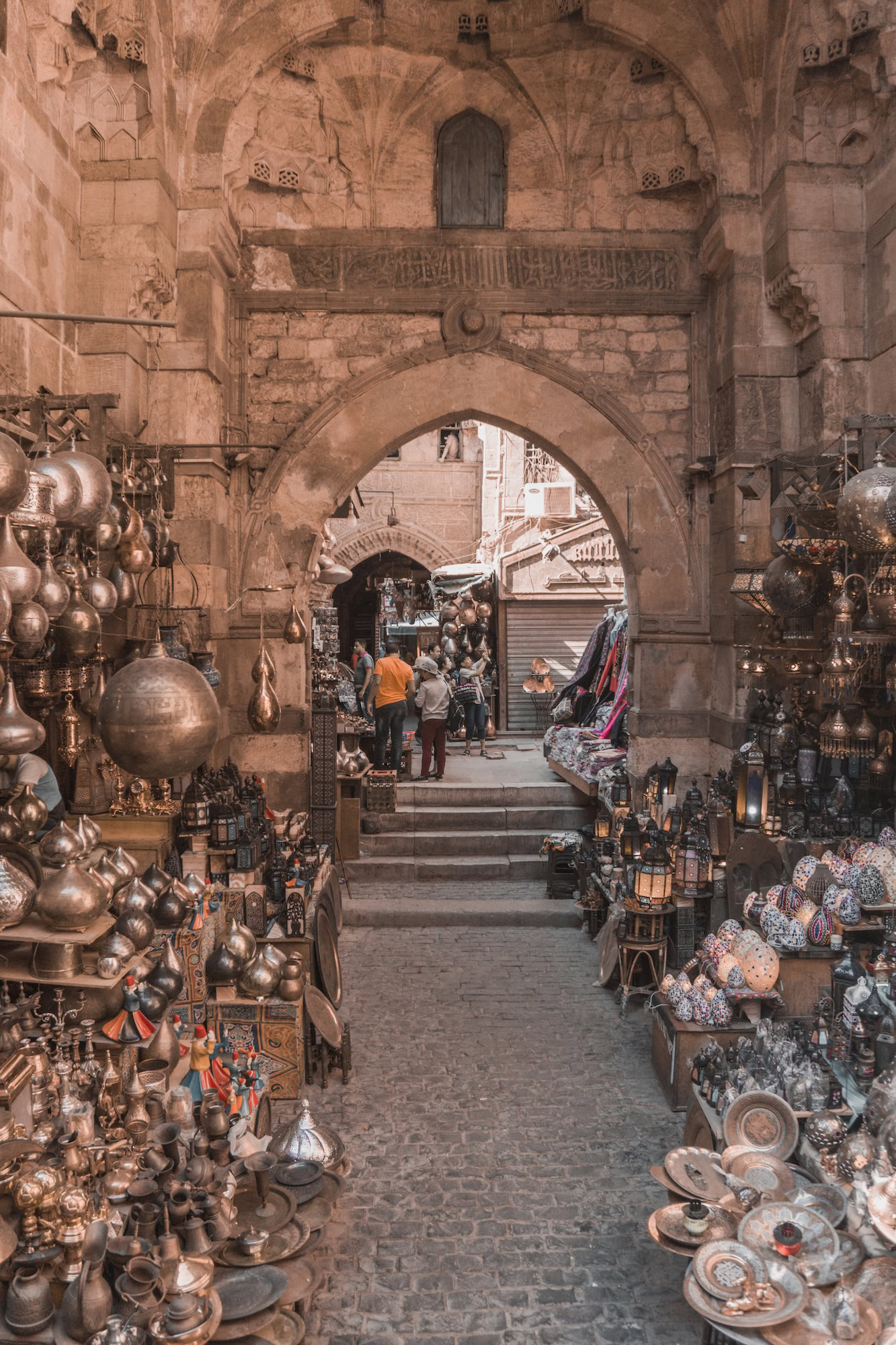
Step through the ornate entrance and time shifts backward six centuries. This isn’t tourist theater – it’s genuine Egyptian life flowing around you like the Nile itself.
Historical Significance and Layout
Khan El-Khalili emerged during the 14th century as Cairo’s premier trading hub. Mamluk rulers established this market to control lucrative spice routes connecting Asia with Europe. Today’s maze-like passages follow the same medieval street plan, where narrow alleys branch into specialized quarters for different crafts.
The Islamic district surrounding the bazaar amplifies its authentic atmosphere. Al-Azhar Mosque’s call to prayer echoes through the covered passages five times daily, while traditional coffee houses serve as social centers where locals have gathered for generations.
What Makes This Market Special
Master craftsmen work in tiny workshops visible from the main passages. Watch alabaster carvers shape limestone into delicate vessels using techniques unchanged since pharaonic times. Brass workers hammer intricate patterns into lanterns and trays, their rhythmic pounding creating the market’s distinctive soundtrack.
Jewelry shops display everything from simple silver pieces to elaborate gold designs incorporating ancient Egyptian motifs. Many vendors specialize in semi-precious stones like turquoise and carnelian, materials prized by pharaohs thousands of years ago.
Navigating Like a Local
Start your visit early morning when vendors open their shops and temperatures remain comfortable. Late afternoons bring crowds but also the most vibrant atmosphere as locals finish work and join the bustling scene.
The market divides into distinct quarters: textiles cluster near the main entrance, while metalworkers occupy the eastern sections. Spice vendors concentrate in covered areas where their aromatic displays create sensory overload in the best possible way.
Mastering Egyptian Market Culture
Every interaction in Egyptian bazaars carries cultural weight beyond simple transactions.
Bargaining isn’t just expected – it’s a cultural ritual that shows respect for tradition. Vendors often quote prices three times higher than their target, leaving room for the negotiation dance that Egyptians have perfected over millennia. Start by offering roughly one-third of the asking price, then work toward a middle ground through friendly conversation.
Learning basic Arabic phrases transforms your market experience. “Shukran” (thank you) and “Ma’a salama” (goodbye with peace) earn genuine smiles and often better prices. Vendors appreciate efforts to connect beyond the universal language of commerce. Many speak multiple languages and enjoy sharing stories about their crafts and families while conducting business.
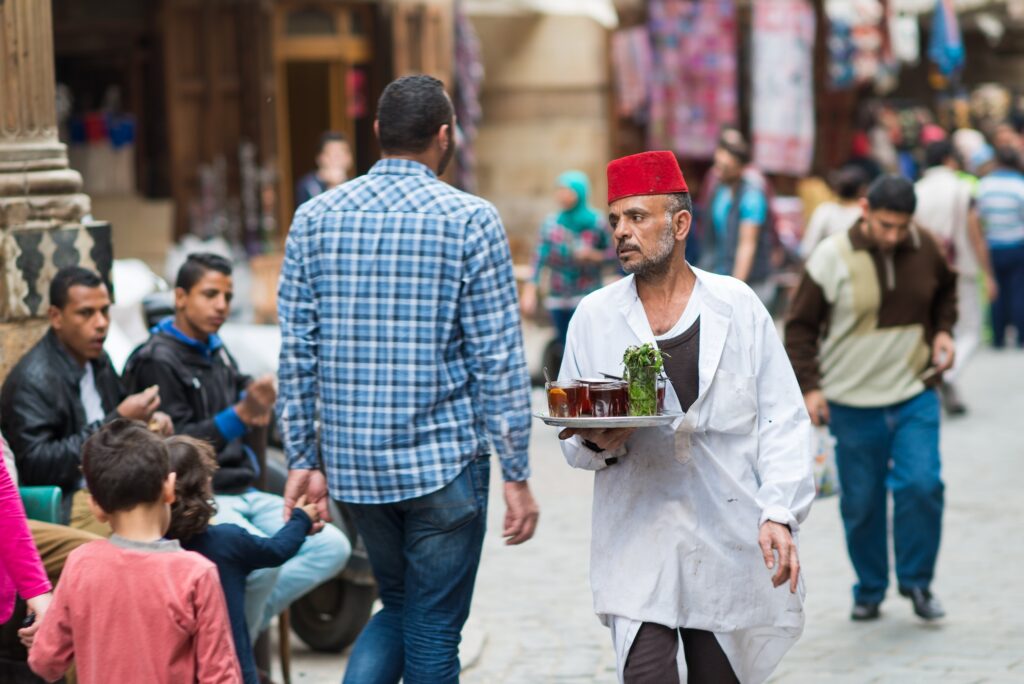
Respect for local customs matters deeply in these traditional spaces. Dress modestly, especially when visiting markets near mosques or in conservative areas. Accept offered tea – refusing hospitality can offend, while sharing mint tea creates bonds that extend beyond purchasing decisions. Photography requires permission, particularly for portraits of vendors or detailed shots of their workspaces.
Payment customs vary by location and purchase size. Bring small bills for minor purchases, as many vendors lack change for large denominations. Credit cards work in established shops but cash remains king in smaller stalls and for authentic street food experiences.
Authentic Egyptian Crafts Guide
Egyptian artisans have perfected their techniques across generations, creating distinctive items you won’t find elsewhere.
Traditional Materials and Techniques
Alabaster carvings represent Egypt’s most iconic craft tradition. Quarried near Luxor for over 4,000 years, this translucent stone becomes beautiful vessels, decorative objects, and jewelry boxes under skilled hands. Quality alabaster glows when held to light and feels cool to touch even in desert heat.
Copper and brass work showcases Islamic geometric patterns that date back centuries. Authentic pieces show slight irregularities from hand-hammering, unlike machine-made imitations. Traditional brass develops a distinctive patina over time, while new pieces shine bright gold. Look for intricate engravings and solid construction rather than thin, lightweight copies.
Egyptian cotton earned worldwide reputation for superior quality and softness. Traditional weaving produces textiles with distinctive tight weaves and natural luster. Handwoven rugs often incorporate ancient motifs like lotus flowers, scarab beetles, or hieroglyphic-inspired designs.
Identifying Authentic Pieces
Real papyrus feels smooth and flexible, made from genuine papyrus plants grown along the Nile. Fake versions use banana leaves or rice paper that crack easily and lack the characteristic texture. Authentic papyrus artwork uses natural pigments that fade gradually rather than chemical dyes that remain artificially bright.
Handmade jewelry often incorporates traditional techniques like granulation, where tiny gold beads create textured surfaces. Genuine silver develops a natural patina and feels substantial, while plated items remain lightweight and show wear at edges.
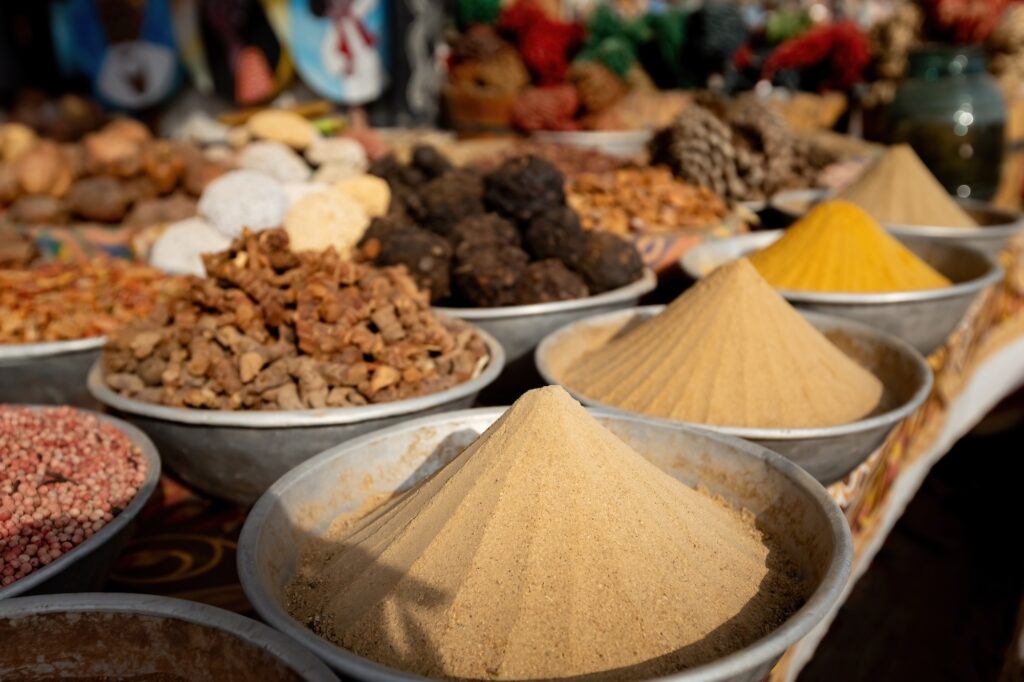
Spice quality varies dramatically between tourist-focused vendors and shops serving local customers. Fresh spices release strong aromas when pinched between fingers. Saffron, Egypt’s most expensive spice, should consist of deep red threads rather than yellow powder or orange fragments.
Regional Specialties Worth Seeking
Luxor’s alabaster workshops cluster near ancient quarry sites where pharaohs sourced materials for their tombs. Local artisans carve everything from tiny perfume bottles to life-sized statues using traditional tools and techniques.
Aswan’s Nubian markets offer distinctive handmade baskets woven from palm fronds in colorful geometric patterns. These functional art pieces reflect Nubian cultural traditions that survived despite centuries of change. Nubian spice blends incorporate ingredients unique to southern Egypt’s border regions with Sudan.
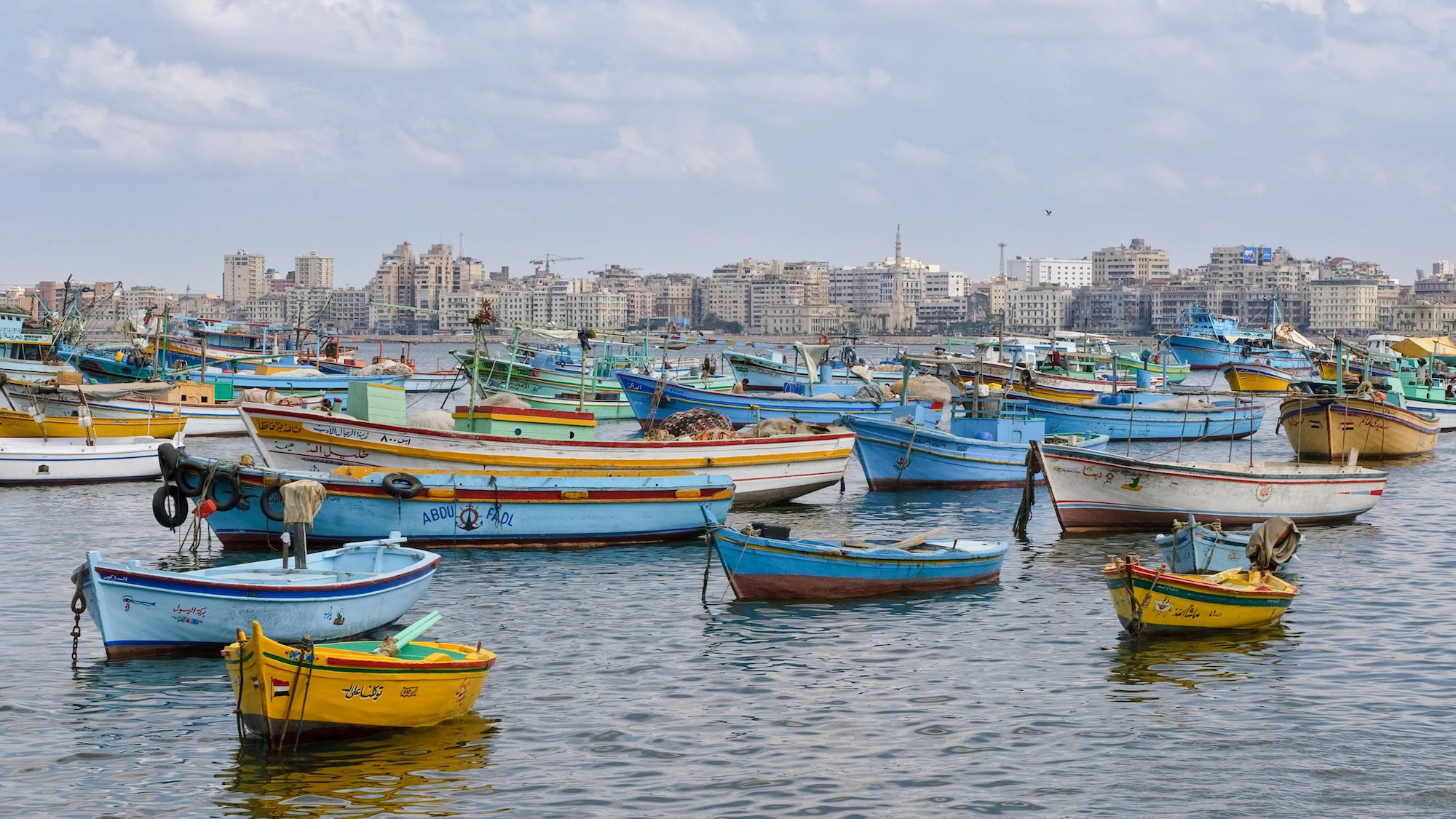
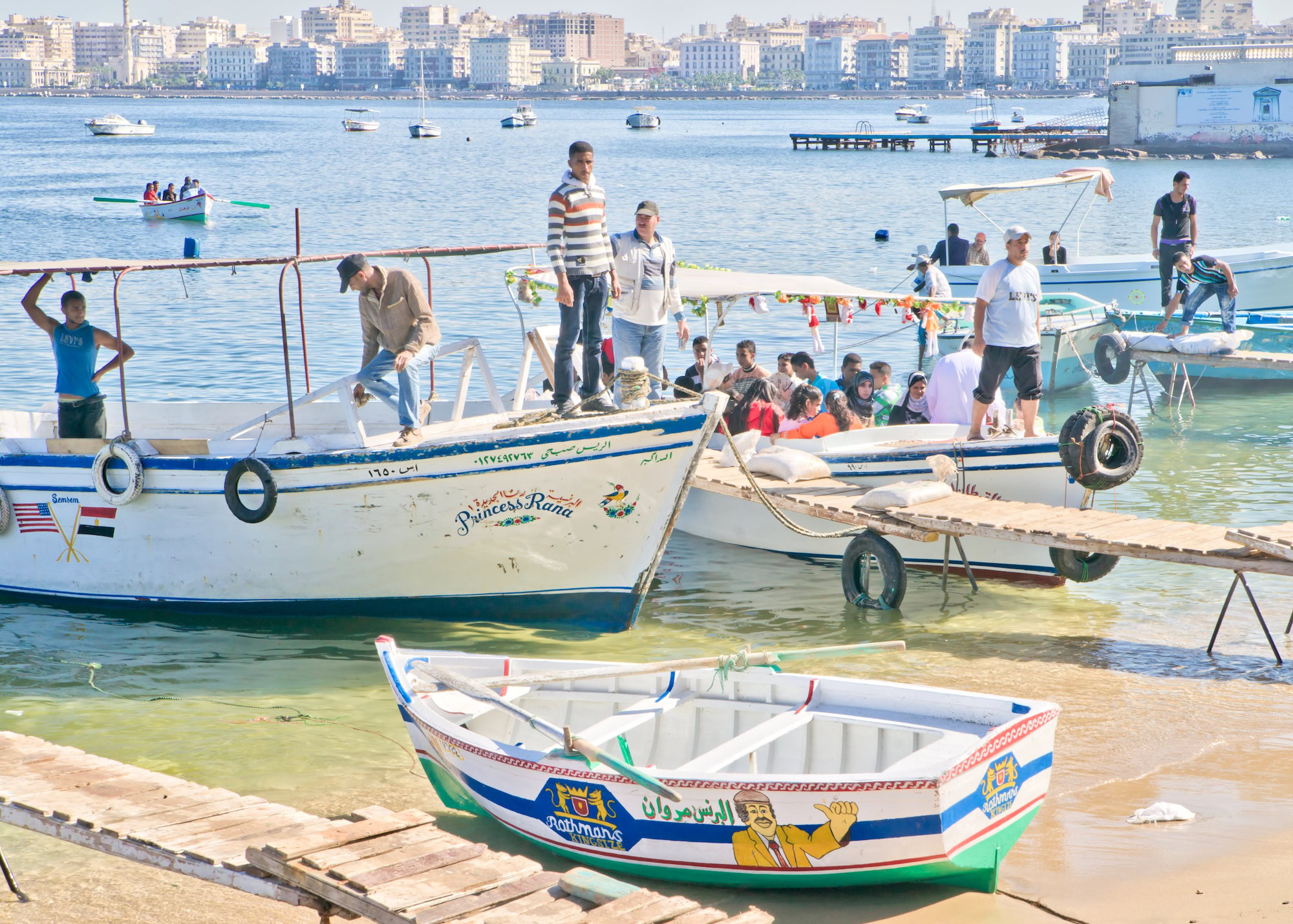
Alexandria’s coastal location influences its craft traditions. Look for distinctive glasswork incorporating marine themes and silver jewelry featuring coral and mother-of-pearl inlays that reflect the Mediterranean connection.
Regional Market Treasures
Luxor’s Heritage Markets
Ancient Thebes continues inspiring modern artisans working in Luxor’s traditional quarters. Streets surrounding major temples buzz with workshops where craftsmen create replicas of pharaonic treasures using authentic materials and methods.
Alabaster workshops line the road to Valley of Kings, where visitors can watch master carvers transform raw limestone into intricate vessels. These family businesses often span multiple generations, with fathers teaching sons techniques passed down through centuries.
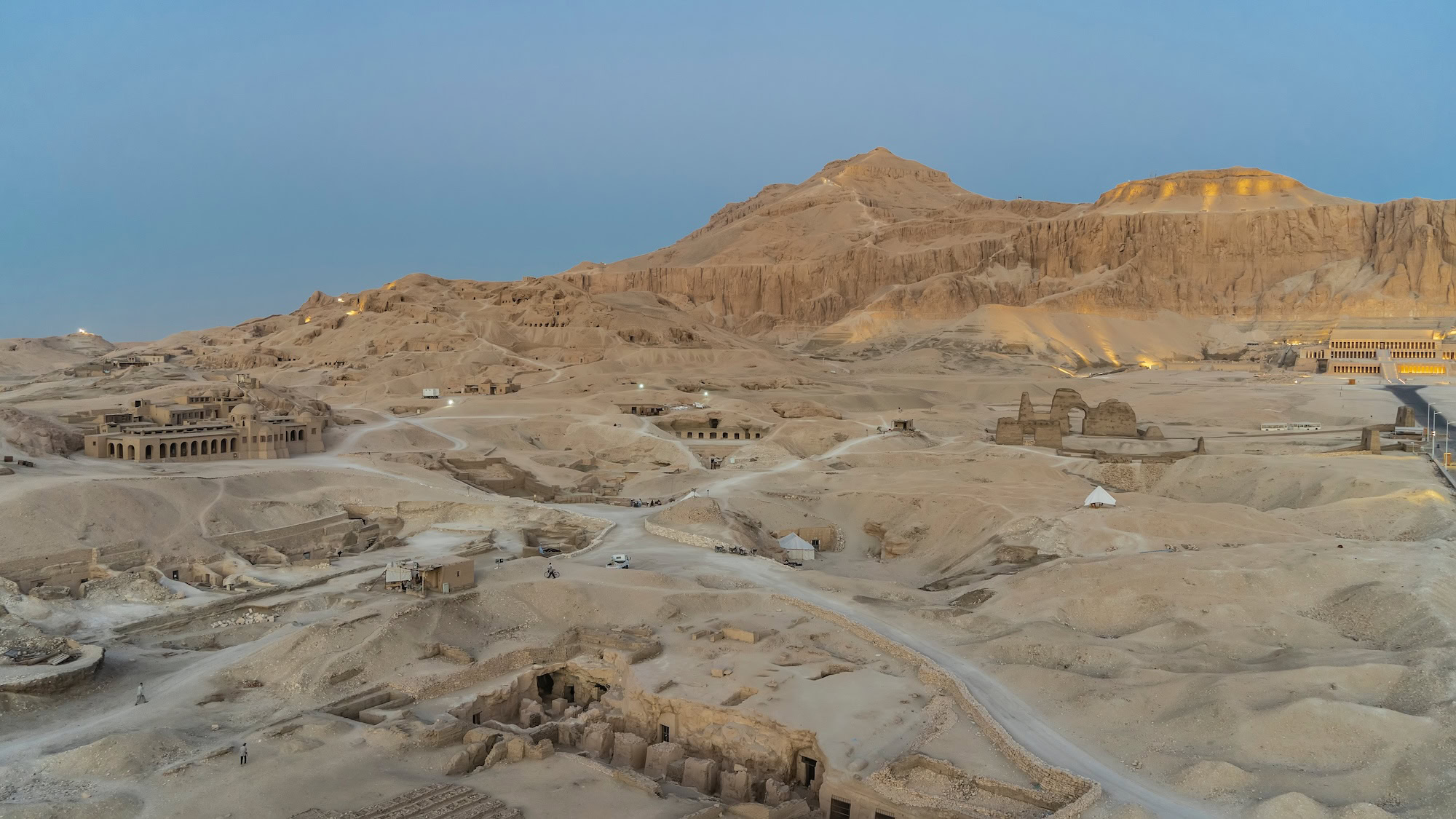
Local markets specialize in items reflecting Luxor’s archaeological wealth. Reproduction jewelry based on pieces found in royal tombs provides affordable alternatives to museum-quality originals. Papyrus paintings often depict scenes from nearby temple walls, created by artists who study ancient techniques daily.
Aswan’s Nubian Cultural Markets
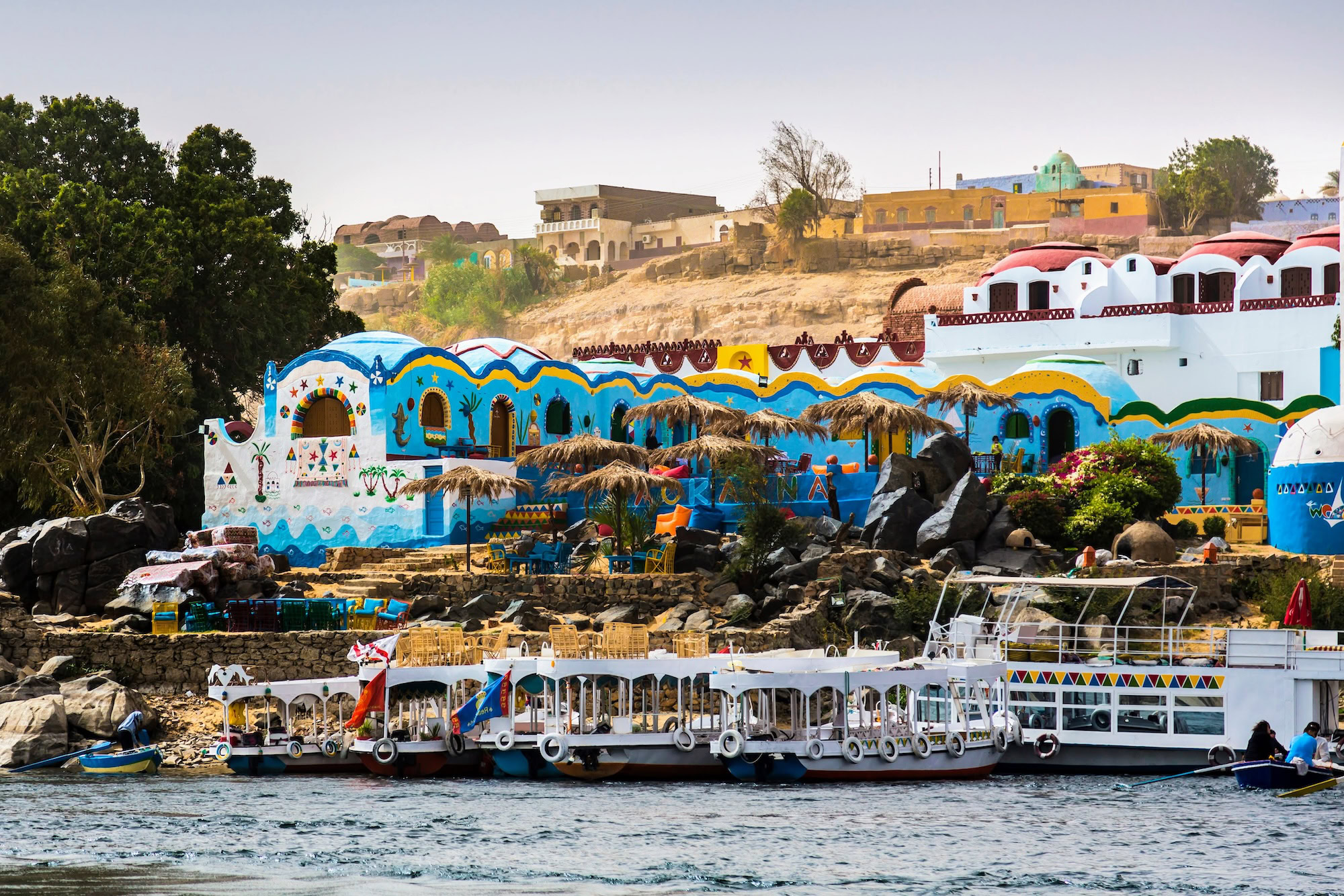
Southern Egypt’s markets reflect strong Nubian influences that distinguish them from northern Egyptian bazaars. Vibrant colors dominate textile displays, while unique architectural elements like decorated doorways and painted house facades inspire local crafts.
Spice markets here offer blends unavailable elsewhere in Egypt. Nubian vendors combine traditional Egyptian seasonings with Sudanese influences, creating unique flavor profiles that reflect cross-border cultural exchange.
Handwoven baskets showcase intricate geometric patterns that carry cultural significance within Nubian communities. Each design tells stories or represents family traditions, making these functional items carry deeper meaning than simple handicrafts.
Alexandria’s Mediterranean-Influenced Bazaars
Egypt’s coastal capital blends pharaonic heritage with Greco-Roman influences and Islamic traditions. Local markets reflect this cultural fusion through unique items rarely found in inland Egyptian cities.
Maritime themes appear frequently in Alexandria’s crafts. Glasswork incorporates wave patterns and sea creature motifs, while jewelry features coral, pearls, and mother-of-pearl inlays that reflect the Mediterranean connection.
Traditional fishing industry influences create distinctive basketwork and rope crafts designed for marine use but adapted as decorative items. These practical objects showcase the ingenuity of coastal communities adapting traditional techniques for modern purposes.
Smart Shopping Strategies
Research typical prices before entering markets to establish realistic expectations. Quality alabaster pieces range from $10 for small items to several hundred dollars for large, intricately carved sculptures. Handwoven textiles typically cost $20-80 depending on size and complexity, while authentic papyrus artwork ranges from $5-50 based on size and detail level.
Time your visits strategically for the best experience and prices. Early mornings offer cooler temperatures and less crowded conditions, while late afternoons provide more vibrant atmosphere as locals finish work. Avoid major tourist rush hours when vendors focus on quick sales rather than cultural exchange.
Consider shipping for larger purchases rather than struggling with airline restrictions. Many established vendors offer reliable international shipping services with tracking and insurance. This allows you to buy larger pieces without worrying about luggage weight or potential damage during transport.
Egypt’s bazaars are more than markets — they are living history. Discover them alongside locals, not crowds, with our immersive Egypt tour packages designed for authentic cultural encounters.
Frequently Asked Questions
What’s the best time to visit Egyptian markets?
Early morning (8-10 am) offers cooler temperatures and fewer crowds, while late afternoon provides the most authentic local atmosphere.
How much should I budget for authentic souvenirs?
Plan $50-200 for quality handmade items. Small alabaster pieces cost $10-30, while larger sculptures range $100-300.
Is bargaining really expected in Egyptian bazaars?
Yes, bargaining is a cultural tradition. Start at one-third the asking price and negotiate respectfully toward middle ground.
What Arabic phrases help when shopping?
“Shukran” (thank you), “Bikam?” (how much?), and “Ma’a salama” (goodbye with peace) show cultural respect and often improve prices.
How can I identify authentic items versus tourist copies?
Real alabaster glows when backlit, genuine papyrus feels smooth and flexible, and handmade items show slight irregularities from craftsmanship.
Should I bring cash or can I use cards?
Bring small denomination cash for most purchases. Cards work in established shops but many vendors prefer cash for better prices.
What’s considered appropriate dress for market visits?
Dress modestly with covered shoulders and knees, especially near mosques. Comfortable walking shoes help navigate uneven market floors.
Are Egyptian markets safe for tourists?
Yes, major tourist markets have security and are generally safe. Stay aware of surroundings and keep valuables secure as in any crowded area.
Can vendors ship purchases internationally?
Many established vendors offer reliable shipping services with tracking. This helps avoid airline restrictions for larger items.
What’s the difference between Khan El-Khalili and other Egyptian markets?
Khan El-Khalili offers the most diverse selection and tourist-friendly experience, while regional markets like Aswan’s provide more specialized local crafts and authentic atmosphere.

Design Your Custom Tour
Explore Egypt your way by selecting only the attractions you want to visit