

Temple of Maharraqa – An Old Nubian Temple Shrouded in Mystery
Hidden along the banks of Lake Nasser stands one of Egypt’s most intriguing ancient monuments.
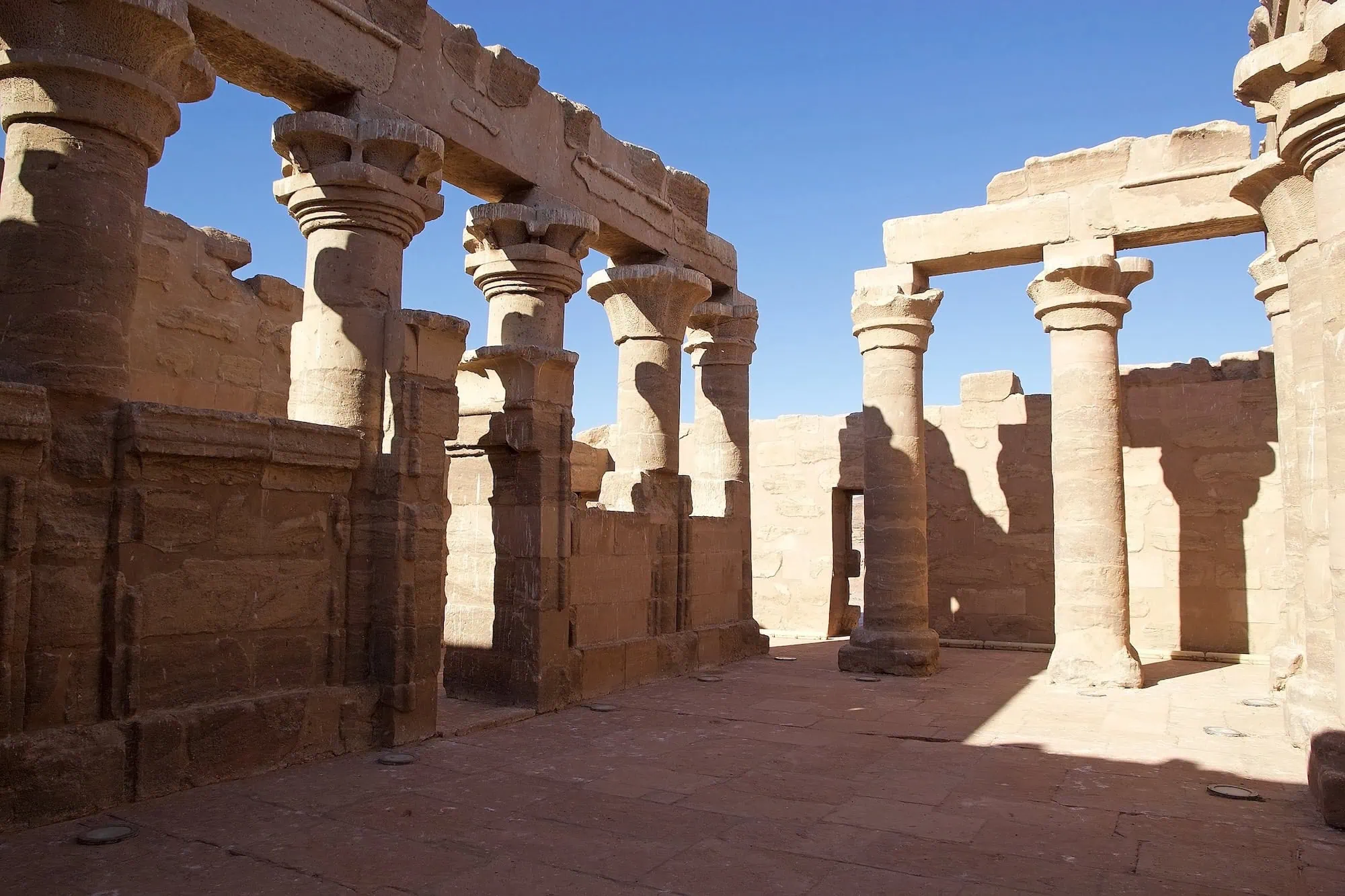
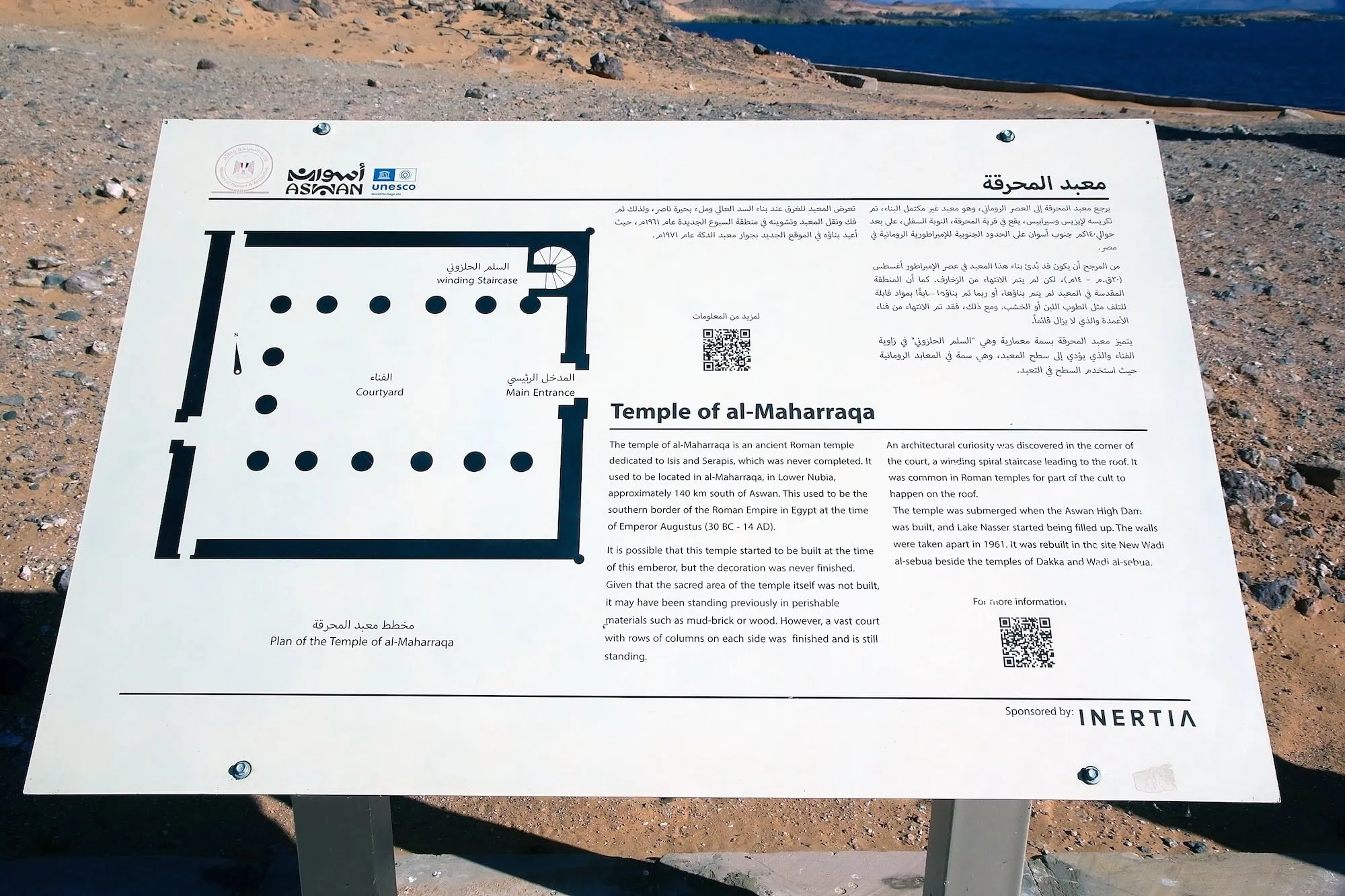
The Temple of Maharraqa represents a fascinating intersection of Roman imperial ambition and ancient Egyptian religious tradition. Built during the early Roman period as Egypt fell under Augustus’s rule, this modest yet architecturally unique structure served as both a spiritual center and political statement on the empire’s southern frontier. What makes this temple particularly compelling is its unusual spiral staircase – a rare architectural feature that sets it apart from other Nubian monuments.
Relocated during the massive UNESCO salvage campaign that preceded the Aswan High Dam’s construction, the temple now stands at New Wadi es-Sebua alongside other rescued monuments. Today, we invite travelers to discover this remarkable testament to ancient ingenuity and cross-cultural religious practices.
Table of Contents
Roman Frontier Monument in Ancient Nubia
The Temple of Maharraqa emerged during a pivotal moment in Egyptian history. When Roman forces under the prefect Petronius established their southern boundary in Lower Nubia, they needed more than military outposts to secure their frontier.
Strategic Location and Political Context
Built at the ancient site of Ofendina, the temple served dual purposes as religious center and administrative marker. Roman engineers selected this location carefully, positioning it where trade routes converged and where the empire could project power toward the Kingdom of Kush. The structure’s modest proportions reflected practical frontier considerations rather than the grand imperial statements found in Alexandria or Memphis.
Archaeological evidence suggests construction began in the late first century BCE, continuing into the early decades of the first century CE. This timeline places the temple’s creation during Augustus’s consolidation of Egypt as a Roman province.
Architectural Innovation Under Imperial Rule
What immediately distinguishes Maharraqa from other Nubian temples is its spiral staircase. This unusual feature provided roof access while creating an architectural element rarely seen in traditional Egyptian religious buildings. Roman engineers incorporated this practical innovation without abandoning the fundamental design principles that made the structure recognizably Egyptian.
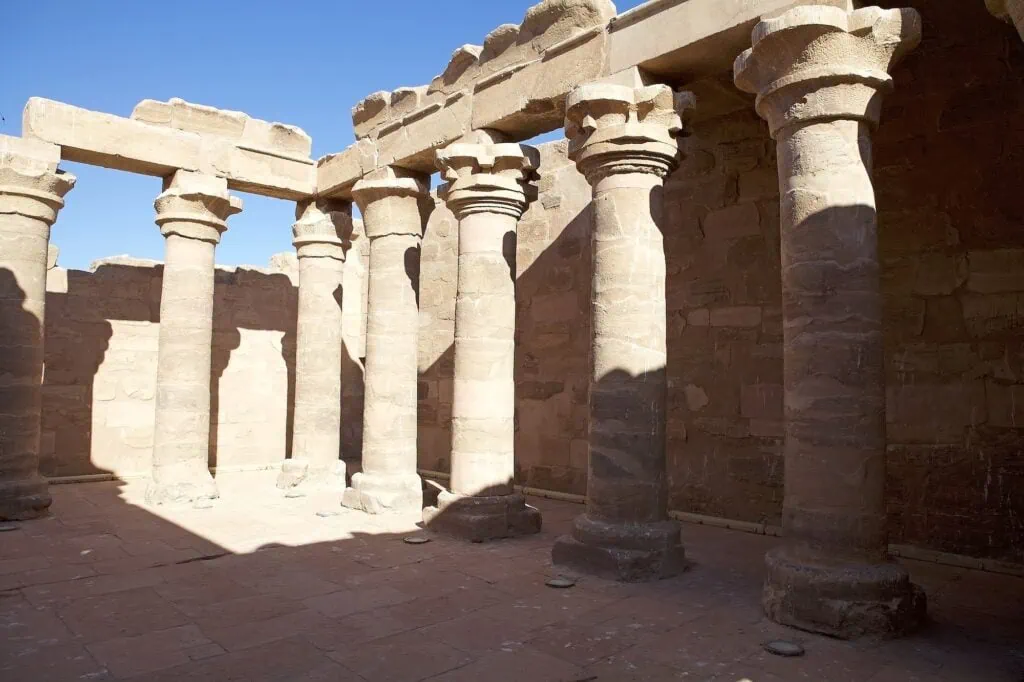
The temple’s builders used local sandstone, following construction techniques that honored both Roman engineering standards and regional building traditions. They created an open courtyard design that remained incomplete, leaving modern archaeologists to piece together the original architectural scheme.
Religious Dedication and Cultural Synthesis
Roman authorities dedicated the temple to Isis and Serapis, reflecting the empire’s pragmatic approach to religious administration. Isis worship had deep roots throughout Egypt and Nubia, making her an obvious choice for maintaining local religious continuity. Serapis, the Alexandrian deity created during the Ptolemaic period, represented the kind of syncretic religious thinking that helped Rome manage diverse populations across its territories.
Architectural Features and Sacred Spaces
Roman builders never completed their ambitious plans for Maharraqa, leaving us with tantalizing glimpses of what might have been. The unfinished state reveals construction phases and design intentions that would otherwise remain hidden.
The surviving hypostyle hall showcases traditional Egyptian temple elements adapted for Roman frontier needs. Sandstone columns support a modest roof structure, creating sacred space for ritual activities. Original decorative programs were never completed, though traces of planned relief work remain visible to careful observers. Christian communities later adapted portions of the structure, adding painted imagery that reflects the temple’s continued religious significance during the Byzantine period.
Archaeological documentation reveals that medieval Christian use transformed parts of the complex into a church, demonstrating how sacred spaces evolve across centuries. These later modifications provide valuable insights into religious transformation during Egypt’s Christian period.
Preservation Through International Cooperation
UNESCO Salvage Campaign
The Aswan High Dam project threatened numerous ancient monuments throughout Lower Nubia. Maharraqa faced complete submersion unless international action preserved it for future generations.
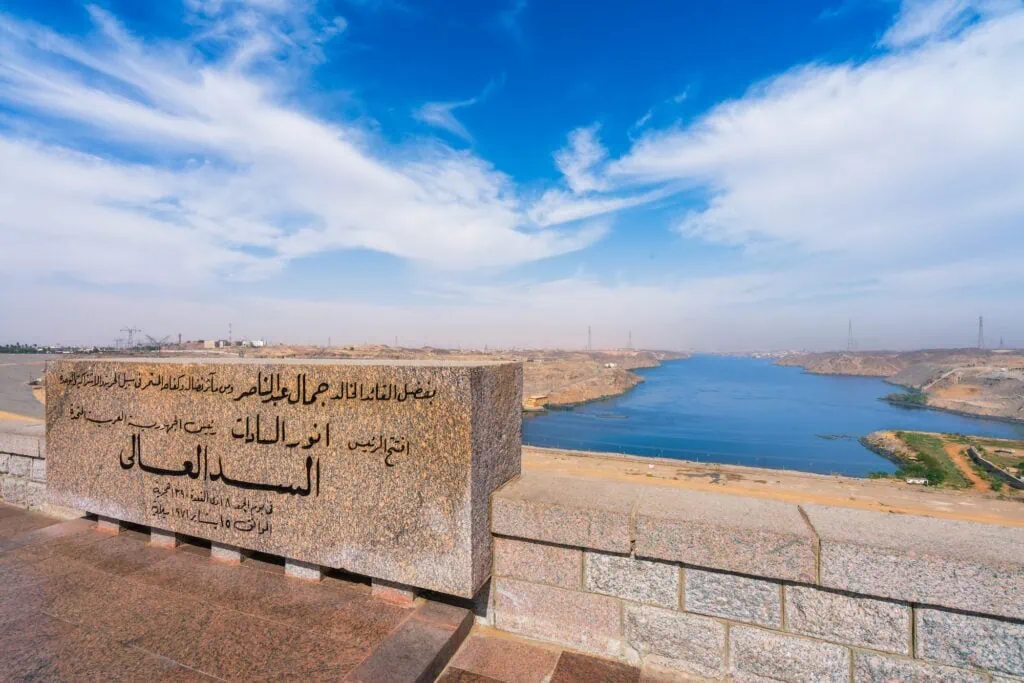
UNESCO’s ambitious salvage operation, launched in the 1960s, represented unprecedented cooperation between nations to protect cultural heritage. Teams of archaeologists, engineers, and skilled workers carefully dismantled the temple block by block. Each stone was numbered, documented, and prepared for reconstruction at a higher elevation.
Reconstruction at New Wadi es-Sebua
Engineers selected the New Wadi es-Sebua site as the new home for Maharraqa and two other rescued temples. This artificial complex recreates something of the original monument groupings that characterized ancient Nubian religious landscapes. The relocation process maintained the temple’s orientation and spatial relationships while ensuring protection from Lake Nasser’s waters.
Modern preservation techniques ensure that visitors can experience the temple much as ancient worshippers would have encountered it. Climate monitoring and structural maintenance preserve both the original stonework and the integrity of the reconstructed complex.
Religious Practices and Cultural Significance
Understanding Maharraqa requires appreciating the complex religious landscape of Roman-period Nubia. Isis worship formed the foundation of the temple’s spiritual function.
Isis Cult in Frontier Context
Isis commanded particular devotion along the Nile’s southern reaches, where her role as protector and healer resonated with communities facing the uncertainties of frontier life. Her cult provided spiritual continuity as political control shifted from Ptolemaic to Roman hands. Devotees approached her shrine seeking protection for journeys, healing for ailments, and divine intervention during conflicts with neighboring peoples.
Serapis and Hellenistic Influence
The inclusion of Serapis in the temple’s dedication reflects broader cultural currents flowing through first-century Egypt. This Alexandrian deity combined Egyptian and Greek religious concepts, creating a divine figure that appealed to diverse populations. His presence at Maharraqa demonstrates how Roman administrators encouraged religious practices that unified rather than divided their subjects.
Ritual Activities and Community Function
Archaeological evidence suggests the temple hosted regular festivals and seasonal celebrations. The open courtyard design facilitated community gatherings, while the inner sanctuaries provided space for more intimate religious ceremonies. Local communities likely participated in annual festivals that reinforced both religious devotion and imperial loyalty.
Visiting Maharraqa Today
The journey to Maharraqa offers travelers a unique opportunity to explore ancient Nubian heritage in a dramatically transformed landscape.
Accessing the Monument
Located approximately 140 km (87 miles) south of Aswan, the temple sits within the New Wadi es-Sebua complex accessible by Lake Nasser cruise or organized tour. We arrange private transportation and expert guides who bring the monument’s complex history to life. Our experienced team provides detailed historical context while ensuring comfortable access to this remarkable site.
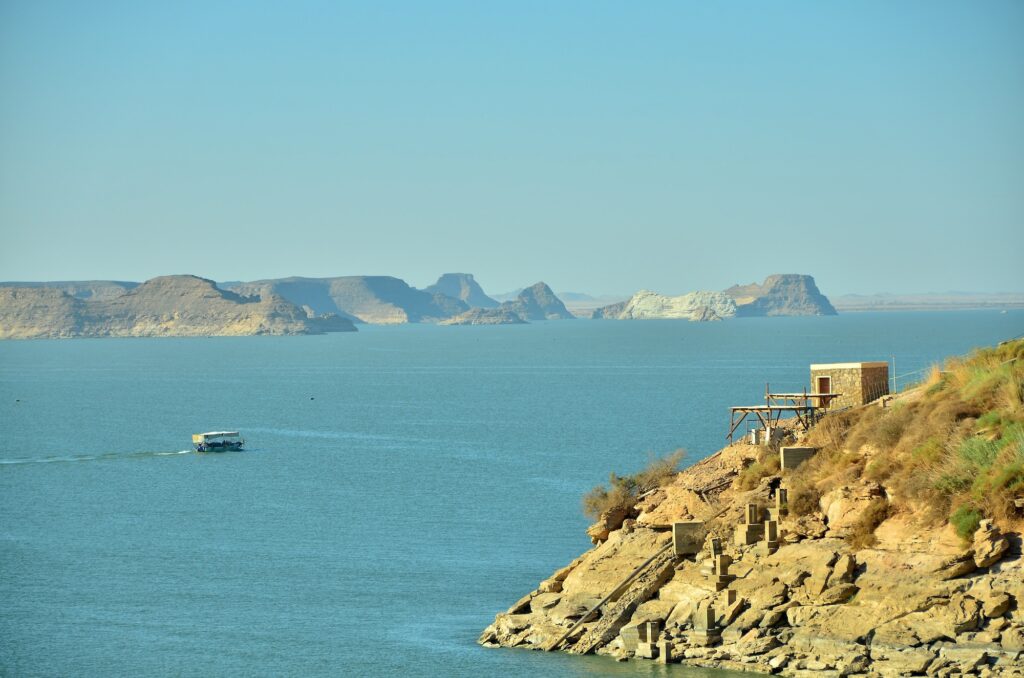
Most visitors combine Maharraqa with exploration of the nearby Temple of Wadi es-Sebua and Dakka, creating a comprehensive introduction to Nubian temple architecture. The artificial grouping allows efficient exploration while showcasing different periods and architectural approaches.
What to Expect During Your Visit
The temple’s modest scale creates an intimate encounter with ancient craftsmanship. Unlike the overwhelming grandeur of Karnak or Abu Simbel, Maharraqa invites close examination of architectural details and construction techniques. Visitors can observe the famous spiral staircase, explore the hypostyle hall, and appreciate the skill required to relocate such a complex structure.
Photography opportunities abound, particularly during the golden hours when Lake Nasser’s waters create stunning backdrops for the ancient stonework. Our guides ensure optimal timing for both photography and detailed exploration of the monument’s most significant features.
Understanding the Broader Context
Maharraqa’s significance extends beyond its individual architectural merits. The temple represents successful international cooperation in cultural preservation, demonstrates ancient architectural adaptation to local conditions, and illustrates the complex religious landscape of Roman-period Egypt. We provide comprehensive interpretation that connects these broader themes to specific features visitors can observe and appreciate.
Discover The Unique Design Of The Temple Of Maharraqa
The Temple of Maharraqa stands out with its rare architectural details and peaceful setting along Lake Nasser—offering a quieter, more intimate way to experience Egypt’s ancient legacy. With EgyptToursPlus, we seamlessly include this distinctive site in a private journey that connects lesser-known treasures with Egypt’s most iconic highlights.
You choose your travel dates, your pace, and the experiences that shape your route. Whether as part of a Nile journey or a deeper exploration of southern Egypt, we tailor every detail around your preferences—ensuring a smooth, refined, and deeply personal travel experience.
Frequently Asked Questions
Construction of the Temple of Maharraqa began in the late 1st century BCE and continued into the early 1st century CE during Roman control of Egypt and Nubia. The monument belongs to the transitional era when Roman rulers adopted Egyptian religious architecture while introducing Greco-Roman design influences. Located originally near Ofendina in Lower Nubia, the temple reflects how Roman authorities used traditional temple building to reinforce political legitimacy. Its unfinished decorative elements also reveal that construction likely stopped before the full ceremonial program was completed.
The Temple of Maharraqa is famous for its rare spiral staircase, an architectural feature almost unknown in traditional Egyptian temples. Most pharaonic temples used straight stairways or hidden roof access passages, making Maharraqa’s curved staircase a clear Roman-era innovation. The staircase likely provided ceremonial access to the roof, where priests conducted solar-related rituals connected to Isis worship. Architectural historians often cite Maharraqa as one of the clearest examples of Roman engineering adapting older Egyptian religious design traditions.
The Temple of Maharraqa was dedicated primarily to Isis and Serapis, two deities strongly associated with the religious fusion of Egyptian and Hellenistic traditions during Roman rule. Isis remained one of Egypt’s most widely worshipped goddesses, while Serapis combined aspects of Egyptian and Greek religious identity under the Ptolemaic and Roman administrations. Reliefs and inscriptions inside the temple reflect this multicultural religious environment in Nubia. The temple’s location along Nile trade routes also helped spread these blended cults throughout the eastern Mediterranean world.
UNESCO’s international Nubian Monuments Campaign relocated the Temple of Maharraqa during the 1960s after Lake Nasser threatened to flood the original site permanently. Engineers dismantled the structure stone by stone, carefully documenting every architectural block before rebuilding the temple at New Wadi es-Sebua above the future waterline. The relocation preserved both the unusual spiral staircase and surviving decorative reliefs. This global preservation effort involved contributions from more than 50 countries and remains one of archaeology’s most ambitious rescue operations.
Visitors to New Wadi es-Sebua can explore three major relocated Nubian monuments: the Temple of Wadi es-Sebua, the Temple of Dakka, and the Temple of Maharraqa. These temples were reconstructed together during the UNESCO rescue campaign after the creation of Lake Nasser in the 1960s. The grouping allows travelers to compare pharaonic, Ptolemaic, and Roman architectural styles within a single archaeological complex. Most Lake Nasser cruise itineraries include all three sites during the same guided excursion.
A typical visit to the Temple of Maharraqa and the surrounding New Wadi es-Sebua complex takes approximately 2 to 3 hours. This allows enough time to examine the temple’s rare spiral staircase, unfinished reliefs, and Roman-period architectural details while also visiting nearby Dakka and Wadi es-Sebua temples. Guided commentary significantly improves the experience because many historical details are not immediately obvious from the ruins alone. Early morning visits usually provide cooler temperatures and softer photography lighting.
The Temple of Maharraqa stands out because of its Roman-period construction, unfinished decorative program, and exceptionally rare spiral staircase. Unlike many earlier Nubian temples built entirely under pharaonic rule, Maharraqa reflects a blend of Egyptian religious tradition and Roman architectural experimentation during the 1st century CE. Portions of the temple were never fully carved or decorated, giving archaeologists insight into ancient construction methods. Its compact size also allows visitors to study architectural details more closely than at larger monuments like Abu Simbel.
Visitor access to the spiral staircase at the Temple of Maharraqa depends on current conservation policies and structural safety assessments by Egyptian antiquities authorities. Because the staircase is both narrow and historically fragile, access may be restricted during certain periods to protect the monument from damage. Even when climbing is not permitted, guides explain the staircase’s architectural importance and ceremonial function in Roman Nubian temple design. Visitors should check current access conditions before traveling on a Lake Nasser itinerary.
Evidence of later Christian use at the Temple of Maharraqa includes painted crosses, altered reliefs, and modifications made when Byzantine-era communities converted portions of the structure into a church. Like several Nubian temples between the 5th and 7th centuries CE, Maharraqa adapted to Christianity as older Egyptian religious practices declined. Archaeologists have identified traces of Christian imagery layered over earlier pagan decoration. These changes make the temple historically important not only for Roman Egypt but also for the spread of Christianity in Nubia.
The relocated Temple of Maharraqa preserves the original structure and carvings, but the modern setting at New Wadi es-Sebua differs significantly from the original riverside landscape at Ofendina. Before relocation, the temple stood within a broader Nubian environment connected to ancient Nile trade routes and nearby settlements. Today, the grouped reconstruction with Dakka and Wadi es-Sebua creates a more concentrated archaeological experience for visitors. Although the historical geography changed, the relocation successfully protected the temple from permanent flooding beneath Lake Nasser.
Visitors exploring the Temple of Maharraqa should bring comfortable walking shoes, sun protection, bottled water, and a camera suitable for bright desert conditions. Temperatures in southern Egypt regularly exceed 35°C (95°F) outside winter months, and shade at Nubian archaeological sites is limited. Lightweight clothing and sunglasses are strongly recommended, especially during Lake Nasser cruise excursions. Travelers interested in photography should visit during early morning hours when softer sunlight highlights relief carvings and architectural details more clearly.
Egypt Tours Plus provides expert-led visits to the Temple of Maharraqa with professional Egyptologists who explain the monument’s Roman, Egyptian, and Christian historical layers in clear detail. Because Maharraqa is accessible mainly through specialized Lake Nasser itineraries, experienced logistical coordination is important for smooth transportation and timing between remote Nubian sites. Egypt Tours Plus also integrates Maharraqa with nearby monuments such as Dakka and Wadi es-Sebua for broader historical context. Booking earlier morning excursions generally provides cooler temperatures and better photography conditions.
Design Your Custom Tour
Explore Egypt your way by selecting only the attractions you want to visit