

Temple of Wadi El Seboua – Twin Temples Located in the Valley of Lions
Something magical happens when ancient stones meet pristine waters.
Deep in Nubia, where the mighty Nile creates Lake Nasser, two main ancient temples stand as testaments to pharaonic grandeur and modern preservation efforts. The Temples of Wadi El Seboua, literally meaning “Valley of the Lions,” showcase over 3,000 years of Egyptian history—from the golden age of Ramesses II through early Christian transformation. These UNESCO World Heritage monuments survived one of the most ambitious rescue operations of the 20th century, moving 4 kilometers (2.5 miles) from their original location to escape the rising waters of the Aswan High Dam.
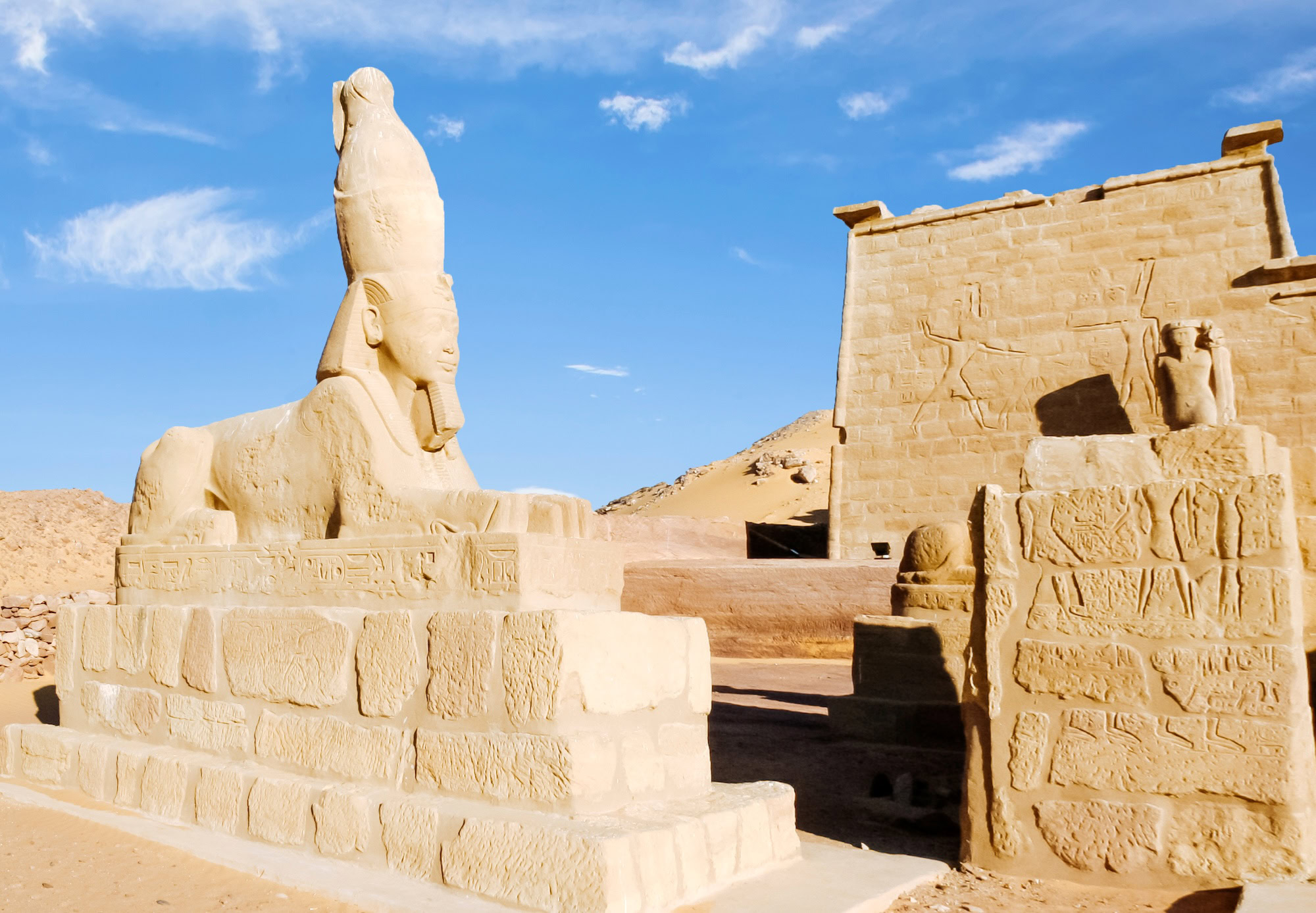
Today, we guide travelers through this extraordinary archaeological site, accessible primarily through Lake Nasser cruises that reveal the quieter, more intimate side of Egypt’s ancient wonders.
Historical Background and Archaeological Significance
The temple complex represents two distinct periods of ancient Egyptian construction. Amenhotep III initiated the first temple during the 18th Dynasty, though his son Akhenaten’s religious revolution temporarily halted progress. Ramesses II later completed this vision while adding his own magnificent structure during years 35-50 of his reign.
Ramesses II’s Architectural Masterpiece
Ramesses II’s temple dominates the site with its iconic sphinx-lined processional way leading to the main entrance. The Viceroy of Nubia, Setau, supervised construction using traditional New Kingdom architectural principles adapted for the Nubian environment. Massive sandstone blocks form the outer courts, while the inner sanctuary extends directly into the living rock face.
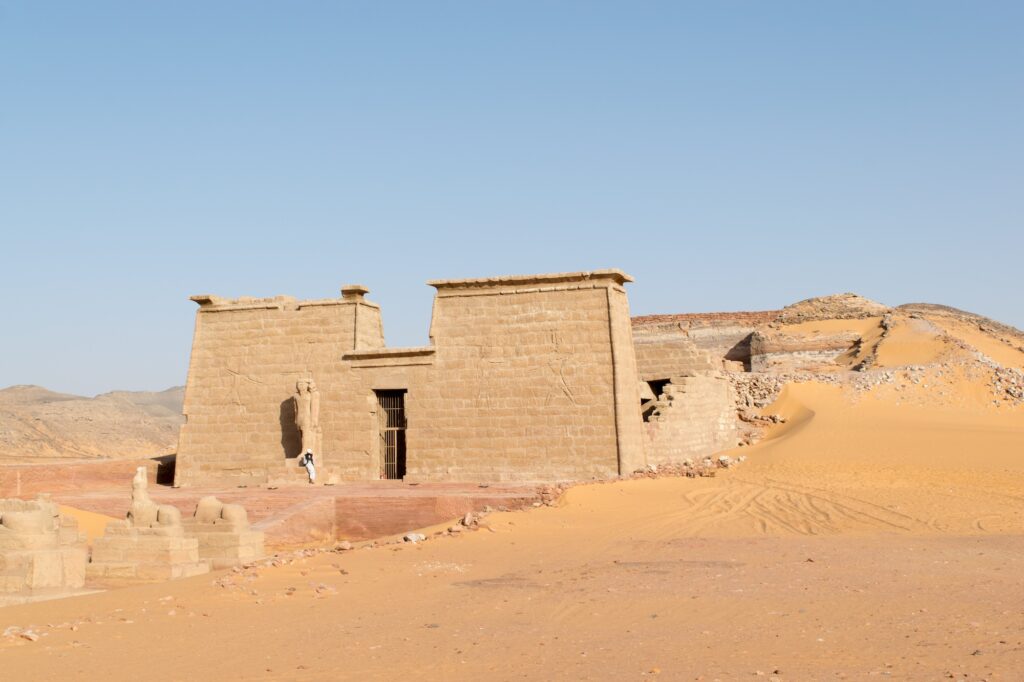
The hypostyle hall features intricate reliefs depicting Ramesses II making offerings to Amun-Ra and other major deities. These carvings demonstrate the sophisticated artistic techniques of the Ramesside period, with preserved pigments still visible in protected areas.
The Earlier Temple of Amenhotep III
Adjacent to Ramesses II’s monument stands the smaller but equally significant temple begun by Amenhotep III. This structure showcases the refined artistic style of the late 18th Dynasty, with more delicate proportions and sophisticated relief work. The partially completed state allows visitors to observe ancient construction techniques, including the progression from rough-cut blocks to finished decorative surfaces.
Archaeological evidence suggests this temple served specific ritual functions related to Nubian gold mining operations and trade relationships with kingdoms further south. Inscriptions reference diplomatic exchanges and tribute ceremonies that highlight Egypt’s complex relationships with Nubian populations during this prosperous period.
Christian Transformation and Preservation Legacy
During the 6th century AD, early Christian communities converted the hypostyle hall of Ramesses II’s temple into a church dedicated to St. Peter. Coptic artists applied plaster coating over pharaonic reliefs, creating new religious imagery that reflected changing spiritual beliefs in the region.
This transformation preserved underlying Egyptian artwork while documenting the transition from pharaonic religion to Christianity in Nubia. Modern conservation efforts have carefully removed later additions where possible, revealing both artistic layers and providing insight into how ancient monuments adapted to serve new purposes. The visible damage from this period ironically helped protect original reliefs from weathering and vandalism over subsequent centuries.
Some original Christian paintings remain visible today, creating a unique archaeological palimpsest where multiple religious traditions coexist within the same sacred space. These layers tell the story of cultural continuity and adaptation that characterized post-pharaonic Egypt.
The Great Rescue: Temple Relocation Project
International Cooperation and Technical Achievement
The construction of the Aswan High Dam in the 1960s threatened to submerge countless Nubian monuments. UNESCO launched the International Campaign to Save the Monuments of Nubia, one of the largest cultural preservation efforts ever undertaken. The United States and more than 50 other countries contributed financial, technical, and academic support.
Engineers dismantled both temples block by block, carefully numbering each stone and recording its original position. The monuments were relocated approximately 4 kilometers (2.5 miles) northwest of their original site and reconstructed on higher ground above the waters of Lake Nasser.
Technical Challenges and Solutions
The relocation process required innovative engineering solutions to maintain architectural integrity while adapting to new geological conditions. Teams created detailed 3D surveys of each structure before dismantling began, ensuring perfect reconstruction accuracy. Special attention focused on preserving the astronomical alignments that governed original temple orientations.
The project took approximately three years to complete, involving hundreds of specialists in archaeology, engineering, and conservation. Modern foundations provide enhanced stability while remaining invisible to visitors, allowing the temples to appear as though they naturally belong in their current location.
Visiting Wadi El Seboua Today
Lake Nasser Cruise Access
Most travelers reach Wadi El Seboua through multi-day Lake Nasser cruises that depart from Aswan. These intimate vessels carry fewer than 100 passengers, creating a more personal experience compared to traditional Nile River cruises between Luxor and Aswan. The journey across Lake Nasser takes approximately 12 hours from Aswan, with the temple complex serving as a highlight stop on longer itineraries.
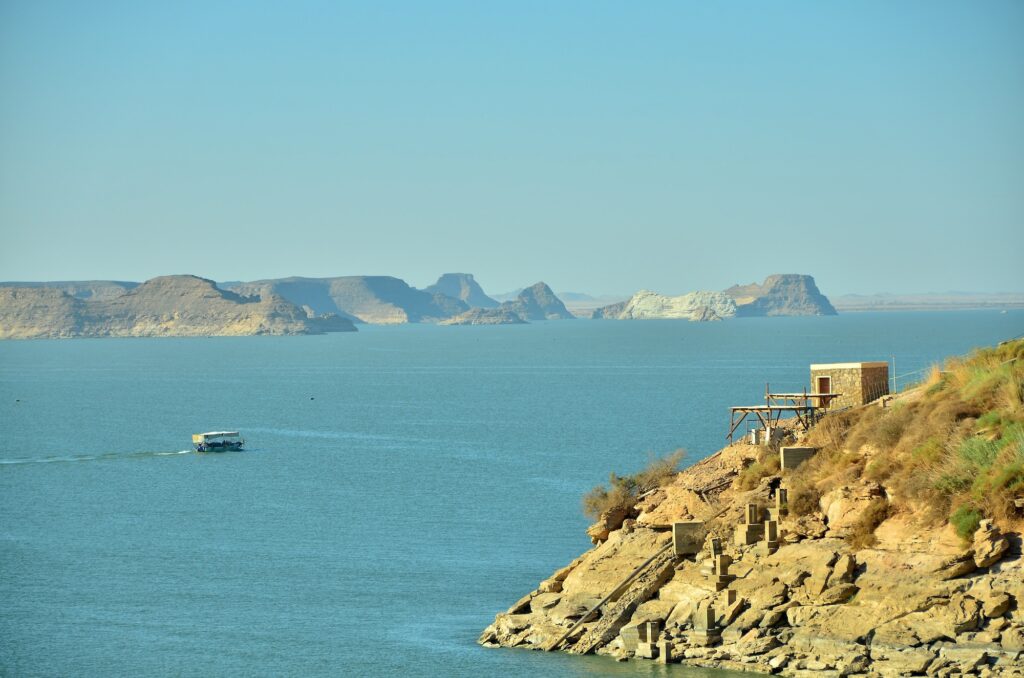
We recommend booking cruise packages that include guided tours with qualified Egyptologists who can explain the complex historical layers visible throughout the site. Professional guides help visitors understand the significance of architectural details, religious symbolism, and the remarkable preservation story that saved these monuments for future generations.
Practical Visitor Information
Opening hours and ticket prices are subject to change. Visitors should expect daytime opening hours and modest admission fees, with reduced prices for Egyptian nationals and students.
Due to the remote desert location, visitors should bring sufficient water, sun protection, and sturdy walking shoes. From May to September, tempe
Photography and Documentation
Unlike many major Egyptian monuments, photography restrictions at Wadi El Seboua are minimal, allowing visitors to document their experience freely. The sphinx avenue provides particularly dramatic compositions, especially when captured with Lake Nasser’s blue waters visible in the background. Interior relief work benefits from careful lighting techniques that highlight the intricate carving details without using flash photography.
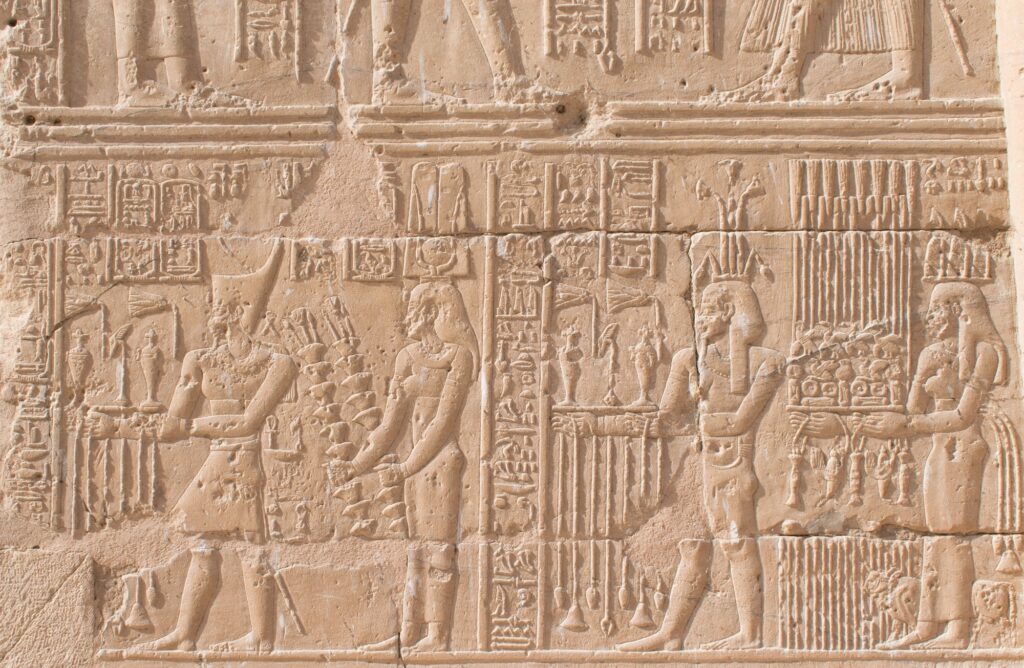
We suggest bringing a powerful flashlight or headlamp to properly illuminate darker interior chambers where some of the finest artistic work remains hidden in shadow. Many of the most impressive reliefs and inscriptions are located in areas with limited natural lighting, making portable illumination essential for full appreciation.
Archaeological Context and Related Sites
The Dakka Temple Complex
Adjacent to Wadi El Seboua stands the Temple of Dakka, originally built during the Ptolemaic period and later expanded under Roman rule.
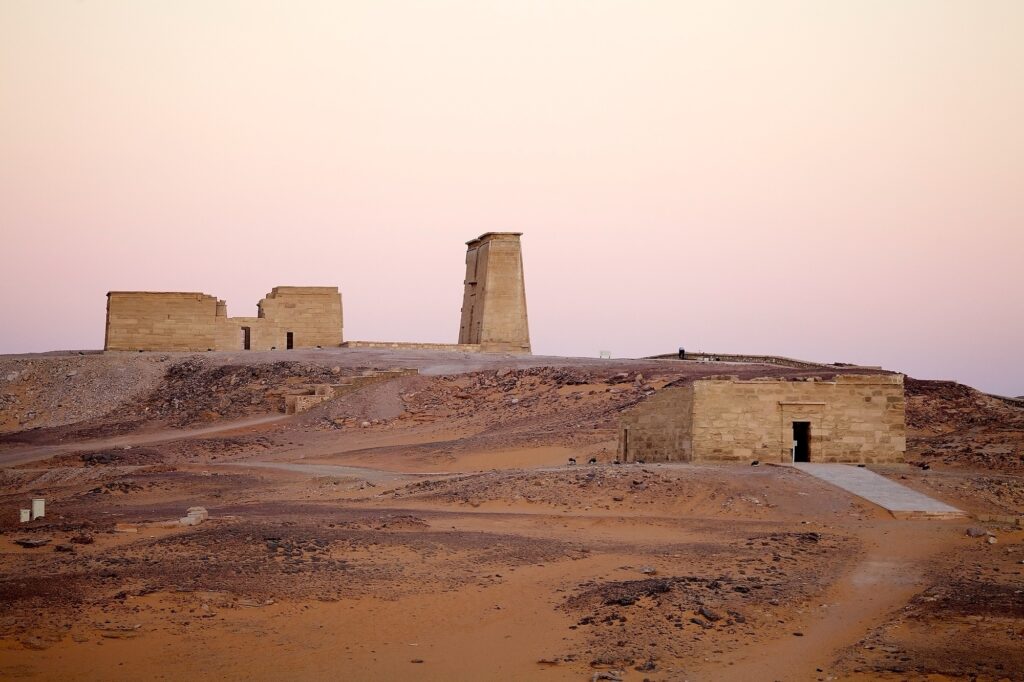
The proximity of these different temple periods creates unique educational opportunities for visitors interested in tracing the evolution of Egyptian religious architecture over nearly 1,000 years. Walking between the structures reveals how building techniques, artistic styles, and religious practices adapted to changing political and cultural circumstances.
Regional Archaeological Landscape
Wadi El Seboua forms part of the broader Nubian Monuments UNESCO World Heritage designation that includes Abu Simbel, Philae, and the temples at Amada. This concentration of preserved monuments reflects the historical importance of Lower Nubia as a gateway between Egypt proper and the African kingdoms to the south. Ancient trade routes brought gold, ivory, exotic animals, and other valuable commodities through this region.
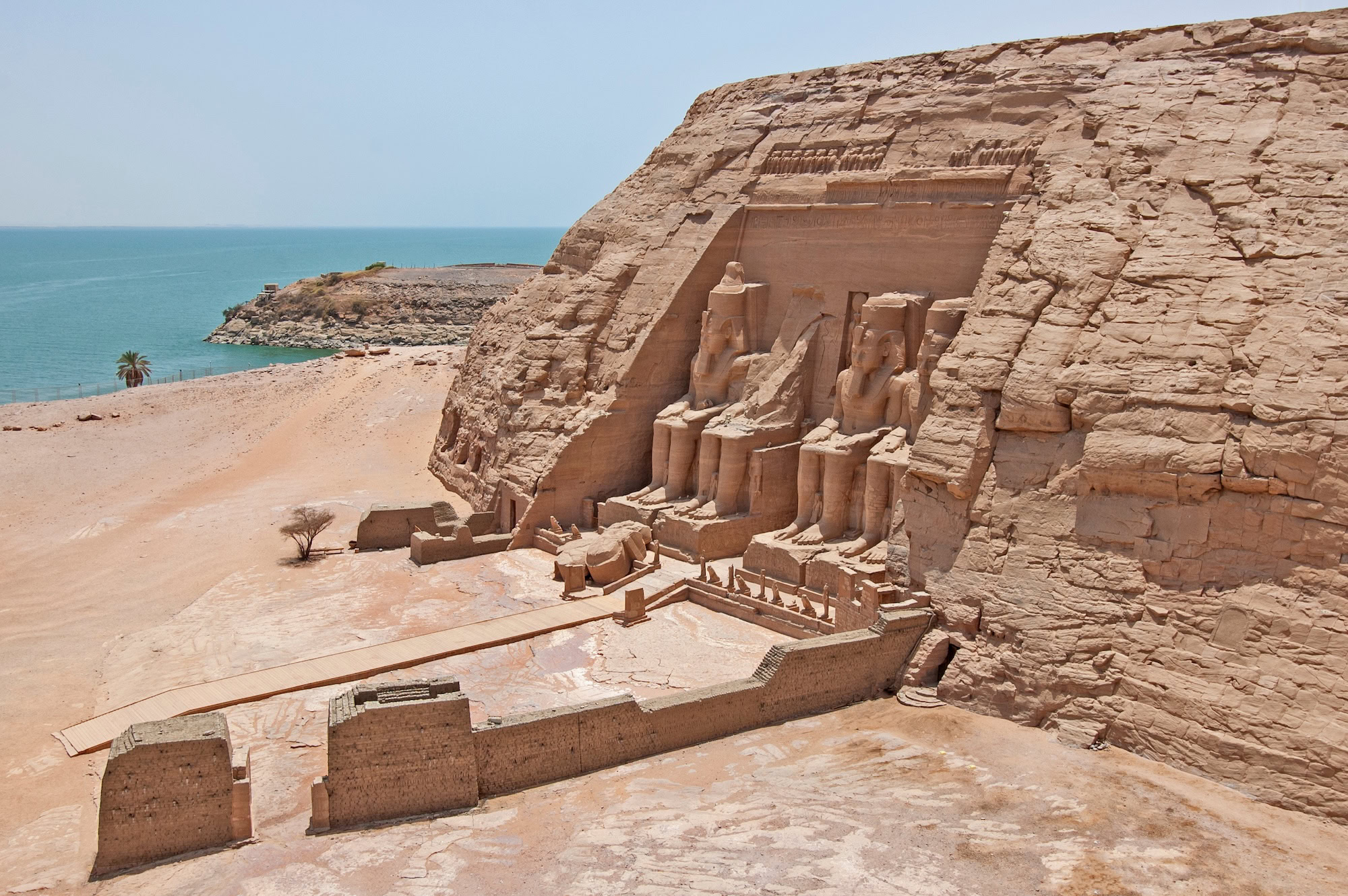
The relocated temples maintain their geographical relationships to one another, allowing modern visitors to understand how ancient Egyptians organized sacred spaces within the broader Nubian landscape. These connections become particularly evident when experienced as part of comprehensive Lake Nasser cruise itineraries that visit multiple sites within their historical context.
Planning Your Temple Visit
Seasonal Considerations
Winter months from November through March offer the most comfortable touring conditions, with daytime temperatures ranging from 20-25°C (68-77°F) and minimal rainfall. Spring and autumn provide transitional weather that many travelers find pleasant, though occasional sandstorms can occur during March and April. Summer visits require careful planning due to extreme heat, though early morning tours remain feasible for hardy travelers.
Lake Nasser water levels fluctuate seasonally, occasionally affecting cruise schedules and dock access at temple sites. We coordinate closely with cruise operators to ensure reliable access regardless of seasonal variations, adjusting itineraries when necessary to guarantee temple visits.
Extending Your Nubian Experience
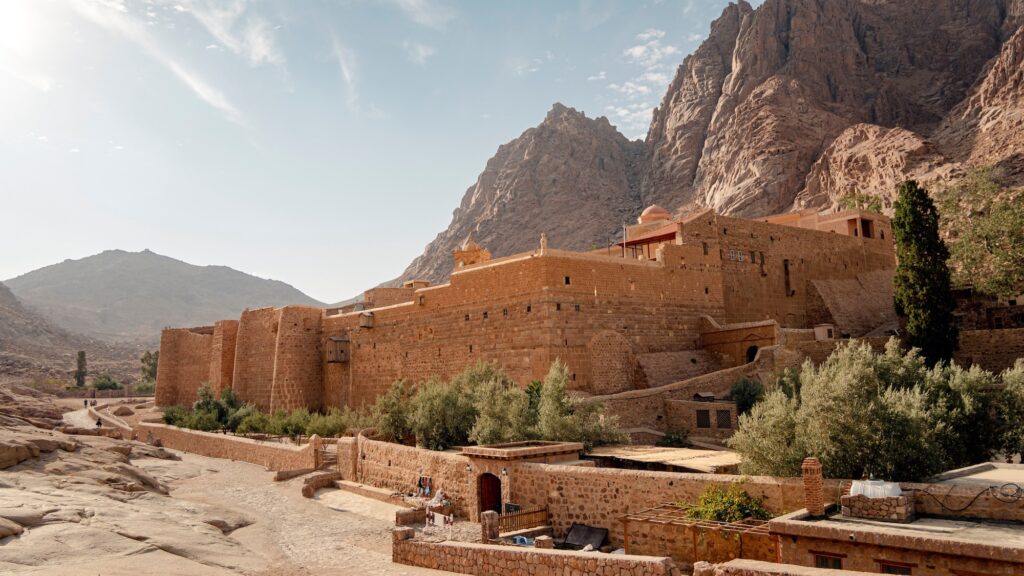
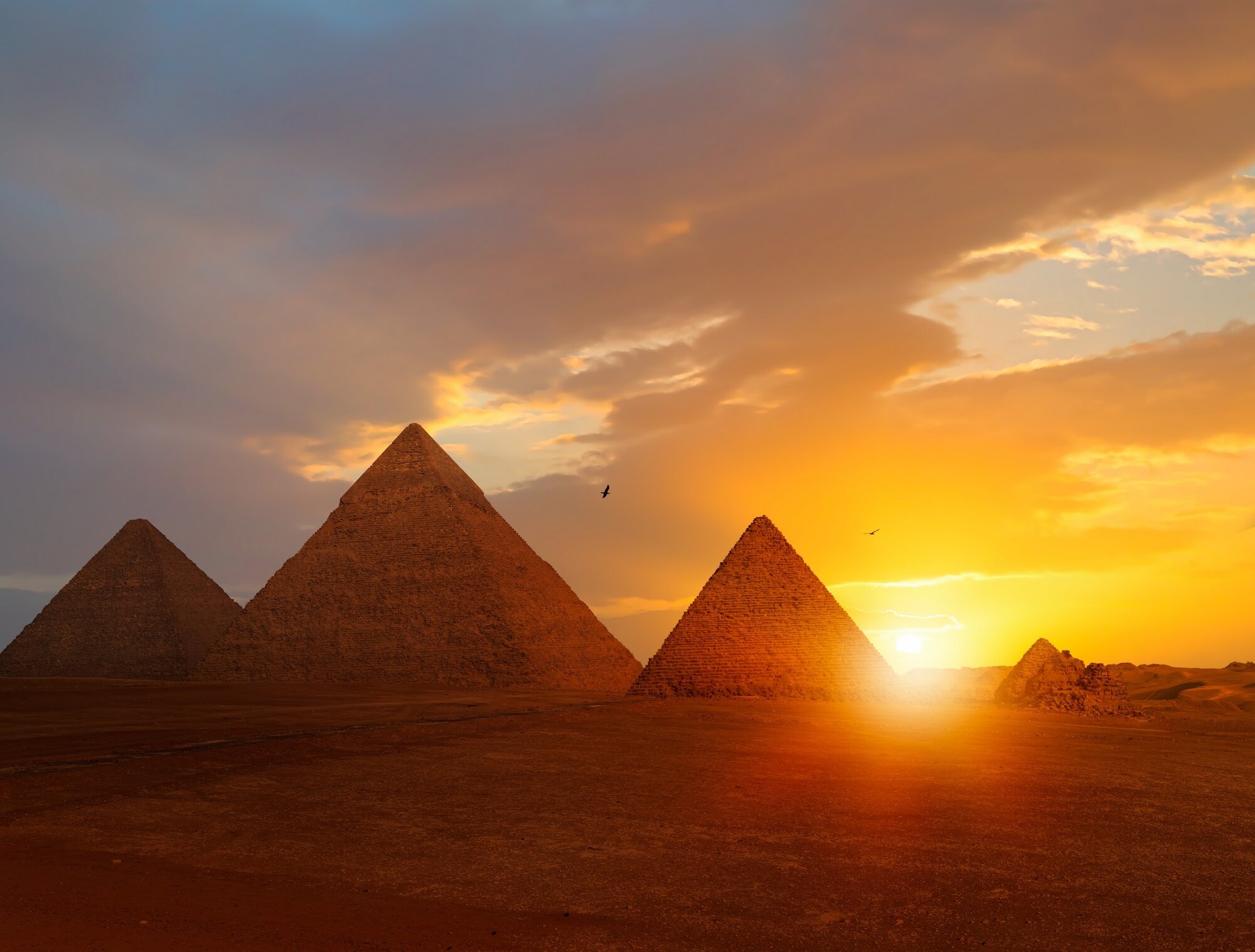
Many travelers combine Wadi El Seboua visits with comprehensive Egypt itineraries that include other UNESCO World Heritage sites throughout the country. Popular combinations include the Pyramids of Giza, the temples of Luxor and Karnak, and the monastery of St. Catherine in Sinai. We design personalized itineraries that balance major attractions with off-the-beaten-path discoveries like Wadi El Seboua.
Our decades of experience in Egyptian tourism allow us to create seamless connections between remote sites and major tourist centers. Private transportation, qualified guides, and 24/7 customer support ensure smooth travel experiences whether you’re visiting famous monuments or hidden archaeological treasures.
Cultural Impact and Modern Legacy
The successful preservation of Wadi El Seboua has influenced international approaches to cultural heritage protection worldwide. The techniques developed during the Nubian rescue operation have been applied to threatened monuments in other countries, establishing precedents for international cooperation in heritage conservation. The project demonstrated that complex archaeological sites could be successfully relocated without losing their essential character or historical significance.
Today, the temples continue serving their original purpose as centers for cultural education and spiritual reflection. Visitors from around the world experience the same sense of wonder that inspired ancient pilgrims, while modern conservation techniques ensure these monuments will survive for future generations. The site exemplifies how traditional craftsmanship and contemporary preservation science can work together to protect humanity’s shared cultural legacy.
Frequently Asked Questions
How do I reach the Temple of Wadi El Seboua?
Lake Nasser cruises provide the primary access method, departing from Aswan with professional tour operators offering 3-7 day itineraries.
What makes these temples different from other Egyptian monuments?
The relocation story, Christian conversion history, and intimate cruise-only access create a unique archaeological experience unavailable elsewhere.
Are the temples wheelchair accessible?
Limited accessibility exists due to ancient construction and remote location, though cruise operators can accommodate specific mobility needs with advance notice.
How long should I plan for visiting the temple complex?
Most guided tours require 2-3 hours to explore both temples, the sphinx avenue, and surrounding archaeological features thoroughly.
What’s the best time of year for temple visits?
November through March offers optimal weather conditions, though Lake Nasser cruises operate year-round with appropriate seasonal precautions.
Can I visit Wadi El Seboua without joining a cruise?
Overland access is extremely limited due to remote desert location; cruise packages provide the most reliable and comfortable visiting option.
Are photography permits required inside the temples?
No special permits are needed for personal photography, though professional commercial photography may require advance approval from Egyptian authorities.
How were the temples moved during the dam project?
UNESCO teams dismantled structures block by block, documenting each piece’s position before reconstructing the monuments 4 kilometers (2.5 miles) away.
What other sites can I visit during a Lake Nasser cruise?
Most itineraries include Abu Simbel, Kalabsha Temple, Beit el-Wali, and other Nubian monuments relocated during the same preservation campaign.
Is the site suitable for children and families?
Yes, though the remote location and desert environment require appropriate preparation including sun protection, water, and comfortable walking equipment.
What should I bring for a temple visit?
Essential items include water, sun hat, comfortable shoes, flashlight for interior chambers, and camera for documenting the remarkable preservation story.
How does Wadi El Seboua compare to Abu Simbel?
While smaller in scale, Wadi El Seboua offers more intimate experiences with fewer crowds and unique insights into temple relocation techniques.
Design Your Custom Tour
Explore Egypt your way by selecting only the attractions you want to visit