Things to do in Taba
Nestled between desert mountains and the sparkling Gulf of Aqaba, Taba offers something remarkable.
This unique Egyptian resort town sits at the crossroads of three nations, where Israel, Jordan, and Egypt meet on the shores of the Red Sea. Unlike the bustling beach destinations of Sharm El Sheikh or Hurghada, Taba maintains an intimate, almost untouched character that attracts travelers seeking both relaxation and adventure. The dramatic landscape combines pristine coral reefs with towering desert canyons, creating opportunities for world-class diving one day and desert exploration the next.
Ancient history mingles with modern luxury here, from medieval crusader fortresses rising from the sea to contemporary resorts dotting the coastline. Whether you’re planning a peaceful beach getaway or an action-packed desert adventure, Taba delivers experiences you won’t find anywhere else in Egypt.
What Makes Taba Special: Location and Natural Beauty
Taba’s position on the Sinai Peninsula creates a unique microclimate and landscape unlike anywhere else in Egypt. The town stretches along 40 kilometers (25 miles) of coastline where the desert literally meets the sea, creating dramatic contrasts that photographers and nature lovers cherish.
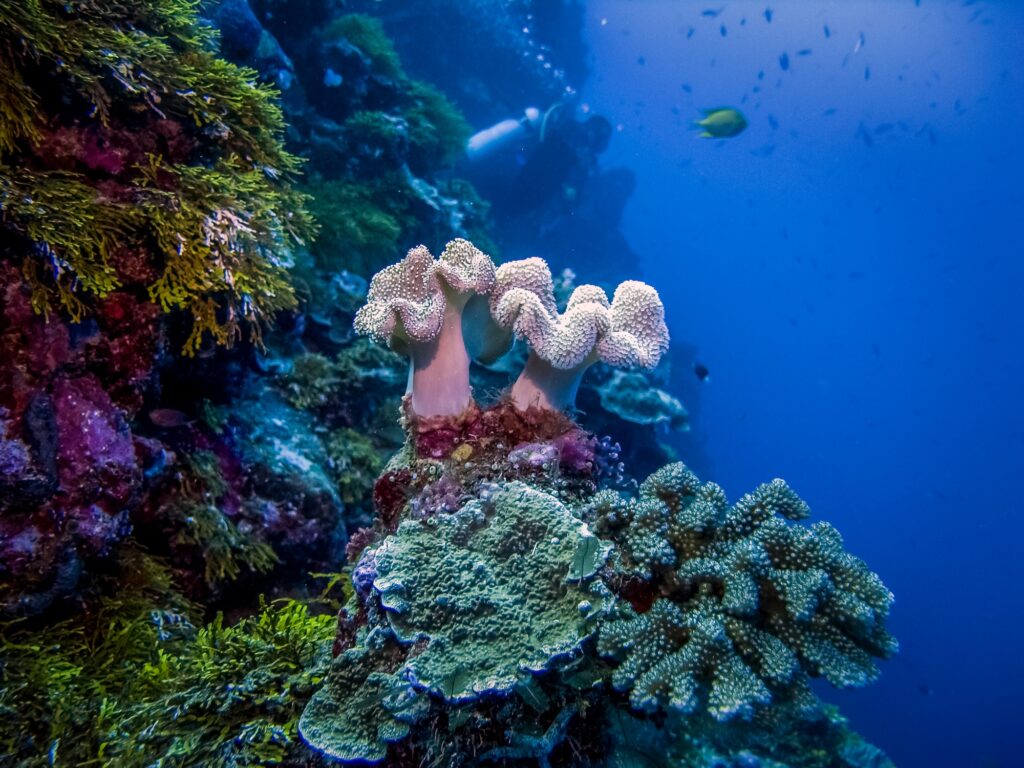
The coral reefs here rank among the Red Sea’s most pristine and accessible. Water temperatures hover around 25°C (77°F) year-round, perfect for swimming, snorkeling, and diving. Visibility often exceeds 30 meters (100 feet), revealing underwater gardens teeming with tropical fish, rays, and occasional dolphin pods.
Beyond the coastline, the landscape transforms into rugged mountains and hidden valleys. The famous Colored Canyon lies just 90 minutes away, where millions of years of geological activity created rainbow-striped rock formations that seem almost otherworldly.
Border Town Advantages
Being Egypt’s northernmost Red Sea resort brings practical benefits. Taba sits just 7 kilometers (4.3 miles) from Eilat, Israel, making it incredibly accessible for travelers arriving from multiple directions. The proximity to Jordan also means easy day trips to Petra, one of the world’s most spectacular archaeological sites.
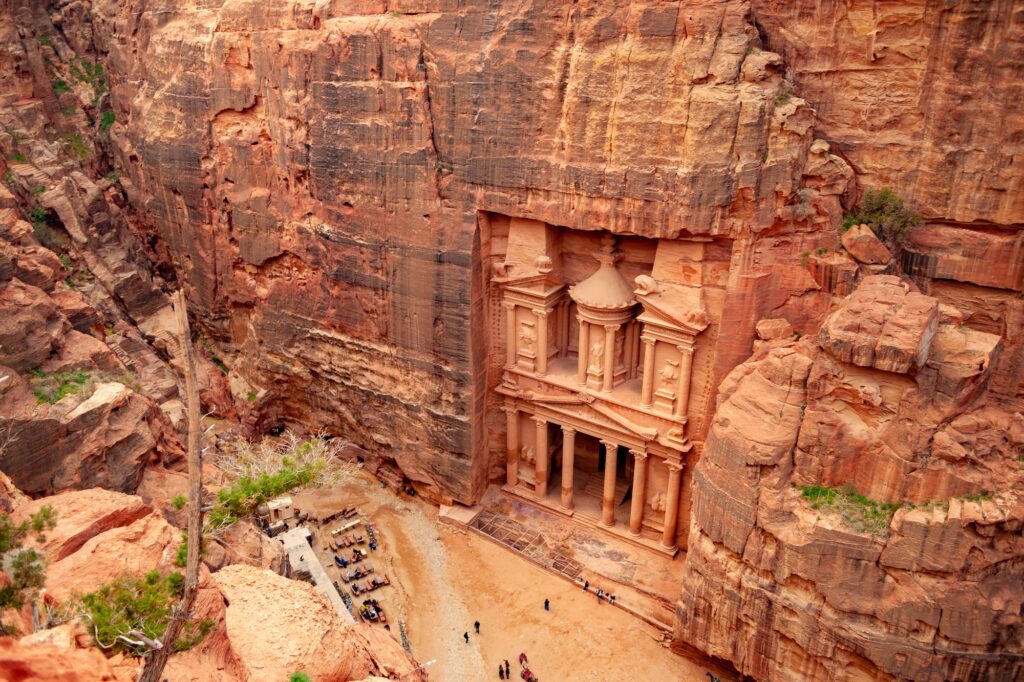
This border location historically made Taba a strategic trading post, and today it offers a fascinating blend of Bedouin, Egyptian, and international influences that create a genuinely multicultural atmosphere.
Climate and Timing
Taba enjoys over 360 days of sunshine annually, with winter temperatures reaching comfortable 23°C (73°F) during the day and cooling to 15°C (59°F) at night. Summer temperatures can reach 38°C (100°F), but the dry desert air and constant sea breezes make it surprisingly pleasant, especially for water activities.
The shoulder seasons of October through December and March through May offer ideal conditions for both beach relaxation and desert exploration, with perfect temperatures for hiking and outdoor activities.
Top Attractions and Historical Sites
Castle Zaman stands as Taba’s most photographed landmark, though calling it a castle is somewhat misleading. This architectural marvel, built in the 1980s, recreates medieval Islamic design using traditional materials and construction methods. Perched dramatically on a cliff overlooking the Gulf of Aqaba, it houses a restaurant and cultural center that offers panoramic views extending across three countries.
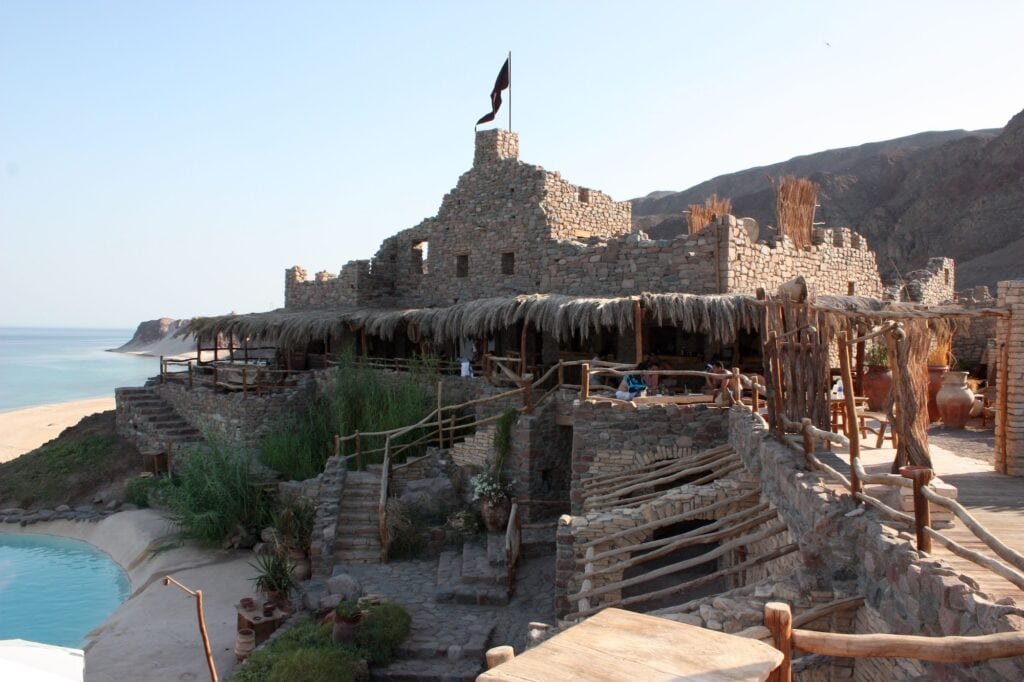
The real historical treasure lies just offshore on Pharaoh’s Island, where the ruins of Salah El-Din Castle remind visitors of the region’s strategic importance during the Crusades.
Pharaoh’s Island: A Medieval Marvel
Despite its name, Pharaoh’s Island has nothing to do with ancient Egypt’s pharaohs. The small coral island, accessible by a short boat ride or walking during low tide, hosts the impressive ruins of a Crusader fortress built in the 12th century. Saladin himself conquered this strategic outpost in 1183, and his forces expanded the fortifications to control the vital trade routes between Asia and Europe.
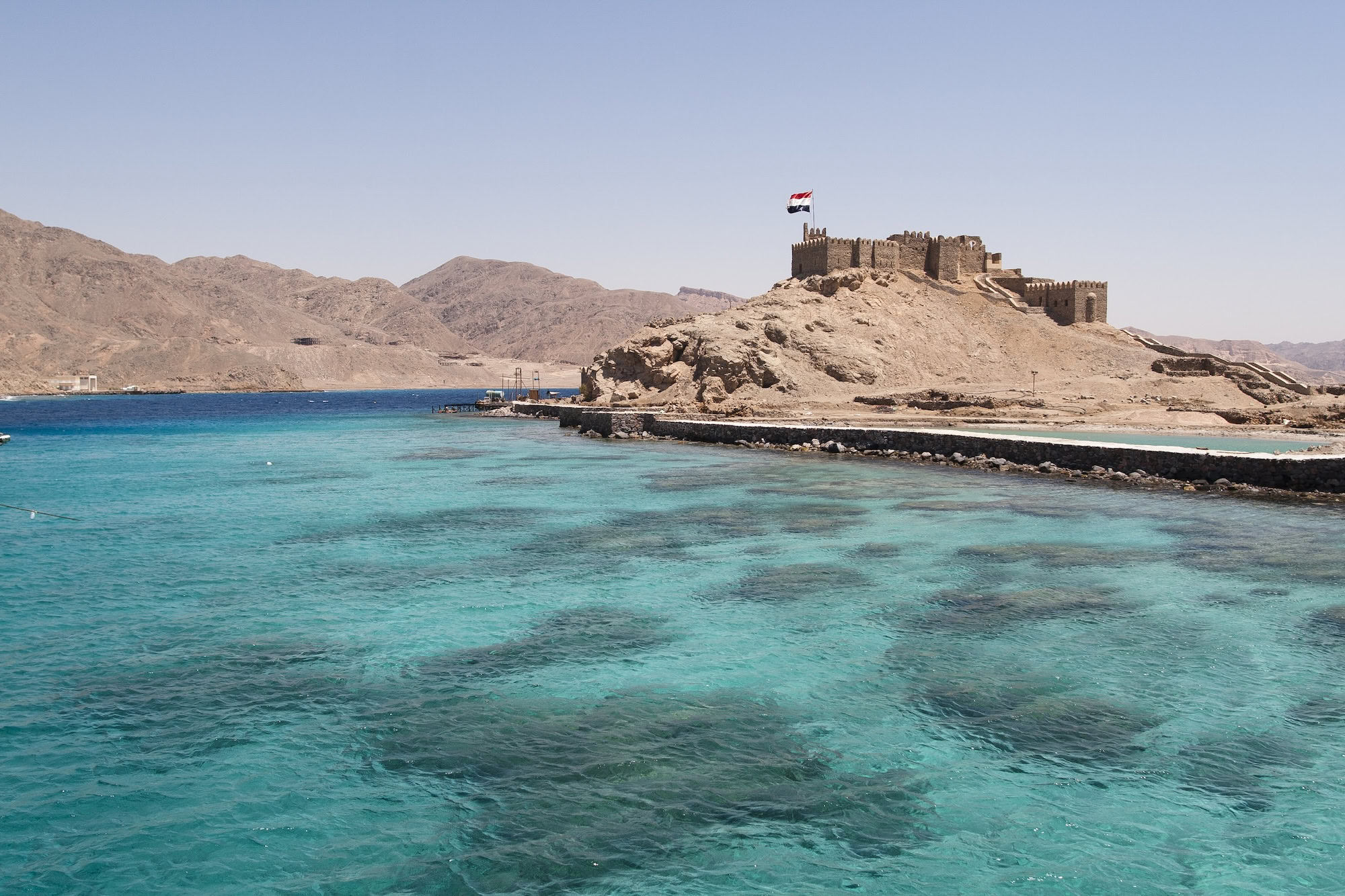
Walking through the restored sections, you’ll discover guardhouses, living quarters, and defensive walls that paint a vivid picture of medieval military architecture. The views from the castle’s highest points encompass the entire northern Red Sea, explaining why this small island commanded such strategic importance.
Taba Heights Development
The modern resort complex of Taba Heights represents contemporary Egypt’s vision for luxury tourism. This integrated development includes championship golf courses, multiple hotels, and extensive recreational facilities set against the dramatic backdrop of desert mountains.
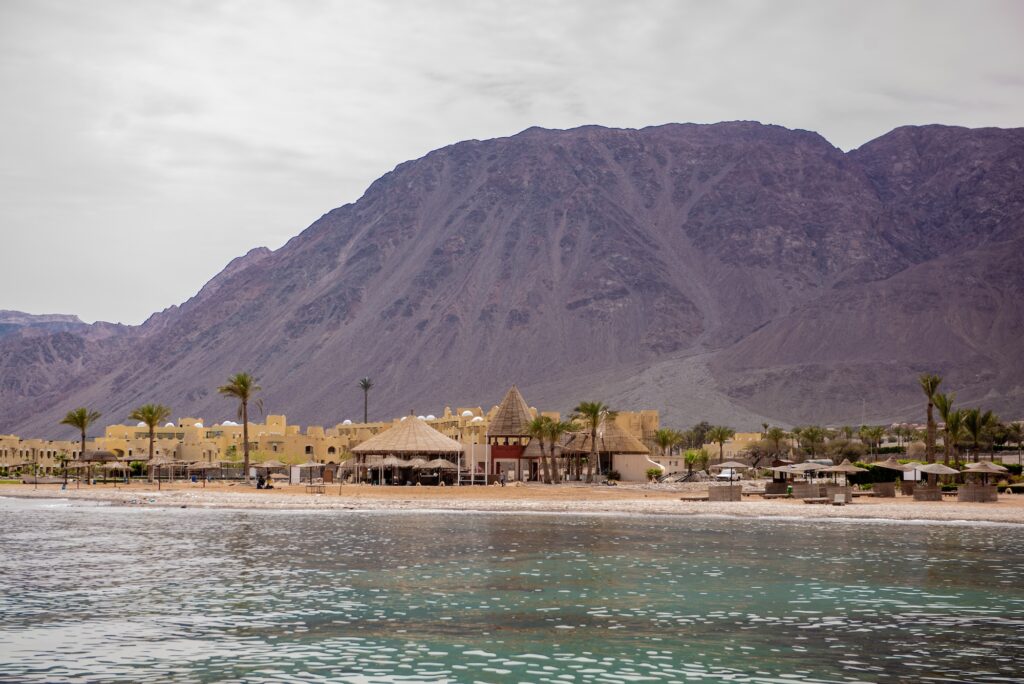
While some travelers prefer Taba’s original, more authentic fishing village atmosphere, Taba Heights offers world-class amenities including spa services, international dining, and organized activities that cater to families and luxury travelers.
Adventure Activities: Desert and Sea
The dual landscape around Taba creates adventure opportunities that few destinations can match. Morning snorkeling sessions can be followed by afternoon desert safaris, offering travelers the chance to experience two completely different ecosystems in a single day.
Colored Canyon tops most adventure lists for good reason. This geological wonder, carved by flash floods over millions of years, creates a natural cathedral of striped sandstone walls reaching 40 meters (130 feet) high. The hiking trail through the canyon requires moderate fitness levels but rewards visitors with some of Sinai’s most spectacular scenery. The rocks display incredible color variations—reds, yellows, purples, and oranges—that change dramatically depending on the angle of sunlight.
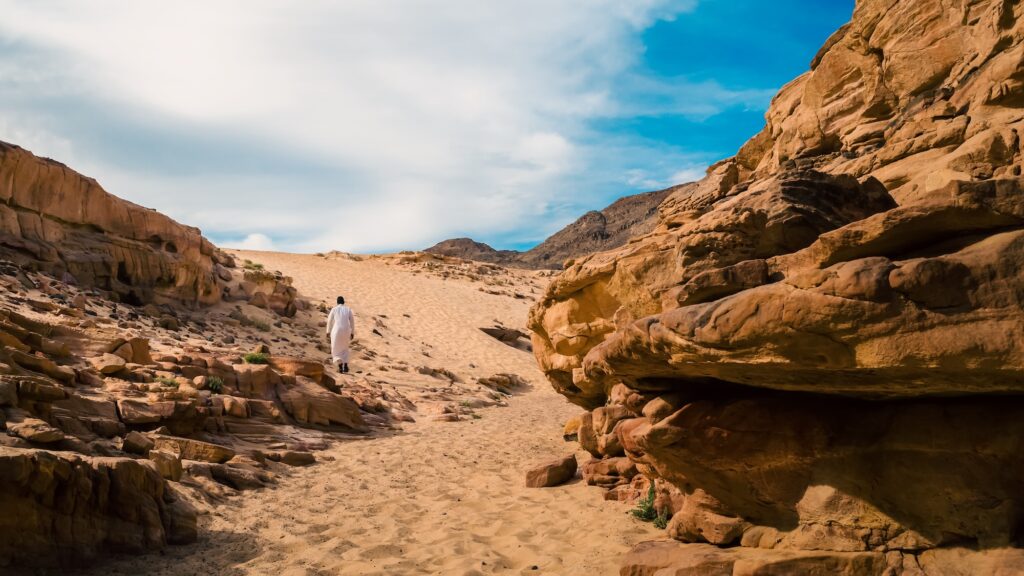
White Canyon offers a different experience, with smooth, light-colored limestone formations that create an almost lunar landscape. This location is particularly popular with photographers during the golden hour when the rock formations glow with warm light.
Marine Adventures
Taba’s coral reefs extend directly from the shore, making it one of Egypt’s most accessible diving and snorkeling destinations. The Coral Island Marine Park protects the waters around Pharaoh’s Island, ensuring pristine conditions for underwater exploration.
Popular dive sites include the Coral Gardens, where beginner and intermediate divers can explore shallow reefs teeming with angelfish, parrotfish, and butterfly fish. More experienced divers often head to the Power Station area, where strong currents attract larger marine life including barracuda, tuna, and seasonal whale sharks.
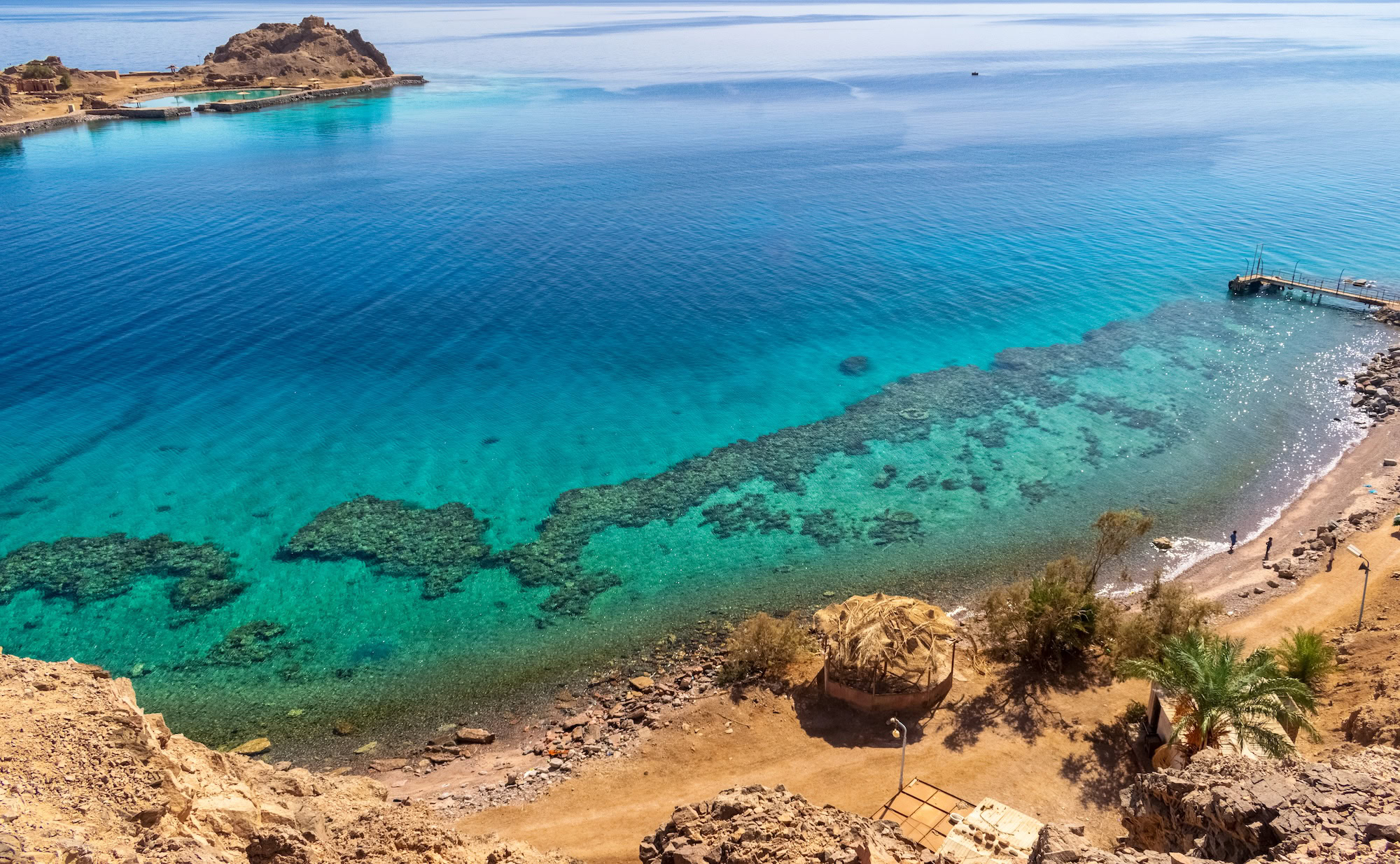
Snorkeling requires no special certification and can be enjoyed directly from many beaches. Equipment rental is readily available, and local guides can direct you to the best spots based on current conditions and your experience level.
Fjord Bay: Taba’s Natural Wonder
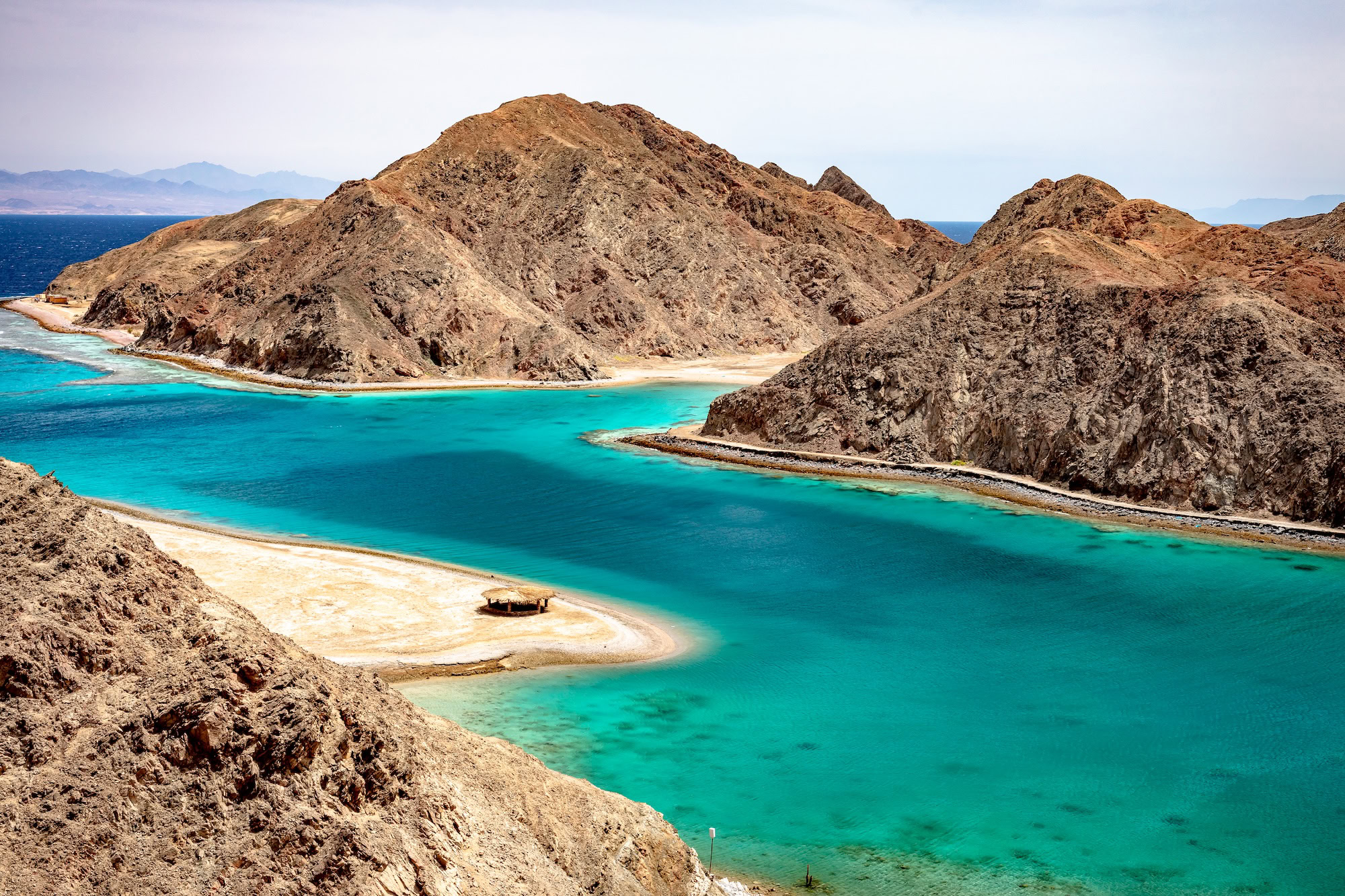
One of Taba’s most spectacular natural highlights is Fjord Bay, located just south of the town along the coastal road toward Nuweiba. This dramatic inlet was formed by seismic activity thousands of years ago, creating a deep, narrow fjord framed by towering desert cliffs that plunge directly into crystal-clear water.
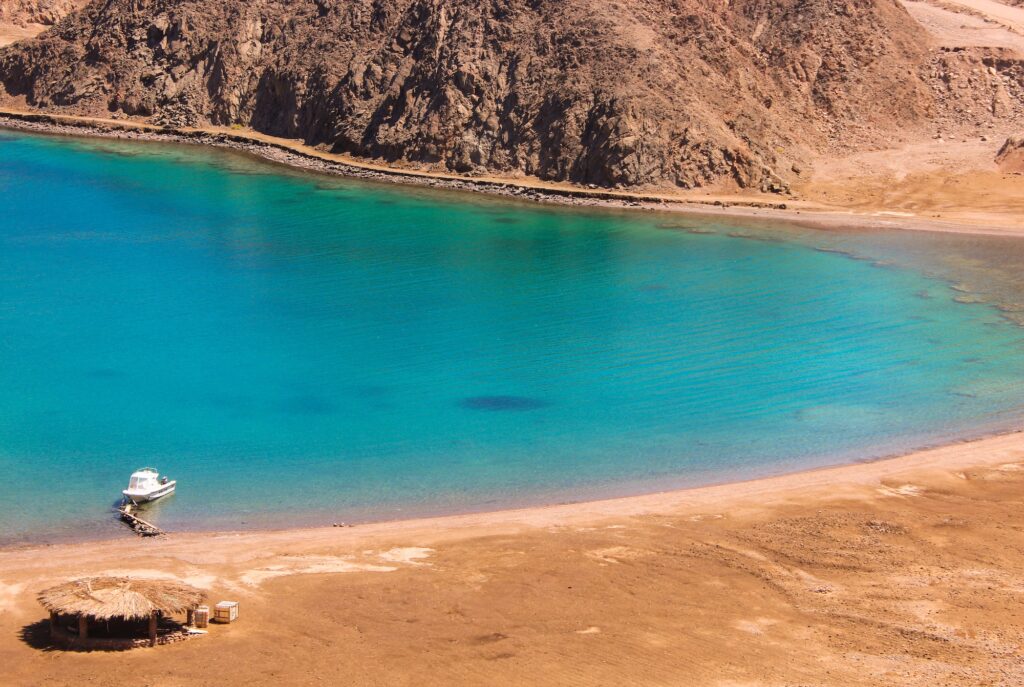
The seabed drops steeply only a few meters from shore, making it a renowned dive site for experienced divers. Depths exceed 20 meters (65 feet) close to the coastline, attracting larger pelagic species alongside vibrant coral formations. Even for non-divers, Fjord Bay offers breathtaking scenery, calm turquoise waters, and one of the most photogenic coastal landscapes in the Sinai Peninsula. Its combination of geological drama and rich marine life makes it a must-see stop for travelers seeking something truly distinctive in Taba.
Bedouin Cultural Experiences
The Sinai Peninsula has been home to Bedouin tribes for centuries, and many continue traditional desert lifestyles today. Cultural tours offer insights into this nomadic heritage through camel trekking, traditional meals, and storytelling sessions under star-filled desert skies.
These experiences go beyond tourist entertainment. Many Bedouin families have developed sustainable tourism initiatives that provide income while preserving cultural traditions. Visitors learn about desert survival techniques, traditional crafts, and the deep connection between Bedouin culture and the harsh but beautiful Sinai landscape.
Planning Your Taba Visit
Taba International Airport handles direct flights from major European cities during peak season, typically November through April. However, most travelers find it more convenient and economical to fly into Sharm El Sheikh Airport, then take the scenic 2.5-hour drive north along the coast.
The drive itself becomes part of the experience, passing through diverse landscapes from coral-studded bays to towering desert mountains. We always recommend having an experienced driver familiar with the route, as road conditions and border checkpoints can vary.
Accommodation Options
Taba’s accommodation ranges from intimate boutique hotels built into cliffsides to expansive resort complexes with every modern amenity. The original Taba area maintains a more authentic, low-key atmosphere, while Taba Heights caters to travelers seeking luxury and extensive facilities.
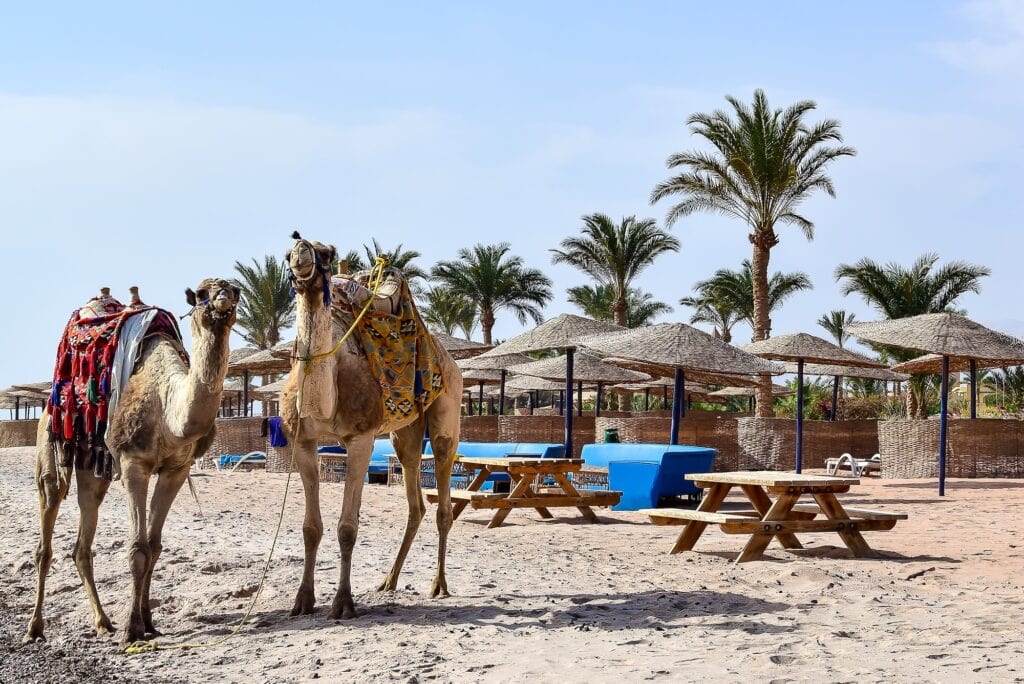
Many properties offer direct beach access and house reefs perfect for snorkeling. The more remote locations provide ultimate privacy but require vehicles for restaurant access and shopping. Resort properties typically include multiple dining options and organized activities, making them ideal for families or travelers who prefer convenience.
Getting Around
Taba is compact enough to explore on foot within each distinct area, but traveling between locations requires transportation. Rental cars provide maximum flexibility for desert excursions and exploring multiple beaches, but require familiarity with local driving conditions.
Organized tours eliminate transportation concerns while providing expert guides who enhance the experience with historical context and local knowledge. At Egypt Tours Plus, our private vehicles and experienced drivers ensure comfortable, safe travel while our guides share insights you won’t find in guidebooks.
Many hotels offer shuttle services to major attractions, though schedules may not align with optimal viewing times for photography or avoiding crowds.
Day Trips from Taba: Expanding Your Horizons
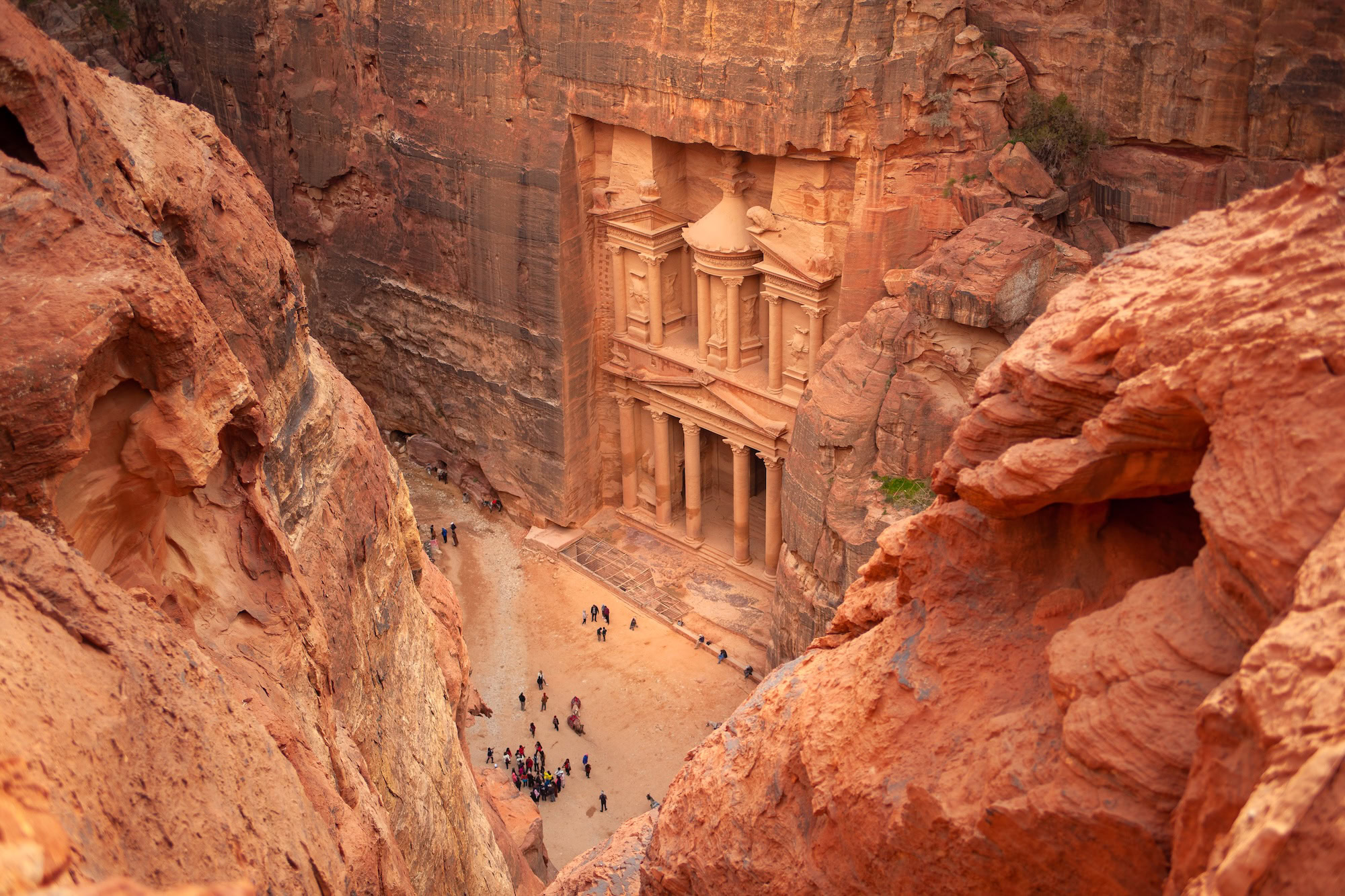
Taba’s border location makes it an excellent base for exploring multiple countries and some of the Middle East’s most spectacular attractions. Petra, Jordan’s rose-red city, sits just 2.5 hours away and can be visited on an intensive day trip, though we recommend at least two days to properly explore this UNESCO World Heritage Site.
Petra: The Rose-Red City
The journey to Petra involves crossing the Israeli border at Taba, traveling through Eilat, then entering Jordan at the Wadi Araba crossing. While this sounds complicated, organized tours handle all border formalities and provide expert guides familiar with the route.
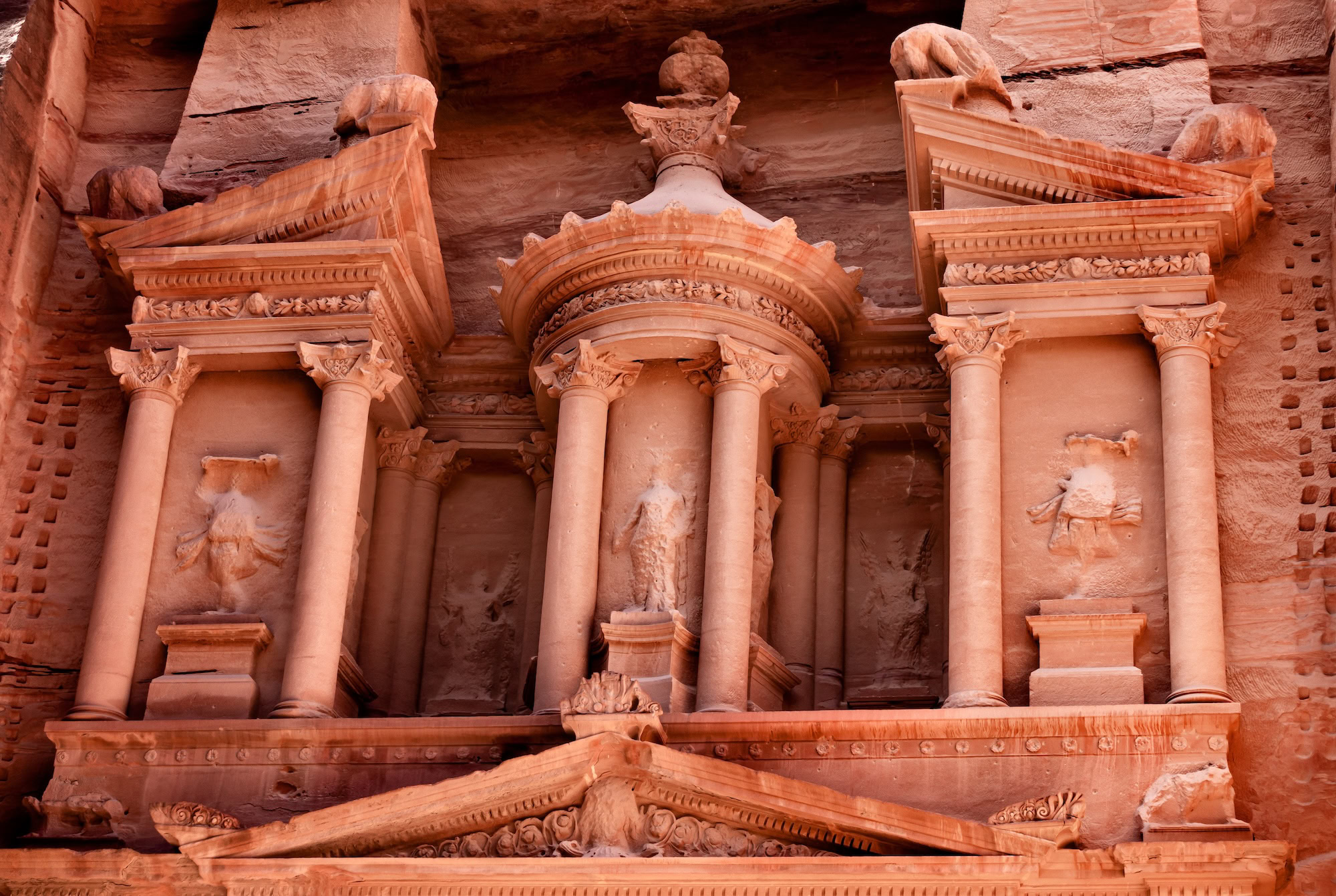
Petra’s main attractions—the Treasury, Monastery, and Royal Tombs—require significant walking over uneven terrain. The site covers 264 square kilometers (102 square miles), though most visitors focus on the central area accessible via the mile-long Siq canyon. The dramatic entrance through narrow rock walls that suddenly open to reveal the Treasury’s ornate facade creates an unforgettable first impression.
St. Catherine’s Monastery and Mount Sinai
Egypt’s own spiritual treasures lie within reach of Taba. St. Catherine’s Monastery, built in the 6th century at the base of Mount Sinai, houses one of the world’s oldest continuously operating libraries and contains priceless religious manuscripts and icons.
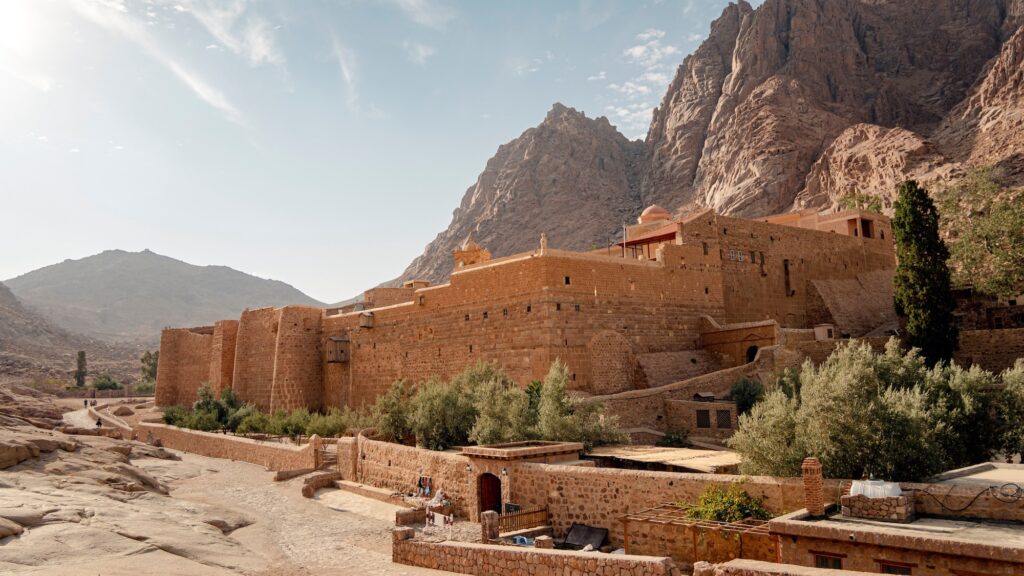
The predawn hike up Mount Sinai allows visitors to experience sunrise from the peak where Moses reportedly received the Ten Commandments. The 2.5-hour climb follows ancient pilgrimage routes and rewards early risers with panoramic views across the Sinai Peninsula to the Red Sea.
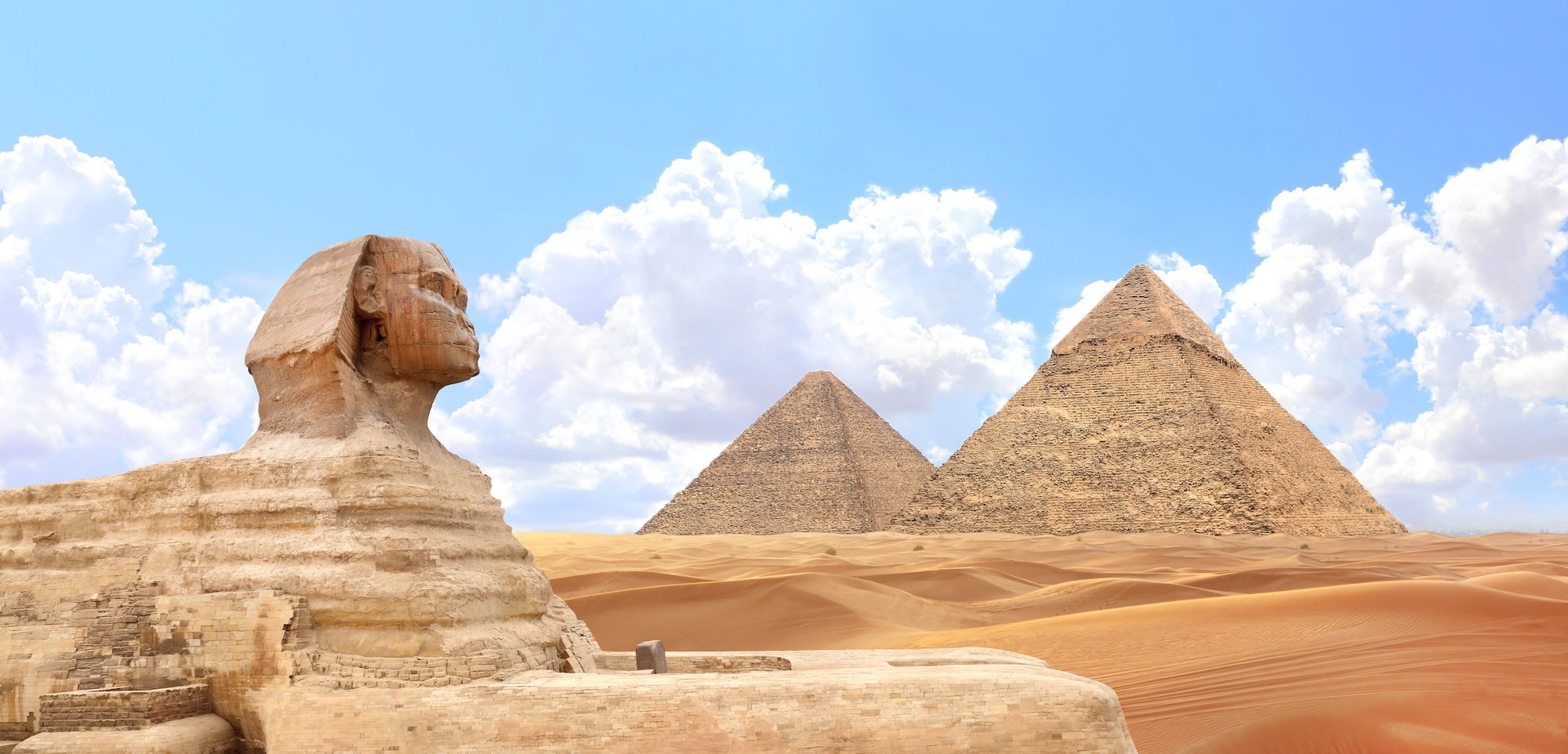
Cairo and the Pyramids
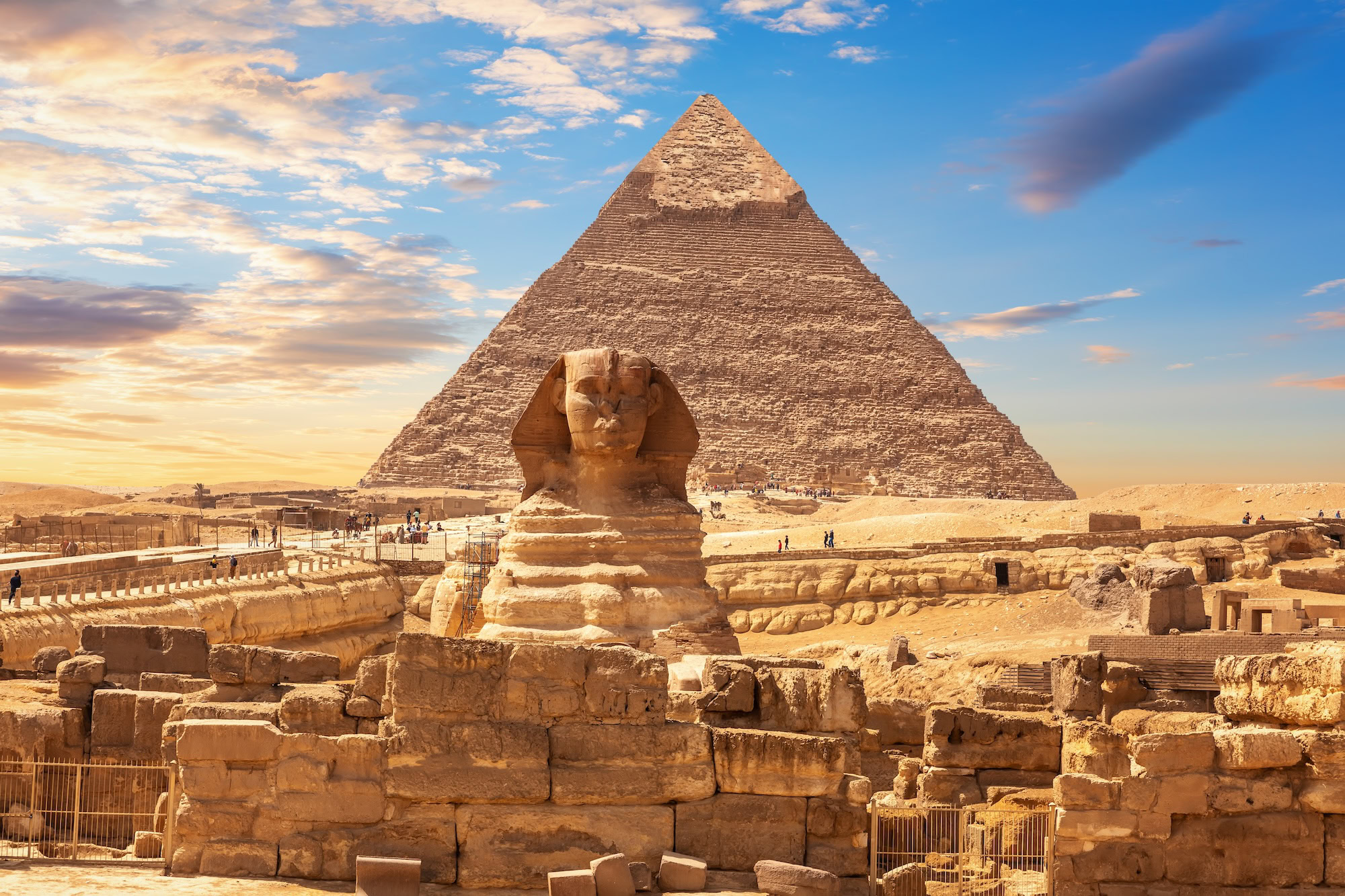
While distant, Cairo remains accessible from Taba for travelers wanting to combine beach relaxation with Egypt’s most famous monuments. The journey requires either domestic flights or a full day of overland travel, making it suitable for longer stays or as part of comprehensive Egypt itineraries.
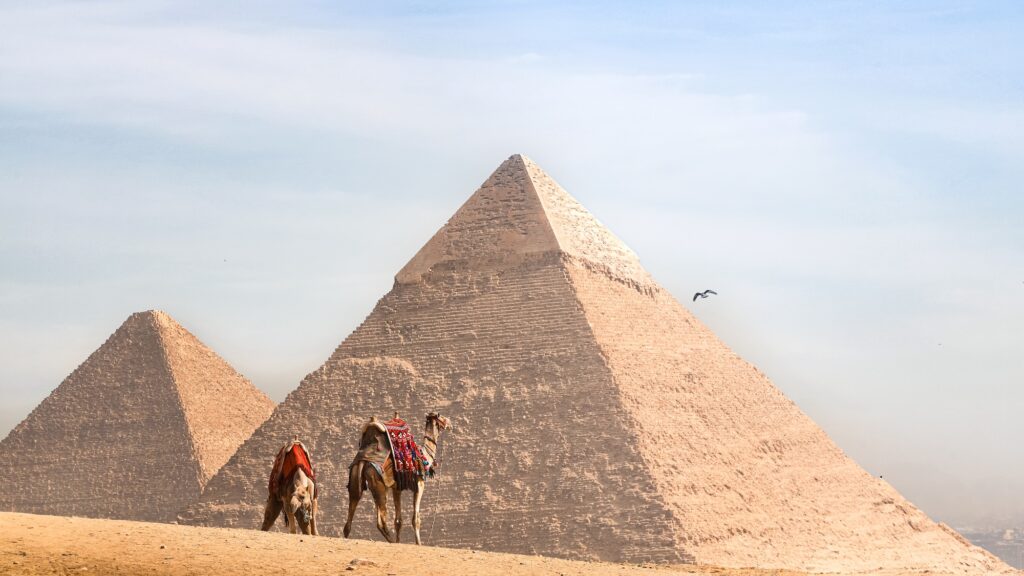
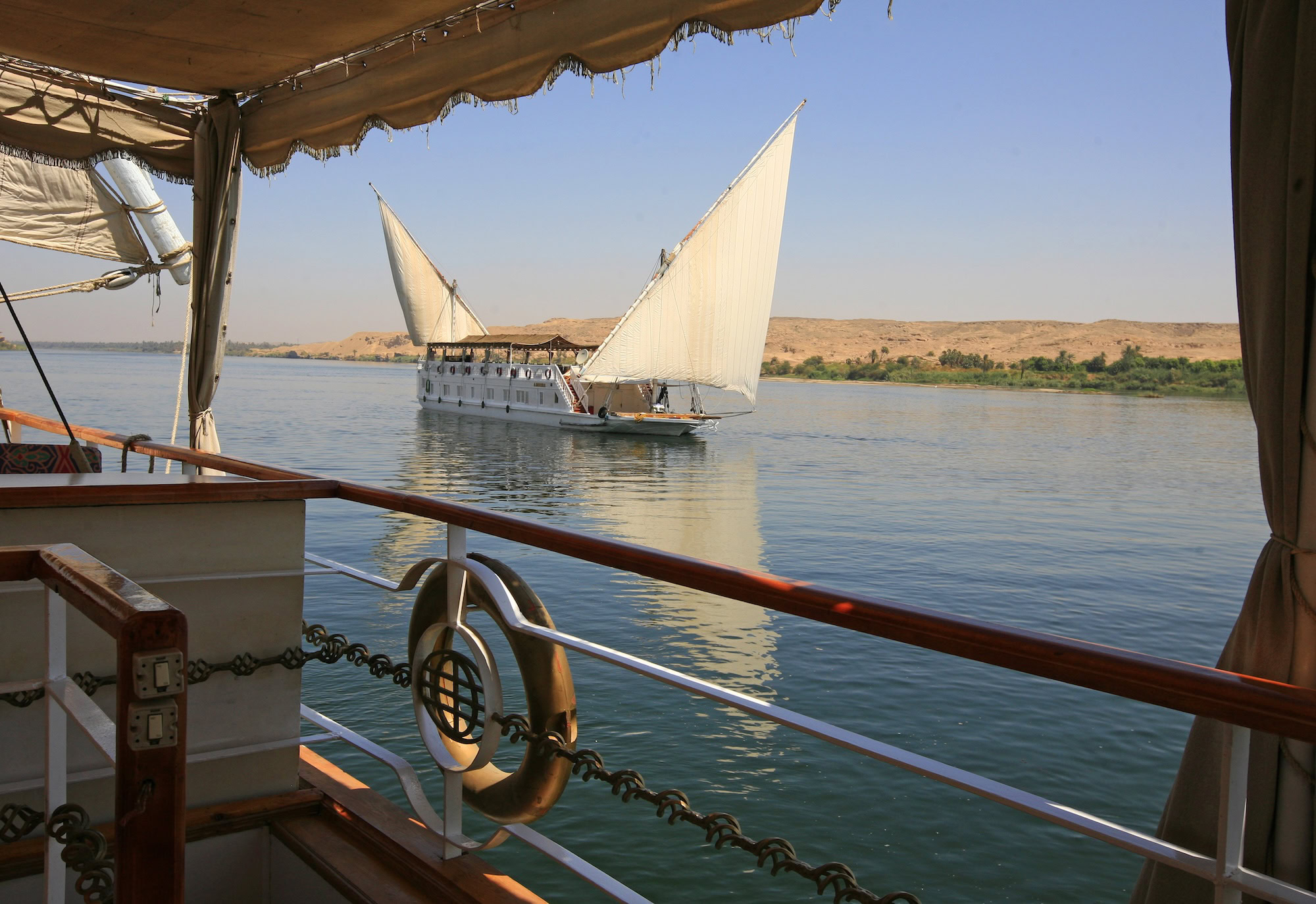
Our expertly crafted packages often combine several days in Taba with Nile cruise experiences and Cairo exploration, allowing travelers to experience Egypt’s full spectrum from ancient wonders to natural beauty.
What to Eat: Taba’s Culinary Scene
Taba’s dining scene reflects its multicultural location with influences from Egyptian, Bedouin, Mediterranean, and international cuisines. Fresh seafood dominates many menus, with daily catches of Red Sea fish prepared in traditional Egyptian styles or international preparations.
Practical Information for Your Visit
Taba’s unique border location requires some additional planning compared to other Egyptian destinations. U.S. citizens need a valid passport and Egyptian visa, which can be obtained on arrival for tourist stays up to 30 days. The visa costs $25 USD and requires a passport valid for at least six months beyond your planned departure.
European Union citizens enjoy similar visa-on-arrival privileges, while many other nationalities can obtain visas through Egyptian consulates before travel. We always recommend checking current requirements with Egyptian authorities, as policies occasionally change.
Currency and Payments
The Egyptian Pound (EGP) is the official currency, though many tourist establishments accept U.S. dollars and euros. ATMs are available in major hotels and the main town areas, but cash remains essential for smaller vendors, tips, and transportation.
Credit cards are widely accepted in hotels and larger restaurants, but carry some cash for markets, local guides, and small purchases. Bargaining is expected in markets and for informal services, though hotel and restaurant prices are typically fixed.
Health and Safety Considerations
Taba is generally very safe for tourists, with low crime rates and a visible security presence focused on maintaining the area’s peaceful atmosphere. Standard travel precautions apply: secure valuables, stay aware of surroundings, and follow local guidance for desert and water activities.
The desert environment requires sun protection, adequate hydration, and appropriate clothing. Even in winter, the sun can be intense at midday, making sunscreen and hats essential. Desert temperature variations mean carrying layers for morning and evening activities.
Water activities require basic safety awareness. Strong currents can develop quickly in some areas, and marine life, while generally harmless, should be observed respectfully. Professional dive operators maintain high safety standards and provide proper equipment and briefings.
At Egypt Tours Plus, we prioritize traveler safety through experienced guides, reliable transportation, and 24/7 support throughout your journey. Our decades of expertise in the region ensure you can explore confidently while focusing on creating lasting memories.
Frequently Asked Questions
How long should I stay in Taba?
Three to five days allows time for both relaxation and adventure activities.
What’s the best time to visit Taba?
October through April offers ideal temperatures for all activities.
Can I visit Petra from Taba in one day?
Yes, though it requires early departure and a long day of travel.
Is Taba suitable for families with children?
Absolutely. Resort facilities, calm beaches, and cultural activities provide excellent family experiences.
What should I pack for desert excursions?
Comfortable hiking shoes, sun protection, layers for temperature changes, and plenty of water.
How far is Taba from other Egyptian destinations?
Sharm El Sheikh is 2.5 hours south, while Cairo requires domestic flights.
Are there direct flights to Taba?
Limited seasonal flights operate. Most travelers fly to Sharm El Sheikh instead.
What water activities are available?
Snorkeling, diving, swimming, boat trips, and fishing excursions in pristine marine environments.
Do I need special permits for desert activities?
Organized tours handle necessary permits. Independent travelers should check specific area requirements.
What makes Taba different from other Red Sea resorts?
Intimate scale, desert-meets-sea landscape, border location, and unique blend of natural beauty with history.
Can I cross into Israel from Taba?
Yes, the border crossing operates daily, though requirements vary by nationality.
What currency should I bring to Taba?
Egyptian pounds are preferred, though U.S. dollars are widely accepted in tourist areas.
Design Your Custom Tour
Explore Egypt your way by selecting only the attractions you want to visit