Solo Female Travel in Egypt: Safety, Culture, and Authentic Adventures
Egypt calls to women travelers with unmatched allure.
For women considering solo travel in this land of ancient wonders, questions about safety, cultural expectations, and authentic experiences naturally arise. The reality differs significantly from social media misconceptions. While cultural awareness and practical preparation matter, millions of women explore Egypt independently each year, discovering transformative experiences along the Nile, in bustling Cairo markets, and beneath the shadow of pyramids. Modern Egypt balances deep traditions with growing tourism infrastructure designed to welcome female travelers.
Our decades of guiding women through Egypt reveal that preparation and local expertise transform concerns into confidence, making solo adventures both safe and extraordinary.
Essential Safety Strategies for Women Traveling Alone
Women traveling solo in Egypt benefit most from understanding local dynamics rather than avoiding them entirely.
Tourist Areas vs Local Neighborhoods
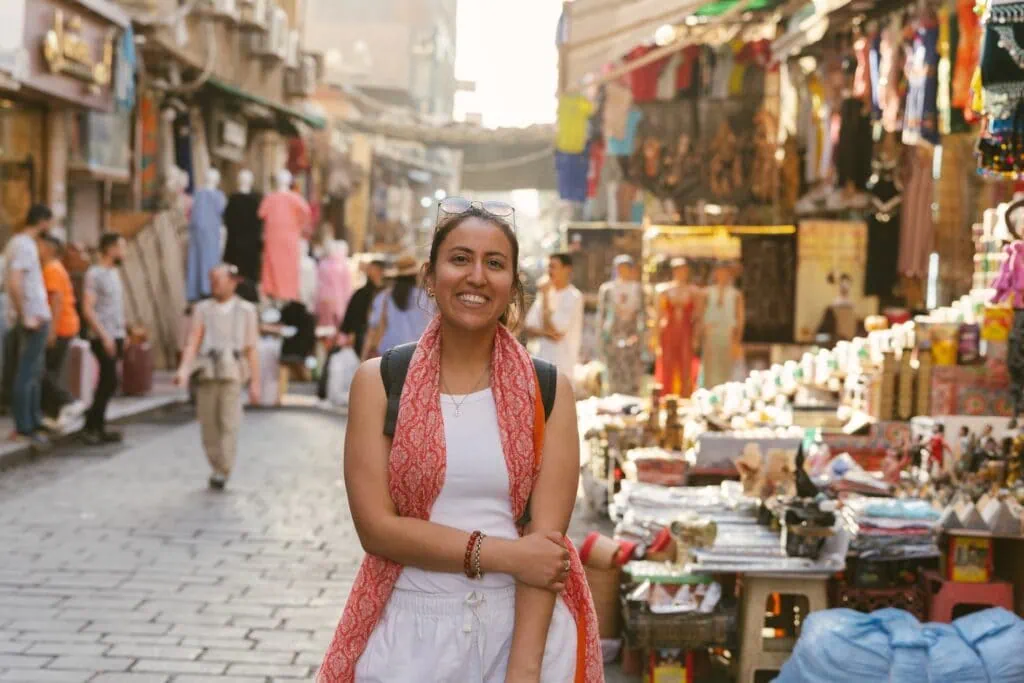
Cairo’s Khan el-Khalili bazaar, Luxor’s Temple of Karnak, and Aswan’s Nubian villages maintain different atmospheres for solo female travelers. Tourist zones like Hurghada’s resort areas and Alexandria’s Mediterranean waterfront operate with heightened security awareness. Hotel staff, tour guides, and restaurant owners in these areas routinely assist female travelers.
Local neighborhoods require additional cultural sensitivity. Women walking alone through residential Cairo districts may attract curious attention, though genuine threats remain minimal. Evening strolls work best in well-lit tourist areas rather than unmarked side streets.
Transportation and Accommodation Wisdom
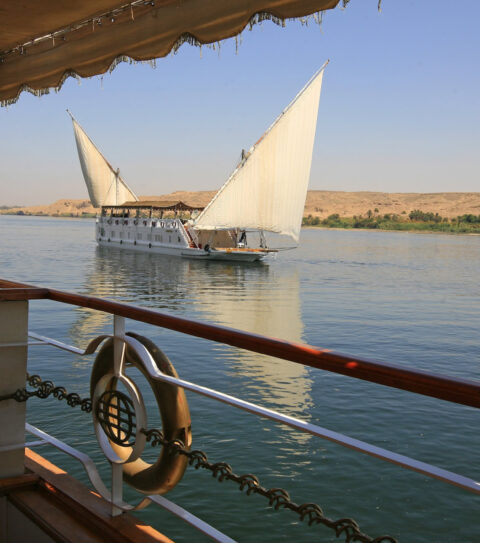
Modern ride-sharing through apps like Uber and Careem provides tracked, cashless transportation options throughout major Egyptian cities. Traditional taxis work well when arranged through hotels or tour operators. Nile cruise ships offer secure, floating accommodation with fellow travelers and structured excursions.
Budget-conscious women find success in female-only hostel dormitories or established guesthouses with strong online reviews. Private rooms in family-run hotels often provide local insights while maintaining comfort standards.
Communication and Emergency Preparedness
Egyptian tourism police, identifiable by their distinctive uniforms, station themselves at major attractions specifically to assist international visitors. Saving their contact information alongside your embassy details creates essential backup support.
Learning basic Arabic greetings demonstrates respect while “La, shukran” (No, thank you) handles persistent vendors politely but firmly.
Cultural Respect and Dress Codes Made Simple
Understanding Egyptian social norms enhances rather than restricts travel experiences.
Practical Dressing Guidelines
Modesty expectations vary significantly between locations and contexts. Beach resorts along the Red Sea coast welcome standard swimwear and casual clothing. Cairo’s Islamic Quarter and religious sites require covered shoulders, knees, and chest areas.
Lightweight, long-sleeved shirts and loose-fitting pants serve multiple purposes – sun protection, mosquito defense, and cultural appropriateness. Cotton fabrics work best in Egypt’s climate, while synthetic materials trap heat uncomfortably.
Scarves prove invaluable for visiting mosques, protecting against desert winds, and adding coverage when needed. Quality scarves also make excellent souvenirs from Egyptian markets.
Religious Site Etiquette
Mosque visits require headscarves for all women, regardless of faith. Most mosques provide loaner coverings, though bringing your own ensures availability and comfort. Shoes must be removed before entering prayer areas.
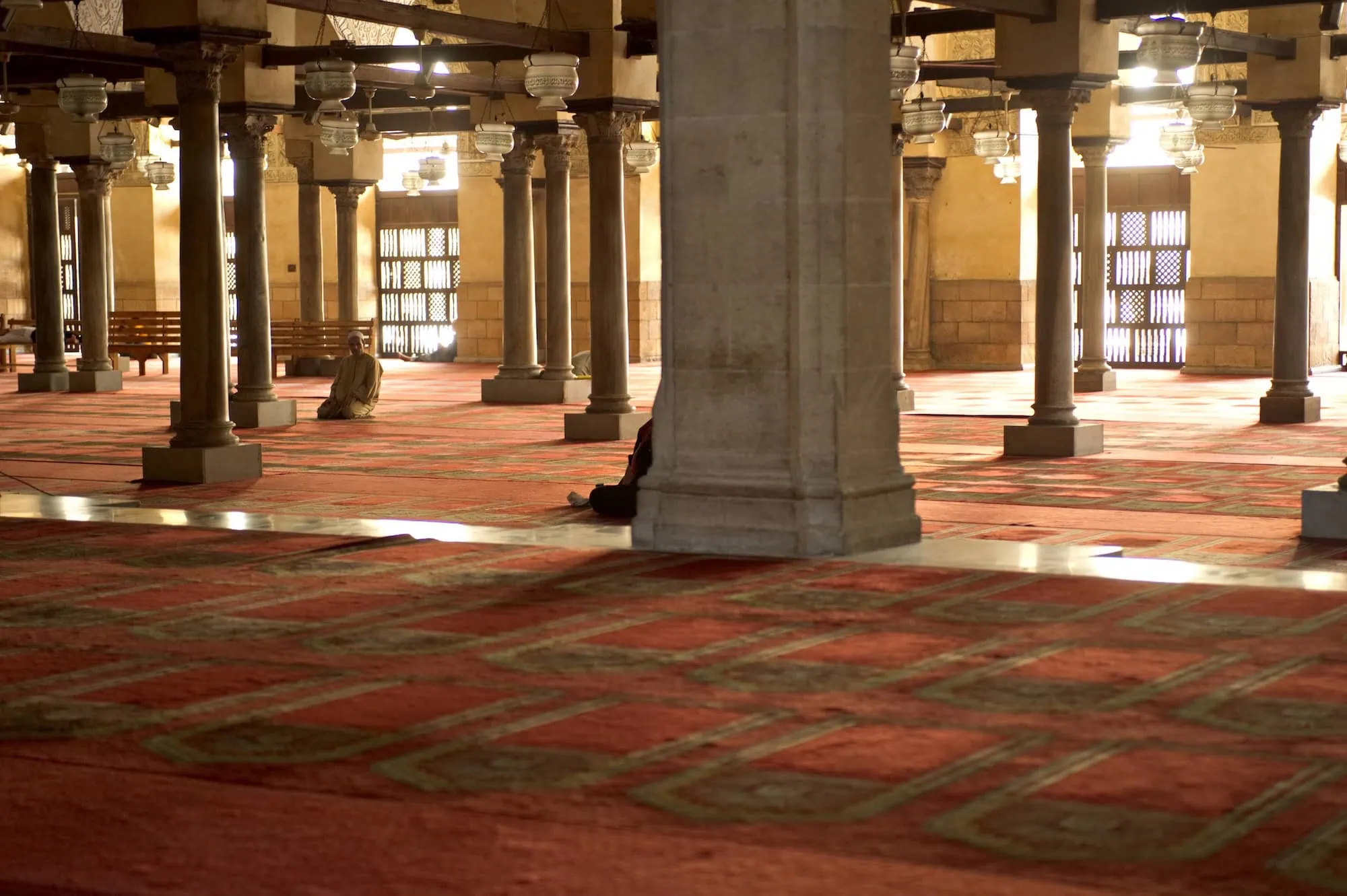
During Islamic prayer times, particularly Friday afternoon prayers, mosque areas become busier and more solemn. Respectful observation from designated tourist areas shows appreciation for religious practices.
Social Interaction Strategies
Egyptian hospitality traditions encourage conversation and assistance, especially toward visitors. Women travelers often receive invitations for tea, family dinners, or local celebrations. While genuine kindness predominates, maintaining polite boundaries prevents misunderstandings.
Direct eye contact with men varies in appropriateness depending on context – tourist interactions welcome normal eye contact, while conservative neighborhoods may interpret extended eye contact differently.
Top Destinations for Solo Female Exploration
Egypt’s diverse regions offer distinct advantages for independent women travelers. We’ve guided countless solo female adventurers through these remarkable destinations, each providing unique experiences and varying comfort levels.
Tourist infrastructure in major destinations like Cairo, Luxor, Aswan, and coastal cities provides extensive support networks. Lesser-known gems require additional planning but reward visitors with authentic cultural immersion.
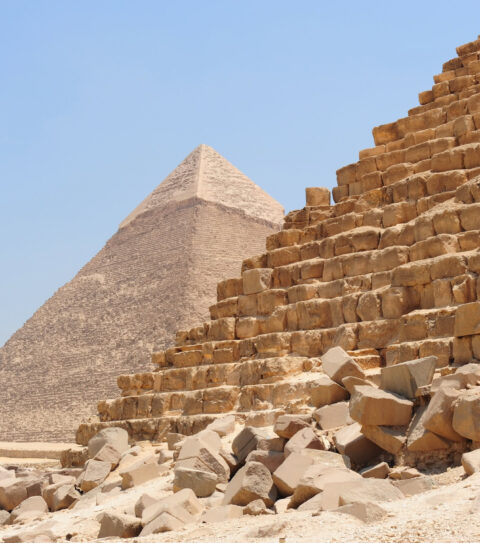
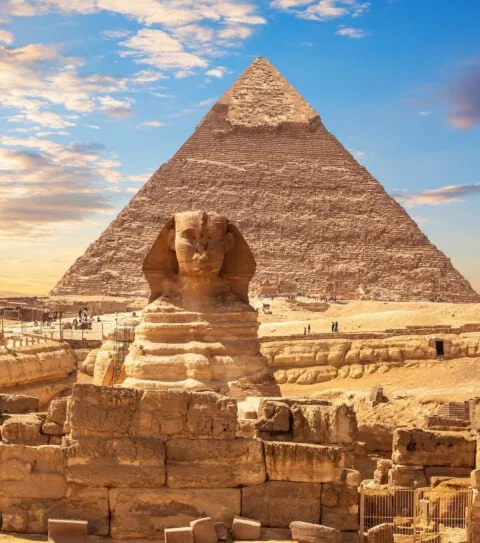
Cairo delivers urban energy alongside ancient wonders. The Egyptian Museum’s treasures, Giza pyramid complex, and Islamic Cairo’s medieval architecture create days of exploration. Modern shopping districts and international restaurants balance historical immersion with familiar comforts.
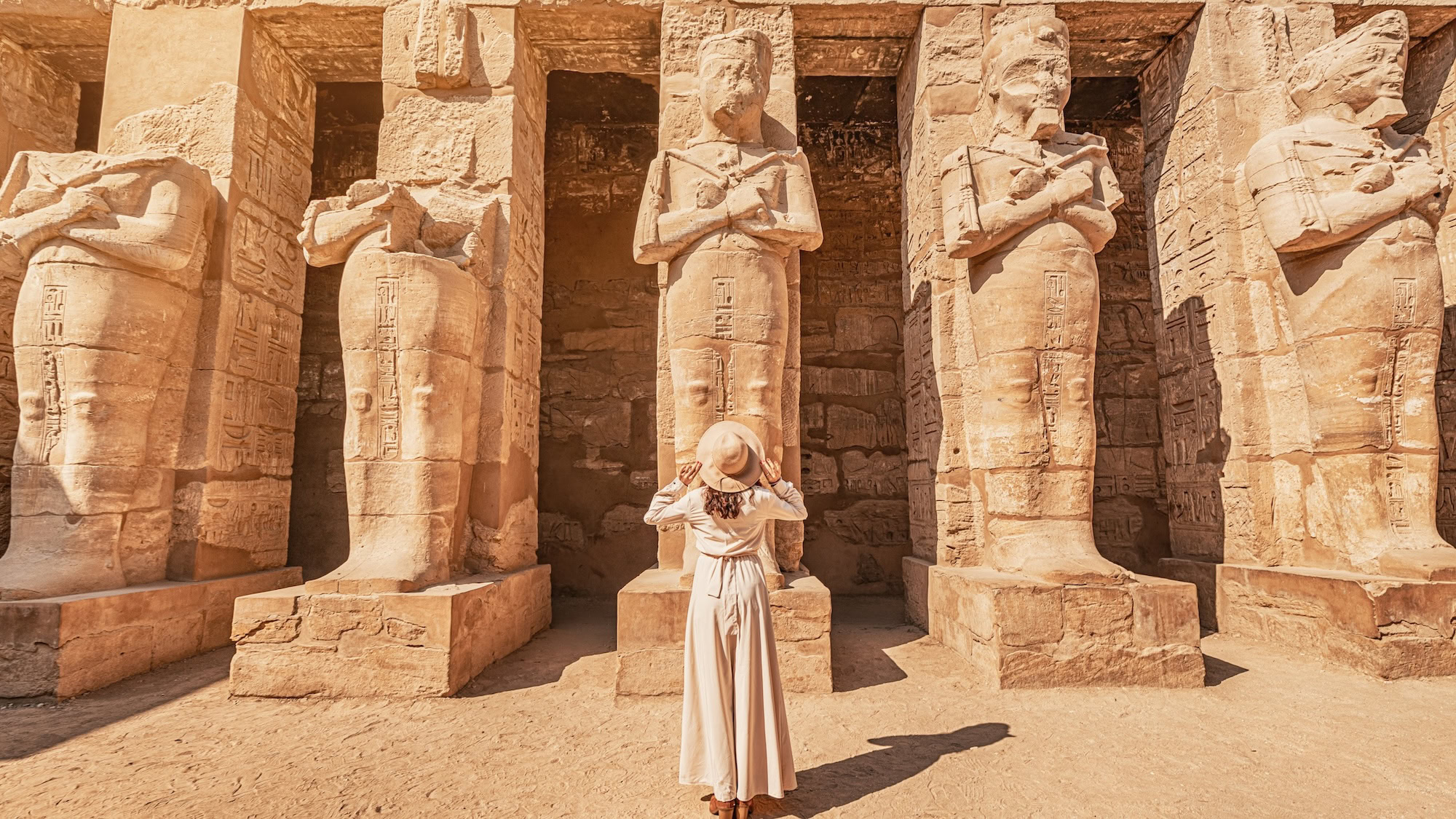
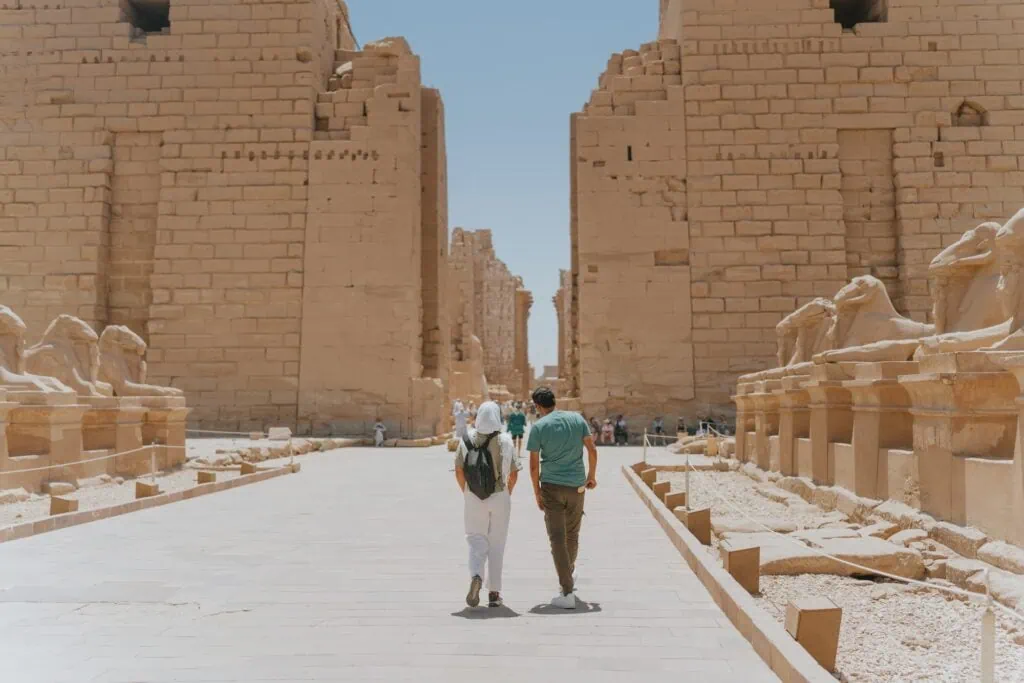
Luxor functions as an open-air museum where pharaonic temples line both Nile banks. The Valley of the Kings, Karnak Temple complex, and Luxor Temple offer structured touring environments perfect for solo exploration. Hot air balloon rides at sunrise provide breathtaking aerial perspectives of ancient sites.
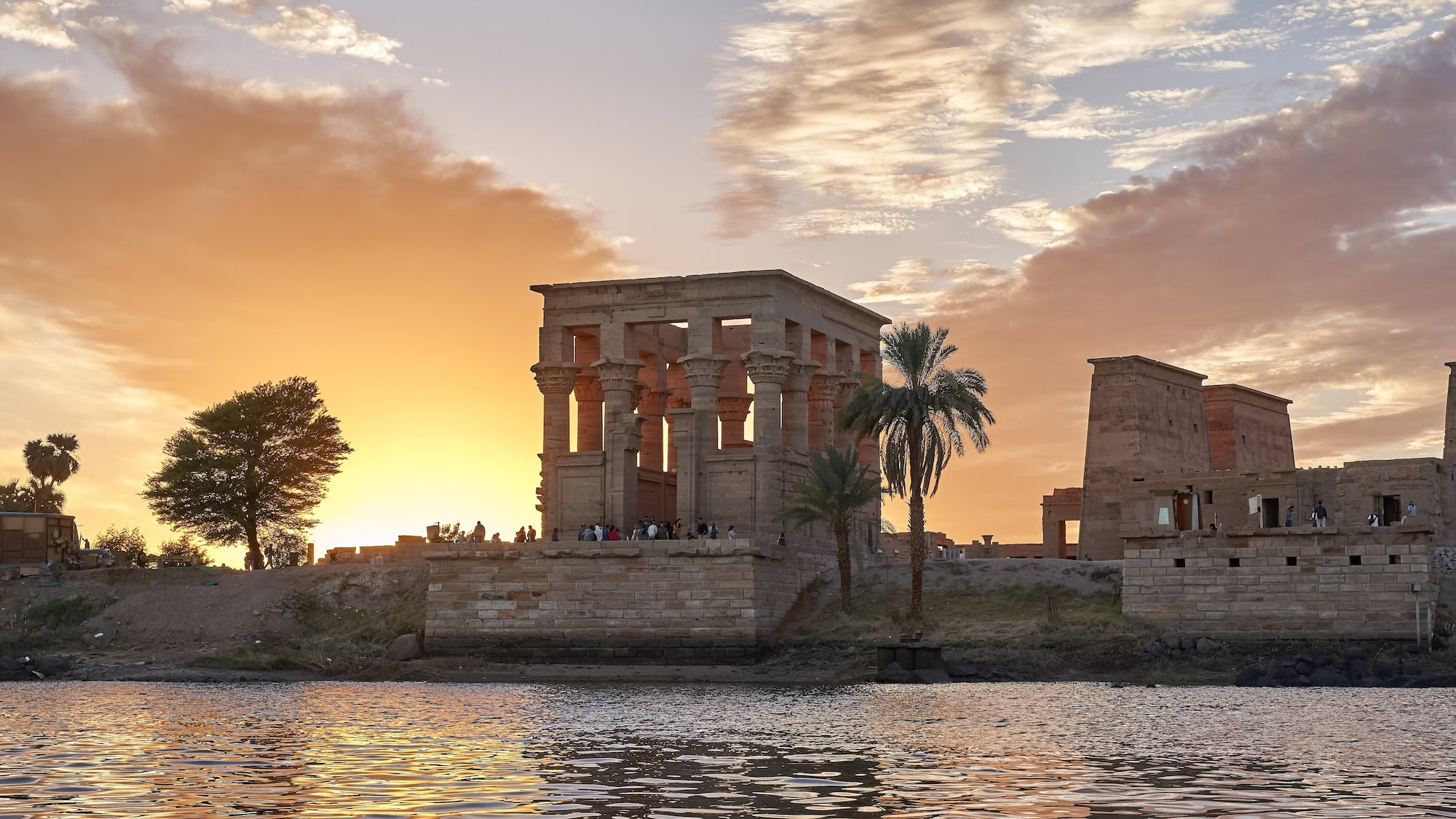
Aswan’s relaxed atmosphere and Nubian cultural influences create Egypt’s most peaceful major destination. Felucca sailing excursions, Philae Temple visits, and Abu Simbel day trips operate with well-established tourist services. The city’s compact size makes navigation simple for independent travelers.
Red Sea coastal destinations like Hurghada and Dahab emphasize relaxation and water activities. Resort environments provide international comfort standards while maintaining Egyptian character. Snorkeling, diving, and beach relaxation require minimal cultural navigation.
Alexandria blends Mediterranean coastal charm with Greco-Roman historical sites. The modern Bibliotheca Alexandrina, Qaitbay Citadel, and waterfront Corniche create a European-influenced Egyptian experience distinct from inland destinations.
Practical Planning for Independent Women
Optimal Timing and Duration
October through April provides ideal weather conditions, avoiding summer’s extreme heat that can reach 40°C (104°F) or higher. Winter months from December to February offer the most comfortable temperatures, ranging from 20-25°C (68-77°F) during the day.
First-time solo female travelers often benefit from 7-10 day itineraries focusing on 2-3 major destinations rather than rushing through many locations. This pace allows cultural adjustment while ensuring sufficient time for meaningful exploration.
Ramadan periods create unique cultural opportunities but require additional planning. Restaurant hours change, tourist site schedules adjust, and evening atmosphere transforms dramatically.
Budget Considerations and Money Matters
Egyptian tourism operates on dual pricing systems – tourist prices and local prices. Pre-arranged tours through established operators provide transparent pricing and eliminate haggling stress. Independent exploration requires budget flexibility for entrance fees, transportation, and meals.
Credit cards work in major hotels, restaurants, and tourist shops, though cash remains essential for markets, taxis, and smaller vendors. ATMs in tourist areas accept international cards reliably.
Tipping culture (baksheesh) permeates Egyptian service interactions. Small bills for bathroom attendants, tour guides, and helpful staff smooth social interactions while respecting local customs.
Communication and Connectivity
International roaming charges add expense, while local SIM cards provide affordable data and calling options. Tourist-area hotels and restaurants offer Wi-Fi access for staying connected with family and accessing travel apps.
Translation apps prove helpful for menu reading and basic communication, though tourist service providers typically speak functional English.
Authentic Cultural Immersion Opportunities
Egyptian culture reveals itself through food, traditions, and daily life interactions that extend far beyond tourist attractions.
Local markets like Cairo’s Khan el-Khalili and Aswan’s Spice Market offer sensory experiences impossible to replicate elsewhere. Bargaining becomes cultural exchange when approached with patience and humor. Starting offers at roughly 30% of asking prices creates negotiation space while respecting vendor expectations.
Traditional Egyptian cuisine extends beyond familiar dishes like koshari and falafel. Local tea houses serve mint tea and shisha in authentic social settings. Female travelers find welcome in family sections of traditional establishments.

Nile-side restaurants in Aswan provide relaxed settings for observing local life while enjoying regional specialties. Nubian music performances and traditional dance shows offer cultural entertainment without tourist trap artificiality.
Workshop visits for traditional crafts like alabaster carving, papyrus making, and carpet weaving combine cultural education with shopping opportunities. These experiences often include demonstrations and conversations with artisan families.
Group Tours vs Independent Travel Benefits
Solo female travelers choose between independent exploration and organized group experiences based on personal comfort levels and travel goals.
Advantages of Guided Experiences
Our expert Egyptologist guides provide historical context impossible to achieve through independent research. Professional guides navigate cultural nuances, explain religious significance, and answer questions that enhance understanding far beyond basic sightseeing.
Group dynamics on our small-group experiences (maximum 12 participants on Nile cruise excursions) create social connections while maintaining intimate settings. Fellow travelers often become lifelong friends united by shared Egyptian adventures.
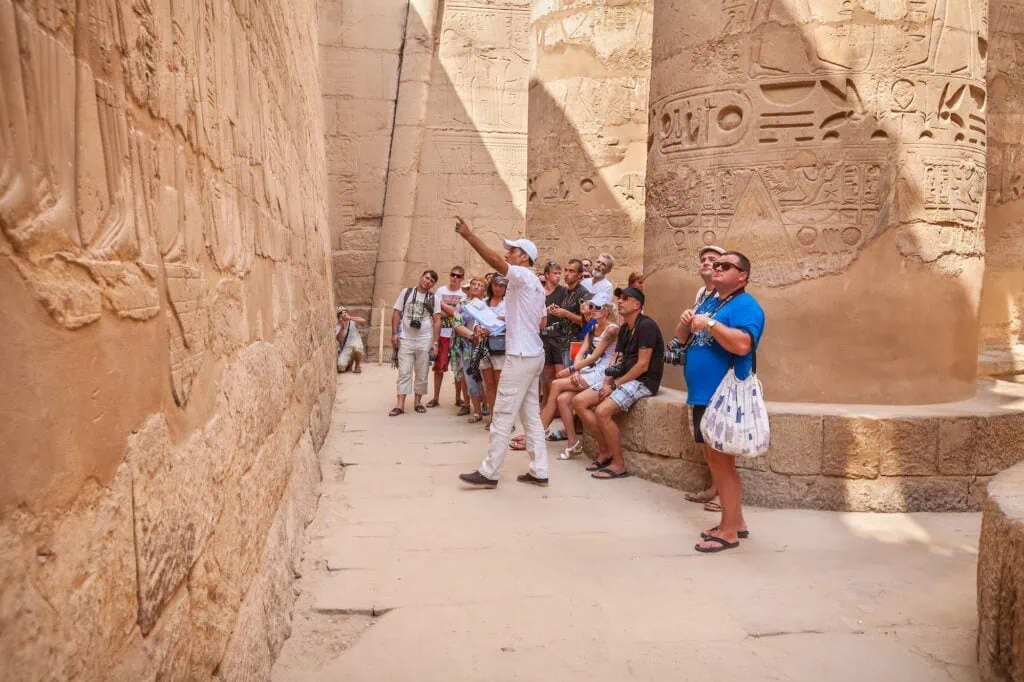
Logistical support eliminates stress around transportation, entrance fees, and restaurant selections. Private drivers, modern vehicles, and 24/7 customer support ensure smooth experiences without language barriers or navigation challenges.
Independent Exploration Rewards
Self-guided travel allows flexible scheduling and spontaneous discoveries. Spending extra time at personally meaningful sites or skipping attractions that don’t resonate becomes possible with independent itineraries.
Direct cultural interactions increase when traveling without guide mediation. Market conversations, random encounters, and unplanned experiences often create the most memorable travel moments.
Budget consciousness improves through independent travel, though time investment for research, planning, and problem-solving increases correspondingly.
Hybrid Approach Benefits
Combining guided experiences for major attractions with independent time for personal interests optimizes both approaches. Pre-arranged airport transfers, private guides for pyramid visits, and independent time for shopping or relaxation creates balanced itineraries.
Frequently Asked Questions
Yes, with proper preparation. Tourist areas maintain strong security presence, and local culture emphasizes hospitality toward visitors.
Lightweight, loose-fitting pants and long-sleeved shirts in natural fabrics. Include scarves for mosque visits and sun protection.
Budget travelers spend $30-50 daily, while comfort-focused trips range $75-150 daily, depending on accommodation and dining choices.
While not required, professional guides significantly enhance historical understanding and cultural navigation, especially for first-time visitors.
October through April offers ideal weather conditions, with December through February providing the most comfortable temperatures.
Yes, licensed hotels, restaurants, and tourist areas serve alcohol. Avoid drinking in conservative neighborhoods or during Ramadan daylight hours.
In beach resort areas, yes. In cities and religious sites, long pants or knee-length skirts show appropriate cultural respect.
Polite but firm responses work best. “La, shukran” (No, thank you) repeated calmly discourages continued approaches.
U.S. citizens require tourist visas available on arrival for $25 USD or through e-visa applications online.
Yes, Uber and Careem operate in major cities, providing safe, tracked transportation options for solo female travelers.
Tourist Police: 126, Medical Emergency: 123, Fire Department: 180. Also save your embassy contact information and hotel details.
Most tourist sites permit photography, though some require additional fees. Military installations, bridges, and government buildings prohibit photography regardless of tourist status.
Design Your Custom Tour
Explore Egypt your way by selecting only the attractions you want to visit