

Wadi Natrun – A Forgotten Village of Hermits and Monasteries
Four ancient monasteries still thrive in Egypt’s remarkable desert valley.
Wadi Natrun sits 23 meters below sea level in Egypt’s western desert, where alkaline lakes once provided natron salt for ancient mummification processes. Today, this natural depression between Cairo and Alexandria serves as home to Egypt’s most significant collection of active Coptic Orthodox monasteries. The valley has maintained its spiritual significance for over 1,600 years, transforming from an important mining region into one of Christianity’s earliest monastic centers.
We guide travelers to this extraordinary destination where desert solitude meets living religious tradition. The journey offers insights into both Egypt’s geological heritage and the enduring practices of Coptic monasticism that continue to flourish in the modern era.
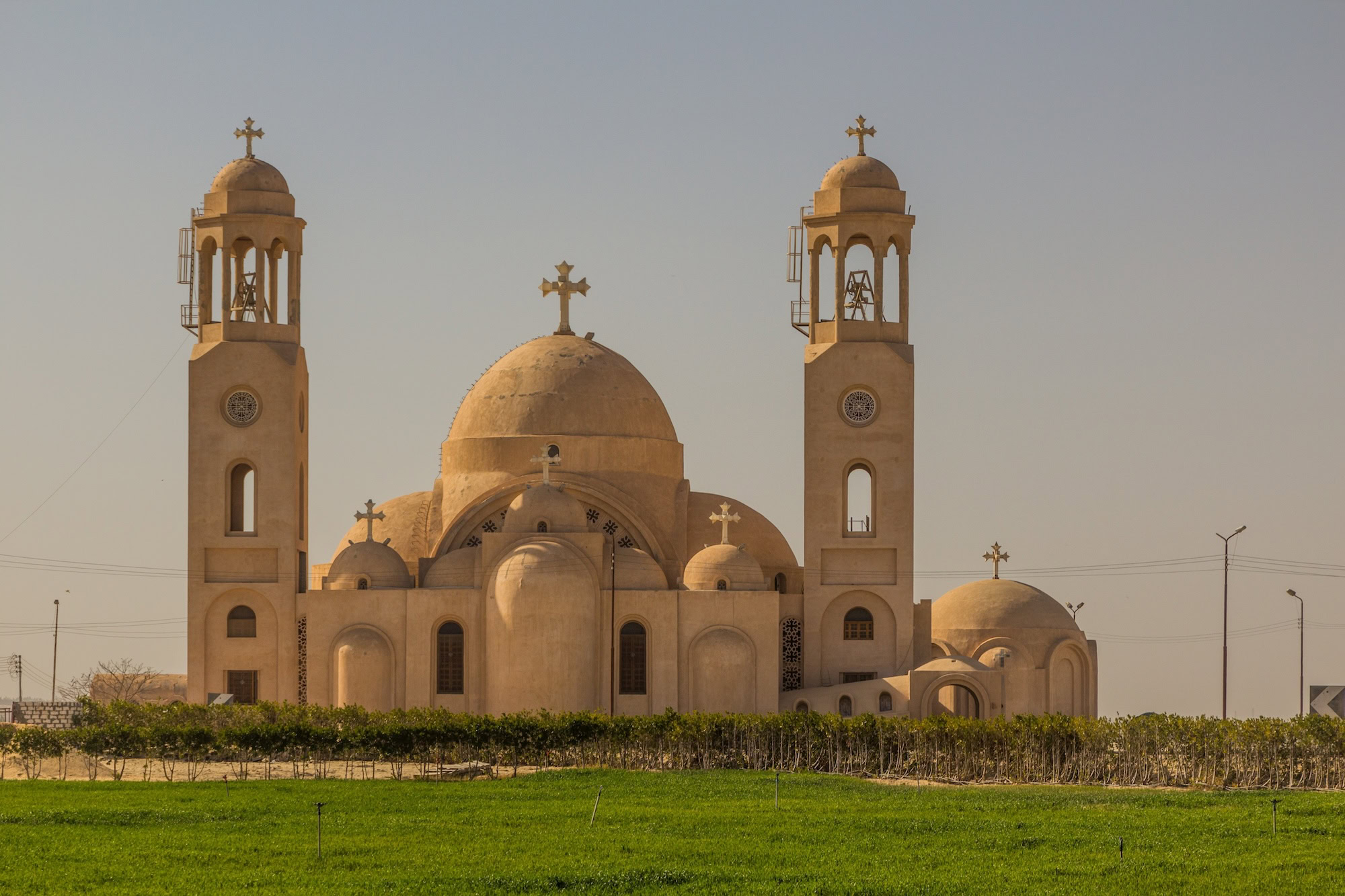
The Four Surviving Monastic Communities
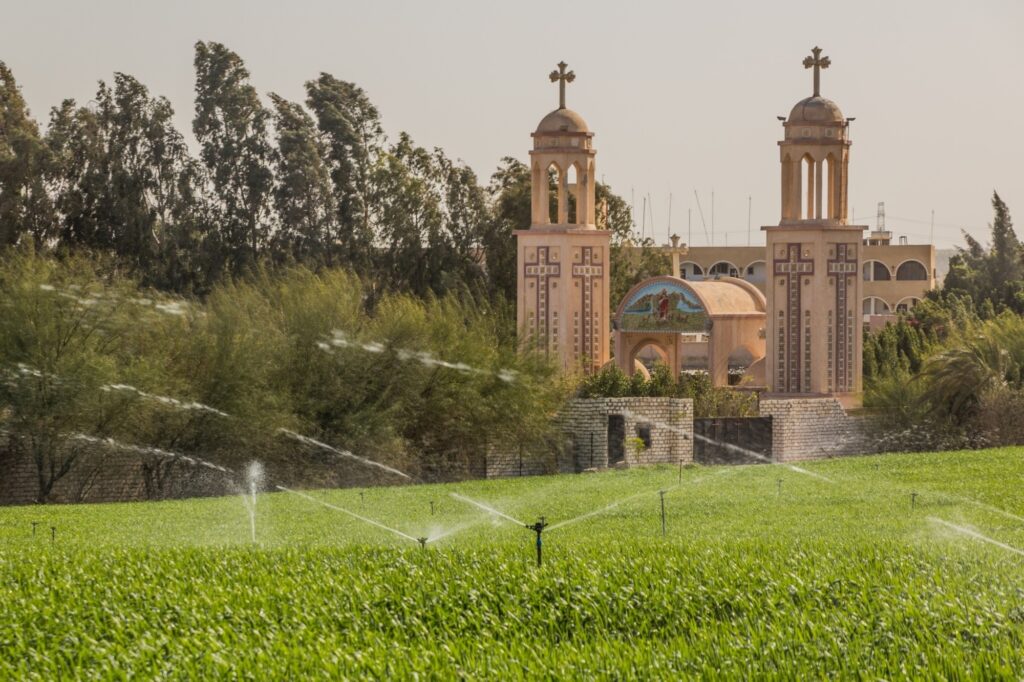
Monastery of Saint Macarius stands as the largest of the surviving communities, housing 110 monks who have successfully reclaimed vast areas of surrounding desert through modern agricultural techniques. The monastery operates advanced farming systems and maintains livestock, demonstrating how ancient spiritual practices adapt to contemporary realities.
Deir Anba Bishoy
Saint Bishoy’s monastery preserves some of the valley’s most remarkable architectural features. The complex includes ancient defensive towers built to protect against Bedouin raids during medieval periods. Monks here maintain traditional daily routines that begin at 3:00 AM (03:00) with solitary bell ringing, continuing through eight prayer services throughout each day.
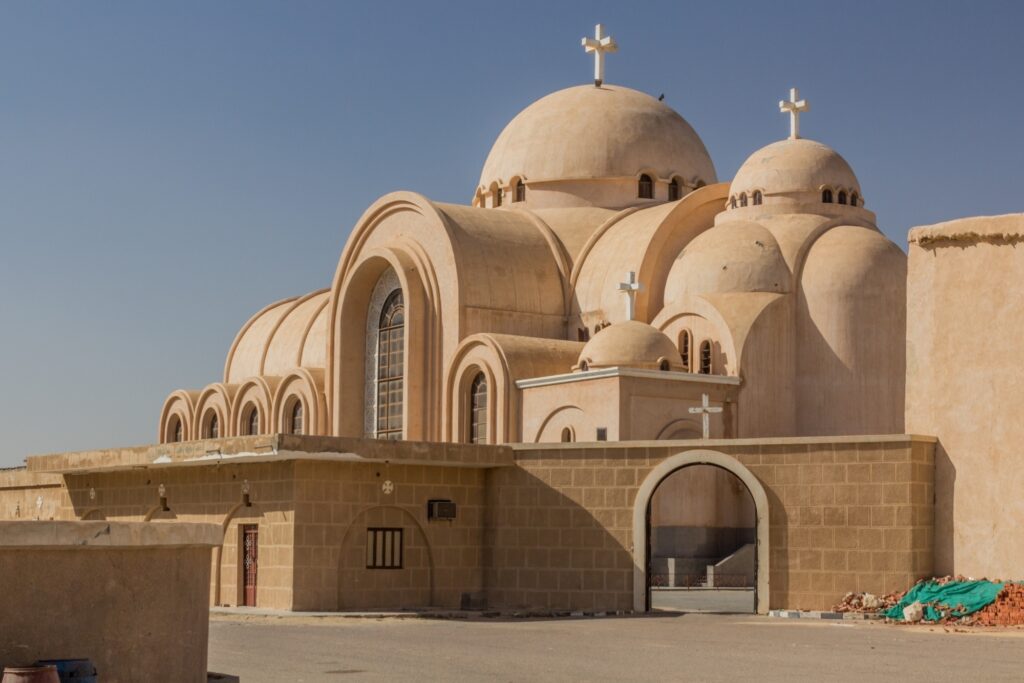
The monastery houses important relics and maintains active agricultural operations. Modern educational initiatives include a printing facility that produces St. Mark magazine, a monthly publication distributed throughout Egypt’s Coptic community.
Deir al-Baramus
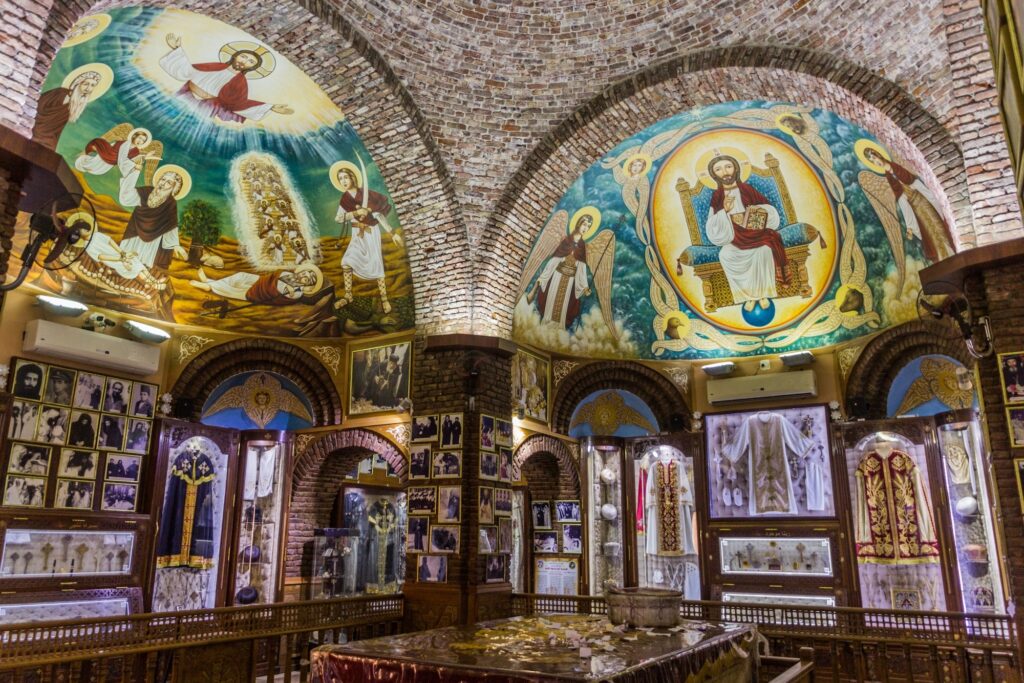
The Romans Monastery features exceptional preservation of early Christian frescoes and contains what many scholars consider the finest examples of Coptic religious art in the Wadi Natrun region. Archaeological evidence suggests continuous occupation since the 4th century, making it among Egypt’s oldest functioning religious institutions.
Deir al-Suryan
Syrian Monastery earned its name from Syrian monks who purchased the complex in the 8th century. The monastery maintains an extraordinary library containing Coptic, Arabic, and Syriac manuscripts dating back over 1,000 years. Scholars worldwide visit to study these rare texts that provide insights into early Christian theology and desert monasticism.
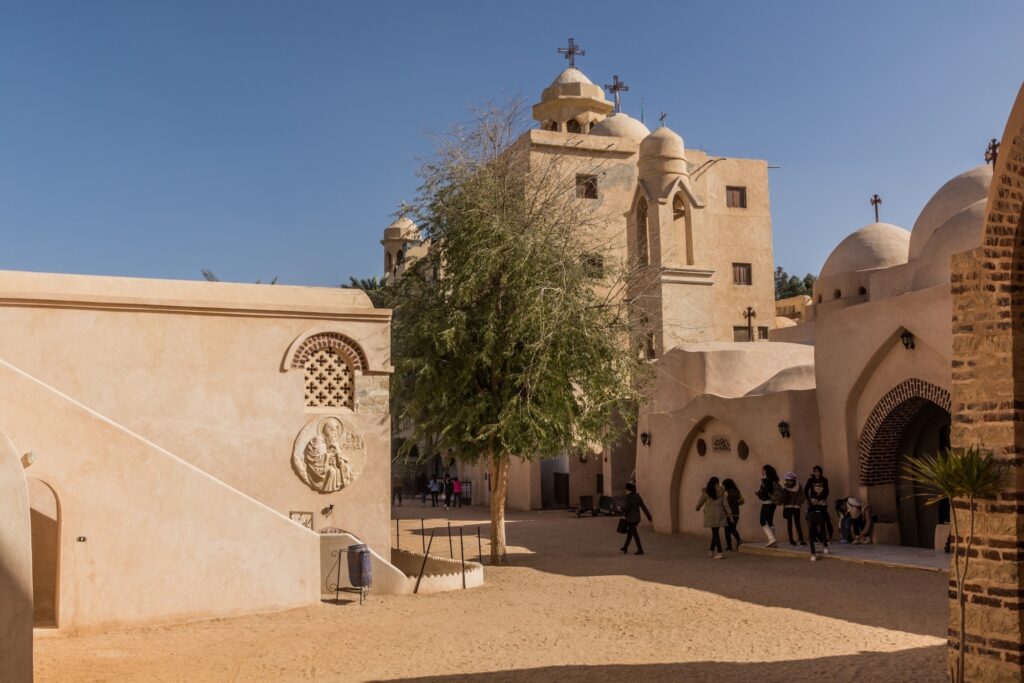
Deir Abu Makar
This monastery demonstrates the remarkable transformation of modern monasticism in Egypt. The community includes monks with university degrees in agronomy, medicine, engineering, law, and pharmacy. These educated religious professionals apply their expertise to monastery operations while maintaining traditional spiritual disciplines.
From Ancient Salt Mining to Sacred
Wadi Natrun’s geological formation created unique conditions perfect for natron formation – naturally occurring sodium bicarbonate that ancient Egyptians prized for mummification processes. The mineral-rich lakes provided essential materials for preserving pharaohs and nobility, making this valley economically crucial to ancient Egyptian civilization.
Romans later utilized natron for glass manufacturing, establishing trade routes that connected the valley to Mediterranean markets. The Egyptian Salt and Soda Company operated railway lines into the region during the 19th and early 20th centuries, extracting minerals on industrial scales until synthetic alternatives made natural natron economically obsolete.
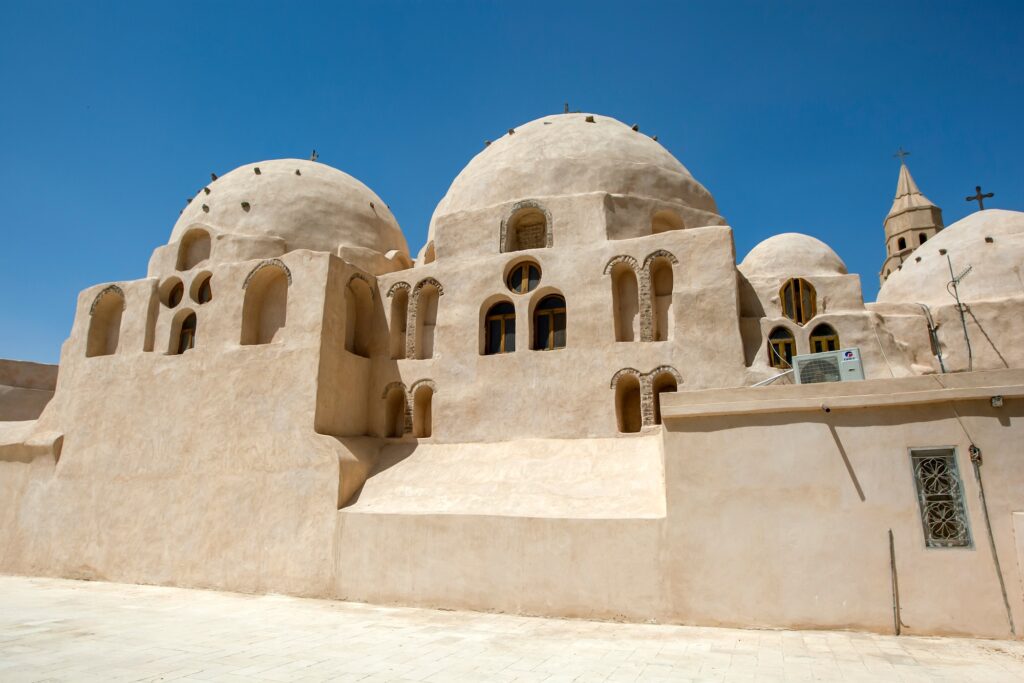
Archaeological discoveries include fossils from the Pliocene era, revealing that this now-arid landscape once formed the bottom of the ancient Tethys Sea. Prehistoric animals like Euthecodon and Paracamelus roamed areas that later became centers of Christian contemplation and prayer.
The transition from commercial extraction to spiritual sanctuary began when Saint Macarius the Great retreated to these desert spaces around 330 CE, seeking solitude during periods of Roman persecution. His example attracted other desert fathers who established the foundations of organized monasticism.
Practical Information for Modern Visitors
Wadi Natrun lies approximately 100 km (62 miles) from both Cairo and Alexandria along the main highway connecting Egypt’s two largest cities. The journey typically requires 1 hour 30 minutes by private vehicle from either departure point.
Road access represents the only practical transportation method, as no railway or bus services operate regular schedules to the monasteries. We arrange private, air-conditioned transfers that ensure comfortable travel through desert conditions while providing opportunities to appreciate the changing landscape between Nile Delta agriculture and western desert terrain.
Monastery Visiting Guidelines
Each monastery maintains specific visiting hours, typically opening to tourists between 9:00 AM (09:00) and 5:00 PM (17:00) daily. However, times may vary during religious holidays and special observances within the Coptic Orthodox calendar.
Modest dress requirements apply to all visitors regardless of religious background. Long sleeves and pants are essential, with head coverings recommended for women entering church areas. Photography restrictions vary by monastery, with some areas completely prohibited while others permit non-flash photography.
The four active monasteries welcome respectful visitors interested in learning about Coptic Orthodox traditions. Guided explanations help visitors understand the historical significance of architectural features, religious practices, and artistic treasures preserved within each complex.
Climate Considerations
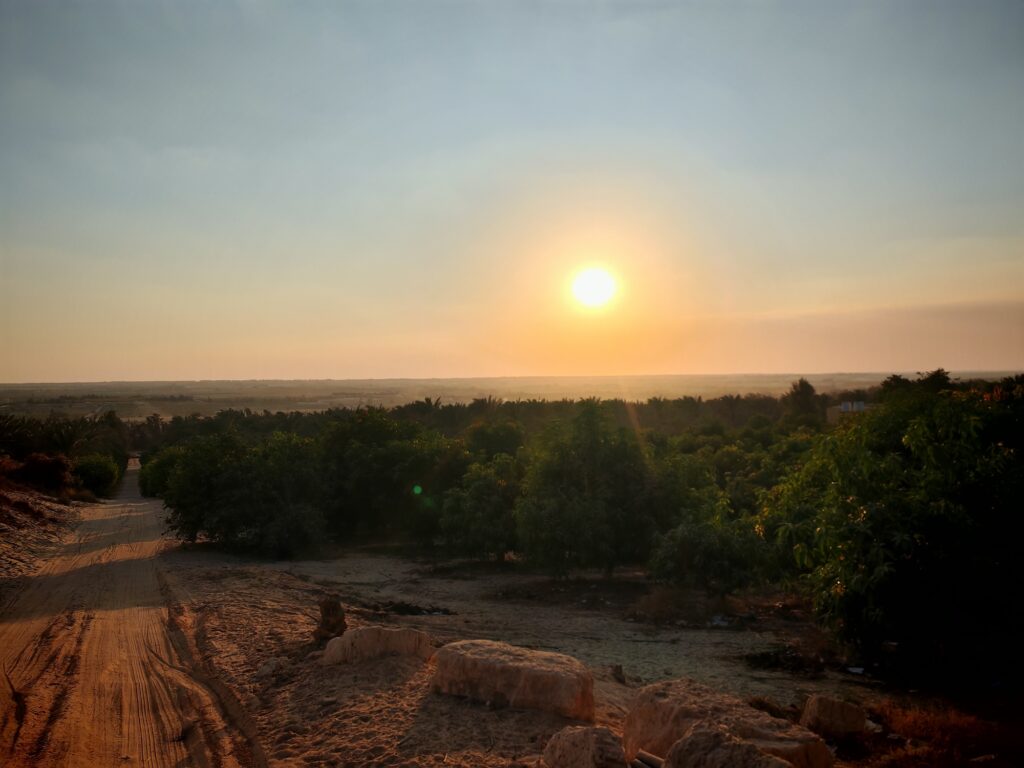
Desert conditions mean significant temperature variations between seasons. Winter months from December through February offer the most comfortable visiting conditions, with daytime temperatures around 20°C (68°F) and cool evenings. Summer temperatures frequently exceed 40°C (104°F), making early morning or late afternoon visits preferable.
Strong desert winds occasionally create sandstorm conditions that can affect visibility and travel comfort. We monitor weather patterns and adjust itineraries when necessary to ensure optimal visiting experiences.
The Living Heritage of Desert Monasticism
Modern monastic life in Wadi Natrun demonstrates remarkable continuity with early Christian practices while embracing technological advances that support community sustainability. The monastic population has increased tenfold over the past 25 years, attracting young Egyptians seeking religious vocations despite urban career opportunities.
Contemporary monks balance traditional contemplative practices with practical responsibilities. Advanced irrigation systems support agricultural projects that make monasteries largely self-sufficient. Solar power installations provide electricity while maintaining harmony with desert environments.
Pilgrims arrive throughout the year, creating spiritual tourism that connects urban Coptic communities with their monastic heritage. Major religious festivals draw thousands of visitors, transforming the usually quiet valley into vibrant centers of celebration and worship.
The monasteries serve educational functions beyond their primary religious purposes. Theological schools train future priests and religious leaders, while workshops teach traditional crafts including iconography, manuscript illumination, and religious art creation.
International scholars conduct research projects examining early Christian texts, architectural preservation techniques, and sustainable desert agriculture methods developed by monastic communities. These collaborations ensure that traditional knowledge transfers to academic institutions worldwide.
Archaeological Treasures and Desert Ecology
Paleontological discoveries continue revealing Wadi Natrun’s prehistoric past. Recent excavations uncovered additional fossil specimens that demonstrate the region’s evolution from ancient seabed to desert environment over millions of years.
The valley’s unique ecosystem supports specialized plant and animal life adapted to high-salinity conditions. Migrating birds use alkaline lakes as seasonal stopping points during journeys between Europe and Africa, creating unexpected wildlife viewing opportunities for visitors.
Conservation efforts protect both cultural heritage sites and natural ecological features. Monastery communities actively participate in environmental stewardship programs that maintain traditional landscapes while accommodating necessary modern developments.
Ancient irrigation channels and agricultural terraces reveal sophisticated water management systems developed by early monks. These historical engineering solutions provide models for contemporary sustainable development projects in arid regions throughout the Middle East and North Africa.
Planning Your Wadi Natrun Experience
We recommend dedicating a full day to properly explore Wadi Natrun’s monastic treasures. Half-day excursions provide introductions to one or two monasteries, while full-day programs allow comprehensive visits to all four active communities plus time for reflection in the desert setting.
Combined itineraries linking Wadi Natrun with Alexandria create excellent two-day programs exploring Egypt’s Christian heritage alongside Greco-Roman historical sites. Alternative combinations with Cairo’s Coptic Quarter provide comprehensive understanding of Egyptian Christianity from ancient origins through contemporary practice.
Private guides enhance visiting experiences by explaining architectural details, religious significance, and historical context that independent exploration might miss. Our certified guides maintain respectful relationships with monastic communities while providing educational commentary appropriate for diverse visitor backgrounds.
Photography enthusiasts appreciate opportunities to capture both architectural details and expansive desert landscapes. The interplay between ancient structures and natural desert lighting creates compelling visual narratives throughout different times of day.
Our modern, climate-controlled vehicles ensure comfortable transportation across desert terrain while maintaining respect for the contemplative atmosphere surrounding these sacred spaces. Professional drivers familiar with monastery protocols facilitate smooth interactions with religious communities.
Frequently Asked Questions
What are the visiting hours for Wadi Natrun monasteries?
Most monasteries open from 9:00 AM (09:00) to 5:00 PM (17:00) daily, though times vary during religious holidays.
How far is Wadi Natrun from Cairo?
The distance is approximately 100 km (62 miles), requiring about 1 hour 30 minutes by private vehicle.
Can women visit all areas of the monasteries?
Women can visit most areas but some sections may be restricted; modest dress with head covering is required.
Are photography restrictions enforced at the monasteries?
Yes, each monastery has specific photography rules; some areas prohibit cameras entirely while others allow non-flash photography.
What’s the best time of year to visit Wadi Natrun?
Winter months (December-February) offer the most comfortable temperatures around 20°C (68°F) for desert exploration.
Do I need special permits to visit the monasteries?
No special permits are required, but advance coordination through experienced tour operators ensures smooth access.
Can visitors attend religious services at the monasteries?
Respectful observation of prayer services is sometimes possible, depending on monastery schedules and community activities.
What should I bring for a day trip to Wadi Natrun?
Bring sun protection, comfortable walking shoes, modest clothing, and plenty of water for desert conditions.
Are there restaurants or facilities near the monasteries?
Limited facilities exist in the area; we typically include lunch arrangements as part of organized day trips.
How does Wadi Natrun compare to other monastery sites in Egypt?
Wadi Natrun contains Egypt’s largest concentration of active monasteries in their original desert setting, offering unique authenticity.
Can children visit the monasteries?
Yes, children are welcome when properly supervised and dressed according to monastery guidelines.
What languages do the monks speak?
Monks typically speak Arabic and Coptic, with some English-speaking members available for visitor interactions.
Design Your Custom Tour
Explore Egypt your way by selecting only the attractions you want to visit