

What to See Along the Nile River – Watch History Unravel
The Nile River holds treasures that have captivated travelers for millennia.
From the towering pyramids of Giza to the magnificent temples of Luxor, Egypt’s lifeline offers an extraordinary journey through human history. We’ve spent decades guiding visitors through these remarkable destinations, and each trip reveals new layers of wonder. The Nile isn’t just a river—it’s a living museum where pharaohs once ruled and ancient civilizations flourished.
Our experience has shown us that the best way to appreciate these sites is through understanding their stories. Every temple tells a tale, every tomb holds secrets, and every monument connects us to a world 3,000 years in the making.
Luxor: Gateway to Ancient Thebes
Standing where ancient Thebes once thrived, Luxor represents Egypt’s most concentrated collection of archaeological wonders.
Valley of the Kings
The desert cliffs west of Luxor conceal one of archaeology’s greatest treasures. This ancient necropolis served as the final resting place for pharaohs of the New Kingdom period, including the famous Tutankhamun. Walking through these carved corridors feels like stepping into eternity itself.
Each tomb reveals different aspects of ancient Egyptian beliefs about death and the afterlife. The walls display intricate paintings depicting the journey through the underworld, while hieroglyphic texts guide the deceased toward immortality. Most tombs allow photography, though flash is prohibited to preserve the delicate artwork.
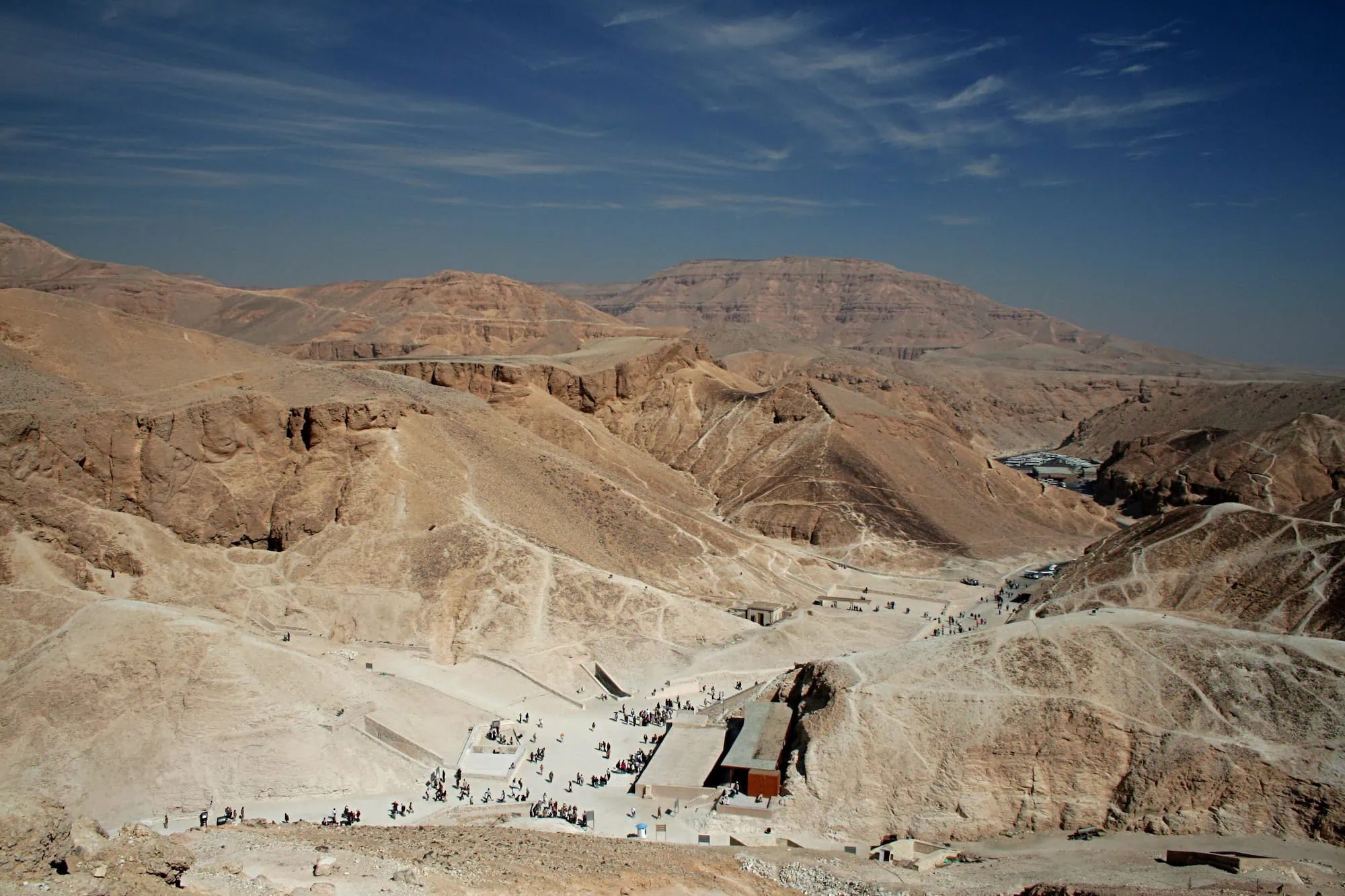
We recommend visiting early morning when temperatures remain comfortable. The valley opens at 6:00 am (06:00), giving you precious hours before midday heat becomes intense.
Karnak Temple Complex
No single structure captures the ambition of ancient Egypt quite like Karnak. This sprawling complex took over 2,000 years to complete, with each pharaoh adding their own contributions to honor Amun-Ra, the king of gods.
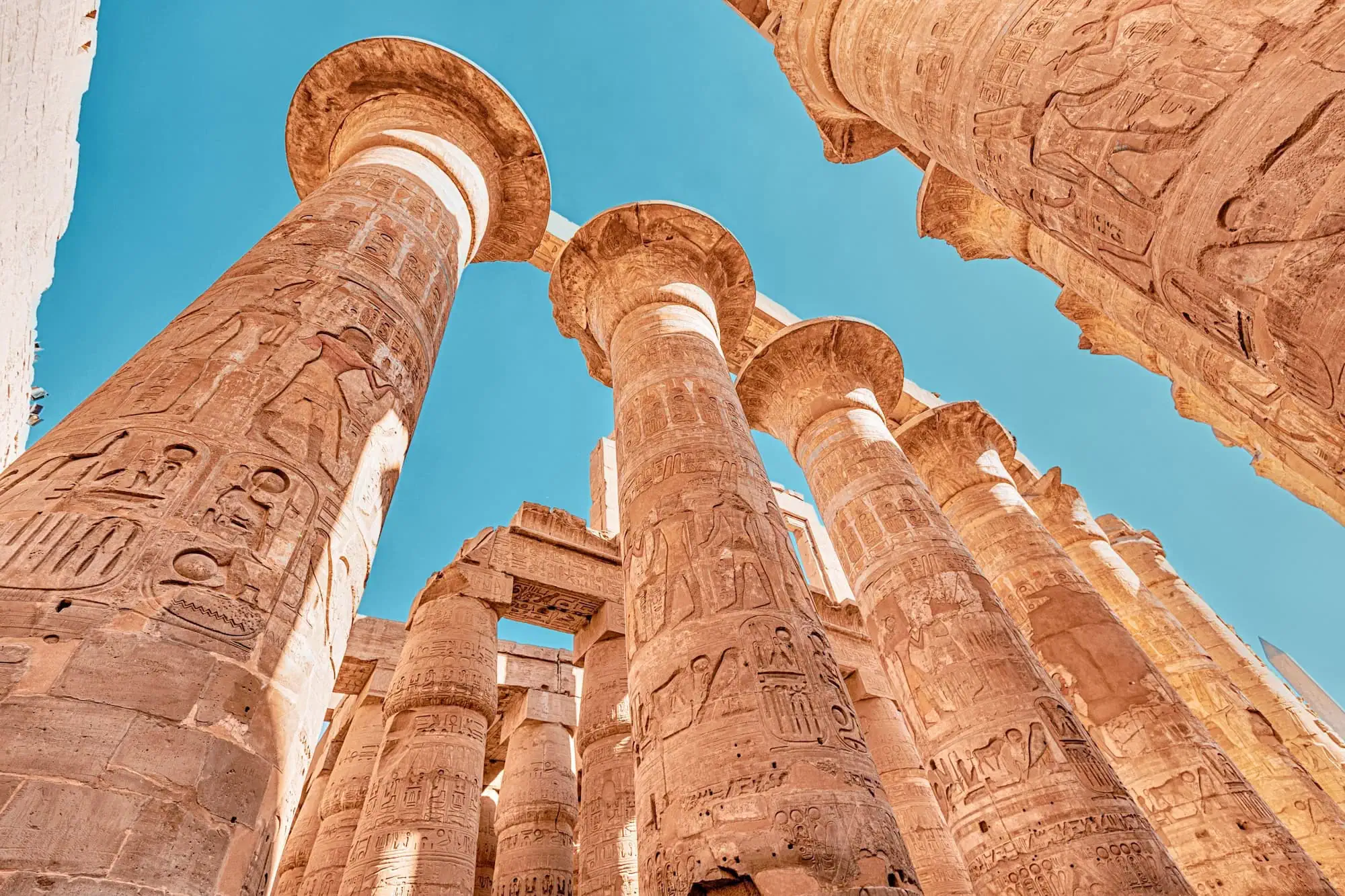
The famous Hypostyle Hall stands as the complex’s crown jewel. Walking among its 134 massive columns creates an almost overwhelming sense of scale—each pillar could easily house a modern apartment. Late afternoon light filtering through this forest of stone creates magical photography opportunities.
UNESCO recognition came naturally to Karnak, given its historical significance and architectural grandeur. The complex covers over 200 acres, making it larger than many modern city centers.
Luxor Temple
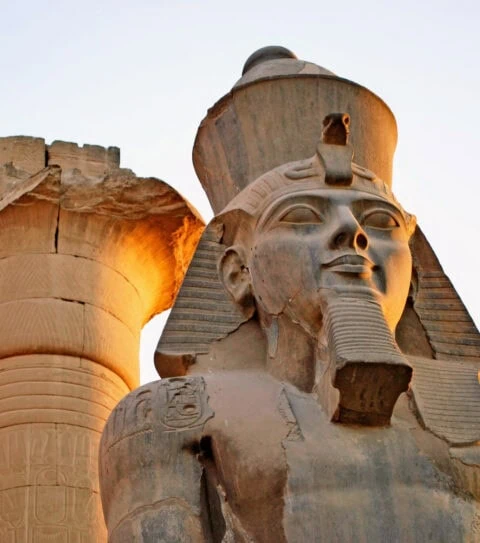
Unlike Karnak’s sprawling layout, Luxor Temple presents a more intimate experience. Built primarily during the reign of Amenhotep III and later expanded by Ramses II, this temple served crucial ceremonial functions, particularly during the annual Opet Festival.
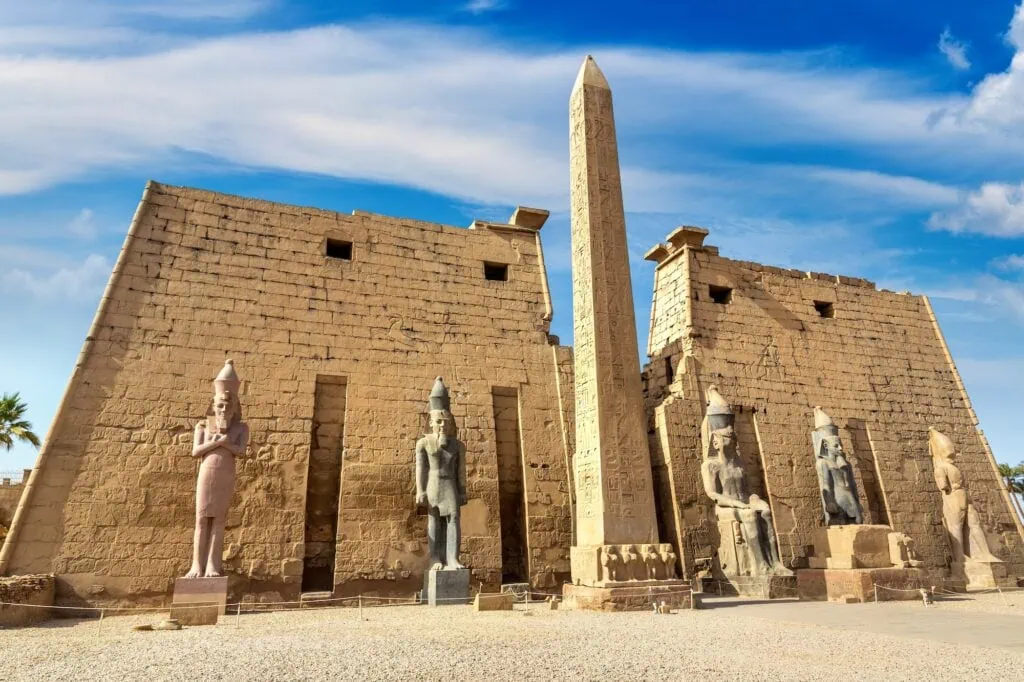
The temple’s most striking feature might be its seamless integration with modern Luxor. Ancient stones stand alongside contemporary buildings, creating a unique urban archaeology experience. Evening visits offer spectacular illumination that highlights the temple’s architectural details.
Abu Simbel: Monument to Royal Power
Ramses II created Abu Simbel as the ultimate statement of pharaonic might. These twin temples, carved directly into sandstone cliffs, demonstrate both artistic mastery and engineering prowess that still impresses modern visitors.
The larger temple features four colossal statues of Ramses II, each standing 20 meters (66 feet) tall. Their imposing presence was designed to intimidate anyone approaching from the south, marking Egypt’s boundary with ancient Nubia. The smaller temple honors Queen Nefertari, Ramses’ beloved wife, showing her equal in size to the pharaoh—an unprecedented display of royal affection in ancient Egyptian art.
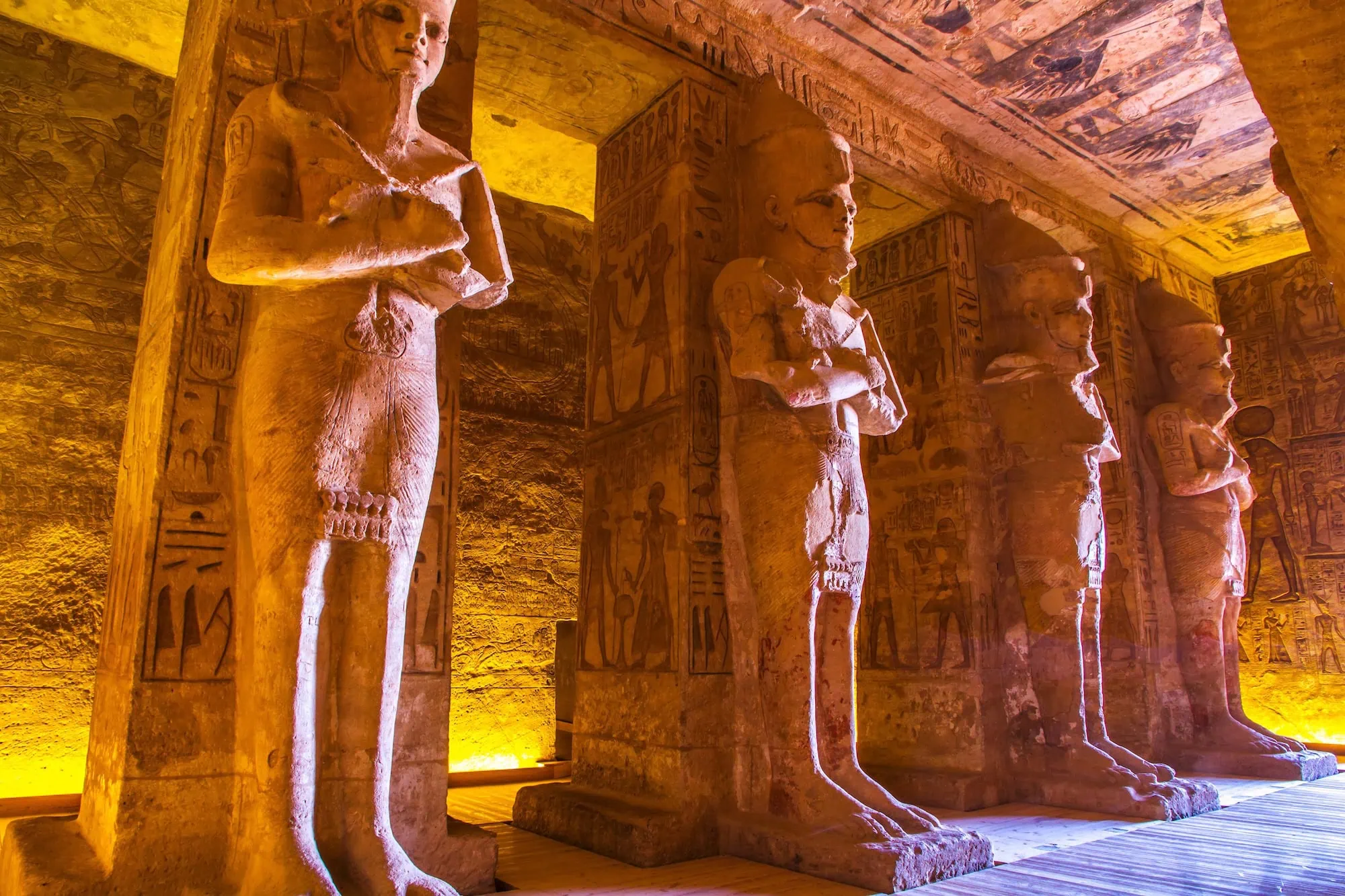
Modern engineering saved these temples from submersion when the Aswan High Dam created Lake Nasser. UNESCO coordinated an international effort to relocate the entire complex, block by block, to higher ground. This massive undertaking between 1964 and 1968 preserved one of humanity’s greatest architectural achievements.
The famous Sun Festival occurs twice yearly when sunlight penetrates the temple’s inner sanctuary, illuminating statues of Ramses II and the gods Amun-Ra and Ra-Horakhty. These events happen around February 22nd and October 22nd, corresponding to Ramses’ birthday and coronation date.
Getting to Abu Simbel
Most visitors reach Abu Simbel through organized excursions from Aswan, either by road convoy or domestic flight. The road journey takes approximately 3 hours each way, while flights reduce travel time to 45 minutes. We coordinate both options based on your preferences and schedule.
Aswan: Gateway to Nubian Culture
Aswan marks Egypt’s southern frontier, where ancient pharaohs built their boundary with Nubia. This laid-back city offers a different pace from bustling Cairo or tourist-focused Luxor.
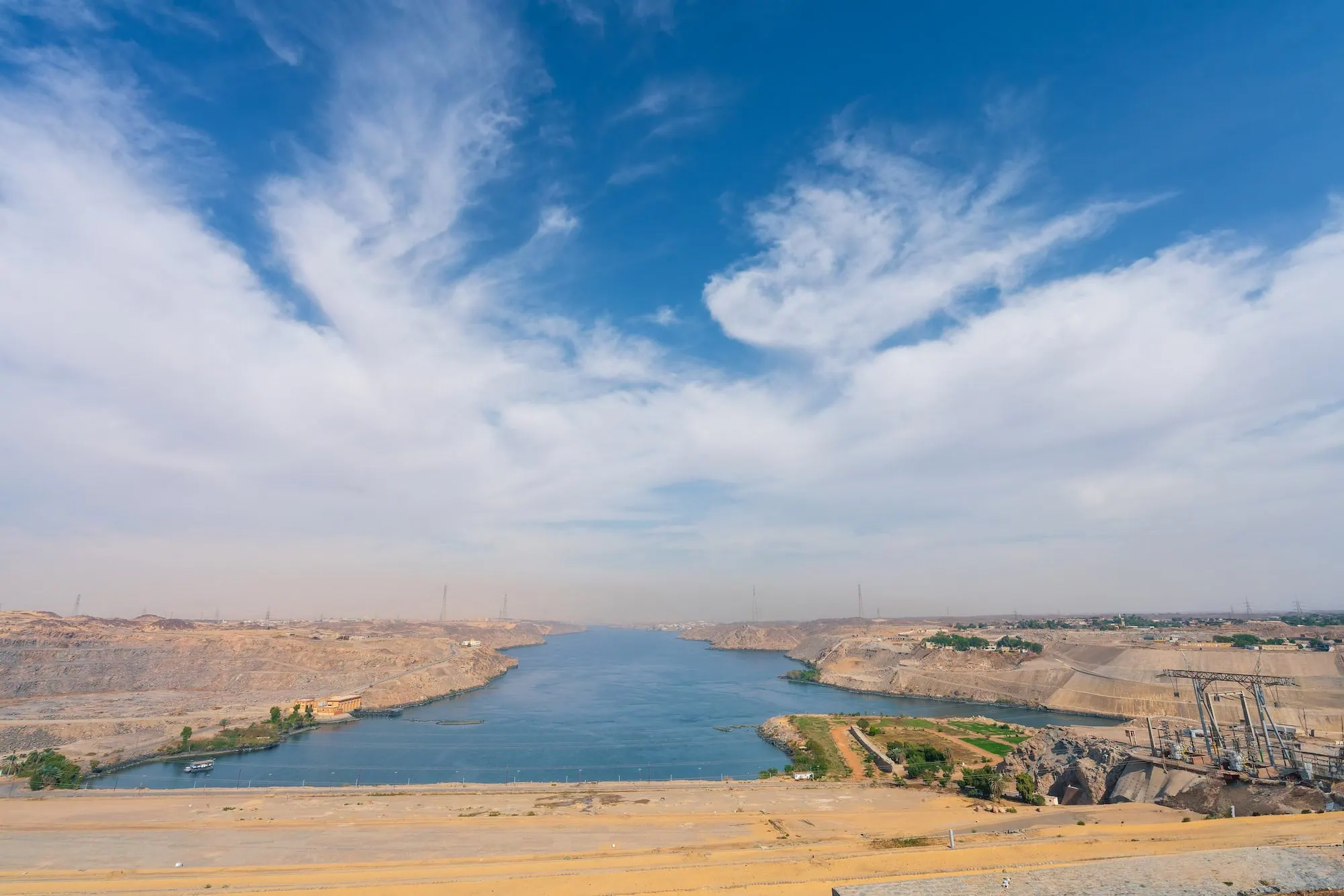
The First Cataract here created natural barriers that protected ancient Egypt from southern invasions. Today, these rocky outcrops provide scenic beauty for felucca sailing—traditional wooden boats that have navigated the Nile for centuries. Sunset felucca rides offer peaceful moments away from monument touring, with Nubian villages visible along the riverbanks.
Aswan’s modern significance centers on the High Dam, completed in 1970 to control Nile flooding and generate hydroelectric power. The dam created Lake Nasser, one of the world’s largest artificial lakes, fundamentally changing Egypt’s agricultural patterns.
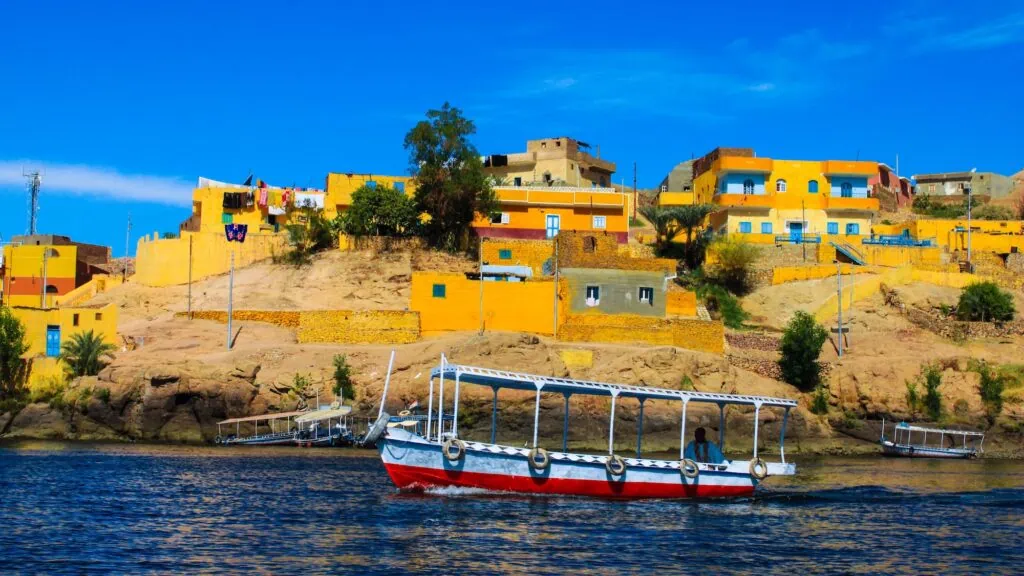
Local Nubian culture remains vibrant in Aswan’s neighborhoods and nearby villages. Traditional architecture features colorful houses with distinctive domed designs, while Nubian cuisine offers spiced specialties rarely found elsewhere in Egypt. Many families maintain ancestral traditions despite modern pressures.
Cairo: Pyramids and Ancient Wonders
The Giza Necropolis represents humanity’s most recognizable ancient achievement. Standing before the Great Pyramid creates an almost surreal experience—how did ancient builders achieve such precision without modern machinery?
The Great Pyramid and Sphinx
Originally reaching 146 meters (479 feet), the Great Pyramid held the title of world’s tallest structure for nearly 4,000 years. Current height measures 138 meters (453 feet) due to missing capstone and outer casing stones. Internal chambers accessible to visitors include the King’s Chamber, Queen’s Chamber, and Grand Gallery, though tight spaces may challenge some visitors.
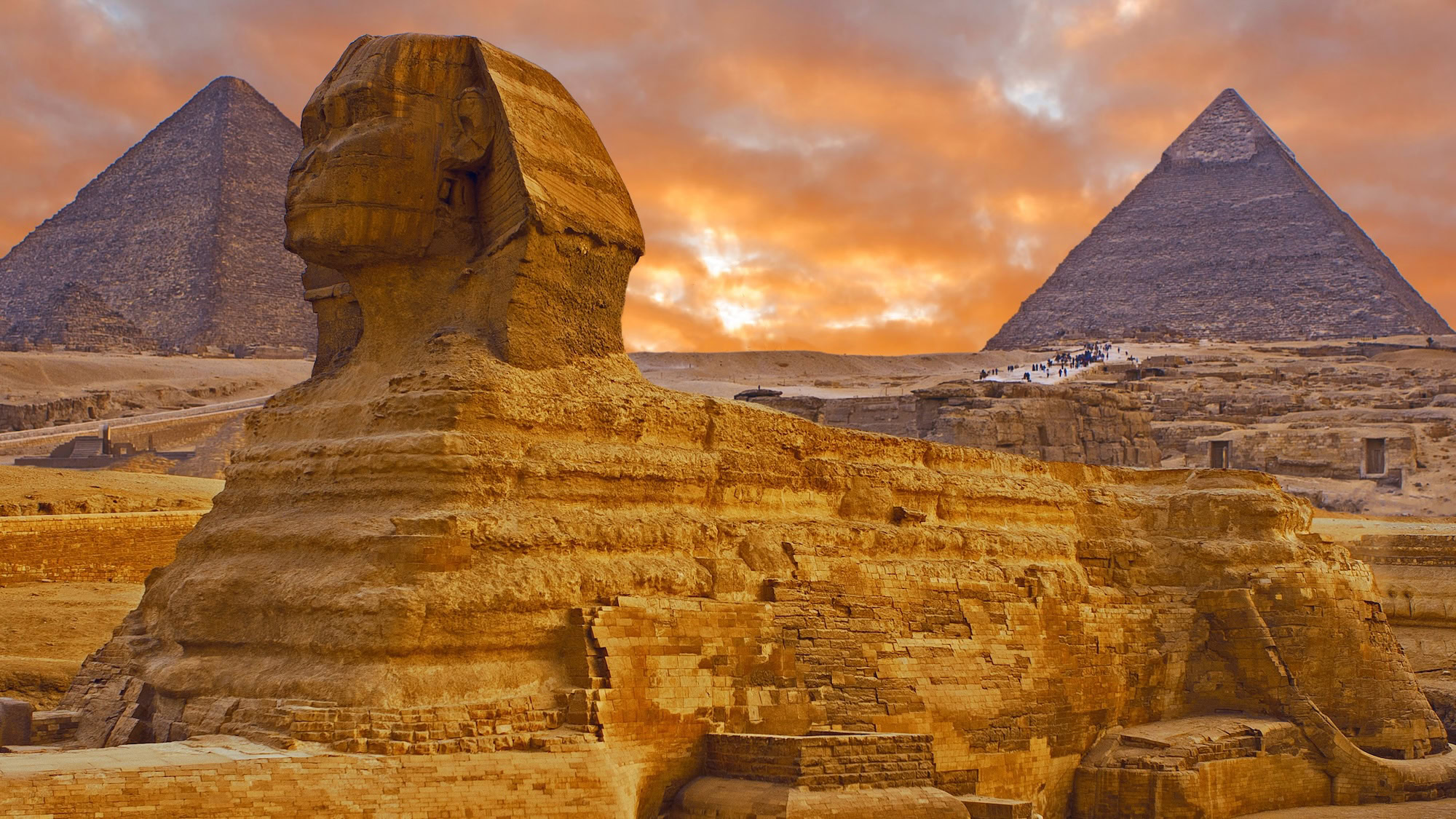
The Great Sphinx guards the pyramid complex with its enigmatic gaze toward the eastern horizon. Recent research suggests the Sphinx is older than previously thought, possibly predating the pyramids themselves. Close examination reveals repair work from various historical periods, showing continuous maintenance across millennia.
Egyptian Museums
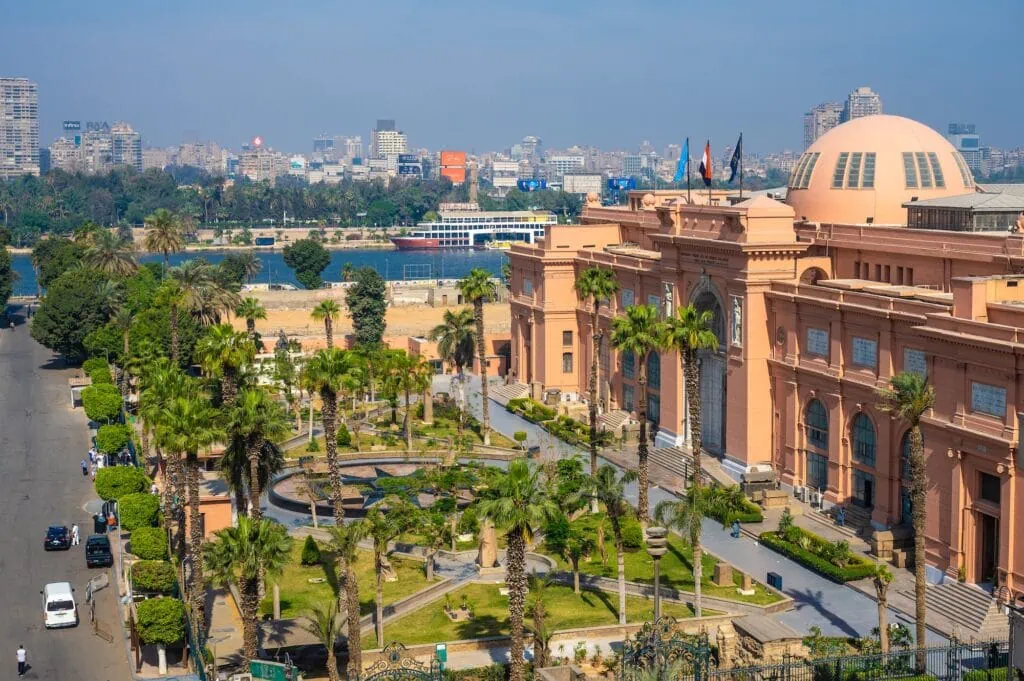
Cairo is home to two landmark institutions showcasing the treasures of ancient Egypt: the historic Egyptian Museum in Downtown Cairo and the state-of-the-art Grand Egyptian Museum near the Giza Pyramids.
The Egyptian Museum houses the world’s most comprehensive collection of ancient Egyptian artifacts. Its galleries famously display Tutankhamun’s treasures, including the iconic golden burial mask, intricate jewelry, and ceremonial furniture that accompanied the young pharaoh into eternity.
The Grand Egyptian Museum presents these masterpieces within a modern, immersive setting, offering expanded exhibition space, advanced lighting, and contemporary display technology. Together, the two museums span over 5,000 years of Egyptian history — from prehistoric times through the Greco-Roman period.
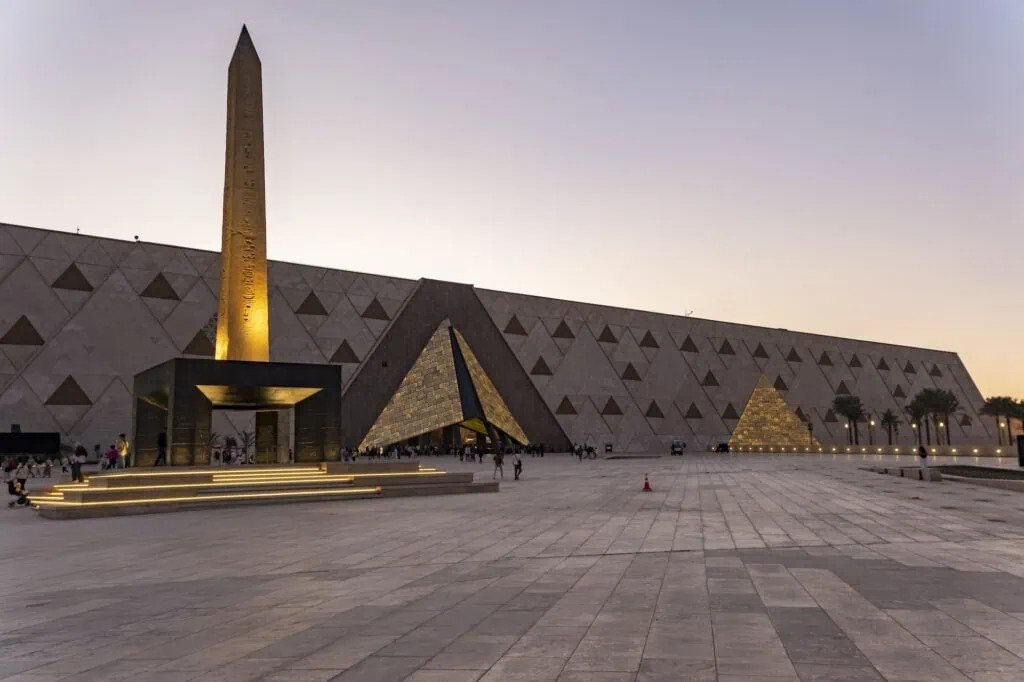
With expert guidance, visitors can efficiently navigate the vast collections and focus on the most significant highlights tailored to their interests.
Nile Cruising: Floating Between Temples
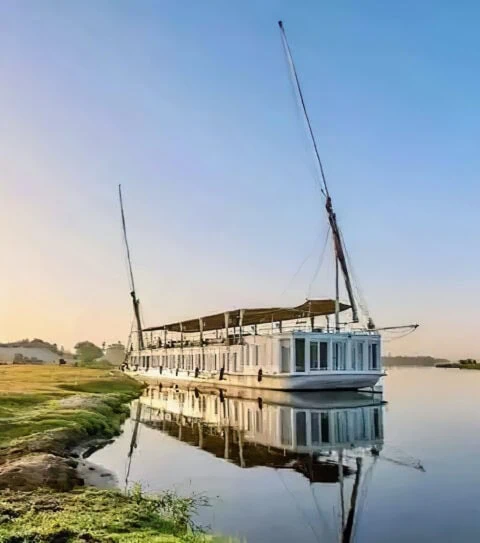
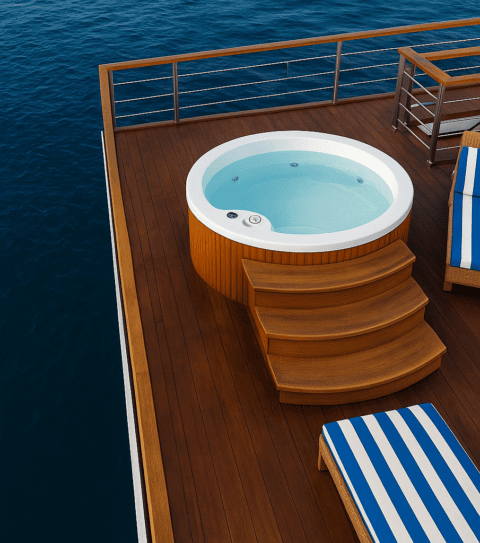
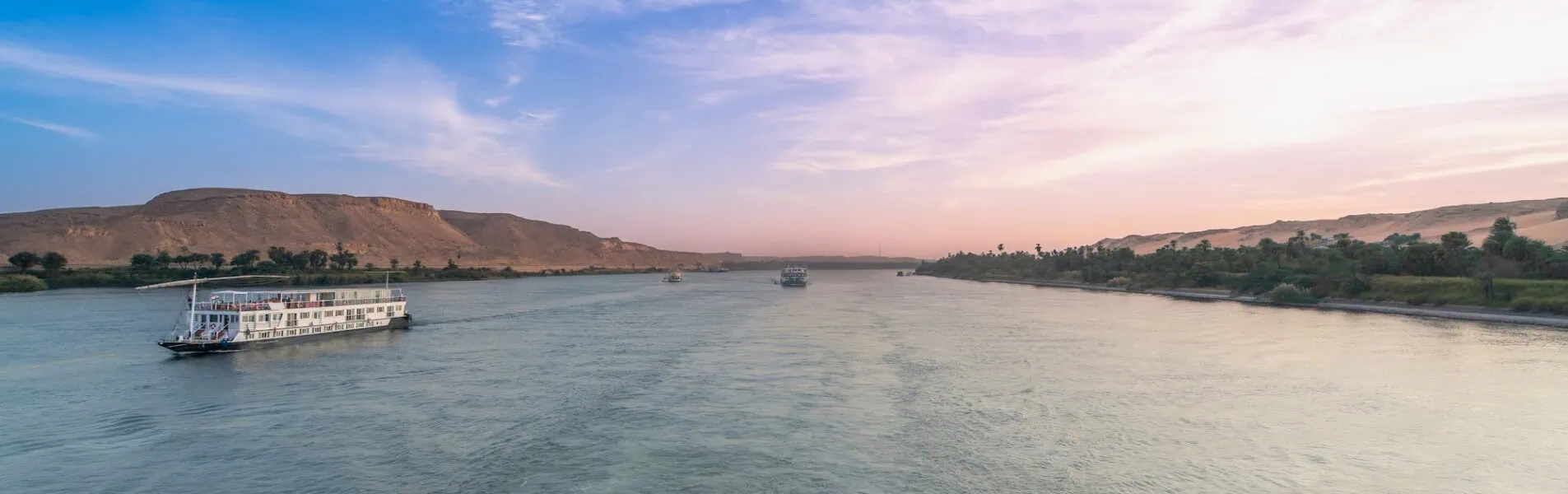
Nile cruises between Luxor and Aswan offer the most relaxing way to experience Egypt’s ancient treasures. Modern cruise boats feature comfortable cabins, sun decks, and dining rooms while maintaining traditional dahabiya styling.
Standard itineraries include guided excursions to major temples and tombs, with small group experiences limited to 12 participants for more intimate exploration. These aren’t private tours like our other offerings, but they provide excellent value for comprehensive sightseeing.
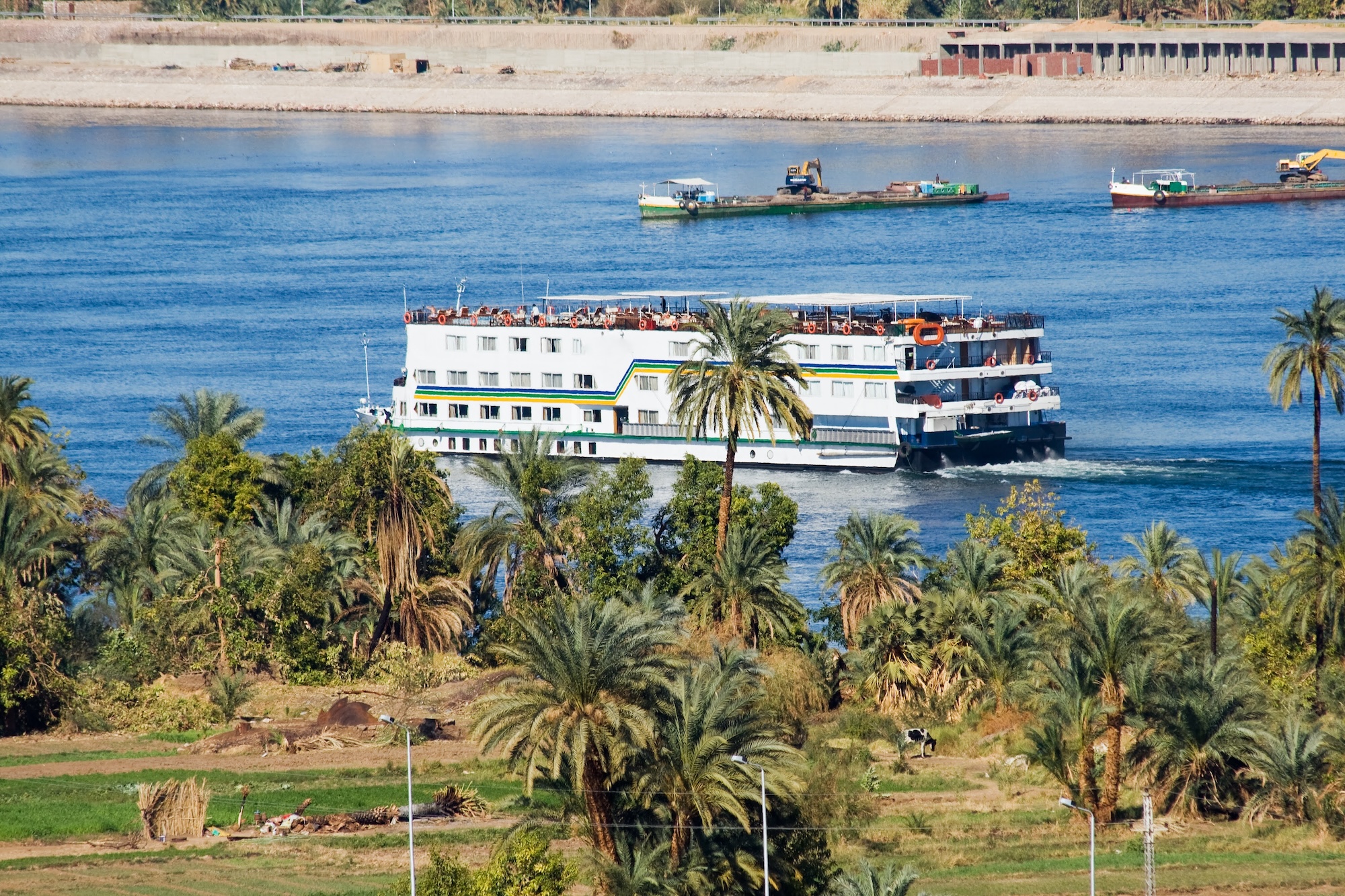
Evening entertainment often features traditional music and dance performances, while daytime sailing offers peaceful moments watching rural Egyptian life along the riverbanks. Palm groves, farming villages, and occasional wildlife sightings create constantly changing scenery.
Most cruises operate year-round, though winter months (December through February) provide the most comfortable temperatures for sightseeing. Summer sailing means dealing with intense heat during temple visits but offers lower prices and fewer crowds.
Temple Highlights During Cruises
Edfu Temple, dedicated to the falcon god Horus, represents one of Egypt’s best-preserved ancient temples. Its towering pylon and detailed reliefs survived centuries largely intact because sand dunes buried and protected the structure until modern excavation.
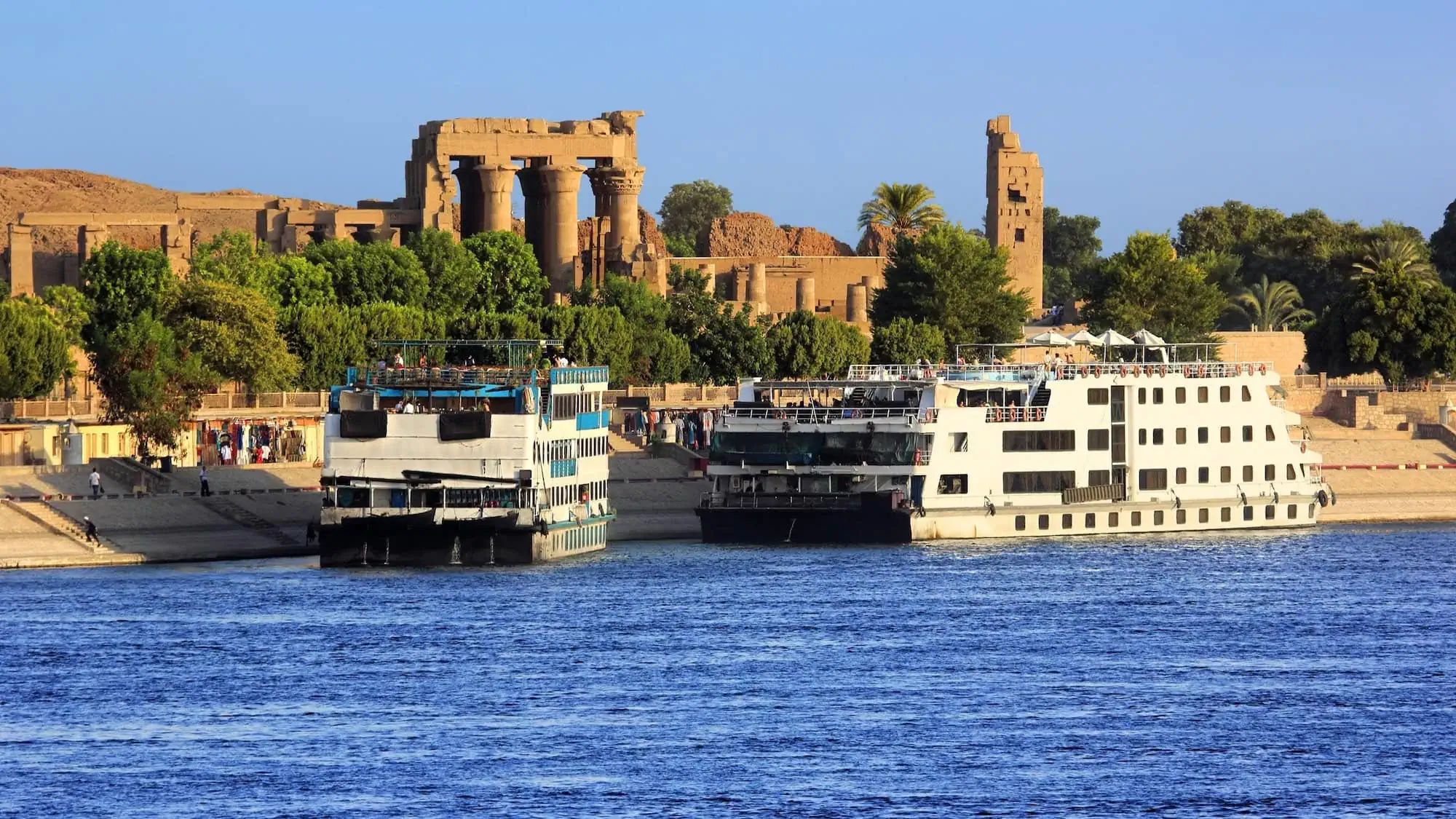
Kom Ombo Temple uniquely honors both Sobek the crocodile god and Horus the falcon god, with perfectly symmetrical design reflecting this dual dedication. The temple’s location on a bend in the Nile provides dramatic sunset photography opportunities.
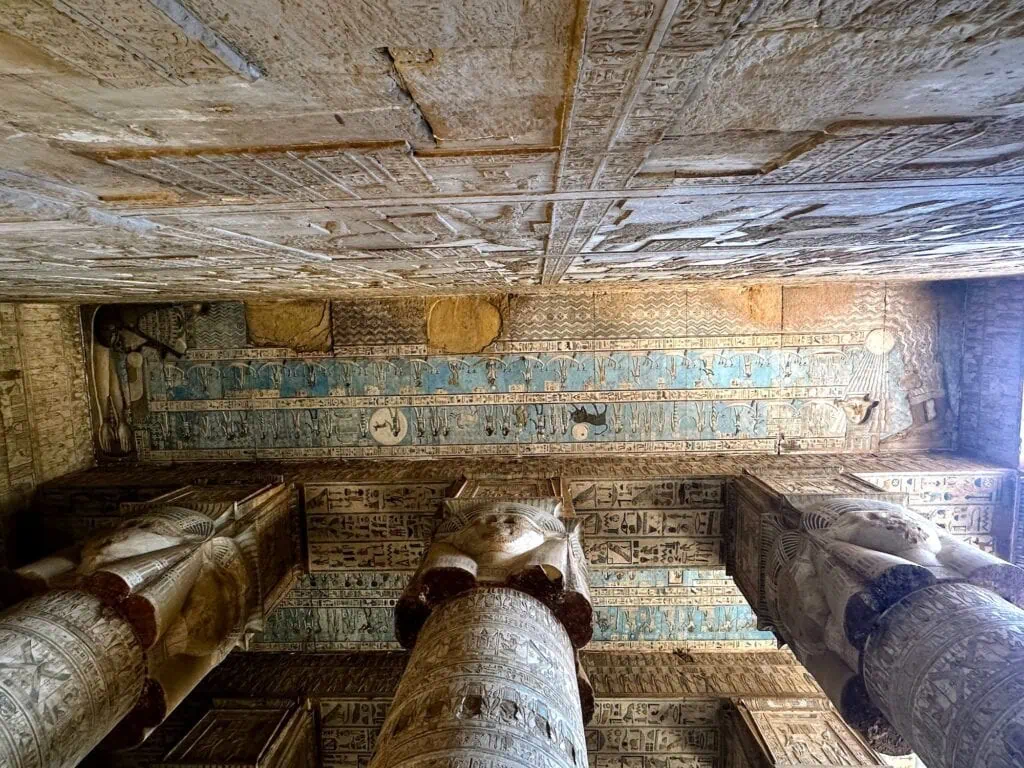
Dendera Temple Complex showcases some of ancient Egypt’s most intricate astronomical ceiling paintings. The famous Dendera Zodiac, now housed in the Louvre, originally decorated this temple’s ceiling, demonstrating ancient Egyptian understanding of celestial movements.
Frequently Asked Questions
Most comprehensive tours require 7-10 days to cover major sites comfortably, including travel time between destinations.
November through March offers ideal weather conditions with daytime temperatures around 20-25°C (68-77°F).
Most temples allow photography without flash, while pyramid interiors require separate photography tickets.
Modern cruise boats feature elevators and accessible cabins, though temples involve walking on uneven surfaces.
Options include Nile cruises (3-4 days), domestic flights (45 minutes), or train service (3 hours).
Conservative clothing covering shoulders and knees shows respect, plus comfortable walking shoes.
General admission is available at entrance, but special tombs like Tutankhamun require advance booking.
Professional Egyptologists provide historical context that transforms sightseeing into educational experiences about ancient civilizations.
July and August temperatures often exceed 40°C (104°F), making early morning touring essential.
Egyptian pounds are essential for entrance fees, though U.S. dollars are accepted at hotels.
Interactive storytelling about pharaohs and mummies captures young imaginations through adventure narratives.
Most sites involve walking on uneven surfaces and climbing stairs, requiring moderate fitness levels.
Design Your Custom Tour
Explore Egypt your way by selecting only the attractions you want to visit